
BABA(09988)

Search documents
千问总裁吴嘉发声:坚信中国的AI应用领域会走在世界前列
Di Yi Cai Jing· 2026-02-15 08:19
(文章来源:第一财经) 吴嘉透露,千问2月6日免单的效果远超预期,第一天的实际订单达到1500万单,是原来预计的15倍。他 还称阿里此次投入远超过30亿。 2月15日,千问C端事业群总裁吴嘉表示,千问春节活动的初衷,并不是为了和谁卷,而是让AI融进老 百姓的日常生活场景中。他坚信这一波的AI应用,中国一定会走在世界的最前列。 ...

千问总裁吴嘉回应千问爆火:我们不是要和谁卷
Xin Lang Cai Jing· 2026-02-15 08:04
新浪科技讯 2月15日下午消息,千问C端事业群总裁吴嘉今天回应千问爆火时表示,千问做这件事的初 衷,并不是为了和谁卷,而是让AI融进老百姓的日常生活场景中,"这是未来一定会发生的事情。" 2月6日,阿里旗下的千问App推出春节大免单后,千问迅速出圈,一夜爆火,9小时的订单超过1000万 单,系统一度限流以致用户无法下单。2月14日千问启动第二波免单活动,将AI大战推向高潮。 吴嘉表示, 第一波活动是能力验证,验证AI能不能在真实生活场景里跑通"理解—决策—下单—支 付"这条完整链路。第二波则真正把阿里巴巴全生态放进来了,飞猪的机酒、火车票、门票,大麦的电 影票,以及即将接入的高德团购、打车等,都在千问里。"AI正在从一个聊天工具,变成一个能办事的 助理。" 责任编辑:尉旖涵 2月6日,阿里旗下的千问App推出春节大免单后,千问迅速出圈,一夜爆火,9小时的订单超过1000万 单,系统一度限流以致用户无法下单。2月14日千问启动第二波免单活动,将AI大战推向高潮。 吴嘉表示, 第一波活动是能力验证,验证AI能不能在真实生活场景里跑通"理解—决策—下单—支 付"这条完整链路。第二波则真正把阿里巴巴全生态放进来了,飞 ...
发春节红包的大厂被约谈;百度O计划曝光,文心助手MAU增4倍;影石CEO回应年会送出5套房|AI周报
AI前线· 2026-02-15 05:32
Group 1 - Major tech companies were interviewed by the market regulatory authority to eliminate "involution-style" competition and ensure compliance with various laws [3] - Baidu's Wenxin Assistant saw a fourfold increase in monthly active users, with significant growth in AI-generated content features [4][6] - Insta360's annual meeting featured extravagant prizes, including five apartments and luxury cars, highlighting the company's focus on employee recognition and long-term value [7][8] Group 2 - DeepSeek's recent update led to user dissatisfaction due to perceived loss of personality in interactions, prompting calls for a rollback to previous versions [9][10] - Alphabet raised $31.51 billion through a large-scale bond issuance, reflecting strong demand for cloud service providers despite concerns over investor protection [11] - Disney accused ByteDance of copyright infringement related to its AI video generation model Seedance, marking a significant legal challenge for the company [12][13] Group 3 - Douyin launched a new app "Dou Sheng Sheng" to enhance its local life group buying business, aiming to compete in a less saturated market [18] - Elon Musk proposed building a factory on the moon to produce AI satellites, emphasizing the need for advanced computational resources [19] - A Stanford graduate developed an AI dating app called Date Drop, which has gained popularity among students, indicating a growing trend in tech-driven social solutions [20][21] Group 4 - Zhizhu announced a price increase for its GLM Coding Plan subscriptions, reflecting the rising costs associated with AI model development [16][17] - The URKL robot fighting league was launched to accelerate advancements in humanoid robotics, drawing parallels to F1 and NBA in terms of industry impact [21][22] - OpenAI released the GPT-5.3-Codex-Spark model, designed for real-time programming, showcasing advancements in AI-assisted software development [22][23]



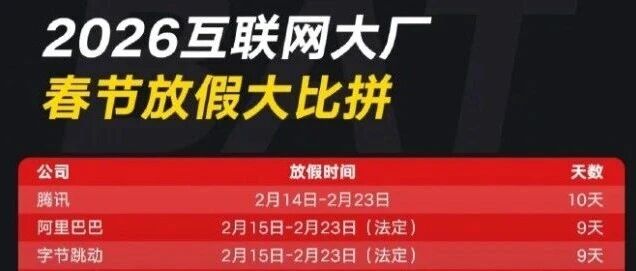
2026年互联网大厂春节放假大比拼,最高17天假。
猿大侠· 2026-02-15 04:11
Holiday Arrangements - Major companies have announced their holiday schedules for the upcoming Spring Festival, with most adhering to the national statutory holiday of 9 days [3][4] - Tencent will have a holiday from February 14 to February 23, totaling 10 days, while 58.com has the longest holiday of 17 days from February 7 to February 23 [4] - Other companies like Alibaba, ByteDance, Baidu, Meituan, Didi, Pinduoduo, Kuaishou, JD, and Xiaomi will follow the statutory holiday from February 15 to February 23, each with 9 days off [4] Employee Sentiment - There is a general satisfaction among employees regarding the holiday duration, with many expressing hope that future holidays will not be less than 9 days [3]




黄金深夜狂飙!前一日刚大跌,今夜突破5040美元,特朗普证实将派第二艘航母
Sou Hu Cai Jing· 2026-02-15 03:07
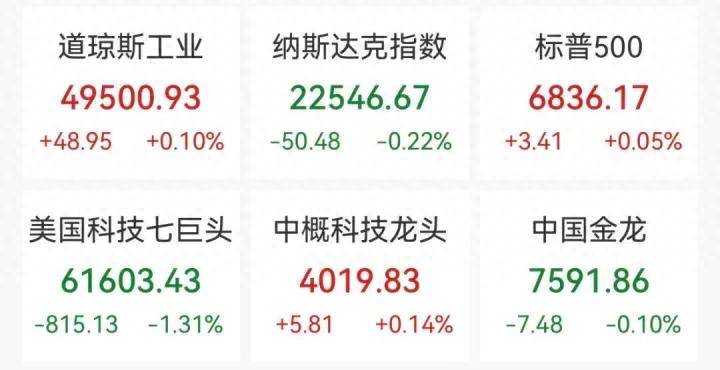
Economic Indicators - The latest CPI data from the US shows a decrease in the annual rate from 2.7% to 2.4%, the lowest since May 2025, with market expectations at 2.5% [1] - The core CPI annual rate fell from 2.6% to 2.5%, marking the lowest level since March 2021, aligning with market expectations [1] - Following the CPI release, the probability of the Federal Reserve easing policies in June increased from 63% to 69%, with a 50% chance of a third rate cut this year [1] Stock Market Performance - The three major US stock indices showed mixed results, with the Dow Jones up 0.1%, S&P 500 up 0.05%, and Nasdaq down 0.22% [2] - Over the week, the Dow Jones fell by 1.23%, S&P 500 by 1.39%, and Nasdaq by 2.1% [2] Individual Stock Movements - Major tech stocks experienced declines, with Apple and Nvidia down over 2%, while Tesla saw a slight increase of 0.09% [4] - Semiconductor stocks performed well, with the Philadelphia Semiconductor Index rising by 0.66%, driven by significant gains in Applied Materials and ARM [4] - Gold stocks showed strong performance, with several companies like Coeur Mining and Harmony Gold seeing increases of over 6% [4] Commodity Prices - Gold and silver prices surged, with gold closing at $5042.808 per ounce, up over 2.4%, and silver reaching $77.338 per ounce after a rise of over 5% [6] Geopolitical Developments - The US is increasing military presence in the Middle East, with President Trump confirming the deployment of a second aircraft carrier strike group to pressure Iran into negotiations [8] - Trump emphasized the need for a deal with Iran within a month, warning of severe consequences if negotiations fail [9] - Israeli officials expressed skepticism about the potential agreement, stressing the importance of including issues related to Iran's nuclear capabilities and missile programs [9]


大厂AI竞速,争抢超级入口|TMT年度盘点
经济观察报· 2026-02-15 02:55
Core Viewpoint - By 2025, the paradigm, value, and capabilities of AI will be fully confirmed, leading to significant technological investments, competitive differentiation, and market segmentation in 2026 [1][3]. Group 1: Industry Trends - The technology and internet sectors are experiencing rapid changes, with major companies competing fiercely in computing power and large model applications [2]. - Companies are shifting from a focus on technology arms races to defining scenarios for technology application, emphasizing the need to reconstruct existing business loops or create new interaction entry points [5]. Group 2: Major Company Strategies - Tencent, Alibaba, and ByteDance are heavily investing in AI, with Tencent's annual investment reaching hundreds of billions, Alibaba planning to invest 380 billion over three years, and ByteDance's capital expenditure projected to increase from 150 billion in 2025 to 160 billion in 2026 [3][4]. - Alibaba is developing its own AI chip and deploying large-scale clusters to serve over 400 clients, while Tencent is procuring GPUs and establishing AI research centers [3][4]. Group 3: Market Dynamics - The competition is intensifying, with companies like ByteDance developing their own AI chips and achieving significant daily usage metrics for their models [4]. - The narrative around computing power is shifting, with a focus on achieving greater value from lower energy costs, as exemplified by Alibaba's cloud initiatives [4]. Group 4: Future Outlook - 2026 is anticipated to be a watershed year, with the emergence of multi-modal foundational models leading to a Matthew effect, where only a few general intelligent agents will prevail [5].

从米兰巨幅广告到快闪店,冬奥迎来史上最多中国顶级赞助商
第一财经· 2026-02-15 01:23
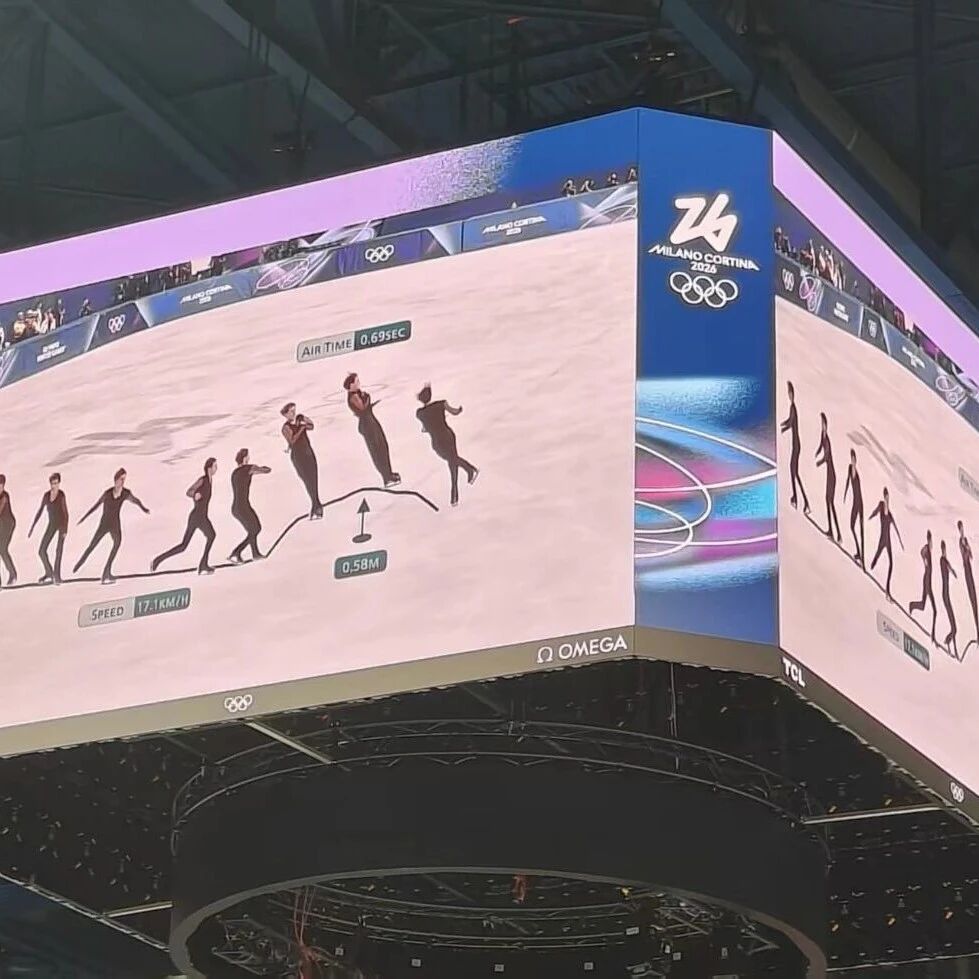
Core Viewpoint - The article highlights the significant presence and impact of Chinese brands as TOP sponsors at the Milan-Cortina Winter Olympics, showcasing the evolving landscape of sports marketing and sponsorship dynamics in the context of global sporting events [5][15]. Group 1: Sponsorship Landscape - The Milan-Cortina Winter Olympics features a record number of Chinese brands as TOP sponsors, with TCL, Alibaba, and Mengniu participating, marking the highest representation of Chinese sponsors in Olympic history [5][15]. - The TOP sponsorship program is crucial for the financial support of the Olympics, with companies paying over $300 million per cycle, contributing significantly to the International Olympic Committee's revenue [12]. - The article notes that the TOP sponsorship program has seen a shift in participants, with traditional sponsors like Panasonic and Toyota exiting, while new entrants like TCL and Budweiser are filling the gaps [17][18]. Group 2: Marketing and Brand Visibility - Major sponsors have utilized prominent advertising spaces in Milan, with TCL securing the largest outdoor billboard, showcasing their products alongside Olympic themes [7][10]. - The presence of sponsors extends beyond advertising, as they provide services and products within the Olympic Village, enhancing the experience for athletes and staff [10][11]. - The article emphasizes the importance of sports marketing for brand recognition, with TCL's market share in Italy growing by approximately 50% due to their Olympic sponsorship efforts [20]. Group 3: Technological Integration - The integration of new technologies, such as AI and cloud services, is highlighted as a key trend among sponsors, enhancing the viewing experience and operational efficiency during the Olympics [18][20]. - Alibaba's AI assistant and TCL's advanced display technologies are examples of how sponsors are leveraging innovation to improve engagement and service delivery at the event [11][18]. Group 4: Economic Impact and Market Strategy - The article discusses the economic implications of the Olympics for sponsors, noting that brands are seeking to expand their global presence through strategic marketing initiatives tied to the event [20]. - Companies like TCL are adapting their strategies to local market conditions in Italy, recognizing the diverse economic landscape and competitive environment [20].


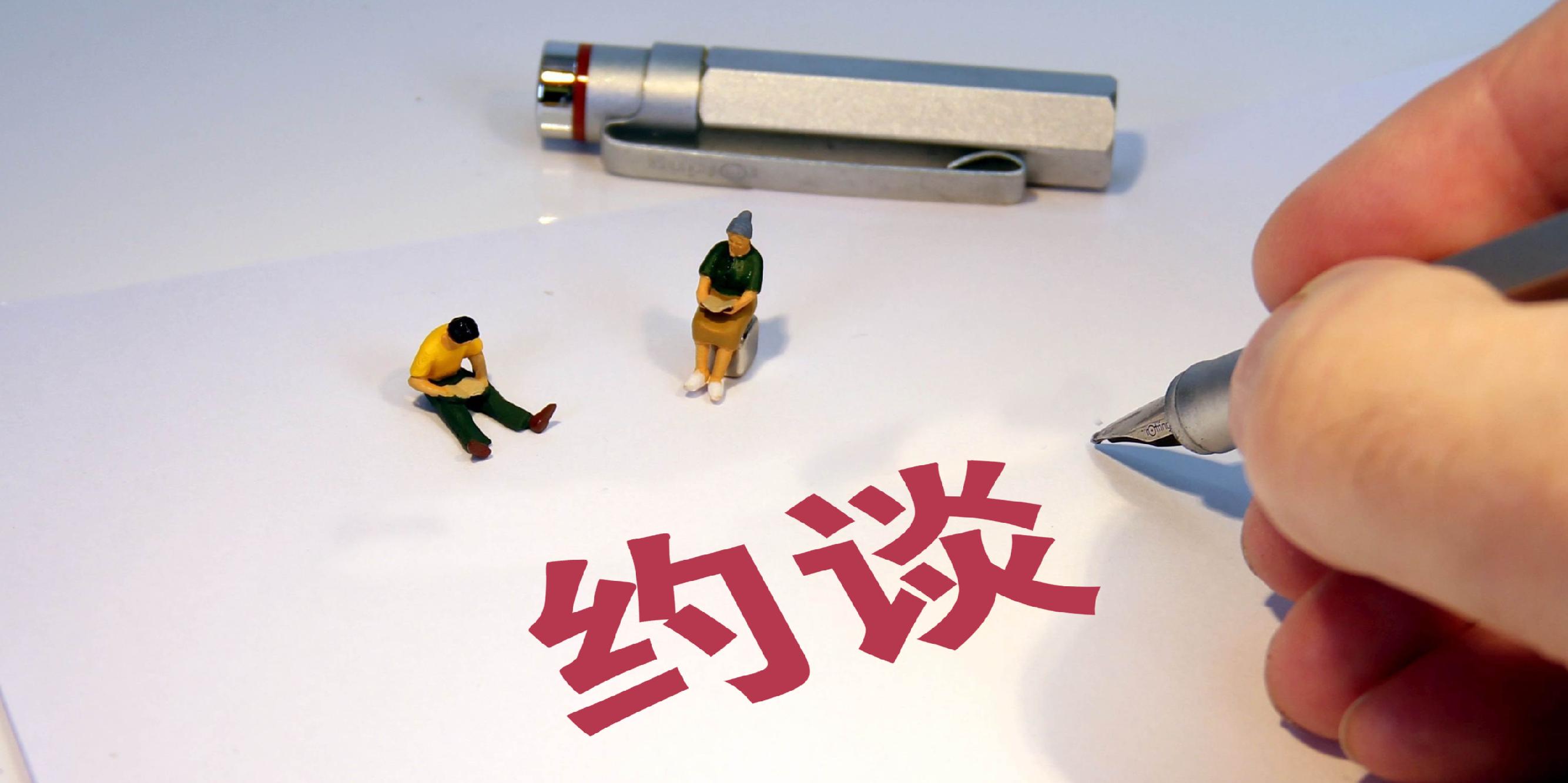
杜绝内卷式竞争,市场监管总局约谈7家平台
Xin Lang Cai Jing· 2026-02-15 01:08
Core Viewpoint - The State Administration for Market Regulation (SAMR) has summoned major platform companies including Alibaba, Douyin, Baidu, Tencent, JD.com, Meituan, and Taobao Shanguo to ensure compliance with various laws and regulations, emphasizing the need for fair competition and innovation in the platform economy [1] Group 1: Regulatory Compliance - The platform companies are required to strictly adhere to the Anti-Unfair Competition Law, Price Law, Consumer Rights Protection Law, and E-commerce Law of the People's Republic of China [1] - Companies are urged to take proactive responsibility in implementing these regulations to enhance their promotional practices [1] Group 2: Market Environment - The SAMR has highlighted the importance of eliminating "involution" competition among platforms to maintain a fair competitive market environment [1] - The initiative aims to promote innovation and healthy development within the platform economy [1]

发春节红包的大厂都被约谈了
Jing Ji Guan Cha Wang· 2026-02-15 00:12
Core Viewpoint - The Chinese market regulator has conducted a centralized interview with major platform companies, including Alibaba, Douyin, Baidu, Tencent, JD.com, Meituan, and Taobao Shanguo, to regulate promotional activities and eliminate "involution" competition. This coincides with the release of the "Internet Platform Antitrust Compliance Guidelines," which outlines four categories of antitrust risks [2][3]. Group 1: Regulatory Actions - The market regulator's interview with the seven platform companies is seen as a follow-up action to the implementation of the new guidelines [3]. - The guidelines specifically address monopolistic agreements, abuse of market dominance, operator concentration, and the misuse of administrative power to restrict competition [2]. Group 2: Promotional Activities - All seven platform companies have recently announced significant cash red envelope campaigns for the Spring Festival, with Tencent and Baidu leading the charge by offering 10 billion yuan and 5 billion yuan, respectively [4]. - Alibaba has committed 30 billion yuan to its "Spring Festival Treat Plan," while JD.com plans to distribute 30 billion yuan in red envelopes on New Year's Eve [4]. - The total planned red envelope distribution from Tencent, Baidu, Alibaba, and JD.com for the 2026 Spring Festival exceeds 7.5 billion yuan [4]. Group 3: Antitrust Risks - The guidelines identify eight new types of monopolistic risks specific to the platform economy, including algorithm collusion, unfair pricing, and discriminatory treatment [5]. - The guidelines emphasize the need for platform operators to ensure fair rules, ethical algorithms, and compliant competition [5]. Group 4: Industry Insights - Industry insiders suggest that while issuing red envelopes is not inherently problematic, it could lead to harmful subsidies or discriminatory practices if not managed properly [6]. - The competition for traffic has expanded from e-commerce to AI platforms, presenting new regulatory challenges that require monitoring for algorithmic collusion and exclusionary practices [6].
从米兰巨幅广告到快闪店 冬奥迎来史上最多中国顶级赞助商
Di Yi Cai Jing· 2026-02-14 23:49
Core Insights - The Milan-Cortina Winter Olympics is showcasing a strong presence of global brands, particularly Chinese sponsors, marking a significant moment in sports marketing [1][7]. Group 1: Sponsorship and Advertising - Major sponsors like TCL, Alibaba, and Coca-Cola are leveraging the Olympics for extensive advertising, with TCL securing the largest outdoor billboard in Milan [1][2]. - The city has transformed into a winter Olympics-themed venue, with advertisements from various sponsors visible in public spaces, including bus stops and tram bodies [2]. - The current Winter Olympics features 12 TOP sponsors, including three from China, highlighting the increasing influence of Chinese brands in global sports [3][7]. Group 2: Services and Products Provided by Sponsors - TOP sponsors are not only providing financial support but also services, such as TCL setting up a lounge in the Olympic Village equipped with their products [4]. - Other sponsors like Alibaba and Procter & Gamble are also providing unique experiences and products for athletes, enhancing the overall Olympic experience [4]. - The use of advanced technology, such as AI and cloud services, is evident in the broadcasting and event management, with Alibaba's AI assistant deployed for operational support [9]. Group 3: Economic Impact and Market Dynamics - The TOP sponsorship program is a significant revenue source for the International Olympic Committee, with companies paying over $300 million per cycle [6]. - The financial contributions from TOP sponsors are crucial for the organization and development of Olympic events globally [5]. - TCL's market share in Italy has grown by approximately 50%, indicating the effectiveness of sports marketing in enhancing brand recognition [10]. Group 4: Changes in Sponsorship Landscape - The upcoming Paris Olympics will see a shift in the sponsorship landscape, with several long-standing sponsors exiting the TOP program, creating opportunities for new entrants [8]. - The departure of traditional sponsors reflects a broader trend of industry transformation, with a focus on new technologies and market dynamics [8]. - The increasing presence of Chinese brands in the TOP sponsorship ranks signifies a shift in global commercial power within the Olympic framework [7].