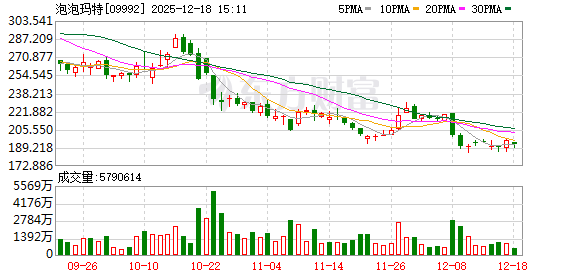
POP MART(09992)

Search documents
“犒赏经济”崛起:情绪买单撬动千亿消费新蓝海
Jin Rong Jie· 2025-12-18 13:53
Core Insights - The article defines "Reward Economy" as a new engine for driving domestic demand and expanding consumption, particularly among the younger demographic, with the collectible toy industry projected to reach a market size of 110.1 billion yuan by 2026 [1] Economic New Concept - "Reward Economy" is characterized by consumers purchasing non-essential goods or experiences to fulfill psychological needs and achieve immediate gratification, differing fundamentally from the "lipstick effect" which is a reaction to economic downturns [2] Market New Forces - The collectible toy industry exemplifies the "Reward Economy," experiencing explosive growth and evolving beyond the single "blind box" model into a multi-billion yuan "emotional business" [4] - As of April 2025, there are over 50,000 collectible toy-related companies in China, with leading brand Pop Mart expected to surpass 10 billion yuan in revenue for the first time in 2024 [4][5] Consumer New Portrait - Young consumers are reshaping their spending habits under the "Reward Economy," balancing frugality in essential goods with willingness to spend on emotionally resonant items like collectible toys and experiences [6] - Female consumers are increasingly driving demand, especially in artistic collectible toys, while over 60% of consumers spend no more than 5,000 yuan on collectibles [6] Industry New Changes - The rise of the "Reward Economy" is fostering innovation and cross-industry integration, leading to new business models like "Emotion+" that extend beyond collectibles into beauty and travel sectors [7] - Cultural consumption is being revitalized, with significant spending in areas like domestic cultural products and traditional crafts, contributing to the growth of the cultural industry [7] Cultural and Tourism New Scenes - The "Reward Economy" is invigorating the cultural and tourism sectors, emphasizing immersive experiences and personalized satisfaction, with local governments promoting this trend through various events [8] - Innovative models like "ticket root economy" are connecting tourism with consumption, enhancing the value of experiences through discounts and integrated services [8] Future New Directions - The future of the "Reward Economy" presents challenges, including the risk of over-commercialization and the need for sustainable product and IP development [9] - There is potential for deeper integration with technology, such as AI in design and personalized recommendations, which could enhance consumer interaction and experience [9] Regulatory New Guidance - The healthy development of the "Reward Economy" requires regulatory frameworks to promote rational consumption and address issues like quality and pricing in the market [10] - Companies are encouraged to focus on high-quality products that provide emotional value rather than merely selling experiences, fostering a market based on genuine consumer connection [10]

泡泡玛特陈晓芸:13个IP收入过亿,秘诀是文化适配与场景共创
2 1 Shi Ji Jing Ji Bao Dao· 2025-12-18 07:11
"优秀的IP拥有跨越文化的力量。"泡泡玛特国际集团副总裁陈晓芸表示,IP是泡泡玛特发展的核心驱动 力,更是连接全球消费者的情感纽带。 "未来泡泡玛特将继续以IP为核心,通过本地化创作与数字化布局,让潮玩成为全球用户共享的文化符 号。"她表示。 (文章来源:21世纪经济报道) 通过IP的沉浸式叙事,泡泡玛特以"文化适配+场景共创"的逻辑,实现潮流文化在不同市场年轻消费群 体的渗透。同时,针对当地的消费习惯,进行本地化调整。截至2025年6月底,泡泡玛特拥有超过550家 直营门店,2500台机器人商店,13个IP的收入过亿。全球营收138.8亿元,同比增长204.4%,其中,美 洲营收22.6亿元,同比增长1142.3%。 陈晓芸介绍,泡泡玛特已构建"线下场景+线上生态"的全球触达网络,以数字化支撑全球化运营,为消 费者提供产品、服务和体验。线上官方渠道覆盖37个国家,其中34个国家同步上线了自研APP;线下渠 道,持续进驻全球知名地标,实现本地化联动营销。 12月18日, 2025年中国数字文娱大会在广州开幕。主旨发言环节,陈晓芸以"潮流IP的全球化运营"为 题进行演讲,讲述了泡泡玛特在全球发掘有潜力的艺术家, ...

港股止跌,整个早盘都维持在中轴附近窄幅盘整




Ge Long Hui· 2025-12-18 04:56
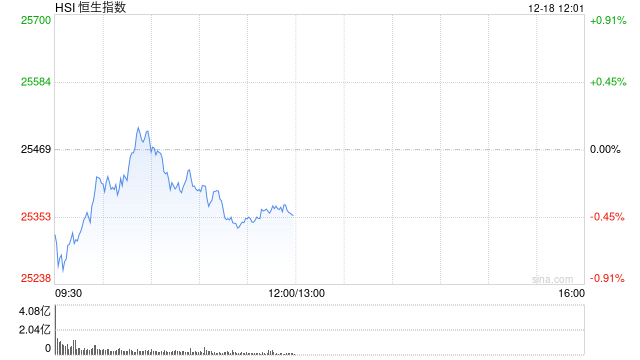
Group 1 - The Hong Kong stock market has stabilized, maintaining a narrow range around the mid-axis during the morning session, with slight gains in consumer and technology sectors, while the internet and healthcare sectors experienced a downturn [1] - The consumer sector showed signs of recovery, with a slight increase of 0.32% by midday, driven by stocks such as Li Ning up 4.37%, Shenzhou International up 2.26%, and several others like Stone Pharmaceutical, Lao Pu Gold, WuXi Biologics, and Pop Mart all rising over 1% [3] - The technology sector also saw a minor increase of 0.14% by midday, with Meituan up 1.21%, while major players like JD Group, Alibaba, Tencent Holdings, and SMIC posted slight gains; however, BYD and NetEase faced minor declines [3] Group 2 - The healthcare sector had a lackluster performance, with Stone Pharmaceutical up 1.9% and WuXi Biologics up 1.68%, while other stocks like BeiGene, Innovent Biologics, and 3SBio saw slight increases; in contrast, companies like CanSino Biologics, China Biologic Products, JD Health, and Hansoh Pharmaceutical experienced minor declines [3]

泡泡玛特城市乐园1.5期明年亮相,将迎重磅升级
Bei Jing Ri Bao Ke Hu Duan· 2025-12-18 04:56
在"体验经济"层面,城市乐园也尝试开拓创新业务。王涛举例,为分享设计的"星星人冰淇淋"、兼具美 感与仪式感的"MOLLY奶油蛋糕"等主题甜品,不仅成为游客打卡分享的热点,也旨在"让每一份甜蜜, 都成为旅程中值得回味的亮点"。 面对未来,王涛表示,泡泡玛特城市乐园仍是"未完成"的状态。即将亮相的1.5期升级,是持续迭代的 重要一步。"我们将继续打造更多演艺互动和主题活动,希望城市乐园场景常新,体验常变,在为消费 者带来全新体验的同时,也能契合旅游消费的'复游'需求,以潮流IP助力文旅融合创新,为'京彩'生活 贡献独特的潮流文化力量。" 运营数据显示,这一创新业态已展现出跨地域、跨年龄的吸引力。据王涛介绍,城市乐园的非家庭用户 占比接近60%,外埠游客占比同样达到约60%,其中不乏全球游客。据了解,2025年,该乐园位列北京 入境游热门景区第六名,较去年提升三个位次。王涛认为,这组数据背后,正体现了"以文兴旅、以旅 促商"的联动效应——独特的IP文化吸引了广泛客群,使城市乐园成为北京文旅消费的新亮点。 以线下乐园的体验深化消费者与IP的情感连接,是乐园运营的核心逻辑。"我们希望让城市乐园成为潮 流消费的新场景。" ...
午评:港股恒指跌0.44% 科指跌1.26% 科网股普跌 锂电池板块走弱 航空股逆势走强
Xin Lang Cai Jing· 2025-12-18 04:01
Market Overview - The Hong Kong stock market indices experienced a collective decline, with the Hang Seng Index falling by 0.44% to 25,357.69 points, the Hang Seng Tech Index dropping by 1.26%, and the State-Owned Enterprises Index decreasing by 0.6% [1][8]. Sector Performance Technology Sector - Technology stocks saw widespread declines, with Xiaomi dropping over 3%, Lenovo down more than 2%, and both Baidu and Alibaba falling over 1% [1][9]. Aviation Sector - Aviation stocks continued their upward trend, highlighted by Beijing Capital International Airport's shares rising over 7%. The new round of duty-free tenders at major airports, including Shanghai Pudong and Hongqiao, as well as Beijing Capital, will introduce foreign participants [2][11]. Lithium Battery Sector - Lithium battery stocks faced significant declines, with CATL (Contemporary Amperex Technology Co., Limited) falling over 3%. Morgan Stanley has raised its global lithium demand forecast for 2030 to 3.5 million tons, indicating a potential supply-demand gap of 4-7% in the medium term, which could push lithium carbonate prices to $18,000 by the end of next year, a 33% increase from current spot prices [3][12]. New Consumption Sector - New consumption concept stocks weakened, with Pop Mart dropping over 2%. The Ministry of Commerce and other departments issued a notice to strengthen the collaboration between commerce and finance to boost consumption, emphasizing the cultivation of new consumption models [5][13].



闭店潮刷屏时,这些品牌却在商场开大店
Sou Hu Cai Jing· 2025-12-18 03:15
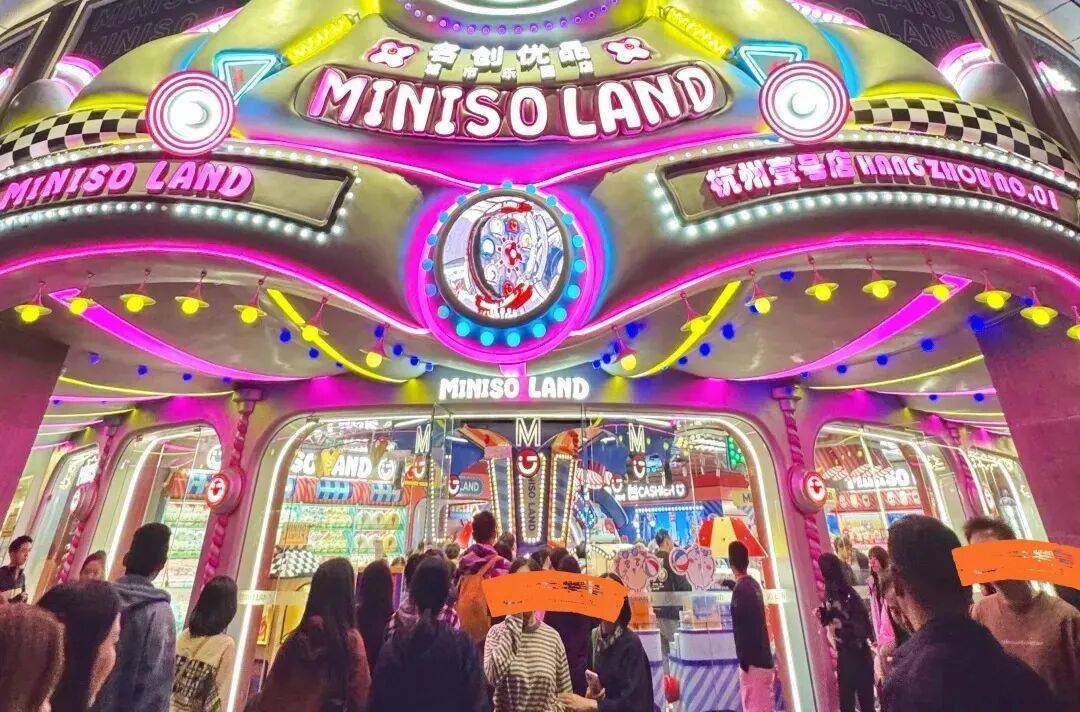
Core Insights - The essence of business is to create value that meets social needs while earning profits through reasonable transactions and operations. This principle applies to the expansion of brand stores in shopping malls, where brands are cautiously expanding despite a prevailing trend of store closures and market exits [2] - Recent observations indicate that several brands are opening large stores in shopping malls, defying the trend. Notable examples include Pop Mart and Huawei, which are expanding their presence in key locations [2][3] Group 1: Trend in Retail Expansion - The Chinese潮玩 (trendy toy) industry is rapidly growing, with a projected market size of 850-877 billion yuan by 2025, where blind boxes account for 28% and figurines for 16% of the market [4] - Pop Mart opened a flagship store in Shanghai on November 29, covering nearly 800 square meters, making it the largest Pop Mart store in Shanghai [5][6] - The new Pop Mart store features an immersive experience with themed areas, attracting consumer attention and enhancing the shopping experience [7][9] Group 2: Brand Strategies - Miniso is implementing a dual strategy of "large store strategy + global IP" to expand its footprint, with new store formats like MINISO SPACE and MINISO LAND transforming traditional retail into immersive experience spaces [10][12] - Miniso opened its first MINISO LAND store in Hangzhou on November 7, featuring a theme park concept that integrates various IP products, making it a popular destination [12][13] - The rise of潮玩 brands is driven by consumer demand for emotional resonance and social attributes, supported by a mature supply chain and policy backing [15] Group 3: Consumer Electronics Growth - The consumer electronics sector is experiencing rapid growth in offline retail, with the share of electronic products in Shanghai's retail market increasing from 21% in 2023 to 36% by Q3 2025 [17] - Huawei opened over 1,400 stores in August and October 2025, including a 2,800 square meter smart living store in Hangzhou, showcasing a blend of technology and lifestyle [18][21] - Xiaomi's sales of electric vehicles reached 40,000 units in November, with a significant increase in the number of Xiaomi stores, indicating a strong retail expansion strategy [26][28] Group 4: Market Dynamics - The expansion of consumer electronics brands into shopping malls is a strategic move to enhance brand visibility and connect with consumers through immersive experiences [31] - These brands are not only attracting tech-savvy consumers but also contributing significantly to the financial performance of shopping malls, creating a win-win situation for both parties [31]

大消费行业主题报告
2025-12-17 15:50
Summary of Key Points from Conference Call Records Industry Overview - The conference call discusses the **large consumption sector**, highlighting the emergence of new consumer demands that drive growth in the sector through new products (personalized, green, low-carbon), new channels (snack chains, discount formats), and new business models (diverse consumption scenarios) supported by the "14th Five-Year Plan" [1][2]. Core Insights and Arguments - **Traditional Consumption Recovery**: The traditional consumption sector is expected to recover by 2026, driven by the release of residents' purchasing power and policy measures aimed at boosting employment and income stability. The food and beverage industry is stabilizing, with the liquor sector showing signs of fundamental stability and dairy products expected to recover quickly [1][5]. - **Commodity Market Trends**: The commodity market has shown a trend of high followed by low prices, with the government implementing various promotional policies to stimulate service consumption and domestic demand. The Ministry of Commerce has issued opinions to expand service consumption, aiming to enhance residents' quality of life and stimulate domestic demand potential [1][6][7]. - **Emerging Consumer Demands**: New consumer demands are impacting the large consumption sector through three main directions: the development of new products that meet diverse and personalized needs, the optimization of new channel structures, and the promotion of new business models that foster diverse consumption scenarios [2][4]. Important but Overlooked Content - **Social Services Sector Changes**: The social services sector is evolving to meet changing consumer demands, with slight increases in beauty care and retail sectors. Key areas of investment include outdoor sports, gold and jewelry, and cultural and trendy IPs, with recommendations for companies like Anta Sports and Lao Pu Gold [8][22]. - **Tourism Market Trends**: The tourism market is gradually recovering, with leading companies like Ctrip and Huazhu Group adapting through technological innovation and marketing to meet the new demands of both young and elderly consumers. China Duty Free's Hainan business has benefited significantly from new duty-free policies [9][10]. - **Food and Beverage Sector Stability**: The food and beverage sector is stabilizing, with the liquor market facing challenges but showing resilience in mass consumption. The snack sector is experiencing performance differentiation, while dairy product demand is steady and supply is gradually clearing [12][17]. - **Investment Opportunities in Agriculture**: The agriculture, forestry, animal husbandry, and fishery sectors present investment opportunities, particularly in pig farming and the pet industry, which is growing due to demographic changes and emotional needs [3][13][19]. - **Household Appliance Sector**: The household appliance industry is seeking structural highlights amid steady growth, with a focus on high-dividend white goods and improving profit margins in black goods. The market for robotic vacuum cleaners is also expected to grow due to technological advancements [20][21]. This summary encapsulates the key points discussed in the conference call, providing insights into the large consumption sector and its various components, along with potential investment opportunities and market trends.


Labubu轻松买到了,泡泡玛特却走在十字路口
Sou Hu Cai Jing· 2025-12-17 12:06
Core Viewpoint - The demand for Labubu collectibles has decreased significantly, leading to a drop in prices and a substantial decline in the stock price of Pop Mart, despite the brand's global expansion and revenue growth potential [1][3][11]. Group 1: Price and Market Dynamics - Labubu collectibles, which were once priced at a premium, have seen their prices drop to between 129 and 179 yuan, with some second-hand prices falling below official retail prices [3]. - The production capacity of Labubu has increased from 10 million units per month in the first half of the year to 50 million units per month by the end of the year, contributing to the decline in prices [11]. Group 2: Financial Performance and Market Reaction - Pop Mart's stock price has experienced a significant decline, dropping from 339.8 HKD in August to 184.6 HKD recently, resulting in a market value loss of 200 billion HKD [11]. - Morgan Stanley projects that Labubu's sales will reach 15.5 billion yuan this year, a 41-fold increase compared to 2023, but anticipates a slowdown in growth next year due to potential consumer loss [11]. Group 3: Brand Expansion and Future Prospects - The popularity of Labubu has enhanced Pop Mart's brand recognition globally, with over 60 physical stores established in the U.S. and ongoing expansion in key markets such as North America, Europe, and the Middle East [11][13]. - Pop Mart is diversifying its operations by shifting from solely selling products to offering content (such as animated series) and experiences (like theme parks), which may provide a more stable growth path [13].
宋立新:去年王宁来到企业家之夜的舞台后,labubu追捧热度都起来了
Xin Lang Cai Jing· 2025-12-17 09:27
Core Insights - The "Entrepreneur Night" launch ceremony took place on December 17 in Beijing, emphasizing the importance of connecting and building trust within the business community [1][4]. Group 1: Event Significance - The event is seen as a bridge to establish trust and break down information asymmetry in the business sector [3][6]. - Sina Finance positions itself as a connector, highlighting that the recent bull market in A-shares has benefited those who facilitate connections [2][5]. Group 2: Value Creation - The event is defined as an encourager, where "connection creates value, and integration changes business," indicating a shift towards a more interconnected and intelligent business environment [3][6]. - The previous year's event featured the brand "Bubblemart" and its character "Labubu," which significantly increased its market value and popularity after being showcased [3][6]. Group 3: Historical Record - The "Entrepreneur Night" serves as a chronicler of Chinese business history, aiming to document innovation, civilization, and progress each year [3][6].
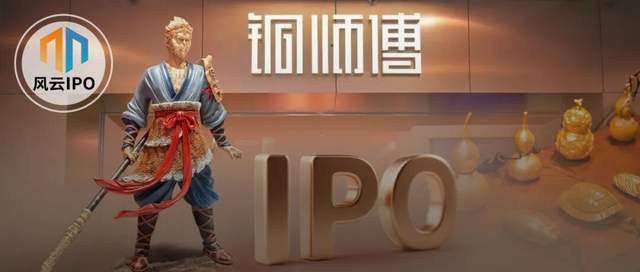
三年砸2亿营销,雷军看好的铜师傅再造港股纯铜版“泡泡玛特”?
Sou Hu Cai Jing· 2025-12-17 07:19
Core Viewpoint - The company, Hangzhou Copper Master Cultural and Creative (Group) Co., Ltd. (referred to as "Copper Master"), is preparing for a secondary listing on the Hong Kong Stock Exchange after previously attempting to list on the Shenzhen Stock Exchange. The company aims to use the funds raised for product development, capacity enhancement, sales channel improvement, digital infrastructure upgrades, and general corporate purposes [2][24]. Group 1: Company Overview - Copper Master specializes in copper cultural and creative products, with a product price range from tens to tens of thousands of yuan [2][10]. - The company has established a comprehensive IP matrix, including self-developed and licensed IPs, with significant revenue contributions from its self-developed IP products [3][4][6]. Group 2: Financial Performance - From 2022 to 2025, Copper Master reported revenues of 5.03 billion yuan, 5.06 billion yuan, 5.71 billion yuan, and 3.08 billion yuan, with corresponding profits of 569.38 million yuan, 441.31 million yuan, 789.82 million yuan, and 302.44 million yuan [13]. - The company’s revenue from copper cultural products accounted for approximately 95% of total revenue in recent years, indicating a stable income stream [7][10]. Group 3: Market Position and Growth - According to Frost & Sullivan, Copper Master holds a 35% market share in China's copper cultural craft product market, positioning it as a market leader [8]. - The IP toy market in China is projected to grow significantly, with an expected market size of approximately 1,000 billion yuan by 2027, indicating a favorable environment for Copper Master’s growth [3]. Group 4: Product Development and Innovation - Copper Master has launched hundreds of new products annually, with a focus on various materials and themes to cater to different consumer demographics [6][9]. - The company has diversified its product offerings through sub-brands, including "Yueyin" for silver products and "Xijiang Gold Shop" for gold products, expanding its market reach [8][10]. Group 5: Sales Channels and Consumer Behavior - Online sales account for about 80% of Copper Master’s revenue, with a high customer loyalty reflected in a repeat purchase rate of around 59% [14][16]. - The average transaction value has been declining, with online customer spending decreasing from 958 yuan to 556 yuan over recent years, indicating a shift towards more affordable products [19][20]. Group 6: Future Outlook - Copper Master plans to continue expanding its product development and international market presence, particularly in Taiwan and the United States, where it has recently begun operations [25]. - The company aims to open 50 new retail stores in major cities over the next three years, enhancing its physical presence [19].