POP MART(09992)

Search documents
泡泡玛特(09992.HK)午后涨近4%
Mei Ri Jing Ji Xin Wen· 2025-12-17 07:16
(文章来源:每日经济新闻) 每经AI快讯,泡泡玛特(09992.HK)午后涨近4%,截至发稿涨3.28%,报195.4港元,成交额13.42亿港 元。 ...
港股异动 | 泡泡玛特(09992)午后涨近4% LVMH高管加入公司董事会 大摩称有望提升Labubu吸引力
智通财经网· 2025-12-17 07:12
Core Viewpoint - Pop Mart (09992) has seen a nearly 4% increase in stock price following the announcement of the appointment of Wu Yue, President of LVMH Greater China, as a non-executive director, indicating a strategic move towards integrating into the international fashion scene [1] Group 1: Company Developments - On December 11, Pop Mart announced the addition of Wu Yue to its board of directors, who has 20 years of experience at LVMH and has been involved in building luxury brand channels, membership, and talent systems in Greater China [1] - The appointment of Wu Yue is viewed as a significant endorsement for the Pop Mart brand, suggesting its alignment with core international fashion trends [1] Group 2: Market Implications - Morgan Stanley's research indicates that this personnel change will enhance the company's ability to leverage high-end fashion resources and increase the market appeal of its core IP, Labubu [1] - Analysts note that there were previous concerns regarding the sustainability of growth for Labubu and the company, but Wu Yue's addition signals strong recognition from the fashion industry, potentially leading to new traffic and growth scenarios through high-end memberships and fashion jewelry collaborations [1]
泡泡玛特午后涨近4% LVMH高管加入公司董事会 大摩称有望提升Labubu吸引力
Zhi Tong Cai Jing· 2025-12-17 07:11
Core Viewpoint - Pop Mart (09992) shares rose nearly 4% in the afternoon trading session, reflecting positive market sentiment following the announcement of a new board member from LVMH, indicating a strategic move towards integrating with the international fashion scene [1] Company Developments - On December 11, Pop Mart announced the appointment of Wu Yue, President of LVMH Greater China, as a non-executive director [1] - Wu Yue has 20 years of experience at LVMH, contributing significantly to the development of luxury brand channels, membership systems, and talent frameworks in Greater China [1] Market Implications - Industry insiders suggest that Wu Yue's addition to the board serves as an endorsement for the brand, signaling Pop Mart's integration into the core of international fashion trends [1] - Morgan Stanley's research report indicates that this personnel change will significantly enhance the company's ability to leverage high-end fashion resources and increase the market appeal of its core IP, Labubu [1] - Analysts note that concerns regarding the sustainability of growth for Labubu and the company have been alleviated by Wu Yue's appointment, which signals high recognition of the IP within the fashion industry and potential for new traffic and growth scenarios through high-end memberships and fashion jewelry collaborations [1]
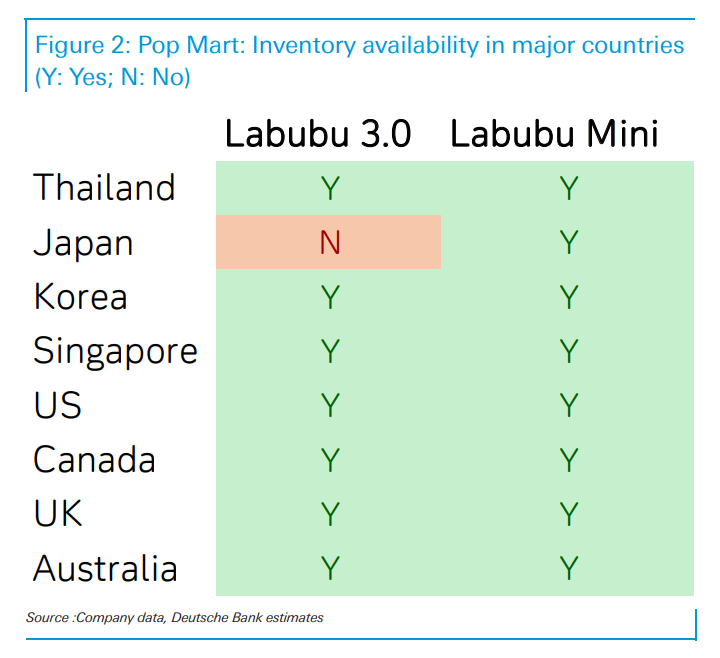
多数海外门店的客流量减少和排队现象消失!华尔街质疑:泡泡玛特选择“走量模式”,对吗?
Hua Er Jie Jian Wen· 2025-12-17 03:34
Core Viewpoint - The market sentiment is shifting dramatically, with Deutsche Bank downgrading Pop Mart's rating to "Hold" due to the loss of "scarcity" which is undermining the brand's premium pricing ability [1] Group 1: Business Model and Market Dynamics - Pop Mart's aggressive capacity expansion since mid-October 2025 has increased monthly production from 10 million to 50 million units, resolving supply shortages but significantly reducing product scarcity and collector enthusiasm [1][2] - The once high-demand Labubu series, with approximately 145 million units sold globally, is now widely available, leading to a decline in Google search interest and social media discussions [2] - The business model relies heavily on high transaction volumes with low average transaction values, necessitating frequent customer visits to maintain sales performance comparable to top fashion brands [4] Group 2: Customer Traffic and Profitability - Observations indicate that stores in major cities like Bangkok, Singapore, Seoul, and the U.S. no longer experience queueing, which could negatively impact the company's operating leverage [5] - Deutsche Bank projects an adjusted net profit margin (NPM) of 34.4% for 2025, up from 26.1% in 2024, but this is contingent on maintaining high customer traffic [5] Group 3: Historical Context and Future Risks - Historical analysis of Hello Kitty's IP cycles warns investors that the trajectory of IP popularity is not linear, with potential for significant downturns following periods of high demand [6][10] - Current market reactions to new products like "mini Labubu" and "The Monsters 1 a.m." series are lukewarm, raising concerns about the ability to sustain Labubu's popularity or quickly launch another hit IP [11] Group 4: Valuation and Catalysts - Pop Mart's forward P/E ratio is currently at 15 times, reflecting market concerns about the peak of its "fashion cycle" [12] - Future stock price movements will depend on short-term catalysts; if revenue growth is merely a result of increased production at the expense of IP popularity, long-term valuation logic may need to be reassessed [12]

(年终特稿)出彩、出圈、出海,中国向世界呈现文化新样貌
Zhong Guo Xin Wen Wang· 2025-12-17 01:51
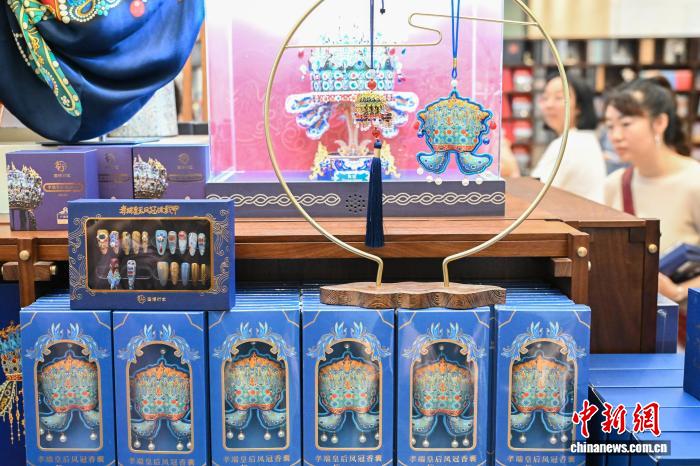
Core Insights - The article highlights the emergence of a new cultural representation of China to the world, showcasing diverse IP forms and their global impact, such as the record-breaking box office of the animated film "Ne Zha" and the successful sales of cultural products like the Fengguan refrigerator magnet [1][3]. Group 1: Cultural Products and Their Impact - The Fengguan refrigerator magnet, launched by the National Museum of China, has achieved cumulative sales of over 2 million units within a year, indicating the vitality of traditional culture in contemporary consumer culture [3][4]. - The film "Ne Zha" has significantly influenced the Chinese film market, with its catchphrase "Help me break the cauldron" becoming one of the top ten internet buzzwords of 2025, reflecting its cultural resonance [3][4]. Group 2: Globalization of Chinese Culture - The character Labubu, representing a new wave of Chinese cultural products, has gained international popularity, with significant sales figures reported in various countries, including a record-breaking single-day revenue of 10 million RMB in Thailand [6]. - The success of these cultural products is attributed to their ability to resonate with both local and global audiences, showcasing a blend of traditional Chinese values and modern narratives [6][7]. Group 3: Cultural Confidence and Innovation - Experts emphasize that the new cultural phenomena emerging by 2025 are rooted in China's cultural heritage and confidence, highlighting the creative transformation and innovative development of traditional culture [6][7]. - The article suggests that the appeal of these products lies in their modern storytelling and strong technological presentation, which attract younger audiences and foster international dialogue [6].
泡泡玛特想“升咖”
Xin Lang Cai Jing· 2025-12-17 01:41
Core Insights - The article discusses Bubble Mart's ambition to transition from a toy brand to a high-end luxury brand, highlighted by the appointment of former LVMH executive Wu Yue to its board [2][4][8] - Bubble Mart aims to enhance its brand value and global presence by integrating luxury brand strategies, moving beyond reliance on popular IPs like LABUBU [4][9][16] Group 1: Strategic Moves - Wu Yue's appointment is seen as a significant step for Bubble Mart to penetrate the luxury market, leveraging his extensive experience in the luxury goods sector [5][7] - The company is investing in high-end product lines and collaborations with luxury brands, such as the MEGA COLLECTION and partnerships with Moncler and Moynat [17][19] - Bubble Mart's strategy includes opening stores in high-end shopping districts globally, such as near the Louvre in Paris and in major locations in New York [21][23] Group 2: Market Performance and Challenges - Since its IPO in 2020, Bubble Mart's stock has experienced volatility, with a significant drop of over 40% from its peak, attributed to reliance on a few successful IPs [8][14] - The company faces challenges in maintaining the scarcity and collectible value of its products as production capacity increases, which could dilute brand value [14][16] - Analysts warn of potential risks related to over-reliance on popular IPs and the need for a more sustainable brand strategy to ensure long-term growth [14][16] Group 3: Brand Evolution - Bubble Mart's founder, Wang Ning, expresses interest in luxury brand logic, emphasizing the importance of creating a unique brand identity that transcends individual products [9][10] - The company is exploring ways to enhance its brand's perceived value, aiming to create a lasting brand identity rather than depending solely on hit products [16][20] - The transition to a high-end brand requires a shift in consumer perception, where the brand itself becomes a symbol of scarcity and value [10][16]
智通港股沽空统计|12月17日
智通财经网· 2025-12-17 00:21
Group 1 - The core point of the news highlights the top short-selling ratios and amounts for various companies, indicating significant market activity and investor sentiment towards these stocks [1][2]. Group 2 - The top three companies with the highest short-selling ratios are New World Development Co. (80016), Anta Sports (82020), and JD Health (86618), all at 100.00% [1][2]. - The companies with the highest short-selling amounts are Alibaba (09988) at 3.027 billion, Xiaomi (01810) at 1.338 billion, and Tencent (00700) at 1.136 billion [1][2]. - The highest deviation values in short-selling are led by SenseTime (80020) at 37.00%, followed by Yum China (09987) at 26.80%, and JD Health (86618) at 25.81% [1][2].






智通ADR统计 | 12月17日
智通财经网· 2025-12-16 22:42
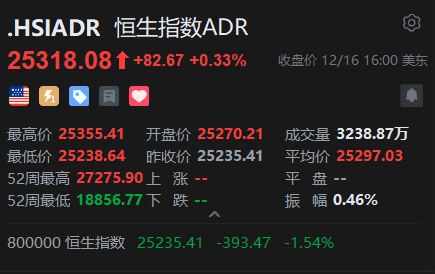
Core Viewpoint - The Hang Seng Index (HSI) showed a slight increase, closing at 25,318.08, up by 82.67 points or 0.33% from the previous day [1]. Group 1: Market Performance - The HSI closed at 25,318.08 with a trading volume of 32.39 million, reaching a high of 25,355.41 and a low of 25,238.64 during the session [1]. - The index has a 52-week high of 27,275.90 and a low of 18,856.77, indicating a volatility of 0.46% [1]. - Major blue-chip stocks mostly rose, with HSBC Holdings closing at 116.167 HKD, down 0.03% from the Hong Kong close, while Tencent Holdings rose by 0.4% to 598.882 HKD [2]. Group 2: Individual Stock Performance - Tencent Holdings (00700) saw a decrease of 6.500 HKD, or 1.08%, with an ADR price of 598.882 HKD, which is an increase of 2.382 HKD compared to its Hong Kong stock price [3]. - Alibaba Group (09988) dropped by 4.400 HKD, or 2.96%, with an ADR price of 145.179 HKD, up by 0.979 HKD from its Hong Kong price [3]. - HSBC Holdings (00005) remained unchanged at 116.200 HKD, with an ADR price of 116.167 HKD, down by 0.033 HKD [3]. - Other notable declines included China Construction Bank (00939) down 2.12%, Xiaomi Group (01810) down 2.25%, and AIA Group (01299) down 1.05% [3].



上市路演中的52TOYS,能否成为潮玩市场的第二极?
3 6 Ke· 2025-12-16 06:12
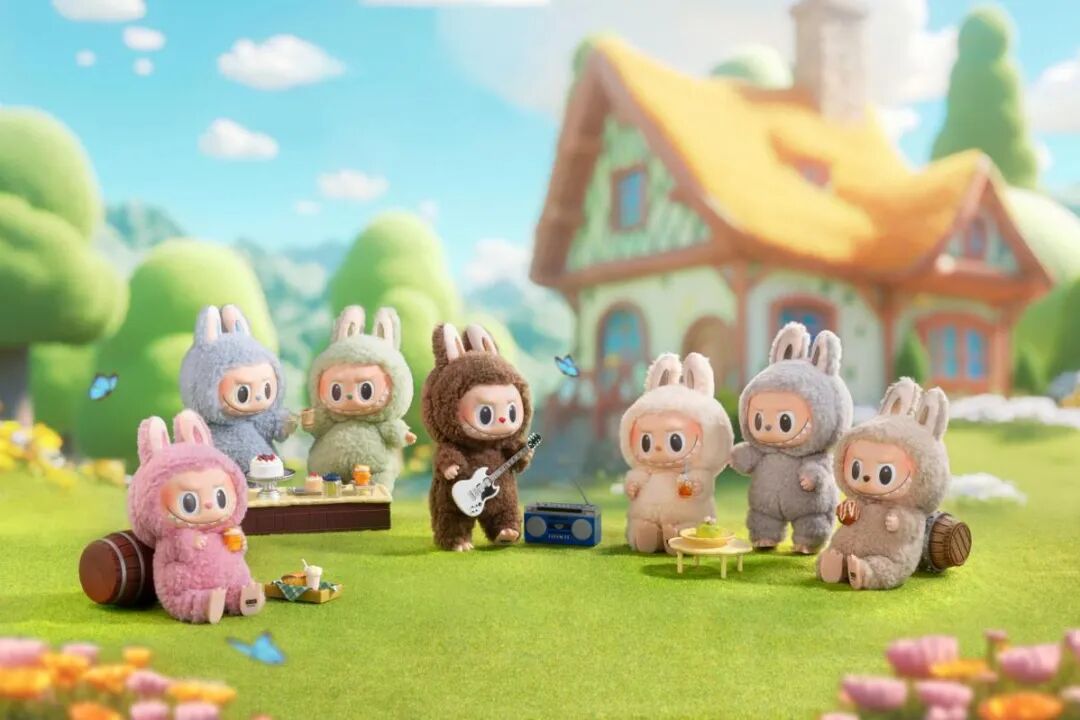
在Labubu引发的全球哄抢潮背后,中国潮玩市场的竞争维度正在发生深刻变化。作为曾经几乎以一己之力打开潮玩市场认知的泡泡玛特,如今正面对新 阶段的挑战。而在它的强光之外,52TOYS这样少有的"非泡泡玛特系"选手,正在用一套截然不同的打法试图在夹缝中突围:它强调IP孵化的原创性、重 仓自有模型体系、构建深度垂直的兴趣社群,与泡泡玛特所擅长的大众化盲盒路径形成鲜明对比。 从我们的研究结论来看,这种"非典型"的潮玩逻辑,并非只是一个小而美公司的另类路径,而可能是潮玩行业在穿越红利期、迈入新阶段中的关键变量。 在潮玩的"内容资产化"逐渐浮现、盲盒经济遭遇信任门槛的当下,52TOYS代表着一种更接近"内容消费基础设施"的尝试,其成败关乎的不只是一个品牌 的突围,更是行业底层逻辑的一次自我更新。 但我们也需承认,潮玩不是一个轻巧的赛道。无论是IP生命周期的不确定性、线下零售模型的高成本,还是"内容+产品"的商业逻辑实现资本价值, 52TOYS所面对的挑战并不亚于泡泡玛特曾经走过的那条路。甚至可以说,它的路径更为艰难,因为它无法复制泡泡玛特那种"盲盒红利+快渠道投放"的 组合拳,只能靠内容深耕和产品耐性,一步步打磨信任。 ...
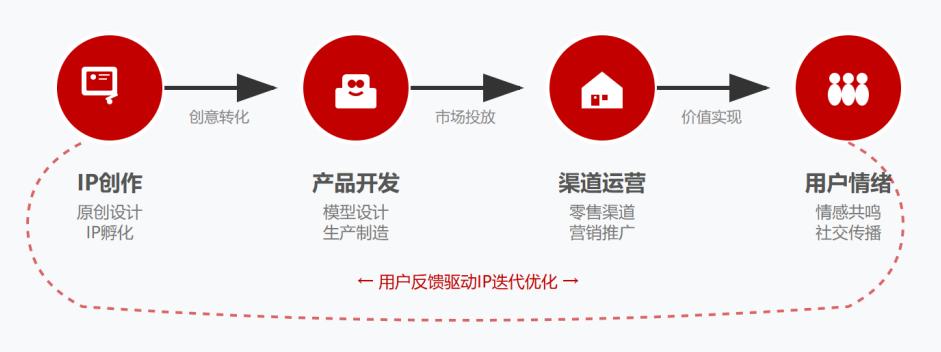
香薰、盲盒与古法金:观夏、泡泡玛特、老铺黄金的"千亿情绪生意",是怎样炼成的?
3 6 Ke· 2025-12-16 03:34
Core Insights - The article discusses the shift in consumer behavior from functional products to those that provide emotional value, emphasizing the importance of meaning, stories, and emotions attached to products [1][2][4] Group 1: Emotional Consumption - Emotional consumption is driven by two societal psychological factors: the pursuit of instant gratification and the fragmentation of social connections [2][4] - The need for instant gratification leads consumers to seek products that provide immediate emotional satisfaction, similar to the quick emotional stimuli found in platforms like TikTok [2][4] - The urbanization process has increased feelings of loneliness, prompting consumers to seek products that fulfill deeper emotional needs for connection and belonging [4] Group 2: Layers of Emotional Value - The first layer of emotional value is "small happiness," where consumers pay for minor yet certain feelings of joy, such as comfort food or relaxing home items [5][7] - The second layer involves identity construction, where consumers use products to express who they are and find their social group, as traditional identity markers weaken [8][10] - The third layer focuses on co-creation, where consumers desire to participate in the brand narrative, seeking a sense of agency and influence over the products they consume [18][19] Group 3: Case Studies - The case of "Guanxia" illustrates how a brand can create a cultural identity through a sophisticated symbol system, allowing consumers to align with a modern, cultured lifestyle [11][13] - The collaboration of Luckin Coffee demonstrates the creation of social currency through trendy products, where the value lies in the shared experience and belonging to a cultural moment [14][15] Group 4: Strategies for Brands - Brands should focus on creating immediate emotional gratification through appealing design, storytelling, and user empowerment [22][23] - Designing user participation in emotional narratives allows consumers to feel like protagonists in their experiences with the brand [23][25] - Building a community around the brand enhances loyalty, as consumers seek connection with like-minded individuals [26] - Brands should develop products that serve as emotional companions, addressing the need for comfort and connection in daily life [27] - Encouraging co-creation with consumers transforms them from passive buyers to active participants in the brand's evolution [28] Group 5: Market Potential - The emotional consumption market in China is projected to reach a trillion scale, indicating a significant shift in commercial logic towards emotional connections and shared brand narratives [28]