CMBC(600016)

Search documents
为“空中飞人”定制 民生航旅纵横联名卡发布
Jing Ji Guan Cha Bao· 2025-05-20 11:28
Core Insights - The collaboration between China Minsheng Bank and China Aviation Information Technology Co., Ltd. marks a new phase in integrating financial services with travel scenarios, aiming to enhance the travel and consumption experience for business travelers [1][2] Group 1: Product Launch - The Minsheng Aviation Travel Joint Credit Card is designed to address the pain points of business travelers, offering a more secure and comfortable travel experience [1] - The card provides significant benefits, including up to 5% cashback on travel-related purchases made through the Aviation Travel app, and 0.2% cashback on other transactions [3] Group 2: Strategic Collaboration - The partnership combines Minsheng Bank's financial support and risk management capabilities with Aviation Travel's extensive user base and travel resources, creating a new benchmark in business travel finance [2] - Future collaborations will focus on user services, customized benefits, and product innovation, aiming to build a more complete and efficient business travel ecosystem [4] Group 3: User Benefits - New cardholders can receive exclusive benefits, such as a one-year premium membership to Aviation Travel, which includes discounts on duty-free shopping and transportation services [3] - The card is positioned as a comprehensive solution for business travelers, addressing various needs from booking to post-travel benefits [3] Group 4: Ecosystem Development - The collaboration is not merely a product addition but aims to create a more integrated and efficient business travel ecosystem through data sharing and resource integration [4] - This ecosystem approach is expected to attract more users and enhance user loyalty, leading to a win-win situation for all parties involved [4]

上市银行25Q1业绩总结:其他非息拖累盈利,息差下行压力趋缓
Dongxing Securities· 2025-05-19 07:45
Investment Rating - The report indicates a cautious outlook for the banking sector, with expected revenue and net profit growth rates for listed banks in 2025 projected at approximately -1% and 0% respectively [3][9]. Core Insights - The overall revenue and net profit growth rates for listed banks in Q1 2025 were -1.7% and -1.2% year-on-year, reflecting a decline compared to Q4 2024 [3][9]. - The performance of different types of banks varied significantly, with city and rural commercial banks leading in growth due to improved scale and net interest margin, while state-owned banks showed weaker performance [3][10]. - The net interest margin for listed banks in Q1 2025 was 1.37%, a decrease of 13 basis points year-on-year, but the decline was less severe than in the previous year [3][9]. Summary by Sections Revenue and Profit Overview - Listed banks experienced a decline in revenue and net profit growth rates, with Q1 2025 figures at -1.7% and -1.2% respectively, marking a drop of 1.8 percentage points and 3.5 percentage points from Q4 2024 [3][9]. - The decline in net interest income was attributed to a narrowing interest margin and challenges in volume compensating for price [9]. Asset Quality and Provisioning - The asset quality remained stable, with a decrease in non-performing loan ratios and a reduction in provisioning pressure, as banks continued to report lower provisions in a challenging income environment [3][9]. - The provision coverage ratio for listed banks decreased to 238% in Q1 2025, reflecting a trend of reduced provisioning amid stable asset quality [3][9]. Investment Recommendations - The report suggests that the banking sector's configuration value is enhanced by both fundamental and liquidity factors, with a focus on key index-weighted stocks such as China Merchants Bank and Industrial and Commercial Bank of China [3][9]. - The report highlights the potential for mid-sized banks to attract capital for growth, particularly in the context of capital replenishment and profitability [3][9].






乘坐地铁可以抵扣贷款利息?相关银行回应
Jin Rong Shi Bao· 2025-05-16 02:53
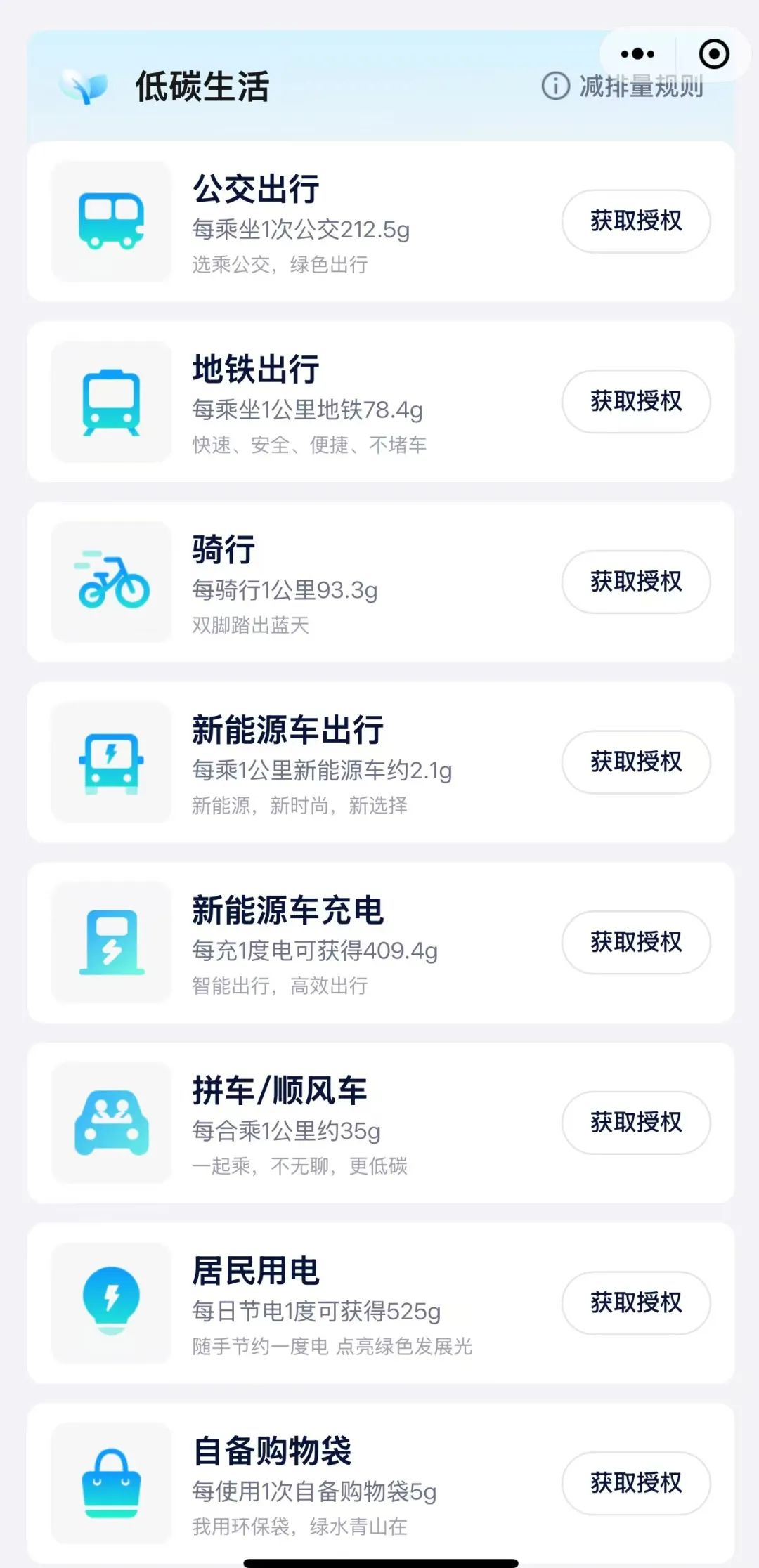
Core Viewpoint - The initiative allows citizens in Wuhan to convert their carbon reduction efforts into financial benefits, specifically by offsetting loan interest through accumulated carbon reduction credits [1][2]. Group 1: Program Overview - The program is a collaboration between the "Wuhan Carbon Jianghu" carbon account platform and Minsheng Bank's Wuhan branch, enabling citizens to accumulate carbon reduction credits through various low-carbon activities [2][5]. - Participants can redeem their carbon reduction credits at a rate of "1000g = 2 yuan" to offset loan interest via the Minsheng Bank's "Minsheng Chuhui Life" WeChat mini-program [2]. Group 2: Financial Innovation - Minsheng Bank's Wuhan branch has developed a carbon-inclusive financial product, the carbon-inclusive debit card, in partnership with Wuhan Carbon Inclusive Co., showcasing local characteristics and promoting carbon reduction scenarios [5]. - The initiative aims to bridge green finance and inclusive finance, transforming carbon reduction credits into financial benefits for consumers, thereby encouraging low-carbon behavior and stimulating consumption [5].

银行股又见新高!公募业绩基准考核,对银行股配置影响几何?
Hua Er Jie Jian Wen· 2025-05-14 06:14
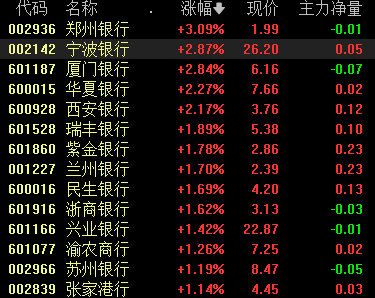
Core Viewpoint - The A-share banking sector has shown significant strength, reaching new highs not seen since mid-July 2015, with major banks like Agricultural Bank of China, Shanghai Bank, and China Everbright Bank hitting historical price peaks. This surge has positively impacted the ChiNext Index and the Shanghai Composite Index, which rose over 1% in the afternoon session [1]. Group 1: Market Performance - The banking sector's performance has led to a notable increase in stock prices, with several banks achieving record highs [1]. - Specific banks such as Zhengzhou Bank, Ningbo Bank, and Xiamen Bank have shown positive growth percentages, with increases of 3.09%, 2.87%, and 2.84% respectively [2]. Group 2: Fund Management Regulations - New regulations for public funds are expected to significantly boost the valuation recovery of A-share banking stocks, as these regulations will guide asset allocation towards the CSI 300 index, necessitating an increase in bank stock holdings due to a substantial "allocation gap" [2][3]. - As of the end of 2024, the proportion of bank holdings in actively managed funds is only 3.81%, while the banking sector's weight in the CSI 300 index is 13.67%, indicating a deviation of nearly 10 percentage points [3][9]. Group 3: Individual Bank Analysis - Under the new fund allocation trends, banks that were previously underweighted, such as China Merchants Bank, Industrial Bank, and Bank of Communications, are expected to benefit the most from increased fund allocations [5][12]. - Specific banks like China Merchants Bank and Industrial Bank have the highest underweight ratios, with deviations of 1.9% and 1.5% respectively [11]. Group 4: Regulatory Changes - The new public fund regulations emphasize a performance-based assessment system, increasing the weight of fund performance metrics in evaluating fund managers, with a minimum of 80% weight on fund product performance indicators [6][10]. - Funds that significantly deviate from performance benchmarks will be closely monitored, with quarterly reports required to detail industry allocation differences and adjustment plans [10].



有银行科技人员同比增15.7% 有银行“招新”工科类超金融类
Nan Fang Du Shi Bao· 2025-05-13 23:18
Core Viewpoint - The banking industry is increasingly prioritizing the recruitment and development of dual-skilled talent who understand both finance and technology, driven by policy support for technology-driven financial innovation [4][6][8]. Talent Development - Banks are focusing on hiring technology professionals, with many institutions reporting a significant increase in the number of tech staff [8][9]. - The demand for AI talent is particularly high, with banks like China Merchants Bank actively recruiting for AI-related positions [6][7]. - The average age of technology finance personnel in banks is decreasing, with many new hires coming from engineering backgrounds rather than traditional finance [11]. Performance Assessment - Banks are implementing internal due diligence exemption systems to encourage innovation in technology finance, although challenges remain in standardizing these measures [5][14]. - The due diligence exemption allows bank staff to avoid penalties if they can demonstrate that they acted responsibly in the face of risks associated with technology loans [15][17]. - There is a push for longer-term performance evaluation cycles to better assess the impact of technology loans, as short-term metrics may not accurately reflect the success of tech-driven projects [16]. Industry Trends - The proportion of technology staff within banks is generally higher in joint-stock banks compared to state-owned banks, with notable increases in recent years [9][10]. - The technology staff at major banks like ICBC and CCB has reached significant numbers, with ICBC leading at 36,000 tech employees [8][9]. - The establishment of specialized technology finance branches is becoming common, with banks setting specific standards for the number and qualifications of technology staff [12][13]. Challenges - The implementation of due diligence exemption policies faces difficulties due to a lack of unified quantitative standards, leading to subjective interpretations of responsibility [18][20]. - The complexity of assessing risks in technology finance can hinder the effectiveness of performance evaluations, as the nature of tech companies often involves high uncertainty [19][20].

银行信用卡业务拐点已至
Jin Rong Shi Bao· 2025-05-13 03:11
Group 1 - The core viewpoint is that commercial banks are actively closing credit card centers in various locations due to a shift from growth to a competitive market focused on existing customers [1][3][4] - As of April 30, 2024, nearly 30 banks have closed their credit card centers, with notable closures by Bank of Communications and Minsheng Bank [1][2] - The People's Bank of China reported a decline in the total number of credit cards and loans, with a total of 727 million cards by the end of 2024, a year-on-year decrease of 5.14% [1] Group 2 - The performance of credit card businesses in 2024 reflects a slowdown, with significant declines in card issuance, active card numbers, and consumer spending [2][3] - For instance, Postal Savings Bank reported a credit card consumption amount of 993.1 billion yuan, down approximately 12% year-on-year [2] - The shift in credit card business strategy is characterized by a move from centralized management to localized operations, aiming to provide comprehensive financial services tailored to local customers [3][4] Group 3 - The increasing pressure of non-performing loans in the credit card sector has prompted banks to focus on cost reduction and efficiency improvement [4][5] - Experts suggest that banks should adjust their credit card business strategies to offer differentiated products and services, targeting specific customer segments [4][5] - There is a call for banks to develop early warning models for risk management and enhance the disposal of non-performing credit card assets [5]



致敬第九个中国品牌日 2025中国上市公司品牌价值榜揭晓
Mei Ri Jing Ji Xin Wen· 2025-05-12 06:37
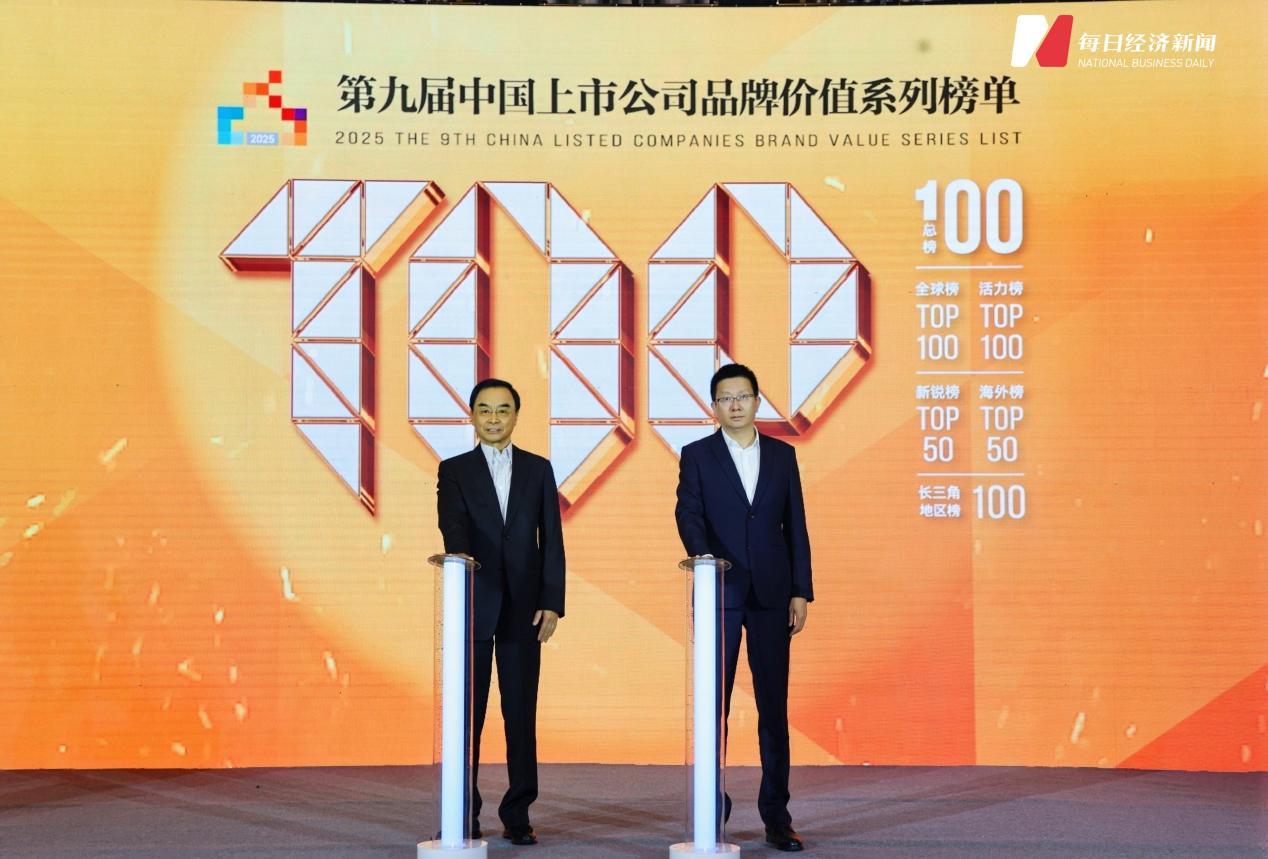
Group 1 - The "2025 China Listed Companies Brand Value List" was released, showcasing the brand value of listed companies in China, with a total brand value of 20.46 trillion yuan, an increase of 2.65 trillion yuan or 14.9% year-on-year [4][5] - Tencent and Alibaba ranked first and second in brand value, with values of 26,824 billion yuan and 18,335 billion yuan respectively, followed by China Mobile, Pinduoduo, and Kweichow Moutai in the top five [4] - The event also introduced the "Yangtze River Delta Listed Companies Brand Value List TOP100," highlighting the brand value and market influence of companies in that region [1][2] Group 2 - The event featured discussions on the integration of brand and cutting-edge digital technology, emphasizing the trend of brand IP (intellectual property) development [5] - A total of 30 companies were recognized as classic brand cases, including Agricultural Bank of China, Yili Group, and GAC Group, while 10 executives were awarded as Chief Brand Officers [5] - The "Daily Economic News" announced its AI strategy, aiming to create a new type of intelligent media group and enhance brand communication through innovative products [6][7]





固收点评20250511:二级资本债周度数据跟踪-20250511
Soochow Securities· 2025-05-11 04:34
Report Summary 1. Report Industry Investment Rating No industry investment rating is provided in the report. 2. Core Viewpoints - This week (20250505 - 20250509), 1 secondary capital bond was newly issued in the inter - bank and exchange markets, with a scale of 6 billion yuan, a term of 10 years, the issuer being a local state - owned enterprise in Jilin Province with a AAA rating. As of May 9, 2025, the outstanding balance of secondary capital bonds was 452.2505 billion yuan, a decrease of 34 billion yuan from the end of last week [1]. - This week, the total trading volume of secondary capital bonds was about 188.6 billion yuan, an increase of 83.7 billion yuan from last week. The top three trading volume bonds were 25 ICBC Secondary Capital Bond 02BC, 25 ICBC Secondary Capital Bond 01BC, and 25 Minsheng Bank Secondary Capital Bond 01. By issuer region, the top three in trading volume were Beijing, Shanghai, and Guangdong [2]. - This week, the overall valuation deviation of the weekly average trading price of secondary capital bonds was not large, with the proportion and amplitude of discount transactions greater than those of premium transactions [3]. 3. Summary by Directory 3.1 Primary Market Issuance and Outstanding Situation - New issuance: 1 secondary capital bond was issued this week, with a scale of 6 billion yuan, a term of 10 years, the issuer being a local state - owned enterprise in Jilin Province with a AAA rating [1]. - Outstanding balance: As of May 9, 2025, the outstanding balance of secondary capital bonds was 452.2505 billion yuan, a decrease of 34 billion yuan from the end of last week (20250502) [1]. 3.2 Secondary Market Trading Situation - Trading volume: The total trading volume this week was about 188.6 billion yuan, an increase of 83.7 billion yuan from last week. The top three trading volume bonds were 25 ICBC Secondary Capital Bond 02BC (58.779 billion yuan), 25 ICBC Secondary Capital Bond 01BC (9.071 billion yuan), and 25 Minsheng Bank Secondary Capital Bond 01 (7.429 billion yuan) [2]. - Trading volume by region: The top three in trading volume by issuer region were Beijing (about 153 billion yuan), Shanghai (about 9.9 billion yuan), and Guangdong (about 6.8 billion yuan) [2]. - Yield to maturity: As of May 9, for 5Y secondary capital bonds, the yield to maturity of AAA -, AA +, and AA - rated bonds changed by - 0.02BP, - 0.04BP, and - 0.02BP respectively compared to last week; for 7Y, the changes were - 0.04BP, - 0.02BP, and 0.00BP; for 10Y, the changes were - 0.04BP, - 0.01BP, and 0.01BP [2]. 3.3 Top 30 Bonds in Valuation Deviation % - Discount bonds: The top three discount bonds were 17 Chaoyang Bank Secondary (- 2.0484%), 24 Suzhou Rural Commercial Bank Secondary Capital Bond 01 (- 1.1242%), and 23 Huaxing Bank Secondary Capital Bond 01 (- 0.8407%). The Zhongzhai implicit ratings were mainly AAA -, AA +, and AA -, and the regional distribution was mainly in Beijing and Zhejiang [3]. - Premium bonds: The top three premium bonds were 24 Shengjing Bank Secondary Capital Bond 01 (0.8988%), 25 Guangdong Huaxing Bank Secondary Capital Bond 01 (0.6219%), and 25 Xi'an Bank Secondary Capital Bond 01 (0.1698%). The Zhongzhai implicit ratings were mainly AA -, AA, and A +, and the regional distribution was mainly in Zhejiang and Shaanxi [3].
数智升维 品牌共振 “2025中国上市公司品牌价值榜”正式揭晓
Mei Ri Jing Ji Xin Wen· 2025-05-09 15:24
Core Insights - The "2025 China Listed Companies Brand Value List" was released at a conference themed "Digital Intelligence Upgrading, Brand Resonance" in Shanghai, marking the ninth edition of this event [1][3] - The total brand value of the top 100 companies on the list reached 20.46 trillion yuan, an increase of 2.65 trillion yuan or 14.9% year-on-year [7] - Tencent and Alibaba retained the top two positions with brand values of 26,824 billion yuan and 18,335 billion yuan, respectively [7] Brand Value Rankings - The event introduced a new "Yangtze River Delta Listed Companies Brand Value List TOP100," showcasing the brand value and market influence of companies in this economically significant region [1][12] - The Yangtze River Delta region's listed companies collectively have a brand value of 64,965 billion yuan, with eight companies exceeding 1,000 billion yuan in brand value [12] Brand Development Trends - Media communication is emphasized as a key accelerator for brand building, with companies encouraged to collaborate for mutual growth [2] - The integration of digital technologies and traditional brand promotion is reshaping brand strategies, leading to a trend towards brand IP (intellectual property) development [14][19] Investment Opportunities - The "Everyday Brand 100 Index," launched in May 2022, has shown strong performance, with significant excess returns compared to major indices [13] - The index's sample companies have an average market capitalization of 353.7 billion yuan, indicating a strong large-cap focus [13] Strategic Insights - The conference highlighted the importance of aligning brand values with local culture and consumer engagement for international brands operating in China [16] - The rise of AI in marketing is seen as a transformative opportunity for Chinese brands to expand globally, with companies like BlueFocus leveraging AI to enhance operational efficiency [19][20] Media and Technology Integration - The "Everyday Economic News" is adopting an AI-driven strategy to redefine media boundaries and enhance brand communication [20][23] - The establishment of a national first "Media Intelligence Incubator Platform" aims to create practical media solutions through human-machine collaboration [23]


政策“组合拳”发力 银行股持续活跃
Shang Hai Zheng Quan Bao· 2025-05-08 18:45
Core Viewpoint - The recent surge in A-share bank stocks is attributed to a series of supportive financial policies, including interest rate cuts and reserve requirement ratio reductions, which enhance the stability and profitability of banks [1][2]. Group 1: Financial Policies Impact - On May 7, the People's Bank of China announced a package of financial measures, including a 0.1 percentage point reduction in policy interest rates and a 0.5 percentage point decrease in the reserve requirement ratio [2]. - The introduction of 500 billion yuan for consumer and pension re-loans is expected to further stimulate bank lending and improve asset quality [2]. - Analysts believe that these policies will lead to a stable credit supply and manageable asset quality pressures for banks [2]. Group 2: Market Performance - On May 8, bank stocks continued to perform strongly, with Shanghai Pudong Development Bank reaching a new high of 11.69 yuan per share, and Jiangsu Bank closing up 2.46% at 10.41 yuan per share, pushing its market capitalization above 191 billion yuan [1]. - Other banks, such as Qingnong Commercial Bank and Qingdao Bank, also saw significant gains, with increases exceeding 3% [1]. - Bank-related ETFs also performed well, with several ETFs showing gains of over 1% [1]. Group 3: Institutional Investment - Insurance funds have shown a strong preference for bank stocks, holding 27.82 billion shares valued at 265.78 billion yuan as of the end of the first quarter, making banks the top holdings [3]. - The trend of institutional investment in bank stocks is expected to accelerate, enhancing the dividend value of the banking sector [3]. - Analysts suggest that the high dividend yield characteristic of bank stocks makes them attractive for long-term investors, reinforcing their strategic value in both short and long-term portfolios [3].