
AGRICULTURAL BANK OF CHINA(601288)

Search documents
向山而行,群山回响——农业银行定点帮扶纪实
第一财经· 2025-12-16 01:06
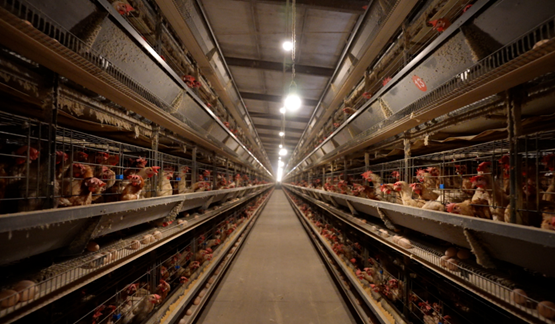
Core Viewpoint - The year 2025 holds significant meaning for China, particularly in the context of consolidating and expanding the achievements of poverty alleviation and effectively connecting them with rural revitalization efforts [1] Group 1: Poverty Alleviation and Rural Revitalization - The Chinese government has established the "four no drop" requirements to ensure that responsibilities, policies, support, and supervision remain in place for the 832 poverty-stricken counties that have been lifted out of poverty [1] - Agricultural Bank has implemented a systematic and sustainable support system through financial innovation, demonstrating effective assistance in rural areas [1][2] Group 2: Financial Support Models - The "credit village" model allows villagers to access credit based on their credit status, industry foundation, and governance levels, enabling them to obtain loans without collateral [5] - The introduction of the "financial village director" role in 2023 has enhanced the connection between banks and farmers, facilitating financial services and loan recommendations [5][4] Group 3: Case Studies of Successful Implementation - In Zou Village, the scale of chicken farming has grown from 500 to over 1 million chickens, with annual income surpassing 2 million yuan, thanks to the support from Agricultural Bank [4] - The low-altitude flight training base in Huangping has received 30 million yuan in emergency funding from Agricultural Bank, allowing it to recover from severe weather damage and continue operations [9][11] Group 4: Community Development and Infrastructure - In Xueba Village, financial support has led to the establishment of a water park and lotus garden, creating local employment opportunities and increasing monthly income for residents [12][16] - Agricultural Bank has invested over 5.5 billion yuan in Huangping County, supporting various local industries and improving healthcare facilities, thereby enhancing the quality of life for residents [11][12] Group 5: Broader Implications of Financial Assistance - The financial assistance model has evolved from "blood transfusion" to "blood-making," focusing on creating self-sustaining capabilities within communities [11] - The ongoing efforts of Agricultural Bank in various counties have been recognized as "global best practices in poverty alleviation," showcasing the effectiveness of their approach [16]



26家A股银行分红2600亿元
Shen Zhen Shang Bao· 2025-12-15 22:55
Group 1 - The core viewpoint of the articles highlights that A-share listed banks in China are distributing significant cash dividends, with the six major state-owned banks leading the way, collectively announcing a total cash dividend of 204.657 billion yuan for the mid-term [1][2] - By December 15, 2025, 26 A-share listed banks are expected to disclose mid-term or quarterly dividend plans, with total dividends projected to exceed 260 billion yuan, where the six major state-owned banks account for 78.7% of the total dividends [1][2] - The major state-owned banks, including Industrial and Commercial Bank of China, Agricultural Bank of China, and others, have maintained a dividend payout ratio of 30% or more of their net profit [2] Group 2 - The Industrial and Commercial Bank of China leads the dividend distribution with 50.396 billion yuan, followed by other major banks with significant amounts, indicating a strong trend in dividend payouts among these institutions [2] - In the joint-stock bank category, several banks, including Industrial Bank and China CITIC Bank, are also participating in dividend distributions, with some like Industrial Bank and Ningbo Bank introducing mid-term dividend plans for the first time [2] - The banking sector has shown strong performance in the A-share market, with the overall bank sector rising by 10.71% this year, and specific banks like Agricultural Bank of China seeing a remarkable increase of 48.88% in their stock prices [3]






中央经济工作会议后,明年如何谋篇布局?多家金融机构:突出主责主业、坚持守牢底线
Mei Ri Jing Ji Xin Wen· 2025-12-15 16:28
Core Viewpoint - The Central Economic Work Conference held on December 10-11 in Beijing emphasized the need for economic work in the coming year to focus on "stability while seeking progress and improving quality and efficiency," outlining key tasks through "eight persistences" [1] Group 1: Financial Institutions' Responses - Multiple financial institutions expressed commitment to align with the "eight persistences" and plan for 2026 and the 14th Five-Year Plan period [1] - Financial institutions highlighted the importance of optimizing financial supply in key areas such as expanding domestic demand, supporting technological innovation, and aiding small and micro enterprises [2][3] - Institutions emphasized the need to maintain bottom lines and actively manage risks in key sectors [1][10] Group 2: Focus on Technological Innovation - Financial institutions are focusing on their core responsibilities and enhancing financial services in strategic areas, particularly in technological innovation [2] - Industrial and Commercial Bank of China aims to support high-quality development and provide comprehensive financial solutions, emphasizing domestic market integration and support for key sectors [2] - Agricultural Bank of China plans to enhance financing in rural areas and innovate its technology finance service system to support advanced manufacturing and new industrial chains [2] Group 3: Strengthening Domestic Market - Agricultural Bank of China is committed to boosting consumption and stabilizing investment through significant project financing [4] - China Bank aims to support consumption initiatives and meet diverse consumer needs while contributing to the construction of a strong domestic market [4][5] - Postal Savings Bank plans to increase consumer loan offerings and support major projects to enhance domestic demand [5] Group 4: Risk Management and Compliance - Financial institutions are prioritizing risk management and compliance to ensure stability in asset quality and mitigate risks in key areas such as real estate and local government debt [10] - Industrial and Commercial Bank of China emphasizes its role in risk prevention and compliance, supporting the development of a new model for real estate [10] - Agricultural Bank of China aims to balance development and safety while managing risks effectively [10]


向山而行,群山回响——农业银行定点帮扶纪实
Di Yi Cai Jing· 2025-12-15 16:06
Core Insights - The year 2025 is significant for China, particularly for its millions of people who have achieved stable poverty alleviation, marking a transition period for consolidating and expanding poverty alleviation results alongside rural revitalization [1] - The Agricultural Bank of China (ABC) has implemented innovative financial support models to assist rural areas, demonstrating a systematic and sustainable approach to poverty alleviation and rural development [1][2] Group 1: Financial Support Models - The "Credit Village" initiative allows villagers to access credit based on their creditworthiness, enabling them to secure loans without collateral, thus addressing financing challenges for farmers [5] - The introduction of "Financial Village Directors" in 2023 has enhanced the connection between banks and farmers, facilitating loan applications and financial education [5][6] - ABC's financial assistance in rural areas has led to significant increases in loan amounts, with the maximum loan limit raised to 1.5 million yuan, benefiting various local industries [5][6] Group 2: Case Studies of Success - In Zou Village, the poultry industry has thrived, with farmers like Su Chunlei expanding their operations significantly due to access to credit, resulting in annual incomes exceeding 2 million yuan [3][6] - In Huangping County, the development of a general aviation base has been supported by ABC's financial aid, which helped recover from damage caused by extreme weather, showcasing the bank's responsive support to local industries [8][9] - The transformation of Xueba Village through financial support has led to the establishment of tourism and agricultural projects, significantly increasing local employment and income levels [11][12] Group 3: Broader Impact on Community Development - ABC's initiatives have not only focused on financial support but also on improving local infrastructure, such as drinking water systems and road conditions, enhancing the overall quality of life for residents [12] - The bank's comprehensive approach includes educational support for underprivileged students, demonstrating a commitment to long-term community development [12] - The ongoing efforts of ABC have been recognized globally, with its financial assistance models being awarded as "best poverty alleviation cases," reflecting the effectiveness of its strategies in promoting sustainable development [12]
中央经济工作会议后,明年如何谋篇布局? 多家金融机构:突出主责主业、坚持守牢底线
Mei Ri Jing Ji Xin Wen· 2025-12-15 13:09
Core Viewpoint - The Central Economic Work Conference held on December 10-11 emphasizes a policy direction of "seeking progress while maintaining stability" and outlines key tasks for economic work in the coming year through "eight persistences" [1] Group 1: Focus on Financial Supply and Support - Multiple financial institutions stress the importance of optimizing financial supply in key areas such as expanding domestic demand, supporting technological innovation, and aiding small and micro enterprises [1][2] - Institutions like Industrial and Commercial Bank of China (ICBC) and Agricultural Bank of China highlight their commitment to high-quality development and support for rural financing and advanced manufacturing [2][3] Group 2: Technological Innovation - Financial institutions are focusing on enhancing financial services for technological innovation, with ICBC aiming to provide comprehensive financial solutions and support for manufacturing and regional coordination [2][3] - China Ping An emphasizes its role as a "catalyst" for new productive forces, investing heavily in strategic emerging industries and advanced manufacturing [3] Group 3: Domestic Market Development - Agricultural Bank of China and China Bank are aligning their strategies with policies aimed at boosting domestic demand and consumption, supporting major projects to enhance consumer spending [4][5] - Institutions are committed to improving financial services to meet diverse consumer needs and support effective investment [5][6] Group 4: Risk Management and Compliance - Financial institutions are prioritizing risk management and compliance, with ICBC and Agricultural Bank of China focusing on stabilizing asset quality and managing risks in real estate and local government debt [10] - The emphasis is on maintaining a balance between development and safety, ensuring that systemic risks are avoided [10]

中央经济工作会议学习心得:更加注重政策效率
ZHONGTAI SECURITIES· 2025-12-15 12:36
Investment Rating - The industry investment rating is "Increase" (maintained) [2][21] Core Insights - The external environment and major power competition remain important starting points for policy, with increased confidence in addressing internal and external issues [4][11] - Fiscal policy will maintain a stable and more proactive stance, with a focus on domestic demand and innovation [4][12] - Monetary policy will continue to be moderately loose, emphasizing flexible decision-making and policy efficiency [4][12] - The regulatory approach for small and medium financial institutions has shifted from "risk resolution" to "quality improvement" [4][18] Summary by Sections Overall Thoughts - The report emphasizes that the external environment and major power competition are crucial for economic policy, with a more confident outlook on both internal and external challenges [4][11] Fiscal Policy - The fiscal policy will continue to be more proactive, focusing on maintaining stability. The emphasis will be on domestic demand and innovation, with a potential tightening of tax incentives and subsidies [4][12][18] Monetary Policy - The monetary policy will remain moderately loose, with a focus on flexible and efficient decision-making. The use of various policy tools, including adjustments to reserve requirements and interest rates, will be prioritized [4][12][18] Financial Regulation - The regulatory focus for small and medium financial institutions has transitioned to enhancing quality rather than merely resolving risks, indicating a shift towards reform and consolidation in the sector [4][18] Investment Recommendations - Investment strategies for bank stocks have shifted from "pro-cyclical" to "weak-cyclical," with a focus on high-dividend stability during economic downturns. Recommendations include regional banks with strong certainty and large banks with high dividends [4][20]


甘肃田野调研:从温室大棚到绿电基地,农业银行的“下沉”与“上升”
Mei Ri Jing Ji Xin Wen· 2025-12-15 12:06
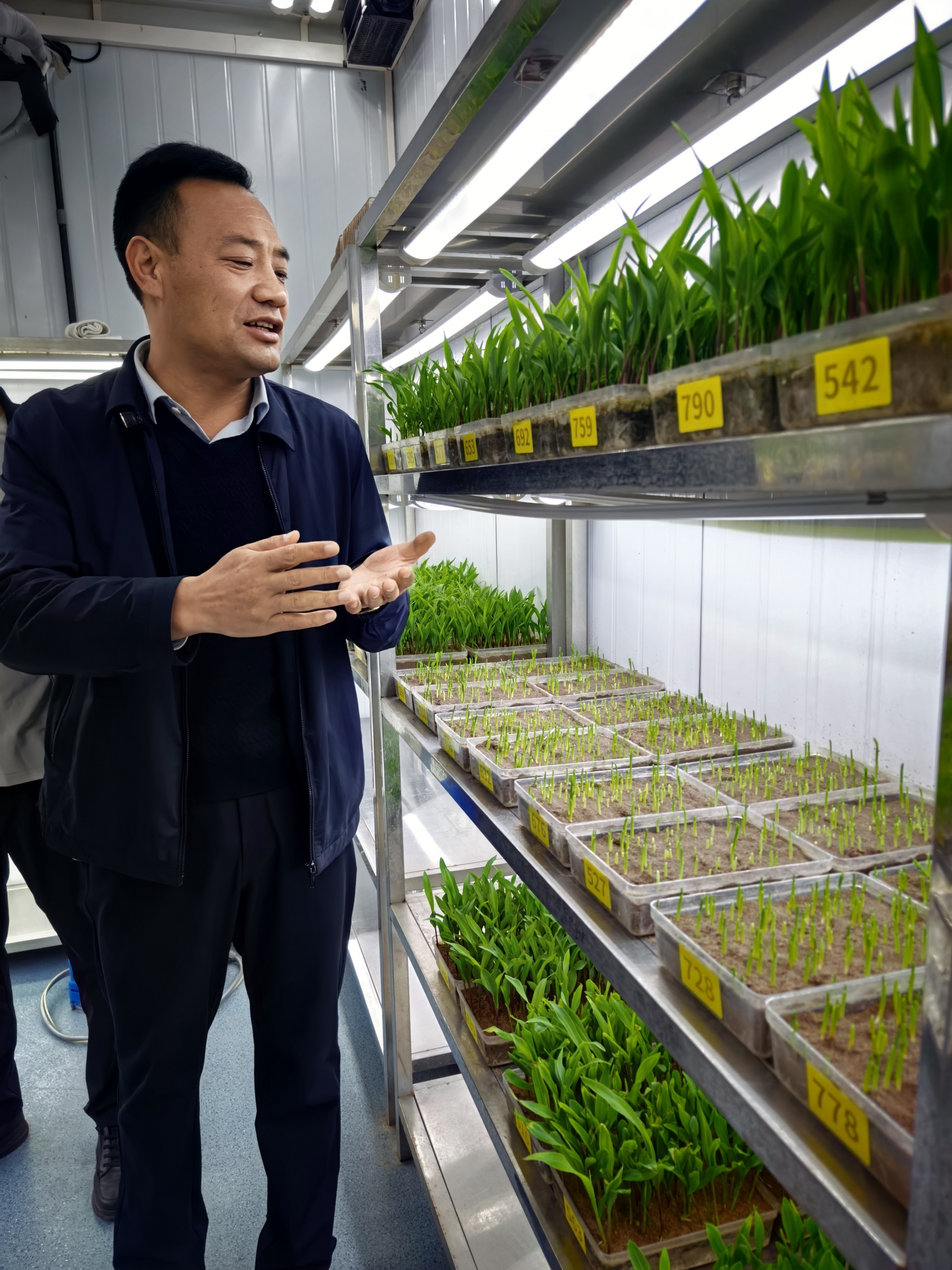
Core Viewpoint - Agricultural Bank of China has become the world's largest commercial bank by market capitalization, reaching approximately 2.74 trillion RMB (about 386.9 billion USD) as of October 30, 2025, reflecting its strategic positioning in serving rural revitalization and the real economy [1]. Financial Performance - For the first three quarters of 2025, Agricultural Bank reported operating income of 550.8 billion RMB and net profit of 222.3 billion RMB, representing year-on-year growth of 1.97% and 3.28% respectively [1]. - The total asset scale of the bank exceeded 48 trillion RMB by the end of the reporting period [1]. County-Level Business Growth - As of September 2025, the bank's county-level loan balance reached 10.9 trillion RMB, a growth of 10.57% from the beginning of the year, maintaining over 40% of the bank's total loan portfolio [2][21]. - The bank's non-performing loan ratio improved to 1.27%, a decrease of 3 basis points from the start of the year [2]. Rural Financing Initiatives - The "Fumin Loan" program has disbursed 273.29 billion RMB, benefiting 321,600 farmers across 14 cities in Gansu province [4]. - The "Huinong e-loan" program has provided 930.92 billion RMB in loans, serving 1,168,700 farmers [4]. Innovative Financial Products - The bank has introduced innovative products like "Electricity Bill e-loan," which uses actual electricity usage data as a basis for credit assessment, facilitating financing for small and micro enterprises [11]. - The "Live Asset Mortgage Loan" has evolved into the "Smart Animal Husbandry Loan," utilizing AI technology for livestock identification, enhancing efficiency in loan management [16]. Strategic Partnerships and Projects - Agricultural Bank has established a strategic partnership with China Green Development Group, supporting multiple renewable energy projects with a total approval amount of 25.84 billion RMB since 2021 [21]. - The bank's rapid loan approval process has been highlighted in projects like the 300MW compressed air energy storage project, where it completed a 9 billion RMB loan approval swiftly [17][20].
第十九届华夏机构投资者典型案例揭晓
Hua Xia Shi Bao· 2025-12-15 10:39
Core Insights - The 19th Huaxia Institutional Investor Annual Conference and Huaxia Financial (Insurance) Technology Forum was successfully held in Beijing, focusing on the theme "Vitality and Resilience, Innovation and Empowerment" [1] Group 1: Awards and Recognitions - Institutions awarded the "2025 Annual Green Finance Practice Typical Case" include Agricultural Bank of China, Bank of China Beijing Branch, Industrial Bank, China International Capital Corporation, Xinwang Bank, and Huatai Securities [3] - Institutions recognized for the "2025 Annual Financial Assistance for the Disabled Typical Case" are Agricultural Bank of China and Yunnan Trust [3] - Institutions awarded the "2025 Annual Smart Elderly Care Financial Typical Case" include China Minsheng Bank, CITIC Bank, Agricultural Bank of China Wealth Management, New China Life Insurance, Harmony Health, Beijing Bank, and others [3] - Institutions recognized for the "2025 Annual Green Finance Innovation Typical Case" include Agricultural Bank of China Credit Card, People's Insurance Company of China, and Ping An Group [3] - Institutions awarded the "2025 Annual ESG Practice Typical Case" include Yirun Zhike, Dajia Investment Holdings, China Life, and others [3] - Institutions recognized for the "2025 Annual Institutional Investor Education Content Creative Communication Typical Case" include Minsheng Jianyin Fund, Zhejiang Merchants Securities, and others [3] - Institutions awarded the "2025 Annual Financial Empowerment for Rural Revitalization Typical Case" include China Post Insurance, Tianjin Bank Beijing Branch, and others [3] - Institutions recognized for the "2025 Annual Inclusive Finance Digital Transformation Typical Case" include CITIC Baixin Bank, Lexin, and others [3] - Institutions awarded the "2025 Annual Intelligent Risk Control Technology Innovation Application Typical Case" include Foreign Trade Trust, Orange Data Science, and others [3][4] - Institutions recognized for the "2025 Annual Community Elderly Service Typical Case" include Industrial and Commercial Bank of China, ICBC-AXA Life Insurance, and Tianjin Binhai Rural Commercial Bank [5] - Institutions awarded the "2025 Annual Internet Medical Innovation Practice Case" include ZhongAn Insurance [5] - Institutions recognized for the "2025 Annual Technology Financial Typical Practice Case" include Changjiang Securities, Yixin, and others [5] - Institutions awarded the "2025 Annual Listed Company Board of Directors Typical Practice Case" include Annai'er, Bailian Co., Hai Liang Co., and Tianqi Lithium [5]


工行、农行、中行、建行、交行、邮储等银行宣布分红方案
Bei Jing Ri Bao Ke Hu Duan· 2025-12-15 10:17
Core Viewpoint - The major state-owned banks in China are leading in cash dividend distributions, with a total planned payout exceeding 260 billion yuan for the 2025 mid-year dividends, reflecting a strong commitment to shareholder returns [1][2]. Group 1: Dividend Distribution - As of December 15, over 20 A-share listed banks, including six major state-owned banks, have announced or implemented dividend distributions, totaling over 260 billion yuan [1]. - The state-owned banks have collectively announced cash dividends exceeding 200 billion yuan, with Industrial and Commercial Bank of China (ICBC) leading at approximately 503.96 billion yuan, followed by China Construction Bank (486.05 billion yuan), Agricultural Bank of China (418.23 billion yuan), and Bank of China (352.50 billion yuan) [2]. - Postal Savings Bank plans to distribute 1.230 yuan per 10 shares, totaling 147.72 billion yuan, which represents 30% of its net profit for the first half of 2025 [3]. Group 2: Market Response and Valuation - The high dividend yields of bank stocks are attracting dividend-sensitive investments, contributing to the recovery of the banking sector's valuations [5]. - As of December 12, the banking sector's price-to-book ratio was 0.69, indicating a 38.55% discount compared to the overall A-share market, while the sector's dividend yield stood at 4.64%, higher than the average for all A-shares [6]. - The central economic work conference's policy measures are expected to improve bank operations and optimize structures, with long-term funds continuing to increase their holdings in bank stocks, enhancing pricing efficiency and valuation reconstruction [6]. Group 3: Regulatory Environment - Regulatory bodies have been encouraging listed banks to increase the frequency and amount of dividend distributions, aiming for more stable and predictable returns for investors [4]. - The emphasis on consistent profit distribution aligns with the long-term interests of banks and their shareholders, ensuring sustainable development [4].

国有大型银行板块12月15日跌1.77%,XD农业银领跌,主力资金净流出3.36亿元
Zheng Xing Xing Ye Ri Bao· 2025-12-15 09:08
Group 1 - The core viewpoint indicates that the state-owned large bank sector experienced a decline of 1.77% compared to the previous trading day, with XD Agricultural Bank leading the drop [1] - On the same day, the Shanghai Composite Index closed at 3867.92, down 0.55%, while the Shenzhen Component Index closed at 13112.09, down 1.1% [1] - The individual stock performance within the state-owned large bank sector showed mixed results, as detailed in the accompanying table [1] Group 2 - In terms of capital flow, the state-owned large bank sector saw a net outflow of 336 million yuan, while speculative funds recorded a net inflow of 250 million yuan, and retail investors contributed a net inflow of 8.578 million yuan [2] - The capital flow details for individual stocks within the state-owned large bank sector are provided in the accompanying table [2]
