NCI(601336)

Search documents
金融行业周报:险资股票因子下调,看好券商板块盈利修复-20251207
Western Securities· 2025-12-07 12:26
Investment Rating - The report indicates a positive outlook for the insurance sector, with a recommendation to focus on strong insurance companies such as New China Life Insurance, China Ping An, China Life Insurance H, and China Taiping [2][17] Core Insights - The non-bank financial sector (Shenwan) index increased by 2.27%, outperforming the CSI 300 index by 0.99 percentage points, while the insurance sector saw a significant rise of 5.08% [1][9] - The insurance sector's growth is attributed to several factors, including a reduction in long-term stock holding risk factors, expected strong performance in dividend insurance products, and improved global liquidity due to anticipated interest rate cuts in the US [2][16] - The brokerage sector is expected to experience a valuation correction, with a current price-to-book (PB) ratio of 1.36x, indicating potential for recovery in profitability and valuation [2][19] - The banking sector has underperformed, with a decline of 1.18%, and is currently undervalued with a PB ratio of 0.55x, suggesting room for future valuation improvement [3][20] Summary by Sections Insurance Sector - The insurance index rose by 5.08%, significantly outperforming the CSI 300 index by 3.80 percentage points, driven by regulatory adjustments that lowered risk factors for long-term stock holdings [1][13] - The sector is expected to benefit from a favorable environment for dividend insurance products, with strong growth anticipated in the coming year [2][16] - Key recommendations include focusing on companies like New China Life Insurance and China Ping An, which are positioned for growth [17] Brokerage Sector - The brokerage index increased by 1.14%, with a current PB ratio of 1.36x, indicating a potential mismatch between profitability and valuation [2][19] - Regulatory changes are expected to enhance capital efficiency for leading brokerages, creating opportunities for investment in firms with strong fundamentals [2][18] - Recommended stocks include Guotai Junan, Huatai Securities, and Orient Securities, particularly those involved in mergers or restructuring [19] Banking Sector - The banking sector saw a decline of 1.18%, with a PB ratio of 0.55x, indicating that banks are currently undervalued [3][20] - Concerns about asset quality, particularly related to real estate and local government debt, have affected market perceptions, but there is potential for recovery as regulatory support continues [23][24] - Recommendations include focusing on high-quality city commercial banks in economically developed regions, such as Hangzhou Bank and Ningbo Bank [20][24]




金融制造行业 12 月投资观点及金股推荐-20251207
Changjiang Securities· 2025-12-07 10:43
Investment Rating - The report maintains a "Buy" rating for several key stocks in the financial and manufacturing sectors, including Green City China, Jianfa International Group, New China Life Insurance, and Bank of Communications [12][42][44]. Core Views - The report highlights the increasing pressure on corporate earnings in the short term, with a focus on the potential for export recovery in the coming year [9][10]. - The real estate sector is facing downward pressure, but there are expectations for policy support to alleviate burdens on homebuyers [11]. - The non-bank financial sector is experiencing an optimized market structure, with high growth potential in the securities industry [15]. - The banking sector is expected to see accelerated valuation reassessment driven by strong allocation forces [17]. - The new energy sector is at a bottoming phase, with attention on marginal changes in new technologies [20]. - The machinery sector is approaching mass production of humanoid robots, focusing on core supply chain targets [25]. - The military industry is expected to improve, with a focus on military trade, internal installations, and military-to-civilian transitions [27]. - The light industry is emphasizing opportunities in overseas manufacturing and high-quality domestic consumption [30]. Summary by Sections Real Estate - The real estate sector is under increasing downward pressure, particularly in core cities, with expectations for policy measures to lower home purchase thresholds [11]. - Key companies like Green City China and Jianfa International Group are highlighted for their strong land acquisition and sales performance, with projected net profits for 2025-2027 [12][14]. Non-Bank Financial - The securities industry is expected to maintain high growth, with significant improvements in insurance companies' performance [15][16]. - New China Life Insurance is noted for its leading elasticity and potential for growth in the equity market [16]. Banking - The report emphasizes the ongoing valuation repair in the banking sector, particularly for large state-owned banks and city commercial banks [17][19]. - Bank of Communications is highlighted for its low PB valuation compared to peers, indicating potential for significant upside [19]. New Energy - The new energy sector is identified as having established a bottom, with a focus on solar, storage, and lithium battery technologies [20][21]. - Companies like Sunshine Power and Siling Co. are recommended for their growth potential in the energy storage market [22][23]. Machinery - The humanoid robot sector is approaching mass production, with companies like Hengli Hydraulic expected to benefit from this trend [25][26]. Military - The military sector is projected to see upward trends in military trade and civilian applications of military technology [27][28]. Light Industry - The report emphasizes the importance of overseas manufacturing and high-quality domestic consumption opportunities, with companies like Simor International and Aorijin highlighted for their growth potential [30][32][34]. Environmental - The environmental sector is expected to benefit from carbon reduction policies and overseas expansion opportunities, with companies like Huanlan Environment and Ice Wheel Environment noted for their growth prospects [35][40][41].




非银金融行业跟踪周报:吴清提出拓宽券商资本空间,保险优化股票风险因子-20251207
Soochow Securities· 2025-12-07 08:57
Investment Rating - The report maintains an "Overweight" rating for the non-bank financial sector [1] Core Insights - The non-bank financial sector currently has a low average valuation, presenting a safety margin and potential for growth [2] - The insurance industry is expected to benefit from economic recovery and rising interest rates, with a significant increase in the sales of savings-type products [7] - The securities industry is undergoing transformation, which may lead to new business growth opportunities [7] Summary by Sections Non-Bank Financial Sector Performance - In the recent five trading days (December 1-5, 2025), only the insurance sector outperformed the CSI 300 index, with insurance up 5.13%, while the overall non-bank financial sector rose 2.33% [6][13] - Year-to-date, the insurance sector has increased by 20.28%, outperforming other sectors [14] Securities Sector - Trading volume has decreased month-on-month, with an average daily trading amount of 19,654 billion CNY in December, down 12.30% from the previous month but up 11.93% year-on-year [18] - The China Securities Regulatory Commission (CSRC) is considering measures to enhance the capital space for quality brokerages, aiming for high-quality development [23] - The average price-to-book (PB) ratio for the securities industry is projected at 1.3x for 2025 [24] Insurance Sector - The total assets of the insurance industry surpassed 40 trillion CNY, growing by 12.5% year-to-date [35] - Regulatory changes are aimed at optimizing long-term stock holding risk factors, encouraging insurance funds to adopt a long-term investment approach [27] - The insurance sector's valuation is currently at historical lows, with a P/EV ratio between 0.61 and 0.97 for 2025 [36] Multi-Financial Sector - The trust industry is experiencing a significant decline in profits, with total profits down by 45.5% year-on-year [39] - The futures market saw a year-on-year increase in trading volume and value, indicating a potential recovery in market activity [45] - The financial leasing sector is being guided to focus on its core business and enhance service capabilities [53] Industry Ranking and Recommendations - The recommended ranking for the industry is insurance > securities > other multi-financial sectors, with key companies including China Life, Ping An, and CITIC Securities highlighted for investment [54]




非银金融行业周报(2025/12/1-2025/12/5):券商板块信心提振,补涨逻辑有望逐步兑现-20251207
Shenwan Hongyuan Securities· 2025-12-07 08:24
Investment Rating - The report maintains a positive outlook on the brokerage sector, indicating a potential for gradual realization of the sector's rebound logic [3]. Core Insights - The recent speech by the chairman of the China Securities Association has shifted market expectations positively for the brokerage sector, with a strong certainty of an upward adjustment in the long-term ROE central [3]. - The report highlights three main investment themes: 1. The attractiveness of the equity market will benefit wealth management and asset management businesses of brokerages, with a specific recommendation for Dongfang Securities [3]. 2. Companies benefiting from an improved competitive landscape, with key recommendations including Guotai Junan, GF Securities, and CITIC Securities [3]. 3. Valuation mismatches in Huatai Securities A+H and strong international business competitiveness in China Galaxy and CICC [3]. Market Review - The Shanghai and Shenzhen 300 Index closed at 4,584.54, with a weekly change of +1.28%. The non-bank index closed at 1,975.96, with a weekly change of +2.27%. The brokerage, insurance, and diversified financial sectors reported changes of +1.14%, +5.08%, and +0.49%, respectively [6]. - The average daily trading volume for the Shanghai and Shenzhen markets was 16,962.89 billion, with a year-to-date increase of 61.08% compared to the previous year [17]. Non-Bank Industry Data - As of December 5, 2025, the 10-year government bond yield was 1.85%, with a weekly change of +1.14 basis points. The credit spread for corporate bonds was 0.54%, with a weekly change of +3.61 basis points [11]. - The insurance sector's original premium income for the first ten months of 2025 reached 5.48 trillion, reflecting a year-on-year growth of 8% [28]. Individual Stock Highlights - In the insurance sector, notable A-share performances included China Pacific Insurance (+8.23%), Ping An (+5.09%), and China Life (+4.32%) [8]. - In the brokerage sector, the top performers included Zhongyin Securities (+7.89%) and Xingye Securities (+6.35%) [8].


《关于调整保险公司相关业务风险因子的通知》点评:险资入市再迎“强心针”,A股险企潜在股票增配空间达789亿元
Shenwan Hongyuan Securities· 2025-12-07 05:42
非银金融 行 业 研 究 / 行 业 点 评 相关研究 证 券 研 究 报 告 证券分析师 罗钻辉 A0230523090004 luozh@swsresearch.com 孙冀齐 A0230523110001 sunjq@swsresearch.com 联系人 孙冀齐 A0230523110001 sunjq@swsresearch.com 2025 年 12 月 07 日 险资入市再迎"强心针",A 股险企 潜在股票增配空间达 789 亿元 金管局再次调降险资股票投资风险因子,为险资入市注入新的"强心针"。周五 盘后,金管局发布《关于调整保险公司相关业务风险因子的通知》(简称"《通 知》"),明确:1)险资持仓时间超过三年的沪深 300 指数成分股、中证红利低 波动 100 指数成分股的风险因子从 0.3 下调至 0.27,持仓时间根据过去 6 年加 权平均持仓时间确定。2)险资持仓时间超过两年的科创板上市普通股的风险因 子从 0.4 下调至 0.36,持仓时间根据过去 4 年加权平均持仓时间确定。3)保险 公司出口信用保险业务和中国出口信用保险公司海外投资保险业务的保费风险 因子从 0.467 下调至 ...

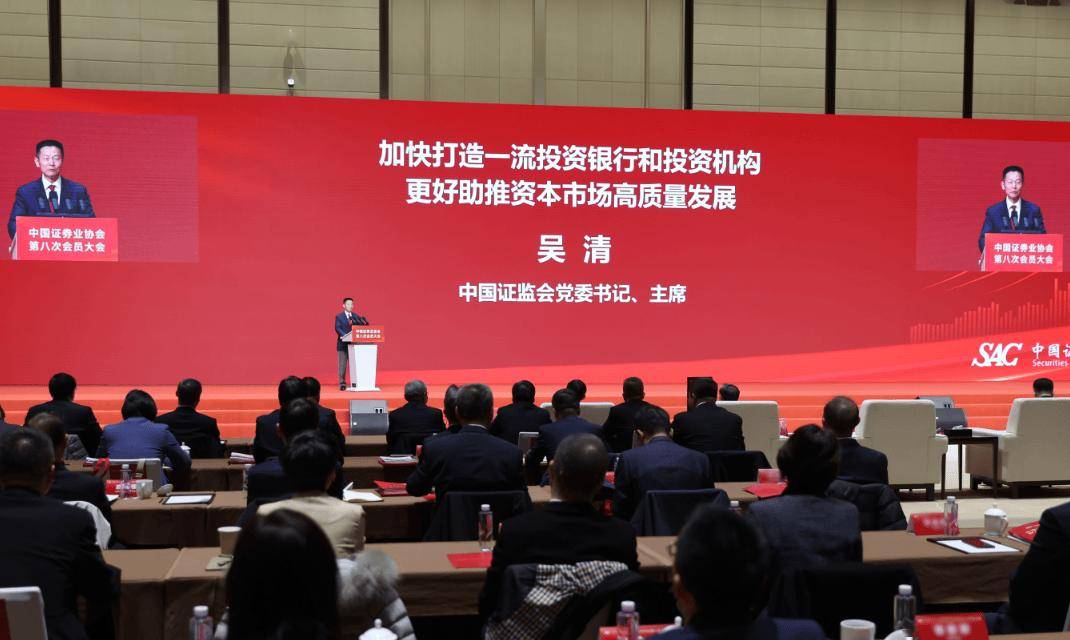
吴清重磅发声!“松绑”券商资本空间和杠杆限制,行业杠杆率仅4.42倍,“十五五”将启,券商、保险双双大动作,杠杆牛一触即发?
Sou Hu Cai Jing· 2025-12-07 02:29
Core Viewpoint - The China Securities Regulatory Commission (CSRC) aims to create first-class investment banks and institutions by easing restrictions on quality institutions, optimizing risk control indicators, and enhancing capital utilization efficiency [1][5]. Group 1: Market Conditions and Broker Actions - The capital market has shown a slow bull trend this year, with the total market value of A-shares exceeding 100 trillion yuan, indicating reasonable growth in both quantity and quality [3]. - Several brokerages, including Guotai Junan and Haitong Securities, have made progress in capital replenishment this year, which is crucial for enhancing their competitive edge [3]. - The average leverage ratio for the brokerage industry is reported to be 4.42 times, significantly lower than that of U.S. investment banks [4]. Group 2: Impact of Regulatory Changes - The easing of capital space and leverage restrictions is viewed as a significant positive for brokerages and the A-share market, leading to a notable increase in brokerage stocks [5]. - Major brokerages like Huatai Securities and China Merchants Securities have raised their margin trading business limits, reflecting a trend of increasing leverage in the industry [3]. Group 3: Insurance Sector Developments - The insurance sector also experienced a surge, with major companies like China Pacific Insurance and Ping An Insurance seeing stock price increases, attributed to improved capital efficiency [6]. - The National Financial Regulatory Administration has announced a reduction in risk factors for insurance companies, further enhancing their ability to invest in equity assets [6]. Group 4: Future Strategic Directions - The upcoming "14th Five-Year Plan" emphasizes the need for a modernized industrial system and high-level technological self-reliance, with significant strategic deployments for the capital market [7][8]. - Key tasks include promoting direct financing through equity and bonds, fostering high-quality listed companies, and creating a more attractive long-term investment environment [8].

优化长期股票持仓风险因子要求,引导险资发挥耐心资本优势
Soochow Securities· 2025-12-06 13:09
Investment Rating - The industry investment rating is maintained as "Add" [1] Core Insights - Insurance funds' equity investments have significantly increased by 1.5 trillion yuan in the first three quarters of 2025, reaching a total of 5.59 trillion yuan, which is the highest proportion since 2014 at 15.5% [2] - The long-term outlook suggests that as the proportion of participating insurance and other floating income products increases, the risk appetite and equity allocation of insurance funds will also rise [2] - The valuation of the insurance sector remains low, with expected PEV ratios between 0.60-0.95 and PB ratios between 1.15-2.06 as of December 5, 2025, indicating significant upside potential [2] Summary by Sections Investment Strategy - The report emphasizes the need for insurance companies to enhance their long-term investment management capabilities, as guided by the new regulations from the China Banking and Insurance Regulatory Commission [5] - The new regulations aim to lower risk factors for long-term holdings, encouraging insurance companies to invest more in the stock market and support technology innovation [5][6] Market Conditions - The demand in the market remains strong, with expectations of continued optimization in liability costs due to the transformation of participating insurance products [2] - The ten-year government bond yield has risen to approximately 1.85%, which may alleviate pressure on the investment returns of fixed-income assets for insurance companies [2] Regulatory Changes - The new regulations include a reduction in risk factors for stocks held longer than three years, which is expected to encourage insurance companies to adopt a long-term holding strategy [5][6] - The adjustments in risk factors are designed to stabilize the market and promote the growth of patient capital [5]
《关于调整保险公司相关业务风险因子的通知》点评:股票风险因子差异化下调,推动险资进一步发挥耐心资本优势
EBSCN· 2025-12-06 11:24
2025 年 12 月 6 日 行业研究 股票风险因子差异化下调,推动险资进一步发挥耐心资本优势 ——《关于调整保险公司相关业务风险因子的通知》点评 非银行金融 增持(维持) 作者 分析师:王一峰 执业证书编号:S0930519050002 010-57378038 wangyf@ebscn.com 分析师:黄怡婷 执业证书编号:S0930524070003 010-57378023 huangyiting@ebscn.com 行业与沪深 300 指数对比图 资料来源:Wind 相关研报 长周期考核权重升至 70%,利好险资加大入 市力度——《进一步加强国有商业保险公司 长周期考核的通知》点评(2025-07-12) 保险权益投资空间拓宽,长期资金入市有望 提速——《关于调整保险资金权益类资产监 管比例有关事项的通知》点评(2025-04-09) 进一步明确长周期考核要求,提升中长期资 金入市力度——《关于推动中长期资金入市 工作的实施方案》点评(2025-01-23) 要点 另一方面,政策鼓励下今年以来险资入市力度显著增强,25Q3 末行业(人身险公 司+财产险公司)股票配置比例达 10%,环比+1.2pc ...

A股放量普涨上证指数重返3900点
Zhong Guo Zheng Quan Bao· 2025-12-05 20:23
● 本报记者 吴玉华 从盘面上看,炒股软件、保险、商业航天、光模块、铜产业等板块爆发,摩尔线程、银行、GPU等板块 调整。申万一级行业普遍上涨,非银金融、有色金属、机械设备行业涨幅居前,分别上涨3.50%、 2.84%、2.34%;仅有银行行业下跌0.58%,公用事业行业收平。 领涨的非银金融行业中,中银证券、瑞达期货涨停,中国太保、四川双马涨逾6%,中国平安、兴业证 券涨逾5%,中国人保、中国人寿、新华保险、东方财富等涨逾4%。 此外,12月5日为摩尔线程上市首个交易日,当日收涨425.46%,市值为2823亿元,全天最大涨幅超 500%,市值一度超过3200亿元。 12月5日,在非银金融板块的带动下,A股市场放量走强,截至收盘,上证指数、深证成指、创业板 指、北证50指数分别上涨0.70%、1.08%、1.36%、1.52%,科创50指数收平,上证指数重返3900点。 大小盘股携手上涨,大盘股集中的上证50指数、沪深300指数分别上涨0.93%、0.84%;小微盘股集中的中 证1000指数、中证2000指数、万得微盘股指数分别上涨1.29%、1.87%、1.58%。 市场成交明显放量,当日A股市场成交额为 ...



靴子落地!金融监管总局:风险因子调降10%,保险投资再松绑,有哪些影响?
13个精算师· 2025-12-05 15:25
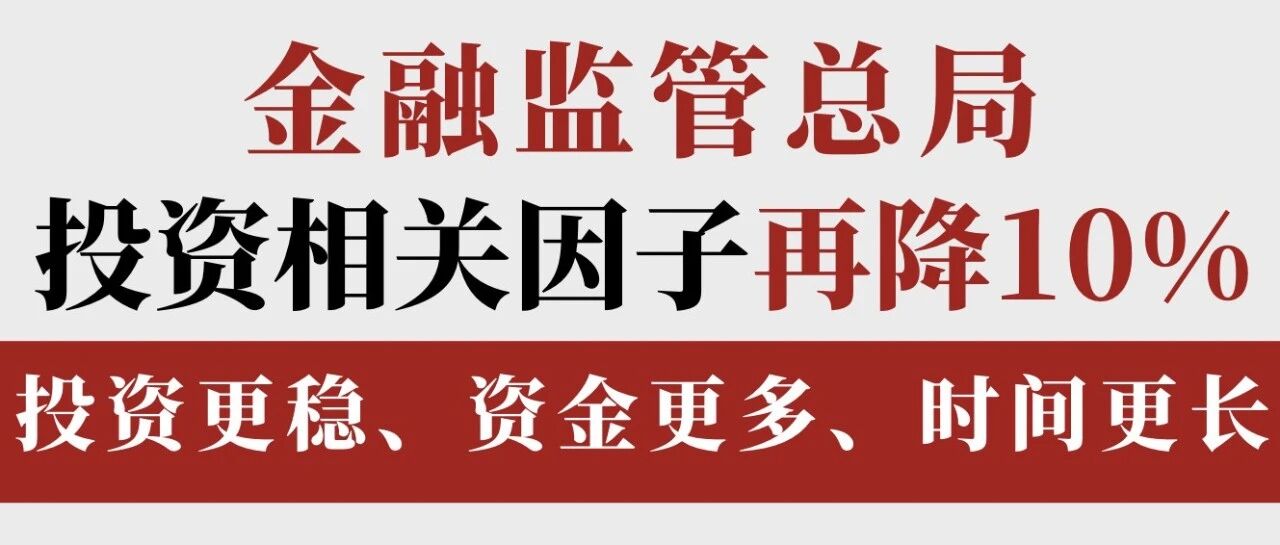
刚刚 持仓时间超过3年的市值超3千亿 ③有助 险企更注重长期投资 投资更稳、资金更多、时间更长 金融监管总局发文 ①将股票投资的 风险因子进一步调降10% 要求对沪深300等持仓超过3年 ② 沪深300和红利100 保险公司持仓市值超4.8千亿 1 金融监管总局:提上限、降因子 助力险企发挥"长期资本"的优势 | 序号 | 文件名称 时间 | | --- | --- | | 13 | 关于优化保险公司权益类资产配置监管有关事项的通知 2020/7/17 | | 123 | 关于优化保险公司偿付能力监管标准的通知 3 2023/9/10 | | గ్ | 关于调整保险资金权益类资产监管比例有关事项的通知 2025/4/8 | | | 峰 关于调整保险公司相关业务风险因子的通知 2025/12/5 | 近年来,为推动以保险资金为代表的中长期资金,加大对市场的投资力度,金融监管总 局等部门,先后出台多项措施。 先是,对权益类资产投资,实行差异化监管,而后,又下调风险因子、上调权益类投资 比例上限! 以金融监管总局为例,从2 020年至今,已经先后下发4个文件,详见上图。 今日,金融监管总局下发《关于调整保险公司相关 ...