ICBC(601398)

Search documents
银行行业2025年度业绩前瞻:利息收入有望回正
ZHESHANG SECURITIES· 2026-01-11 15:27
Investment Rating - The industry investment rating is "Positive" [3][17] Core Insights - Interest income is expected to return to positive growth, supported by an improvement in net interest margins in Q4 2025, which will offset other non-interest impacts [1] - For the full year 2025, listed banks are projected to see a net profit growth rate of 1.8% and revenue growth of 1.2%, both showing a quarter-on-quarter improvement [1] - Quality city commercial banks are expected to lead the sector, with revenue and profit growth rates projected between 5-10% for 2025 [1] Summary by Relevant Sections Industry Outlook - The overall outlook for 2025 indicates an improvement in net profit and revenue growth for listed banks, primarily due to the alleviation of margin pressures and increased provisions [1] - The asset scale of listed banks is expected to grow by 9.0% year-on-year, reflecting a slowdown compared to previous quarters due to weak credit demand [1] Key Drivers - **Margin Stabilization**: Q4 2025 is expected to see a 2 basis point improvement in net interest margin to 1.32%, driven by a larger decline in funding costs compared to asset yields [1] - **Non-Interest Income**: Non-interest income is projected to grow by 3.2% year-on-year, a decrease from earlier quarters, with a slight positive trend in commission income [1] - **Credit Quality**: The credit cost ratio is expected to decline to 0.67%, indicating a stable improvement in non-performing loans, particularly in retail lending [1] Investment Recommendations - The report suggests that banks with new growth drivers are likely to see significant value recovery, recommending major state-owned banks and select city commercial banks as key investment targets [1][2]



息差稳定预期加强
Xiangcai Securities· 2026-01-11 13:46
Investment Rating - The industry rating is maintained at "Overweight" [10][37] Core Insights - The central bank's 2026 work meeting emphasized a stable interest margin expectation, indicating a shift in focus from reducing financing costs to maintaining them at low levels [7][34] - The meeting highlighted the importance of enhancing financial services for high-quality economic development, directing funds towards key areas such as technological innovation and small and medium enterprises [7][34] - The credit market is showing signs of stabilization, with a shift from quantity to quality in credit issuance, and a reduction in the pace of loan rate declines [8][34] Summary by Sections Market Review - The banking index fell by 1.90%, underperforming the CSI 300 index by 4.69 percentage points [12] - The performance of various banking sectors showed declines, with large banks down by 2.94% and regional banks performing relatively better [12] Monetary Policy - The central bank's monetary policy will remain moderately accommodative, focusing on both counter-cyclical and cross-cyclical adjustments [7][34] - The emphasis will be on stabilizing corporate financing cost expectations and preventing significant interest rate fluctuations [7][34] Investment Recommendations - The report suggests focusing on state-owned banks with stable asset deployment and regional banks with growth potential, recommending specific banks such as ICBC, Bank of China, and others [10][37]



上海国际金融中心一周要闻回顾(1月5日—1月11日)
Guo Ji Jin Rong Bao· 2026-01-11 06:05
Group 1: Government Policies and Initiatives - The State Council, led by Premier Li Qiang, has initiated a package of fiscal and financial policies aimed at boosting domestic demand, emphasizing the importance of coordinating fiscal and financial policies to enhance policy effectiveness and encourage social capital participation in consumption and investment [1] - The Lingang New Area in Shanghai is set to establish an offshore financial (economic) functional zone to promote greater financial openness and innovation, focusing on enhancing cross-border investment and financing facilitation [2] - Shanghai has introduced measures to encourage foreign investment enterprises to reinvest domestically, optimizing foreign exchange registration and funding processes [4] Group 2: Financial Sector Developments - The Shanghai government has released 26 measures to support foreign-funded R&D centers, including facilitating financial services for technology innovation and research [5] - The Industrial and Commercial Bank of China (ICBC) Shanghai branch has completed the first equity merger loan under the new merger loan management regulations, marking an innovation in merger financial services [6] - The Shanghai Clearing House has announced a reduction in fees for credit derivatives clearing services to promote market development and reduce costs for market participants [11] Group 3: Market Statistics and Performance - As of December 2025, China's foreign exchange reserves reached $33,579 billion, an increase of $115 billion from November, reflecting a growth rate of 0.34% [19] - In 2025, the national futures market recorded a total transaction volume of 90.74 billion contracts, with a cumulative transaction value of 766.25 trillion yuan, representing year-on-year growth of 17.4% and 23.74% respectively [20]
金价飙升,多家银行公告提醒
Sou Hu Cai Jing· 2026-01-11 04:54
Group 1 - Gold prices continue to rise, with COMEX gold futures increasing by 1.29% to $4518.4 per ounce, marking a weekly gain of 4.34% [1] - Since January 2026, major Chinese banks, including Bank of China and Industrial and Commercial Bank of China, have issued warnings and adjusted rules regarding gold trading to alert investors to risks [1] Group 2 - Bank of China has warned about illegal trading platforms that promote "gold investment" and "gold pre-pricing," which often lead to scams disguised as gambling [2] - These platforms claim low entry barriers and high returns, but they do not involve actual gold investment, putting participants' funds at risk [2] - The trading model mimics futures trading, requiring participants to pay a margin and a deposit of 2%-5% of the gold price, which can lead to forced liquidation if prices fluctuate significantly [2] Group 3 - Following the rise in gold prices, Industrial and Commercial Bank of China has raised the minimum investment amount for its gold accumulation business from 1000 yuan to 1100 yuan, effective January 8, 2026 [6] - The bank will also adjust the risk rating for personal customers engaging in gold accumulation, requiring a risk assessment to achieve a C3-balanced rating or higher [7] - This adjustment reflects the increased volatility in gold prices and the need for investors to have appropriate risk tolerance [7]

金价继续狂飙!银行紧急提醒!
Sou Hu Cai Jing· 2026-01-11 04:40
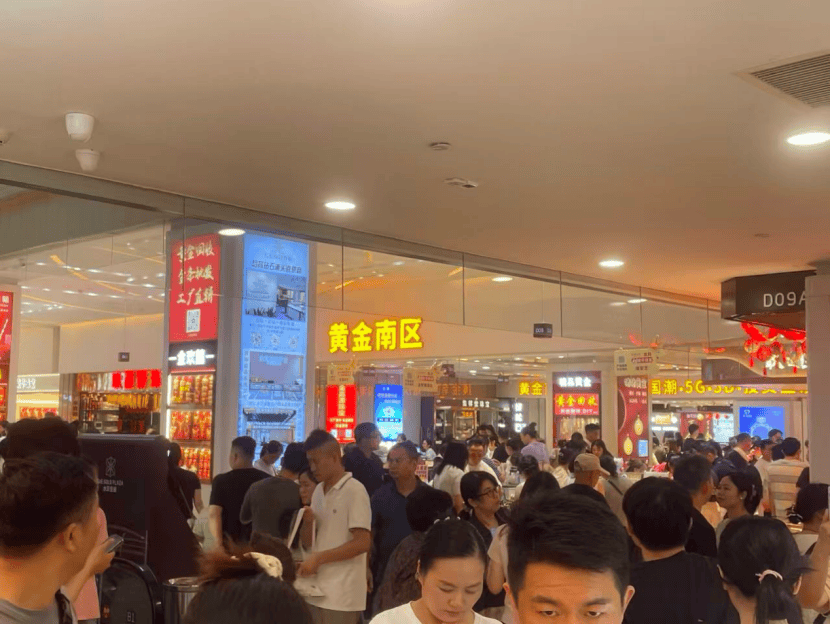
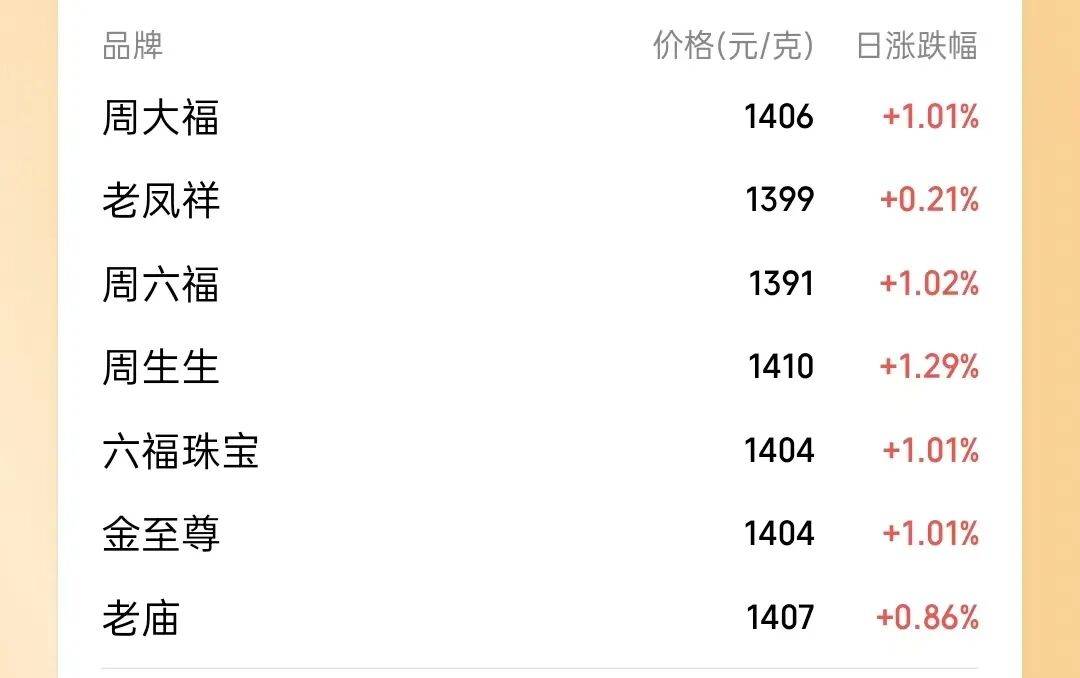
Core Viewpoint - The international gold price continues to rise amid geopolitical turmoil, with significant increases in both gold and silver futures prices, driven by ongoing market demand for safe-haven assets [1]. Group 1: Gold Price Trends - As of January 9, 2026, gold futures for February delivery were priced at $4500.90 per ounce, up 0.90%, while silver futures for March delivery were at $79.341 per ounce, reflecting a 5.59% increase [1]. - The main gold futures contract on the New York Mercantile Exchange saw a weekly increase of 3.96% [1]. - Domestic gold jewelry prices have also risen, with some brands reporting prices exceeding 1400 yuan per gram [1]. Group 2: Banking Adjustments - Major Chinese banks, including Bank of China and Industrial and Commercial Bank of China (ICBC), have issued warnings and adjusted rules regarding gold trading to alert investors to increased risks [2]. - ICBC announced an increase in the minimum investment amount for its gold accumulation business from 1000 yuan to 1100 yuan, effective January 8, 2026 [6]. - The bank will also adjust the risk rating for personal customers purchasing gold accumulation, requiring a risk assessment to achieve a C3-balanced rating or higher for new accounts or investment plans [9]. Group 3: Investment Products - Several banks have launched structured deposit products linked to gold, offering flexible terms and a combination of principal protection and variable returns to attract investors [15]. - Jiangsu Bank introduced structured deposits with terms of 3 and 6 months, with minimum investment amounts of 10,000 yuan and expected annualized returns of 1% to 2.09% [15]. - DBS Bank has also entered the market with a 12-month bullish gold structured deposit, offering annualized returns of 1.5% to 4% with a minimum subscription of $10,000 [16].
北向资金四季度持仓全景曝光,大手笔加仓银行与资源股
Huan Qiu Wang· 2026-01-11 02:33
Core Insights - The northbound trading of the Stock Connect has shown significant enthusiasm from foreign capital, with a total trading volume exceeding 200 trillion yuan in 2025, marking a historical high and reflecting strong confidence in the long-term investment value of the Chinese capital market [1][5] Group 1: Holdings Overview - As of the end of Q4 2025, northbound funds held a total of 4,014 securities, with a stable overall holding scale [1] - The holdings of foreign capital exhibit a "head concentration" feature, with over 213 stocks having more than 100 million shares held, and 37 stocks exceeding 500 million shares [1] - Notable stocks favored by northbound funds include JD.com, Industrial and Commercial Bank of China, Zijin Mining, Agricultural Bank of China, and others, with holdings exceeding 1 billion shares, primarily in low-valuation or high-dividend sectors [1] Group 2: Trading Activity - In Q4 2025, northbound funds engaged in significant portfolio adjustments, increasing holdings in over 1,600 stocks, with more than 1,000 stocks seeing an increase of over 1 million shares [2] - The top ten stocks with the largest increases in holdings included China Aluminum, Weichai Power, and others, each with increases exceeding 100 million shares [2][4] - The trading activity of northbound funds has notably increased, with a daily trading volume exceeding 300 billion yuan for four consecutive trading days, indicating a strong return of foreign capital to A-shares [4] Group 3: Long-term Trends - Since the establishment of the Stock Connect mechanism, the cumulative trading volume of northbound funds has surpassed 200 trillion yuan, with 2025's total trading volume reaching 50.33 trillion yuan, a growth of over 40% compared to 2024 [5] - The significant increase in trading volume and the focus on bank and resource stocks in Q4 2025 signal multiple positive trends, including sustained foreign interest in Chinese assets and a balanced investment strategy [5] - The ongoing optimization of capital market systems and deepening of openness are expected to lead to more normalized and rational flows of northbound funds, providing stable liquidity support for the A-share market [5]




南京地区发行量共160万枚(张) 马年贺岁币钞下周二晚开启预约
Nan Jing Ri Bao· 2026-01-11 01:40
Core Viewpoint - The People's Bank of China Jiangsu Branch announced the launch of the 2026 Year of the Horse commemorative coin and banknote, with reservations starting on January 13, 2026, and ending on January 14, 2026 [1] Group 1: Reservation Details - The reservation for the 2026 Year of the Horse commemorative coin will start at 22:00 on January 13, 2026, and for the commemorative banknote at 22:30 on the same day [1] - The issuance volume for the commemorative coin and banknote in Nanjing is set at 800,000 pieces and 800,000 notes, respectively [1] - A total of 23 bank branches in Nanjing will handle the reservation and exchange, including specific branches like Gulou Square Branch and Longpan South Road Branch [1] Group 2: Exchange Process - The exchange period for the reserved commemorative coin and banknote will run from January 20 to January 26, 2026 [2] - Individuals who successfully reserved must present their valid ID at the designated bank branch to complete the exchange [2] - After the exchange period ends, the branches will cease all exchange activities [2]


金价飙升风险暗藏,银行紧急调整、提示!
Sou Hu Cai Jing· 2026-01-10 23:54
Core Viewpoint - Gold prices have continued to rise, with COMEX gold futures increasing by 1.29% to $4518.4 per ounce, marking a weekly increase of 4.34% as of January 9, 2026, raising concerns about trading risks in the gold market [1] Group 1: Gold Price Trends - Gold prices have surpassed the $4500 mark, indicating a sustained upward trend since early 2026 [1] - The increase in gold prices has led to heightened trading risks, prompting major banks to issue warnings and adjust trading rules [1] Group 2: Warnings from Financial Institutions - Bank of China has alerted the public about illegal trading platforms that promote "gold investment" and "gold pre-pricing," which are essentially scams disguised as investment opportunities [2] - These platforms often promise low entry barriers and high returns, misleading users into believing they are investing in gold when they are actually gambling [2] - The Bank of China emphasizes that such activities are illegal and participants may face legal consequences [2] Group 3: Changes in Investment Policies - Industrial and Commercial Bank of China (ICBC) has raised the minimum investment amount for its gold accumulation business from 1000 yuan to 1100 yuan, effective January 8, 2026 [5] - ICBC will also require personal customers to undergo a risk assessment to qualify for gold accumulation services, raising the risk rating requirement from C1 to C3 [6] - This adjustment reflects the bank's response to the increased volatility in gold prices and aims to ensure that investors have an appropriate risk tolerance [7]
北向资金,最新动向!增持这些股→
证券时报· 2026-01-10 14:15
Core Viewpoint - The Northbound Stock Connect funds have shown increased trading activity in the A-share market, with significant holdings and trading volumes reported for the fourth quarter of 2025 [2][10]. Group 1: Northbound Stock Connect Holdings - As of the end of Q4 2025, Northbound Stock Connect funds held a total of 4,014 securities, including stocks and ETFs, with overall holdings remaining relatively stable [4][5]. - Notably, Northbound funds held over 1 billion shares in 213 stocks, and in 37 stocks, holdings exceeded 5 billion shares. Key stocks with holdings over 10 billion shares include BOE Technology Group, Industrial and Commercial Bank of China, Zijin Mining, Agricultural Bank of China, and others [5][6]. Group 2: Increased Holdings - During Q4 2025, Northbound Stock Connect funds increased their holdings in over 1,600 stocks, with more than 1,000 stocks seeing an increase of over 1 million shares. Significant increases were noted in stocks such as China Aluminum, Weichai Power, and Industrial and Commercial Bank of China, with increases exceeding 10 million shares in several cases [7][8]. Group 3: Trading Activity - The trading activity of Northbound Stock Connect has been notably active, with trading volumes exceeding 300 billion yuan for four consecutive trading days, reaching a peak of 369.6 billion yuan on January 9, 2026, marking the highest level since September 2025 [10]. - Cumulatively, since the establishment of the mutual market access mechanism, the total trading volume of Northbound Stock Connect has surpassed 200 trillion yuan, with 2025's total trading volume reaching 50.33 trillion yuan, a growth of over 40% compared to 2024 [11].





2025年度债券承销排行榜
Wind万得· 2026-01-10 14:07
Key Points - The total bond market in mainland China reached 196.18 trillion yuan by the end of 2025, an increase of 20.30 trillion yuan from the beginning of the year [2] - The issuance of various bonds in 2025 amounted to 89.0 trillion yuan, representing a year-on-year growth of 11% [2] - Interest-bearing bonds issuance reached 33.0 trillion yuan, up 18% from the previous year, with government bonds increasing by 28% and local government bonds by 5% [2][4] - Credit bonds issuance was 22.2 trillion yuan, reflecting an 8% increase year-on-year [2][4] - Interbank certificates of deposit totaled 33.8 trillion yuan, marking a 7% growth [2][4] Bond Issuance Breakdown - Interest-bearing bonds: 3,534 issues, 329,829.6 billion yuan, 18% growth [4] - Government bonds: 206 issues, 160,140.2 billion yuan, 28% growth [4] - Local government bonds: 2,449 issues, 102,901.0 billion yuan, 5% growth [4] - Policy bank bonds: 879 issues, 66,788.4 billion yuan, 17% growth [4] - Credit bonds: 24,003 issues, 222,246.7 billion yuan, 8% growth [4] - Financial bonds: 1,499 issues, 56,780.6 billion yuan, 25% growth [4] - Corporate bonds: 5,871 issues, 44,593.6 billion yuan, 12% growth [5] Market Trends - The overall issuance cost in the bond market showed a downward trend in 2025, with the index reaching a high of 42.68 in mid-March and a low of 33.01 in mid-July [7] - The top three banks in bond underwriting for 2025 were China Bank, Industrial and Commercial Bank, and Construction Bank, with underwriting amounts of 16,765.2 billion yuan, 16,479.0 billion yuan, and 15,020.5 billion yuan respectively [10][11] Underwriting Rankings - The top three securities firms in bond underwriting (excluding local government bonds) were CITIC Securities, Guotai Junan, and CITIC Jinpu, with underwriting amounts of 16,136.2 billion yuan, 13,613.4 billion yuan, and 12,419.6 billion yuan respectively [19][20] - For local government bonds, the top three securities firms were CITIC Securities, CITIC Jinpu, and Guotai Junan, with underwriting amounts of 22,491.6 billion yuan, 17,333.3 billion yuan, and 16,426.2 billion yuan respectively [26]