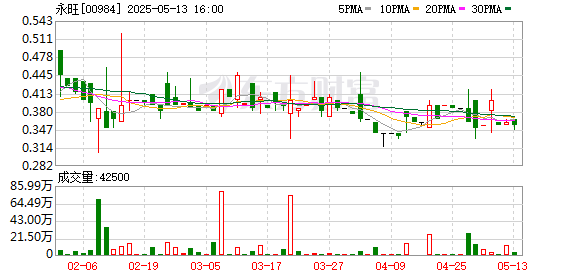
YONGHUI SUPERSTORES(601933)

Search documents
预制菜概念涨2.30%,主力资金净流入这些股
Zheng Quan Shi Bao Wang· 2025-05-19 09:02
Group 1 - The pre-made food concept sector rose by 2.30%, ranking 9th among concept sectors, with 97 stocks increasing in value [1] - Notable gainers in the pre-made food sector included Baba Food, Guoguang Chain, and Zhenghong Technology, which hit the daily limit, while Guangzhou Restaurant, Three Squirrels, and Kangbiter saw significant increases of 7.90%, 7.39%, and 7.27% respectively [1][2] - The sector experienced a net inflow of 254 million yuan from major funds, with 51 stocks receiving net inflows, and five stocks exceeding 50 million yuan in net inflows, led by Yonghui Supermarket with 69.21 million yuan [2][3] Group 2 - The top three stocks by net inflow ratio in the pre-made food sector were Zhenghong Technology, ST Lingnan, and Baba Food, with net inflow ratios of 33.54%, 29.49%, and 27.35% respectively [3] - The trading volume and turnover rates for key stocks in the pre-made food sector showed significant activity, with Baba Food achieving a turnover rate of 4.58% and a daily increase of 10% [3][4] - Other notable stocks included Guangzhou Restaurant with a turnover rate of 2.88% and a daily increase of 7.90%, and Three Squirrels with a turnover rate of 11.50% and a daily increase of 7.39% [4]





可选消费周度趋势解析:本周宠物和美国消费板块股市表现最优,大多板块估值仍低于过去5年平均观点聚焦-20250518
Haitong Securities International· 2025-05-18 15:17
Investment Rating - The report assigns an "Outperform" rating to multiple companies within the discretionary consumption sector, indicating a positive outlook for their performance relative to the market [1][3][5]. Core Insights - The pet and U.S. hotel sectors have shown the best performance this week, with valuations in most sectors still below the average of the past five years [1][4][13]. - The report highlights that the average increase for leading companies in the pet sector was 9.1%, driven by favorable trade negotiations and the commencement of the 618 pre-sale [4][15][17]. - Valuation analysis indicates that most sub-sectors are trading below their historical averages, suggesting potential investment opportunities [5][9][19]. Sector Performance Review - Weekly performance rankings: Pet > U.S. Hotel > Credit Card > Cosmetics > Gambling > Sportswear > Luxury Goods > Snacks [7][14]. - Monthly performance rankings: Pet > U.S. Hotel > Gambling > Cosmetics > Sportswear > Credit Card > Luxury Goods > Snacks [14]. - Year-to-date (YTD) performance rankings: Pet > Luxury Goods > Cosmetics > Snacks > Credit Card > U.S. Hotel > Sportswear > Gambling [14]. Valuation Analysis - As of May 16, 2025, the expected P/E ratios for various sectors are as follows: - Sportswear: 15.6x (77% of 5-year average) - Luxury Goods: 18.4x (52% of 5-year average) - Gambling: 14.2x (23% of 5-year average) - Cosmetics: 36.8x (91% of 5-year average) - Pet: 50x (51% of 5-year average) - Snacks: 24.3x (37% of 5-year average) - U.S. Hotel: 29.4x (18% of 5-year average) - Credit Card: 32x (61% of 5-year average) [5][9][18][19].




On昂跑Q1净利下降近四成;安德玛2025财年净亏2亿美元;lululemon庆祝Align十周年|品牌周报
36氪未来消费· 2025-05-18 11:58
Group 1: On's Q1 Performance - On reported a net sales of 727 million Swiss francs in Q1 2025, a 43% year-on-year increase, exceeding market expectations [2] - Net profit decreased by 38% to 56.7 million Swiss francs, with a net profit margin dropping to 7.8% due to rising costs and market expansion investments [2] - The EMEA market saw a sales increase of 33.6% to 169 million Swiss francs, while the Americas grew by 32.7% to 437 million Swiss francs, and the Asia-Pacific market surged by 130.1% to 120.6 million Swiss francs, now accounting for 16.6% of total revenue [2][3] Group 2: Under Armour's Financial Struggles - Under Armour reported a revenue decline of 9% to 5.2 billion USD for the fiscal year 2025, with a net loss of 200 million USD [4] - The fourth quarter saw an 11% revenue drop to 1.2 billion USD, with a net loss of 67 million USD [4] - The company initiated a turnaround plan focusing on premium products for members and targeting the Asia-Pacific market, particularly China, as a growth core [5] Group 3: ASICS Q1 Growth - ASICS achieved a record revenue of 208.3 billion JPY in Q1 2025, marking a 20% increase year-on-year [6] - The net profit rose by 18% to 31.6 billion JPY, with operating profit increasing by 32% to 44.5 billion JPY [6] - Performance running shoes and sports leisure products saw significant growth, with the latter category increasing by 49.6% [6] Group 4: Starbucks' Strategic Moves in China - Starbucks is exploring various options for its China business, including potential equity sales, and has reached out to private equity firms for feedback [7][8] - The company reported a 5% year-on-year revenue growth in China, reaching 739.7 million USD, with a 9% increase in store count to 7,758 [8] Group 5: Lululemon's Community Engagement - Lululemon celebrated the 10th anniversary of its Align™ yoga pants with a large community event in Beijing, attracting over 5,000 participants [10] - The Align™ product line has expanded significantly since its launch, becoming a flagship series for the brand [10] Group 6: Market Trends and New Product Launches - The low-sugar tea beverage market in China is experiencing rapid growth, with a sales increase of 41% expected in 2024 [23] - Starbucks launched new ready-to-drink tea latte products, tapping into the growing demand for tea-based beverages in China [15] - HOKA introduced the MAFATE X, a new trail running shoe, enhancing its product lineup [17]




永辉超市西长安中骏世界城店“学习胖东来”自主调改5月16日开业,现制现售比例放大
Cai Jing Wang· 2025-05-16 09:40
Core Insights - Yonghui Supermarket has opened its first self-adjusted store in the Mentougou District, following previous adjustments in other districts of Beijing, enhancing its market presence [1][2] - The store features a unified shelf height of 1.6 meters, removed mandatory traffic flow, and widened aisles, creating a more customer-friendly shopping environment [1] - The product structure has been adjusted to meet public demand, retaining reliable brands and increasing the proportion of freshly made products to approximately 80% of the "Pang Dong Lai" product structure [1] Product Offerings - The store has introduced popular items such as "Pang Dong Lai" spicy beef strips, small sweet sausages, Northeast-style fried meat, and Korean fried chicken in the prepared food section [1] - Baked goods focus on health and taste, featuring products like "Harvest Joy" European bread, finger tiramisu, peach mousse cake, and chocolate temptation cake [1] - A dedicated brand area for "Pang Dong Lai" includes items like DL craft beer, yogurt oat crisps, grape juice, and laundry pods, along with exclusive displays for Yonghui's selected products [1] Service Enhancements - The store has added a pet storage area to address challenges for pet owners, along with a convenience service area equipped with blood pressure and height measurement devices, and free charging stations [2] - Premium seafood in the fish section now offers oxygen cleaning services, while the meat section provides free shredding and grinding services [2] - Fresh-cut fruit management follows a strict "468" freshness policy, with discounts applied based on time since cutting, and perishable items are cleared daily [2] Expansion Plans - Following the opening of the new store, Yonghui has reached a total of 78 adjusted stores nationwide, with plans to exceed 124 by the end of June and aim for 300 by the Lunar New Year in 2026 [2] - Additional adjusted stores are set to open in Tongzhou and Fengtai districts by the end of May, bringing the total number of adjusted stores in Beijing to 8 [2]
江西南昌持续推动首发经济发展 激发城市消费新活力
Zhong Guo Xin Wen Wang· 2025-05-16 08:11
Core Viewpoint - The "first store" economy is emerging as a key driver for enhancing consumer activity in various regions, with a focus on innovation through new product launches and store openings [1][3]. Group 1: First Store Economy - The first store economy refers to economic activities centered around innovation, including new product releases, store openings, and exhibitions to meet consumer demand [1]. - Nanchang, Jiangxi, is actively developing the "four firsts" economy (first store, first brand, first show, first launch) to attract well-known commercial brands and enhance regional consumer influence [1][5]. Group 2: Local Developments - Nanchang's first "learning from Pang Donglai" model store opened in the Qingshan Lake District, attracting significant consumer interest and long queues for popular products [3]. - The Nanchang Dayuecheng, the first comprehensive shopping complex in Jiangxi, has over 40% of its initial brands as regional first stores, including the first 3.0 flagship store of Hema Fresh in the province [5]. - The Jiangxi provincial government aims to add 20 well-known commercial brand stores by 2027, with Nanchang planning to introduce at least 100 brand first stores by 2025 as part of its consumption promotion strategy [5].
外贸产品拓内销提速增量(人民眼·提振消费) ——北京、浙江、福建、广东等地加快推动内外贸一体化观察
Ren Min Ri Bao· 2025-05-15 21:43
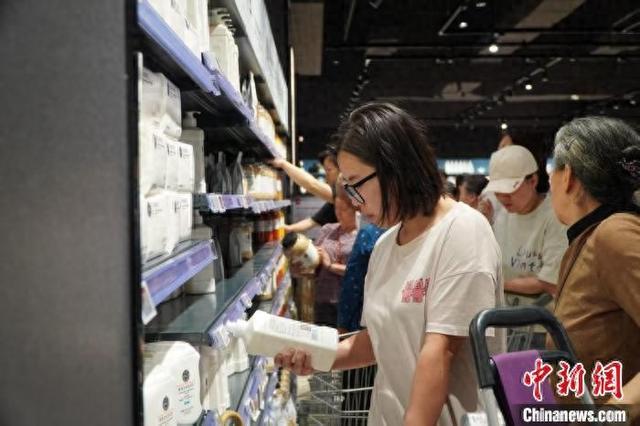
Core Viewpoint - The article highlights the efforts of Chinese foreign trade enterprises to pivot towards domestic sales in response to international challenges, emphasizing the importance of integrating domestic and foreign trade to expand market opportunities and support economic stability. Group 1: Market Integration and Support - The Ministry of Commerce initiated the "Foreign Trade Quality Products China Tour" event, resulting in procurement intentions exceeding 16.7 billion yuan, with participation from over 2,400 foreign trade companies and 6,500 buyers [1] - A significant number of foreign trade enterprises, approximately 85%, also engage in domestic sales, with domestic sales accounting for nearly 75% of their total revenue [1] - Major supermarket chains like Yonghui and Hualian have established "green channels" to facilitate the transition of export products to domestic sales, providing tailored support and rapid product placement [2][3] Group 2: E-commerce and Technological Support - E-commerce platforms such as Tencent and Meituan have launched initiatives to assist foreign trade enterprises in entering the domestic market, with Tencent's "New Journey for Foreign Trade" plan and Meituan's measures already engaging over 300 companies [3] - Taobao and Tmall initiated a "Foreign Trade Selection" program aimed at supporting at least 10,000 foreign trade merchants, significantly reducing the time required for new store approvals [3] - The Qingchuang City International Online Wholesale Center has helped over 300 foreign trade companies sell more than 300,000 clothing items since April [4] Group 3: Financial and Cost Reduction Measures - JD.com has committed to a substantial procurement plan, aiming to purchase at least 200 billion yuan worth of export-to-domestic goods over the next year, significantly aiding foreign trade companies [6] - Tencent's "0 deposit trial operation" policy allows foreign trade businesses to list products without upfront costs, further reducing operational expenses [7] - Financial institutions in Fuzhou are providing flexible credit solutions to alleviate the financial pressures faced by foreign trade companies, with a focus on supporting cross-border trade [8] Group 4: Product Innovation and Market Adaptation - Companies like Ningbo Jingshan Shuanglu Battery Co. are leveraging technology and innovation to enhance product competitiveness, with significant investments in R&D and new product development [10] - The shift from foreign trade to domestic sales is seen as a transition from "manufacturing" to "branding," emphasizing the need for quality products to meet domestic consumer demands [11] - Firms are adopting flexible production strategies to respond to the "small orders and quick response" market demand, enhancing their ability to adapt to changing consumer preferences [14][15]



13家商超2024年财报扫描:9家净利润下滑 转型阵痛持续
2 1 Shi Ji Jing Ji Bao Dao· 2025-05-15 06:52
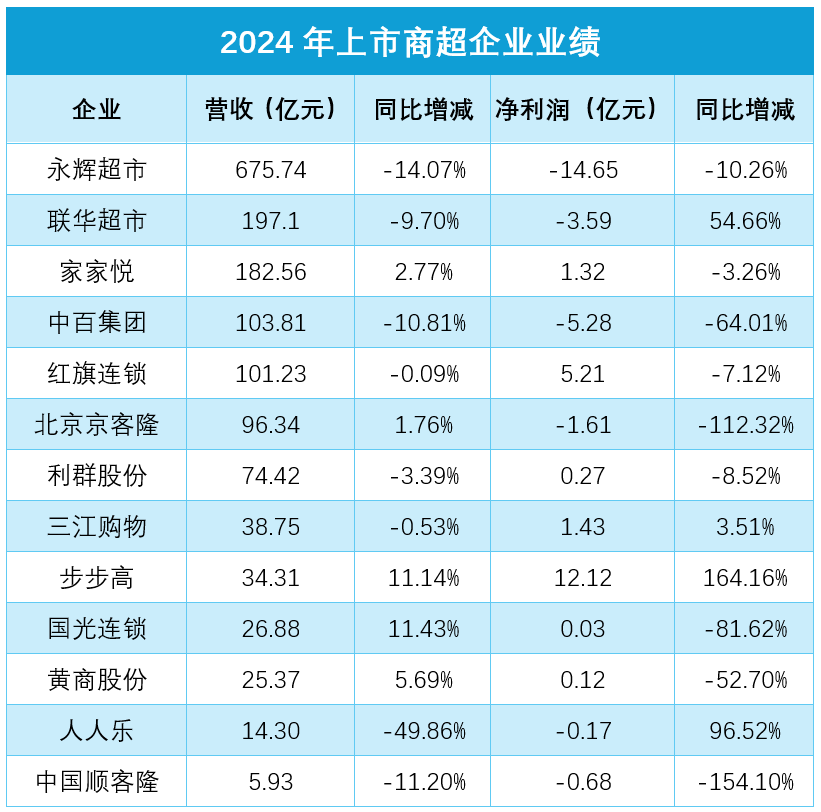
Core Viewpoint - The supermarket industry is facing significant challenges in 2024, with many companies reporting declines in revenue and net profit, indicating a pressing need for transformation and adaptation [1][4]. Revenue and Profit Performance - Among 13 listed supermarket companies, 8 experienced a year-on-year decline in revenue, and 9 saw a drop in net profit, with only 2 companies achieving net profit growth while remaining profitable [1][4]. - Yonghui Supermarket reported the highest revenue at 67.574 billion yuan, down 14.07% year-on-year, with a net loss of 1.465 billion yuan, widening by 10.26% [2][4]. - Lianhua Supermarket's revenue fell by 9.7% to 19.71 billion yuan, with a net loss of 359 million yuan, despite closing underperforming stores [2][4]. - Renrenle Supermarket had the largest revenue decline of 49.86%, with revenue at 1.43 billion yuan due to store closures [2][4]. Strategic Adjustments and Transformations - Supermarket companies are implementing "self-rescue transformations" by closing inefficient stores and reducing loss-making operations to alleviate financial pressure [2][6]. - Companies are focusing on creating differentiated product offerings through optimizing product structures and enhancing product quality to meet diverse consumer demands [3][10]. - The trend of closing underperforming stores is common, with Lianhua Supermarket closing over 400 stores in 2024, while Yonghui Supermarket closed more than 200 [6][8]. Focus on Private Labels and Supply Chain - Developing private labels is a key strategy for supermarkets to differentiate themselves and reduce supply chain costs, with Yonghui aiming for private labels to account for 40% of its total sales in the next three to five years [10][11]. - A robust supply chain is essential for the success of private label strategies, enabling cost advantages and quality assurance through scale procurement and efficient logistics [11]. Future Outlook - The next 12 to 18 months are expected to be critical for supermarkets as they implement reforms and optimize their operations, with Yonghui targeting over 300 remodeled stores by early 2026 [7][8].


中国百货零售行业上市公司“盈利王”:一年净赚16亿元,永辉超市垫底
Sou Hu Cai Jing· 2025-05-14 13:00
Industry Overview - According to the "2024-2025 China Department Store Retail Industry Development Report," 73% of surveyed companies experienced a year-on-year decline in sales, with 14% seeing a drop of less than 5%, 25% experiencing a decline of 5% to 10%, and nearly 30% facing a decrease of 10% to 20%. Only 24% of companies reported positive growth [1] - In terms of profitability, 72% of surveyed companies saw a decline in net profit, with 22% experiencing a drop of over 20%, 24% with a decline of 10% to 20%, and 26% with a decrease of less than 10%. Only 22% achieved positive net profit growth, primarily under 5% [1] Company Performance - Among 42 listed department store companies, total revenue reached 267.316 billion yuan, with 30 companies reporting negative growth, including 11 with declines exceeding 10%. Only 4 companies had growth rates above 10%, with 2 achieving triple-digit increases [3] - Yonghui Supermarket ranked first with a revenue of 67.574 billion yuan, down 14.1% year-on-year, marking its fourth consecutive year of decline and a 30% reduction compared to its peak in 2020 [3][5] - Yonghui Supermarket closed 232 underperforming stores, attributing revenue decline to this action. The company initiated a store transformation strategy in May, focusing on quality retail, and plans to close an additional 250-350 stores this year [3][5] - In the first quarter of this year, Yonghui's revenue and net profit continued to decline, with a net loss of 1.465 billion yuan, a 10.26% decrease year-on-year, marking its fourth consecutive year of losses totaling 9.501 billion yuan [5] Financial Rankings - The revenue ranking of listed department store companies for 2024 shows Yonghui Supermarket at the top with 67.574 billion yuan, followed by Zhilian Co. at 27.675 billion yuan, and Jiajiayue at 18.256 billion yuan [6] - The net profit ranking indicates Zhilian Co. leading with a net profit of 156.7438 million yuan, a 292.73% increase, followed by Chongqing Department Store with 131.464 million yuan, and Bubugao with 121.169 million yuan, reflecting significant growth [10]

永辉超市(601933) - 永辉超市股份有限公司2024年年度股东大会资料
2025-05-14 10:15
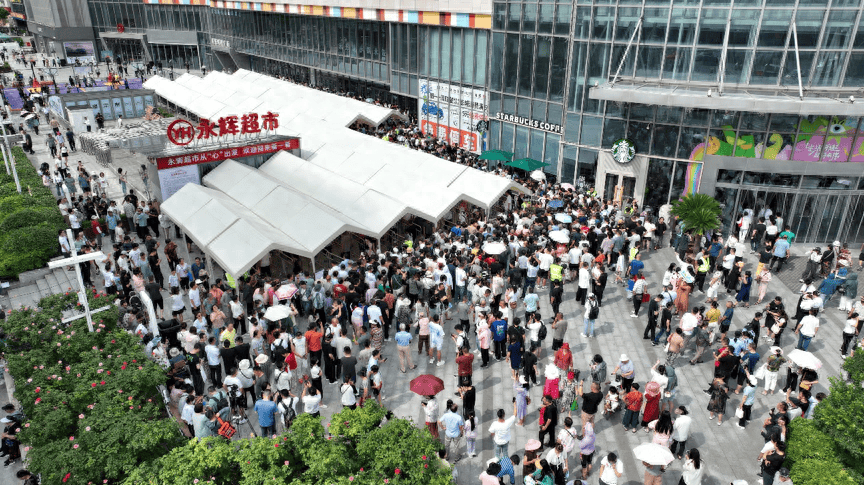
永辉超市股份有限公司二〇二四年年度股东大会 会议资料 永辉超市股份有限公司 二〇二四年年度股东大会会议资料 二〇二五年五月 1 永辉超市股份有限公司二〇二四年年度股东大会 会议资料 目 录 | 永辉超市股份有限公司二〇二四年年度股东大会会议议程 | | 3 | | --- | --- | --- | | 永辉超市股份有限公司二〇二四年年度股东大会会议议案 | | 4 | | 议案一:关于《永辉超市股份有限公司 2024 | 年度董事会工作报告》的议案 4 | | | 议案二:关于公司 2024 年度财务决算和 2025 年度财务预算的议案 | | 11 | | 议案三:关于公司 2024 年度利润分配的议案 | | 12 | | 议案四:关于公司 2024 年度关联交易执行情况及 2025 | 年关联交易计划的议案 | 13 | | 议案五:关于公司 2024 年度授信、贷款使用情况及 2025 | 年度申请授信计划的议案 | 14 | | 议案六:关于继续授权公司购买理财产品的议案 | | 16 | | 议案七:关于续聘 2025 年会计师事务所的议案 | | 18 | | 议案八:关于《公司董事、监事 2 ...
永旺广州天河城店将撤场?永辉胖改店将入驻?各方都回应了
Nan Fang Du Shi Bao· 2025-05-13 14:22
Core Viewpoint - AEON's first comprehensive department store in mainland China, located in Guangzhou Tianhe City, is set to close in June 2023 due to a renovation plan that will see Yonghui Supermarket replace it [2][12][20]. Company Overview - AEON Tianhe City store opened in July 1996 and has been operational for nearly 29 years [5][13]. - AEON currently operates 16 other stores in Guangzhou and has a total of 40 stores in Guangdong, including 21 comprehensive department stores and 19 supermarkets [21][23]. Market Dynamics - The closure is attributed to the mismatch between rental costs and revenue, as AEON's brand appeal and product competitiveness have declined over time [20]. - AEON's revenue from its mainland operations has been on a downward trend since 2018, with a reported revenue of HKD 4.339 billion in 2024, down 4.68% year-on-year, and an operating loss of HKD 65.856 million [23]. Competitive Landscape - Yonghui Supermarket will take over the space vacated by AEON, launching a new store format that focuses on optimizing product structure and enhancing the shopping environment [25][27]. - Yonghui's new store is expected to feature a product structure similar to that of its successful "Pang Dong Lai" format, with a significant increase in ready-to-eat products and a focus on customer service enhancements [25][26]. Future Plans - Despite the closure of the Tianhe City store, AEON plans to open eight new stores in Guangdong in 2023, indicating a strategy to expand its footprint despite challenges [21][23].