
CICC(601995)

Search documents
中国资本市场2025:十大“最”时刻
Xin Lang Cai Jing· 2025-12-31 08:18
Core Insights - The year 2025 marked significant transformations in China's capital market, characterized by index breakthroughs and ecological restructuring, including the Shanghai Composite Index surpassing 4000 points and the handling of the Dongxu Group's 600 billion yuan fraud case [1][10] Group 1: Major Transformations - The most important ideological shift was from "heavy financing" to "coordinated investment and financing," emphasizing a balanced ecosystem and investor returns through improved systems for dividends, buybacks, and mergers [2][12] - A strong consensus emerged around market value management, transitioning from a niche practice to a standard across the market, with 1001 A-share companies disclosing value management systems by November, a fivefold increase from earlier in the year [2][12] Group 2: Key Market Trends - The hottest sectors were AI and hard technology, with the launch of DeepSeek-R1 in January triggering a massive influx of capital into the AI industry chain, leading to a significant revaluation of related stocks [2][13] - A major shift in funding structures occurred, with insurance and social security funds increasing equity asset allocations, and a "deposit migration" trend among residents as savings rates fell below 1% [2][14] Group 3: Regulatory Environment - 2025 was marked by stringent regulatory enforcement, highlighted by the forced delisting of major companies like Dongxu Group for significant fraud, with over 60 companies delisted throughout the year [3][5] - The year also saw a focus on mergers and acquisitions as a strategic solution for asset revaluation, with notable transactions including Guotai Junan's acquisition of Haitong Securities [3][15] Group 4: Notable Reforms - The launch of the "1+6" reform series for the Sci-Tech Innovation Board aimed to enhance the inclusivity and adaptability of the capital market, facilitating the listing of unprofitable companies [5][16] Group 5: Market Performance - The Shanghai Composite Index reached a ten-year high, crossing the 4000-point mark for the first time since August 2015, reflecting a significant recovery in market confidence [6][16] - The total trading volume of A-shares reached a record 29.92 trillion shares, with a total transaction value exceeding 419.86 trillion yuan, marking a 63% increase from 2024 [6][16] Group 6: Unexpected Developments - Hong Kong's stock market made a remarkable comeback, becoming the world's best-performing market with IPO fundraising returning to the top globally and the Hang Seng Index achieving its best annual performance since 2017 [7][17] - The most profitable new stocks were the domestic GPU companies, Moer Thread and Muxi Co., with record profits from initial public offerings, indicating strong market support for domestic GPU alternatives [8][18]




中金公司跌0.54%,成交额8.25亿元,近5日主力净流入-3.18亿
Xin Lang Cai Jing· 2025-12-31 08:16
Core Viewpoint - The company, China International Capital Corporation (CICC), is experiencing a decline in stock price and trading volume, while also projecting significant profit growth for the first half of 2025 [1][2][3]. Company Overview - CICC is a state-owned enterprise controlled by Central Huijin Investment Ltd, and it operates in various financial sectors including investment banking, asset management, and wealth management [2][3][6]. - The company was established on July 31, 1995, and went public on November 2, 2020, with its main business segments including investment banking, equity sales and trading, fixed income, wealth management, and asset management [6]. Financial Performance - For the period from January to September 2025, CICC reported a revenue of 20.76 billion yuan, representing a year-on-year growth of 54.36%, and a net profit attributable to shareholders of 6.57 billion yuan, which is a 129.75% increase compared to the previous year [7]. - The company expects a net profit for the first half of 2025 to be between 3.45 billion yuan and 3.97 billion yuan, indicating a growth rate of 55% to 78% compared to the same period last year [3]. Shareholder and Market Activity - As of September 30, 2025, the number of shareholders decreased by 4.10% to 118,900, while the average number of shares held per shareholder increased by 4.28% to 24,662 shares [7]. - The stock has seen a net outflow of 1.45 billion yuan today, with a continuous reduction in main capital over the past three days [4][5]. Technical Analysis - The average trading cost of the stock is 36.14 yuan, with the current price approaching a support level of 34.62 yuan, indicating potential for a rebound if this level holds [5].

从“参与者”到“引领者” 中金公司在港股IPO市场实现跃升
Zheng Quan Ri Bao Wang· 2025-12-31 07:45
Core Viewpoint - Since 2025, the Hong Kong IPO market has regained its global leading position in fundraising, driven by the increasing valuation of quality Chinese assets and the enhanced international service capabilities of Chinese investment banks, particularly CICC, which has played a pivotal role in this market [1][5]. Group 1: Market Activity and CICC's Role - CICC has participated in 53 out of 117 IPOs in the Hong Kong market since 2025, achieving a market coverage rate of 45% [1]. - The company has acted as a sponsor for 42 projects, holding a market share of 36%, indicating that one in three newly listed companies in Hong Kong has CICC as its sponsor [1]. - CICC has led 38 projects, with a leading rate exceeding 90%, establishing a dominant position in the market [1]. Group 2: Underwriting Scale and Market Share - CICC's underwriting scale has surpassed $10 billion, accounting for nearly 30% of the market [2]. - The company has maintained the top market share for four consecutive years, reflecting its enhanced ability to cover global investors and dominate key underwriting processes [2]. - In 2025, CICC's sponsorship of major projects increased significantly, with the number of projects rising from 4 in 2019 to 10, representing 50% of the top 20 IPOs [2]. Group 3: Notable IPOs and Investor Engagement - CICC played a crucial role in the $5.25 billion IPO of CATL, which set multiple records for the largest IPOs in 2023 and the largest H-share IPO of a Chinese company since 2022 [3]. - The company successfully attracted over 150 times oversubscription for the public offering and engaged numerous sovereign funds and long-term international investors [3]. - CICC facilitated the $1.368 billion IPO of Sanhua Intelligent Controls, marking the largest IPO in Zhejiang Province since 2021, showcasing international capital's recognition of Chinese high-end manufacturing [3]. Group 4: Innovative Projects and Market Influence - CICC led the $1.34 billion IPO of Chery Automobile, the largest financing scale for a comprehensive automotive enterprise in Hong Kong in nearly a decade [4]. - The company was the sole sponsor for the $176 million IPO of Jaxin International, which was the first dual listing project in both Hong Kong and Astana, highlighting its innovative approach [4]. - CICC's influence in the Hong Kong market has transitioned from being an important participant to a leader, significantly enhancing its market presence and capabilities [5].


券商投行年度评级洗牌:腰部逆袭巨头掉队 罚单成“胜负手”
2 1 Shi Ji Jing Ji Bao Dao· 2025-12-31 07:17
Core Insights - The annual evaluation results for the investment banking business in China reveal a shift in the competitive landscape, with non-traditional top firms making significant gains while established leaders face setbacks due to regulatory penalties [1][3][4] Group 1: Overall Evaluation Results - The China Securities Association published comprehensive evaluations covering investment banking, bond business, and financial advisory services for the year 2024, with 93 firms participating [3][5] - Among the evaluated firms, 12 were rated A-class, 66 B-class, and 15 C-class, representing 12.90%, 70.97%, and 16.13% of the total respectively [3] - Notably, half of the A-class firms are not traditional top revenue earners, indicating a diversification in the quality of investment banking services [1][3] Group 2: Bond Business Evaluation - The bond business evaluation included 95 firms, with 14 rated A-class, 62 B-class, and 19 C-class, corresponding to 14.74%, 65.26%, and 20.00% respectively [6] - Major firms like CITIC Securities and Huatai Securities, despite high underwriting volumes, did not achieve A-class ratings due to regulatory issues, while lower-ranked firms like Caixin Securities did [1][6][10] Group 3: Financial Advisory Services Evaluation - The financial advisory services evaluation was limited to 30 firms, with only 5 achieving A-class ratings, all of which are top-tier institutions [2][11] - The evaluation reflects a high concentration of resources among leading investment banks, with a significant disparity between A-class and lower-rated firms [2][12] - The evaluation criteria for financial advisory services differ from those for investment banking, focusing solely on M&A performance, which allows firms like CITIC Jinpu to excel despite lower overall ratings in other categories [12][13] Group 4: Regulatory Impact - Regulatory penalties have a substantial impact on the evaluation outcomes, with firms like CITIC Jinpu receiving multiple penalties that affected their ratings, while others like Shenwan Hongyuan faced scrutiny without major violations [4][5][9] - The evaluation process considers not only the performance during the evaluation period but also significant violations that occur afterward, indicating a long-term view on compliance [10] Group 5: Market Dynamics - The evaluations signal a shift in the investment banking landscape, where compliance and internal control quality are becoming more critical than mere scale, reshaping competition and market dynamics [2][3] - The concentration of top-tier firms in financial advisory services suggests a growing trend towards specialization and expertise in high-stakes areas like M&A [12][16]






数据诠释“港股之王”:中金公司市占率与头部项目主导力断层领先
Jin Rong Jie· 2025-12-31 06:18
Core Viewpoint - Since 2025, the international capital has increased its allocation to Chinese assets, leading to a revitalization of the Hong Kong IPO market, which has regained its position as the largest globally in terms of fundraising scale after six years [1] Group 1: Market Position and Performance - CICC has participated in 53 out of 117 IPOs in the Hong Kong market since 2025, achieving a market coverage rate of 45%, a significant increase from 17% in 2019 [2] - CICC has led 38 projects as the principal sponsor, with a leading rate exceeding 90%, establishing a dominant position in the market [2] - The underwriting scale of CICC has surpassed 100 billion USD, with a market share of nearly 30%, nearly doubling from about 15% in 2019 [2] Group 2: Leadership in Major Projects - In the top 20 IPO projects, CICC's sponsored projects increased from 4 in 2019 to 10 in 2025, accounting for 50% of the total [3] - CICC's underwriting share for 8 of its sponsored projects exceeded 45%, with 5 projects surpassing 70%, indicating a significant lead in major projects [3] - CICC has successfully attracted global sovereign funds and long-term institutional investors, providing crucial funding support for companies [3] Group 3: Notable IPOs - CATL's IPO on May 20 raised 5.25 billion USD, marking the largest IPO globally in 2023 and the largest for a Chinese company since 2022, with CICC as the sponsor [4] - CICC facilitated the introduction of cornerstone investors, including a major European asset management firm, for Sanhua Intelligent Control's IPO, which raised 1.368 billion USD [5] - JXIR's IPO on August 28 raised 176 million USD, marking a significant milestone in the internationalization of the RMB and showcasing CICC's ability to attract long-term investors [6] Group 4: Strategic Impact - CICC has transitioned from an "important participant" to a "leader" in the Hong Kong IPO market from 2019 to 2025, enhancing its influence in market participation and project leadership [7] - The company is strengthening the pricing power and influence of Chinese assets in the global capital market, establishing itself as the core leading investment bank in Hong Kong [7]
并购重组风起云涌,2025券商十大事件,万亿赛道谁执牛耳
Nan Fang Du Shi Bao· 2025-12-31 03:48
Core Insights - The Chinese capital market is at a historical intersection of deepening reform and high-quality development in 2025, with significant transformations in the brokerage industry driven by resource integration, technological empowerment, and ecological restructuring [2] - The brokerage industry is experiencing a year of both challenges and breakthroughs, marked by major events that symbolize the ongoing transformation and the journey towards becoming a first-class investment bank [2] Group 1: Major Mergers and Acquisitions - The merger of Guotai Junan and Haitong Securities marks the largest A+H dual-market merger in China's capital market history, establishing a new "giant" in the brokerage industry, Guotai Haitong [2][3] - In 2025, both CITIC Securities and Guotai Haitong achieved over 20 billion yuan in net profit, solidifying a "dual leader" position in the industry [3] Group 2: Innovative Integrations - The planned merger of China International Capital Corporation (CICC) with Dongxing Securities and Xinda Securities represents the first "three-in-one" integration in the brokerage industry, potentially creating a new "trillion-yuan brokerage" [5] - The combined assets of the three firms reached 1,009.58 billion yuan, positioning them among the top in the industry [5] Group 3: Market Developments - The margin trading market reached a historical high of 25,517.34 billion yuan by December 29, 2025, accounting for 2.59% of the A-share market's circulating value [7] - The number of new margin trading accounts surged by 288% year-on-year in September, indicating increased investor activity [7] Group 4: Regulatory Changes - The China Securities Regulatory Commission revised the classification regulations for securities companies, emphasizing the need for firms to enhance their professional capabilities and better serve the real economy [9] - The new regulations focus on improving return on equity (ROE) and reducing the emphasis on total revenue rankings [9] Group 5: Technological Advancements - The brokerage industry is rapidly adopting AI technologies, with significant advancements showcased at the 2025 World Artificial Intelligence Conference [11] - CITIC Securities introduced a "digital employee" system to enhance operational efficiency, reflecting a broader trend of digital transformation in the industry [11] Group 6: Leadership Changes - Over 50 brokerages experienced changes in their core management teams in 2025, indicating a significant reshuffling of leadership within the industry [15] - The changes are driven by factors such as retirement and the impact of mergers, with a notable shift towards younger leadership [15] Group 7: Competitive Landscape - A price war has emerged in the brokerage industry, with commission rates dropping significantly, reflecting the competitive pressures and the industry's response to market conditions [17] - The average commission rate in Shanghai decreased by 8.2% year-on-year, with some firms offering financing rates below 4% [17] Group 8: New Financial Instruments - Securities companies were included as issuers of sci-tech bonds for the first time in 2025, with over 80 billion yuan in bonds issued since May [19] - This expansion aims to enhance the industry's ability to support technological innovation and align with national strategies [19] Group 9: Market Trends - The enthusiasm for public fund business among brokerages has waned, with several firms withdrawing their applications for public fund licenses [21] - The industry is shifting towards alternative models such as equity participation in public funds, indicating a strategic pivot in business operations [21] Conclusion - The brokerage industry in China is navigating a transformative landscape characterized by mergers, technological advancements, regulatory changes, and evolving market dynamics, all while striving to enhance its competitive edge and service capabilities [23]
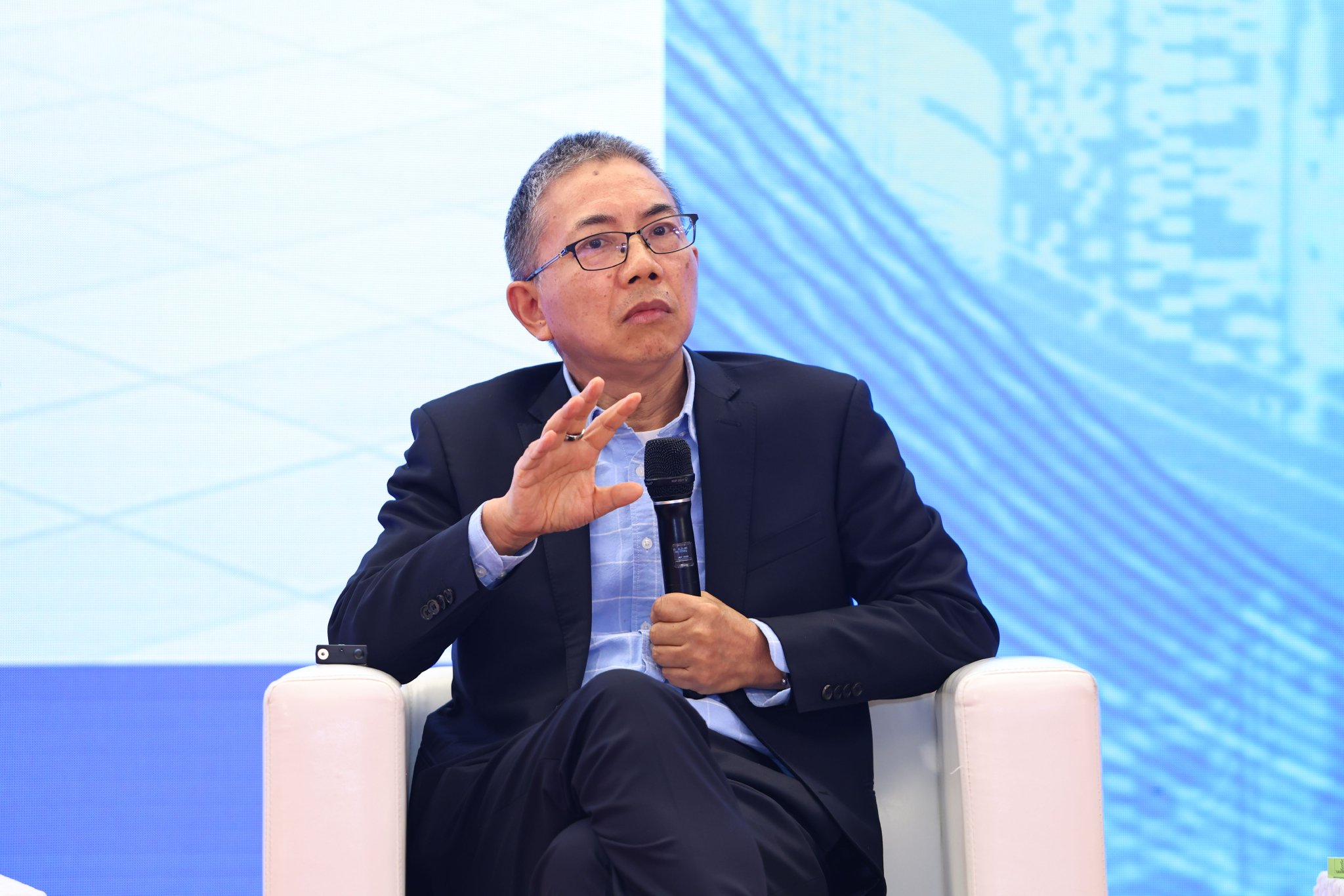
中金公司首席经济学家彭文生:加强财政政策和货币政策协调
Zhong Guo Jin Rong Xin Xi Wang· 2025-12-31 03:25
Core Viewpoint - The speech emphasizes the need for coordination between fiscal and monetary policies to address medium-term economic fluctuations and ensure sustainable growth [3][4][7]. Group 1: Economic Theories and Adjustments - The traditional New Keynesian theory suggests that the economy can achieve macro balance in the medium to long term, but short-term frictions can lead to welfare losses, necessitating counter-cyclical monetary policy [3]. - There is a call for reflection and adjustment of this framework, particularly emphasizing the importance of medium-term fluctuations and the need for cross-cycle adjustments, which may require greater intensity than counter-cyclical adjustments [4]. Group 2: Medium-term Influencing Factors - Financial cycles are identified as a medium-term force, with the current phase being a downward trend, leading to a relative demand shortage compared to supply [5]. - Economies of scale are highlighted as another medium-term influencing factor, with the green industry and AI being significant contributors. The green industry benefits from economies of scale, while fossil energy typically does not [5][6]. - AI's impact on economic growth is debated, with estimates suggesting it could contribute an additional 0.8-1.3 percentage points to annual growth over the next decade, while other analyses predict a more modest increase of 0.07 percentage points [6]. Group 3: Geoeconomic Issues - The shift in China's trade partners towards the "Belt and Road" initiative and the increasing share of direct investment in these countries are noted as significant geoeconomic trends [7]. - Both economies of scale and geoeconomic factors contribute to the relative demand shortage, necessitating coordinated fiscal and monetary policies to boost domestic demand and ensure sustainable medium-term growth [7].
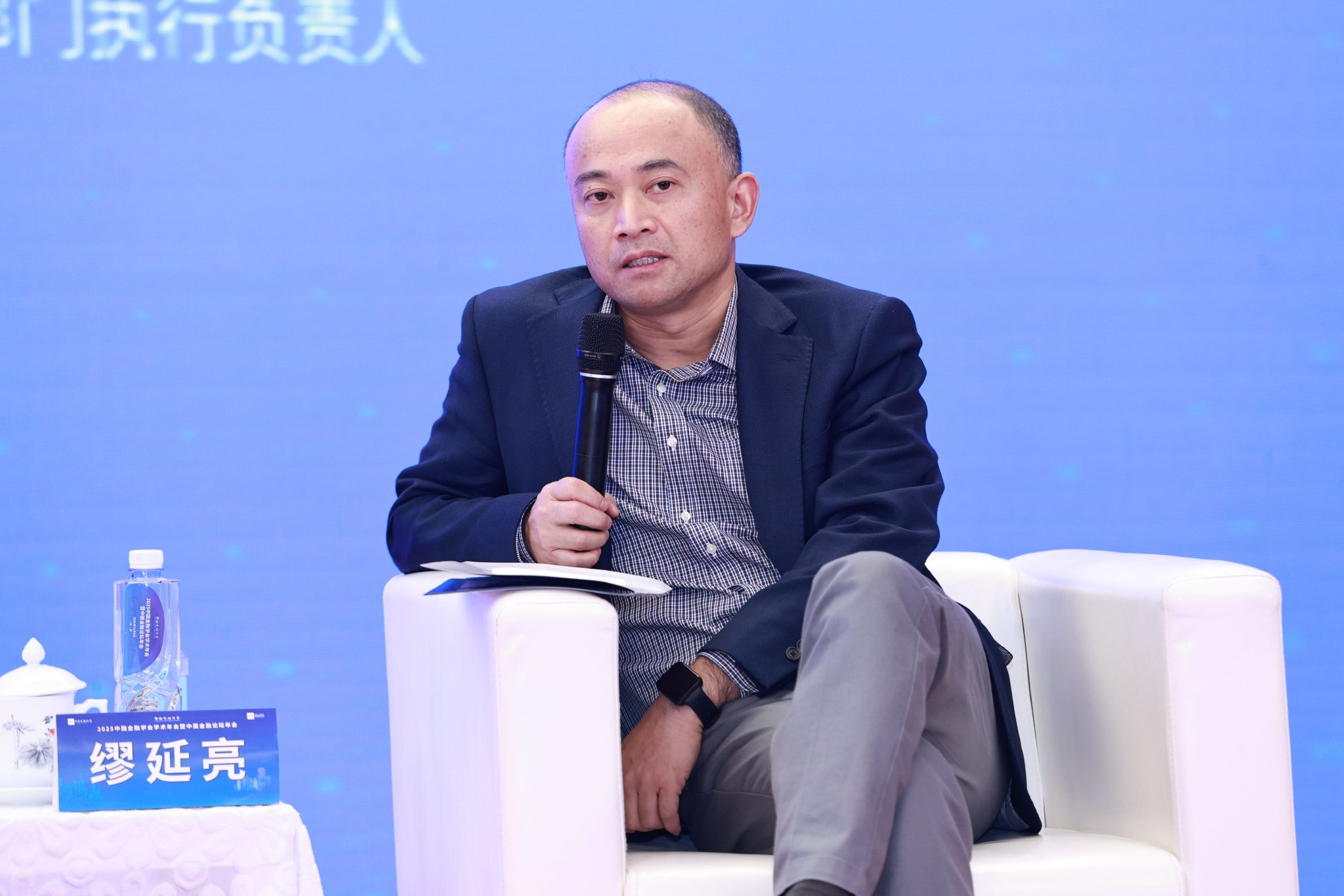
中金公司研究部首席策略分析师、部门执行负责人缪延亮在2025中国金融学会学术年会暨中国金融论坛年会上的演讲
Zhong Guo Jin Rong Xin Xi Wang· 2025-12-31 03:06
Core Viewpoint - The presentation by the chief strategist of CICC highlights the evolution of the international monetary system and the potential for the renminbi to become a central currency, driven by various economic and institutional forces [3][4][8]. Group 1: Historical Context of Currency - Currency exhibits a natural order characterized by a "center-periphery" structure, with the US dollar currently in a central position following the breakdown of the Bretton Woods system [3]. - The stability of this order is evident, as historical central currencies like the pound and dollar have maintained their status for over a century [4]. - The transition of central currencies is not fixed, with historical shifts from the Spanish dollar to the Dutch guilder, then to the pound, and finally to the dollar [4]. Group 2: Forces Driving Currency Evolution - The first force is economic strength, where a larger economy with significant trade volume is more likely to become a central currency [5]. - The second force is the robustness of financial markets, which are essential for establishing trust in a currency on the international stage [5]. - The third force is institutional credibility, such as property rights protection, which underpins trust in a central currency [6]. - The fourth force is technological advancement, which has historically transformed currency forms and payment systems [6]. - A debated fifth force is military power, which some argue can protect but not create currency credibility [6]. Group 3: Stability of Central Currencies - The strong network effects of these forces create inertia, making established currencies difficult to displace [7]. - These forces are interrelated, enhancing each other and raising barriers to entry for new central currencies [7]. - Existing central currencies can leverage their influence through institutional arrangements to maintain their status [7]. Group 4: Current Context for Renminbi - The current economic conditions suggest a potential shift, as China has surpassed the US in purchasing power parity (PPP) and has the largest trade volume [9]. - The US dollar's status as a safe asset is showing signs of strain, with changes in asset correlations indicating a weakening of its traditional role [9]. - The need for the renminbi to float more freely is emphasized, as this would facilitate its use in international trade and finance [10]. Group 5: Recommendations for Renminbi Internationalization - The development of both onshore and offshore financial markets is crucial, focusing on liquidity coordination and cross-border financial product innovation [10]. - Increasing the openness of China's capital account is necessary to enhance investor confidence and facilitate international transactions [11].
科技焕新 超越增长
2 1 Shi Ji Jing Ji Bao Dao· 2025-12-31 00:18
Group 1 - The article discusses the new global positioning of China, emphasizing the competitive landscape and the opportunities for Chinese companies to expand internationally [1] - Key leaders from various industries, such as TCL and GCL Group, highlight the importance of leveraging China's manufacturing advantages to break through domestic competition and achieve global influence [1] - The article also mentions the awakening of consumer demand in China, with experts suggesting measures to stabilize income growth and boost consumption [1] Group 2 - The article outlines the transformation of traditional and emerging industries in China, with leaders from companies like UBTECH and CloudWalk discussing advancements in robotics and technology [1] - It highlights the anticipated growth in commercial aerospace and the automotive market, indicating a shift away from previous trends [1] - The focus on innovation in the pharmaceutical sector is noted, with a transition from explosive growth to sustained development in authorized drug transactions [2]

50家券商主承销绿色债券1674亿 头部机构双核驱动领跑绿色金融
Chang Jiang Shang Bao· 2025-12-30 23:22
长江商报消息 作为金融市场的重要中介和参与者,证券公司在ESG发展中扮演着双核心角色。一方 面,证券公司自身作为企业需要践行ESG。另一方面,作为资本市场的看门人和引导者,证券公司在推 动整个经济体系的ESG转型方面发挥重要作用。 特别是头部券商依旧发挥引领作用,如中信证券、中金公司、华泰证券、国泰君安、招商证券等,在 ESG战略、业务整合、报告质量上处于领先地位,并设立了专门的ESG职能部门。 长江商报资本战略研究院注意到,在"双碳"目标引领下,证券公司在环境(E)领域,尤其是绿色金融 相关业务中进展显著、成果突出。 根据中国证券业协会发布的数据,2024年,作为绿色债券主承销商(或资产证券化产品管理人)的证券 公司共50家,承销(或管理)148只债券(或产品),合计金额1674.05亿元。其中,资产证券化产品69 只,合计金额961.64亿元。 从具体机构看,头部券商表现尤为活跃。2024年,中信建投、中信证券、中金公司主承销(或管理)绿 色债券(或资产证券化产品)的规模分别为391.99亿元、263.72亿元、89.56亿元。 以中信证券为例,2024年,中信证券共承销绿色债券(含碳中和)517亿元,承 ...