
CHANGAN AUTOMOBILE-B(000625)

Search documents
【读财报】上市车企10月销量:整车销量超231万辆 北汽蓝谷、蔚来等销量增速加快
Xin Hua Cai Jing· 2025-11-12 22:59
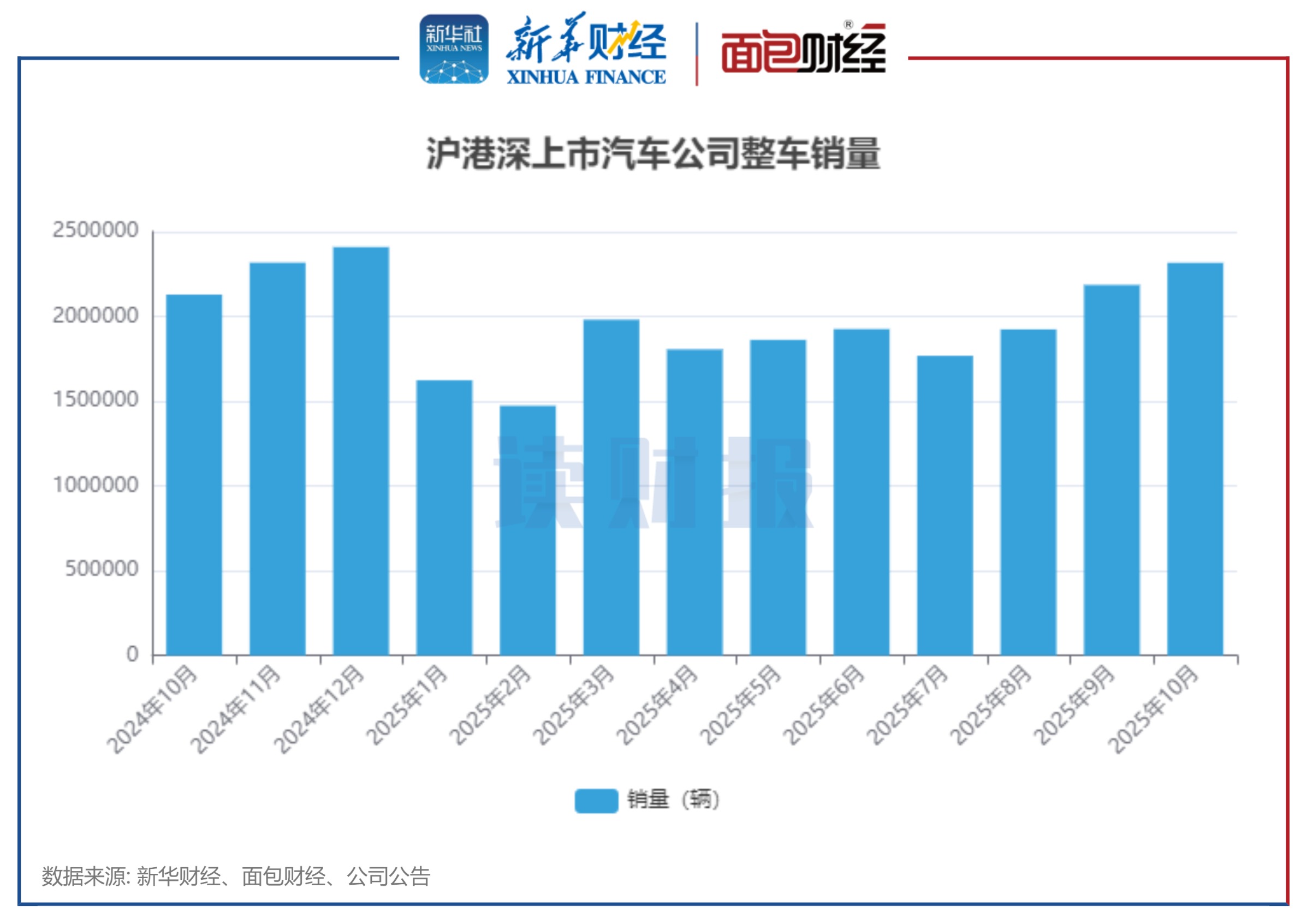
Core Insights - In October 2025, 20 A and H-share listed automotive manufacturers collectively sold 2.3166 million vehicles, representing a year-on-year increase of 8.82% and a month-on-month increase of 5.97% [2][12]. Group 1: Overall Vehicle Sales - The top-selling company in October was SAIC Motor, with sales of 454,000 vehicles, showing a year-on-year growth of 12.96% [11][19]. - BYD followed closely with sales of 441,706 vehicles, but experienced a decline of 12.13% year-on-year [19]. - Other notable performers included Geely Automobile with 307,133 vehicles sold (up 35.49%) and Changan Automobile with 278,436 vehicles (up 11.00%) [8][19]. - Companies like BAIC Blue Valley and Qianli Technology saw significant growth, with year-on-year increases exceeding 100% [7][11]. Group 2: New Energy Vehicle Sales - A total of 16 companies reported new energy vehicle sales, with approximately 1.3078 million units sold in October, marking a year-on-year increase of 15.63% and a penetration rate of 57.48% [12][15]. - Leading new energy vehicle manufacturers included BYD, SAIC Motor, and Geely, with sales of 441,706, 206,692, and 177,882 units respectively [15][19]. - BAIC Blue Valley and NIO reported growth rates exceeding 100%, while Li Auto and BYD experienced declines in year-on-year sales [15][19].






人形机器人产业 明年有望迎来“iPhone”时刻
Zhong Guo Zheng Quan Bao· 2025-11-12 21:57
Group 1 - Xpeng Motors has launched a new generation humanoid robot called IRON, set to enter mass production by the end of 2026, prioritizing commercial applications [1] - Tesla has begun trial production of its humanoid robot, with a larger production line for its third-generation humanoid robot expected to be operational by 2026 [1] - Guojin Securities predicts that 2026 will mark a significant moment for the global humanoid robot industry, akin to the "iPhone" moment, driving further development in related fields [1] Group 2 - Several companies, including Changan Automobile, Midea Group, and Zoomlion, have disclosed advancements in their humanoid robot businesses [2] - Zoomlion plans to develop embodied intelligent humanoid robots starting in 2024, with several self-developed prototypes already in operation [2] - Changan Automobile is collaborating with leading partners to overcome core technologies in humanoid robots, while Midea's industrial humanoid robot "Melo" has begun operations in its washing machine factory [2] Group 3 - Huajin Securities reports that the development of dexterous hands for humanoid robots is transitioning from research institutions to industry, with companies like Tesla and Ubtech engaging in self-research [3] - Weichuang Electric has launched several core component products for humanoid and collaborative robots, including dexterous hands and joint modules [3] - Zhenyu Technology plans to expand its product capacity and invest in precision component manufacturing for humanoid robots, with a total investment of 2.11 billion yuan expected between 2025 and 2030 [3] Group 4 - The humanoid robot industry is expected to enter a large-scale production phase, benefiting both complete machine and component manufacturers [4] - Companies like Ubtech and Yujian are securing humanoid robot orders, indicating a shift from research to industrial applications [4] - Aobi Zhongguang is providing various 3D vision sensors for humanoid robots, collaborating with Microsoft on advanced camera technologies [4] Group 5 - Boke Co. is actively expanding its domestic and international customer base, expecting to enter large-scale production by 2026 [5] - The company reported a significant increase in the shipment of frameless torque motors, with approximately 43,000 units shipped in the first three quarters of 2025, a year-on-year increase of about 189% [5] - The humanoid robot market in China is at a critical stage of industrialization, with predictions that the global market for embodied intelligent humanoid robots could exceed 200 billion yuan by 2030 [5]



多名车主遇“提车骗局”!中间商卷款失联,长安汽车抛百万悬赏
Guo Ji Jin Rong Bao· 2025-11-12 16:04
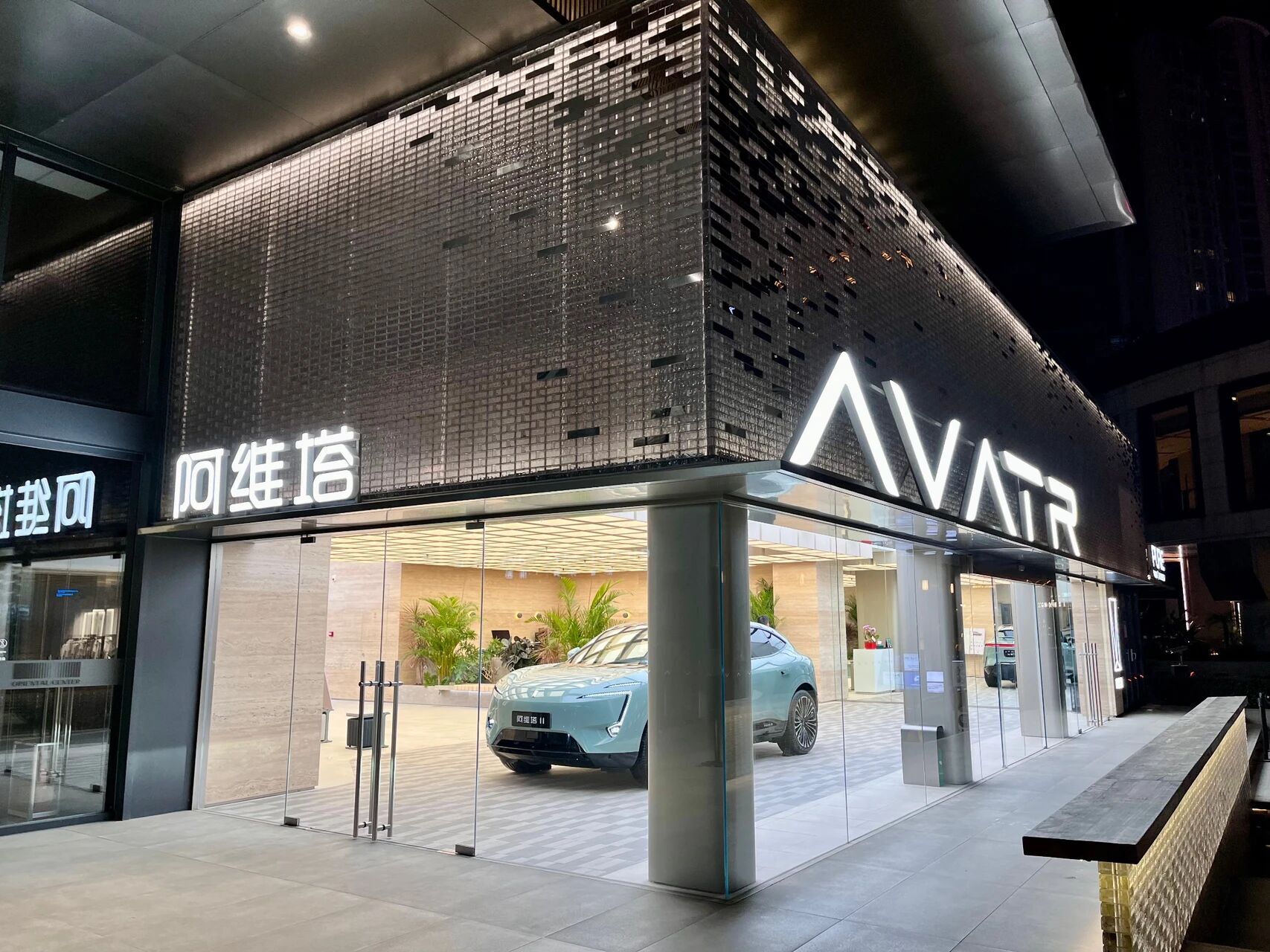
Core Viewpoint - The recent complaints from consumers regarding the inability to pick up vehicles ordered through unauthorized intermediaries have prompted Avita Technology and Deep Blue Automotive to issue statements confirming that these intermediaries have no official relationship with the brands, and the police are now involved in the investigation [1][2]. Group 1: Consumer Complaints and Company Response - Multiple consumers reported issues with unauthorized intermediaries, leading to lost deposits or full payments without receiving their vehicles [2]. - Both Avita and Deep Blue confirmed that the involved intermediaries acted without any brand authorization, harming consumer rights and brand integrity [2]. - Changan Automobile has initiated an emergency response plan, including a reward fund of 1 million yuan for reporting false information related to the incident [2]. Group 2: Sales Performance and Financial Status - Avita and Deep Blue are critical components of Changan Automobile's new energy strategy, with combined sales in October reaching over 50,000 units, accounting for 42.27% of Changan's total new energy sales [4]. - Deep Blue's cumulative sales for the year stand at 269,000 units, achieving only 53.8% of its annual target of 500,000 units, while Avita's sales of 104,000 units are less than half of its target of 220,000 units, indicating a significant risk of missing targets for the third consecutive year [4]. - Avita's financial reports indicate substantial losses, with cumulative losses projected to reach 9.726 billion yuan over three years, and the company is seeking to raise funds through a potential IPO in Hong Kong [6].
多名车主遇“提车骗局”!中间商卷款失联 长安汽车抛百万悬赏
Guo Ji Jin Rong Bao· 2025-11-12 16:00
Core Viewpoint - The recent complaints from consumers regarding vehicle purchases through unauthorized intermediaries have prompted investigations by law enforcement, with both Avita and Deep Blue Automotive confirming that the intermediaries had no official partnership with their brands [1][2][6]. Group 1: Consumer Complaints and Company Responses - Multiple consumers reported issues with unauthorized intermediaries, leading to lost deposits or full payments without receiving vehicles [2]. - Both Avita and Deep Blue Automotive stated that the unauthorized intermediaries harmed consumer rights and the brands' legal interests, and they will cooperate with police investigations [2][6]. - Changan Automobile, the parent company, has initiated an emergency response plan, including a reward fund of 1 million yuan for reporting false information related to the brands [2]. Group 2: Sales Performance and Financial Losses - Avita and Deep Blue Automotive are crucial to Changan Automobile's new energy transition strategy, with combined sales of over 50,000 units in October, accounting for 42.27% of Changan's total new energy sales [3]. - Both brands are struggling to meet their annual sales targets, with Deep Blue achieving only 53.8% of its 500,000-unit goal and Avita at less than half of its 220,000-unit target, indicating a bleak outlook for their performance [4]. - Avita's financial situation is dire, with cumulative losses projected to reach 9.726 billion yuan over three years, alongside significant revenue shortfalls [5][7]. Group 3: Future Plans and Market Position - Avita is seeking to raise funds through a potential IPO in Hong Kong, with plans to submit an application in the fourth quarter of this year and aim for completion by the second quarter of next year [8].
固态电池设备行业深度报告:产业化进程加速
材料汇· 2025-11-12 15:48
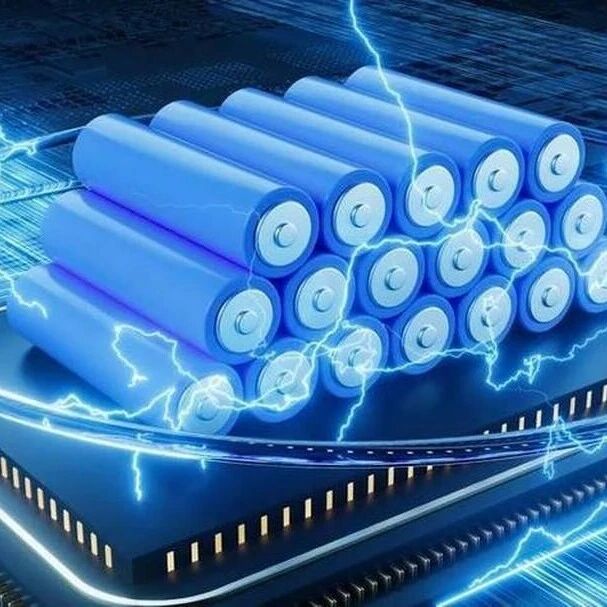
Core Viewpoint - Solid-state batteries exhibit superior performance and have a wide range of applications, with accelerated industrialization processes both domestically and internationally [5]. Group 1: Advantages of Solid-State Batteries - Solid-state batteries have higher energy density and better safety compared to liquid batteries, with energy density expected to reach over 500 Wh/kg [15][11]. - They can operate under extreme conditions without the risk of combustion or explosion due to the use of non-volatile solid electrolytes [15]. - The design of battery cells, modules, and systems is simplified due to the non-flowing nature of solid electrolytes, optimizing the PACK design [15]. Group 2: Solid Electrolyte Technologies - Solid electrolytes are the core component of solid-state batteries, with various technology routes including polymers, oxides, sulfides, and halides, with sulfides being the most widely accepted due to their high ionic conductivity [16][14]. - Each type of solid electrolyte has its advantages and disadvantages, with sulfides offering excellent processing advantages and flexibility [16]. Group 3: Production Challenges - The mass production of solid-state batteries faces challenges such as the interface contact between solid electrolytes and electrodes, as well as the engineering issues related to cost reduction [19][22]. - Key challenges include ensuring the stability of the solid-solid interface and the large-scale preparation of sulfide solid electrolytes, which significantly impact the commercial viability of solid-state batteries [22][19]. Group 4: Domestic and International Industry Landscape - Major domestic battery manufacturers have clarified their technology routes, focusing on sulfide electrolytes and aiming for small-scale production by 2027, with energy density targets around 400 Wh/kg [26][23]. - Internationally, companies in the US and Japan are advancing rapidly, with many planning to achieve large-scale production of solid-state batteries by 2030 [27][25]. - Policies in China are accelerating the development of solid-state batteries, with significant support from government agencies aimed at achieving commercial applications by 2026 [29][31].


“银十”车市销量同比微降0.8% 自主品牌市占率升至68.7%
Mei Ri Jing Ji Xin Wen· 2025-11-12 14:01
Core Insights - In October, China's passenger car retail sales reached approximately 2.242 million units, showing a year-on-year decline of 0.8% and a month-on-month decline of 0.1% [1] - The cumulative retail sales for the year reached about 19.25 million units, reflecting a year-on-year growth of 7.9% [1] Group 1: Market Performance - The October car market performance was relatively mild, not reaching the previously expected "hot" scenario, primarily driven by the replacement purchase group [1] - The tightening of "old-for-new" subsidy policies in some regions led to differentiated sales growth across areas, preventing a sustained increase in October sales [1] Group 2: Brand Performance - In October, domestic brands achieved retail sales of approximately 1.55 million units, a year-on-year increase of 4%, capturing a domestic retail market share of 68.7%, up 3 percentage points year-on-year [2] - The cumulative market share of domestic brands for the first ten months of the year was 65%, an increase of 5.5 percentage points compared to the same period last year [2] - Major domestic groups like SAIC, Dongfeng, Changan, Chery, and BAIC saw a combined year-on-year sales growth of 17% in October [2] Group 3: Export Growth - In October, China's automobile exports reached 828,000 units, marking a year-on-year increase of 42%, with total exports for the first ten months reaching approximately 6.51 million units, up 23% year-on-year [2] - Specific companies like BYD, Chery, and Geely reported significant export figures, with BYD exporting about 80,000 units in October [3] Group 4: New Energy Vehicles (NEVs) - NEVs remain a crucial growth driver, with wholesale sales of NEVs in October reaching approximately 1.621 million units, a year-on-year increase of 18.5% [4] - The penetration rate of NEVs reached 55.3% in October, with domestic brand NEVs achieving a penetration rate of 70.1% [4] Group 5: Future Outlook - Starting January 1, 2024, the purchase tax for NEVs will shift from full exemption to a 50% reduction, prompting consumers to feel a stronger urgency to purchase vehicles by year-end [5] - The upcoming months are expected to see increased enthusiasm for vehicle purchases in rural areas, particularly for NEVs and mid-to-low-end fuel vehicles [6]

全固态电池2030年商用?这些大咖这样说
Di Yi Cai Jing· 2025-11-12 13:43
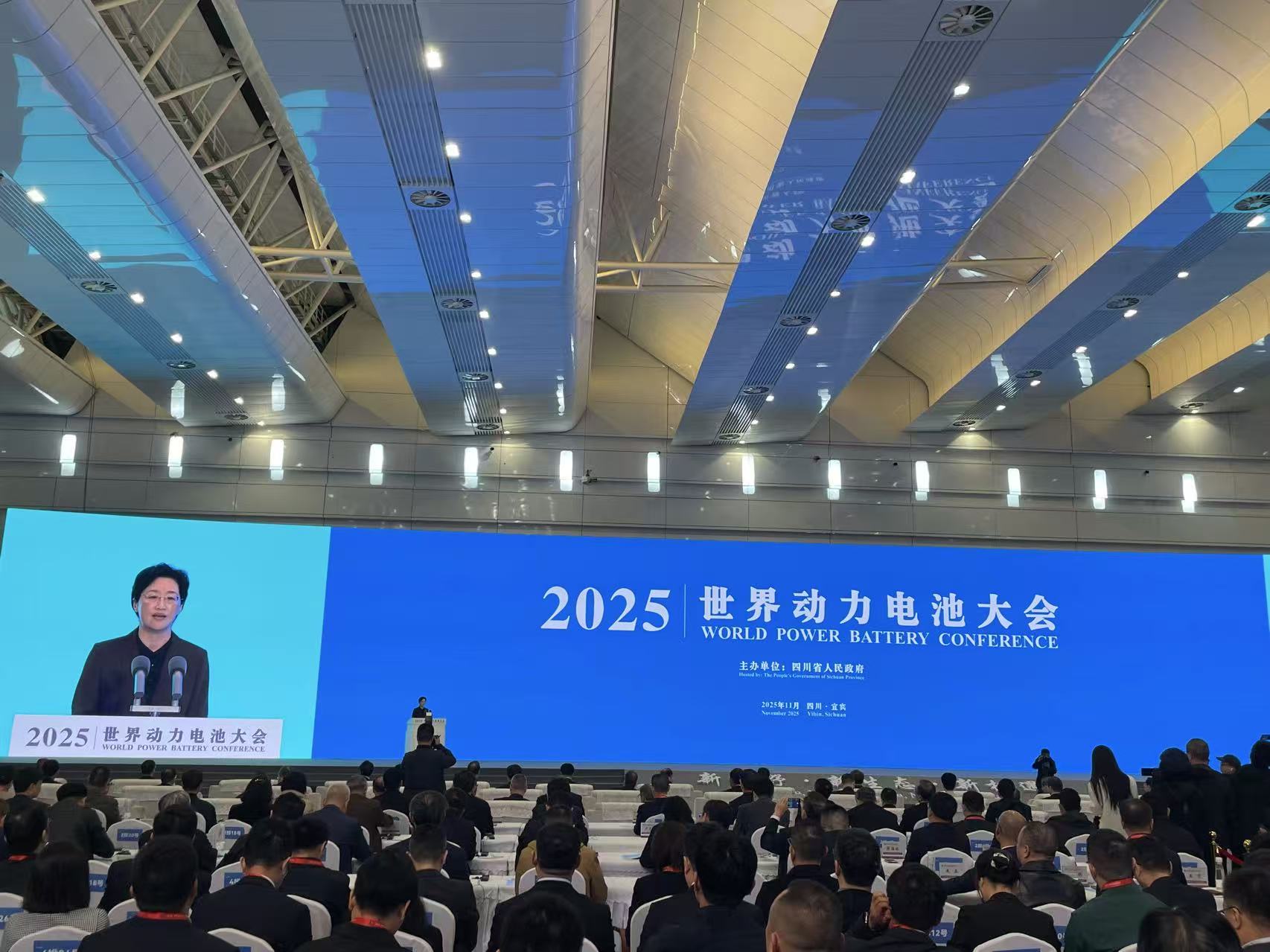
Core Insights - The concept of all-solid-state batteries is facing cautious responses from industry experts and entrepreneurs despite being popular in the capital market [1][3] - China's power battery industry has maintained its position as the world's largest for eight consecutive years, with significant sales and export growth [3] - The commercialization timeline for all-solid-state batteries is projected to be longer than anticipated, with estimates ranging from 2027 for small-scale demonstrations to as late as 2035 for large-scale commercialization [4][5] Industry Developments - In the first three quarters of this year, China's power battery sales reached 786 GWh, with exports exceeding 129 GWh, marking year-on-year growth of 48.9% and 32.75% respectively [3] - The industry is experiencing rapid technological advancements, with key innovations such as module-free battery packs and integrated battery chassis entering the market [3] - The focus on all-solid-state batteries is accompanied by the ongoing development of semi-solid batteries, which are expected to see increased application in the next 3-5 years [5] Expert Opinions - Industry leaders emphasize the need for a realistic perspective on the challenges facing all-solid-state batteries, including scientific, engineering, and cost-related hurdles [4][5] - There is a call for the industry to explore next-generation battery technologies rather than solely focusing on all-solid-state batteries, as the ultimate form of battery technology remains uncertain [5][6] - The potential of liquid batteries is still significant, with ongoing innovations expected to enhance their performance [5][6] Future Trends - A report presented at the conference outlines seven major trends in battery development, highlighting the rapid marketization of semi-solid batteries and the need for breakthroughs in all-solid-state battery technology [6] - By 2030, semi-solid batteries are expected to achieve a capacity density of over 450 Wh/kg, meeting high-performance automotive requirements [6] - The overall landscape for all-solid-state batteries is currently in a critical phase of scientific and industrial development, with expectations for pilot testing and small-scale applications by around 2030 [6][7] Conference Highlights - The 2025 World Power Battery Conference featured discussions on various industry topics, including battery recycling, quality enhancement, and international supply chain development [7] - The conference has become a significant platform for international collaboration in the battery and new energy vehicle sectors, with over 600 new technologies and products released in previous editions [7] - A total of 180 projects were signed at the conference, amounting to 861.3 billion yuan, covering key areas in green energy [7]
长安汽车(000625.SZ):公司未参股至信股份
Ge Long Hui· 2025-11-12 11:34
Core Viewpoint - Changan Automobile (000625.SZ) confirmed on the investor interaction platform that the company does not hold any stake in Zhixin Co., Ltd [1] Group 1 - Changan Automobile clarified its investment status regarding Zhixin Co., Ltd, indicating no involvement [1]
长安汽车(000625.SZ):计划2028年量产下线人形汽车机器人
Ge Long Hui· 2025-11-12 11:34
Core Insights - The company is accelerating its layout in humanoid robots and exploring various application scenarios in collaboration with partners [1] - The focus is on overcoming core technologies related to the robot's "brain," "energy," and "drive" [1] - The company plans to mass-produce humanoid automotive robots by 2028 [1]
长安汽车:计划2028年量产下线人形汽车机器人
Ge Long Hui· 2025-11-12 11:33
Core Viewpoint - The company is accelerating its efforts in humanoid robotics, planning to mass-produce humanoid automotive robots by 2028 in collaboration with partners [1] Group 1 - The company is exploring various application scenarios for industrial robots and service robots in stores [1] - The company aims to overcome core technologies related to the "brain," "energy," and "drive" of robots [1]