
WLY(000858)

Search documents
五粮液:部分网络平台存在非授权门店销售“五粮液”品牌产品情况
Xin Jing Bao· 2025-10-20 12:42
Core Viewpoint - Wuliangye (000858) has issued a notice to consumers regarding unauthorized sales of its products on certain online platforms, highlighting potential risks for consumers and the disruption of normal sales order [1] Group 1: Unauthorized Sales - The company has identified that some online platforms are selling "Wuliangye" brand products through non-authorized stores, which disrupts the normal online sales order [1] - Products sold by unauthorized stores are not included in Wuliangye's official product control and traceability system, posing multiple risks to consumers [1] Group 2: Consumer Recommendations - To ensure the purchase of genuine Wuliangye products and a quality consumer experience, the company strongly advises consumers to buy through officially listed sales channels on its website [1] - Consumers are encouraged to request invoices or purchase receipts for traceability verification [1] Group 3: Customer Support - The company will continue to provide free product authentication services for consumers who have doubts about the authenticity or quality of purchased products [1] - Consumers are invited to report any infringement of Wuliangye's brand rights by contacting the official customer service hotline at 95195 [1]

“双11”大促临近,国台发布正规购酒渠道!多家酒企已行动
Nan Fang Du Shi Bao· 2025-10-20 11:33
Core Viewpoint - The recent announcement by Guotai regarding official purchasing channels for its products highlights the industry's response to the upcoming peak consumption season and aims to protect consumer rights while addressing pricing concerns in the online sales environment [1][4]. Group 1: Announcement of Official Channels - Guotai disclosed 47 official online sales channels, including major e-commerce platforms, group buying, short video platforms, and some instant retail platforms [1]. - This marks the fourth major liquor company to announce official purchasing channels recently, following similar announcements from Kweichow Moutai and Xijiu [4]. Group 2: Industry Context and Pricing Concerns - The announcements come as the "Double 11" shopping festival approaches, with liquor companies signaling their intent to maintain product prices amid a challenging market [5]. - The online sales channel has become a primary avenue for distributors and consumers, but prices for many premium liquors have been declining due to high inventory levels and aggressive discounting during promotional periods [5][6]. - The practice of disclosing official sales channels is seen as a common strategy to uphold prices and reassure distributors and partners that the company is actively managing pricing issues [5]. Group 3: Impact of E-commerce on Liquor Sales - The normalization of price subsidies by e-commerce platforms has raised concerns about the sustainability of offline distributors, as aggressive pricing strategies continue beyond major promotional events [6]. - Industry leaders have noted that the influence of e-commerce on the liquor distribution ecosystem is likely to intensify, potentially leading to further challenges for traditional sales channels [6].



天青为韵,心动为形:29°五粮液·一见倾心的东方美学革新
Qi Lu Wan Bao· 2025-10-20 10:46
当都市的霓虹掠过餐桌,那抹流淌的天青色骤然成为全场焦点——水晶玻璃折射出《诗经》里"青青子衿"的千年意境,纤长瓶身勾勒出Z世代最爱的极简 线条,这便是五粮液29°一见倾心带来的视觉革命。在白酒行业沉浸于传统厚重美学的当下,这款低度白酒以颠覆性的设计语言,重新定义了高端白酒的 审美标准,让东方诗意与青春潮流完成了一场惊艳邂逅。 图1 29°五粮液·一见倾心 破界之色:天青重塑白酒视觉基因 29°五粮液·一见倾心大胆启用中式传统色"天青色"为主色调,并通过融入《诗经・郑风》"青青子衿,悠悠我心"的古典意象,对白酒视觉体系的彻底焕 新,将中国人骨子里的浪漫情怀注入现代设计。当温润的天青色在水晶玻璃上流动,恰似雨过天青时的朦胧意境,既打破了传统白酒的沉闷厚重,又 以"生也,象物生时色也"的生机象征,精准击中年轻群体对希望与活力的精神追求。 这种色彩突破的背后是对消费心理的深刻洞察。有行业专家评价:"天青色的运用完全打破了市场对白酒的固有印象,它既保留了五粮液作为高端品牌的 文化底蕴,又通过清新淡雅的色调,与年轻人崇尚的悦己生活理念产生强烈共鸣。其瓶身巧妙运用的渐变工艺更让这份美感有了层次变化,在不同光线下 呈现从浅蓝 ...

美团、淘宝被五粮液点名
Di Yi Cai Jing· 2025-10-20 10:39
Group 1 - Major liquor companies, including Moutai and Wuliangye, have expressed concerns over unauthorized sales on e-commerce platforms during the "Double Eleven" shopping festival [4][5] - Wuliangye's consumer notice highlighted the presence of unauthorized stores selling its products online, with prices significantly lower than market wholesale prices [4][5] - As of October 20, the price of Moutai was reported at 1650 yuan per bottle, down 30 yuan from previous days, while Wuliangye remained at 769 yuan per bottle, both below official retail prices [4] Group 2 - The online sales of liquor products are primarily sourced from market procurement by e-commerce platforms, leading to complex supply chains and potential quality issues [7] - Taobao's customer service claimed that its "Billion Subsidy Channel" guarantees product authenticity and has third-party testing, promising compensation for counterfeit products [7] - Industry experts noted that e-commerce platforms often pursue low-price strategies to attract traffic, which can create opportunities for counterfeit products [7]

美团、淘宝被五粮液点名
第一财经· 2025-10-20 10:08
Core Viewpoint - The article discusses the concerns raised by major liquor companies regarding unauthorized sales of their products on e-commerce platforms during the "Double Eleven" shopping festival, highlighting issues of authenticity and pricing discrepancies [3][5]. Group 1: Company Responses - Major liquor companies such as Moutai, Wuliangye, and Guizhou Xijiu have issued statements criticizing e-commerce platforms for selling products without authorization, leading to concerns about counterfeit goods [3][5]. - Wuliangye's notice to consumers highlighted that unauthorized stores may sell products outside of their official control and traceability systems, raising the risk of counterfeit and inferior products [3][5]. - Guizhou Xijiu also pointed out the risks associated with unauthorized online sales, although their authorized list mainly included their own stores and distributors on e-commerce platforms [5]. Group 2: Pricing and Market Dynamics - As of October 20, the price of 53-degree Feitian Moutai after subsidies was 1,650 yuan per bottle, a decrease of 30 yuan from the previous days, while Wuliangye's price remained stable at 769 yuan, both significantly lower than market wholesale prices [3]. - A comparison showed that Guizhou Xijiu's official flagship store prices were 30% higher than those on e-commerce platforms offering substantial discounts [5]. - An online liquor sales company representative noted that the current promotional prices are primarily due to e-commerce platforms purchasing from the market and subsidizing prices, which complicates the supply chain and raises concerns about product authenticity [5]. Group 3: E-commerce Platform Practices - E-commerce platforms are reportedly sourcing liquor products from social channels, which are outside the manufacturers' control, leading to potential issues with counterfeit products [5]. - Taobao's customer service claimed that their "Billion Subsidy Channel" is official and guarantees product authenticity, promising a "tenfold compensation" for counterfeit products [5]. - The article suggests that the aggressive low-price strategies employed by e-commerce platforms to attract traffic may create opportunities for counterfeit sales, indicating a shift away from the original sales intent of premium liquor brands [5].

美团、淘宝被五粮液点名,知名酒企齐指电商白酒“货源复杂”
Di Yi Cai Jing· 2025-10-20 10:06
Core Viewpoint - The recent "Double Eleven" sales event has raised concerns among major liquor companies regarding unauthorized sales and potential counterfeit products on e-commerce platforms [1] Group 1: Company Responses - Major liquor companies such as Moutai, Wuliangye, and Guizhou Xijiu have issued statements condemning unauthorized sales on e-commerce platforms, highlighting issues with product authenticity and complex supply chains [1][5] - Wuliangye released a consumer notice indicating that some online platforms are selling its products through unauthorized stores, which may lead to counterfeit and substandard goods [1][5] - Guizhou Xijiu also expressed concerns about the risks of counterfeit products from unauthorized online channels, while providing a list of authorized sellers [5] Group 2: Pricing and Market Dynamics - As of October 20, the subsidized price for 53-degree Feitian Moutai was 1,650 yuan per bottle, a decrease of 30 yuan from the previous days, while Wuliangye's price remained stable at 769 yuan, both significantly lower than wholesale market prices [1] - A market representative noted that the current promotional prices for major liquor brands are often lower than those in official stores, indicating a disconnect between online and offline pricing [5] - The pricing strategy during the "Double Eleven" event is primarily driven by e-commerce platforms purchasing products from the market and subsidizing prices, which complicates the supply chain and raises concerns about product authenticity [5][6] Group 3: E-commerce Platform Practices - Taobao's customer service claimed that its "Billion Subsidy Channel" is official and guarantees product authenticity, promising a "tenfold compensation" for counterfeit products [6] - Industry experts pointed out that liquor products sold on e-commerce platforms often come from social channels, which are outside the manufacturers' control, leading to increased risks of counterfeiting [6] - The current sales model for premium liquor has deviated from its original intent, raising concerns about the sustainability and integrity of such sales practices [6]

美团、淘宝被五粮液点名!知名酒企齐指电商白酒“货源复杂”
Di Yi Cai Jing· 2025-10-20 09:48
Core Viewpoint - The promotion of famous liquor during the "Double Eleven" shopping festival has deviated from its original sales intention, raising concerns among liquor companies about unauthorized sales and potential counterfeit products [1] Group 1: Company Responses - Multiple liquor companies, including Moutai, Wuliangye, and Guizhou Xijiu, have issued statements criticizing e-commerce platforms for selling products without authorization, leading to concerns about the authenticity of the products [1] - Wuliangye released a notice indicating that some online platforms are selling its products through unauthorized stores, which do not fall under its official product control and traceability system, potentially leading to counterfeit issues [1] - Guizhou Xijiu also condemned unauthorized online sales, highlighting the risk of counterfeit products, while providing a list of authorized online channels [5] Group 2: Pricing and Market Dynamics - As of October 20, the subsidized price of 53-degree Feitian Moutai was 1,650 yuan per bottle, a decrease of 30 yuan from the previous days, while Wuliangye's price remained stable at 769 yuan, both significantly lower than market wholesale prices [1] - A comparison revealed that Guizhou Xijiu's official flagship store prices were 30% higher than those on e-commerce platforms offering substantial discounts [5] - An online liquor sales company noted that the famous liquor products during the "Double Eleven" event are primarily sourced from the market by e-commerce platforms, which raises concerns about the complexity of the supply chain [5] Group 3: E-commerce Platform Practices - E-commerce platforms are reportedly using low-price strategies to attract traffic, which may create opportunities for counterfeit sales, as products are often sourced from social channels outside of manufacturer control [5] - Taobao's customer service claimed that its "Billion Subsidy Channel" is an official channel that guarantees product authenticity and has introduced third-party testing agencies with a "tenfold compensation" promise for counterfeit products [5] - The current sales model of famous liquor as a traffic driver has strayed from its original sales purpose, indicating a need for attention to this abnormal sales practice [5]
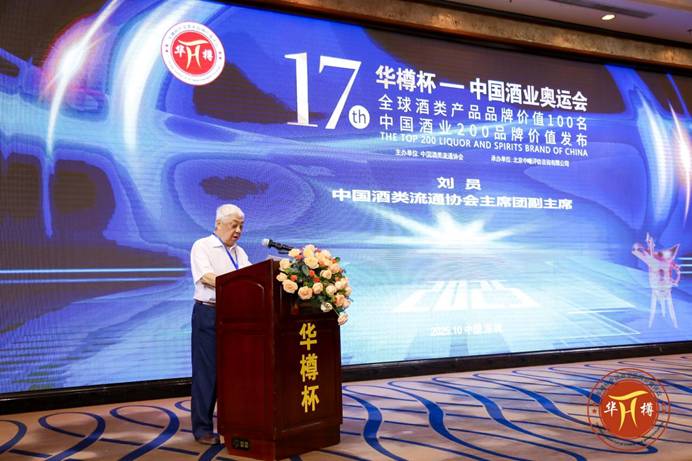
第十七届华樽杯200发布: 行业稳健发展,结构性调整中彰显韧性
Zhong Guo Shi Pin Wang· 2025-10-20 08:25
Core Insights - The total brand value of the top 200 Chinese liquor brands in 2025 is 99,305.21 billion yuan, with a growth rate of 4.26%, demonstrating resilience amid structural adjustments [1] Group 1: Huangjiu Market Growth - The Huangjiu market has experienced unexpected growth after years of stagnation, with brand value increasing by 42.91 billion yuan, a rise of 6.27% compared to 2024 [2] - Leading Huangjiu brands such as Guyue Longshan, Kuaijishan, and Shanghai Jinfeng achieved growth rates exceeding 15%, significantly higher than the overall liquor industry [2] - Growth in Huangjiu is driven by market upgrades and innovative products targeting younger consumers, such as low-alcohol canned Huangjiu [2] Group 2: Resilience of Liquor Distributors - Liquor distributors have shown strong resilience during the industry's adjustment period, with the top ten distributors' brand value increasing from 5,177.44 billion yuan to 5,254.41 billion yuan, a growth of 1.49% [4] - The average annual digital investment by distributors has grown by over 40%, enhancing operational efficiency through technology [4] - The success of self-owned brands, such as Jiuxian Network's Rongda Sauce Liquor, indicates a shift in competitive advantage from distribution rights to successful brand development [4] Group 3: White Liquor Market Dynamics - The overall value of sauce-flavored white liquor has surpassed 21,554.5 billion yuan, with a growth rate of 3.72%, although the growth rate has significantly slowed [8] - New brands like Rongda Sauce Liquor have shown exceptional performance, with a value increase of 90.1%, highlighting innovation within the category [8] - The growth of clear-flavored white liquor has been driven by brands like Fenjiu, contributing over 60% of the category's growth in recent years [8] Group 4: Beer and Wine Market Challenges - For the first time in 17 years, the top beer brands, including China Resources Beer and Qingdao Beer, have seen a decline in brand value [10] - The total brand value of the wine sector has decreased from 1999.15 billion yuan to 1911.71 billion yuan, a drop of 4.37%, reflecting ongoing adjustments in the market [10] - The wine industry has faced challenges from imported wines and changing consumer preferences, leading to a significant slowdown in growth rates [10]



13只白酒股上涨 贵州茅台1457.93元/股收盘
Bei Jing Shang Bao· 2025-10-20 07:56
Core Viewpoint - The liquor sector shows signs of recovery, with mixed performance among individual stocks, indicating a complex market environment influenced by various consumption scenarios and price segments [1] Industry Summary - The Shanghai Composite Index closed at 3863.89 points, up 0.63%, while the liquor sector index closed at 2278.16 points, up 0.84%, with 13 liquor stocks rising [1] - The high-end liquor segment is experiencing a weak recovery in demand during the peak season, while the mass-market segment is performing well, leading the industry [1] - The next-highest price segment is under pressure, showing significant differentiation in performance [1] - Current industry inventory levels are stabilizing, with some liquor companies reducing inventory to alleviate operational pressure [1] Company Summary - Kweichow Moutai's stock closed at 1457.93 CNY per share, up 0.20% [1] - Wuliangye's stock closed at 120.46 CNY per share, down 0.50% [1] - Shanxi Fenjiu's stock closed at 191.57 CNY per share, down 2.21% [1] - Luzhou Laojiao's stock closed at 133.15 CNY per share, down 1.37% [1] - Yanghe Brewery's stock closed at 70.18 CNY per share, up 0.26% [1]
白酒行业深度报告:两轮白酒调整节奏异同对比及当下投资机会
CAITONG SECURITIES· 2025-10-20 07:56
Investment Rating - The report maintains a "Positive" investment rating for the liquor industry [1] Core Insights - The report analyzes the adjustment phases of the liquor industry, comparing the current phase with the 2013-2016 period, highlighting that the current adjustment is primarily driven by a decline in business demand, which is less severe than the previous round [3] - It emphasizes that the purchasing power of consumers for high-end liquor has significantly improved compared to the lowest price point in 2014, indicating a potential for market recovery [3] - The report identifies three major changes in the liquor market: increased concentration among top companies, the rise of sauce-flavored liquor, and improved market value management practices among liquor companies [3] Summary by Sections 1. Historical Adjustment Phases - The liquor industry has entered a fifth year of adjustment since 2021, with significant impacts from the 2025 policy aimed at reducing government consumption [8] - The report reviews the historical context of the 2013-2016 adjustment, noting that the current environment is different but shares some similarities [8] 2. Current Adjustment Stage - The report indicates that the liquor industry has been in a downward adjustment since the third quarter of 2024, with expectations for recovery around the second quarter of 2026 [42] - It highlights that the current adjustment is less severe than the previous one, with a maximum revenue decline of 5% and profit decline of 8% compared to the previous maximums of 15% and 30% respectively [50] 3. Market Changes Impacting Investment - The concentration of the top six liquor companies has increased significantly, with their revenue share rising from 18.3% in 2013 to 48.1% in 2024, enhancing industry self-regulation [51] - The report notes that the expansion of sauce-flavored liquor production capacity has not yet translated into revenue share, but it is expected to gain traction in the future [3] - It discusses the evolving market value management strategies among liquor companies, including increased dividend payouts and share buybacks, which are expected to enhance investor returns [3]
