WLY(000858)

Search documents
五粮液(000858):着眼长期,良性发展
Shenwan Hongyuan Securities· 2025-12-18 15:18
Investment Rating - The investment rating for the company is maintained as "Buy" [3] Core Insights - The report emphasizes a long-term perspective for the company, highlighting its strong brand foundation and consumer base, which are expected to support a return to stable growth after short-term adjustments [7] - The company is projected to achieve net profits of 26.6 billion, 26.7 billion, and 29.1 billion for the years 2025 to 2027, with year-on-year changes of -16.5%, +0.5%, and +8.9% respectively [7] - The current stock price corresponds to a price-to-earnings (PE) ratio of 16x for 2025 and 2026, and 15x for 2027, indicating a favorable valuation [7] Financial Data and Profit Forecast - Total revenue (in million yuan) is forecasted as follows: 2024: 89,175; 2025: 75,766; 2026: 75,999; 2027: 82,021, with year-on-year growth rates of 7.1%, -15.0%, 0.3%, and 7.9% respectively [2] - Net profit attributable to the parent company (in million yuan) is projected to be: 2024: 31,853; 2025: 26,595; 2026: 26,718; 2027: 29,094, with year-on-year growth rates of 5.4%, -16.5%, 0.5%, and 8.9% respectively [2] - Earnings per share (in yuan) are expected to be: 2024: 8.21; 2025: 6.85; 2026: 6.88; 2027: 7.50 [2] Market Data - As of December 18, 2025, the closing price of the stock is 110.43 yuan, with a price-to-book ratio of 3.0 and a dividend yield of 7.54% [4] - The stock's market capitalization is 428.628 billion yuan, with a total share capital of 3,882 million [4] Product and Channel Strategy - The company is focusing on enhancing its product matrix and optimizing its distribution channels to maintain market share amid external pressures [7] - In 2025, the company plans to strengthen its presence in key markets and improve sales through targeted marketing strategies [7] - The company aims to expand its online presence and improve its supply structure in e-commerce channels [7]

五粮液表态不会为短期增速而恶性竞争:确保经销商合理经营回报,直面电商百亿补贴
Cai Jing Wang· 2025-12-18 14:05
Core Viewpoint - The recent conference by Wuliangye has provided reassurance to the liquor industry amidst fluctuating pricing and sales strategies, emphasizing a commitment to long-term stability over short-term gains [1][7]. Group 1: Company Strategy and Reforms - Wuliangye has implemented unprecedented reforms linking executive compensation to market performance, establishing mechanisms for performance-based adjustments and dismissals for underperformance [1][8]. - The company is focusing on maintaining reasonable returns for distributors and avoiding destructive competition for short-term growth [1][7]. - Wuliangye is enhancing its marketing mechanisms and has shifted from a divisional to a company structure, with direct oversight from senior management [8][10]. Group 2: Industry Challenges and Responses - The liquor industry is currently facing four major issues: overcapacity, high inventory, price inversion, and lack of consumption scenarios [3][4]. - The industry is showing signs of recovery, with improved capacity optimization and a reduction in high inventory levels as premium brands adjust their market strategies [3][4]. - The Ministry of Industry and Information Technology has recognized the liquor industry as a historical classic industry, aiming to enhance its influence and promote high-quality development [4]. Group 3: Market Dynamics and Future Outlook - Wuliangye aims to balance volume and price, with specific targets for its products in the premium segment, including the eighth generation of Wuliangye and Wuliangye 1618 [9][10]. - The company is actively engaging with e-commerce platforms and has initiated a significant subsidy program to stabilize its supply chain and enhance market presence [10][11]. - The overall strategy emphasizes rational growth, with a focus on maintaining market order and preventing price disruptions [7][12].


直击五粮液经销商大会:“一字之变”定调厂商关系,系列改革能否破局酒业寒冬?
Mei Ri Jing Ji Xin Wen· 2025-12-18 13:57
Core Viewpoint - The Chinese liquor industry, particularly the baijiu sector, is undergoing significant adjustments and challenges, with leading companies like Wuliangye actively adapting their strategies to navigate these changes [1] Group 1: Company Strategy and Goals - Wuliangye's 2025 is defined as a "Marketing Execution Enhancement Year," focusing on improving market share and brand value through a new marketing strategy [2][8] - The company aims to enhance its product lineup with a core product system centered around the eighth generation of Wuliangye, targeting various market segments with specific products [4][5] - Wuliangye plans to open 474 new specialized stores and enhance direct distribution networks in 20 key cities, collaborating with major e-commerce platforms [7] Group 2: Product Development and Market Positioning - The company is focusing on creating a tiered product pricing system, with specific strategies for different price segments, including maintaining leadership in the 1,000 yuan price range [6] - Wuliangye is launching products aimed at younger consumers, such as the 29° Wuliangye "One Glance" which achieved over 100 million yuan in sales within two months of launch [7] - The company is also targeting the international market and the aged liquor segment, with plans to enhance product promotion and research on aging processes [8] Group 3: Marketing and Operational Reforms - Wuliangye is implementing significant reforms in its marketing structure, transitioning from a divisional to a company-wide system to improve efficiency and accountability [9][11] - The company is establishing a scientific evaluation system for its marketing teams, linking performance directly to compensation and implementing strict measures against non-compliance [11] - Wuliangye is committed to maintaining market order by terminating partnerships with businesses that disrupt market stability and ensuring compliance among its distributors [11]
酒业焦虑?宋书玉喊话:三大不变定军心,四大变化迎新机
Zhong Guo Jing Ying Bao· 2025-12-18 13:31
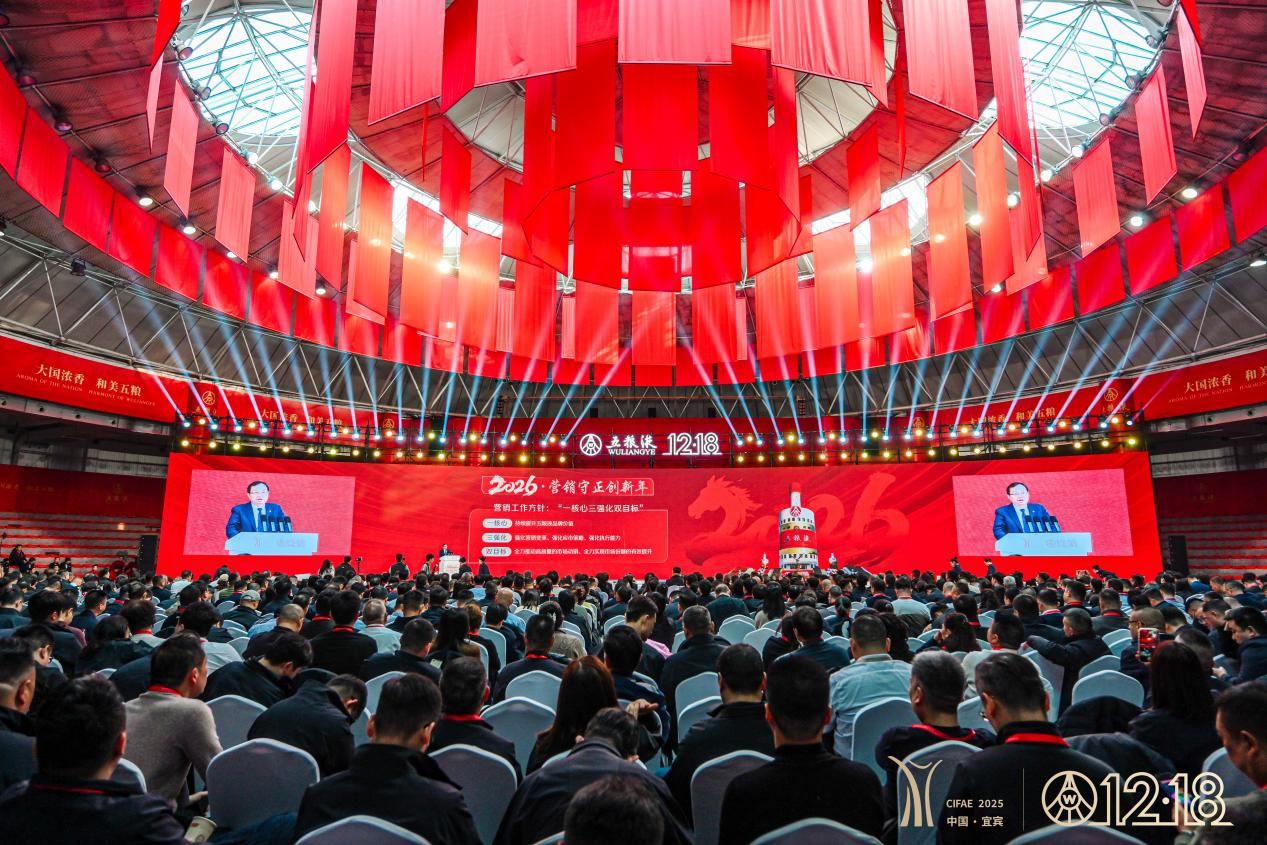
Core Viewpoint - The 29th "Consensus, Co-construction, and Sharing" conference of Wuliangye was held on December 18, focusing on "New Situations, New Opportunities, New Journeys," highlighting a shift in strategic thinking for the upcoming year [1] Industry Overview - The liquor industry is currently facing four major issues: overcapacity, high inventory, price inversion, and lack of consumption scenarios [2] - Despite these challenges, there are signs of positive change, including optimization of production capacity, alleviation of high inventory, stabilization of price inversion, and recovery of consumption scenarios [2] Strategic Recommendations - The industry needs to undergo transformations in four areas: 1. Marketing strategies should adapt to rational demand 2. Market supply strategies must change in response to price inversion 3. Traditional consumption scenarios need to evolve due to their absence 4. Companies should proactively adjust expectations and even manage profits and losses rationally under downward pressure [2] Thematic Shift - The theme of the conference was changed from "Co-negotiation, Co-construction, and Sharing" to "Consensus, Co-construction, and Sharing," emphasizing long-term cooperative relationships over mere commercial negotiations [2]
茅台出手控量稳价,华致酒行第三季度因茅台、五粮液酒价大跌亏损超2.7亿元
Xin Lang Cai Jing· 2025-12-18 12:06
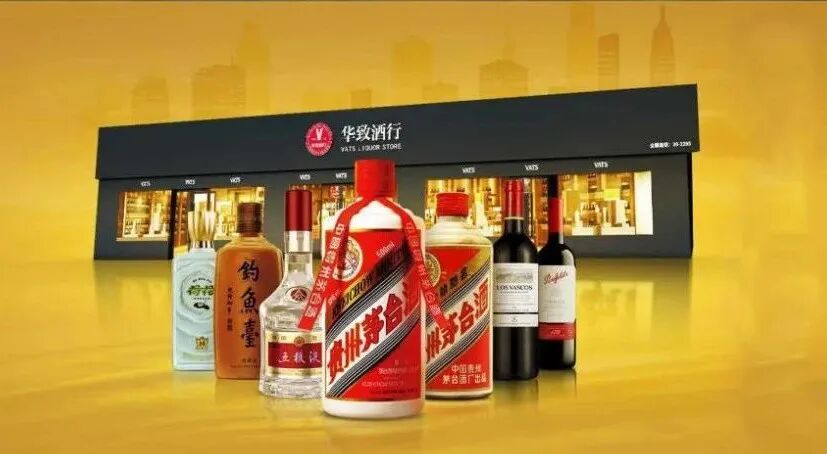
Core Viewpoint - The company, Huazhi Wine, is facing significant challenges due to a sharp decline in the prices of high-end liquor, leading to substantial inventory devaluation and poor financial performance, despite announcing large dividends. Group 1: Financial Performance and Dividends - In 2024, Huazhi Wine announced dividends exceeding 5.27 billion yuan, despite a net profit of only around 200 million yuan after deductions [29][50] - The company reported a net loss of 2.39 billion yuan in the first three quarters of 2025, marking its worst performance since going public [8][35] - As of September 30, 2025, the company's inventory balance was 23.57 billion yuan, facing significant devaluation risks if liquor prices do not recover [10][37] Group 2: Market Conditions and Price Trends - The price of Feitian Moutai has dropped significantly, with retail prices falling to between 1,485 and 1,590 yuan per bottle, down from over 3,000 yuan in 2021 [4][30] - In response to declining prices, Moutai has implemented measures to control supply and stabilize prices, halting shipments to distributors until January 2026 [31][42] - The overall liquor market is experiencing a downturn, with high-end brands like Moutai and Wuliangye seeing price drops, impacting the performance of distributors like Huazhi Wine [11][44] Group 3: Business Model and Sales Strategy - Huazhi Wine operates over 2,000 stores, primarily through a franchise model, and has been expanding its online sales channels [7][34] - The company has seen a significant portion of its revenue come from e-commerce, accounting for 22.11% of total income in 2024 [7][34] - Despite efforts to diversify into other alcoholic beverages, such as wine and imported spirits, revenue growth has been limited [45][18] Group 4: Debt and Financial Management - Huazhi Wine has accumulated substantial debt, with short-term borrowings reaching 13.3 billion yuan by September 30, 2025, and interest expenses of 295 million yuan in the first three quarters of 2025 [21][48] - The company's high dividend payouts, which are significantly higher than its profits, raise concerns about its financial sustainability and reliance on retained earnings [50][51] - The company’s strategy of borrowing to increase inventory has led to a precarious financial situation, especially in light of declining liquor prices [21][48]

一壶岁月,满城醇香——五粮液“家有老酒”2025年度盛会引领老酒价值新叙事
Feng Huang Wang Cai Jing· 2025-12-18 11:38
Core Insights - The event "Home with Old Wine" hosted by Wuliangye aims to promote the cultural and market value of aged liquor, highlighting its significance in Chinese heritage and consumer experience [1][5][12] Group 1: Event Overview - The event took place on December 16 in Yibin, featuring experts, collectors, and media representatives to discuss the value and cultural significance of aged liquor [1] - A performance titled "Time Telephone Booth" illustrated the theme of the event, emphasizing the emotional connection and value of time associated with aged liquor [3] Group 2: Market Trends - Aged liquor is transitioning from niche collections to mainstream recognition, becoming a cultural symbol that embodies collective memories and national taste [4] - The market for aged liquor is showing resilience, with a notable example being a 1971 vintage Wuliangye sold for 2 million yuan, reflecting its significant market value [5][6] Group 3: Cultural Significance - The chairman of the China Alcoholic Drinks Association, Song Shuyu, emphasized that aged liquor represents a blend of consumption, spiritual, and cultural attributes, marking a shift from quantity-driven growth to quality-focused strategies in the liquor industry [5][11] - Aged liquor is seen as a vessel of cultural identity, connecting consumers with their heritage and enhancing their aesthetic experience [5][11] Group 4: Product and Channel Development - The launch of the "Aged Wuliangye Illustrated Guide" provides a comprehensive overview of the brand's history and production techniques, serving as a valuable resource for collectors and consumers [9] - Wuliangye has expanded its online presence with the opening of an official flagship store on Douyin, enhancing accessibility and authenticity for consumers [10] Group 5: Future Directions - Wuliangye's management outlined three core principles for promoting the aged liquor market: focusing on long-term value, cultural significance, and building trust in quality [11] - The event highlighted the importance of collaboration among industry stakeholders to create a thriving ecosystem for aged liquor, emphasizing the need for shared values and experiences [12][15]
林园:抓住人最基本的需求,是投资的重要方向
证券时报· 2025-12-18 09:09
Group 1 - The core viewpoint of the article emphasizes the importance of investing in products that fulfill basic human needs, particularly in the "mouth economy" which focuses on health and happiness [1][2] - The chairman of Shenzhen Linyuan Investment Management, Lin Yuan, advocates for long-term rational investment and believes that the Chinese capital market will become increasingly competitive globally, similar to China's manufacturing sector [2] - Lin Yuan highlights that the current stock prices of some traditional industries are very low, indicating that a turning point is approaching, which will reveal the true value of the Chinese capital market [2] Group 2 - Lin Yuan analyzes that a long-term allocation window for A-shares has emerged due to a confluence of three bottoms: valuation, policy, and funds, suggesting limited downside for the market [3] - From a valuation perspective, the price-to-earnings ratio of the CSI 300 is below the 20% percentile of the past decade, and the dividend yield remains higher than government bonds, enhancing the attractiveness of equity assets [3] - Recent policies, such as new regulations on share reductions and guidance on dividends, signal a clear optimization of the market ecosystem [3] - The current low yield on wealth management products, which has fallen below 3%, and the historical low ratio of margin financing indicate favorable conditions for capital inflow [3]

五粮液华涛:2026年为五粮液营销守正创新年 渠道力进一步提升
Sou Hu Cai Jing· 2025-12-18 09:07
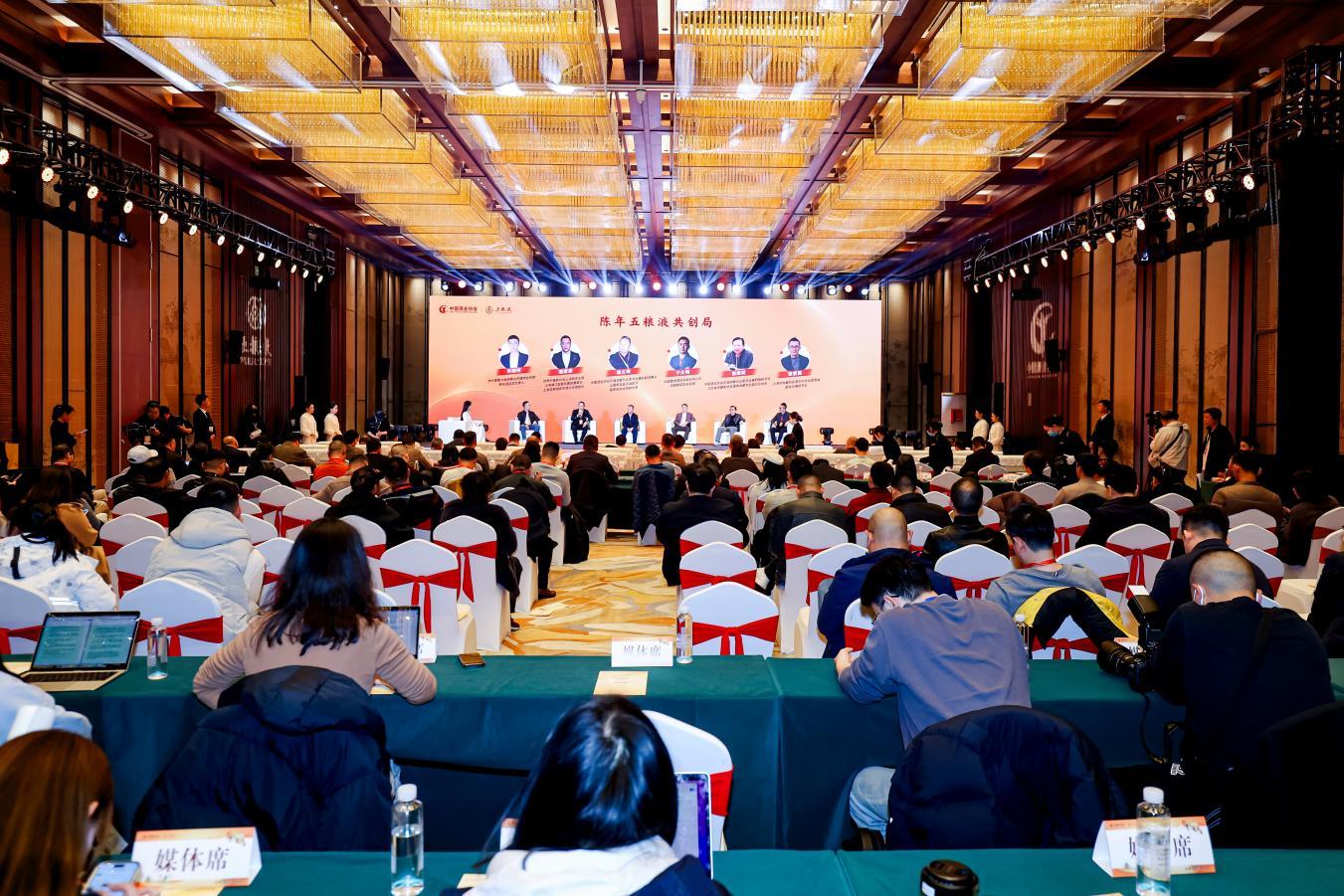
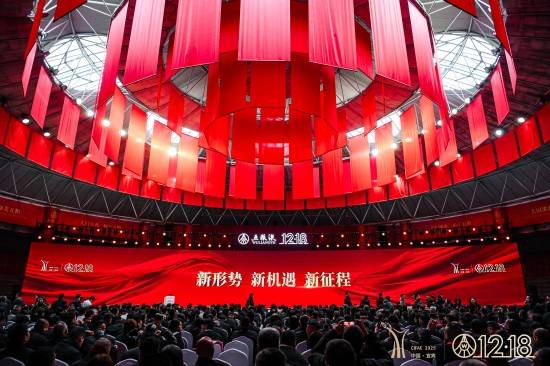
Core Insights - The 29th 12·18 Consensus Building and Sharing Conference of Wuliangye was held in Yibin, focusing on "New Situation, New Opportunities, New Journey" [1] Group 1: Marketing Strategy for 2026 - Wuliangye's General Manager, Hua Tao, outlined the marketing strategy for 2026, emphasizing a focus on brand value enhancement and effective market share growth [4] - The company aims to implement a "core" strategy to continuously improve brand value, alongside three strengthening areas: marketing reform, market response strategies, and execution capabilities [4] Group 2: 2025 Marketing Achievements - In 2025, the eighth generation of Wuliangye maintained a balanced approach to pricing and volume, achieving over 30% growth in low-alcohol banquet events and opening bottle rates [3] - The 1618 product's opening bottle scan rate increased to 59%, with banquet activities growing by over 20% year-on-year [3] - The "Yijian Qingxin" product achieved over 100 million in sales within two months of its launch [3] Group 3: Channel Network Development - Wuliangye is enhancing its channel network by optimizing traditional channels and expanding e-commerce partnerships, including a strategic collaboration with JD.com [3][8] - The company added 474 new "three stores in one" locations and terminated partnerships with 55 underperforming clients [3] - New emerging channels generated 4.5 billion in sales revenue, with a conversion rate of 70% from corporate clients [3] Group 4: Brand and Product Innovation - The company is committed to brand innovation, focusing on cultural depth and enhancing brand storytelling [5] - Wuliangye emphasizes traditional craftsmanship and ecological brewing in its production management while pursuing technological innovations [6] - The product matrix is being developed to include a diverse range of offerings, including "white liquor+" products [6] Group 5: Market Expansion Strategies - Wuliangye plans to target specific market segments, aiming to position the eighth generation of Wuliangye as the leading product in the 1,000 yuan price range [9] - The company is also focusing on younger consumers and expanding its presence in the international market [10] Group 6: Management and Digital Transformation - The company is enhancing its marketing execution efficiency through reforms in management mechanisms and market governance [11] - Wuliangye is advancing its digital transformation by creating a unified membership service platform and an AI-driven marketing system [12]
“老酒新声,和美共生!”从一瓶老酒看中国白酒的价值提升
Sou Hu Cai Jing· 2025-12-18 06:52
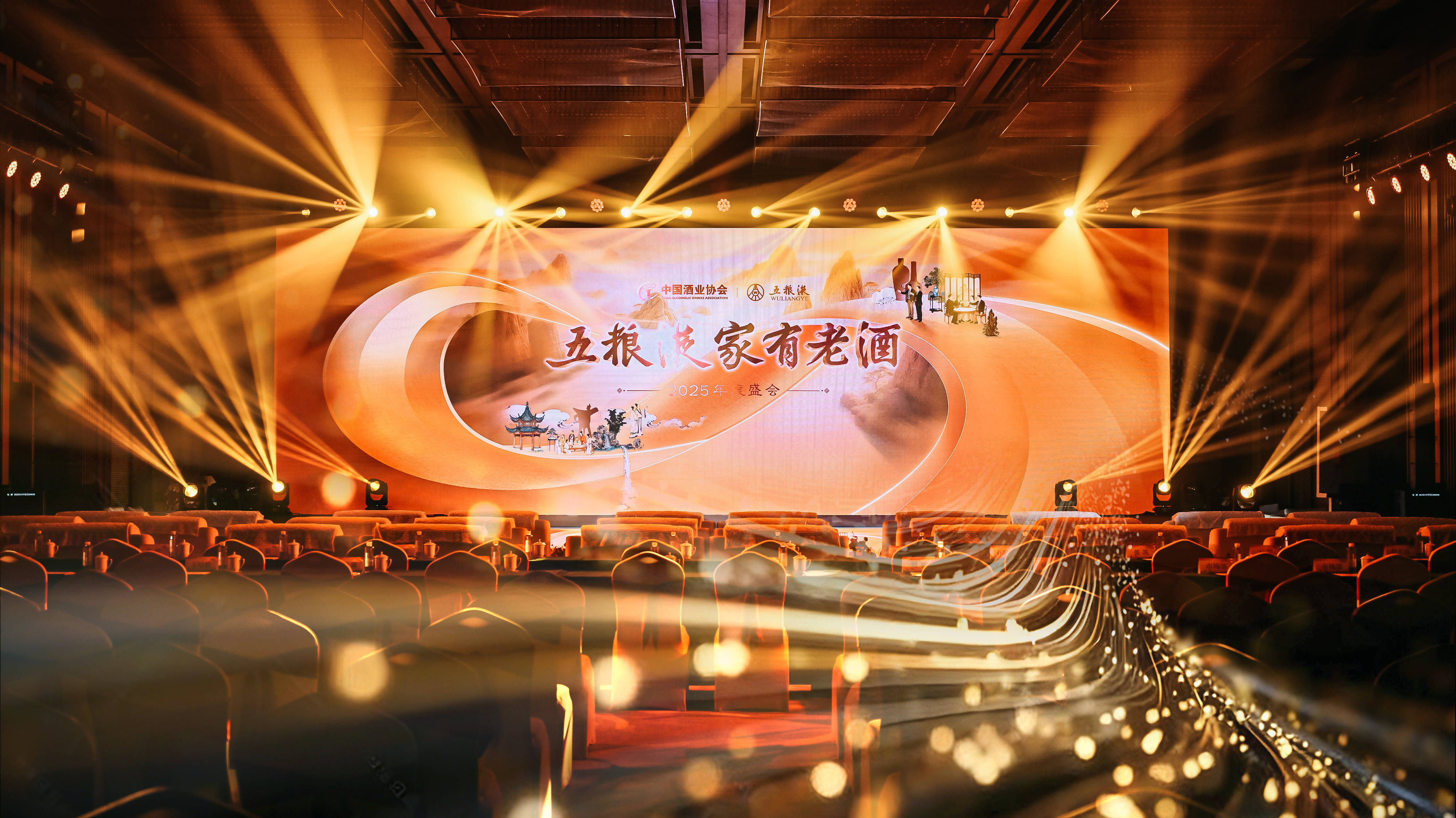
Core Viewpoint - The event "Home with Old Wine" hosted by Wuliangye highlights the company's leadership in the aged liquor market, showcasing its innovative approaches to enhance the value of aged liquor and contribute to the high-quality development of the Chinese liquor industry [3][4][5]. Group 1: Event Overview - The "Home with Old Wine" event has been held annually since 2019, with this year marking its seventh edition, becoming a benchmark event for aged liquor in China [4]. - The event gathered industry associations, experts, collectors, distributors, and media representatives, reflecting the growing influence and recognition of the aged liquor market [4][5]. - The venue featured a Song Dynasty garden design, enhancing the immersive experience for attendees through various interactive zones [4]. Group 2: Cultural and Market Insights - Aged liquor is described as "liquid gold" and "drinkable antiques," emphasizing its cultural significance and emotional connection with consumers [5][16]. - The value of aged liquor is recognized across multiple dimensions, including historical, cultural, scarcity, quality, and investment value [16]. - The market for aged liquor is thriving, with significant sales growth, particularly among younger consumers, indicating a shift in consumer preferences from merely drinking to appreciating the cultural and emotional aspects of aged liquor [17][19]. Group 3: Digital Marketing and Innovation - Wuliangye launched its official flagship store for aged liquor on Douyin, following the successful establishment of its JD.com store, marking a strategic expansion into digital marketing [8][11]. - The digital marketing strategy aims to engage younger consumers through content-driven interactions, enhancing the overall consumer experience [11][12]. - The integration of digital platforms is seen as a way to reach a broader audience and promote the brand's modernization and youthfulness [11][12]. Group 4: Future Development and Standards - Wuliangye emphasizes the importance of standardization and transparency in the aged liquor market, launching the "Aged Wuliangye Illustrated Guide" to provide a comprehensive reference for collectors and consumers [6][19]. - The company aims to foster a sustainable development ecosystem for aged liquor, ensuring that each bottle serves as a cultural and emotional vessel [6][19]. - The event's discussions highlighted the need for a cultural narrative around aged liquor, focusing on its historical and geographical significance to elevate brand value [17][19].
五粮液发布马年生肖酒,线上线下限量发售
Mei Ri Jing Ji Xin Wen· 2025-12-18 06:16
Core Viewpoint - Wuliangye officially launched its Year of the Horse zodiac liquor during the 29th 12·18 Consensus Building Conference, emphasizing a limited release through both online and offline channels [1] Group 1: Product Details - The new product is available in two versions: the e-commerce version "Danxi Ruifu" (red box) and the offline version "Ziyao Tianlu" (purple box), both in 500ml packaging [1] - The total production of the Year of the Horse liquor is limited to 0.05% of Wuliangye's total output, making it a rare offering [1] - Each bottle is uniquely identified with a certificate and serial number, enhancing its exclusivity [1] Group 2: Design and Craftsmanship - The design of the new liquor draws inspiration from "Saluzi," the lead horse of the six steeds of the Tang Dynasty's Zhao Ling, showcasing a blend of traditional brewing techniques and handcrafted crystal craftsmanship [1]