
Hongqi Chain(002697)

Search documents
无人零售概念下跌0.60%,9股主力资金净流出超千万元
Zheng Quan Shi Bao Wang· 2025-12-22 08:39
Group 1 - The unmanned retail concept declined by 0.60%, ranking among the top declines in the concept sector, with notable declines from companies like Zhilai Technology, Aokema, and Hongqi Chain [1] - Among the unmanned retail sector, 10 stocks experienced price increases, with Kela Software, Zhongya Co., and Hairong Cold Chain leading the gains at 5.75%, 4.10%, and 2.26% respectively [1] - The unmanned retail sector saw a net outflow of 185 million yuan from main funds today, with 17 stocks experiencing net outflows, and 9 stocks seeing outflows exceeding 10 million yuan [2] Group 2 - Zhili Technology had the highest net outflow of main funds at 69.88 million yuan, followed by Hongqi Chain, Gongxiao Daji, and Tianhong Co. with net outflows of 50.55 million yuan, 39.71 million yuan, and 29.14 million yuan respectively [2] - The stocks with the highest net inflows included Kela Software, Yiyuan Communication, and Zhongya Co., with net inflows of 58.68 million yuan, 33.80 million yuan, and 11.35 million yuan respectively [2] - The trading volume for Zhili Technology was 28.20%, with a price drop of 7.97%, indicating significant trading activity despite the decline [3]






蜜雪冰城洛杉矶好莱坞店正式开业,机构称或可关注新消费结构性机会
Mei Ri Jing Ji Xin Wen· 2025-12-22 05:58
东兴证券指出,2025年新消费投资情绪经历了从狂热到谨慎的过程。2026年政策的持续加码有望提振消 费信心,对于新消费领域的投资将从纯粹的短期叙事回归商业模式与盈利壁垒,投资者会倾向寻找那些 真正能够构建稳固的商业模式,盈利模式可持续的公司。该行认为新消费行业会向三个趋势和两个维度 的方向发展。三个趋势是健康化、新实用主义和情绪消费,两个维度是智能化和消费出海,建议积极关 注相关方向的投资机会。 12月22日,港股三大指数早盘冲高回落,截至午间收盘,恒指涨0.20%,国企指数涨0.27%,恒生科技 指数涨0.89%。港股消费板块较为活跃,港股消费ETF(513230)现小幅上扬。 北京时间12月20日,蜜雪冰城洛杉矶好莱坞店正式开业。门店不仅延续"高质平价"优势,更针对美国消 费者偏好推出最高200%糖度选择,搭配1.19美元起的亲民定价,开业当天便引发打卡热潮。作为中国 茶饮出海的"先行者",蜜雪冰城的全球化布局已深耕多年。公开资料显示,2018年,品牌在越南河内开 出海外首店,正式开启国际化征程。截至目前,其海外门店已覆盖13个国家,数量约4700家,蜜雪集团 全球门店总数超5.3万家,稳居全球现制饮品行 ...
中国茶饮蜜雪冰城北美首店落户好莱坞
Xin Hua She· 2025-12-22 01:41
Core Insights - The Chinese tea brand Mixue Ice City opened its first North American store on Hollywood Boulevard in Los Angeles, marking a significant step in the expansion of Chinese tea culture abroad [1][3] Group 1: Company Expansion - Mixue Ice City is actively pursuing global expansion, with plans to steadily increase its store presence in North America to allow more consumers to experience its high-quality and affordable products [3] - The store offers a variety of products including milk tea, ice cream, and freshly brewed coffee, tailored to local consumer preferences with multiple options for ingredients and sweetness levels [3] Group 2: Market Reception - The opening attracted a large number of young consumers, with long queues observed at the store, indicating strong interest and acceptance of Chinese tea drinks in the North American market [3] - Local consumers expressed enthusiasm for the introduction of authentic Chinese tea drinks, highlighting a desire for more Chinese cultural elements to be integrated into American life [3]

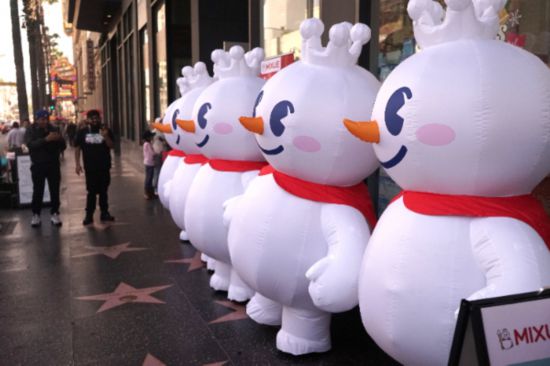
蜜雪冰城美国首店开业 北美成出海新大陆?
2 1 Shi Ji Jing Ji Bao Dao· 2025-12-22 00:12
Core Viewpoint - The opening of Mixue Ice City's first store in Los Angeles marks a significant step in its global expansion strategy, reflecting the growing acceptance of new tea beverage brands in the U.S. market [1][3]. Group 1: Company Expansion - Mixue Ice City has opened its first store in the U.S. located in Hollywood, Los Angeles, which is a mature consumer market [1]. - Other Chinese tea brands, such as Bawang Chaji and Heytea, have also entered the U.S. market this year, indicating a trend of increasing competition among tea beverage brands [3]. - Mixue Ice City has plans for multiple new stores in the U.S. and is also expanding into other American countries like Brazil and Mexico [5]. Group 2: Product Offering and Pricing - The menu at Mixue Ice City's U.S. store includes a variety of products such as ice cream, pure tea, fruit tea, milk tea, and freshly brewed coffee, tailored to local consumer preferences [4]. - Pricing for Mixue Ice City's products is positioned competitively, with items ranging from $1.19 to $4.99, which is lower than similar offerings from local brands [4]. - The store offers unique sugar options, including 120%, 150%, and 200% sweetness levels, catering to diverse consumer tastes [4]. Group 3: Market Potential - The U.S. tea beverage market is still in its early development stage, with significant growth potential as more consumers begin to accept these products [3]. - The popularity of "Chinese milk tea" is rising on social media platforms like TikTok, contributing to the market's expansion [4]. - Industry analysis suggests that the competitive landscape in the U.S. tea market is still evolving, indicating opportunities for new entrants [3]. Group 4: Industry Trends - The trend of Chinese food and beverage brands expanding internationally is gaining momentum, particularly in the tea segment [5]. - The domestic market in China is experiencing intense competition, prompting brands to seek growth opportunities abroad [5]. - The entry barriers in the U.S. market are higher due to supply chain costs and regulatory compliance challenges, but the potential rewards are significant [6].

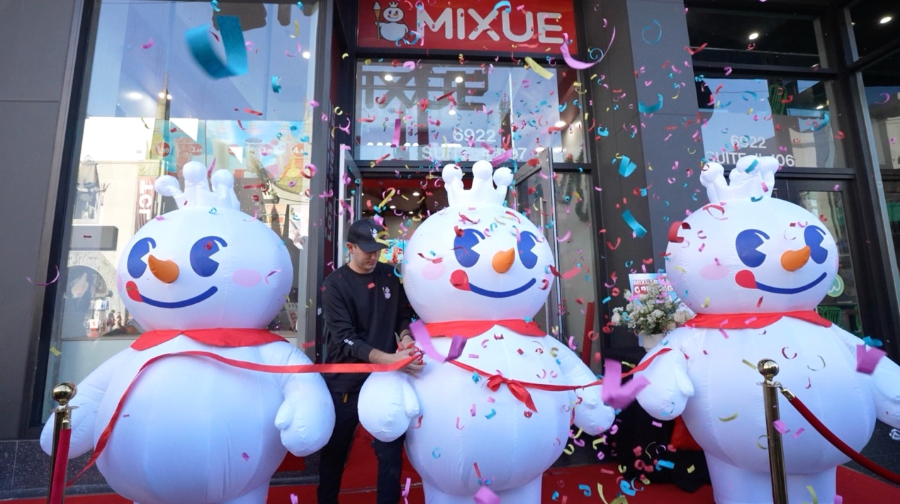
蜜雪冰城首进美洲市场,中式茶饮海外持续“出圈”
Xin Lang Cai Jing· 2025-12-21 05:18
Core Insights - The opening of the first store of Mixue Ice City in Los Angeles marks a significant step in the company's global strategy, emphasizing its commitment to the American market [1][6][7] - The brand aims to cater to a diverse consumer base in Hollywood, a global entertainment hub, by offering high-quality and affordable products [3][8] Group 1: Store Opening and Product Offering - The store is located in a mature consumer area opposite the Chinese Theatre on Hollywood Boulevard, designed to attract both local and international customers [1][3] - The menu includes a variety of products such as ice cream, pure tea, fruit tea, milk tea, and freshly brewed coffee, with prices ranging from $1.19 to $4.99, significantly lower than local competitors [3][5] - During the opening, interactive activities were organized to engage local consumers, enhancing brand connection [5] Group 2: Global Expansion and Market Strategy - Mixue Ice City has expanded to 13 countries, with approximately 4,700 stores worldwide, showcasing its role as a pioneer in the overseas expansion of Chinese beverage brands [6][7] - The company has plans for multiple new stores in the U.S. and other American countries, indicating a robust strategy for deepening its global presence [7] - The U.S. tea beverage market is in a rapid expansion phase, presenting significant growth potential, which Mixue aims to capitalize on with its established supply chain and value proposition [8][10] Group 3: Brand Recognition and Future Plans - Mixue Ice City has over 53,000 global stores, ranking first in the ready-to-drink beverage industry, and was recognized in TIME's list of the "100 Most Influential Companies" [10] - The company emphasizes its commitment to high-quality and affordable products while enhancing its supply chain to improve consumer experience [10] - Future plans include further integration of Chinese tea culture into the local market, aiming to elevate the influence of Chinese brands globally [10]
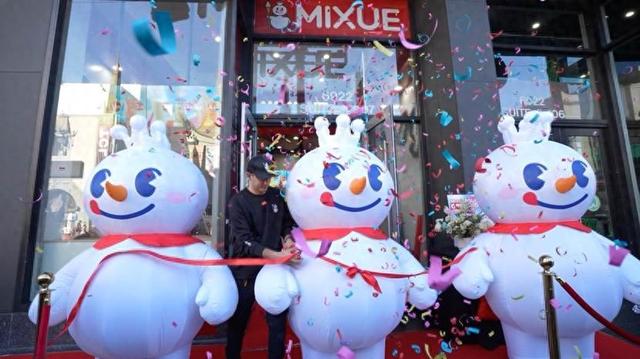
“雪王”闯美 洛杉矶首店开业
Shang Hai Zheng Quan Bao· 2025-12-20 14:21
Core Viewpoint - The opening of Mixue Ice City's first store in Hollywood, Los Angeles, marks a significant step in the company's global expansion strategy, offering affordable products and localized menus to attract local consumers [2][3]. Group 1: Store Opening and Product Offering - Mixue Ice City's Hollywood store features a menu that includes ice cream, pure tea, fruit tea, milk tea, and freshly brewed coffee, catering to American consumer preferences with various options for toppings and sweetness levels [3]. - The pricing strategy is competitive, with signature ice cream priced at $1.19, lemon water at $1.99, latte at $2.99, and pearl milk tea starting at $3.99, significantly lower than local competitors [3]. Group 2: Global Expansion - Mixue Ice City has expanded its overseas presence to 13 countries, with approximately 4,700 stores globally, having opened its first international store in Hanoi, Vietnam, in 2018 [4]. - The company has been actively pursuing its global strategy, entering new markets such as Japan, Kazakhstan, and Brazil, with significant procurement agreements to enhance its international footprint [4][5]. Group 3: Market Potential and Positioning - The U.S. tea beverage market is experiencing rapid growth, with a high interest in "Chinese milk tea" on social media platforms like TikTok, indicating a promising opportunity for brands [6]. - Mixue Ice City, leveraging its established supply chain and "high quality at low prices" positioning, aims to enhance the quality supply of ready-to-drink tea beverages in the local market [6]. - The company ranks first in the global ready-to-drink beverage industry with over 53,000 stores and was recognized in TIME's list of the "100 Most Influential Companies" [6].
蜜雪冰城进入美洲市场,美国首店冰淇淋售价仅1.19美元
Xin Lang Cai Jing· 2025-12-20 07:33
Core Viewpoint - The opening of the first U.S. store of Mixue Ice Cream and Tea in Hollywood, Los Angeles, marks a significant step in the company's global expansion strategy, offering a menu tailored to American consumer preferences while maintaining its classic offerings [1][4]. Group 1: Store Opening Details - The Hollywood store is located directly across from the Chinese Theatre on the Walk of Fame [1][4]. - The menu includes ice cream, pure tea, fruit tea, milk tea, and freshly brewed coffee, with various toppings and sweetness options available to cater to local tastes [1][4]. Group 2: Pricing Strategy - Signature ice cream is priced at $1.19, lemonade at $1.99, latte at $2.99, and pearl milk tea starting at $3.99, with an overall price range of $1.19 to $4.99, significantly lower than local competitors [3][6]. - The competitive pricing strategy is expected to attract local consumers, as evidenced by the high foot traffic on the opening day [3][6]. Group 3: Global Expansion - Since opening its first overseas store in Hanoi, Vietnam in 2018, Mixue has expanded to approximately 4,700 stores across 13 countries [3][6]. - In 2023, the company has actively pursued global expansion, entering the Japanese market in March, Kazakhstan in April, and signing a procurement deal worth 4 billion yuan with Brazil in May [3][6]. - Additional stores in the U.S. and other countries in the Americas, such as Brazil and Mexico, are currently in preparation [3][6].
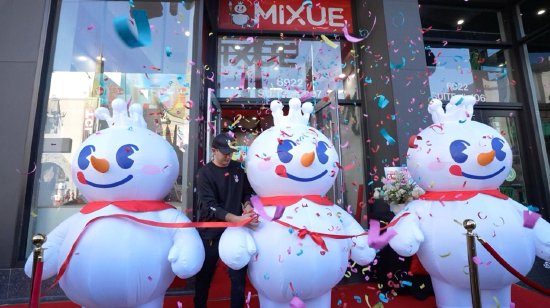
蜜雪冰城洛杉矶店开业,招牌柠檬水售价1.99美元
Xin Lang Cai Jing· 2025-12-20 07:17
Core Viewpoint - The recent opening of Mixue Ice City in Los Angeles has generated significant attention on social media, particularly due to its low pricing strategy compared to domestic prices in China [1][2]. Pricing Comparison - In the Los Angeles store, the prices are as follows: signature ice cream at $1.19, fresh lemonade at $1.99, latte at $2.99, and pearl milk tea starting at $3.99 [1][2]. - In contrast, the prices in Beijing are: signature ice cream at 2 yuan, fresh lemonade at 4 yuan, latte at 7 yuan, and pearl milk tea starting at 6 yuan [1][2].
护肤品牌林清轩开启招股;蜜雪冰城美国首店试运营;小红书社区架构再调整|创投大视野
36氪未来消费· 2025-12-20 04:24
Group 1 - Busy Money has completed a 10 million yuan angel round financing to support its nationwide expansion in the flash warehouse model [4] - Xiaohongshu has undergone a deep adjustment in its community organizational structure to integrate production, operation, and research [5] - KKV's Shenzhen store has been forced to suspend operations due to a unilateral termination of the lease by the shopping center [6][7] Group 2 - Mannings announced the closure of its stores in mainland China due to a strategic business adjustment, with offline stores set to close by January 15, 2026 [8] - Haotemai is closing stores in major cities due to rental issues and operational losses, with a significant reduction in new store openings [9] - Mixue Ice City is facing criticism over its breakfast pricing, with no current plans for price adjustments [10][11] Group 3 - Lin Qingxuan has initiated its IPO process, planning to raise 1.086 billion HKD with a share price of 77.77 HKD, targeting a listing on December 30, 2025 [13][14] - The core product, camellia oil essence, has sold over 45 million bottles since its launch, contributing 45.5% of the company's revenue in the first half of 2025 [14] - The company has seen significant revenue growth from 690 million yuan in 2022 to 1.21 billion yuan in 2024, with a profit turnaround from a loss of 5.93 million yuan to a profit of 187 million yuan [14] Group 4 - TikTok's CEO announced a new joint venture in the U.S. to handle data security and algorithm safety, while ByteDance retains control over e-commerce and advertising [12] - The Hainan Free Trade Port officially started its full island closure on December 18, 2025, as part of a national strategy [19] - The film "Avatar 3" has surpassed 100 million yuan in pre-sale and preview box office [20]

甜心皮皮被指模仿蜜雪,平价茶饮陷同质化竞争
Ge Long Hui· 2025-12-19 23:53
Core Viewpoint - The brand "Sweet Heart Pipi" has rapidly emerged in the tea beverage industry, attracting significant investment and expanding aggressively, raising questions about its sustainability and potential risks in a highly competitive market [1] Group 1: Experience Replication and Risk Avoidance - The core team of Sweet Heart Pipi consists mainly of veterans from established brands like Mixue Ice City and Bawang Tea, providing a significant advantage in understanding chain expansion [1] - The brand strategically avoids niche products requiring long-term market education, focusing instead on proven categories like "ice cream + tea" and fresh fruit tea, with prices set in the affordable range of 3-11 yuan [1] - By leveraging established product categories, Sweet Heart Pipi aims to reduce trial and error costs and quickly replicate a profitable single-store model [1] Group 2: Supply Chain Concerns Behind Affordability - The claim of affordability is not a sustainable competitive advantage; the ability to maintain profitability while being cheap is crucial [2] - Sweet Heart Pipi's supply chain lacks the scale and stability compared to giants like Mixue Ice City, which has established a global raw material base and cold chain network over the years [2] - To support its ambitious goal of thousands of stores, Sweet Heart Pipi must invest heavily in long-term supply chain development, which poses a challenge amid fluctuating raw material prices and regional supply stability [2] Group 3: Hidden Risks of Aggressive Expansion - The aggressive expansion strategy may lead to internal competition among franchisees, potentially harming individual store profitability [3] - Rapid growth could dilute the quality of operational support, supervision, and training from headquarters, affecting store survival rates and brand reputation [3] - The success of the first store in Dali, a tourist city, does not guarantee the same model will work in diverse community markets with varying consumer power [3] Group 4: Structural Opportunities and Harsh Realities in the Industry - The rise of Sweet Heart Pipi reflects two realities in the tea beverage industry: the growth of lower-tier markets and overseas expansion as new engines of growth [4] - Lower-tier cities contribute over 60% of market growth, while Southeast Asia shows significant growth potential for brand expansion [4] - The industry faces challenges of homogenization and competition from established brands like Mixue Ice City, which possess supply chain advantages and strong consumer recognition [5] Group 5: Long-Term Viability After Rapid Growth - Sweet Heart Pipi's rapid rise is a result of capital, experience, and market opportunities, demonstrating that new brands can carve out a niche even in a saturated market [6] - However, the tea beverage industry is a long-term race, requiring not just speed but also supply chain endurance, management precision, brand differentiation, and store health [6]