
YKA(300999)

Search documents
福布斯中国研享行|益海嘉里金龙鱼:以“安全金字塔”筑牢国民餐桌,以东方智慧连接世界
Sou Hu Cai Jing· 2026-01-23 12:17
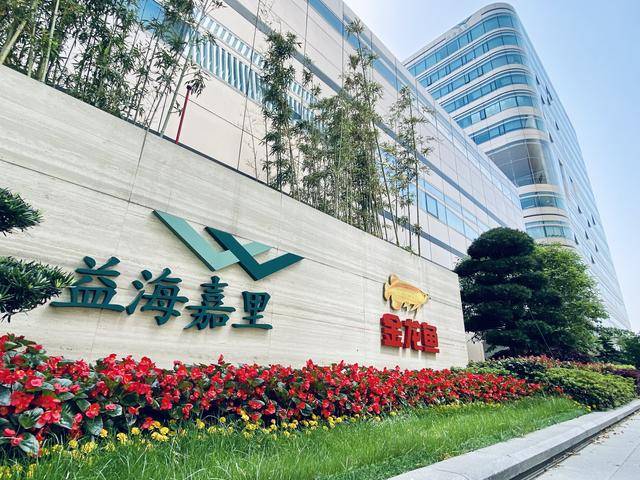
Core Insights - Yihai Kerry's Golden Dragon Fish is redefining the global grain and oil industry with a unique growth path and industry philosophy, transitioning from "importing Western standards" to "defining Chinese standards" and "exporting Eastern wisdom" [1] - The company has established a deep-rooted presence in over 50 countries, leveraging its parent company, Wilmar International, to create a comprehensive agricultural network [1] Group 1: Long-term Commitment and Localization - Golden Dragon Fish's narrative is rooted in a patriotic sentiment, initiated by overseas Chinese who aimed to support China's modernization by introducing capital and advanced grain processing technology [2][5] - The company has adopted a "deep localization" strategy, with a management team primarily composed of local Chinese elites, ensuring decisions align with local market needs while maintaining a global perspective [5][7] - The commitment to localization is further demonstrated through significant investments, totaling nearly 100 billion yuan, establishing over 80 production bases across China [8] Group 2: Food Safety and Management Systems - Golden Dragon Fish has developed a self-driven management system known as the "Safety Pyramid," which aims to exceed international standards in food safety [10][12] - The company has implemented a rigorous quality management framework that integrates various global standards, ensuring compliance and continuous improvement [12][13] - The effectiveness of this system is evidenced by its ability to control harmful substances in edible oils below the strictest EU standards, showcasing its technological capabilities [10][15] Group 3: Innovation and Circular Economy - The company is redefining agricultural value through innovative practices, particularly in the "circular economy," which emphasizes maximizing the use of agricultural products [16][18] - Golden Dragon Fish's rice circular economy model exemplifies this approach, transforming by-products into valuable resources, such as using rice husks for energy and producing high-performance materials from ash [18][21] - The implementation of a six-step fresh rice control technology aims to minimize food loss and enhance product quality, aligning with national goals for food conservation [21][23] Group 4: Integration of Eastern Wisdom and Modern Technology - Golden Dragon Fish is merging traditional Eastern dietary wisdom with modern food technology, addressing global challenges in health and nutrition [24][26] - The company is expanding its product offerings to include health-oriented foods, leveraging its large-scale processing capabilities to ensure affordability and accessibility [26] - The upcoming launch of the "Golden Dragon Fish Fengyitang" health brand reflects its strategic shift towards leading in nutrition and health [26] Group 5: Global Responsibility and Sustainable Development - The company's evolution from "investing in China" to "contributing to the world" highlights its commitment to global agricultural and food industry development [27][28] - Golden Dragon Fish has received international recognition for its sustainability efforts, ranking first among Chinese food companies in the S&P Global Sustainability Yearbook 2025 [28] - The company's ESG practices demonstrate a commitment to sustainable development, maintaining a leading position in the industry [28]

金龙鱼:公司的员工离职率属于正常水平
Zheng Quan Ri Bao Wang· 2026-01-22 02:51
Group 1 - The core viewpoint of the article is that the employee turnover rate at the company, Jinlongyu (300999), is considered to be at a normal level according to the company's response to investor inquiries on the interactive platform [1]
金龙鱼:截至2026年1月20日公司股东共计113665户
Zheng Quan Ri Bao Wang· 2026-01-21 14:12
Core Viewpoint - As of January 20, 2026, the company has a total of 113,665 shareholders, indicating a significant level of investor interest and engagement in the company [1] Group 1 - The company, Jinlongyu (stock code: 300999), responded to investor inquiries on an interactive platform [1] - The total number of shareholders reflects the company's growth and potential in the market [1] - The date mentioned, January 20, 2026, suggests a forward-looking perspective on shareholder engagement [1]
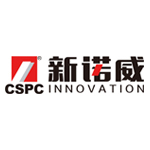
农产品加工板块1月20日涨0.59%,晨光生物领涨,主力资金净流出3979.31万元
Zheng Xing Xing Ye Ri Bao· 2026-01-20 08:51
Core Viewpoint - The agricultural processing sector experienced a rise of 0.59% on January 20, with Morning Glory Biological leading the gains, while the Shanghai Composite Index fell by 0.01% and the Shenzhen Component Index decreased by 0.97% [1]. Group 1: Market Performance - The agricultural processing sector's stocks showed varied performance, with Morning Glory Biological closing at 14.20, up by 3.35%, and a trading volume of 246,300 shares, amounting to 347 million yuan [1]. - Other notable performers included COFCO Technology, which rose by 2.52% to close at 6.11, and Yisheng Biological, which increased by 2.06% to 34.70 [1]. - The overall trading volume for the sector was significant, with Morning Glory Biological and Golden Dragon Fish contributing 347 million yuan and 348 million yuan respectively [1]. Group 2: Fund Flow Analysis - The agricultural processing sector saw a net outflow of 39.79 million yuan from institutional investors and 23.27 million yuan from retail investors, while individual investors contributed a net inflow of 63.07 million yuan [2]. - Specific stocks like COFCO Technology experienced a significant net outflow of 31.50 million yuan from institutional investors, while Golden Dragon Fish had a net inflow of 15.73 million yuan [3]. - The fund flow dynamics indicate a mixed sentiment, with retail investors showing interest in certain stocks despite the overall outflow from larger investors [2][3].


食品ETF鹏华(560130)红盘向上,政策加快培育消费新的增长点
Xin Lang Cai Jing· 2026-01-20 03:29
Group 1 - The National Development and Reform Commission emphasizes the need to enhance the synergy between reform and consumption investment policies, focusing on easing access and optimizing regulation in the consumption sector [1] - Wanlian Securities notes that the dairy product costs are stabilizing and demand is recovering, with low-temperature and deep-processed dairy products experiencing healthy growth [1] - The condiment industry is seeing customized development driven by chain restaurants and strong terminal growth, while raw material costs are stabilizing at low absolute price levels, supporting profit release [1] - The frozen food sector is witnessing a slowdown in price wars, leading to profit recovery and a return to positive growth [1] - The beverage sector is experiencing "structural upgrades" that contribute to incremental growth, particularly in the functional beverage segment, which is considered a high-growth area [1] - The snack industry is facing "increased revenue without increased profit," with platform-type and health-focused single-product companies being worthy of attention [1] - By 2026, leading volume retailers are expected to continue improving profitability, while the profitability of snack companies will need to be monitored based on raw material costs, efficiency optimization, sustainability of major products, and category expansion capabilities [1] Group 2 - As of January 20, 2026, the CSI All Food Index (H30192) has increased by 0.07%, with notable stock performances including Hongmian Co. up 10.13% and Bailong Chuangyuan up 5.46% [2] - The Penghua Food ETF (560130) has risen by 0.20%, currently priced at 1.01 yuan, closely tracking the CSI All Food Index [2] - The CSI All Food Index is structured to reflect the overall performance of different industry companies within its sample, categorized into 11 primary industries, 35 secondary industries, over 90 tertiary industries, and more than 200 quaternary industries [2] - As of December 31, 2025, the top ten weighted stocks in the CSI All Food Index include Haitian Flavoring, Yili, Shuanghui Development, and Angel Yeast, collectively accounting for 49.88% of the index [2]



农产品加工板块1月19日涨1.46%,安德利领涨,主力资金净流出8504.91万元
Zheng Xing Xing Ye Ri Bao· 2026-01-19 08:52
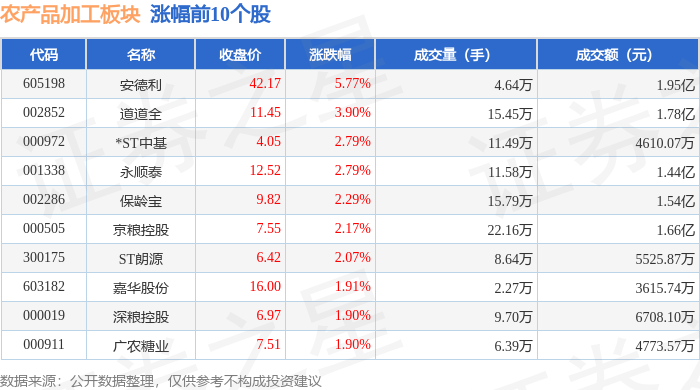
Group 1: Market Performance - The agricultural processing sector increased by 1.46% on January 19, with Andeli leading the gains [1] - The Shanghai Composite Index closed at 4114.0, up 0.29%, while the Shenzhen Component Index closed at 14294.05, up 0.09% [1] Group 2: Individual Stock Performance - Andeli (605198) closed at 42.17, up 5.77%, with a trading volume of 46,400 and a transaction value of 195 million [1] - Daodaoquan (002852) closed at 11.45, up 3.90%, with a trading volume of 154,500 and a transaction value of 178 million [1] - ST Zhongji (000972) closed at 4.05, up 2.79%, with a trading volume of 114,900 and a transaction value of 46.1 million [1] - Yongshuntai (001338) closed at 12.52, up 2.79%, with a trading volume of 115,800 and a transaction value of 144 million [1] - Other notable stocks include Baohua (002286) at 9.82, up 2.29%, and Jingliang Holdings (000505) at 7.55, up 2.17% [1] Group 3: Capital Flow Analysis - The agricultural processing sector experienced a net outflow of 85.05 million from institutional investors and 49.33 million from retail investors, while individual investors saw a net inflow of 134 million [2] - Key stocks with significant capital flow include Jinlongyu (300999) with a net inflow of 13.15 million from institutional investors [3] - Other stocks like Jinjian Rice Industry (600127) and ST Zhongji (000972) also showed notable net inflows from individual investors [3]

食品饮料行业周度更新:数据复盘看2025年食品主要品类增长及格局变化-20260119
Changjiang Securities· 2026-01-18 23:30
Investment Rating - The industry investment rating is "Positive" and is maintained [9] Core Insights - From 2024 to 2025, most food categories are expected to experience negative year-on-year sales growth, facing significant growth pressure. Frozen food is relatively outstanding, achieving nearly 2% positive growth in 2025. The decline in growth rates for condiments and dairy products has notably narrowed. However, convenient fast food and snack categories are under considerable pressure, with the former expected to decline by 8% in 2025 and the latter experiencing a continuous decline of over 10% for two consecutive years, primarily due to channel fragmentation, price wars, and consumer downgrading [2][4][14]. Summary by Relevant Sections Sales Growth Trends - The sales growth rate for most food categories is projected to remain negative from 2024 to 2025, with frozen food showing a positive growth of nearly 2% in 2025. The growth rate decline for condiments and dairy products has significantly narrowed, while convenient fast food and snack categories are under pressure, with the former expected to decline by 8% and the latter over 10% [2][4][14]. Sales Volume Trends - The year-on-year change in sales volume for various categories generally follows the same trend as sales revenue. The snack category is expected to see a significant increase in sales volume decline in 2025 compared to 2024, contrasting with the moderate decline in sales revenue. This is attributed to the rise of bulk snack channels, which have diverted demand for smaller purchases, forcing traditional retail channels to increase single-item specifications to maintain cost-effectiveness, thereby reducing sales volume [4][14]. Price Trends - Over the past five quarters (Q4 2024 to Q3 2025), the price index for food, beverages, and daily chemicals has consistently remained below 100, indicating ongoing price downward pressure. By Q4 2025, the indices for these three categories are concentrated between 98-99, with food slightly better than the others, but the difference is minimal. The overall price trend is converging, with a narrowing fluctuation range, indicating a lack of significant independent trends across categories, primarily influenced by the macroeconomic environment [4][16]. Subsector Performance - The food and beverage index has shown a 0.19% increase since early 2026, lagging behind the Shanghai and Shenzhen 300 index, which increased by 2.20%. The recent week has seen leading gains in red wine and snack sectors, while the white wine and condiment sectors have experienced significant pullbacks [6][42]. Industry Dynamics - The industry is actively responding to market changes through digital transformation, new product incubation, and capital operations. Notable movements include Guizhou Moutai's user growth on the "i Moutai" platform and East Peak Beverage's projected significant profit growth for 2025. Additionally, new product launches and strategic partnerships are being pursued by various companies to adapt to changing consumer preferences [7][48][49].



交易对价约4.18亿元!金龙鱼清仓与家乐氏合资股权
Mei Ri Jing Ji Xin Wen· 2026-01-18 12:49
Core Viewpoint - The acquisition of Kellanova's Chinese operations by Mars China marks a significant shift in the management of the Pringles and Kellogg's brands in China, with Mars becoming the sole operator of these brands in the market [1][2]. Group 1: Transaction Details - Jinlongyu (Golden Fish) announced the transfer of its 50% stakes in two joint ventures, Kellogg's Shanghai and Kellogg's Kunshan, to Mars China for a total consideration of $60 million (approximately 418 million RMB) [1][5]. - This transaction is part of a broader strategy where Mars aims to fully integrate Kellanova's assets in China, enhancing its product portfolio in the snack and breakfast categories [6][7]. Group 2: Financial Performance - The latest financial disclosures reveal that Kellogg's Shanghai generated revenues of 289 million RMB and a net profit of 47.6 million RMB in 2024, while Kellogg's Kunshan had revenues of 127 million RMB and a net profit of 7.6 million RMB [3]. - Compared to 2019, both joint ventures have shown significant growth, with Kellogg's Shanghai's net assets improving from -125 million RMB to 101 million RMB [3]. Group 3: Strategic Implications - Jinlongyu's exit from the joint ventures allows it to focus on its core business in the grain and oil sector, which constitutes about 60% of its revenue [5]. - Mars's acquisition is seen as a strategic move to strengthen its market presence in China, particularly in the breakfast and snack food segments, amidst increasing competition from local brands [6][8]. Group 4: Future Challenges - Mars will face challenges in managing the integration of Kellogg's operations, particularly in adapting to the rapidly changing consumer preferences and the rise of domestic brands in the snack food market [7][8].
卫龙前CEO加入大窑,57岁老将能否再造一个IPO神话?
Sou Hu Cai Jing· 2026-01-17 05:32
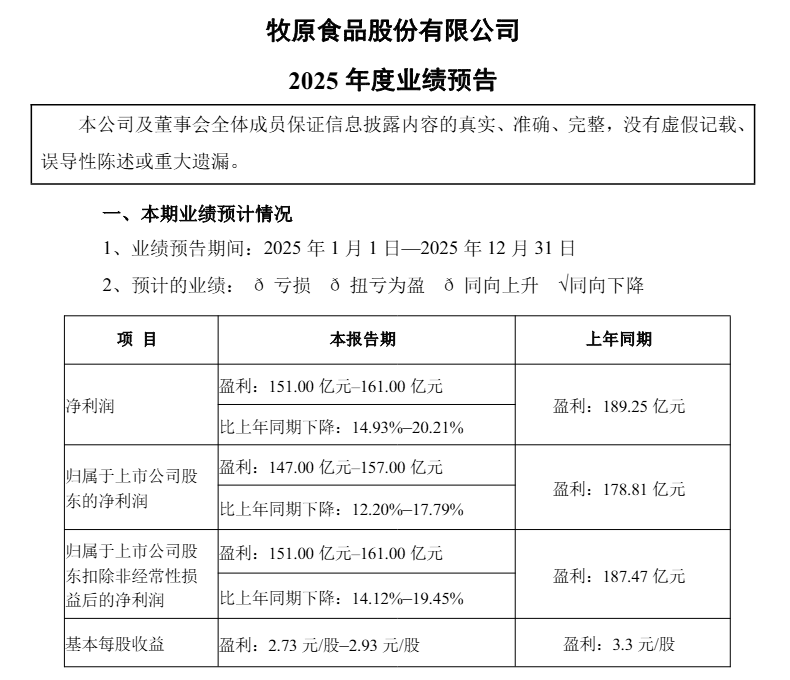
Company Developments - Former CEO of Wei Long, Sun Yinan, has joined Dayao as CEO, bringing extensive experience from Coca-Cola and other food companies [2][3] - Qian Dama International Holdings has initiated its IPO process in Hong Kong, aiming to raise funds for expanding its store network and enhancing supply chain capabilities, with a projected GMV of 14.8 billion yuan in 2024 [2][3] - Muyuan Foods has forecasted a net profit of 14.7 billion to 15.7 billion yuan for 2025, representing a decline of 12.20% to 17.79% compared to the previous year [2][3][5] - Jinlongyu has announced the transfer of its stake in a joint venture with Mars China, with a total transaction value of $60 million, which is expected to impact its 2026 earnings significantly [6][5] Industry Trends - The fresh food retail sector is seeing significant growth, with Qian Dama leading the community fresh food chain market in China for five consecutive years [2][3] - The coffee industry in Yunnan has expanded its global reach, exporting to 34 countries and regions, with a notable increase in production and agricultural output [11] - The World Health Organization has called for increased taxation on sugary and alcoholic beverages to address public health issues, highlighting the economic burden of these products [12]




金龙鱼退出家乐氏合资公司 部分募投项目再延期
Zhong Guo Jing Ji Wang· 2026-01-16 08:43
Group 1 - The core point of the article is that Golden Dragon Fish (300999.SZ) has sold its entire stake in two joint ventures with Kellogg's to Mars China for a total of $60 million, which is closely related to Mars' global business integration following its acquisition of Kellanova [1] - The transaction involves the transfer of 50% equity in Yihai Kerry Kellogg Foods (Shanghai) Co., Ltd. for $45 million and Yihai Kerry Kellogg Foods (Kunshan) Co., Ltd. for $15 million, resulting in Golden Dragon Fish no longer holding any equity in these companies [1] - The sale is expected to impact the company's net profit for 2024 by more than 10% of the net profit attributable to the parent company for the fiscal year 2026 [2] Group 2 - Golden Dragon Fish announced a delay in the completion of its IPO fundraising project, specifically the Yihai Kerry (Maoming) Grain and Oil Industrial Co., Ltd. oil processing project, which is now expected to reach operational status by June 30 of this year [2] - The project includes a 4,000 tons/day soybean crushing facility and has faced delays due to issues with infrastructure, personnel, and material supply, with a total investment of 560 million yuan, of which 463 million yuan has been invested as of September 30, 2025 [2] - This is not the first delay for the project, as a previous announcement in February 2024 indicated that delays in early-stage construction and procurement of imported equipment had pushed the expected completion date to December 31, 2025 [2]