BABA(BABA)

Search documents
互联网行业 2026 年 2 月投资策略:国内大厂争夺 AI Agent 流量入口,关注最具确定性的算力和大模型公司
Guoxin Securities· 2026-02-08 02:55
证券研究报告 | 2026年02月06日 2026年02月07日 互联网行业 2026 年 2 月投资策略 优于大市 国内大厂争夺 AI Agent 流量入口,关注最具确定性的算力和大模型公司 1 月行情回顾:1 月恒生科技指数单月上涨 3.7%。同期,纳斯达克互联 网指数 1 月下降,单月跌幅为 4.7%。个股方面,互联网多数股票股价表 现不一致,港股方面,微盟集团、阿里健康、快手为本月表现前三的股 票,美股方面,哔哩哔哩、贝壳、知乎为本月表现前三的股票。从市盈 率看,恒生科技指数估值较上月基本持平,PE-TTM 为 23.84x,处于恒 生科技指数成立以来 37.28%分位点。纳斯达克指数估值较上月基本持 平,PE-TTM 为 41.29x,处于近 10 年 66.79%分位点。 人工智能动态:1)谷歌:推出开源医疗模型 MedGemma 1.5,在 Gemini 中推 出个人智能功能;2)OpenAI:推出 ChatGPT Health,用户年龄预测功能;3) Meta:推出新的即时通讯功能;Anthropic:将 Claude Cowork 扩展至 20 美 元 Pro 订阅用户;4)阿里:千问 Ap ...


AI入口激战正酣,腾讯、阿里、字节影子股曝光
Xin Lang Cai Jing· 2026-02-07 23:38
炒股就看金麒麟分析师研报,权威,专业,及时,全面,助您挖掘潜力主题机会! AI技术的飞速发展推动"AI超级入口"从概念走向现实,腾讯、阿里、字节跳动等互联网巨头围绕这一未 来十年互联网流量核心,展开了激烈角逐。回顾科技发展历程,PC时代的谷歌、雅虎,移动互联网时 代的微信、抖音,无不证明"入口决定生态,生态决定变现"的铁律。如今AI时代,战场拓展至整个数字 生活领域,巨头们以差异化战略向终极目标发起冲击。 三大巨头的差异化战略布局 在移动互联网初期,腾讯微信凭借后发优势超越小米米聊,构建起庞大商业帝国,这一案例让巨头们深 知入口之战的重要性。如今AI时代,三大巨头形成了截然不同的战略路径。 谁将拿到AI入口这一张船票。 当腾讯、百度、阿里等互联网巨头豪掷数十亿红包,意欲加快抢占AI入口,用户每领一次红包,都是 大厂用现金喂养"先问AI"习惯的种子,也将决定未来十年互联网生态的船票花落谁家。 阿里系深耕"基建+办事"战略,不止于抢占用户时间,更致力于将商业生态深度融入通义千问APP。如 今,通义千问早已突破传统聊天机器人的边界,用户可在其中便捷完成点外卖、购机票、查社保、订酒 店等多元服务。近日,千问"春节30 ...


系统挤崩、门店爆单!你抢到免费奶茶了吗?
Xin Lang Cai Jing· 2026-02-07 15:37
Core Insights - The article discusses the launch of the "30 billion free order" campaign by the Qianwen app, which allows users to order milk tea for free using AI, quickly trending on social media [3][6] - The campaign has led to over 5 million orders within 5 hours, showcasing its popularity among users [6] - The app offers users 21 no-threshold 25 yuan free order cards, totaling 525 yuan, and a chance to win a 10,000 yuan AI life card [7] - The campaign has caused significant traffic, leading to server issues and delays in order fulfillment at various milk tea shops [7][18] Company and Industry Summary - The Qianwen app is collaborating with over 300,000 milk tea and coffee shops, including popular brands like Mixue Ice City and Luckin Coffee, to facilitate the free order campaign [7] - The campaign is part of a broader trend among major tech companies, including Alibaba, ByteDance, Tencent, and Baidu, to engage users with AI applications during the Spring Festival, with a total of 4.5 billion yuan in red envelopes prepared for users [20] - The overwhelming response to the campaign has led to a repeat of previous incidents where promotional activities resulted in overwhelming demand, causing operational challenges for participating stores [20]

壹快评|AI红包大战,打不出“从0到1”的创新
第一财经· 2026-02-07 13:42
Core Viewpoint - The article discusses the rapid advancements in artificial intelligence (AI) and the intense competition between domestic and international companies, highlighting the differences in focus between the two markets [3][4]. Group 1: Recent Developments in AI - Meta has released a new model codenamed "Avocado," improving computational efficiency by 10 to 100 times [3]. - Google has opened its world model Genie 3, allowing users to create and explore 3D virtual worlds through natural language descriptions [3]. - Domestic companies like Alibaba and ByteDance are also making significant strides, with Alibaba launching a model with over one trillion parameters [3]. Group 2: Competition Dynamics - The competition in AI has reached a fever pitch, with major tech companies investing heavily, including a reported total capital expenditure of approximately $650 billion from the four major U.S. tech giants for 2026 [3]. - The "AI red envelope war" in China has seen tech giants invest over 4 billion yuan to capture the "AI super entrance" [4]. Group 3: Differences in Focus - International companies prioritize breakthroughs in underlying technology and model capabilities, while domestic firms are more focused on application and commercial realization [4][5]. - Domestic companies excel at transforming new technologies into commercial successes but often lag in original innovation [5][6]. Group 4: Challenges and Opportunities - The disparity in innovation focus is linked to differences in market foundations, technological reserves, and business environments between China and the U.S. [6]. - Despite significant investments in foundational technologies, domestic firms still face challenges in original innovation and product iteration speed compared to their international counterparts [6]. Group 5: Vision for the Future - The article emphasizes the need for Chinese tech companies to shift their focus towards original innovation to avoid being outpaced by international competitors [7]. - It calls for a cultural shift towards innovation and greater support for foundational research from leading tech firms to achieve the national goal of technological self-reliance [7].

2026 AI年度展望:关于「大公司、独角兽、创业者」的十条趋势判断
36氪· 2026-02-07 13:34
Core Viewpoint - The article discusses the competitive landscape of the AI market in China, particularly focusing on the year 2026 as a critical period for major players like Alibaba, Tencent, and ByteDance to solidify their positions in the AI To C market. The competition is expected to be intense, akin to previous battles in ride-hailing, payments, and food delivery sectors [6][8]. Group 1: Major Players and Strategies - In 2026, Alibaba's strategic investment in "Qianwen" will be significant, with plans to spend 3 billion yuan to attract users [6]. - ByteDance is positioned as a formidable competitor in the AI To C space, leveraging its substantial user base and exploring new product avenues like the "Doubao" phone [7][18]. - Tencent is focusing on enhancing its AI applications and models, with a particular emphasis on integrating AI capabilities into its existing services [27][32]. Group 2: Market Dynamics and Challenges - The AI market is still in its infancy regarding commercial models, with no mature business models currently established. Companies are exploring various approaches, including subscription services, API sales, and customized solutions [10][54]. - The competition among major players is expected to intensify as they strive to differentiate their AI products and capture user demand [25][26]. - The article highlights the importance of organizational agility and the need for companies to adapt quickly to market changes, particularly in the context of AI product development [26][72]. Group 3: Investment and IPO Trends - The article notes that recent IPOs, such as those of Zhiyun and MiniMax, signal a more favorable environment for tech companies in the public market, which could enhance funding opportunities for AI firms [67][68]. - However, there is a cautionary note regarding the pressure to commercialize quickly post-IPO, as companies may face scrutiny from investors regarding their performance [69]. Group 4: Future Directions and Innovations - The article emphasizes the need for companies to innovate in AI model capabilities, particularly in areas like memory and contextual understanding, which are seen as critical for future success [83][84]. - There is a growing interest in developing decentralized models that can leverage localized data for better performance in specific industries [85]. - The potential for AI to transform various sectors is highlighted, with a focus on creating personalized and efficient user experiences through advanced AI applications [34][38].

海量财经丨1.5万小区外卖订单有了“碰一下开门”标签 淘宝闪购让城市骑士送单更快更省心
Sou Hu Cai Jing· 2026-02-07 13:21
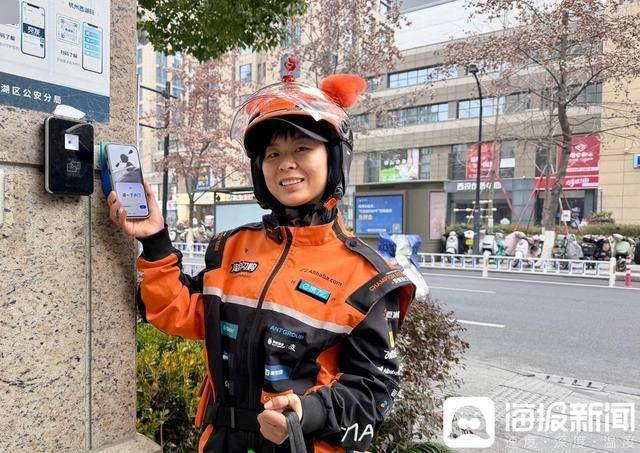
"碰一下"3秒进门,城市骑士黄晓琴说,以前需要登记的小区,现在单均可节省1分钟,送单更快更省 心。 这一新方式既快捷、实时又安全。据淘宝闪购项目负责人介绍,小区通行权限和订单实时互通,只有当 骑士有小区的外卖需要配送时,才可以通行。真实订单匹配真实骑士的方式,打消了安全顾虑,大大减 少了沟通成本,用户也能更快收到热乎乎的饭菜。 据悉,目前这一项目已在全国200多个城市15000个小区上线。为了给城市骑士更快送单做好指引,淘宝 闪购还在对应外卖订单上,都打上了"碰一下开门"标签。 海报新闻记者 周凌峰 报道 "碰一下"3秒进门,以前需要登记的小区,现在单均可节省1分钟,骑士送单更快更省心了。2月5日,记 者获悉,淘宝闪购"碰一下开门"服务已覆盖全国200多座城市近15000个小区。同时,这些小区的外卖订 单上也有了"碰一下开门"标签,方便骑士接单时就能提前感知,体验送单新服务。 "进门难、停车难"是外卖最后100米难题,尤其在严格管理、需要登记的小区。"碰一下开门"是淘宝闪 购联合支付宝、社区物业推出的服务,依托数字化能力,打通小区通行权限和实时外卖订单,让骑 士"碰一下"即可完成登记-开门-入园。 "以前如果 ...
AI红包大战,打不出“从0到1”的创新
Di Yi Cai Jing· 2026-02-07 12:11
人工智能(AI)发展日新月异,几乎每天都有大事发生。拿最近一个多星期来说,在国外—— Meta发布代号"牛油果"的新模型,计算效率提升10至100倍;谷歌开放世界模型Genie 3,可通过自然语 言描述创建和探索3D虚拟世界;奥地利"极客"彼得·斯坦伯格"手搓"出能完成复杂任务的智能体 OpenClaw,受到全球用户追捧;美国四大科技巨头公布2026年资本支出计划,总额高达约6500亿美 元…… 在国内—— 当年那些"大战"就引发过一些讨论。主要讨论的点是:在科技创新方面,国外巨头级公司的优先目标始 终是"技术"和"未来",国内企业则往往更关注"应用"和"当下";国内企业有能力把几乎所有新技术转化 为巨大商业成功,却很少成为新技术源头、也即原始创新的创造者。如果把原始创新看作"0到1",把商 业成功看作"1到10……10000",中国企业显然更偏好并擅长后者。这种选择及结果的明显差异,让许多 人对中国企业在技术创新上的追求和能力产生质疑。 当然,国内外企业的这种"分道扬镳",与市场基础、技术储备和商业环境不同直接相关。中国庞大的统 一市场和生活服务痛点,为企业提供了天然的试验田。而中国科技产业尚处在从制造向研 ...
壹快评|AI红包大战,打不出“从0到1”的创新
Di Yi Cai Jing· 2026-02-07 11:52
科技大厂在追求商业成功的同时,也要做重视原始创新的榜样。 人工智能(AI)发展日新月异,几乎每天都有大事发生。拿最近一个多星期来说,在国外—— Meta发布代号"牛油果"的新模型,计算效率提升10至100倍;谷歌开放世界模型Genie 3,可通过自然语 言描述创建和探索3D虚拟世界;奥地利"极客"彼得·斯坦伯格"手搓"出能完成复杂任务的智能体 OpenClaw,受到全球用户追捧;美国四大科技巨头公布2026年资本支出计划,总额高达约6500亿美 元…… 在国内—— 阿里发布了超万亿参数规模的Qwen3-Max-Thinking模型,并计划近期推出Qwen 3.5;月之暗面开源了 Kimi K2.5模型,在智能体任务、代码生成等方面取得显著进步;深度求索开源了OCR模型,字节跳 动、百度等也有新模型计划发布;同时,阿里、腾讯、字节跳动等纷纷透露巨额AI投资计划。 但高潮还不是以上事件。2月5日,Anthropic和OpenAI在半小时内先后发布Claude Opus 4.6和GPT-5.3 Codex,被AI圈称为"火星撞地球"。国内最吸引眼球的,则是科技大厂们为争夺"AI超级入口",投入40 余亿元掀起"AI ...
1000万单!补贴大战热闹又熟悉,但AI应用究竟应该比什么?
Sou Hu Cai Jing· 2026-02-07 11:14
Core Viewpoint - The article discusses the ongoing competition among major Chinese tech companies in the AI sector, particularly during the Spring Festival, highlighting the aggressive marketing strategies, including substantial subsidies, to attract users and establish AI as a core component of the next-generation internet [4][8]. Group 1: AI Competition and User Acquisition - The Spring Festival has sparked a significant "AI battle" among companies, with Alibaba's Qianwen App launching a "30 billion yuan free order" campaign, resulting in over 10 million orders within hours [1][2]. - Major players like ByteDance's Doubao and Tencent's Yuanbao are also competing fiercely, indicating a highly competitive environment in the AI application market [8]. - The article notes that the current strategies focus on user acquisition through subsidies, which may detract from long-term technological innovation [9][12]. Group 2: Market Dynamics and Implications - The competition is characterized by a "subsidy war," where companies are using financial incentives to rapidly grow their user base, reflecting a deep-rooted culture of subsidies in the Chinese internet sector [9][12]. - The article warns that this approach could lead to significant market distortions and resource wastage, as evidenced by the operational challenges faced by some tea shops overwhelmed by demand [9][10]. - There is a concern that prioritizing short-term user growth over foundational research could undermine China's long-term competitiveness in AI [12][13]. Group 3: Future Directions and Challenges - The article emphasizes the need for a shift in focus from mere marketing tactics to integrating technological innovation with user engagement strategies [12][13]. - It calls for patience and a commitment to long-term goals, suggesting that true success in AI will come from solving real user problems rather than relying on promotional tactics [13].
做不到“绝对公正”与“全网比价”的AI购物助理,都不会成功
虎嗅APP· 2026-02-07 10:10
Core Viewpoint - The article discusses the impact of AI development on e-commerce platforms, particularly focusing on the competitive dynamics between companies like Amazon, Alibaba, and Pinduoduo, emphasizing the importance of consumer trust and value delivery in the retail sector [6][29]. Group 1: AI and E-commerce Dynamics - The daily token consumption in China is projected to increase from 100 billion at the beginning of 2024 to 40 trillion by September 2025, representing a growth of over 400 times [7]. - Major US tech companies are significantly increasing their capital expenditures for AI infrastructure, with Google estimating its 2026 CapEx to be between $175 billion and $185 billion, nearly double its 2025 spending [8]. - Amazon's projected capital expenditure for 2026 is $200 billion, primarily focused on AWS AI infrastructure, while Microsoft anticipates around $150 billion in spending [9]. Group 2: Competitive Analysis of E-commerce Platforms - Amazon's 2025 GMV is estimated at approximately $700 billion, with AI assistant Rufus contributing $12 billion in annual transaction volume, accounting for 1.67% of total GMV [11][12]. - The article critiques the effectiveness of AI assistants in enhancing user experience, suggesting that they often serve as high-level customer service rather than providing significant incremental value [17]. - Pinduoduo's business model emphasizes "lowest price" as a prerequisite for advertising, contrasting with Amazon and Alibaba, which rely on advertising revenue from brand merchants [20][21]. Group 3: Consumer Trust and Value Proposition - The article argues that platforms like Costco succeed because they prioritize consumer trust and value, contrasting with Amazon and Alibaba, which may not always align with consumer needs [22]. - The effectiveness of AI shopping assistants is questioned, particularly in their ability to deliver on consumer expectations for price and quality, with the assertion that they cannot change the underlying business models of platforms like Alibaba [22][23]. - The article concludes that the future of AI in e-commerce will likely favor companies that can maintain consumer trust and deliver genuine value, with Apple and WeChat identified as potential leaders in this space due to their business models [27][28].