
Honda Motor(HMC)

Search documents
越秀证券每日晨报-20250905
越秀证券· 2025-09-05 05:25
Market Performance - The Hang Seng Index closed at 25,058, down 1.12% for the day but up 24.92% year-to-date [1] - The Hang Seng Tech Index fell 1.85% to 5,578, with a year-to-date increase of 24.86% [1] - The A-share market saw significant declines, with the ChiNext Index dropping over 4% [5] Currency and Commodity Trends - The Renminbi Index stood at 96.570, showing a 0.90% increase over the past month but a 3.33% decrease over six months [2] - Brent crude oil prices decreased by 1.51% to $67.00 per barrel, while gold prices rose by 5.02% to $3,542.73 per ounce [2] Economic Indicators - U.S. labor productivity increased by 3.3% in Q2, marking the largest gain of 2023 [9] - The U.S. trade deficit widened to $78.3 billion in July, the highest in four months, driven by a 5.9% increase in imports [12] - The ISM Services PMI rose to 52 in August, indicating expansion in the services sector [13] Company-Specific Developments - FWD Group reported a more than 100% year-on-year increase in new business annualized premium in Hong Kong and Macau [17] - New World Development's basic profit increased by 0.5% year-on-year, with a dividend payout remaining stable [19] - The company reported a significant drop in property development gross margin to 12% from 26% the previous year [20] IPO and Market Activity - Recent IPOs showed varied performance, with some stocks like Jiaxin International Resources seeing a first-day gain of 177.84% [31] - The upcoming IPO of Daxing Technology is set for September 9, 2025, with a proposed offer price of 49.5 HKD [31]




日本汽车、钢铁等制造业利润暴跌
Zhong Guo Qi Che Bao Wang· 2025-09-05 01:14
Core Points - Japan's manufacturing sector has experienced a significant decline in profits due to the impact of U.S. tariff policies, with overall regular profits dropping by 11.5% year-on-year for two consecutive quarters [1][4][7] - The non-manufacturing sector, particularly in tourism and services, has shown resilience with a profit increase of 6.6% compared to the previous year [3][4] Manufacturing Sector Impact - The manufacturing sector's regular profits fell sharply, particularly in the transportation machinery sector, which includes the automotive industry, with a decline of 29.7% [4][7] - Other affected industries include steel, which saw a profit drop of 48.2%, and metal products, which experienced a 36.6% decrease [4][7] - The overall regular profit for the manufacturing sector was recorded at 35.8338 trillion yen, marking a historical high for the quarter, but the decline in specific sectors overshadowed this achievement [3][4] Tariff Effects - U.S. tariffs imposed on imported automobiles and key components have significantly impacted Japanese exports, with tariffs on passenger cars rising from 2.5% to 27.5% [7][9] - The steel industry faced additional challenges as U.S. tariffs on steel and aluminum products increased from 25% to 50%, leading to losses in the Japanese steel sector [7][8] - In July, Japan's exports to the U.S. fell by 10.1% year-on-year, with automotive exports specifically declining by 28.4% [8][9] Company-Specific Impacts - Major Japanese automakers reported substantial profit losses due to U.S. tariffs, with Honda's net profit plummeting by 50.2% in the latest quarter [11] - Toyota estimated a loss of 450 billion yen in operating profit due to tariffs, with an expected total loss of 1.4 trillion yen for the fiscal year [11] - Other automakers, including Mazda, Nissan, Subaru, and Mitsubishi, also reported significant losses, prompting them to revise their profit forecasts downward [11]


本田、日产、三菱扩大产品攻势,混动正成为一致方向
Guan Cha Zhe Wang· 2025-09-04 07:48
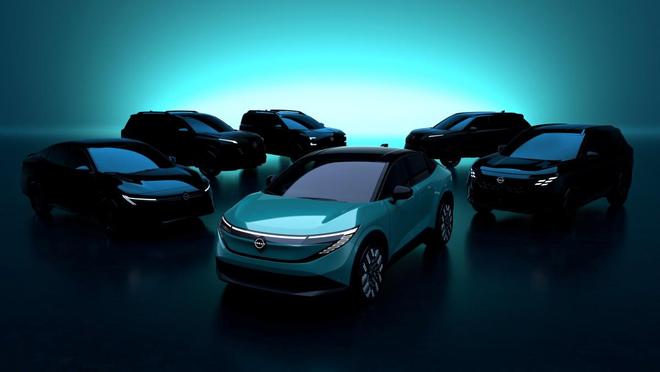
Core Viewpoint - Japanese automakers, including Honda, Nissan, and Mitsubishi, are significantly expanding their product lines, particularly focusing on hybrid and electric vehicles in response to market demands and competitive pressures [1][3][20]. Group 1: Honda's Strategy - Honda is launching the Prelude model, its first hybrid vehicle in 25 years, aiming to showcase a new interpretation of driving pleasure [3]. - The company is also introducing its 0 series electric vehicle prototypes, with plans for a crossover and sedan to debut next year [5]. - Acura, Honda's luxury brand, plans to add hybrid models, with speculation that popular models like the RDX may be among the first to feature hybrid technology [8]. Group 2: Nissan's Plans - Nissan is set to introduce multiple hybrid models, including the Rogue and Pathfinder, to counter declining sales in key markets [10][12]. - The company aims to deliver nearly 20 new and upgraded models to the U.S. and Canada by spring 2027, with 90% of these models featuring electric versions [10]. - Nissan's strategy includes offering various powertrain options for its main products, adapting to market needs [12]. Group 3: Mitsubishi's Aggressive Expansion - Mitsubishi plans to double its product lineup in the U.S. by early 2031 and will convert four existing models to include hybrid and electric options [15]. - The company will share Nissan's CMF-EV platform and introduce a compact electric crossover and a sporty passenger vehicle in the next decade [15]. - Mitsubishi's immediate plans include launching a hybrid version of the Outlander in 2026 and a new off-road hybrid model by the end of next year [17]. Group 4: Market Trends and Challenges - The global market for electric and hybrid vehicles is projected to grow significantly, with a 25% increase in new sales expected by 2025 [17]. - Japanese automakers have been slow to adapt to the electric vehicle trend, resulting in a market share of only 1.56% for Japanese electric vehicles compared to the global average [19]. - The shift towards hybrid technology is seen as a necessary step for Japanese automakers to remain competitive amid changing market dynamics and consumer preferences [20].
神车停产,又一汽车巨头扛不住了
投中网· 2025-09-04 05:25
Core Viewpoint - The article highlights the decline of traditional Japanese automotive brands, exemplified by the discontinuation of Nissan's GT-R, while emphasizing the rapid growth and dominance of Chinese electric vehicle manufacturers in the market [6][9][17]. Group 1: Decline of Traditional Brands - Nissan's GT-R, a legendary model, has officially ceased production after 18 years, marking the end of an era for traditional high-performance gasoline vehicles [11][12]. - The decline in performance and sales of Japanese automakers is evident, with Nissan reporting a net loss of 115.76 billion yen and a 10% drop in global sales [12][16]. - Other Japanese brands like Mitsubishi and Subaru have also faced similar fates, with iconic models being discontinued due to the shift towards electric vehicles [13][16]. Group 2: Rise of Chinese Electric Vehicles - In contrast, China's new energy vehicle sales surged by 35.5% year-on-year, reaching 12.866 million units, maintaining its position as the world's largest market for ten consecutive years [8][9]. - Chinese brands accounted for 68.6% of passenger car sales in the first seven months of 2025, with a notable increase in domestic sales [8][17]. - Companies like BYD and Leap Motor have reported significant growth in sales, with BYD selling 373,600 vehicles in August alone, marking a 146.4% increase year-on-year [18][20]. Group 3: Market Dynamics and Future Outlook - The automotive market is undergoing a significant transformation, with traditional gasoline vehicles losing ground to electric and smart vehicles, leading to a "mid-life crisis" for many established brands [17][18]. - The shift towards electric vehicles is not just a trend but a necessity for survival, as companies like Volvo and Mercedes-Benz pivot their strategies to adapt to the new market realities [18]. - The competition among new energy vehicle manufacturers is intensifying, with a focus on product quality and profitability rather than merely increasing production [24][28].




神车停产,又一汽车巨头扛不住了!
阿尔法工场研究院· 2025-09-04 00:06
Core Viewpoint - The discontinuation of the Nissan GT-R marks the end of an era for traditional high-performance gasoline vehicles, highlighting the shift towards electric vehicles and the challenges faced by Japanese automakers in the current market landscape [5][10][18]. Group 1: Nissan GT-R and Its Legacy - The last Nissan GT-R rolled off the production line after 18 years, symbolizing the end of a legendary model that achieved significant acclaim in motorsports and popular culture [5][14]. - The GT-R, known as the "East Japan War God," had a production volume of nearly 48,000 units, showcasing its popularity and performance over its lifespan [18]. - The discontinuation of the GT-R reflects broader trends in the automotive industry, where traditional gasoline vehicles are being overshadowed by the rise of electric vehicles [7][10][18]. Group 2: Chinese Automotive Market Growth - In contrast to the decline of traditional Japanese automakers, China's new energy vehicle sales grew by 35.5% year-on-year, reaching 12.866 million units, maintaining its position as the world's largest market for ten consecutive years [9]. - From January to July 2025, sales of Chinese brand passenger cars reached 10.873 million units, a 24.4% increase, with a market share of 68.6% [9]. - The rapid growth of domestic brands in China indicates a significant shift in consumer preferences and market dynamics, as traditional Japanese brands struggle to maintain their foothold [22][24]. Group 3: Challenges for Japanese Automakers - Japanese automakers, including Nissan, are facing severe financial difficulties, with Nissan reporting a net loss of 115.76 billion yen and a 10% decline in global sales [21][23]. - The overall profitability of Japanese car manufacturers is declining, with projections indicating a loss of approximately 2.7 trillion yen for the fiscal year 2025 [21]. - The shift towards electric vehicles and the inability to adapt quickly enough to market changes have led to a "mid-life crisis" for Japanese brands, as they lose market share to more agile domestic competitors [24][22]. Group 4: The Future of the Automotive Industry - The automotive industry is undergoing a significant transformation, with a focus on technology and ecosystem development as key strategies for survival [26]. - The rise of new energy vehicles is prompting traditional manufacturers to reconsider their strategies, as evidenced by the recent shifts in direction from companies like Volvo, Mercedes, and Audi [27][28]. - The competition in the electric vehicle sector is intensifying, with new entrants focusing on quality and profitability rather than merely scaling production [34][33].



宗馥莉们的接班焦虑,日本几百年前就解决了
创业邦· 2025-08-29 10:33
Core Viewpoint - The article discusses the differences in succession practices between Japanese and Chinese family businesses, highlighting Japan's unique approach to inheritance and the cultural significance of family legacy in business continuity [6][29]. Group 1: Japanese Succession Practices - In Japan, succession is viewed as an obligation rather than a choice, with discussions focused on "who will succeed" rather than "whether to succeed" [6][14]. - The concept of "muko-iyashi" (婿养子) allows sons-in-law to inherit family businesses, integrating them into the family and ensuring continuity [16][22]. - Approximately 97% of Japanese small and medium-sized enterprises are family-owned, with about 66% being family-operated [13]. Group 2: Examples of Successful Succession - Toyota is a prime example of successful family succession, with multiple generations of the Toyota family and external leaders contributing to its growth [7][8]. - Nintendo's succession involved a son-in-law taking over, demonstrating the effectiveness of the muko-iyashi system in maintaining business stability [20]. - Companies like Uniqlo and Japan's largest courier service, Yamato Transport, have also seen successful transitions through family or external leadership [10][11]. Group 3: Cultural Factors Influencing Succession - Japanese culture places a strong emphasis on family legacy, with societal expectations for heirs to take over family businesses [28][29]. - The long-standing tradition of prioritizing family names and businesses contributes to a stable environment for succession [26][30]. - The average lifespan of Japanese companies is longer, making succession meaningful and culturally significant [29]. Group 4: Challenges and Considerations - While Japan has a robust succession framework, challenges such as internal conflicts and the need for modernization can arise [10][11]. - The article notes that Japan has fewer high-profile failures in succession compared to other countries, indicating a generally stable transition process [8][13]. - The high inheritance tax in Japan is mitigated by special provisions for business succession, encouraging continuity [29].



曾经的混动MPV王者 新款本田奥德赛上市:23.58万起
Xin Lang Cai Jing· 2025-08-28 10:07
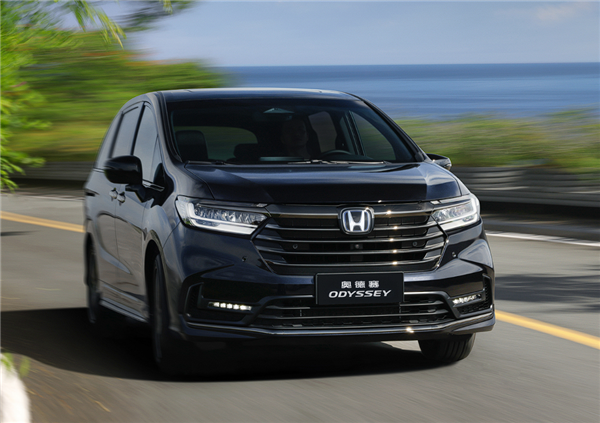
Core Viewpoint - The Honda Odyssey, a hybrid MPV, has been relaunched with six new models priced between 235,800 to 340,800 yuan, focusing on configuration upgrades amidst a surge in domestic new energy vehicles [1][3]. Group 1: Product Features - The design of the new Odyssey retains its current model's features, including a large grille and new LED headlights, while maintaining the standard MPV silhouette with dual sliding side doors [1][3]. - The vehicle dimensions are 4861mm in length, 1820mm in width, and 1712mm in height, with a wheelbase of 2900mm, making it smaller compared to many domestic new energy MPVs, which enhances its maneuverability [3]. Group 2: Model Variants and Upgrades - The entry-level model has received upgrades such as front and rear parking sensors, but retains manual sliding doors, a plastic steering wheel, fabric seats, and lacks a central control screen, featuring only two speakers [5]. - The next entry-level model includes a 10.1-inch central control screen, AI smart assistant, 50W wireless phone charging, two additional cameras, and six ultrasonic radars [9]. Group 3: Powertrain and Efficiency - The 2026 Honda Odyssey continues to utilize a 2.0L hybrid system with a total power output of 158 kW, paired with an E-CVT transmission, achieving a combined fuel consumption of 5.88 liters per 100 kilometers [9].
Here's Why You Should Retain Honda Stock in Your Portfolio Now
ZACKS· 2025-08-26 17:51
Core Insights - Honda Motor Co., Ltd. is positioned to benefit from increasing hybrid adoption and strategic partnerships, despite facing challenges from declining demand and high capital requirements [1] Group 1: Hybrid and EV Strategy - The surge in hybrid adoption is expected to boost Honda's sales, with projections of 21.3 million motorcycle sales in fiscal 2026, reflecting a year-over-year growth of 3.5% [2] - Honda aims for EVs and FCEVs to make up 100% of its global vehicle sales by 2040, with plans to reduce battery costs by over 20% in North America by 2030 and lower overall production costs by 35% [3] - The introduction of the new 0 Series EV lineup in January 2024 is pivotal for Honda's electrification efforts, with plans to launch seven models globally by 2030 [4] Group 2: Financial Performance and Shareholder Returns - Honda is committed to increasing shareholder returns through dividends and stock buybacks, with a planned repurchase of 1.1 trillion yen worth of shares and an expected annual dividend increase to 70 yen per share for fiscal 2026 [5][8] - The company's Power Products segment has faced declining revenues, with unit sales dropping 2.9% to 3,700,000 units in fiscal 2025, and further declines are anticipated [6] Group 3: Capital Expenditure and Investment - Capital expenditure for fiscal 2026 is projected to increase by 19% to 640 billion yen, with Honda investing $48 billion (7 trillion yen) through 2031 to support its electrification strategy [6]
GAC Honda Accord Sets New Guinness World Record for Most Moving Vehicles Weaved Through in 30 Seconds
Newsfile· 2025-08-26 07:54
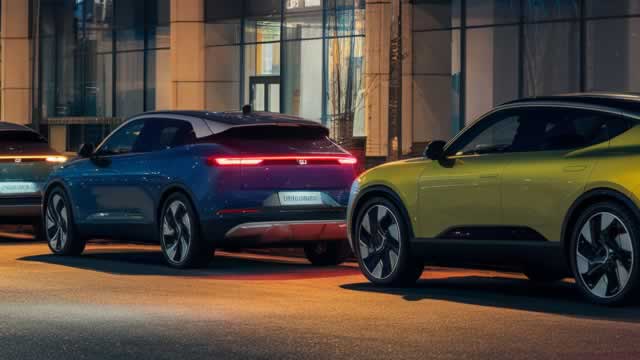
Core Points - GAC Honda Accord set a new Guinness World Record by weaving through 17 moving vehicles in 30 seconds, surpassing the previous record of 16 vehicles [1][3] - The record attempt involved 18 eleventh-generation Accord sedans, with one acting as a chasing vehicle and 17 as moving vehicle markers [3] - The event was conducted under strict supervision by Guinness officials to ensure compliance with the rules [3] Performance and Engineering - Weaving through moving vehicles is a rigorous test of a vehicle's dynamic capabilities, requiring precise steering, rapid acceleration, stable chassis control, and reliable braking [6] - GAC Honda attributes the Accord's success to its advanced engineering technologies [6] - The achievement highlights the importance of superior driving quality and dynamic performance as benchmarks of automotive excellence [8] Market Position - The GAC Honda Accord is recognized for its reliability and strong resale value, consistently leading its segment [10]

【财经分析】美关税政策拖累日本多行业
Xin Hua She· 2025-08-26 03:16
Group 1: Impact on Exports and Trade - Japan's exports to the U.S. have significantly declined, with July exports dropping 10.1% year-on-year to 1.73 trillion yen, marking four consecutive months of decline [1] - Exports of automobiles to the U.S. fell by 28.4% year-on-year in July, amounting to 422 billion yen, with export volume decreasing by 3.2% to 123,500 vehicles [1] - The high tariff of 27.5% on Japanese automobiles remains in effect, as the trade agreement to reduce it to 15% has not yet been implemented [1] Group 2: Financial Performance of Companies - The net profit of 1,069 companies listed on the Tokyo Stock Exchange declined by 12% year-on-year in Q2, totaling 12.3 trillion yen, marking the first drop in three years [2] - The automotive and parts sector was the hardest hit, with profits down approximately 980 billion yen, a decline of 45% [2] - Honda's net profit decreased by 50% due to increased tariff costs [2] Group 3: Sector-Specific Challenges - The steel industry reported losses in Q2, prompting Tokyo Steel to revise its earnings forecast for the fiscal year 2025 [2] - The chemical industry saw a profit decline of 25%, with Mitsubishi Chemical Group's performance notably affected [2] - Small and medium-sized enterprises (SMEs) are under greater pressure, with concerns about reduced orders and job cuts due to rising costs from tariffs [2][3] Group 4: SME Sentiment and Future Outlook - A survey indicated that 11% of SMEs have already felt the impact of U.S. tariffs, while 50% are worried about order reductions, an increase of 12 percentage points since April [3] - Analysts suggest that U.S. tariff policies are undermining the free trade system, urging Japanese SMEs to enhance risk management and strategic planning [3]