
Luckin Coffee(LKNCY)

Search documents
瑞幸咖啡美国首开两店
Xin Lang Ke Ji· 2025-07-02 02:49
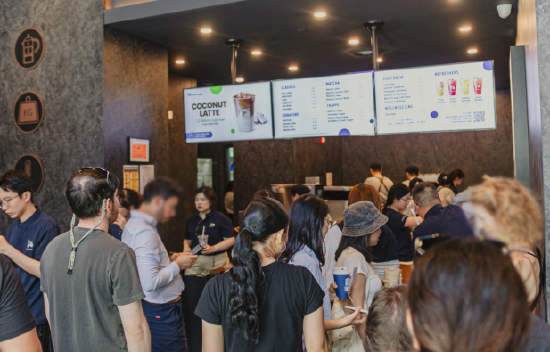
Core Insights - Luckin Coffee has initiated trial operations for two PICK UP stores in Manhattan, New York, strategically located in Midtown and near Washington Square Park, which are key areas in Manhattan [1] - The company views the U.S. as a significant strategic market for its global expansion, given its status as the largest coffee consumption market with a rich coffee culture [3] - As of the first quarter of 2025, Luckin Coffee's total global store count reached 24,097, with 1,757 new stores opened in the first quarter, and the gross merchandise volume (GMV) surpassed 10.4 billion RMB [4] Company Strategy - The CEO of Luckin Coffee emphasized the importance of product innovation, digital operations, and a quality global supply chain to provide diverse coffee options and fresh consumer experiences in the U.S. market [3] - The company has made localized adjustments and innovations for the U.S. market, including the introduction of smart equipment for quick drink customization and integration of local payment methods like Apple Pay and PayPal [3] Marketing and Product Offering - Luckin Coffee is offering various promotional activities, such as new user discounts and chances to win "free coffee for a year" through app downloads and social media engagement [3] - The menu in U.S. stores combines classic and innovative elements, featuring traditional American coffee options alongside popular drinks from China, such as the Velvet Latte and new flavor cold brews [3]

瑞幸两家门店在美国开业,生椰拿铁46元一杯
第一财经· 2025-07-02 02:26
2025.07. 02 本文字数:966,阅读时长大约1.5分钟 作者 | 第一财经 栾立 当市场还在关注星巴克中国业务前景时,瑞幸咖啡已悄然进入美国市场。 2023年3月,瑞幸将新加坡作为出海首站,但在两年多时间里,其在新加坡市场的拓展步伐较为谨 慎。2024年底以来,瑞幸咖啡出海进程有所提速,但试水意味依然明显。例如在马来西亚,瑞幸采 取了品牌授权方式,与当地上市公司Hextar Industries Berhad合作。 截至2025年第一季度,瑞幸全球门店总数达24097家,国际门店为65家,包括新加坡的57家自营门 店和马来西亚的8家加盟店。 业内认为,海外咖啡市场已相对成熟,且新加坡、美国等地的房租、人工等运营成本高于国内市场, 因此很难照搬国内依靠低价补贴抢占市场的策略。 在之前的业绩会上,瑞幸咖啡管理层多次强调,未来仍将以中国市场为主,认为中国咖啡消费潜力巨 大,仍有待挖掘。瑞幸咖啡联合创始人、首席执行官郭谨一也曾解释称,海外许多市场已是成熟消费 市场,若不能在成本控制、客户、产品、服务流程、品牌等体验上做得更优,出海将面临挑战。 在上海啡越投资管理有限公司董事长王振东看来,咖啡海外业务的成本结 ...
两家门店在美开业,瑞幸未打价格战,出海模式仍在探索
Di Yi Cai Jing· 2025-07-02 01:55
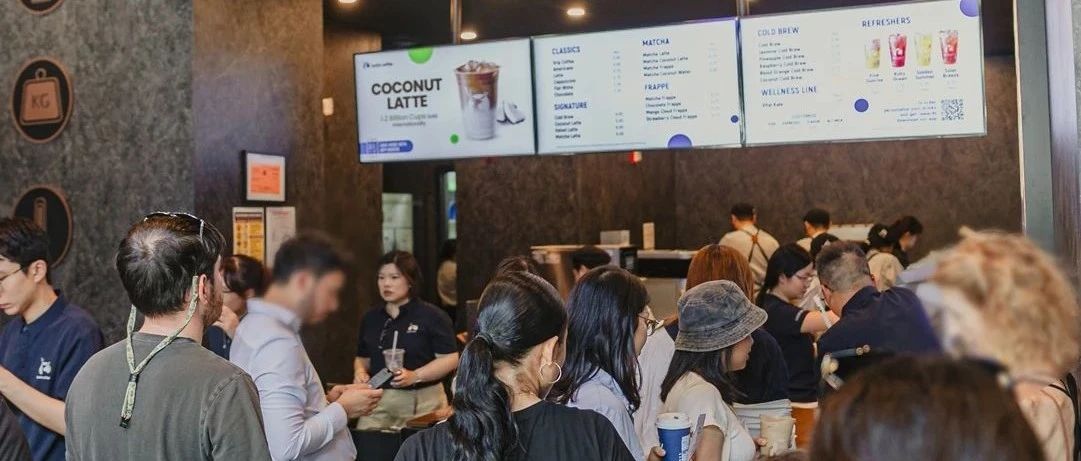
Core Viewpoint - Luckin Coffee has quietly entered the U.S. market while the industry focuses on Starbucks' prospects in China, adopting a cautious approach rather than aggressive pricing strategies [1][2]. Group 1: Market Entry Strategy - Luckin Coffee opened two stores in New York on June 30, maintaining a low profile compared to its domestic pricing strategies, with prices closely aligned to Starbucks [1][2]. - The company has not replicated its low-price strategy from China, instead offering a $1.99 coupon for new users after initial promotions of $0.99 per cup [2]. - The pricing for American-style coffee ranges from $3 to $5, with specialty drinks like the coconut latte priced around $6.5, similar to Starbucks' pricing [2]. Group 2: Localization and Future Plans - The two New York stores are categorized as "grab-and-go" locations, with local adaptations in equipment, taste, and payment methods [2]. - Luckin has not disclosed further details on future store openings or market strategies in the U.S., but views its U.S. trial as a significant milestone in its global strategy [2]. - The company aims to gather local operational experience in site selection, product offerings, and service to inform its global expansion [2]. Group 3: Global Expansion Context - Since entering Singapore in March 2023, Luckin's expansion has been cautious, with a recent acceleration in its overseas efforts, including a partnership in Malaysia [4]. - As of Q1 2025, Luckin Coffee operates a total of 24,097 stores globally, with 65 international locations, including 57 in Singapore and 8 in Malaysia [5]. - The overseas coffee market is considered mature, with higher operational costs in places like Singapore and the U.S., making it challenging to apply domestic low-price strategies [5].
世界请对我们文科生好一点
Hu Xiu· 2025-07-02 01:12
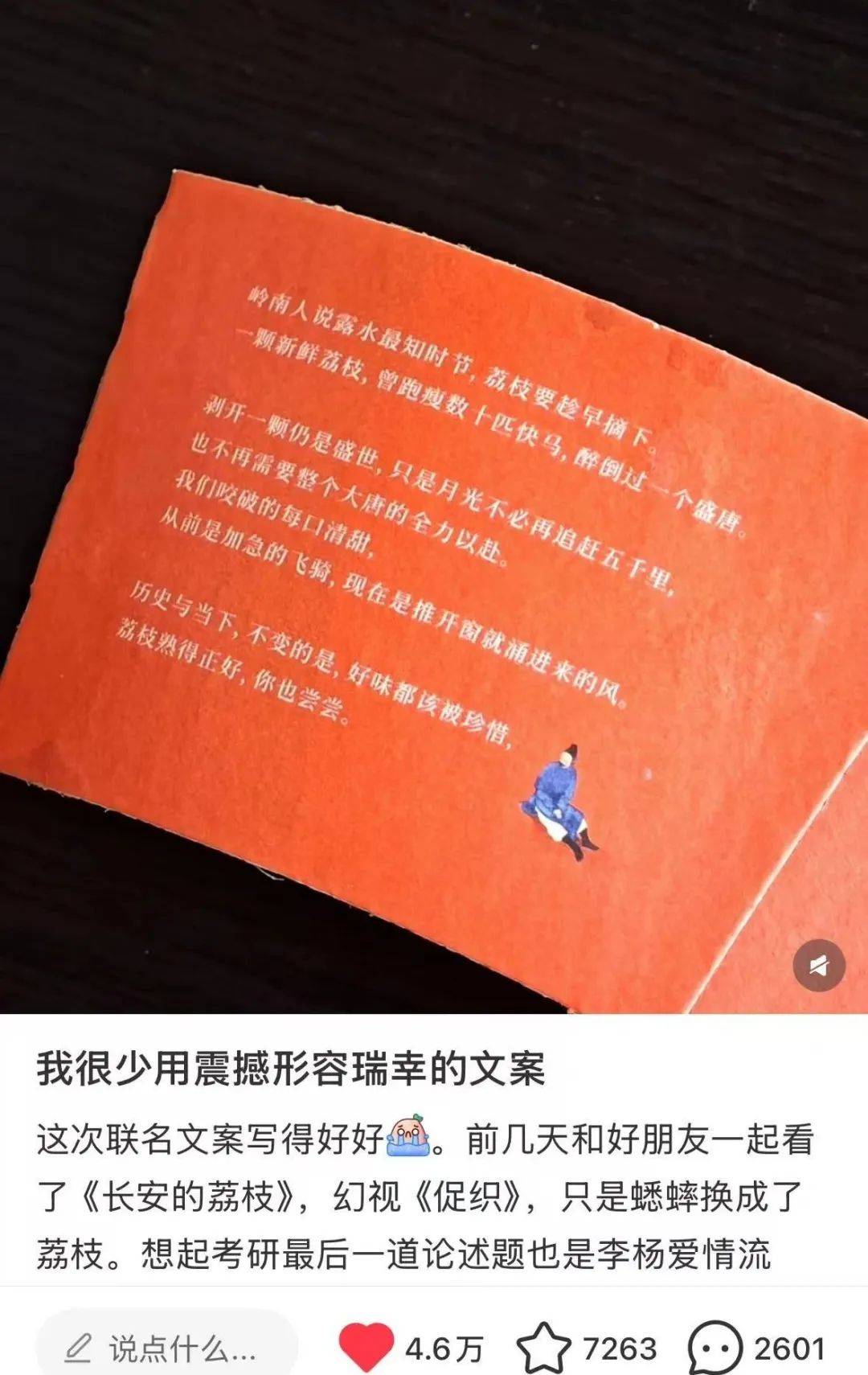
Core Viewpoint - The article discusses the evolving role of AI in creative writing, questioning whether writing remains a uniquely human ability as AI technology advances, particularly with models like GPT-4 capable of generating various forms of text [1][2][3]. Group 1: AI and Creative Writing - AI models have progressed to a point where they can generate poetry, scripts, and marketing copy, raising questions about the uniqueness of human writing [1][2]. - There is a growing concern among writers and marketers about the authenticity and emotional depth of AI-generated content compared to human-created works [20][32]. - The article highlights a specific case where a marketing campaign by Luckin Coffee, in collaboration with a literary work, sparked debate over whether the copy was AI-generated or written by a human [3][13]. Group 2: Human Touch in Writing - A prominent copywriter, He Fan, emphasizes the importance of human emotion and experience in writing, arguing that AI lacks the ability to convey genuine feelings [20][32]. - He Fan's approach to writing focuses on individual experiences and emotions, avoiding overly complex language and instead aiming for relatability [22][25]. - The article illustrates the difference between AI-generated text and human writing through examples, showing that AI often lacks the emotional resonance found in human-created content [42][44]. Group 3: Market Response and Impact - The marketing effectiveness of the human-written copy for Luckin Coffee was noted, with significant consumer engagement and sales attributed to its relatable and emotional appeal [53]. - The article mentions that even children can understand and connect with simple, heartfelt writing, indicating the power of genuine expression in marketing [50][53]. - The discussion reflects broader industry trends where emotional marketing and authentic storytelling are becoming increasingly valued over technical proficiency in writing [28][56].
李斌自曝:合作方「跑路」,蔚来芯片提前突围;再出奇招!多益网络悬赏十万元对付摆烂员工;哪吒汽车继续自救:招募投资人丨雷峰早报
雷峰网· 2025-07-02 00:29
Key Points - NIO's CEO Li Bin revealed that a key partner abruptly exited the Chinese market, which posed a significant challenge to NIO's chip development. However, the team managed to overcome this obstacle and accelerated the project timeline by at least four months, successfully launching their self-developed 5nm automotive-grade chip, the Godji NX9031 [4][5] - Perfect World has initiated a crackdown on corruption, with multiple employees from its "Zhuxian" project team being investigated for collusion with suppliers and embezzlement. This follows a previous anti-corruption announcement made 11 months ago [9][10] - Baidu has appointed He Haijian as the new CFO, marking a new round of organizational adjustments aimed at enhancing operational efficiency and talent development [11] - Neta Auto is actively seeking investors and is open to project acquisitions and restructuring plans to recover from production halts that began in November 2024. The company has sold over 460,000 vehicles and retains a core team of over 400 employees [12][13] - Evergrande Auto announced indefinite suspension of its stock due to ongoing liquidity issues, with the release date for its 2024 financial report still uncertain. The company has been attempting to secure investments and sell assets to alleviate financial strain [13][14] - Luckin Coffee has opened its first stores in New York, marking its entry into the U.S. market, and has surpassed Starbucks in total revenue in China for the first time [18][20] - Meituan plans to build 1,200 "Raccoon Canteens" over the next three years to enhance food safety in the delivery sector, following a successful pilot program [18][21] - Tesla has made significant personnel changes, with Zhu Xiaotong taking over global manufacturing operations, while the company continues to focus on localizing its strategies in China [26][27] - Apple is facing internal challenges in its AI division, with key personnel departures and a potential shift towards outsourcing AI capabilities to competitors like OpenAI and Anthropic [28][33] - Amazon has deployed one million robots globally and introduced a new AI model, DeepFleet, aimed at improving logistics efficiency by 10% [35][36]





丁刚:中国咖啡进美国,带的是什么味道?
Huan Qiu Wang· 2025-07-01 22:56
Core Viewpoint - Luckin Coffee's entry into the U.S. market represents a significant moment in the global coffee industry, showcasing the evolution of coffee culture and the rise of Chinese brands on the international stage [1][5]. Company Overview - Founded in 2017, Luckin Coffee has rapidly become China's fastest-growing coffee chain, boasting over 22,000 stores [1]. - The company leverages innovative product offerings, digital operations, and high cost-performance to cater to the diverse tastes of young Chinese consumers [1]. Market Context - China's coffee consumption is projected to exceed 300,000 tons by 2024, making it the fastest-growing and largest emerging coffee market globally [1]. - The U.S. coffee market is highly mature, with projected revenues of approximately $75 billion by 2025 and per capita consumption exceeding a thousand cups annually [5]. Strategic Innovations - Luckin Coffee has transformed traditional coffee retail by fully integrating internet and data technologies, creating a vast online sales platform that enhances customer experience [2]. - The company sources coffee beans primarily from Yunnan, China, where it has established a processing facility with a capacity of 5,000 tons, benefiting around 20,000 farmers [3]. Cultural Significance - The introduction of Yunnan coffee into the global market symbolizes a blend of geographical choice and the natural integration of China's development process [4]. - Luckin Coffee aims to introduce unique Chinese flavors to the U.S. market, contributing to a broader dialogue between different cultures through coffee [5][6].
瑞幸在纽约两店同开,但不打折比星巴克还贵?
36氪未来消费· 2025-07-01 13:05
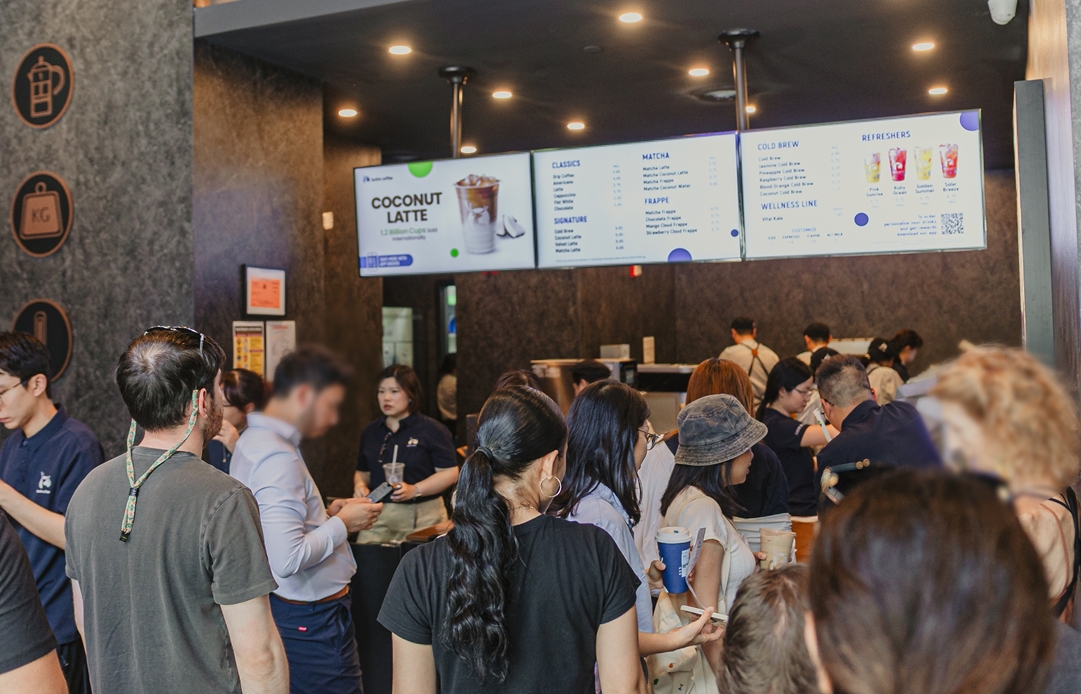
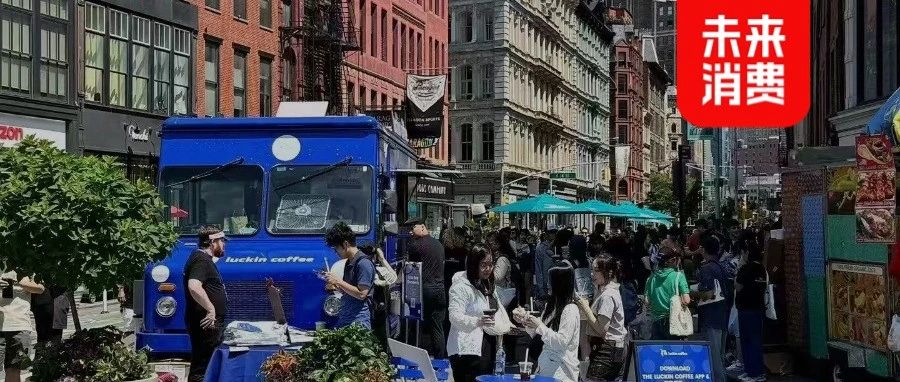
Core Viewpoint - Luckin Coffee has officially opened its first two stores in New York City, marking its entry into the U.S. market after five years of absence from Nasdaq. The company aims to attract a diverse customer base by strategically selecting locations in busy, multicultural areas rather than predominantly Chinese neighborhoods [2][5]. Group 1: Store Opening and Promotions - On June 30, 2025, Luckin Coffee opened its first two stores in New York, located at 755 Broadway and 800 Sixth Avenue, offering a promotional price of $1.99 for orders made through its official app [2]. - Prior to the official opening, Luckin conducted four pop-up events in high-traffic areas of New York City to promote its app and engage with potential customers [3]. Group 2: Marketing Strategy - The pop-up events were designed to encourage app downloads, with incentives such as free coffee and a chance to win a year of free coffee, successfully attracting a large crowd despite the heat [3]. - The company employed a diverse group of volunteers to help engage local consumers, with a significant portion of attendees being Chinese students and workers [4]. Group 3: Location Strategy - Luckin's choice of locations reflects its commitment to penetrating the U.S. market, focusing on areas with stable foot traffic rather than high-rent shopping centers [5][7]. - The two stores are situated in B+ grade locations, balancing cost and customer flow, indicating Luckin's confidence in its brand positioning and operational capabilities [7]. Group 4: Market Context - The U.S. coffee market is substantial, generating nearly $85 billion in revenue in 2023, with Americans consuming approximately 400 million cups of coffee daily [8]. - The competitive landscape in New York is intense, with numerous established coffee brands, including Starbucks, dominating the market [7][8]. Group 5: Challenges and Considerations - Luckin faces challenges in adapting its pricing strategy to the U.S. market, where its original pricing may not be competitive compared to local brands [9][10]. - The company must navigate local regulations, such as the prohibition of cashless businesses in New York, which could impact its app-based ordering model [14].
茶咖日报|挑战传统巨头,瑞幸咖啡纽约首店开业
Guan Cha Zhe Wang· 2025-07-01 10:58
Group 1: Luckin Coffee's Expansion - Luckin Coffee opened its first two stores in New York City, marking a significant step in its international strategy [1] - The stores are strategically located near New York University and the Empire State Building, targeting Chinese students, tourists, and white-collar workers [1] - The opening day featured a promotional price of $1.99 per cup, focusing on popular products like the coconut latte and utilizing a cashier-less self-service model to enhance the digital experience [1] Group 2: Starbucks' Store Renovation - Starbucks plans to renovate 1,000 stores in the U.S. next year, which represents 10% of its self-operated locations, to create a more comfortable environment for customers [2] - The renovations will include modern designs with comfortable seating, power outlets, and a focus on creating a "third space" that feels more like a hotel lobby than a fast-food restaurant [2] - The company has already started the renovation project in the Hamptons area, showcasing a modern aesthetic with natural elements and electronic menus [2] Group 3: JDE Peet's Innovation Factory - JDE Peet's has opened a global coffee research and innovation factory in Joure, Netherlands, with an investment of €5 million [3] - The factory aims to shorten product time-to-market and facilitate the rapid introduction of high-quality coffee products [3] - It serves as a center for prototype design, testing new technologies, and enhancing flavor, quality, and sustainability, while also being a collaborative learning space for global employees [3] Group 4: Agricultural Development in Tea Industry - The Ministry of Agriculture and Rural Affairs is responding to suggestions for promoting the healthy development of the new-style tea beverage industry and deepening the integration of the tea industry [3] - The ministry has established a comprehensive standard system covering the entire tea industry chain and is promoting upgrades towards standardization, intelligence, and branding through various initiatives [3] - Key areas of focus include improving industry standards, quality safety supervision, supply chain innovation, brand building, and rural revitalization [3]


社会服务新消费研究之茶饮行业研究框架
Changjiang Securities· 2025-07-01 01:16
Investment Rating - The report maintains a "Positive" investment rating for the tea beverage industry [6]. Core Insights - The tea beverage industry has evolved into a trillion-yuan new consumption sector, driven by product cycles and changing consumer demands [20][24]. - The industry is experiencing a shift from basic functional needs to more complex demands, including product, experience, social, and brand needs [24]. - There is significant growth potential in both domestic and international markets, particularly in lower-tier cities and Southeast Asia [31][45]. Summary by Sections 01 Consumption: A Product of Economic and Demographic Cycles - The report outlines the correlation between economic cycles and consumer spending, highlighting that per capita GDP growth has shifted from 14% during the reform era to 7% in the high-quality development era [13]. - It identifies key factors influencing consumption, including income expectations, demographic structure, and economic conditions [16]. 02 Tea Beverage Industry: Space, Structure, and Barriers - The current market for ready-to-drink tea has reached a scale of over 100 billion yuan, with a compound annual growth rate (CAGR) of 27% from 2015 to 2018 [21]. - The demand for tea beverages has evolved, with consumers now seeking products that fulfill multiple needs beyond basic functionality [24]. - The report predicts that by 2030, the number of tea beverage stores could reach between 42,800 to 94,400, depending on market conditions, with a five-year CAGR of 11% to 21% [37]. - The competitive landscape shows that lower-priced products are gaining market share, with the average price point for tea beverages narrowing [49]. 03 Investment Recommendations - The report suggests focusing on tea beverage companies that have growth potential, a favorable competitive landscape, and operational barriers, as the industry is expected to maintain a high level of consumer interest [62].
瑞幸咖啡进军美国市场,首批门店在纽约开业
news flash· 2025-06-30 22:54
Core Insights - Luckin Coffee has opened its first stores in the United States on June 30, further intensifying competition in the coffee market [1] - The new store located at 800 Sixth Avenue in New York attracted many customers, with many taking advantage of a promotional offer of $1.99 for drinks through the Luckin app [1] Company Summary - Luckin Coffee has surpassed Starbucks in its home market, indicating strong brand performance and market penetration [1] - The opening of stores in New York marks a significant step in Luckin's expansion strategy into the U.S. market [1] Industry Context - The entry of Luckin Coffee into the U.S. market represents a growing trend of international coffee brands competing in established markets [1] - The promotional pricing strategy employed by Luckin Coffee may disrupt traditional pricing models within the coffee industry in the U.S. [1]