
Toyota(TM)

Search documents
【快讯】每日快讯(2025年4月28日)
乘联分会· 2025-04-28 08:31
点 击 蓝 字 关 注 我 们 国内新闻 1.十部门:2035年纯电动汽车成为新销售车辆主流 国外新闻 商用车 本文全文共 4547 字,阅读全文约需 15 分钟 目录 1. 比亚迪获2025年一季度新能源客车出口销量冠军 2. 江淮新能源ES9登陆大湾区 3. 长征氢能重卡亮相GWM全球经销商大会 4. 远程新能源商用车与九识智能达成战略合作 十部门:2035年纯电动汽车成为新销售车辆主流 时间:2025.4.28 来源:财经网 作者: 贾子健 国内新闻 1 2.深圳以旧换新带动汽车销售金额97.7亿元 3.全面聚焦新能源四驱技术研发 未来哈弗新能源只做四驱 4.小鹏智能辅助驾驶安心服务正式上线 5.宝马中国宣布接入DeepSeek 6.奇瑞将在欧洲推出Lepas品牌 7.零跑将向一汽红旗提供电动车平台 8.华为联合11家车企发布智能辅助驾驶安全倡议 1.美国2月纯电动汽车注册量同比增14% 2.特斯拉6月在美国将推自动驾驶出租车 3.丰田3月全球销量同比增长11% 4.奥托立夫与电动方程式合作 提升汽车安全 近日,交通运输部等十部门发布关于推动交通运输与能源融合发展的指导意见。其中指出,到2035年, 推 ...





传统车企大觉醒,新势力们要注意了
3 6 Ke· 2025-04-28 08:14
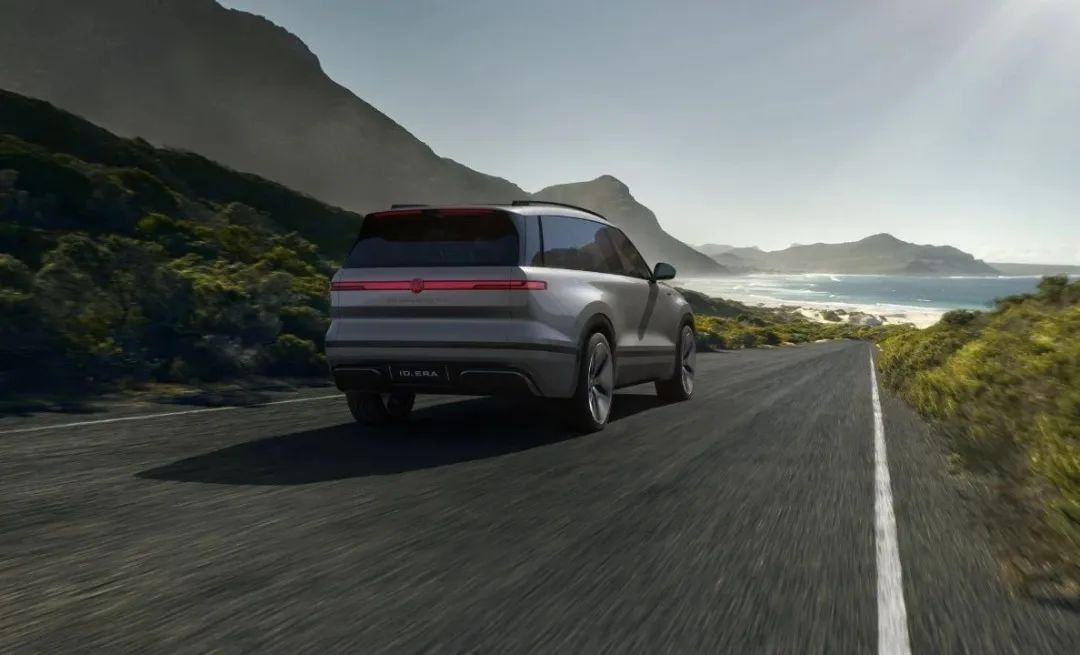
Group 1: Traditional Automakers' Awakening - Traditional automakers are showcasing a significant shift towards localization at the Shanghai Auto Show, with many releasing new energy vehicles (NEVs) and embracing local partnerships [2][6][11] - Major brands like Toyota and Volkswagen are launching new models specifically designed for the Chinese market, indicating a strategic pivot towards local consumer preferences [4][6][11] - The introduction of new models, such as the Lexus ES and Volkswagen's ID.ERA, highlights the competitive pressure traditional automakers face from local new energy vehicle manufacturers [4][2] Group 2: Market Dynamics and Competition - The competition in the Chinese automotive market is intensifying, particularly in the NEV sector, with local brands gaining market share and traditional automakers responding by enhancing their offerings [7][16] - Recent data shows a fluctuation in NEV penetration rates, with a notable rebound in fuel vehicle sales, suggesting that traditional vehicles still hold market appeal [16] - The landscape is shifting as traditional automakers adopt aggressive marketing strategies and localize their products to attract younger consumers, leveraging platforms like Douyin and Xiaohongshu [11][12] Group 3: Future Outlook - The automotive market in 2025 is expected to see heightened competition, with both traditional and new energy vehicle manufacturers vying for dominance [13][16] - The ongoing transformation of traditional automakers may pose significant challenges for new entrants, as established brands ramp up their efforts in the NEV space [16][12] - The industry is witnessing a consolidation phase, with weaker players facing increased pressure as the market evolves [14][16]

丰田的本地化新元年:更中国,更丰田,更未来
Jing Ji Guan Cha Bao· 2025-04-28 08:09
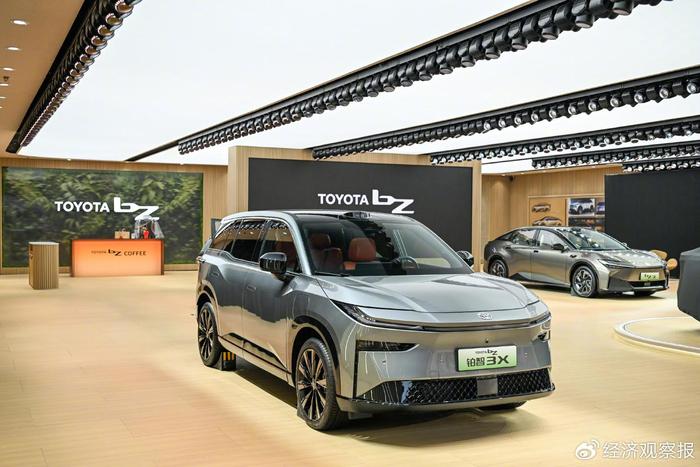
Core Viewpoint - Toyota's localization strategy in China is evolving from superficial tactics to a comprehensive strategic overhaul, aiming to enhance its competitiveness and better serve local consumers [1][2][20]. Localization Strategy - Toyota's new localization strategy, termed "Global First, More China," emphasizes a full-spectrum transformation across management, R&D, production, sales, and service [1][2]. - The company aims to integrate local talent and suppliers into its development processes, ensuring that products are tailored to the unique needs of Chinese consumers [2][4]. R&D and Engineering - The introduction of the "Chief Engineer in China" (RCE) system allows local engineers to lead product development, ensuring that the most knowledgeable individuals about the Chinese market are in charge [4][6]. - Toyota has consolidated its R&D efforts in China, creating an independent research and development system that enhances collaboration with local partners [8][12]. Product Development - The recently launched models, including the Platinum 3X and bZ5, are developed under the RCE system, showcasing a shift in decision-making power to local engineers [6][8]. - Toyota's product lineup in China now includes a diverse range of electric vehicles, reflecting the company's commitment to meeting local market demands [8][10]. Market Position and Consumer Engagement - The localization efforts have resulted in strong market performance, with the Platinum 3X achieving over 15,000 pre-orders shortly after its launch [15]. - Toyota is also focusing on providing a variety of powertrain options to cater to the preferences of Chinese consumers, including plans for range-extended electric vehicles [10][16]. Strategic Partnerships - Toyota has initiated a strategic partnership with Tencent to leverage AI and cloud computing capabilities, enhancing the digital experience for its customers [16]. - The collaboration aims to provide personalized and diverse mobility solutions, aligning with the growing demand for intelligent services in the automotive sector [16]. Industry Impact - Toyota's localization transformation is seen as a response to the competitive pressures from domestic brands and new entrants in the Chinese market [20]. - The company's approach combines global resources with local insights, positioning it to navigate the challenges of electrification and digitalization in the automotive industry [20].
中国汽车市场一周行业信息快报——2025年4月第4期
Zhong Guo Zhi Liang Xin Wen Wang· 2025-04-28 07:50
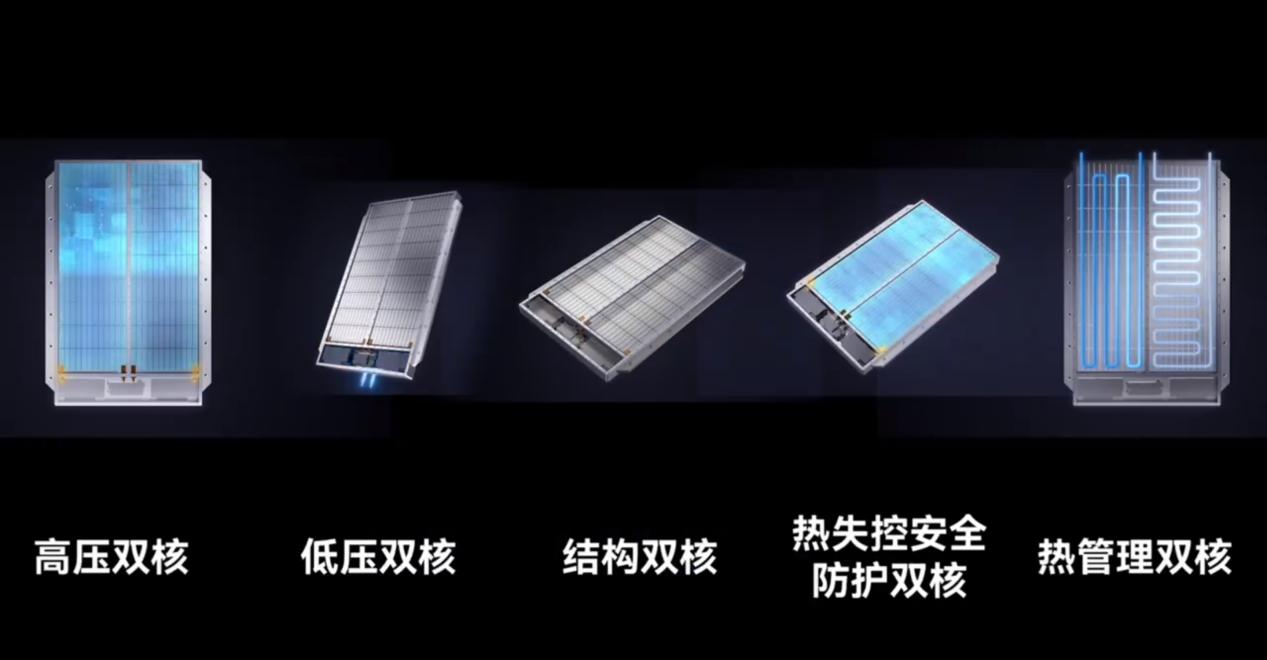
Group 1: CATL's New Battery Products - CATL launched three new battery products: sodium-ion passenger vehicle battery, Xiaoyao dual-core battery, and second-generation Shenxing ultra-fast charging battery, along with a sodium-ion 24V heavy-duty truck battery [1][3] - The sodium-ion passenger vehicle battery operates in extreme temperatures from -40°C to 70°C, maintaining 90% usable capacity at -40°C and achieving an energy density of 175Wh/kg with over 10,000 cycles [3] - The Xiaoyao dual-core battery features a self-generating negative electrode technology that increases volume energy density by 60% and weight energy density by 50%, with a maximum energy density of over 1000Wh/L when paired with a ternary system [3] Group 2: Second-Generation Shenxing Ultra-Fast Charging Battery - The second-generation Shenxing ultra-fast charging battery offers 800 km range and peak charging speed of 12C, with a peak charging power of 1.3 MW, allowing for rapid energy replenishment [4] Group 3: Huawei's Liquid-Cooled Mega Charging Solution - Huawei introduced a liquid-cooled mega charging solution with a peak power of 1.5 MW, capable of charging 20 kWh per minute, significantly improving charging efficiency [5][7] - The system operates in extreme temperatures from -30°C to 60°C and features a lifespan of 10 years, addressing thermal runaway issues during high-power charging [7] Group 4: Toyota's Lexus Electric Vehicle Project in Shanghai - Toyota signed strategic cooperation agreements to establish a Lexus electric vehicle and battery R&D and manufacturing company in Shanghai, marking the end of over 20 years of pure import sales [8][10] - The project aims to accelerate Toyota's electrification and intelligent transformation strategy, enhancing its electric vehicle offerings for both domestic and international markets [10] Group 5: Jiangqi Group and Huawei's Strategic Cooperation - Jiangqi Group and Huawei signed a comprehensive strategic cooperation agreement focusing on electric vehicle technology development, charging network construction, and internationalization of electric vehicles [11][13] - The collaboration aims to create high-quality products and services in the global electric vehicle market through joint innovation and development [13] Group 6: Star Charge and Great Wall Motor Cooperation - Star Charge and Great Wall Motor signed a strategic cooperation agreement to focus on ultra-fast charging technology development and building a nationwide intelligent charging service network [14][16] - The partnership includes the joint development of a 720kW/900A liquid-cooled ultra-fast charging pile to meet future ultra-fast vehicle demands [16] Group 7: Li Auto's L6 Delivery Milestone - Li Auto announced that its L6 model has surpassed cumulative deliveries of 250,000 units since its launch [17][19] - The updated L6 model features significant upgrades in intelligent driving capabilities and is equipped with a hybrid power system, offering a range of 1,390 km under comprehensive conditions [19]




日本车企要借助当地技术在中国挽回劣势
日经中文网· 2025-04-28 07:39
虽然没有公开具体功能,但在已安装该系统的中国车上,开关车窗、调节车内温度和座椅位置均 可通过车内显示屏,如同智能手机一样进行操作。如果实现车辆的智能手机化,车内的舒适度将 大幅提高。 丰田在其投放的中国专用EV上首次搭载了华为的鸿蒙系统,本田也将在中国专用EV系列上搭载 DeepSeek的服务。日本车企认为仅凭一己之力难以在智能化竞争激烈中国市场取胜,因此将吸 收中国的最尖端技术…… 丰田等日本汽车厂商将与中国的IT企业合作,投放中国市场专用的纯电动汽车(EV)。丰田在其操 作系统(OS)上采用了华为的系统。在中国,汽车智能化竞争激烈,仅凭一己之力难以取胜。日本 企业将吸收中国的最尖端技术,谋求生存。 "为了在中国提供存在需求的汽车,借助中国人的大脑和技术推进汽车开发不可或缺",在上海市 举行的上海国际车展上,丰田的当地法人总经理李晖这样强调。 丰田在全球首次披露的纯电动轿车"bZ7"正是中国专用车。为了实现在驾驶席等处显示各种信息 的"智能座舱",首次搭载了华为的鸿蒙"HarmonyOS"。 丰田在驾驶辅助方面也在与中国企业合作。将采用与自动驾驶新兴企业北京初速度科技 (Momenta)联合开发的先进驾驶辅 ...


李晖揭秘中国首席工程师主导力,丰田在华事业全维度进化
Zhong Guo Jing Ji Wang· 2025-04-28 06:54
Core Insights - Toyota showcased its commitment to electrification and intelligence at the 2025 Shanghai Auto Show, emphasizing a strategy of "Global Leadership, Greater China" [1] - The company aims to deepen its integration into the Chinese market through localized research and development, product offerings, and a long-term commitment to the region [3][4] Group 1: Localization Strategy - Toyota's mission remains to "make better cars," focusing on understanding and meeting the needs of Chinese consumers through localized products and services [3] - The introduction of the "Chief Engineer in China" (RCE) system is a significant step in localizing product development, allowing for quicker decision-making and resource allocation [4] - The RCE system enables local engineers to lead vehicle development without needing to consult Japan, thus shortening the development cycle for new models [4] Group 2: Electrification Progress - Toyota's electrification journey is divided into three phases, with the current focus on the 2.0 era, marked by the introduction of new BEV models like the bZ4X and bZ5 [5] - The company aims to leverage local R&D to enhance its electric vehicle technology, which will subsequently benefit global operations [5] - The vision for the 3.0 era emphasizes the need to establish a strong foundation in the advanced Chinese market to address diverse customer needs and technological advancements [5] Group 3: Product Development and Innovation - The Shanghai Auto Show featured several BEV models developed by Chinese engineers, highlighting the innovative outcomes of the ONE R&D and RCE systems [5] - The flagship BEV model, the bZ7, was globally launched in collaboration with GAC Group and GAC Toyota, showcasing the commitment to local partnerships [5] - Toyota's approach is to learn from the market and adapt its offerings to provide vehicles that resonate with Chinese consumers [6]

日媒:日本车企已难独立在华竞争,找中国公司帮忙为时已晚
Feng Huang Wang· 2025-04-28 03:17
Group 1 - Japanese automakers Toyota, Honda, and Nissan are collaborating with Chinese companies to develop smarter electric vehicles due to the rapid evolution of technology standards in China's electric vehicle market [1][2] - Toyota has designed its first electric sedan, the Platinum 7, specifically for the Chinese market, which features Huawei's HarmonyOS for its smart cockpit system [1] - Nissan and Honda are partnering with Chinese smart driving company Momenta to equip their new electric models, N7 and Ye, with advanced driver assistance systems tailored for the Chinese market [1] Group 2 - The three Japanese automakers began collaborating with Chinese companies in the 2000s, achieving record sales of 4.88 million units in China by 2020, but they are now lagging in the electric vehicle sector [2] - The total sales of these Japanese automakers in China have declined by approximately 30% from their peak as the demand for new energy vehicles grows [2] - The expertise gained in China is expected to help Japanese automakers compete better in other markets, as stated by Toyota's China General Manager [2]
透过2025上海车展,看外资汽车企业的反击
Zhong Guo Qi Che Bao Wang· 2025-04-28 01:10
Core Insights - The market share of Chinese brand passenger cars has increased from 38.4% in 2020 to 65.2% in 2024, while foreign brands' share has decreased from approximately 64% to between 37% and 39.5% [1] - China is the largest automotive consumption market globally, with annual sales exceeding 30 million vehicles, making it critical for foreign automotive companies [1] - Foreign automotive brands are facing significant challenges and are adjusting their strategies in response to the rise of Chinese brands [2] Foreign Automotive Brands' Decline - Foreign automotive brands, once popular, are now struggling to maintain their market presence, with some exiting the Chinese market entirely [2] - Volkswagen is the largest foreign automotive company in China, with 2024 global sales of 9.0274 million vehicles, of which 2.928 million were sold in China, contributing 1.7 billion euros to its investment income from joint ventures in China [2] - Volkswagen's global operating profit decreased by 33.5% from 2023, highlighting the impact of the changing market dynamics [2] Strategic Responses from Foreign Brands - Foreign automotive companies are learning from Chinese brands and applying advanced experiences to both Chinese and global markets [5] - Volkswagen plans to invest 2.5 billion euros to establish a smart connected vehicle R&D center in China, focusing on next-generation vehicle development [6] - Mercedes-Benz is leveraging its Beijing R&D center to develop technologies based on Chinese user preferences, which are expected to be applied globally [8] Innovations and Collaborations - Toyota is adopting a strategy of "technology reserve + localized production," establishing a hydrogen energy R&D center in Jiangsu and integrating its R&D capabilities in China [8] - Nissan is collaborating with Huawei to develop smart cockpit systems based on the HarmonyOS, aiming to enhance its market position in China [9] - At the 2025 Shanghai Auto Show, Honda announced partnerships with three Chinese tech companies to advance in the fields of intelligence and electrification [11] Localized Development Initiatives - Toyota's new R&D structure allows Chinese teams to lead the development of core models, shifting from a traditional model of "foreign design, local production" to one where "Chinese demand defines technology routes" [10] - Mercedes-Benz's new models are being developed by Chinese teams, marking a significant shift in how global automakers approach the Chinese market [10] - Volkswagen's strategy includes localizing software development to address unique Chinese driving conditions, enhancing its competitive edge [11]

【快讯】每日快讯(2025年4月27日)
乘联分会· 2025-04-27 09:05
点 击 蓝 字 关 注 我 们 本文全文共 4017 字,阅读全文约需 13 分钟 目录 国内新闻 1.十部门:打造交通运输领域虚拟电厂 2.商务部:汽车流通消费改革试点正在加快推进 3.上海经信委:将推动整车企业转型 4.保时捷中国研发中心落户上海虹桥国际中央商务区 5.广汽集团与广州工控集团深化战略合作 3.印度2025财年汽车销量增长2%至430万辆 4.Lucid将于明年进军中型电动SUV市场 商用车 1. 奇瑞商用车零米轻卡百万公里定制版正式上市 2. 营运货车安全技术标准升级 自动紧急制动系统成标配 6.奇瑞在欧洲市场推出Exlantix品牌 7.智己汽车与Momenta宣布IM AD智能辅助驾驶正式出海 8.长城汽车与光庭信息签署战略合作协议 国外新闻 1.全球电动汽车一季度销量突破410万辆 2.降低事故报告标准 美国放宽自动驾驶汽车安全要求 3. 中国重汽与丰田汽车签署战略合作协议 4. 远程与博世签署战略合作协议 国内新闻 1 十部门:打造交通运输领域虚拟电厂 时间:2025.4.26 来源:财联社汽车早报 4月25日,交通运输部等十部门发布关于推动交通运输与能源融合发展的指导意见。意见指 ...



日股“大底”已现?
日经中文网· 2025-04-27 07:16
截至4月25日,日经平均指数几乎收复了特朗普4月2日宣布对等关税后的跌幅。虽然无法完全消 除"二次探底"的隐忧,但认为3.1万点左右是最低点的观点越来越强。背后原因是美国政府态度持 续软化。日股能否回归持续性走高? 4月25日,日经平均指数连续上涨,最终以3.5705万点收盘,几乎收复了美国总统特朗普4月2日 宣布对等关税后的跌幅。在市场相关人士之间,认为4月上旬暴跌过程中出现的低点是"大底"的解 释已开始增加。日本股市能否摆脱对美国股市的依赖,回归持续性走高?一部分投资者已经展开 行动。 "我不认为中美之间会对高关税置之不理。与(宣布对等关税的)2日相比,环境不会变得更加严 峻",三菱UFJ资产管理公司的执行基金经理石金淳管理着投资日本国内外股票和债券的基金,一 直在日本股市下跌的局面下实施买进。据称,他认为日本股市已经见底。 从卖空情况中也可以窥见触底的迹象。美国标普全球(S&P Global)的数据显示,从丰田的股票来 看,借出股票(卖空)余额占已发行股票的比例从4月初的2.3%下降到23日的0.9%。认为旨在避 免下跌局面下的损失而进行卖空的趋势不会进一步下跌,因此暂时开始回购。 日经平均指数已从创年 ...
