小米

Search documents
罗福莉C位亮相小米,离职DeepSeek后首次官宣
猿大侠· 2025-11-14 04:11
Core Viewpoint - Luo Fuli has officially joined Xiaomi as the head of the MiMo team, focusing on advancing multi-modal spatial intelligence, which is a crucial step towards achieving true Artificial General Intelligence (AGI) [4][24]. Timeline of Events - Rumors about Luo Fuli joining Xiaomi surfaced at the end of last year, with reports indicating that Lei Jun offered her a salary in the millions to lead Xiaomi's AI efforts [5][10]. - Significant milestones include the launch of DeepSeek-V3 on December 25, followed by media reports of Xiaomi assembling a GPU cluster the next day [6][7]. - On December 31, 2024, Lei Jun publicly shared Xiaomi's ambitions in AI during a New Year's live stream [8]. Background of Luo Fuli - Luo Fuli holds a Bachelor's degree in Computer Science from Beijing Normal University and a Master's degree in Computational Linguistics from Peking University, where she has published papers in top NLP conferences [15]. - She has worked at Alibaba's DAMO Academy and later at DeepSeek, contributing to the development of various deep learning models [17]. - Her academic work has garnered over 11,000 citations, with approximately 8,000 citations added in the past year alone [18]. Xiaomi's AI Strategy - The MiMo initiative is central to Xiaomi's efforts in developing large models, with a focus on "spatial intelligence," which aims to bridge the gap between information AI and physical AI [24][26]. - Luo Fuli's role is seen as pivotal in connecting Xiaomi's AI research with academic institutions, particularly with her former mentor from Peking University [22]. Concept of Spatial Intelligence - Spatial intelligence is described as the ultimate goal of integrating information AI with physical AI, facilitating a seamless connection between the digital and physical worlds [26]. - This concept aligns with Xiaomi's broader ecosystem strategy, which encompasses people, vehicles, and home integration [26].


港股速报|港股全线低开 恒生科技指数跌超2%
Mei Ri Jing Ji Xin Wen· 2025-11-14 04:10
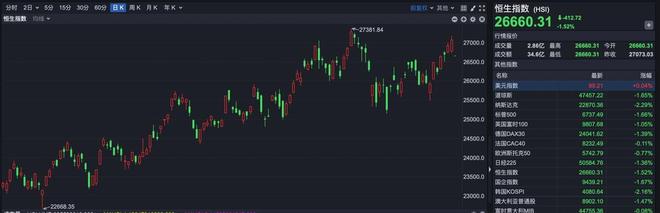
Market Overview - The Hong Kong stock market opened lower today, with the Hang Seng Index at 26,660.31 points, down 412.72 points, a decline of 1.52% [1] - The Hang Seng Technology Index reported 5,848.48 points, down 132.82 points, a decrease of 2.22% [2] Company Performance - Tencent Holdings (00700.HK) reported strong Q3 results, with revenue of 192.87 billion yuan, a year-on-year increase of 15% and a quarter-on-quarter increase of 5%. Net profit reached 63.13 billion yuan, up 19% year-on-year and 13% quarter-on-quarter. For the first nine months, total revenue was 557.40 billion yuan, a 14% increase year-on-year [4] - JD.com (09618.HK) experienced a decline in net profit, opening down 2.97%. Q3 total revenue was 299.06 billion yuan, a year-on-year increase of 14.85%, while net profit fell by 55.03% to 5.28 billion yuan [5] - SMIC (00981.HK) opened down over 1%. The company reported Q3 sales revenue of 2.38 billion USD, a year-on-year increase of 9.7% and a quarter-on-quarter increase of 7.8%. Gross margin was 22.0%, up 1.6 percentage points quarter-on-quarter, with capacity utilization rising to 95.8%, an increase of 3.3 percentage points [6] - Bilibili (09626.HK) turned a profit, opening down 3% before rebounding. Q3 net revenue was 7.69 billion yuan, a year-on-year increase of 5%, with net profit of 469 million yuan, marking a return to profitability. Daily active users reached 117 million, a 9% increase year-on-year [6] Market Trends - Recent market activity shows a clear rotation among sectors, with strong performance in biopharmaceuticals, lithium batteries, and paper industries, while energy sectors like oil and coal are under pressure due to falling international oil prices. This rotation indicates market vitality and suggests investors should pay attention to different sector drivers [7] - Despite noticeable market fluctuations, the foundation of the Hong Kong bull market remains intact, with expectations for a "volatile upward" trend driven by liquidity easing, policy support, and industrial upgrades [7]

三大消费“财富密码”浮现,借道港股消费ETF(513230)一键配置AI玩具、黄金与运动服饰
Mei Ri Jing Ji Xin Wen· 2025-11-14 03:17
Core Viewpoint - The Hong Kong consumer sector is experiencing volatility, with the Hong Kong Consumer ETF (513230) declining over 1% amid mixed performances from various holdings. The introduction of AI strategies in the sports goods industry and new tax policies on gold are expected to influence market dynamics positively in the long term [1]. Group 1: Market Performance - The Hong Kong Consumer ETF (513230) is tracking the CSI Hong Kong Stock Connect Consumer Theme Index, which includes leading companies in both internet e-commerce and new consumption sectors [2]. - Notable declines were observed in stocks such as XPeng Motors-W, MGM China, Alibaba-W, Kuaishou-W, and Samsonite, while stocks like Bosideng, Guming, Wanzhou International, and Yum China showed gains [1]. Group 2: Strategic Developments - Anta Group has launched the "AI365 strategy" and introduced the first AI design model in the sports goods industry, establishing AI as a key direction for innovation and development [1]. - The Ministry of Finance and the State Taxation Administration announced new tax policies regarding gold, effective from November 1, 2025, to December 31, 2027, which may impact investment strategies in the gold sector [1]. Group 3: Industry Outlook - Shanghai Securities anticipates rapid growth in AI toys due to supportive policies and economic recovery, while the long-term investment appeal of gold is expected to strengthen amid ongoing Federal Reserve rate cuts and trade tensions [1]. - The demand for gold jewelry is projected to continue rising, with traditional gold and IP gold accessories leading new trends [1]. - The government is promoting reforms and innovations to enhance the quality of development in the sports sector, with sustained consumer activity in sports apparel expected [1].
阿里已秘密启动“千问”项目;两家国产GPU公司IPO迎新动向
2 1 Shi Ji Jing Ji Bao Dao· 2025-11-14 02:54
Group 1 - Tencent responded to rumors about a 15% fee agreement with Apple for mini-games, stating that their relationship is strong and progress is optimistic [2] - Alibaba has secretly launched the "Qianwen" project to develop a personal AI assistant app, aiming to compete with ChatGPT and leveraging its Qwen model [3] - Baidu's founder, Li Yanhong, highlighted the transition of AI technology from "intelligent emergence" to "effect emergence," emphasizing the practical applications and value creation in the AI industry [4] Group 2 - Didi announced a strategic partnership with the Abu Dhabi Investment Office to expand its autonomous driving operations in the Middle East [5] - Xiaomi and Tencent have partnered to enable developers to distribute AI agents through Xiaomi's app store, enhancing accessibility for users [6] - Apple clarified its recent restrictions on authorized dealers in China, aimed at preventing unauthorized sales across regions [7] Group 3 - Yuzhu Technology launched a comprehensive training solution for humanoid robots, featuring a high-performance robot and data collection tools [8] - Alibaba Cloud's Baolian announced a price reduction for its Tongyi Qianwen 3-Max model, effective November 13, 2025 [9] - China has completed the first phase of 6G technology trials, establishing over 300 key technology reserves [10] Group 4 - Qualcomm introduced its first industrial-grade PC processor, the Longwing IQ-X series, designed for smart manufacturing applications [12] - Moer Thread plans to go public on the STAR Market, with an initial public offering of 70 million shares [13][14] - Muxi Integrated Circuit's IPO registration has been approved, focusing on high-performance GPU chips and AI applications [15] Group 5 - Haige Communication's subsidiary plans to raise up to 800 million yuan by introducing strategic investors to support its business development [17] - Daming City announced plans to acquire a 19.43% stake in Baicai Bang for 694 million yuan, focusing on 4G/5G/6G communication solutions [18] - Tencent reported a 15% year-on-year revenue increase to 192.87 billion yuan in Q3 2025, with net profit rising 18% to 70.55 billion yuan [19] Group 6 - SMIC reported a 9.9% year-on-year revenue increase to 17.162 billion yuan in Q3 2025, with a net profit growth of 43.1% [20] - JD Group's Q3 revenue reached 299.1 billion yuan, a 14.9% increase, with new business revenue growing 214% year-on-year [22] - Baidu launched its upgraded multi-modal AI assistant, Super Baidu, enhancing its capabilities in visual understanding and reasoning [23] Group 7 - DJI released the Osmo Action 6, its first action camera with a variable aperture, designed for improved performance in various lighting conditions [24]


为何要求百公里加速不小于5秒,影响哪些车?五问机动车新国标
Xin Jing Bao· 2025-11-14 01:06
Core Viewpoint - The new national standard for automotive safety, particularly for electric and hybrid vehicles, aims to address acceleration control issues by mandating a default acceleration time of no less than 5 seconds for passenger cars, thereby enhancing safety and reducing the risk of loss of control during operation [1][2][8]. Group 1: New Regulations - The draft standard proposes that passenger vehicles should have a default state where the acceleration time to 100 km/h is no less than 5 seconds after each ignition [1][2]. - Electric and plug-in hybrid vehicles must include a pedal misapplication suppression feature to detect and limit power output during stationary or crawling conditions [1][2]. - The design of car door handles is also addressed, requiring mechanical release functionality to ensure doors can be opened without tools in emergencies [1]. Group 2: Rationale Behind the Regulations - The requirement for a minimum acceleration time of 5 seconds is based on the observation that many drivers, especially inexperienced ones, may struggle with high acceleration modes, leading to accidents [2][8]. - The standard aims to ensure that vehicles start with a lower acceleration performance, making it easier for new drivers to adapt and reducing the likelihood of accidents due to misoperation [8]. Group 3: Current Market Situation - In the current market, most fuel vehicles in the 100,000 to 200,000 yuan price range have acceleration times between 7 to 10 seconds, while high-performance models can achieve significantly lower times [3][4]. - Many electric vehicles, such as the Tesla Model S and others, boast acceleration times under 4 seconds, indicating a shift in performance expectations [4][5]. Group 4: Impact on Manufacturers - The new regulations primarily affect high-performance four-wheel drive vehicles, while most two-wheel drive models are unlikely to require significant adjustments [9][10]. - Manufacturers can meet the new standards through software adjustments, such as modifying default power output and pedal response logic, rather than extensive hardware changes [9][10]. Group 5: Regulatory Context - The recent regulatory measures reflect a broader trend of increasing oversight in the electric vehicle market, aiming to ensure safety and quality as technology evolves [11][12]. - The new regulations are seen as a necessary step towards high-quality development in the automotive industry, promoting safety and user experience while addressing the rapid technological advancements in electric vehicles [12].
五问机动车新国标:为何要求百公里加速不小于5秒,影响哪些车?
Bei Ke Cai Jing· 2025-11-14 00:33
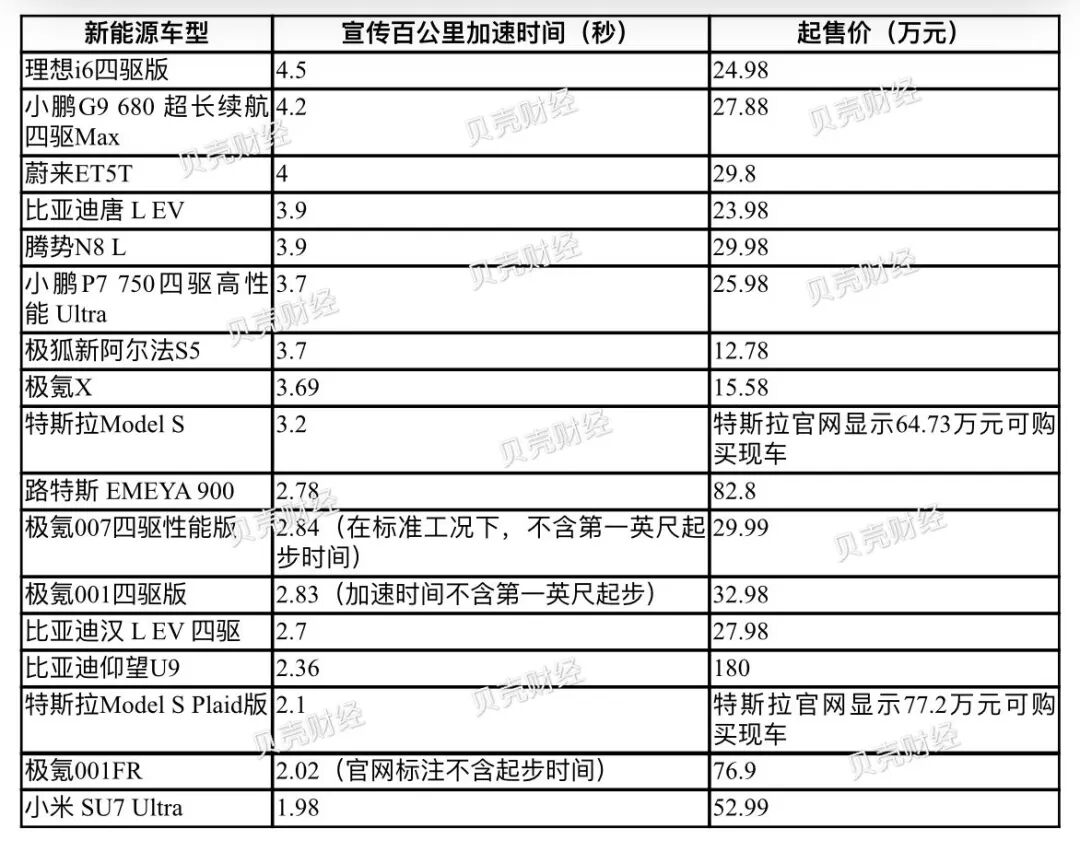
Core Viewpoint - The new national standard for automotive safety, particularly for electric and hybrid vehicles, aims to address issues related to rapid acceleration and loss of control by implementing stricter technical requirements for manufacturers [4][7][21]. Group 1: New Technical Requirements - The draft standard proposes that passenger vehicles must default to a mode where the time to accelerate from 0 to 100 km/h is no less than 5 seconds after each ignition [4][8]. - Electric and plug-in hybrid vehicles are required to have a pedal misapplication suppression feature that detects and limits power output during stationary or low-speed conditions, providing clear signals to the driver [4][5]. Group 2: Rationale Behind the 5-Second Requirement - The requirement for a minimum 5-second acceleration time is based on the observation that many drivers, especially inexperienced ones, struggle with high acceleration modes, leading to accidents [7][16]. - This standard is designed to ensure that vehicles start with lower acceleration performance, allowing drivers to adapt better and reduce the risk of loss of control due to sudden power output [16][21]. Group 3: Impact on Current Vehicles - Most current two-wheel drive electric vehicles typically have acceleration times exceeding 5 seconds, meaning the new standard will not significantly impact them [17]. - The primary effect will be on high-performance four-wheel drive vehicles, which may need software adjustments to comply with the new acceleration requirements [18]. Group 4: Regulatory Context - The new regulations are part of a broader effort to enhance safety standards in the rapidly evolving electric vehicle market, addressing gaps in existing regulations [19][20]. - The regulations aim to balance technological advancements with safety, ensuring that manufacturers prioritize user experience and safety alongside performance [21].

苏州高新区冲刺“金秋经贸招商季”
Xin Hua Ri Bao· 2025-11-13 20:49
Group 1 - Suzhou High-tech Zone is launching an investment promotion campaign focusing on the automotive industry, engaging with companies like BYD and NIO for deep cooperation [1] - The region is leveraging the "Golden Autumn Economic and Trade Investment Season" to drive breakthroughs in automotive technology, new consumption, and digital economy sectors [1] - Recent events include a series of targeted investment activities, such as the Nanjing Digital Industry Exchange and Jilin University project matching, aimed at precise investment promotion [1] Group 2 - The "Zhihui Su Gao Xin" innovation and entrepreneurship competition has attracted 21 outstanding projects, focusing on core industries like photonics and integrated circuits [2] - Suzhou High-tech Zone is increasing its outreach efforts, visiting major cities to engage with well-known groups and facilitate project implementation [2] - The region is establishing a global investment network, conducting over 10 high-level "cloud dialogues" with Fortune 500 companies to showcase its industrial advantages and development potential [2] Group 3 - Investment personnel are implementing a "list management, project promotion" strategy to tailor solutions for key projects, aiming for a rolling development model of planning, signing, and landing projects [3] - Future initiatives will focus on optimizing investment strategies and hosting more specialized investment activities in sectors like cross-border e-commerce and biomedicine [3] - The strategy includes leveraging existing enterprises to create application scenarios that facilitate technological innovation and regional high-quality development [3]


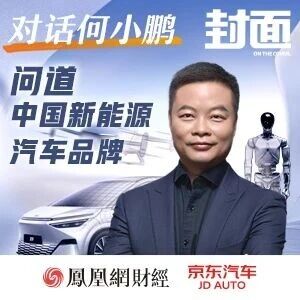
何小鹏的“三种机器人”丨《封面》对话
凤凰网财经· 2025-11-13 13:33
Core Viewpoint - The company is positioning itself as a technology firm focused on exploring future mobility solutions, emphasizing the integration of hardware and software in the automotive industry [2][3][5]. Group 1: Vision and Strategy - The founder believes that the future of mobility involves not just cars but also flying vehicles and humanoid robots, viewing cars as "four-wheeled robots" [3][5]. - The company aims to expand its product offerings beyond traditional vehicles, with a focus on family-oriented designs and smart technology [11][14]. - The founder asserts that the integration of AI will lead to a transformation in the industry that is significantly greater than the shift from feature phones to smartphones [5][45]. Group 2: Product Development - The company is targeting the MPV market, which is expected to grow due to increasing demand for family-oriented vehicles [12][14]. - Plans for a humanoid robot are set for mass production by 2026, with the founder acknowledging the challenges in developing such technology [17][20]. - The company is also working on flying cars, with a vision of expanding the living radius to 150 kilometers, enhancing urban mobility [24][26]. Group 3: Globalization - Global expansion is viewed as essential for the company's survival, with a goal of achieving 50% of sales from international markets within the next decade [29][30]. - The founder emphasizes that globalization is not merely a strategic choice but a fundamental aspect of the company's DNA [29][30]. Group 4: Competition and Industry Dynamics - The company welcomes competition, viewing it as a natural part of the industry, and believes that collaboration among peers can lead to orderly competition [33][34]. - The founder expresses confidence that many domestic companies have a higher probability of succeeding in the global market compared to foreign firms [44]. Group 5: Future Outlook - The founder predicts that in the next decade, the number of strong automotive manufacturers in China may reduce to five, indicating a consolidation in the industry [43]. - The company is committed to leveraging AI to enhance its products and services, anticipating significant advancements in autonomous driving capabilities [45].

“人机辨真”大战之后:车企为什么要一边造车,一边“造人”?
Xin Jing Bao· 2025-11-13 12:26
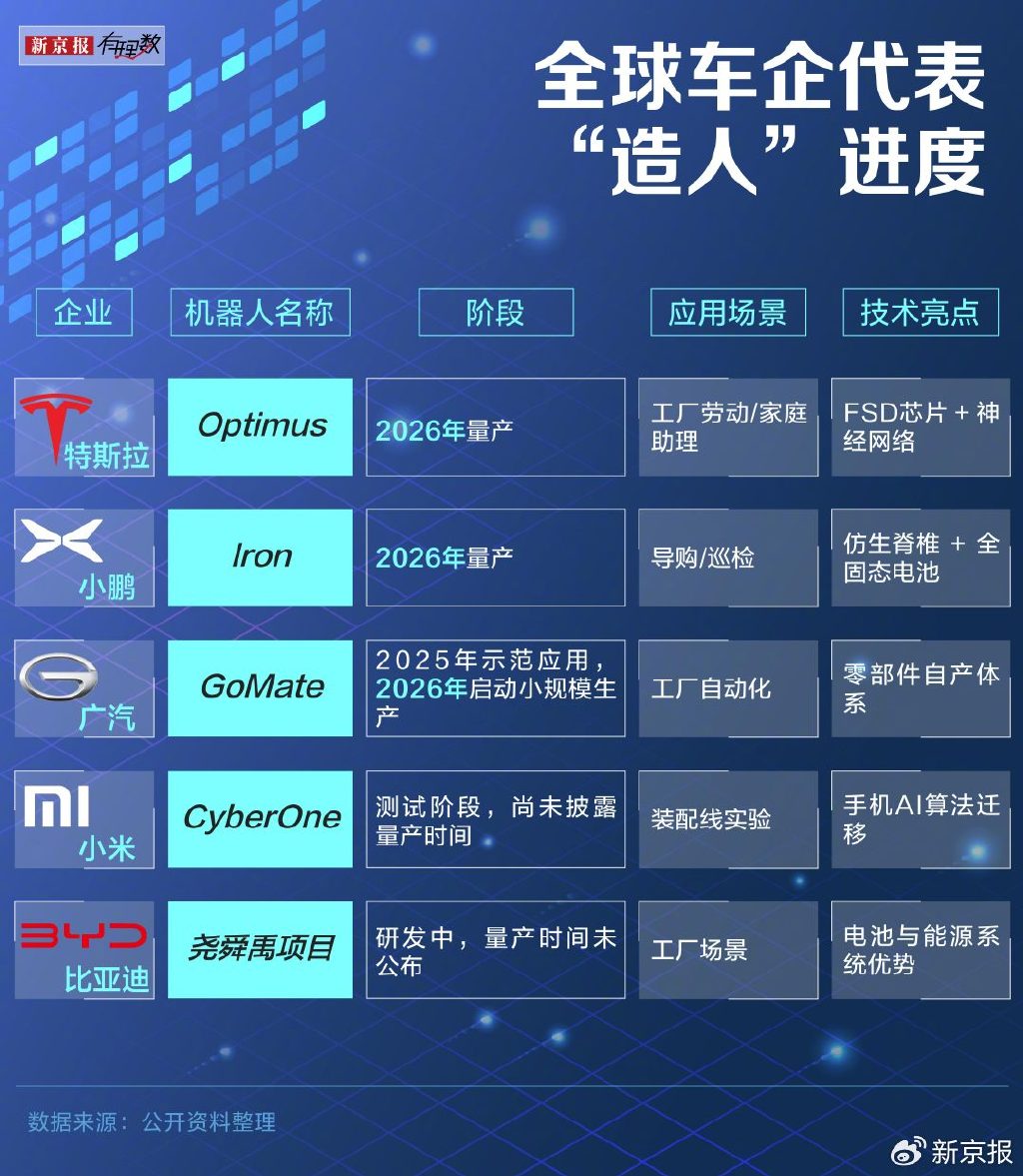
Core Insights - The unveiling of XPeng's humanoid robot Iron has sparked widespread debate about its authenticity, with many questioning whether it is a real robot or a human in disguise [1][2] - XPeng's CEO, He Xiaopeng, demonstrated Iron's capabilities, including its flexible skin and advanced mechanics, aiming to dispel doubts about the robot's identity [1][2] - The humanoid robot market is rapidly expanding, with approximately 18 automotive companies entering the field, driven by technological synergies and commercial motivations [4][6] Technical Features - Iron features 82 degrees of freedom, allowing it to perform complex movements like a model walk, significantly surpassing the 19 degrees of freedom of a previously showcased robot [2][3] - The robot is equipped with three Turing AI chips, providing a processing power of 2250 TOPS, and utilizes a self-developed physical world model for enhanced multi-modal coordination [3][6] - The design of Iron incorporates a bionic spine and flexible skin, contributing to its human-like movement and appearance [2][3] Industry Trends - The automotive industry is increasingly investing in humanoid robots as a means to leverage existing technologies from electric vehicles, with cost advantages estimated to be 30%-50% lower than tech companies [6][8] - The competition in the electric vehicle market has intensified, prompting companies to explore new narratives, with humanoid robots seen as a more imaginative venture [8][10] - The commercialization of humanoid robots is expected to progress faster than that of autonomous driving, due to more controllable environments and lower risks [8][10] Strategic Implications - Automotive companies are not just creating robots for novelty; they aim to reshape a new intelligent ecosystem that integrates vehicles, robots, and energy systems [10][11] - Companies like Tesla and XPeng envision their robots as extensions of AI ecosystems, with applications in various sectors including manufacturing and home assistance [11][12] - The development of humanoid robots is viewed as a competition for energy efficiency, with the potential for solid-state batteries to enhance the capabilities of these robots [11][12]
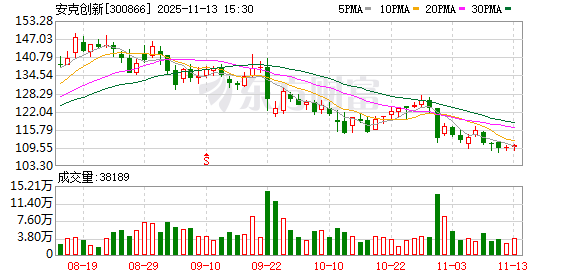
安克创新拟赴港上市:境外收入占比超96% 全球化布局面临多重挑战
Zhong Guo Jing Ying Bao· 2025-11-13 08:29
Core Viewpoint - Anker Innovations has confirmed its plan for a secondary listing in Hong Kong to enhance its global strategy and competitiveness, with a significant focus on overseas markets where over 96% of its revenue is generated [2][3][5] Group 1: Global Strategy and Market Position - The company aims to further its global strategy as its domestic market struggles, with domestic gross margin dropping to 22.51%, while overseas gross margin remains stable at 45.54% [3][5] - Anker Innovations has been exploring the Hong Kong listing since July 2023, emphasizing the need for international capital to support its expansion [4][6] - The company is positioned as a cross-border e-commerce entity, with over 95% of its revenue coming from international markets, highlighting its reliance on global trade dynamics [5][8] Group 2: Financial Performance - For the first three quarters of 2025, Anker Innovations reported a revenue of 21.019 billion yuan, a year-on-year increase of 27.79%, and a net profit of 1.933 billion yuan, up 31.34% [7] - The company faced a significant decline in cash flow, with a net cash flow from operating activities of -865 million yuan, a drop of 152.38% year-on-year, attributed to increased inventory and cash payments [9] Group 3: Challenges and Risks - Anker Innovations is highly sensitive to changes in the global trade environment, with potential risks from tariff adjustments and geopolitical tensions affecting its supply chain and operational costs [8][9] - The company has faced multiple product recalls due to safety issues, which could impact its brand reputation and market position amid increasing competition from major players like Huawei and Xiaomi [10][11]