
OPEC

Search documents
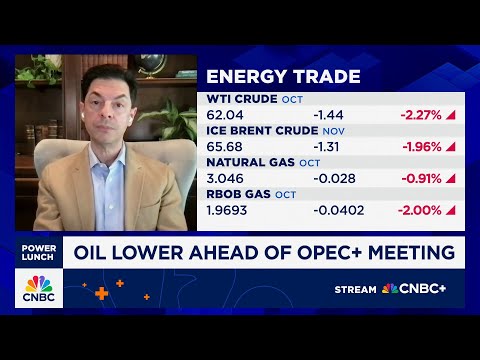
OPEC+ needs to not oversupply the oil market, says CSIS' Clay Seigle
CNBC Television· 2025-09-05 19:54
Supply and Demand Dynamics - The market anticipates OPEC to increase supply, leading to a price slump; the next phase involves bringing approximately 170万桶/天 (1.7 million barrels per day) of oil back into the market [2][3] - Aggressive supply hikes could reveal the true extent of spare capacity, potentially re-pricing the market higher if actual barrels are less than the perceived 400万桶/天 (4 million barrels per day) [4] - Demand appears healthy for the current year but may weaken relative to supply in 2026, signaling a potential concern for OPEC [5] - US crude inventories are low, and the forward price curve remains tight, suggesting reasons for near-term optimism [6] OPEC Strategy and Challenges - OPEC needs to carefully fine-tune supply to avoid oversupplying the market in the coming year [7] - OPEC has been more optimistic about demand than the IEA (International Energy Agency) [4] - The current oil price around $62.5 per barrel is sustained by underlying demand, preventing a drop to levels like $45 per barrel despite increased supply [4] Geopolitical Factors - The Russian oil price cap has not significantly impacted their exports, with Russia still producing 990万桶/天 (9.9 million barrels per day) [7] - Ukrainian military actions against Russian oil refineries, particularly using new cruise missiles, pose a potential threat to Russian oil supply and revenues [9][10] - Continued purchases of Russian oil by countries like India and China persist, despite measures like tariffs [8]

【脱水研报】反内卷有哪些国际成功经验可借鉴?
申万宏源研究· 2025-08-29 12:06
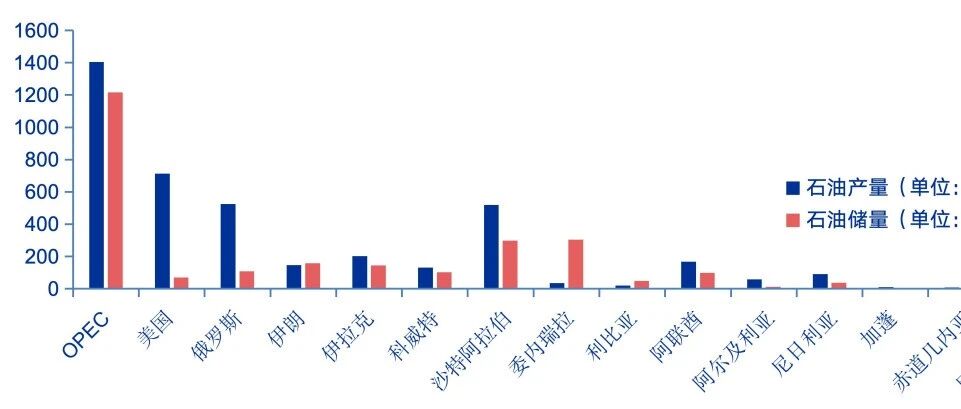
Group 1 - The core idea of the article emphasizes that "anti-involution" is not limited to China, and "seizing pricing power" is a common goal of anti-involution, often achieved through "price alliances" internationally [1] - Price alliances have distinct characteristics, with sellers typically being fewer and from developed countries, leading to high market concentration, while buyers are numerous and dispersed, making it difficult for them to share effective trading information [2] - Products involved in price alliances are standardized, easy to store and transport, and have almost no substitutes [3] Group 2 - OPEC, established nearly a century ago, is the most renowned anti-involution price alliance, with key success factors including signing public agreements to allocate market shares, setting unified prices, and controlling or distributing product supply [5] - OPEC's strategies include maintaining the highest global oil production, adjusting alliance rules flexibly based on macroeconomic conditions, and establishing a transparent decision-making mechanism [6] - The article provides a detailed table of OPEC member countries, their reference production levels, adjustment amounts, production costs, oil prices, and profits, highlighting the economic dynamics within the alliance [7] Group 3 - The urgency of "anti-involution" is stressed, as other international industries are forming their own anti-involution alliances, posing a competitive threat [8] - Countries like Argentina, Bolivia, and Chile are advancing the establishment of a "Lithium Triangle OPEC," while Indonesia has proposed a nickel group similar to OPEC, and Russia is discussing a gas OPEC with Qatar [9] Group 4 - The article suggests that resource advantages combined with manufacturing strengths form a nation's core competitiveness, and forming alliances to enhance competitiveness is the ultimate policy goal [15] - Recommendations for anti-involution alliances include implementing "quotas + price limits" to secure pricing power, collective bargaining to enhance industry synergy, and establishing dedicated institutions to monitor macroeconomic conditions [16]
「美股盘前」聚焦今晚10点,鲍威尔重磅演讲来袭;蔚来涨6.5%;英伟达跌1.5%;特斯拉将引入豆包和Deepseek大模型;谷歌以47美分价格向美政府提...
Mei Ri Jing Ji Xin Wen· 2025-08-22 11:09
Group 1 - Dow futures rose by 0.28%, S&P 500 futures increased by 0.20%, and Nasdaq futures gained 0.12% [1] - NIO's stock pre-market surged by 6.5% following the official pre-sale announcement of its new ES8 model, with prices starting at 416,800 yuan for the luxury version and 308,800 yuan for the battery-as-a-service option [1] - Nvidia's stock pre-market fell by 1.5% after reports indicated the company requested suppliers to halt production of the H20 chip [1] - Alphabet's stock pre-market increased by over 1% after the announcement that Google will provide AI services to U.S. federal agencies at a symbolic fee of 47 cents per institution [1] - Starbucks is expected to receive a non-binding acquisition offer for its China operations within two weeks, although details on the offer and potential buyers remain unclear [1] Group 2 - Tesla plans to integrate voice assistant features powered by Deepseek and ByteDance's "Doubao" large models into vehicles sold in China [2] - Elon Musk attempted to persuade Mark Zuckerberg to participate in an informal acquisition offer for OpenAI, but Zuckerberg and Meta did not sign a letter of intent or engage in the offer, which was formally rejected by OpenAI's board in February [2] - Morgan Stanley analysts predict that OPEC is likely to reduce production again in early 2026 due to potential oversupply between Q4 of this year and Q2 of next year [2]




主要能源机构8月平衡表
Dong Wu Qi Huo· 2025-08-13 12:01
Report Industry Investment Rating - Not provided in the given content Core Viewpoints - EIA's August report further intensifies the supply surplus in each quarter of this year and next year. Despite the upward adjustment of demand growth expectations, the supply increase is more significant, leading to a strengthened supply surplus expectation. EIA predicts a sharp decline in Brent crude oil prices in the coming months [8]. - OPEC's August report expects an increase in global crude oil demand this year and next year. To achieve supply - demand balance, OPEC+ needs to increase crude oil supply. The report also adjusts the global economic growth forecast and analyzes regional refinery profit situations [50][52][63]. Summary by Directory EIA EIA Balance Sheet - EIA shows supply, consumption, balance, and balance changes from 2025Q1 to 2026Q2. The supply surplus is expected to be most severe in Q3 and Q4 of this year and Q1 and Q2 of next year. The surplus in these four quarters is 162, 210, 226, and 147 thousand barrels per day respectively [8]. - EIA expects Brent crude oil prices to drop from $71 per barrel in July to an average of $58 per barrel in Q4 and further to $50 per barrel in early 2026. The average price in 2026 is expected to be $51 per barrel [10]. - EIA expects an increase in global liquid fuel consumption this year and next year, with non - OECD Asia being the main driver of demand growth [14]. - EIA expects an increase in global supply this year and next year. Non - OPEC+ leads the supply increase this year, but its growth rate will slow down next year. The supply of the United States is expected to decline next year [16]. - EIA expects a decline in US retail gasoline and diesel prices next year. The distillate oil inventory is expected to remain low, and the distillate oil crack spread is expected to continue to rise [19]. EIA Balance Sheet Changes - EIA significantly raises the supply forecast for all quarters and the demand forecast for all quarters except 25Q1. The core driving logic is supply increase, and demand increase is a passive result of falling oil prices [24]. Crude Oil Total Inventory - EIA provides forecasts for US, OECD, and global total inventory consumption [26]. Non - OPEC and OPEC Crude Oil Supply - EIA presents forecasts for non - OPEC and OPEC crude oil total supply, including the supply of major countries and exempt countries within OPEC [28][31][34][37]. Global and Regional Crude Oil Demand - EIA shows forecasts for global, OECD, and non - OECD crude oil total demand, as well as the demand of major countries in these regions [40][42][45] OPEC World Oil Demand - OPEC's August report expects global crude oil demand to be 10,514 thousand barrels per day this year, with a year - on - year increase of 129 thousand barrels per day. Next year, the demand is expected to be 10,652 thousand barrels per day, with a year - on - year increase of 138 thousand barrels per day. Non - OECD Asia remains the main driver of demand growth [50][52]. Non - OPEC Liquids Production - OPEC's August report expects non - OPEC+ crude oil supply to be 5,401 thousand barrels per day this year, with a year - on - year increase of 81 thousand barrels per day. Next year, it is expected to be 5,464 thousand barrels per day, with a year - on - year increase of 63 thousand barrels per day [53][54]. OPEC+ Production and减产 - OPEC+ production in July was 4,194.0 thousand barrels per day, a month - on - month increase of 33.5 thousand barrels per day. OPEC production increased by 26.3 thousand barrels per day, and OPEC allies' production increased by 7.2 thousand barrels per day. Except for Kazakhstan, other OPEC+ countries generally well - executed the production plan [55][56][58]. OPEC+ Balance Sheet - OPEC's August report expects global demand to increase by 130 thousand barrels per day this year and 140 thousand barrels per day next year. To achieve supply - demand balance, OPEC+ crude oil supply needs to increase by 40 thousand barrels per day this year and 60 thousand barrels per day next year [63]. OECD Inventory, Consumption Days, and Floating Storage - OPEC provides data on OECD inventory, consumption days, and floating storage, including land - based commercial inventory, strategic petroleum reserve, and floating storage volume, as well as consumption days in different regions [64].
百利好晚盘分析:通胀提振降息 金价震荡待变
Sou Hu Cai Jing· 2025-08-13 09:14
Gold Market - The US CPI data for July showed a seasonally adjusted month-on-month increase of 0.2%, lower than the previous value of 0.3%, with an unadjusted year-on-year rate of 2.7%, matching the previous value but slightly below market expectations of 2.8% [2] - The probability of a 25 basis point rate cut by the Federal Reserve in September is 93.4%, and the probability of a cumulative 50 basis point cut by October is 59.9% [2] - Analyst Mai Dong from Baillieau believes that while inflation data remains stable and tariff policies have limited impact, gold prices may experience volatility due to the recent US-Russia negotiation influences [2] Oil Market - The API reported an increase in US crude oil inventories by 1.519 million barrels for the week ending August 8, contrary to expectations of a decrease of 0.941 million barrels [4] - OPEC has raised its forecast for global oil demand growth in 2026 to 1.38 million barrels per day, while the 2025 forecast remains unchanged at 1.29 million barrels per day [4] - The seasonal demand for oil is expected to weaken as summer travel comes to an end, which may further pressure oil prices [4] Dollar Index - In light of moderate inflation data, traders have increased bets on the Federal Reserve cutting rates by 25 basis points in both September and October [5] - President Trump has pressured Fed Chair Powell to cut rates, stating "it must happen now," which has put downward pressure on the dollar index [5] - The market is currently trading between 97 and 100, with a focus on further declines in the 96.90-97.40 range [6] Nasdaq Index - The inflation data has heightened market expectations for future rate cuts, leading to a surge in US stocks, with the Nasdaq reaching a new historical high and challenging the 24,000 mark [7] - The market continues to show an upward trend, with prices remaining above the 60/120-day moving averages [7] Copper Market - The price range for copper has expanded from $4.28-$4.46 to $4.28-$4.60, with the overall price maintaining a low-level consolidation [8] - The price is currently trading above $4.46, indicating a continuation of the upward trend [8]

供需差浮现:OPEC上调明年石油需求,削减对竞争对手供应增长预测
智通财经网· 2025-08-12 13:16
Group 1 - OPEC raised its global oil demand forecast for next year while lowering supply growth expectations from the US and other non-OPEC+ producers, indicating a tightening market supply outlook [1] - OPEC+ aims to regain market share by increasing production after years of supporting the market through production cuts [1] - The organization expects global oil demand to increase by 1.38 million barrels per day in 2026, an upward revision of 100,000 barrels per day from previous forecasts, while maintaining the demand outlook for this year [1] Group 2 - OPEC slightly raised its global economic growth forecast for this year to 3.0%, citing trade agreements signed by the Trump administration and better-than-expected economic performance in India, China, and Brazil [1] - The report indicates that oil supply from non-OPEC+ countries is expected to increase by approximately 630,000 barrels per day in 2026, down from the previous forecast of 730,000 barrels per day [1] - The report also predicts a decrease of 100,000 barrels per day in US tight oil production for 2026, compared to the previous forecast of no change [2]
OPEC上调明年石油需求至140万桶/日,下调非OPEC国家供应增长预测
Hua Er Jie Jian Wen· 2025-08-12 13:09
Group 1 - OPEC has raised its global oil market forecast, expecting a tighter market next year due to accelerated demand growth and a slowdown in supply expansion from non-OPEC producers [1][4] - The organization has increased its 2026 global oil demand growth forecast by 100,000 barrels per day to 1.4 million barrels per day, slightly above this year's level, while simultaneously lowering the supply growth forecast from non-OPEC countries by the same amount [1][4] - If OPEC and its allies do not further restore paused production, global oil inventories are projected to decrease significantly next year, with a decline of nearly 1.2 million barrels per day [1][4] Group 2 - Market sentiment towards OPEC's optimistic forecast is cautious, as the organization had to make six monthly downward adjustments last year, ultimately reducing its demand forecast by 32% [5] - Analysts suggest that OPEC may be underestimating the potential negative impacts of global economic slowdown, accelerated energy transition, and the rise of electric vehicles on oil demand [5] - Despite uncertainties, Saudi Arabia's recent policy decisions indicate a shared optimism with OPEC's forecasts, as the country and its partners decided to accelerate the restoration of 2.2 million barrels per day of production a year ahead of schedule [5]
油品周报:基本面初现走弱端倪-20250807
Heng Li Qi Huo· 2025-08-07 07:08
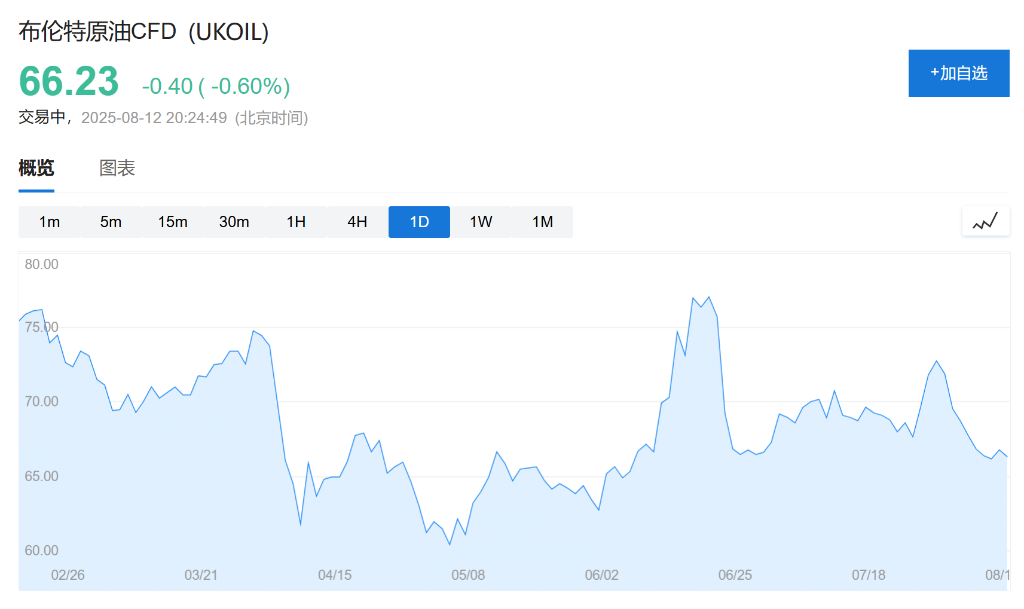
Report Industry Investment Rating No relevant content provided. Core Views Crude Oil - The macro - economic data in Europe and the US are positive, and tariff negotiations have made progress, boosting market sentiment. However, high - interest - rate pressure persists, and there are differences in expectations for a September rate cut. Attention should be paid to actions related to tariffs next week [9]. - OPEC supply is generally stable. The EU's sanctions on Russian refined oil will affect India and Turkey's purchase of Russian oil and intensify competition for Middle - Eastern oil. The US may relax sanctions on Venezuela due to heavy - oil shortages [9]. - Global refinery maintenance will decrease by 640,000 barrels per day next week, and the current peak - season demand supports oil prices. But the room for further increase is limited [9]. - US and ARA crude inventories are decreasing, and US refinery operations are at a high level. Gasoline and diesel inventories are at relatively low levels, and the demand for crude oil processing is expected to be strong [9]. - Brent and WTI spreads are falling, and Dubai spreads are slightly rebounding. Overall, the spreads' support for oil prices is weakening [9][16]. - Diesel cracking remains high, but there are signs of weakening in both gasoline and diesel cracking, and the support for oil prices will weaken in the future [9][18]. - In the short term, although macro - sentiment is positive, supply concerns and limited demand growth space put pressure on oil prices. In the long term, OPEC's potential production increase and insufficient demand growth will lead to a downward trend in oil prices [9]. Gasoline and Diesel - Diesel cracking has rebounded, but the upside space is limited in the off - season. The retail price adjustment of gasoline has led to a decrease in the wholesale - retail price difference [140][141]. - The operating rate of major refineries is expected to continue to rise in August, while the operating rate of independent refineries in the East China region has declined, and the operating rate of Shandong refineries has increased [140]. - The export quota of refined oil has increased by 900,000 tons, and the export expectation still has room to rise [140]. - Typhoons have led to a short - term decline in gasoline demand, but the summer season still provides support. Diesel demand in East China has improved [140]. - Gasoline inventories are increasing, and diesel inventories of major refineries are also rising. The supply pressure of diesel will be the main factor affecting future trading [140]. Fuel Oil - For high - sulfur fuel oil, the near - term supply pressure remains, and the spreads continue to decline. Although demand has improved, supply is still abundant. The cracking spreads have rebounded, but the rebound in Singapore is relatively small [201]. - For low - sulfur fuel oil, the near - term supply is sufficient, and the spreads are also falling. However, the Danagote plant upgrade may lead to a supply shortage in the medium term, and the low - sulfur cracking spreads may rebound [201]. - The demand for marine fuel is expected to continue to improve, and the demand for power generation has different trends for high - sulfur and low - sulfur fuel oil. The feedstock demand for high - sulfur fuel oil in the US and China has increased [201]. Summaries by Related Catalogs Crude Oil Macro - European and US economic data are good, and tariff negotiations have advanced, reducing risk - aversion sentiment. Market expectations for the Fed to keep rates unchanged next week are high, but there are differences in expectations for a September rate cut [9][10][15]. Supply - OPEC supply is stable, and Russia's production increase may be slow. The US may relax sanctions on Venezuela. Non - OPEC supply shows different trends, with Mexico's exports decreasing and Brazil and Guyana's exports increasing [9][44]. - The EU's sanctions on Russian refined oil will affect the purchase of Russian oil by India and Turkey [50]. Demand - Global refinery maintenance will decrease next week, and the peak - season demand supports oil prices. The demand for light, medium, and heavy crude oil is increasing, and the demand for medium - quality oil has increased significantly [67][70]. - The improvement in international and domestic aviation coal demand is positive for oil demand [79][82]. Inventory - US refinery operations are at a high level, and gasoline and diesel inventories are at relatively low levels. ARA, Middle - East, Singapore, and Japanese inventories show different trends [9][108][114]. Freight - Crude - oil tanker freight rates are generally falling, while refined - oil tanker freight rates are slightly rising [117][120]. Position - The net long positions of Brent and WTI managed funds have significantly decreased, indicating a pessimistic market sentiment [123]. Gasoline and Diesel Price Structure - Diesel cracking has rebounded, but the upside is limited. The wholesale - retail price difference of gasoline and diesel has decreased [140][141]. Supply - The operating rate of major refineries is expected to rise in August, while the operating rate of independent refineries in East China has declined and that in Shandong has increased. The export quota of refined oil has increased [140]. Demand - Typhoons have affected short - term gasoline demand, but the summer season provides support. Diesel demand in East China has improved [140]. Inventory - Gasoline inventories are increasing, and diesel inventories of major refineries are rising [140]. Transaction - The crackdown on illegal diesel sales has improved the production - sales situation of independent refineries' truck - loaded diesel [194]. Fuel Oil Price Structure - High - sulfur spreads are falling, and cracking spreads have rebounded. Low - sulfur spreads are also falling, and there is a potential for a rebound in cracking spreads due to the Danagote plant upgrade [201]. Supply - High - sulfur supply is abundant in the near term, with high Russian and Iranian exports expected. Low - sulfur supply may be tight in the medium term due to the Danagote plant upgrade [201]. Demand - Marine - fuel demand is improving, and the demand for power generation and feedstock shows different trends for high - sulfur and low - sulfur fuel oil [201]. Inventory - Inventories in Singapore, Fujeirah, and the US are increasing, while those in ARA and Japan are slightly decreasing [201].
Russia's economy 'stinks,' Trump says, and lower oil prices will stop its war machine
CNBC Television· 2025-08-05 20:01
Energy Market Analysis - Energy price for cars is down to $220 per gallon [1] - Crude oil price is around $65 per barrel and decreasing [1] - OPEC and OPEC plus are increasing drilling activities [1] Geopolitical Impact - Lower energy prices could potentially influence Putin to cease hostilities [1][2] - A further $10 decrease in oil prices per barrel could significantly impact Russia's economy [2]

X @Bloomberg
Bloomberg· 2025-08-04 11:52
Saudi Arabia’s oil policy is growing more opaque ahead of next month's unexpected OPEC+ meeting, writes @oil_gs01 https://t.co/3mtJo1vJp5 ...