SpaceX

Search documents
X @SpaceX
SpaceX· 2026-03-08 02:49
Ship 39 cryoproof operations complete, the first campaign with a next generation Starship V3.Across several days, engineers tested the vehicle’s redesigned propellant system and its structural strength, including squeeze tests to mimic the forces of future ship catches https://t.co/aFtCYIqwLh ...
太空太阳能开启科技竞争新赛道
中国能源报· 2026-03-08 00:34
Core Viewpoint - Space solar energy technology is gaining strategic importance as it can provide stable and clean energy, crucial for meeting the increasing electricity demand driven by the surge in artificial intelligence (AI) deployment [1][3]. Group 1: Technological and Economic Feasibility - The World Economic Forum indicates that space solar energy is technically and economically feasible, but initial costs remain high. With appropriate policy and financial support, small space solar projects could achieve cost advantages over other commercial power sources by 2040 [5]. - Space solar energy involves deploying solar collection devices in satellite orbit, converting sunlight into electricity, and transmitting it to ground stations via microwaves or lasers. This technology can significantly reduce Europe's reliance on land-based renewable energy by up to 80% and lower energy storage needs by over two-thirds, potentially saving €35.9 billion annually [5][6]. Group 2: Advantages Over Ground-Based Solutions - Compared to ground-based solutions that require large-scale storage systems, space solar energy systems need significantly fewer critical minerals to provide the same continuous power. This makes space solar energy a key component in addressing rising energy demands and climate crises [6]. - Space solar energy can provide uninterrupted clean power, overcoming the intermittency issues faced by terrestrial solar and wind energy, which are dependent on weather and time [8]. Group 3: Market Restructuring and Demand Growth - Space solar energy is expected to reshape electricity demand patterns, grid structures, and the strategic future of ground electricity markets. Current demand is primarily driven by spacecraft self-supply, which accounts for over 90% of the need, with potential expansion into space computing centers [9]. - According to Musk's plans, Tesla and SpaceX aim to achieve an annual solar capacity of 100 gigawatts specifically for space applications, supporting the goal of deploying 100 gigawatts of space computing [11]. If successful, the long-term market value of space solar energy could reach ¥5.6 trillion, marking it as a significant growth area in the renewable energy sector [11]. Group 4: Challenges and Industry Development - The space photovoltaic industry is still in the early stages of technological validation and commercialization. Transitioning from ground to space solar energy is not straightforward due to the extreme conditions in space, which require advanced technology and materials [12]. Factors such as high costs of space-grade materials and slow development of standards and certification processes may hinder the growth of the space solar energy sector [12].

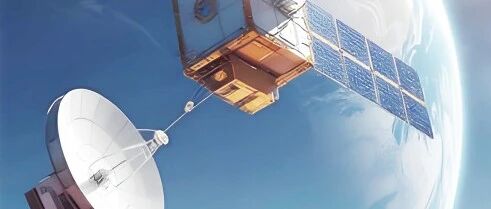
SpaceX Launches Starlink 17-18 Mission from SLC-4E Vandenberg, California
The Launch Pad· 2026-03-07 20:58
Watch LIVE as SpaceX launches 25 Starlink satellites aboard Falcon 9, to Sun-Synchronous orbit from Space Launch Complex 4E (SLC-4E) at Vandenberg Space Force Base in California. Booster on this flight is B1097 on its 7th flight with a 41 day turnaround heading out on a Southerly direction. Recovery vessel is Of Course I Still Love You situated in the Pacific Ocean. #spacexstarship #Falcon9 #Starlink Join our community Discord! https://discord.com/invite/xCm9UpDPE4 This coverage is made possible by our amaz ...

Elon Musk Says Even If Every Billionaire In America Was Taxed At 100%, It 'Barely Makes A Dent' In The National Debt — Everyone Has To Pay
Yahoo Finance· 2026-03-07 19:00
Core Argument - The notion that taxing billionaires could significantly reduce the U.S. national debt is challenged, with Elon Musk arguing that such measures would not effectively address the fiscal gap [1][2]. National Debt Overview - The U.S. national debt has increased from approximately $31 trillion in 2023 to about $38.82 trillion, marking a rise of roughly $7.8 trillion in three years [2][6]. - Billionaires in America collectively possess an estimated net worth of $8.1 trillion, which would only cover about 20% of the current national debt if fully seized [3][5]. Government Spending Dynamics - The federal government spends over $7 trillion annually, leading to consistent annual deficits as spending exceeds tax revenue [4][6]. - Interest payments on the national debt are escalating, requiring a larger portion of the budget to service existing obligations as rates rise [4]. Structural Debt Problem - Economists describe the debt issue as structural, with a persistent gap between government spending and revenue collection [5][6]. - Aggressive taxation of the wealthiest Americans would not eliminate the deficit or halt the growth of national debt, indicating that the financial burden will eventually be distributed more broadly through various means [5][6].
X @Tesla Owners Silicon Valley
Tesla Owners Silicon Valley· 2026-03-07 16:21
Amazon just filed a textbook lame move straight out of the "can't compete, so regulate" playbook.Instead of doubling down on their own lagging Project Kuiper and actually trying to out-build, out-launch, or out-innovate SpaceX, Amazon ran to the FCC with a 17-page petition begging regulators to kill SpaceX’s proposal for up to **1 million** solar-powered satellites that would function as orbital data centers for AI.In the filing (fresh off the press this week), Amazon dismisses the whole thing as nothing mo ...

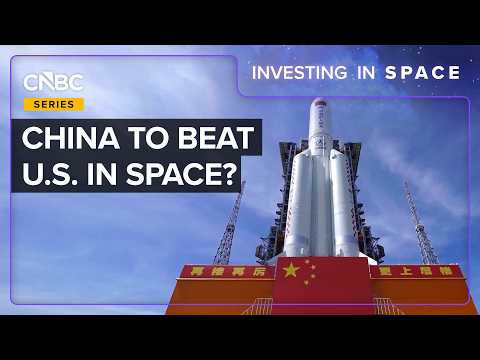
China Is Creeping On U.S. Space Dominance. Can The U.S. Stay Ahead?
CNBC· 2026-03-07 16:00
In 2025, China set a new national record for orbital launches in a single year. The country has now landed a rover on the surface of Mars, completed its own low Earth orbit space station, and returned the first ever samples from the far side of the moon. We've seen multiple statements from President Xi and what he calls China's space dream, and they see space and AI as two of those sort of industries that are going to help lead and catapult China to become a global leader.The pace and focus on space in Chin ...
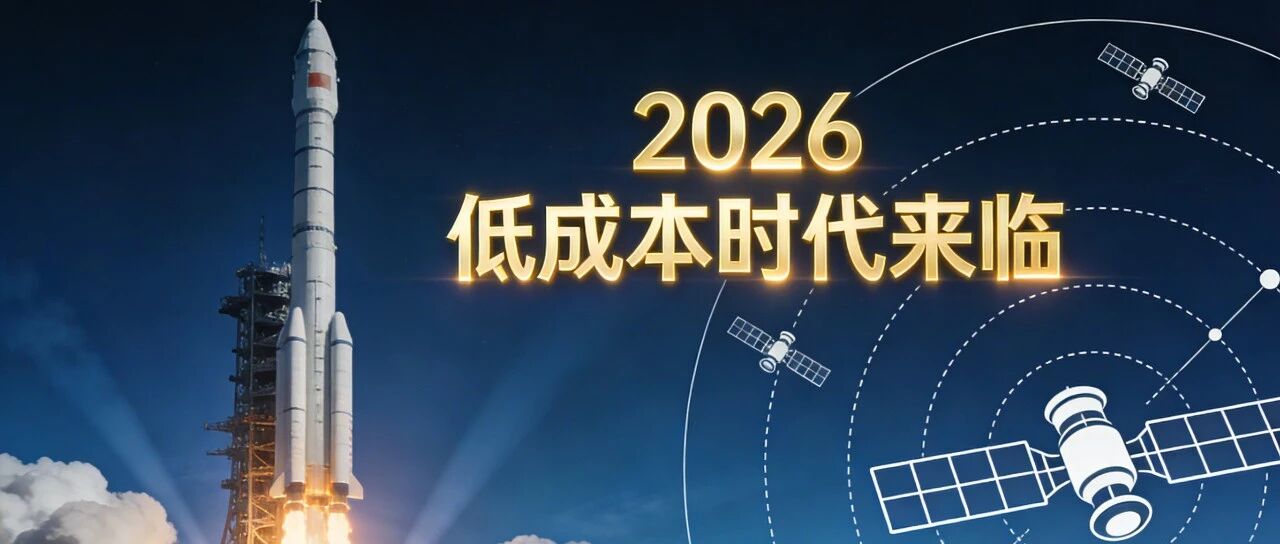
商业航天发展基石,“大运力+低成本”引领火箭技术发展
材料汇· 2026-03-07 15:12
Core Viewpoint - The article emphasizes that the commercial rocket industry is experiencing rapid growth driven by advancements in technology, increasing demand for satellite launches, and the development of reusable rocket systems [10][11][15]. Group 1: Rocket Types and Components - Rockets can be classified based on various criteria, including fuel type (solid vs. liquid), reusability (disposable vs. reusable), and payload capacity (small, medium, large, heavy) [7][9]. - The main components of a rocket include the structural system, propulsion system, and control system, with the propulsion system being critical for thrust generation and overall performance [8][44]. Group 2: Market Growth and Demand - The global rocket launch service market is projected to grow from approximately $18.68 billion in 2024 to $64.25 billion by 2034, with a compound annual growth rate (CAGR) of about 13.15% [20]. - The demand for rocket launches is diverse, with government and commercial applications, including satellite communications, deep space exploration, and national defense [22][34]. Group 3: Key Drivers of Demand - The deployment of satellite constellations is a major driver of rocket launch demand, as countries compete for limited orbital resources and communication frequencies [27][30]. - The increasing need for low Earth orbit (LEO) satellites for communication and data services is pushing the demand for rocket launches [26][30]. Group 4: Technological Advancements - Reusable rocket technology is becoming the mainstream approach to reduce launch costs, with significant cost savings achieved through the reuse of engines and structural components [45][55]. - Innovations in materials and manufacturing processes are enhancing rocket performance and reliability, contributing to lower costs and improved launch capabilities [15][37]. Group 5: Future Opportunities - The development of space-based computing infrastructure and solar power systems is expected to create new growth opportunities within the commercial space sector [39][40]. - The integration of advanced technologies in rocket design and operation is likely to further drive down costs and increase the frequency of launches [15][18].

火箭专题报告:商业航天发展基石,“大运力+低成本”引领火箭技术发展
ZHONGTAI SECURITIES· 2026-03-07 07:49
Investment Rating - The report provides a positive investment rating for the commercial rocket industry, highlighting its growth potential and technological advancements [2]. Core Insights - The commercial rocket industry is positioned for rapid growth driven by increasing demand for satellite launches and advancements in rocket technology [25][29]. - The market for rocket launch services is projected to grow from approximately $18.68 billion in 2024 to $64.25 billion by 2034, with a compound annual growth rate (CAGR) of about 13.15% [25][28]. - The development of large-scale satellite constellations, such as SpaceX's Starlink, is a significant driver of rocket launch demand, emphasizing the need for cost-effective and high-capacity launch solutions [42]. Summary by Sections 1. Rockets as the Foundation of the Aerospace Industry - Rockets are essential for launching satellites and other payloads into space, comprising structural, propulsion, and control systems [6][14]. - The Chinese commercial rocket industry is experiencing rapid development, with a record 92 launches in 2025, of which 50 were commercial, indicating a significant market shift [19][20]. 2. Global Rocket Launch Market Growth - The global rocket launch market is expected to see substantial growth, with increasing launch frequency and mission complexity driving demand [25][26]. - The demand for satellite launches is the highest, with government and commercial applications contributing significantly to market dynamics [29][32]. 3. Technological Advancements in Rocket Systems - Innovations in reusable rocket technology and materials are expected to lower launch costs and improve reliability and performance [21][88]. - Liquid rocket engines are becoming the mainstream choice for reusable rockets due to their higher efficiency and adaptability compared to solid rocket engines [79][81]. 4. Diverse Applications Driving Demand - Rockets serve multiple applications, including satellite deployment, space station construction, deep space exploration, and emerging sectors like space tourism and resource development [46][53]. - The establishment of space-based computing infrastructure is anticipated to create new growth opportunities within the commercial space sector [50][53]. 5. Future Opportunities in Space Photovoltaics - Space photovoltaics are emerging as a key energy solution for long-term space operations, offering advantages over traditional energy sources [54][57].
X @Elon Musk
Elon Musk· 2026-03-07 07:42
RT X Freeze (@XFreeze)SpaceX Falcon 9 created this beautiful "jellyfish" glow on its way up to deploy 29 Starlink satellites on March 4 https://t.co/zfebn68m2l ...
9点1氪:贾国龙卸任西贝CEO;字节跳动启动最大规模转正实习生招聘;OpenClaw爆火,程序员上门安装收费500元
36氪· 2026-03-07 01:15
Group 1 - The core point of the article is the leadership change at Xibei, with former CEO Dong Junyi returning to the position after the resignation of Jia Guolong due to significant business volume decline [4][5]. - Xibei has announced that due to a substantial decrease in business volume, many headquarters employees will need to be on standby or leave the company [5][7]. - The number of employees at Xibei's headquarters, originally over 500, is expected to drop to around 200 after the layoffs [7]. Group 2 - ByteDance has initiated its largest-ever intern recruitment drive, aiming to hire over 7,000 interns globally, with a focus on R&D, product, and AI fields [6][8]. - The recruitment plan includes over 4,800 offers for R&D positions, accounting for more than 60% of the total [8]. - The overall conversion rate for these intern positions is expected to exceed 50% [8]. Group 3 - The article mentions that the U.S. stock market indices collectively fell, with the Nasdaq down 1.59% and the S&P 500 down 1.33% [11]. - International crude oil futures saw a significant increase, with WTI crude oil futures rising 12.21% to $90.9 per barrel, marking a weekly increase of over 35% [11]. Group 4 - The Ministry of Commerce reported that the cross-border e-commerce import and export scale reached 2.75 trillion yuan [14]. - The revenue share of Chinese online dramas in the global market has reached 90%, with app downloads accounting for 80% globally [15]. Group 5 - Toshiba is restructuring its substantial debt with the goal of returning to the public market by the fiscal year 2028 [17]. - Pfizer China announced the approval of a new GLP-1 receptor agonist for long-term weight management in adults [18]. Group 6 - New Hope reported a decline in sales revenue from commodity pigs, amounting to 1.327 billion yuan, with a year-on-year decrease of 7.42% [20]. - Lao Fengxiang's net profit for the fiscal year 2025 was reported at 1.755 billion yuan, down 9.99% year-on-year [21]. Group 7 - Wanbangde expects a net profit growth of 985.40% year-on-year for the first quarter of 2026, driven by a strategic shift from generic to innovative drugs [22]. - Quince is in talks for financing that could double its valuation to over $10 billion [23].