Temu

Search documents
Temu × Shopify一键打通,直达全球30+市场!
Sou Hu Cai Jing· 2025-12-19 06:57
Core Insights - Temu has launched a new integrated application "TEMU Seller Center" that connects Shopify merchants directly to the Temu global market, allowing approximately 2.25 million small and medium-sized businesses on Shopify to access global sales channels without needing to build separate systems [2][8] Group 1: Application Features - The application allows for one-click product synchronization, enabling merchants to quickly sync their Shopify product catalog to the Temu platform, ensuring accuracy without the need for repeated uploads and edits [4] - It supports real-time inventory updates to prevent overselling due to inventory mismatches [4] - Merchants can manage orders automatically through the Shopify backend, facilitating smoother fulfillment processes [4] Group 2: Market Expansion Opportunities - The integrated application opens a new growth path for cross-border sellers, particularly independent sellers, by providing a streamlined way to reach global consumers [7] - Temu's local seller program is available in over 30 countries, including the US, UK, Germany, and Japan, allowing merchants to easily access new customer bases [8] Group 3: Strategic Positioning - Temu's initiative is a strategic response to industry changes, such as the closure of low-value package tax exemptions in various countries, which can be mitigated through localized operations [10] - The integration enhances the seller ecosystem by lowering entry barriers and enriching the product categories on the platform [10] - It aims to strengthen market competitiveness against giants like Amazon and Walmart by improving seller experience and shifting from a "low-price advantage" to a "service advantage" [10] Group 4: Industry Implications - The integration between Temu and Shopify represents a low-cost, high-efficiency pathway for cross-border sellers, addressing the complexities of multi-system operations while meeting the demand for localized operations in the changing global trade environment [11] - This application is seen as a valuable option for small and medium-sized sellers looking to expand globally while facing resource constraints, indicating a shift towards enhanced ecosystem collaboration and seller experience in cross-border e-commerce [11]



欧委会密集调查中车集团、同方威视等中企,商务部回应
Guan Cha Zhe Wang· 2025-12-18 13:20
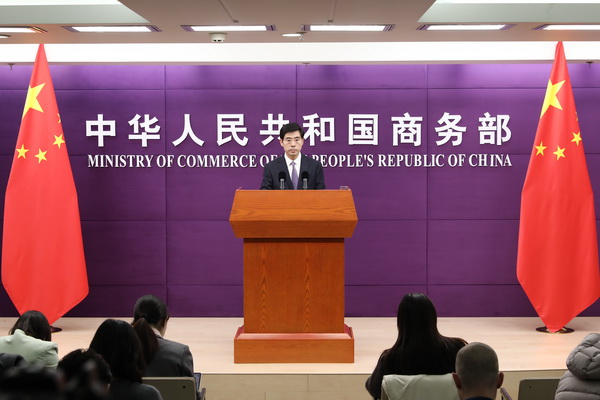
Core Viewpoint - The Chinese Ministry of Commerce strongly opposes the European Commission's recent investigations into Chinese companies under the Foreign Subsidies Regulation (FSR), citing discrimination and a lack of transparency in the process [1][2]. Group 1: Investigations and Responses - The European Commission has initiated multiple investigations into Chinese companies, including CRRC Group and Tongfang Weishi, which are seen as discriminatory actions against foreign investment [1]. - The Ministry of Commerce has identified the FSR investigations as trade and investment barriers, highlighting issues such as insufficient evidence, excessive enforcement, and a lack of transparency in procedures [1]. - The European Union Chamber of Commerce in China has expressed strong dissatisfaction with the FSR investigations, noting that they have led to significant operational impacts on Chinese enterprises in Europe [2][4]. Group 2: Impact on Chinese Enterprises - The FSR investigations have reportedly caused direct and indirect losses to Chinese companies amounting to approximately €2.1 billion [5]. - A survey conducted by the European Union Chamber of Commerce revealed that 63% of the 205 surveyed Chinese enterprises in Europe reported that their business was affected by the FSR, with 51% indicating damage to their commercial reputation and market image [5]. - The investigations have led to Chinese companies being forced to withdraw from bidding projects in public procurement due to the FSR, indicating a trend of increased scrutiny on Chinese investments [4][5]. Group 3: Calls for Fair Treatment - The European Union Chamber of Commerce has called for the European Commission to exercise caution in using its investigative powers under the FSR and to stop discriminatory enforcement actions against Chinese enterprises [4][5]. - There is a demand for the European Commission to provide a fair, just, and transparent business environment for foreign investors, emphasizing the need to lower compliance burdens for companies operating in Europe [5].

消费出海先锋,迈入跨境生态出海时代(下)
Sou Hu Cai Jing· 2025-12-18 10:26
Demand - The global e-commerce penetration rate is increasing, accelerated by the pandemic, with global e-commerce retail sales reaching $5.4 trillion in 2022 and expected to reach approximately $6 trillion in 2023. The penetration rate rose from 7% in 2015 to 19% in 2022, projected to reach 23% by 2026 [3][4] - The e-commerce market is concentrated in the Asia-Pacific and North America/Europe regions, which account for about 88% of the global market. Emerging markets like Southeast Asia, the Middle East, and Africa show strong growth potential [3][4] - The U.S. and Western Europe are key markets for consumer goods due to high GDP per capita and strong consumer willingness, while the Middle East offers a favorable trade environment and Southeast Asia has a large population with significant consumption potential [3][4] Supply - Amazon holds a dominant position in the e-commerce industry across North America, Western Europe, and other regions, with a global market share of approximately 15% in 2022. Over 50% of cross-border sellers prefer Amazon as their platform [5][7] - Temu has pioneered a fully managed operation model since September 2022, attracting domestic sellers and global buyers, leading to a trend among platforms to adopt similar models [7] - China has a strong supply chain advantage, providing a rich and high-quality product base for cross-border e-commerce, which also drives the digital transformation of its manufacturing sector [8] - The cross-border direct shipping and overseas warehouse model is currently mainstream, with over 2,000 overseas warehouses in China and a significant increase in the number of warehouses in emerging markets [9]


关税催生多市场布局,跨境生态迈入“全球一盘棋”时代 | 出海参考
Tai Mei Ti A P P· 2025-12-18 09:49
Group 1 - The core viewpoint of the article highlights the shift in cross-border e-commerce strategies from a focus on the US market to a multi-regional approach, particularly targeting emerging markets in Europe, Japan, and Brazil [2][3][8] - Companies like TikTok Shop, Temu, and SHEIN are increasing their marketing efforts in Europe and expanding into local markets such as Saudi Arabia, Turkey, and South Korea [2][3] - The integration of AI technologies is becoming crucial for Chinese cross-border merchants, with companies like Anker Innovations investing in AI product development to enhance their global operations [3][4][12] Group 2 - Amazon Global Selling has launched the "Next Generation Cross-Border Chain" and established its first Global Intelligent Hub Warehouse (GWD) in Shenzhen, aiming to streamline logistics for Chinese sellers [5][6][7] - This new model allows sellers to send products to the GWD in Shenzhen, from where Amazon handles customs clearance and logistics to various global markets [5][6] - The "Next Generation Cross-Border Chain" includes features for market prediction and global supply chain management, enabling sellers to test market responses with minimal inventory [7][11] Group 3 - Amazon has reported a significant increase in the number of Chinese sellers on its European platform, with a year-on-year growth of over 25% and a 60% increase in sellers achieving over $500,000 in sales in their first year [8][9] - The company emphasizes a strategic approach to global expansion, encouraging sellers to assess product-market fit, resource capabilities, and long-term commitments to build competitive advantages [9][10] - Amazon is also implementing various incentives and support measures for sellers entering emerging markets, including logistics routes and compliance assistance [11][10] Group 4 - Amazon's new opportunity detection tools, such as the upgraded Opportunity Detector, help sellers identify unmet market demands and optimize product offerings based on consumer data [12][13] - The integration of AI tools across Amazon's platforms aims to enhance seller efficiency and product performance, although many sellers are still in the early stages of utilizing AI for data analysis [12][13] - The evolving landscape of AI in e-commerce is expected to reshape the cross-border ecosystem, with collaborations between AI companies and e-commerce platforms indicating a shift towards intelligent commerce [14]
21特写|科技新贵为何扎堆去中东?
2 1 Shi Ji Jing Ji Bao Dao· 2025-12-17 09:31
Group 1 - Dubai is experiencing a tourism and exhibition peak during China's winter, showcasing a booming real estate sector and investment opportunities [1] - Chinese companies are increasingly looking to participate in the economic transformation of the Middle East rather than merely seeking quick profits [1][2] - The UAE, particularly Abu Dhabi, is focusing on cultural tourism, digitalization, and artificial intelligence, enhancing its visibility in China through marketing strategies [1] Group 2 - The Middle East is becoming a hotspot for Chinese enterprises, driven by long-term strategic plans like Saudi Arabia's "Vision 2030" and the UAE's "National Investment Strategy 2031" [2] - Chinese tech companies are exploring new sectors such as digital economy and artificial intelligence as they expand into the Middle East [2] Group 3 - Chinese entrepreneurs in Dubai are forming partnerships, such as the joint venture AutoLogiX with 7X Group to expand logistics services [5] - Several Chinese autonomous vehicle companies are announcing collaborations in Abu Dhabi, including plans for Robotaxi services and commercial operations [5] Group 4 - The UAE's logistics market is projected to grow steadily, driven by e-commerce and cross-border trade, with a market size exceeding $20 billion [8] - The presence of Chinese internet and e-commerce companies is increasing in the Middle East, with local consumers adopting platforms like Temu and Shein [7] Group 5 - The UAE's artificial intelligence market is expected to reach $46 billion by 2030, with a significant portion of local companies maintaining or increasing their AI investments [10] - Chinese tech firms are leveraging partnerships with local stakeholders to minimize costs and enhance market entry strategies in the Middle East [12]

特朗普心心念念的东西,中方转头给了别国,美国专家直呼拿中国没辙了
Sou Hu Cai Jing· 2025-12-16 23:35
Group 1 - The article discusses the renewed trade policies under Trump's second term, focusing on aggressive tariffs and sanctions aimed at China, particularly in sectors like semiconductors and high-end manufacturing [1][11] - Trump's administration aims to leverage tariffs as a negotiation tool to gain an upper hand in trade discussions, believing that economic pressure will force China to concede on issues like intellectual property and market access [1][11] - The response from China has been measured, with a focus on diversifying its export markets and strengthening regional partnerships, indicating a shift in its economic strategy away from reliance on the U.S. [1][11] Group 2 - The article highlights the impact of tariffs on U.S. consumers, noting that prices for various goods have increased by 10% to 20%, contributing to inflation concerns [1][11] - Despite the imposition of tariffs, China's export performance remains strong, with significant growth in exports to ASEAN, the EU, and the Middle East, suggesting a reduced dependency on the U.S. market [1][11] - The article points out that the U.S. trade deficit with China has decreased, but the overall trade deficit has widened, indicating structural issues within the U.S. economy [1][11] Group 3 - The article emphasizes the long-term strategic differences between the U.S. and China, with the U.S. focusing on short-term gains through tariffs while China invests in technology and infrastructure for future growth [1][11] - It notes that the U.S. is losing its position as the sole rule-maker in global trade, as other countries are increasingly seeking multilateral cooperation over unilateral actions [1][11] - The narrative suggests that the ongoing trade tensions are not just about tariffs but reflect deeper ideological differences regarding economic governance and global trade practices [1][11]
「史上最长」黑五和跨境电商这一年:野蛮生长的日子过去了
Sou Hu Cai Jing· 2025-12-16 14:09
Core Insights - The Black Friday shopping event has evolved significantly, with online sales reaching $11.8 billion in the U.S., a 9.1% increase from 2024, marking a historical high [2] - The promotional period has extended beyond the traditional 24 hours, now spanning several weeks, leading to consumer fatigue and a dilution of the event's significance [2][3] - Intense competition among e-commerce platforms, particularly from Chinese sellers, is reshaping consumer behavior and decision-making [2] Group 1: Promotional Strategies - Major platforms like Temu and TikTok Shop began their Black Friday promotions as early as October, extending the sales period to over a month [3][4] - Amazon announced its longest Black Friday event, lasting 12 days, to counteract the competition from Chinese platforms [4] - The extended promotional periods have resulted in record sales for platforms, with TikTok Shop achieving over $500 million in GMV within four days [4] Group 2: Seller Experiences - Many sellers reported disappointing sales during Black Friday, with some describing it as the "worst peak season ever" despite the overall increase in consumer spending [5][6] - Sellers are facing declining profit margins, as increased promotional activities lead to higher discount rates, with some discounts reaching between 40% to 99% [6][8] - The rising costs of advertising and compliance are squeezing smaller sellers, making it difficult for them to compete effectively [10][12] Group 3: Market Dynamics - The cross-border e-commerce industry is undergoing a significant reshuffle due to changes in tariffs, compliance requirements, and platform policies, leading to a more challenging environment for small and medium-sized sellers [10][21] - The disparity between large and small sellers is becoming more pronounced, with larger sellers benefiting from economies of scale while smaller sellers struggle to keep up [8][9] - The overall trend indicates a shift from rapid growth to a more mature market, where compliance and brand quality are becoming increasingly important [22][24]
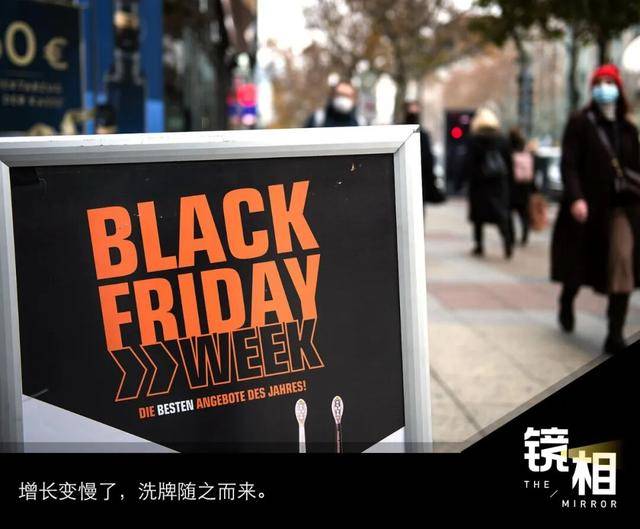
“史上最长”黑五和跨境电商这一年:野蛮生长的日子过去了
3 6 Ke· 2025-12-16 10:28
Core Insights - The Black Friday shopping event has evolved significantly, with online sales reaching $11.8 billion in the U.S., marking a 9.1% increase from 2024 and setting a new record [1] - The promotional period has extended beyond a single day, lasting several weeks, leading to consumer fatigue and a dilution of the event's traditional significance [1] - Intense competition among e-commerce platforms, particularly from Chinese sellers, is reshaping consumer behavior and decision-making [1] Group 1: Promotional Strategies - The promotional period for Black Friday has been extended, with platforms like Temu and TikTok Shop starting their sales as early as October, resulting in a total promotional duration of up to 51 days [2] - Amazon has also adjusted its Black Friday schedule to compete, announcing a 12-day promotional period from November 20 to December 1, which is its longest ever [2] - The extended promotional periods have led to record sales for platforms, with TikTok Shop achieving over $500 million in GMV in just four days [2] Group 2: Seller Experiences - Despite the platforms' success, many sellers report disappointing sales, with some describing this season as the "worst ever" [3] - Sellers are experiencing fatigue due to the increased frequency and duration of promotions, leading to a decline in consumer engagement [3] - The profitability of sales is declining, with sellers having to offer deeper discounts, sometimes between 40% to 99%, to remain competitive [5] Group 3: Market Dynamics - The competitive landscape is shifting, with larger sellers benefiting from economies of scale while smaller sellers struggle to keep up [5][6] - The rising costs of advertising and compliance are squeezing profit margins, making it difficult for smaller sellers to sustain operations [8][9] - The overall investment-to-return ratio is deteriorating, with many sellers finding that their sales do not cover the increased costs associated with promotions and compliance [8][14] Group 4: Regulatory Environment - The cross-border e-commerce industry is facing increased regulatory scrutiny, with changes in tax compliance and customs regulations impacting operations [11][13] - Sellers are required to adapt to new compliance standards, which can significantly increase operational costs [12][13] - The evolving regulatory landscape is expected to lead to a consolidation in the industry, favoring compliant and well-capitalized sellers [14][16]
默克尔预测对了!27国枪口一致对准中国,欧洲内部势力抬头
Sou Hu Cai Jing· 2025-12-16 08:27
谁能想到,曾经大力主张公平竞争的欧盟,如今会将焦点集中在中国企业身上?他们先是对Temu的欧洲总部进行突击检查,接着又启动了对同方威视的调 查,整个27国在对华态度上罕见地达成了一致。而欧盟高层也公开表示,针对中国的施压手段远比外界想象的多,甚至连马克龙访华后也毫不掩饰地暗示, 若贸易逆差问题没有改善,可能会考虑加征关税。这样一系列看似不合逻辑的动作让人迷惑,欧洲到底担心的是什么?曾经的德国总理默克尔一再提醒欧洲 必须实现战略自主,如今这句话真的成了空话吗? 要理解这一系列举措的根本原因,我们得先了解欧洲当前的真实状况。最近,法国一家智库的负责人发出警告,欧洲如果继续这样下去,可能会滑向第三世 界。虽然这番话听起来有些刺耳,但其中蕴含的现实问题不可忽视。就拿经济数据来说,法国曾一度在人均财富排名上位居全球第五位,如今却滑落到第26 位。作为欧洲经济的重要支柱,这一变化已成为整个欧洲经济疲软的缩影。比经济数据更为严重的是,欧洲似乎正在丧失发展的动力和活力,许多人认为当 前的欧洲公共部门呈现出一种无所作为的状态。 并非没有人在努力,而是做的事大多是无效工作——忙着制定各种限制性法规,忙着处理27个成员国之间的内部 ...

果然不出默克尔所料,27国调转枪口瞄准中国,欧洲在走滑坡路
Sou Hu Cai Jing· 2025-12-16 06:47
Group 1 - The European Union (EU) is increasingly targeting Chinese companies, with recent investigations into Temu and Tongfang Weishi, indicating a systematic crackdown under the guise of fair competition [1][3] - Since the implementation of the Foreign Subsidies Regulation in 2023, over 80% of the investigated entities have been Chinese companies, highlighting a focused political agenda against them [1] - The EU Chamber of Commerce in China criticized the lack of transparency and evidence in these investigations, which have led to Chinese companies withdrawing from public projects in Europe [3] Group 2 - European leaders, including President Macron, have expressed intentions to impose tariffs if trade deficits with China do not improve, reflecting a collective anxiety towards China's rise [3] - The report from the Thomas More Institute warns that Europe risks sliding into a third-world status, with significant declines in wealth and economic stagnation in countries like France and Germany [5] - The EU's actions against Chinese firms are seen as defensive reactions to its declining competitiveness, particularly in sectors like electric vehicles and solar technology, where China has surpassed Europe [5][7] Group 3 - Europe is losing its competitive edge in the digital revolution, with no major tech companies or impactful social media platforms emerging from the region [7] - Internal divisions among EU member states regarding industrial policies and market regulations are exacerbating the continent's structural disadvantages in global competition [7] - The shift towards protectionism and the blame directed at China are viewed as a betrayal of Europe's core values and a misdirection of focus from internal structural issues [7]