奔驰

Search documents
全球车企为何转入电动化战略“回调期”
Zhong Guo Chan Ye Jing Ji Xin Xi Wang· 2025-07-23 22:30
Core Viewpoint - Major global automakers are adjusting their electrification strategies, reflecting a shift from aggressive timelines for electric vehicle (EV) transitions to a more balanced approach that includes internal combustion engine (ICE) and hybrid models [1][2][3] Group 1: Company Adjustments - Audi has withdrawn its plan to completely stop developing and selling ICE vehicles by 2033, focusing instead on electric models while still launching new ICE and plug-in hybrid models from 2024 to 2026 [1] - Mercedes-Benz has revised its electrification goals, shifting from a full transition to electric vehicles to a strategy where new energy vehicles (including hybrids) will account for up to 50% of sales by 2030 [1][2] - BMW has restarted its range-extended hybrid technology and lowered its sales expectations for electric models by over 20% [1][2] Group 2: Market Dynamics - The luxury automotive sector is facing significant challenges, with Audi's global sales down over 10% and electric vehicle sales down 8%, while Mercedes-Benz's electric vehicle sales fell by 23% [2][3] - BMW's total sales decreased by 4%, but its electric vehicle sales grew by 13.5% to 427,000 units, highlighting a mixed performance across the sector [2][3] Group 3: Profitability Challenges - Audi's operating profit fell nearly 40%, with a profit margin dropping to 6%; Mercedes-Benz's EBIT fell over 30%, and net profit declined nearly 30%; BMW's EBIT dropped by 39.2%, with a profit margin of 7.7% [3] - The profitability pressures are prompting traditional luxury automakers to reassess their aggressive electrification timelines, focusing on maintaining financial stability [3][4] Group 4: Broader Industry Trends - The trend of adjusting electrification strategies is not limited to German automakers but extends to the broader automotive industry, including ultra-luxury brands like Ferrari, Porsche, and Maserati, which are also delaying or revising their electric vehicle plans [5][6] - Japanese automakers like Honda are also revising their electrification budgets and sales targets, reflecting a need for adaptability in response to market conditions [6] Group 5: Strategic Insights - Analysts suggest that the adjustments reflect a rational return to industry development norms, acknowledging the complexities of technology maturation, cost control, and consumer acceptance [6][7] - The focus on maintaining profitable ICE and hybrid models is seen as essential for funding electric vehicle development and ensuring financial resilience amid market fluctuations [7]
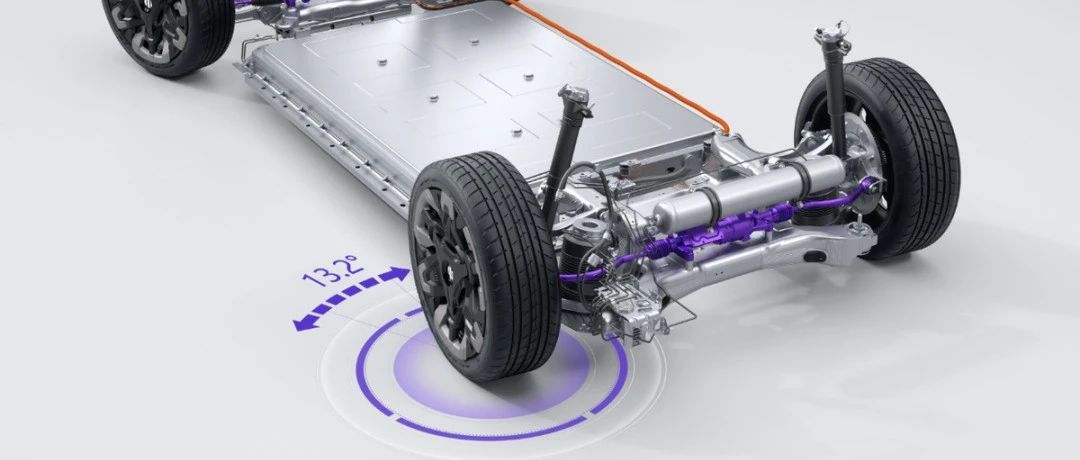
大车转弯半径秒变小车!被吹爆的后轮转向,真的叫好不叫座?
电动车公社· 2025-07-23 15:46
Core Viewpoint - The article discusses the increasing accessibility and adoption of advanced automotive technologies, particularly rear-wheel steering, which was once exclusive to high-end luxury and performance vehicles. Group 1: Technology Accessibility - Many high-end features that were once exclusive to luxury vehicles are now becoming standard in various models, including electric vehicles [1][2] - Technologies such as air suspension and advanced driving assistance systems have seen significant growth in recent years [2] Group 2: Rear-Wheel Steering - Rear-wheel steering, previously found in high-end models like Porsche 911 and Lamborghini Aventador, is now being standard in many domestic electric vehicles at lower price points [5][7] - Examples include models like the Tengshi N9 and Xiaopeng X9, which offer rear-wheel steering at prices around 400,000 and 300,000 respectively, with some models even exceeding 200,000 [8][10] Group 3: Benefits of Rear-Wheel Steering - Rear-wheel steering significantly enhances maneuverability, allowing larger vehicles to have a turning radius comparable to smaller cars, improving parking and navigation in tight spaces [10][13] - The technology also enables advanced features like crab walking, which relies on rear-wheel steering [14] Group 4: Market Penetration and Challenges - Despite its advantages, rear-wheel steering has a low global penetration rate of only 1.2%, indicating limited adoption compared to other technologies [17] - The complexity and cost of implementing rear-wheel steering systems, along with the need for additional space and maintenance considerations, hinder widespread adoption [53][67] Group 5: Historical Context and Evolution - The evolution of rear-wheel steering began in the late 19th century, with early attempts using simple mechanical systems, leading to its application in agricultural and military vehicles during the 20th century [18][22][24] - The transition to passenger vehicles occurred in the late 20th century, but early systems were passive and had reliability issues, prompting the development of more advanced active systems [29][32] Group 6: Future Prospects - Despite current challenges, domestic companies are investing in rear-wheel steering technology, which may lead to increased accessibility and innovation in the future [70][72] - The potential for domestic suppliers to disrupt the market and drive down costs is highlighted, suggesting a promising outlook for the technology's adoption [72][73]


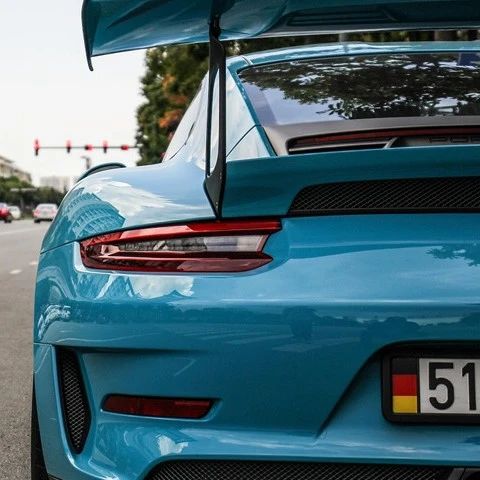
直击“豪车税”新规落地:保时捷被抢购 捷豹路虎火速“兜底”
Zhong Guo Jing Ying Bao· 2025-07-23 14:50
Core Points - The new luxury car consumption tax regulation, effective from July 20, 2023, lowers the threshold from 1.3 million yuan to 900,000 yuan, impacting vehicles priced between 1.017 million and 1.469 million yuan [2][4] - Major luxury car brands like Porsche, Mercedes-Benz, and Jaguar Land Rover are responding quickly to mitigate the impact of the new tax on consumers [5][6] - The luxury car market in China is experiencing a decline, with significant drops in sales for high-end vehicles, prompting manufacturers to offer tax relief and promotional incentives [4][6] Group 1: Tax Regulation Changes - The new luxury car tax regulation reduces the starting point by 400,000 yuan, now set at 900,000 yuan for various types of passenger cars and light commercial vehicles [2] - The affected price range for new cars is between 1.017 million and 1.469 million yuan, with brands like Porsche and Jaguar Land Rover being significantly impacted [2][3] Group 2: Manufacturer Responses - Jaguar Land Rover announced it will cover the additional tax for specific models until July 31, 2025, to ease the financial burden on consumers [4][5] - Mercedes-Benz is also offering tax relief for certain models, ensuring that the tax changes do not affect the retail price for consumers [5] - Other brands like Maserati and Porsche are currently evaluating the new tax implications and have not yet announced specific measures [6] Group 3: Market Trends - The luxury car market is shrinking, with sales of vehicles priced above 900,000 yuan dropping significantly, particularly in the fuel and plug-in hybrid segments [4] - Promotional activities have increased, with discounts on luxury vehicles reaching up to 30%, indicating a shift in market dynamics [3]
晚一天多花10万,豪车税惊了买车人
36氪· 2025-07-23 13:15
Core Viewpoint - The recent adjustment of the luxury car tax in China has significantly impacted the high-end automobile market, with a new threshold set at 900,000 yuan (excluding VAT), affecting both traditional fuel vehicles and new energy vehicles [3][4][25]. Summary by Sections Tax Policy Changes - The luxury car tax threshold has been lowered from 1.3 million yuan to 900,000 yuan, which means that vehicles priced between 1.017 million and 1.469 million yuan will now incur an additional 10% tax [4][25]. - The new tax policy includes a broader range of vehicle types, explicitly incorporating new energy vehicles [4][5]. Market Reactions - The announcement led to a surge in consumer activity, with many rushing to dealerships to purchase vehicles before the new tax took effect [5][7]. - Dealers extended their hours and offered incentives to facilitate sales, with some models experiencing price increases due to the tax adjustment [8][10]. Impact on Luxury Brands - Brands such as Land Rover, Porsche, and Mercedes-Benz are particularly affected, as many of their models now fall under the new tax bracket [14][18]. - The luxury car market has shown structural differentiation, with traditional fuel vehicles facing intensified competition from new energy models [5][25]. Consumer Sentiment - Some consumers expressed frustration over the sudden tax increase, with a mix of reactions ranging from acceptance to reconsideration of purchases [11][12][22]. - The luxury car tax adjustment has prompted some buyers to contemplate canceling orders or seeking refunds on deposits [12][14]. Manufacturer Responses - Jaguar Land Rover and Mercedes-Benz announced full subsidies for the luxury tax for specific models purchased within a limited timeframe, aiming to mitigate consumer dissatisfaction [19][21]. - The response from manufacturers indicates a proactive approach to retain customer loyalty amidst the tax changes [19][22]. Market Dynamics - The adjustment is expected to reshape the competitive landscape of the luxury car market, with potential shifts in consumer preferences towards brands that can offer better pricing strategies [26][30]. - The rise of domestic luxury brands, such as the Yudo U8 and the Zun Jie S800, is seen as a positive outcome from the tax adjustment, providing more options for consumers [30][31].
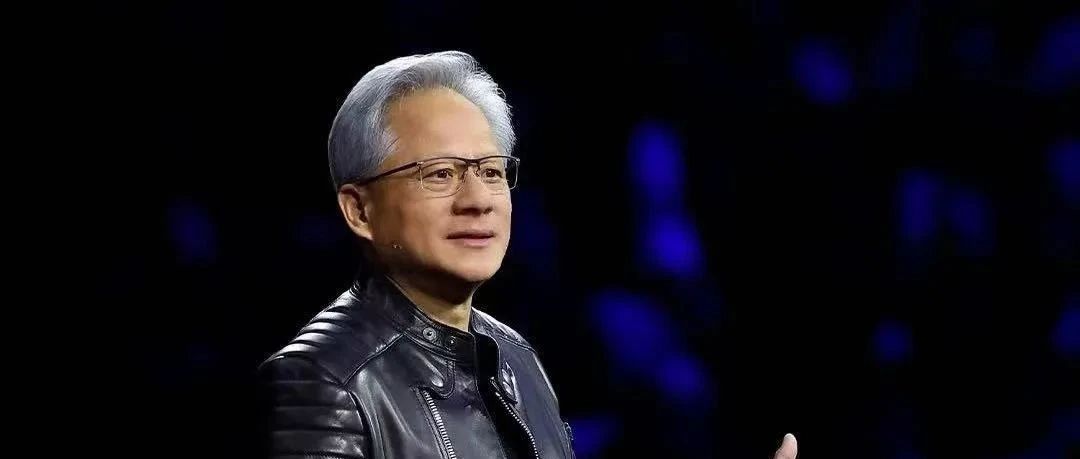
全球第一企业的能力盲区?
自动驾驶之心· 2025-07-23 09:56
Core Viewpoint - The article discusses the competitive landscape of the autonomous driving industry, focusing on NVIDIA's challenges in maintaining its market position against emerging Chinese companies and the shift towards self-developed chips by major automakers [5][15][50]. Group 1: NVIDIA's Market Position - NVIDIA's market capitalization has reached $4 trillion, making it the world's most valuable company, but it faces increasing competition from Chinese automakers who are trying to reduce reliance on NVIDIA's technology [5][15]. - General Motors' executives have expressed concerns about NVIDIA's autonomous driving solutions, indicating potential issues in their collaboration [7][8]. - Other automakers, such as Mercedes-Benz, have also reported that NVIDIA's autonomous driving performance is lagging behind that of Chinese startups like Momenta [10][11]. Group 2: Challenges in Chip Delivery - NVIDIA's latest Thor chip has faced multiple delays, impacting key clients like Li Auto, which has resulted in significant sales losses estimated at around 6 billion yuan due to postponed vehicle launches [18][19]. - The delays in chip delivery have prompted companies like Xiaopeng to pivot towards self-developed chips, as they can no longer rely on NVIDIA's timelines [20][24]. - The challenges faced by NVIDIA in delivering the Thor chip are attributed to design flaws and the complexity of automotive-grade chip production, which differs from consumer electronics [34][42][46]. Group 3: Shift Towards Self-Developed Chips - Major Chinese automakers are increasingly investing in self-developed chips to reduce costs and enhance compatibility with their AI technologies, with companies like NIO and Xiaopeng already making significant progress [25][35][37]. - The self-development of chips is seen as a strategic necessity for automakers to maintain competitiveness in the rapidly evolving autonomous driving market [38][39]. - The article highlights that the development of self-developed chips is a long-term commitment, with significant investments and risks involved, but it is becoming essential due to supply chain uncertainties [26][27][30]. Group 4: Competitive Landscape - The competition in the autonomous driving software space is intensifying, with Chinese companies like Momenta and Qingtou Zhihang rapidly advancing their technologies, often outpacing NVIDIA's offerings [51][53]. - NVIDIA's corporate culture and operational structure may hinder its ability to adapt quickly to the demands of the automotive industry, contrasting with the agile approaches of Chinese startups [52][54]. - The article suggests that the future of autonomous driving will likely see a shift towards more localized solutions, with Chinese companies capturing a larger share of the market as they innovate faster and align more closely with automotive needs [55].

瑞达期货焦煤焦炭产业日报-20250723
Rui Da Qi Huo· 2025-07-23 08:59
1. Report Industry Investment Rating - The report suggests an oscillating and bullish approach for both coking coal and coke, with a focus on risk control [2] 2. Core Viewpoints - On July 23, the coking coal 2509 contract closed at 1135.5, up 11.00%. The spot price of Meng 5 raw coal was reported at 900, up 40 yuan/ton. With strong macro - expectations and improved market confidence, the inventory is shifting from upstream to downstream, and the overall inventory is moderately high. The 4 - hour cycle K - line is above the 20 and 60 moving averages, so it should be treated with an oscillating and bullish view [2] - On July 23, the coke 2509 contract closed at 1707.5, up 3.83%. The coke enterprises started the second round of price hikes. The supply of raw materials is gradually improving, the iron - water output is at a high level, and most coal mines have no inventory pressure. The total coking coal inventory has increased for two consecutive weeks. The 4 - hour cycle K - line is above the 20 and 60 moving averages, so it should be treated with an oscillating and bullish view [2] 3. Summary by Related Catalogs 3.1 Futures Market - Coking coal: The JM main - contract closing price was 1135.50 yuan/ton, up 87.00 yuan; the futures contract holding volume was 748737.00 lots, down 24788.00 lots; the net holding volume of the top 20 contracts was - 63053.00 lots, up 3398.00 lots; the 1 - 9 month contract spread was 60.00 yuan/ton, down 28.50 yuan; the number of warehouse receipts was 0.00 [2] - Coke: The J main - contract closing price was 1707.50 yuan/ton, up 10.00 yuan; the futures contract holding volume was 52840.00 lots, down 1482.00 lots; the net holding volume of the top 20 contracts was - 4463.00 lots, down 89.00 lots; the 1 - 9 month contract spread was 35.50 yuan/ton, down 19.00 yuan; the number of warehouse receipts was 760.00 [2] 3.2 Spot Market - Coking coal: The price of Ganqimao Meng 5 raw coal was 900.00 yuan/ton, up 50.00 yuan; the price of Russian prime coking coal forward spot (CFR) was 120.00 US dollars/wet ton, unchanged; the price of Australian imported prime coking coal at Jingtang Port was 1460.00 yuan/ton, up 40.00 yuan; the price of Shanxi - produced prime coking coal at Jingtang Port was 1440.00 yuan/ton, unchanged; the price of medium - sulfur prime coking coal in LingShi, Jinzhong, Shanxi was 1250.00 yuan/ton, up 150.00 yuan; the ex - factory price of coking coal produced in Wuhai, Inner Mongolia was 1000.00 yuan/ton, up 20.00 yuan; the JM main - contract basis was 114.50 yuan/ton, up 63.00 yuan [2] - Coke: The price of Tangshan quasi - first - class metallurgical coke was 1445.00 yuan/ton, unchanged; the price of Rizhao Port quasi - first - class metallurgical coke was 1270.00 yuan/ton, unchanged; the price of Tianjin Port first - class metallurgical coke was 1370.00 yuan/ton, unchanged; the price of Tianjin Port quasi - first - class metallurgical coke was 1270.00 yuan/ton, unchanged; the J main - contract basis was - 262.50 yuan/ton, down 10.00 yuan [2] 3.3 Upstream Situation - Coking coal: The raw coal inventory of 110 coal washing plants was 298.69 million tons, down 2.08 million tons; the cleaned coal inventory was 191.54 million tons, down 5.53 million tons; the operating rate of 110 coal washing plants was 62.85%, up 0.52%; the raw coal production was 42107.40 million tons, up 1779.00 million tons; the import volume of coal and lignite was 3304.00 million tons, down 300.00 million tons; the daily average raw coal output of 523 coking coal mines was 192.90 million tons, up 1.10 million tons; the import coking coal inventory at 16 ports was 553.50 million tons, down 0.29 million tons; the total coking coal inventory of independent coking enterprises (full sample) was 929.11 million tons, up 36.76 million tons; the coking coal inventory of 247 steel mills was 791.10 million tons, up 8.17 million tons; the available days of coking coal for independent coking enterprises (full sample) was 12.63 days, up 0.15 days; the import volume of coking coal was 910.84 million tons, up 172.10 million tons; the coking coal production was 4070.27 million tons, up 144.11 million tons [2] - Coke: The coke inventory at 18 ports was 252.71 million tons, down 2.97 million tons; the coke inventory of independent coking enterprises (full sample) was 87.55 million tons, down 5.53 million tons; the coke inventory of 247 sample steel mills was 638.99 million tons, up 1.19 million tons; the available days of coke for 247 sample steel mills was 11.46 days, down 0.18 days; the export volume of coke and semi - coke was 51.00 million tons, down 17.00 million tons; the coke production was 4170.30 million tons, down 67.30 million tons; the capacity utilization rate of independent coking enterprises was 73.01%, up 0.14%; the average profit per ton of coke for independent coking plants was - 43.00 yuan/ton, up 20.00 yuan [2] 3.4 Downstream Situation - The blast furnace operating rate of 247 steel mills was 83.48%, up 0.35%; the blast furnace iron - making capacity utilization rate of 247 steel mills was 90.92%, up 1.05%; the crude steel production was 8318.40 million tons, down 336.10 million tons [2] 3.5 Industry News - The National Energy Administration will conduct a production check on coal mines in 8 provinces (regions) including Shanxi and Inner Mongolia [2] - Russian President Putin will visit China in September [2] - The US has reached trade agreements with the Philippines and Indonesia [2] - Germany has announced an investment initiative worth over 630 billion euros to boost the economy [2] - The Ministry of Industry and Information Technology will introduce a stable - growth plan for ten key industries [2] - The US Treasury Secretary will meet with the Chinese Finance Minister to discuss the extension of the agreement to avoid a significant tariff increase [2]
“豪车税”起征点降至90万元:车企紧急兜底,消费者抢搭末班车
Bei Ke Cai Jing· 2025-07-23 07:37
Core Viewpoint - The new "luxury car tax" policy, effective from July 20, lowers the threshold for consumption tax to 900,000 yuan (excluding VAT), impacting the pricing of luxury vehicles in China [1][3]. Group 1: Policy Changes - The consumption tax for super luxury cars is now applicable to vehicles priced at 900,000 yuan and above, down from the previous threshold of 1.3 million yuan [3]. - The adjustment affects a range of vehicles, including various luxury brands and models, with the new taxable price range being 1,017,000 yuan to 1,469,000 yuan [3][4]. Group 2: Industry Response - Several luxury car manufacturers and dealers have implemented measures to mitigate the impact of the new tax, with Jaguar Land Rover announcing it will fully absorb the additional tax costs for purchases made between July 20 and July 31 [2][10]. - Other brands, such as Mercedes-Benz, are also offering limited-time pricing strategies to maintain sales momentum, ensuring that prices remain stable despite the tax changes [13]. Group 3: Market Impact - The luxury car market is expected to see a limited impact from the new tax, as the affected vehicle sales volume is relatively small, with only about 37,000 units projected for the first half of 2025 [4]. - The demand for imported luxury cars has been declining, with a reported 33% drop in imports from January to May 2025 compared to the previous year [14].
芯片人去德国!一口气看两场行业大展
芯世相· 2025-07-23 06:31
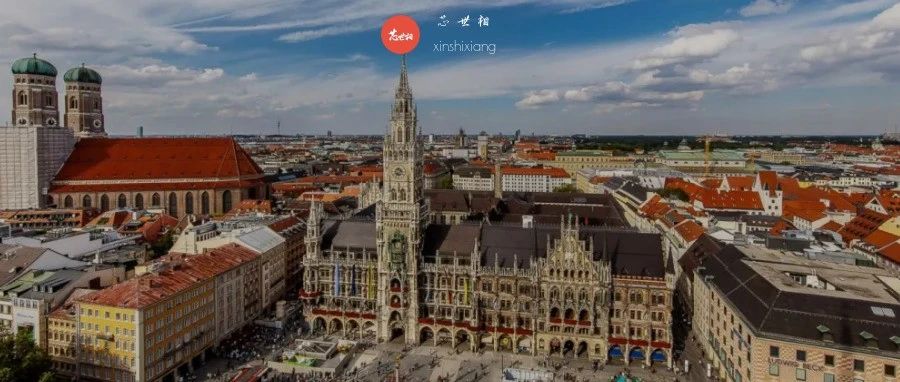
Core Viewpoint - The article emphasizes the importance of understanding market trends, regional regulations, and technological advancements for companies in the semiconductor industry looking to expand overseas, particularly in Europe. Group 1: Overview of the Business Trip - The trip aims to explore the European electronics sector, focusing on two major exhibitions: IFA and IAA, to understand the real demands and development directions in consumer and automotive electronics [1][2]. - The IFA exhibition, one of the largest in the world, attracted over 1,800 exhibitors and more than 210,000 visitors from 138 countries in its last edition, with AI being a significant theme [2]. - The IAA, a key global auto show, had 750 exhibitors from 38 countries and over 500,000 visitors, covering the entire automotive supply chain [2]. Group 2: Activities and Itinerary - The itinerary includes visits to five major German cities: Berlin, Leipzig, Dresden, Stuttgart, and Munich, each representing significant industrial characteristics [5]. - The trip will feature deep-dive salons to facilitate connections among local resources and industry professionals, enhancing networking opportunities [4]. - Participants will visit notable companies and institutions, including the Mercedes-Benz factory in Stuttgart, which has over 35,000 employees and an annual production capacity of 367,000 vehicles [15]. Group 3: Historical Context and Experience - The company has organized multiple business trips to Germany since 2018, accumulating extensive local resources and optimizing itineraries for industry relevance [7]. - Previous trips have included visits to various countries, enhancing the company's understanding of global market dynamics and fostering international business relationships [7][9].
晚一天多花10万,豪车税惊了买车人
创业邦· 2025-07-23 03:13
Core Viewpoint - The recent adjustment of the luxury car tax in China has significantly impacted the high-end automobile market, with the threshold for tax applicability lowered from 1.3 million yuan to 900,000 yuan, affecting both traditional fuel vehicles and new energy vehicles [4][5][32]. Group 1: Tax Policy Changes - The new luxury car tax policy will take effect on July 20, lowering the retail price threshold for tax applicability from 1.3 million yuan to 900,000 yuan for various types of vehicles, including new energy cars [4][5]. - The effective price threshold for new cars, including tax, has decreased from 1.469 million yuan to 1.017 million yuan, meaning any new car priced between these amounts will incur an additional 10% luxury car tax [5][32]. Group 2: Market Reactions - The announcement of the new tax policy led to a surge in consumer activity, with many rushing to dealerships to purchase vehicles before the tax took effect, resulting in extended store hours and a rapid depletion of available stock [6][8]. - Luxury car brands such as Land Rover and Porsche have been particularly affected, with many of their models now falling under the new tax regulations, prompting a rush among consumers to secure vehicles before the tax increase [9][24]. Group 3: Brand-Specific Impacts - Brands like Porsche and Land Rover are expected to be the most impacted by the new tax policy, as many of their high-end models exceed the new price threshold [24][25]. - The luxury car market share is dominated by brands such as Mercedes-Benz, which holds 48% of the market share for vehicles priced above 1.017 million yuan, followed by Land Rover at 23% and Porsche at 18% [33]. Group 4: Consumer Sentiment - Some consumers expressed frustration over the sudden tax increase, with a notable number considering canceling their orders or seeking refunds on deposits due to the unexpected financial burden [12][13]. - Despite the discontent, some consumers have accepted the additional tax as a necessary contribution to government revenue, indicating a mixed sentiment towards the policy change [12][29]. Group 5: Future Market Dynamics - The adjustment of the luxury car tax is anticipated to reshape the competitive landscape of the luxury car market, potentially benefiting domestic brands as they gain more market opportunities due to the lowered tax threshold [41][42]. - The luxury car market is expected to see a shift in consumer preferences, with buyers possibly opting for high-end models from domestic brands that can strategically adjust pricing to avoid the luxury tax [36][40].

豪华车税改突临 4S 店 72 小时连轴转、全额补贴急应对
Zhong Guo Jing Ji Wang· 2025-07-23 01:46
Core Viewpoint - The consumption tax threshold for ultra-luxury cars has been lowered from 1.3 million yuan to 900,000 yuan, prompting Jaguar Land Rover and Mercedes-Benz to introduce limited-time tax subsidy policies for specific models [1][7]. Group 1: Policy Changes - The new consumption tax policy will take effect on July 20, 2025, with the tax rate remaining at 10% [7]. - The scope of the consumption tax has been expanded to include all types of passenger cars and light commercial vehicles priced at 900,000 yuan or above [7]. - The policy exempts the sale of second-hand ultra-luxury cars from consumption tax [7]. Group 2: Company Responses - Jaguar Land Rover announced that from July 20 to July 31, it will fully cover the additional consumption tax for customers purchasing specified models [3]. - Mercedes-Benz introduced a limited-time offer for the S-Class, where dealers will cover the consumption tax, along with financing options starting at an interest rate of 5.99% [4][5]. Group 3: Market Impact - In the first half of 2025, 37,000 new cars priced above 900,000 yuan were sold, with fuel vehicles making up the majority at 33,000 units, reflecting a 41% year-on-year decline [8]. - Mercedes-Benz holds a 48% market share in this segment, while Jaguar Land Rover and Porsche hold 23% and 18%, respectively [8]. - The new tax policy is expected to further compress the sales space for luxury and ultra-luxury vehicles, particularly affecting brands like Porsche, which has a significant portion of its sales concentrated in the 900,000 to 1.3 million yuan price range [8][9].