
李宁

Search documents
智通港股沽空统计|9月15日
智通财经网· 2025-09-15 00:21
Core Insights - The article highlights the top short-selling stocks in the market, indicating significant investor sentiment and potential market movements [1][2][3] Short Selling Ratios - The top three stocks with the highest short-selling ratios are New World Development-R (80016) and Li Ning-R (82331) at 100.00%, followed by AIA Group-R (81299) at 92.90% [1][2] - Other notable stocks include BYD Company-R (81211) at 91.45% and China National Offshore Oil Corporation-R (80883) at 71.40% [2] Short Selling Amounts - Alibaba-SW (09988) leads in short-selling amount with 5.602 billion, followed by Tencent Holdings (00700) at 2.725 billion and Baidu Group-SW (09888) at 2.062 billion [3] - Other significant amounts include Meituan-W (03690) at 1.088 billion and Pop Mart International (09992) at 879 million [3] Deviation Values - Li Ning-R (82331) has the highest deviation value at 35.57%, followed by AIA Group-R (81299) at 28.24% and China National Offshore Oil Corporation-R (80883) at 27.47% [1][3] - Other notable deviation values include BYD Company-R (81211) at 25.22% and New World Development-R (80016) at 24.06% [3]






纺织服装行业周报:延江股份单周涨幅26%,海澜之家公告拟赴港上市-20250914
Shenwan Hongyuan Securities· 2025-09-14 11:12
Investment Rating - The report maintains a "Positive" outlook on the textile and apparel industry, highlighting potential investment opportunities in specific segments such as non-woven fabrics and sportswear [2][9]. Core Insights - The textile and apparel sector underperformed the market, with the SW textile and apparel index rising by 0.7%, lagging behind the SW All A index by 1.5 percentage points [4][6]. - Recent industry data indicates a 2.9% year-on-year increase in retail sales for clothing, shoes, and textiles, totaling 837.1 billion yuan from January to July [30]. - Exports of textiles and apparel decreased by 0.3% year-on-year, amounting to 197.27 billion USD from January to August, with a notable 5.0% decline in August alone [30][31]. Summary by Sections Textile Sector - Focus on investment opportunities in the entire non-woven fabric supply chain, with a significant weekly increase of 26% for Yanjiang Co. The production of non-woven fabrics has been declining since its peak in 2020, but the pandemic has heightened hygiene awareness, maintaining a large market scale [9][12]. - Yanjiang Co. has a global production footprint in China, Egypt, the USA, and India, with major clients including Procter & Gamble and Kimberly-Clark, contributing significantly to its revenue [9][12]. - The report recommends Nobon Co. for its growth potential in personal care and new tobacco products, highlighting its strong market position and technological capabilities [10][12]. Apparel Sector - Jiangnan Buyi reported a stable growth in its latest annual report, with a 4.6% increase in revenue to 5.55 billion yuan and a 6.0% rise in net profit to 900 million yuan for FY25 [12][19]. - The sportswear segment shows resilience, with brands like Anta and Li Ning demonstrating strong performance despite market challenges, with Anta's revenue increasing by 14% year-on-year [13][19]. - The report emphasizes the importance of domestic demand recovery in 2025, suggesting that high-quality domestic brands are poised for a turnaround [10][12]. Market Trends - The report notes a K-shaped recovery in retail, with high-end and cost-effective brands performing better. Innovations in retail formats are accelerating, with plans for significant store expansions in the coming year [13][19]. - The textile manufacturing sector is expected to benefit from favorable trade conditions, particularly for manufacturers with strong supply chain capabilities [10][12].



纺织服饰周专题:制造商8月营收公布,期待核心品牌商改善带动对应订单修复
GOLDEN SUN SECURITIES· 2025-09-14 10:05
Investment Rating - The report maintains a "Buy" rating for several key companies in the textile and apparel industry, including Anta Sports, Li Ning, and Xtep International, with respective 2025 PE ratios of 18x, 18x, and 12x [11][39]. Core Insights - The textile and apparel industry is experiencing a shift in export dynamics due to changes in U.S. tariff policies, leading to a decline in imports from China and an increase from Southeast Asian countries [2][25]. - Major apparel manufacturers reported mixed revenue results for August 2025, with declines for companies like Yuanyuan Group and Ruo Hong, while Feng Tai showed month-on-month improvement [1][16]. - The report anticipates a recovery in orders for upstream manufacturers if the operational performance of core brands like Nike improves, particularly in the Greater China market [3][32]. Summary by Sections Industry Overview - The textile and apparel sector has seen a decline in U.S. imports from China, with a 23% year-on-year drop from January to July 2025, while imports from Vietnam, India, Bangladesh, and Cambodia increased by 18%, 16%, 22%, and 24% respectively [2][25]. - China's apparel exports from January to August 2025 totaled $102.8 billion, down 1.7% year-on-year, while textile yarn and fabric exports increased by 1.6% to $94.51 billion [2][25]. Company Performance - Nike's revenue for FY2025 showed significant declines across all quarters, with a drop of 10.4% in Q1 and 12.0% in Q4, but the company expects a narrowing of revenue decline in FY2026 [3][32]. - Key manufacturers like Shenzhou International and Huayi Group reported revenue growth of 15% and 10% respectively for the first half of 2025 [10][33]. Market Trends - The report highlights a cautious consumer environment, with the sports footwear segment expected to outperform the overall apparel market, maintaining a healthy inventory turnover ratio of 4-5 [3][36]. - The jewelry sector is also noted for its focus on product differentiation and brand strength, with companies like Chow Tai Fook and Chao Hong Ji recommended for their improving product and channel efficiencies [4][38]. Investment Recommendations - The report recommends Shenzhou International for its low exposure to U.S. business and strong profitability, with a 2025 PE of 13x, and Huayi Group for its expanding international capacity, with a 2025 PE of 18x [38]. - In the sportswear segment, Anta Sports and Li Ning are highlighted for their robust operational capabilities, both with a 2025 PE of 18x [39].


研判2025!中国PU鞋底行业发展历程、产业链、市场规模、竞争格局及发展趋势分析:行业市场规模有望达到1800亿元[图]
Chan Ye Xin Xi Wang· 2025-09-13 02:11
Core Viewpoint - The PU sole industry in China is experiencing significant growth, with the market size expected to reach 1.38 trillion yuan in 2024, a 15% increase year-on-year, and projected to reach 1.8 trillion yuan by 2025 due to rising consumer demand for high-quality products and the rapid development of e-commerce [1][7]. Group 1: Industry Overview - The PU sole is made from polyurethane, offering advantages such as lightweight, durability, and improved performance compared to traditional rubber soles [3][5]. - The industry has evolved through three stages: initial development (1980-1990), rapid expansion (1990-2000), and maturity (2010-present), with China becoming the largest producer and consumer of PU soles globally [4][5]. Group 2: Market Dynamics - The PU sole market is characterized by intense competition, with both international giants like Lubrizol and domestic companies such as Huafeng Chemical and Anli Materials actively participating [9][10]. - The production process involves various methods, including low-pressure and high-pressure casting, which contribute to the quality and performance of the soles [4]. Group 3: Industry Trends - Technological innovation is driving product upgrades, with advancements in materials science leading to enhanced functionality, such as improved wear resistance and adaptability to environmental conditions [10][11]. - There is a growing demand for eco-friendly and sustainable PU sole materials, with companies increasingly focusing on the use of bio-based and recycled materials [11][12]. - The trend towards personalized products is rising, particularly among younger consumers, prompting companies to explore customization options and data-driven design solutions [12].






一年300场赛事、花落鹤壁,匹克球有了“新身份”
3 6 Ke· 2025-09-12 12:31
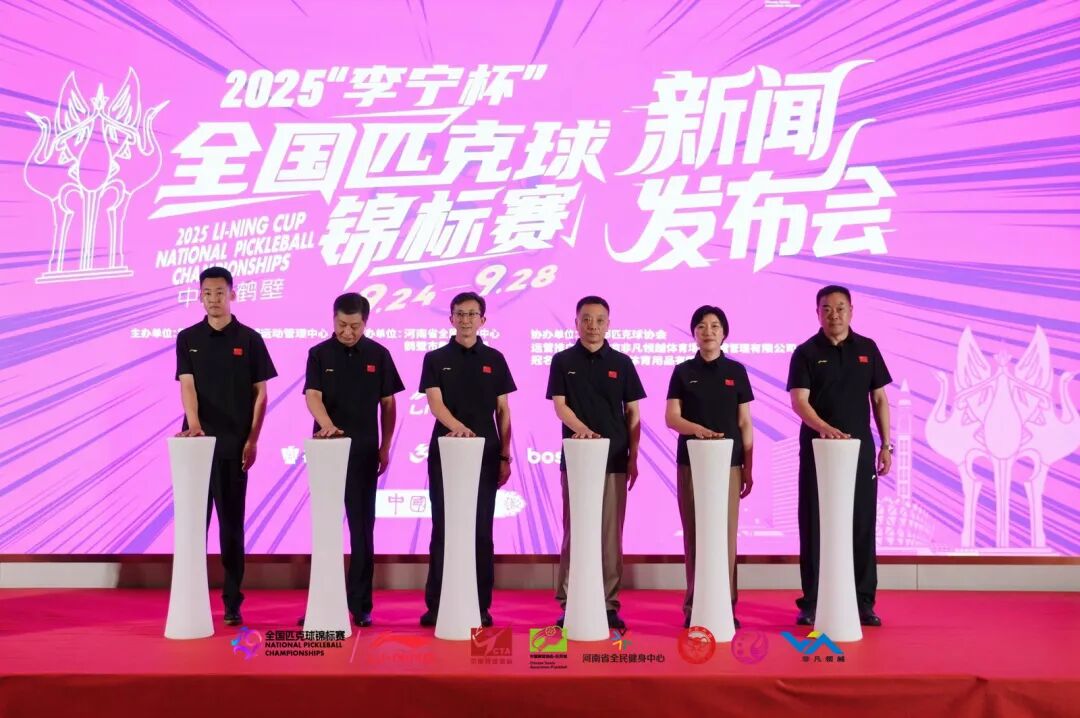
Core Insights - Pickleball is rapidly gaining popularity globally, characterized as the "fastest-growing emerging racquet sport" due to its low entry barriers and strong social aspects [1][4] - The city of Hebi, Henan, has been designated as "China's Pickleball City," marking a strategic initiative to develop the sport and transform the local economy [2][4] Event and Market Growth - The China Tennis Association announced the 2025 National Pickleball Championship, set to take place in Hebi, with nearly 400 athletes from 25 provinces and regions participating [1][2] - Hebi has constructed over 800 pickleball courts and trained over 260 professional coaches and referees within two years, significantly increasing local participation [2][4] - The number of pickleball events in China is projected to exceed 300 by the end of the year, showcasing exponential growth in market activity and community engagement [6][10] Brand and Sponsorship Involvement - Major brands like Li Ning and Red Double Happiness are actively sponsoring pickleball events, indicating a growing commercial interest in the sport [6][8] - The involvement of brands extends beyond equipment to include event broadcasting and cultural products, creating a comprehensive industry ecosystem [8][9] Industry Structure and Standardization - The establishment of national standards for pickleball equipment and competition rules in 2024 has laid a foundation for organized play and professional development [10][12] - The China Pickleball Tour (CPC) has diversified into various event formats, enhancing the competitive landscape and attracting more participants [10][12] Youth Engagement and Future Prospects - Initiatives to introduce pickleball into schools aim to cultivate a new generation of players, ensuring long-term sustainability for the sport [12] - Government policies are increasingly supportive of emerging sports, further solidifying the growth trajectory of pickleball in China [12][13]
运动鞋履行业深度剖析:经营模式、规模预测及发展走向
Xin Lang Cai Jing· 2025-09-12 11:49
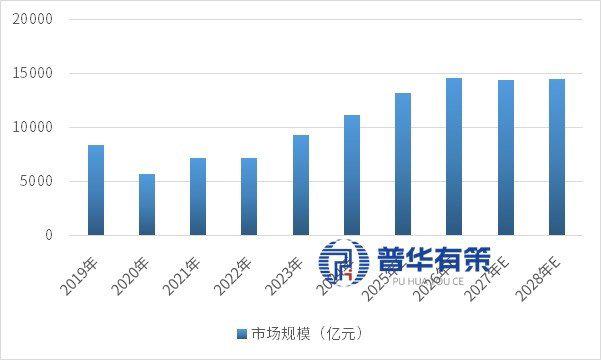
Core Insights - The sports footwear industry is essential for daily life, with designs tailored for various sports and everyday use, emphasizing cushioning and shock absorption [1] Group 1: Business Models in the Sports Footwear Industry - The industry has developed two main business models: 1. Separation of brand operation and manufacturing, where brands like Nike and Adidas focus on brand value and marketing while outsourcing production to specialized manufacturers [1] 2. Integrated brand operation and manufacturing, where companies like Guirenniao and Wanlima handle both branding and production, although some outsourcing occurs [1] Group 2: Market Size and Forecast - The global sports footwear market is projected to grow from 570.5 billion in 2020 to 935.6 billion in 2023, with a compound annual growth rate (CAGR) of 2.4% from 2019 to 2023, and expected to exceed 1,400 billion by 2028 [2] - The global sports footwear manufacturing market is expected to grow from 134 billion in 2019 to 186.9 billion in 2023, with a CAGR of 8.7%, and is projected to surpass 280 billion by 2028 [5] - The Chinese sports footwear manufacturing market is anticipated to grow from 23.4 billion in 2019 to 47.8 billion in 2023, with a CAGR of 19.6%, and is expected to exceed 70 billion by 2028 [5] Group 3: Industry Trends - There is a deepening partnership between leading sports brands and specialized manufacturers, with brands relying on quality manufacturers for production while manufacturers depend on brand orders for growth [8] - The automation level in sports footwear production is increasing due to rising labor costs, enhancing efficiency and quality while reducing costs [9][10] Group 4: Competitive Landscape - The sports footwear manufacturing industry is highly concentrated in Asia, with Taiwanese manufacturers gaining a competitive edge during the industry shift, leveraging technology and production quality [11] - Chinese brands like Anta, Li Ning, and Peak are emerging strongly, supported by a mature supply chain and deepening collaborations with international brands [11]
高品质企业出海如何实现三维突破:品牌、文化、服务
Sou Hu Cai Jing· 2025-09-12 09:55
Group 1: Brand Going Global - The transformation of brand export from OEM to independent brands is highlighted, with a focus on building a global brand value system [2] - Anta Sports has successfully transitioned from "Made in China" to "Created in China," achieving a revenue of 62.36 billion yuan in 2023, with over 40% contributed by the FILA brand [2] - Perfect Diary's localized marketing strategy in Southeast Asia, including tailored product lines and collaborations with local KOLs, has led to significant market presence [2] Group 2: Digital Marketing Localization - The importance of localized digital marketing strategies is emphasized, with different preferred platforms in various regions, such as Amazon in North America and Shopee in Southeast Asia [3] - Companies face challenges like IP address restrictions in cross-border digital marketing, and services like IPFLY provide stable overseas IP resources to enhance marketing effectiveness [3] Group 3: Cultural Going Global - Cultural export is crucial for emotional connections with global consumers, exemplified by Pop Mart's success in creating universally appealing IP characters, achieving overseas revenue of 1.066 billion yuan in 2023, a 134.9% increase [5] - The integration of traditional Chinese culture with modern trends, as seen in Li Ning's "Wudao" series at Paris Fashion Week, showcases a confident cultural expression [5] Group 4: Storytelling in Content Marketing - High-quality consumer brands need to use storytelling to convey brand values, with Xiaomi's success in India attributed to its relatable brand narrative [6] - Huaxizi's marketing strategy, showcasing traditional Chinese craftsmanship through engaging video content, has garnered over 20 million views [6] Group 5: Service Going Global - The establishment of a global service system is a significant challenge, with Haier's localized operations in various markets serving as a model [7] - SHEIN's success is linked to its robust supply chain and customer service, including local warehouses for quick delivery and multilingual support [7] Group 6: Digital Service Innovation - The need for digital technology to enhance service efficiency and quality in cross-border e-commerce is highlighted, with intelligent order management systems being essential for handling diverse international requirements [9] - IPFLY's dynamic residential proxy services facilitate market research and service optimization across over 190 countries [9] Group 7: Three-Dimensional Integration - The interdependence of brand, culture, and service in global strategies is illustrated by Miniso's model of "Japanese design, Chinese manufacturing, global sales," with over 5,400 stores worldwide by the end of 2023 [10] - Maintaining strategic consistency while adapting to local market characteristics is crucial for success in global markets [10] Group 8: Conclusion - The journey of high-quality consumer brands going global is a systematic process, with brand, culture, and service working together to enhance global competitiveness [12] - The future looks promising for Chinese high-quality consumer brands as they leverage digital technology and evolving global markets to create comprehensive export strategies [12]

恒指收跌113点,港股表现反复
Guodu Securities Hongkong· 2025-09-12 05:43
Group 1: Market Overview - The Hang Seng Index closed down 113 points or 0.43%, ending at 26,086, after fluctuating throughout the day with a low of 25,878 and a high of 26,241 [3] - The total market turnover increased by 12.8% to 32.52 billion HKD, with a net inflow of 18.99 billion HKD from northbound trading [3] - Among 88 blue-chip stocks, 39 rose while 38 fell, indicating mixed performance in the market [4] Group 2: Company News - Alibaba (09988) plans to issue approximately 3.2 billion USD in zero-coupon convertible bonds, closing up 0.4% at 143.3 HKD [4] - Future Machine Limited (01401) announced a rights issue of 2 for 1, aiming to raise up to 140 million HKD, with a subscription price significantly lower than the previous closing price [11] - Nissin Foods (01475) successfully acquired land use rights for two plots in Zhuhai, Guangdong, for 30.68 million RMB to build new production facilities [12] Group 3: Industry Dynamics - The Cambodian bank, Acleda Bank, has received approval to establish a representative office in Hong Kong, marking a significant step in enhancing economic cooperation between Hong Kong and Cambodia [7] - The retail sales of passenger cars in mainland China fell by 10% year-on-year, with a total of 304,000 vehicles sold in the first week of the month [10] - Ningde Times (03750) is implementing cost-reduction plans across the entire lithium mining process to maintain competitiveness amid expected oversupply of lithium carbonate [13]
平安证券(香港)港股晨报-20250912
Ping An Securities Hongkong· 2025-09-12 03:13
Market Overview - The Hong Kong stock market experienced fluctuations, with the Hang Seng Index closing at 23,831 points, down 145 points or 0.61% [1] - The market turnover decreased to 82.799 billion HKD, with net inflows of 484 million HKD recorded in the Hong Kong Stock Connect [1][5] - The technology sector showed resilience, with the Hang Seng Technology Index down only 0.24% [1][5] Key Companies and Performance - Semiconductor stocks performed well, with SMIC rising by 5.0% and China Hongqiao increasing by 3.6% [1][5] - Pharmaceutical companies faced declines, with Hansoh Pharmaceutical dropping 8.8% due to concerns over increased scrutiny of Chinese innovative drugs by the US [1][5] - The report highlights the strong performance of Alibaba's AI model Qwen3-Next, which has shown significant improvements in efficiency and cost-effectiveness [8] Investment Recommendations - The report suggests focusing on sectors such as artificial intelligence, semiconductors, and industrial software, which are expected to benefit from the ongoing technological advancements [3] - It also recommends monitoring upstream non-ferrous metals companies that are likely to benefit from anticipated interest rate cuts by the Federal Reserve [3] - The report emphasizes the value of investing in state-owned enterprises with low valuations and high dividends [3] Economic Data and Trends - The report notes that the cumulative net inflow of southbound funds has reached 1,065.5 billion HKD this year, surpassing last year's total of 807.9 billion HKD [3] - The automotive industry in China showed growth, with production and sales of new energy vehicles increasing by 27.4% and 26.8% year-on-year, respectively [8] - The report indicates that the market is currently favoring companies with strong fundamentals and growth potential in the context of economic recovery [3]
国家食品安全风险评估中心主任李宁:不断完善食品安全国家标准体系
Zhong Guo Jing Ji Wang· 2025-09-12 01:59
Core Viewpoint - The 16th China Food Safety Forum emphasized the importance of continuously improving the national food safety standard system to ensure safety and promote development [1][2]. Group 1: Food Safety Standards - Since the implementation of the Food Safety Law in 2009, China has published a total of 1,725 national food safety standards covering over 340 food categories and more than 20,000 indicators [1]. - The standards address major health hazards affecting Chinese residents and manage the entire food supply chain from production to consumption [1]. Group 2: New Standards and Regulations - This year, 126 new standards and amendments were released, focusing on limits for harmful substances in food, hygiene regulations, and nutritional labeling, among others [2]. - The new standards aim to meet public expectations for food safety and support the urgent needs of food industry transformation and regulatory efficiency [2]. Group 3: Labeling Innovations - The new General Principles for Prepackaged Food Labels and Nutritional Labels introduce mandatory allergen labeling, standardized quantitative labeling, and digital labeling, enhancing transparency and consumer protection [3]. - The nutritional labels will now include additional information on saturated fats and sugars, promoting healthier food choices and reducing food waste [3]. Group 4: Digital Labeling - The National Health Commission and the State Administration for Market Regulation have announced measures to promote digital labeling, simplifying information access for consumers and enhancing regulatory oversight [4]. - Hundreds of companies and over a thousand products have already adopted digital labels, covering major food categories such as dairy, meat, and beverages [4].