康师傅控股

Search documents
康师傅二代将接任CEO 亟须打破“增利不增收”局面
Zhong Guo Jing Ying Bao· 2025-12-28 04:52
Core Viewpoint - The transition of CEO position to Wei Hongcheng, a member of the founding family, indicates a complete control of ownership and management by the Wei family in Kang Shifu, amidst challenges in revenue growth despite profit increases [2][4][6]. Group 1: CEO Transition - Kang Shifu announced that Wei Hongcheng will become CEO starting in 2026, succeeding Chen Yingran, who is retiring [3]. - Wei Hongcheng, aged 43, has a strong educational background and has been leading Kang Shifu's beverage division since 2019, achieving steady revenue and profit growth [3][5]. - The change in leadership reflects a long-planned succession strategy within the Wei family, consolidating power in the hands of the second generation [4]. Group 2: Financial Performance - In the first half of 2025, Kang Shifu reported a revenue of 400.92 billion yuan, a decrease of 2.7% year-on-year, while net profit attributable to shareholders increased by 20.5% [6]. - The company's gross profit margin improved by 2.8% year-on-year, indicating effective cost management despite declining revenues [6]. - The convenience food and beverage segments are facing revenue declines, with instant noodle revenue dropping by 2.5% in the first half of 2025 [5][6]. Group 3: Market Challenges - Kang Shifu's market share in the instant noodle sector decreased from 36% in 2020 to 31% in 2024, while competitors like Nongfu Spring have seen significant growth [5]. - The beverage segment also faced challenges, with a decline in market share in the ready-to-drink tea category from 32% in 2022 to 29% in 2024 [5]. - The company is experiencing a reduction in the number of distributors, which fell from 76,875 in 2023 to 63,806 in the first half of 2025, indicating potential issues with its pricing strategy [6][7]. Group 4: Strategic Insights - Analysts suggest that Kang Shifu's pricing strategy, which involved significant price increases, may have contributed to the loss of distributors and could impact overall sales performance [6][7]. - The company is urged to focus on cost control, supply chain optimization, and product innovation to address market challenges and consumer demand [7]. - Future opportunities may lie in health-oriented products and understanding consumer trends better to drive innovation and growth [7].


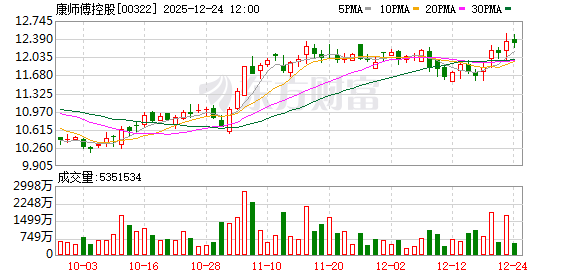
康师傅换帅:魏宏丞出任CEO,800亿食品帝国迈入共治时代
Sou Hu Cai Jing· 2025-12-26 11:16
Core Viewpoint - The announcement of Wei Hongcheng as the new CEO of Master Kong marks a significant transition in the company's leadership, emphasizing family succession and the need for strategic innovation to address current challenges in the fast-moving consumer goods (FMCG) sector [2][8]. Group 1: Leadership Transition - Wei Hongcheng, the third son of founder Wei Yingzhou, will take over as CEO starting January 1, 2026, establishing a "brotherly co-governance" management structure with his brother Wei Hongming [2]. - Wei Hongcheng has a strong background in the beverage sector, having served on the board since 2015 and as chairman of the beverage division since 2019, where he significantly increased revenue from 35.6 billion yuan in 2019 to 51.6 billion yuan in 2024 [2][4]. Group 2: Product Innovation - Under Wei Hongcheng's leadership, the beverage division has focused on innovation to meet consumer demands for healthier and diversified products, launching new flavors and health-oriented options [4][6]. - The company has developed a comprehensive product matrix that includes popular items, health-focused products, and innovative offerings to attract younger consumers [6]. Group 3: Financial Performance - Despite a 2.5% decline in beverage revenue in the first half of 2025, the division managed to increase gross margin by 2.5 percentage points through strategic pricing and product optimization, resulting in a net profit growth of approximately 20% [7]. - The convenience food segment, however, faced a similar 2.5% revenue decline, highlighting the need for Wei Hongcheng to address growth challenges in this area [7]. Group 4: Governance and Challenges - The family succession model has reinforced the family's control over the company, which can lead to a lack of external oversight and potential short-term focus in decision-making [8][9]. - Concerns exist regarding the high executive compensation levels, which may not align with long-term corporate responsibility and performance [8][12]. - The company must balance family interests with long-term growth strategies, potentially reducing dividend payouts to improve cash flow and invest in innovation and safety [12]. Group 5: Industry Context - The FMCG industry is entering a phase driven by innovation, requiring companies to adapt to rapidly changing consumer demands and channel dynamics [11]. - Master Kong's ability to innovate and reform under Wei Hongcheng's leadership will be crucial for regaining its competitive edge in a challenging market [11][10].

北纬 23.5° 潮州:凤凰单丛的山韵风华,藏于云岚深处
新华网财经· 2025-12-26 01:52
Core Viewpoint - The article highlights the unique qualities and cultural significance of Fenghuang Dancong tea, which originates from the Phoenix Mountain in Chaozhou, Guangdong, emphasizing its distinct "mountain charm" and the traditional craftsmanship involved in its production [1][10]. Group 1: Natural Environment and Growth Conditions - Phoenix Mountain, located at latitude 23.5° N, provides an ideal environment for the growth of Fenghuang Dancong tea, characterized by its misty climate and rich, well-drained red soil [3]. - The unique geographical and climatic conditions slow down the growth of tea trees, allowing them to accumulate essential nutrients and aromatic compounds, resulting in the tea's distinctive flavor [3]. Group 2: Quality and Traditional Craftsmanship - The quality of Fenghuang Dancong tea is attributed to the exceptional growing conditions and the careful selection of tea leaves, adhering to the "one bud, two or three leaves" standard during harvesting [5]. - Traditional tea-making techniques are preserved, with collaboration from experienced local tea farmers, ensuring the authentic taste of Chaozhou is maintained [5]. - The production process involves three critical roasting stages that enhance the tea's aroma and flavor, with each step requiring precise control to achieve the best quality [5]. Group 3: Modern Technology and Accessibility - The integration of modern tea-making technology by brands like Kang Shifu allows the unique "mountain charm" to reach a broader audience, while still adhering to traditional methods [7]. - The tea is marketed as a sugar-free beverage, emphasizing its natural flavor without any added sugars or artificial ingredients, thus appealing to health-conscious consumers [7][8]. Group 4: Cultural Significance - Fenghuang Dancong tea serves as a cultural symbol for the Chaozhou people, encapsulating their memories and emotional connections, while also showcasing the depth of Chinese tea culture [10]. - The tea's journey from the ecological tea gardens of Phoenix Mountain to consumers highlights its cultural and natural heritage, making it accessible to a wider audience [10].
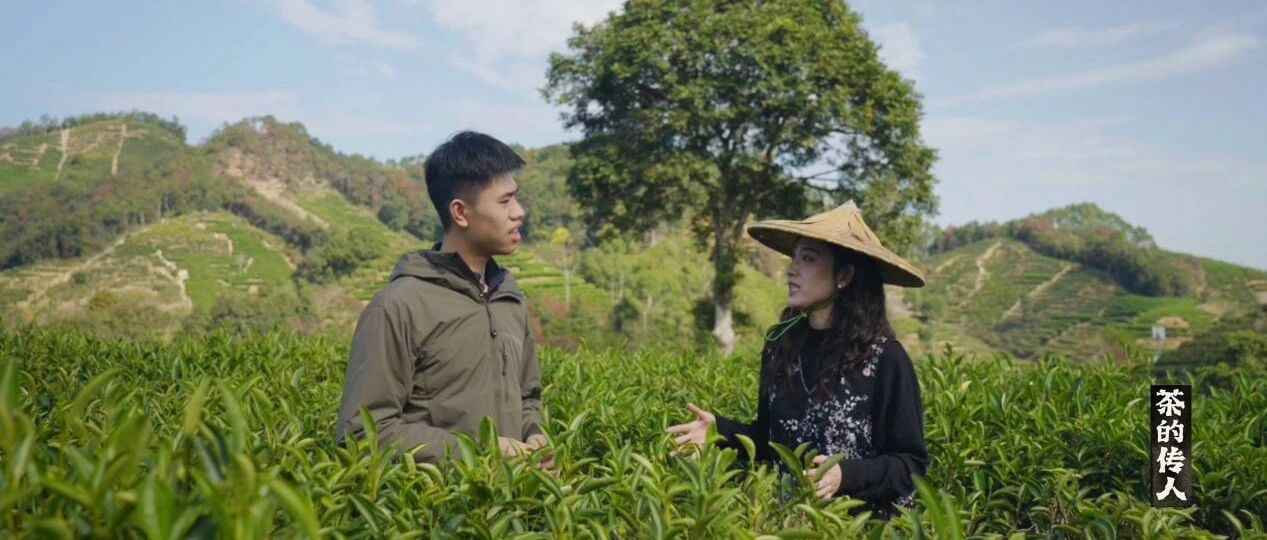
乳饮“老江湖”的三场仗
Bei Jing Shang Bao· 2025-12-25 16:02
Group 1: Industry Overview - The Chinese food and beverage industry is undergoing significant transformation, with traditional brands facing challenges such as channel restructuring, product upgrades, and public relations issues, while emerging brands are rapidly rising through differentiated positioning and digital marketing [1] - The year 2025 is seen as a pivotal moment for established brands like Wahaha, Huiyuan, and Sanyuan, reflecting the industry's need for new strategies amidst changing market dynamics [1] Group 2: Wahaha's Challenges - Wahaha is currently embroiled in an asset dispute involving the "Zong Family Siblings" and Zong Fuli, with the company's trademark still locked in a shareholder deadlock [2] - Zong Fuli resigned from her leadership roles at Wahaha but retains a 29.4% stake, indicating a complex transition as she attempts to modernize the company while facing historical governance issues [3] - Wahaha's revenue slightly decreased from 51.2 billion yuan in 2022 to 50 billion yuan in 2023, but is projected to rebound to 70 billion yuan in 2024, showcasing a potential recovery strategy [3] Group 3: Wahaha's Strategic Moves - Wahaha has initiated a "surgical" channel reform, consolidating its distribution network to enhance control over core markets, which marks a significant shift in its long-standing channel management structure [4] - The company is focusing on professional and market-oriented adjustments, aiming to replace inertia with mechanisms that align the team closer to market demands [4] - However, internal conflicts persist, as evidenced by the registration of the "Wah Xiaozong" trademark, which has not been utilized effectively, and competition from the "Zong Sheng" brand [4][5] Group 4: Huiyuan's Capital Struggles - Huiyuan is facing a capital struggle, with its e-commerce presence severely impacted due to a control dispute that has escalated into judicial confrontations [6][8] - The company has accused its investment partner of failing to fulfill financial commitments, leading to operational difficulties and product shortages on major e-commerce platforms [8] - Huiyuan's management is actively pursuing legal action to enforce contractual obligations and restore operational stability [8] Group 5: Sanyuan's Strategic Focus - Sanyuan has shifted its strategy from scale expansion to focusing on high-margin, high-loyalty products, particularly in the low-temperature fresh milk segment [10] - The company reported sales of 2.28 billion yuan in Beijing for the first three quarters, despite a 14.6% decline compared to the previous year, indicating resilience in a challenging market [11] - Sanyuan is also expanding its product offerings to cover all life stages, aiming to create a comprehensive nutritional ecosystem [11] Group 6: Industry Trends and Future Outlook - The transformation in the beverage industry reflects a broader shift from extensive growth to refined, digital operations, highlighting the need for traditional companies to address governance, brand aging, and channel rigidity [12] - The challenges faced by established brands like Wahaha and Huiyuan signal the beginning of an industry reshuffle, emphasizing the importance of governance restructuring and adapting to consumer trends [12]

广告中的非遗传播研究——以中国广告长城奖、公益广告黄河奖为例
Jing Ji Guan Cha Wang· 2025-12-25 03:49
Core Viewpoint - The integration of intangible cultural heritage (ICH) into contemporary advertising has gained momentum, with advertising acting as a catalyst for the commercialization and industrialization of ICH, thereby promoting its protection and revitalization [2][3][4]. Research Background - Since 2019, there has been a notable rise in ICH-themed advertisements, reflecting a growing public interest and discussion around ICH, driven by the national trend of "Guochao" (national tide) [2][3]. - Advertising serves as a bridge between supply and demand, helping to clarify the needs of ICH and stimulate its market entry, thus facilitating the transition from products to commodities [4]. Literature Review - Research on the intersection of advertising and ICH is limited, primarily consisting of case studies that focus on specific cultural elements rather than a comprehensive analysis of ICH in advertising [5][6]. - The existing literature can be categorized into three main directions: marketing strategies for specific ICH projects, the role of advertising in ICH protection, and the practical implications of ICH in advertising education [6]. Research Methodology and Design - The study analyzes award-winning advertisements from the China Advertising Great Wall Awards and the Yellow River Awards from 2006 to 2021, focusing on the use of ICH elements [7]. - A total of 191 advertisements incorporating ICH elements were identified from a sample of 3,424 award-winning works, providing a comprehensive overview of ICH in advertising [7]. Trends in ICH Usage in Advertising - The proportion of advertisements using ICH elements has shown an upward trend, particularly from 2019 to 2021, coinciding with the rise of national cultural pride [9][10]. - In the Yellow River Awards, the use of ICH elements has remained relatively stable, maintaining a 10% to 20% share, with a focus on traditional festivals and cultural themes [10][12]. Categories of ICH Usage - Folk customs dominate the use of ICH in advertising, followed by traditional crafts, traditional arts, traditional drama, and folk literature [15]. - The advertising industry frequently utilizes folk customs related to traditional festivals, which serve as significant marketing opportunities [16]. - Traditional crafts are presented in various forms, emphasizing their cultural significance and craftsmanship in both commercial and public service advertisements [17]. Evolution of ICH Usage in Advertising - The use of ICH elements has diversified, transitioning from a focus on state-sponsored initiatives to a broader engagement by commercial brands across various sectors [19][20]. - The presentation of ICH in advertising has evolved from simple representation to innovative and interactive formats, reflecting changes in media and consumer engagement [21][22]. Forms of ICH Presentation in Advertising - ICH and brands are increasingly coexisting, with brands integrating ICH into their identity and marketing strategies [22]. - Commercial brands are leveraging ICH to enhance their image and appeal to modern consumers, often through collaborations and innovative product offerings [26][27]. - Short-term collaborations with non-profit organizations and commercial brands are becoming common, highlighting the cultural and social value of ICH [30][31]. Summary and Outlook - The increasing collaboration between brands and ICH is fostering a mutually beneficial relationship, enhancing brand identity while promoting the cultural significance of ICH [35][36]. - The future of advertising will likely see continued innovation in the integration of ICH, as brands recognize its economic potential and cultural value, leading to a more vibrant and sustainable ICH ecosystem [36].

北纬 25° 安溪:铁观音的甘鲜密码,藏在红壤云雾间
新华网财经· 2025-12-25 02:57
Core Viewpoint - The article highlights the unique qualities and traditional craftsmanship behind Anxi Tieguanyin tea, emphasizing its ecological growth environment and the meticulous production process that preserves its authentic flavor [1][3][5]. Group 1: Tea Growing Environment - Anxi's tea gardens are characterized by red soil with a pH level between 4.5 and 6.0, ideal for tea tree growth [3] - The tea gardens are located at an altitude of 868 meters, where mist creates a microclimate that helps retain moisture and enhance flavor compounds in the tea leaves [3] - The tea leaves exhibit tight, round shapes and a rich green color, indicating high quality, with thick leaves that are nutrient-rich [3] Group 2: Traditional Craftsmanship - The production of Tieguanyin tea involves a commitment to traditional methods, with local farmers having over 50 years of experience [5] - The process includes a crucial 10-hour shaking step to promote fermentation and flavor development, with all twelve core processes needing to be completed within 24 hours to ensure quality [5] - Experienced farmers use their senses to monitor the tea's condition, integrating craftsmanship into every detail of production [5] Group 3: Modern Technology Integration - The brand collaborates with experts and institutions to establish strict raw material selection standards, filtering from over 300 types of tea leaves to find the best Tieguanyin [7] - Modern extraction techniques are employed to optimize production while preserving the natural aroma and nutrients of the tea, resulting in a sugar-free beverage that appeals to contemporary consumers [7] Group 4: Consumer Experience - The Tieguanyin tea drink offers a prominent orchid fragrance and a refreshing, sweet taste, with a quick aftertaste that lingers [9] - The product serves as a bridge connecting the unique characteristics of Anxi's tea with a broader audience, allowing more people to appreciate and enjoy this traditional beverage [9]

野村:2026年食品饮料策略 - 继续找寻细分高成长赛道和渠道
野村· 2025-12-24 12:57
Investment Rating - The report suggests a focus on individual stocks rather than the overall industry, indicating potential for high individual stock appreciation despite overall industry pressure [2][3]. Core Insights - Consumer confidence is gradually recovering, with strong growth in consumer-close channels such as convenience stores and membership stores, which saw a year-on-year increase of 4.9% [1][9]. - The food and beverage sector is currently undervalued, with cost stability expected to support corporate profitability as raw material costs are anticipated to remain flat or decrease next year [1][2]. - The alcoholic beverage segment is under pressure, particularly the baijiu industry, which is facing clearing and restrictions, while beer remains stable and the competition in yellow wine is changing significantly [1][6]. Summary by Sections B2B and B2C Business - B2B business in new retail channels and restaurant recovery is relatively weak, but significant changes are observed in C-end offline channels [4]. - C-end consumer confidence is gradually recovering, with stronger growth dynamics in consumer-close channels [4]. Industry Performance - The demand for alcoholic beverages is under pressure, with baijiu production declining and prices in a downward trend, although recent company price control has led to a rebound [5][6]. - The snack sector is experiencing rapid growth, while baking and cooked food operations are under pressure. Brands like Wancheng and Weilong are responsive to channel changes, leading to sustained growth [5][6]. Consumer Confidence and Economic Impact - The consumer confidence index has steadily improved, rising from 87.5 to 89.4 from January to October 2025, indicating a positive trend in consumer spending [12]. - Despite overall industry pressures, there are many growth opportunities in specific segments such as pre-processed foods and snacks, with products like electrolyte water and sugar-free tea continuing to grow rapidly [13]. Valuation and Investment Recommendations - The valuation of food and beverage companies is currently at historical lows, with many companies offering attractive dividend yields, such as Chongqing Beer exceeding 3% [15][16]. - The report recommends focusing on leading brands in specific segments, including top brands like Dongpeng Beverage and Nongfu Spring, as well as snack brands like Wancheng Group and Yanjinpuzi, and pre-processed food companies like Sanquan Foods and Anjui Foods [16].
6000家食企撑腰,产能全国第一,这个泡面大省为何只在中原打转?
3 6 Ke· 2025-12-24 10:09
Core Insights - The article highlights the significant role of Henan province in China's instant noodle industry, emphasizing its production capacity and local flavors as key strengths [5][14][32] - Despite its strong production capabilities, Henan's instant noodles struggle to achieve national and global recognition compared to brands like Master Kong and Unification [15][22][32] Group 1: Production Strengths - Henan accounts for one-third of China's instant noodle production, with two of the top ten instant noodle companies based in the province [6][7][14] - The province benefits from a complete supply chain, including wheat production, which supports the local instant noodle industry [9][10] - The food industry cluster in Henan, particularly in cities like Luohe, enhances production efficiency and reduces costs [6][10] Group 2: Market Challenges - Henan instant noodles primarily target local markets, with limited presence in southern cities and international markets [18][19][30] - The brands focus on traditional flavors and low price points, which may hinder innovation and appeal to younger consumers [16][17][18] - Marketing efforts have not effectively engaged younger demographics, leading to missed opportunities in brand visibility and cultural relevance [18][22][25] Group 3: Comparison with Korean Noodles - Korean instant noodles are positioned as lifestyle products, while Chinese instant noodles are often seen as emergency food options [22][23] - Korean brands leverage cultural exports and innovative flavors to maintain global appeal, contrasting with the more traditional offerings of Henan brands [22][24][25] - The lack of cultural narratives and modern marketing strategies limits the global reach of Henan's instant noodles [25][27] Group 4: Recommendations for Growth - Henan instant noodle brands should focus on leveraging local ingredients and cultural heritage to create unique products [28][30] - Engaging in targeted marketing campaigns and collaborations with local cultural institutions could enhance brand appeal among younger consumers [28][30] - Expanding distribution channels and developing region-specific flavors could help penetrate southern markets and improve overall sales [30][31]
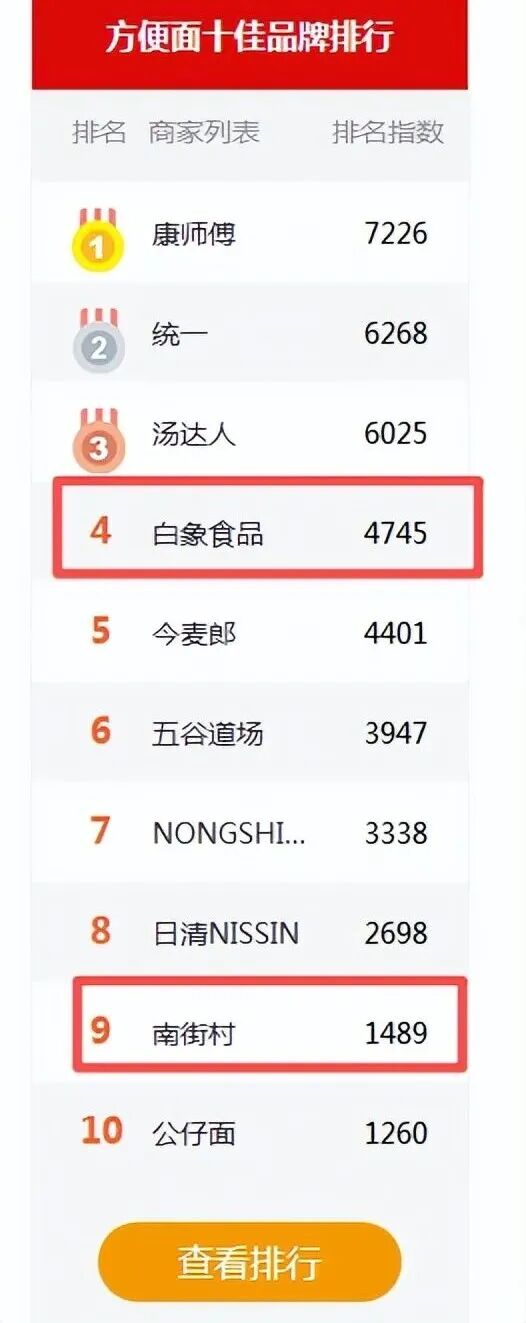
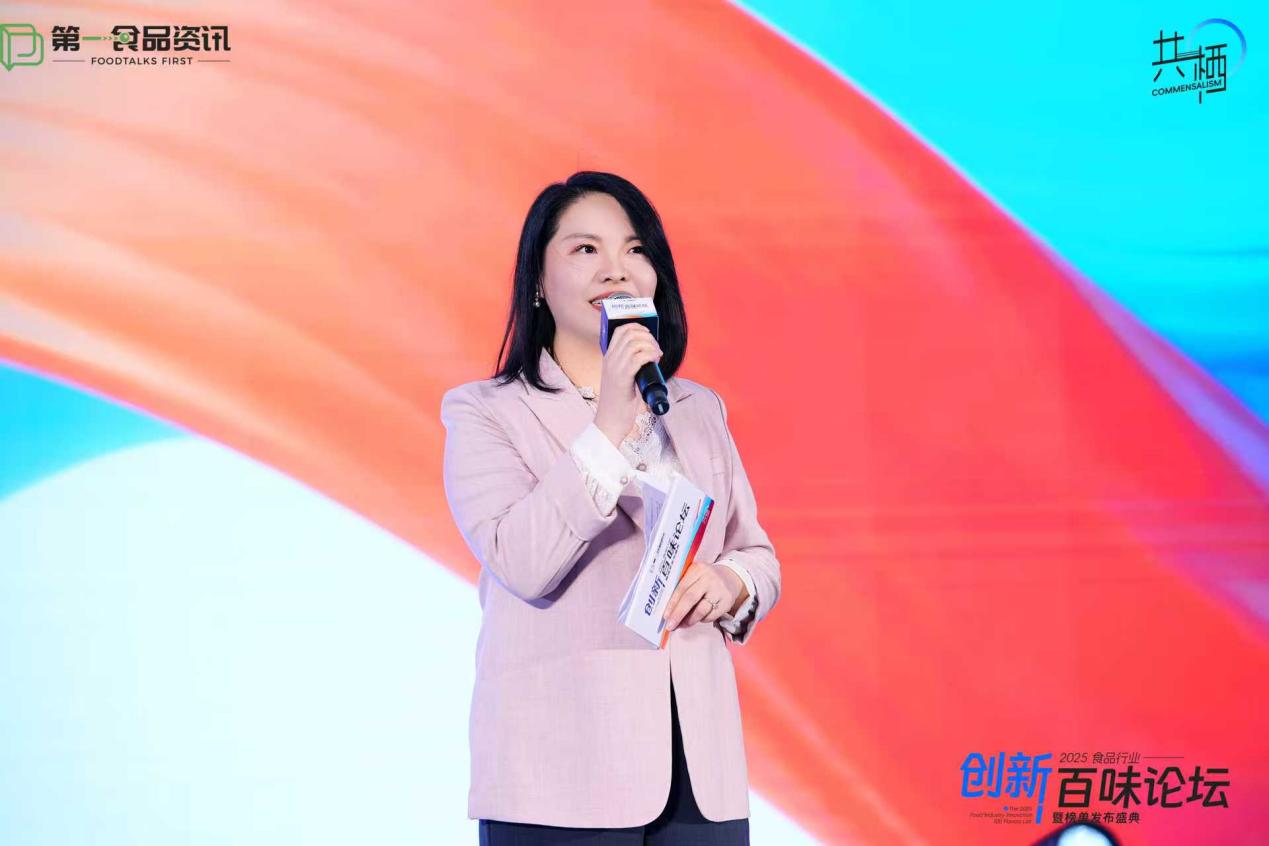
共栖·2025创新百味榜隆重发布,共同探寻食品行业未来发展
Zhong Guo Shi Pin Wang· 2025-12-24 08:19
Core Insights - The 2025 food industry is entering a "cohabitation era" characterized by ecological integration, where health and taste are no longer at odds, and sustainability is embedded in every aspect from R&D to consumption [2][4] - The forum highlighted the need for brands to adapt to changing consumer demands and the importance of innovation supported by channels and consumer recognition [4][5] Industry Trends - The food industry is expected to stabilize and rebound in 2025, with projected revenues reaching 9.6 trillion yuan, indicating resilience amid economic challenges [9] - The concept of "consumer equality" is emerging, where information barriers are broken, and consumer choice is more widespread, redefining traditional market dynamics [7] Innovation and Consumer Behavior - The rise of user-generated content platforms has shifted consumer trust from brand advertising to peer recommendations, making platforms like Xiaohongshu essential for decision-making [11] - The food industry is witnessing a shift towards "value-driven" consumption, with trends focusing on clean eating, herbal foods, and emotional connections to food [11] Brand Strategies - Companies are encouraged to transition from competitive logic to a cohabitation logic, fostering an ecosystem where collaboration is key to navigating new economic cycles [14] - The importance of a robust supply chain is emphasized, as companies must meet consumer demands for freshness and reliability [15] Awards and Recognition - The "2025 Food Industry Innovation Hundred Flavors List" was unveiled, recognizing influential brands and innovative products, which serves as a benchmark for future industry development [22][25] - The awards included categories such as "Annual Super Product," "Annual Innovative Product," and "Annual Consumer Favorite Product," highlighting the diversity and innovation within the industry [26][28][30]
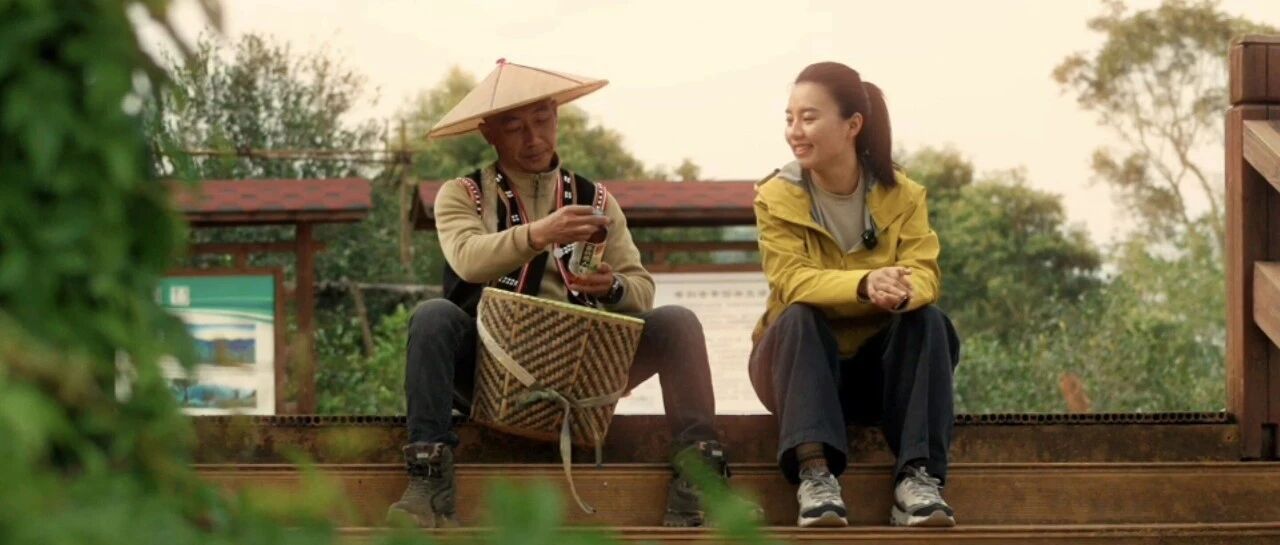
北纬23°临沧:普洱茶的醇厚时光,源自古树秘境
新华网财经· 2025-12-24 08:18
Core Viewpoint - The article highlights the unique qualities and cultural significance of Pu-erh tea from the Lincang region in Yunnan, emphasizing its rich natural environment, traditional production methods, and the deep-rooted tea culture of the area [1][10]. Group 1: Natural Environment - Lincang's natural environment is described as a paradise for tea tree growth, with the Lancang River providing moisture and the surrounding mountains ensuring clean air and nutrient-rich soil [3]. - The region boasts 400,000 acres of wild tea communities, with ancient tea trees that have survived for centuries, contributing to the unique flavor and purity of the tea [3]. Group 2: Tea Gardens - In addition to wild tea, Lincang has 1.3 million acres of tea gardens, with 650,000 acres dedicated to ancient tea trees, which have deep root systems allowing them to absorb rich minerals and moisture [5]. - The tea farmers selectively harvest tender leaves during the spring season to ensure the highest quality of tea [5]. Group 3: Production Process - The article details the traditional fermentation process of Pu-erh tea, which involves a 50-day careful fermentation period, where temperature, humidity, and turning frequency are meticulously controlled [7]. - The collaboration with experienced local tea farmers ensures adherence to traditional methods, preserving the unique flavors and aromas of the tea [7]. Group 4: Product Characteristics - The resulting Pu-erh tea is characterized by its rich, mellow flavor, with a smooth texture and a long-lasting aftertaste, reflecting the essence of the ancient tea culture [10]. - The product, "Yunnan's Pu-erh Tea," is marketed as a sugar-free beverage that relies solely on the natural fermentation flavors of the tea leaves [8]. Group 5: Cultural Significance - The article emphasizes the cultural heritage of Pu-erh tea, portraying it as not just a beverage but a tribute to the ancient tea culture of Yunnan, aiming to bring this unique experience to a wider audience [10].