星巴克

Search documents
早餐、现烤与精准推送:博裕入局后,星巴克中国为什么突然加速?
3 6 Ke· 2025-12-17 02:45
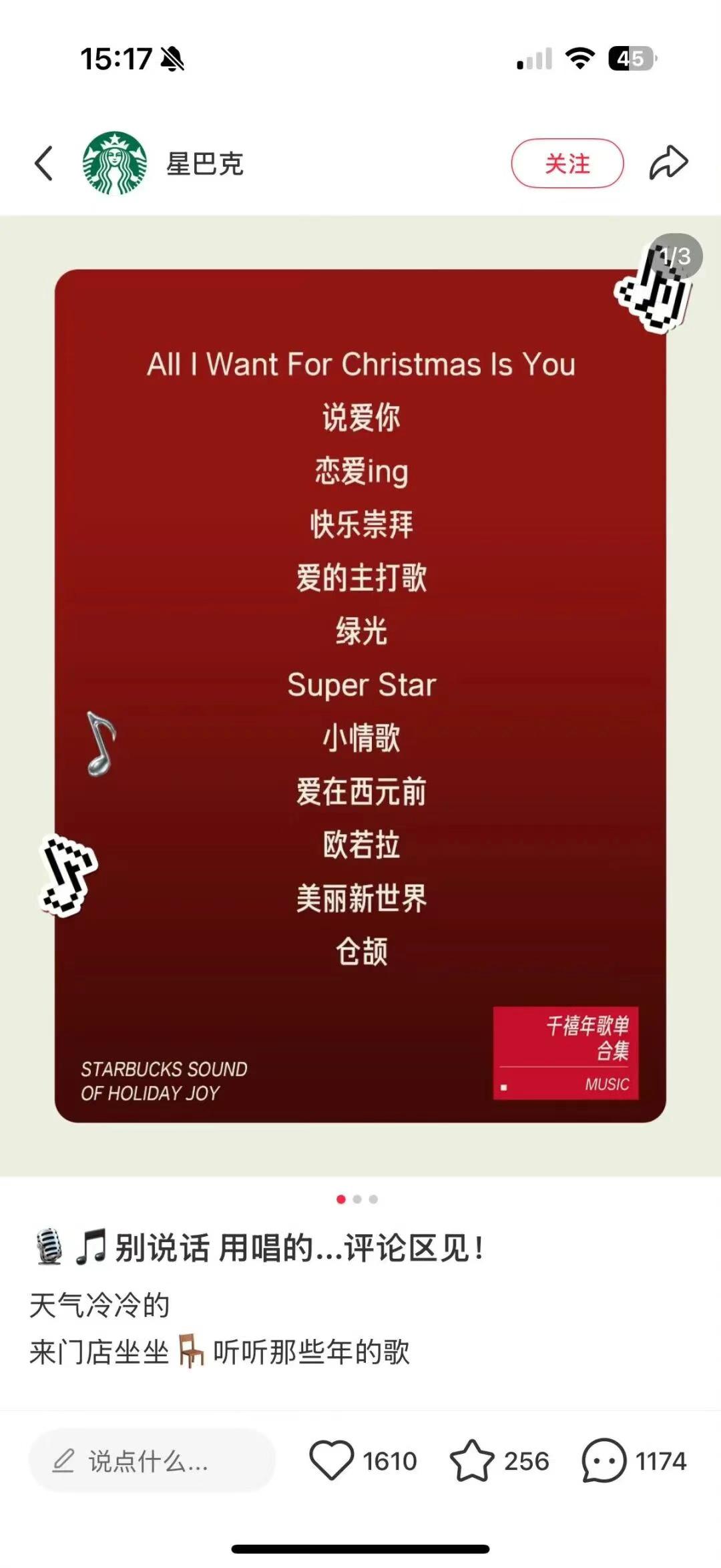
Core Insights - Starbucks China is accelerating its localization process significantly after the investment from Boyu Capital, indicating a shift in strategy to adapt to the Chinese market more effectively [1][14][16] In-Store Changes - The introduction of a "Daily Breakfast" series in over 300 stores in Shenzhen, offering value meal combinations priced at 25.9, 28.9, or 31.9 yuan, reflects a shift towards more cost-effective options [2][3] - The menu now includes freshly baked items, enhancing the appeal of the offerings and catering to consumer preferences for freshness and immediacy [3][12] - The background music in stores has shifted from jazz to popular Chinese songs from the millennium era, aiming to create a more relatable atmosphere for customers [3][8] Marketing and Customer Engagement - The use of precise location-based marketing through the Starbucks app has sparked consumer backlash, indicating a shift from a passive brand presence to a more aggressive marketing approach [9][12] - The brand is attempting to become a more frequent choice for consumers by integrating into their daily routines rather than being a destination for special occasions [12][14] Strategic Adaptation - Starbucks is responding to the changing market dynamics in China, where coffee and social spaces are no longer scarce, necessitating a reevaluation of its unique value proposition [13][14] - The partnership with Boyu Capital has allowed Starbucks China to make quicker decisions and adapt more flexibly to local market conditions, moving away from a reliance on global templates [15][16] Future Directions - The ongoing changes suggest that Starbucks China will continue to implement more localized product strategies, flexible pricing, and enhanced digital operations as part of its long-term strategy [18][19] - The brand is navigating the challenge of maintaining its premium image while becoming more accessible and integrated into everyday consumer life [19][20]


消费亮点未来或有更多呈现
Zheng Quan Shi Bao Wang· 2025-12-16 07:46
Group 1 - The core viewpoint is that there is significant divergence regarding whether consumption will become a macroeconomic and capital market hotspot in 2025, with a potential for unexpected highlights in consumption despite current low confidence in related sectors [1] - The consumption structure is shifting towards "above the limit," with policies benefiting higher-tier consumption categories, leading to a notable increase in their growth rates compared to lower-tier consumption, which has stagnated around zero growth for an extended period [1] - Over the long term, the proportion of above-limit consumption among Chinese residents is on the rise, driven by industrialization of consumer goods and urbanization, which favors leading companies that provide higher standards and quality [1] Group 2 - Foreign investment choices highlight opportunities in Chinese consumption, with recent exits of brands like Burger King and Starbucks from direct control indicating a shift towards local partnerships rather than a lack of market potential [2] - The withdrawal of foreign brands often involves a complete exit from the market, particularly in cosmetics, while in the food service sector, foreign brands are transferring operations to local companies, indicating a strategy to maintain market presence through local partnerships [2] - The recognition of foreign investment in China's service industry is beginning to increase, with policies supporting foreign doctors and nursing schools, suggesting a growing acceptance of foreign participation in the market [2] Group 3 - Consumer spending is expected to outperform retail sales performance, as demand shifts from essential goods to optional services, with government policies playing a crucial role in enhancing supply-side consumption [3] - The concept of "卷" (which refers to the potential consumer demand being met) is gaining traction, with local governments focusing more on consumption and economic vitality, leading to innovative initiatives like live-streaming sales by young village officials [4] - The integration of online and offline channels is becoming a consensus among companies, with efforts to enhance consumer experience and satisfaction through various initiatives, including promoting shared resources in public spaces [4]
永辉超市回应股价大涨;全球最大冰淇淋公司上市;Lululemon中国三季度大涨46%|品牌周报
36氪未来消费· 2025-12-14 12:29
Group 1: Yonghui Supermarket - Yonghui Supermarket's stock price surged by 41.22% over four days, with three days hitting the daily limit [3] - Following the surge, the stock price fell to 5 yuan per share, but still recorded a weekly increase of 27.23%, marking the largest weekly gain of the year [3] - The company reported a revenue of 42.434 billion yuan for the first three quarters of 2025, a year-on-year decline of 22.21%, and a net loss of 710 million yuan, attributed to store adjustment plans affecting revenue and gross margin [4] - Major shareholders, including the chairman, reduced their holdings, with a total of 90.75 million shares sold for approximately 377 million yuan [4] Group 2: Dream Ice Cream Company - Dream Ice Cream Company went public on December 8, with a total share capital of 612 million shares, achieving a market capitalization of 78 billion euros (approximately 642 billion yuan) on its listing day [5] - The company reported projected sales of 7.9 billion euros for 2024, holding a global market share of 21%, significantly higher than its closest competitor [5] - The company is expected to localize its products, channels, and marketing strategies in the Chinese market following its split from Unilever [7] Group 3: Laopuhuang Gold - Laopuhuang Gold's revenue is projected to surpass that of Richemont's jewelry business in China by 2025, with a significant increase in market share attributed to its successful product offerings [8] - The brand's average sales per store reached 459 million yuan in the first half of 2025, outperforming all domestic and international jewelry brands [8] - The rise of Laopuhuang Gold has drawn international attention, with Richemont acknowledging the competitive landscape and the cultural significance of the brand in China [9] Group 4: Lululemon - Lululemon reported a 46% year-on-year increase in net revenue in mainland China for the third quarter of fiscal year 2025 [11] - The company plans to open approximately 46 new stores in China this year, with a focus on expanding in second and third-tier cities [11] - Despite a decline in revenue in the Americas, the Chinese market accounted for 18% of total revenue, indicating strong growth potential [11] Group 5: Tims China - Tims China reported total revenue of 358 million yuan for the third quarter of 2025, a slight decline of 0.4% year-on-year, while system sales increased by 12.8% [23] - The number of stores reached 1,030, with 15 new stores added during the quarter, expanding its presence in second and third-tier cities [23]

三座荟聚打包变身专项基金 长期资本成“最佳合伙人”
Bei Jing Shang Bao· 2025-12-14 12:11
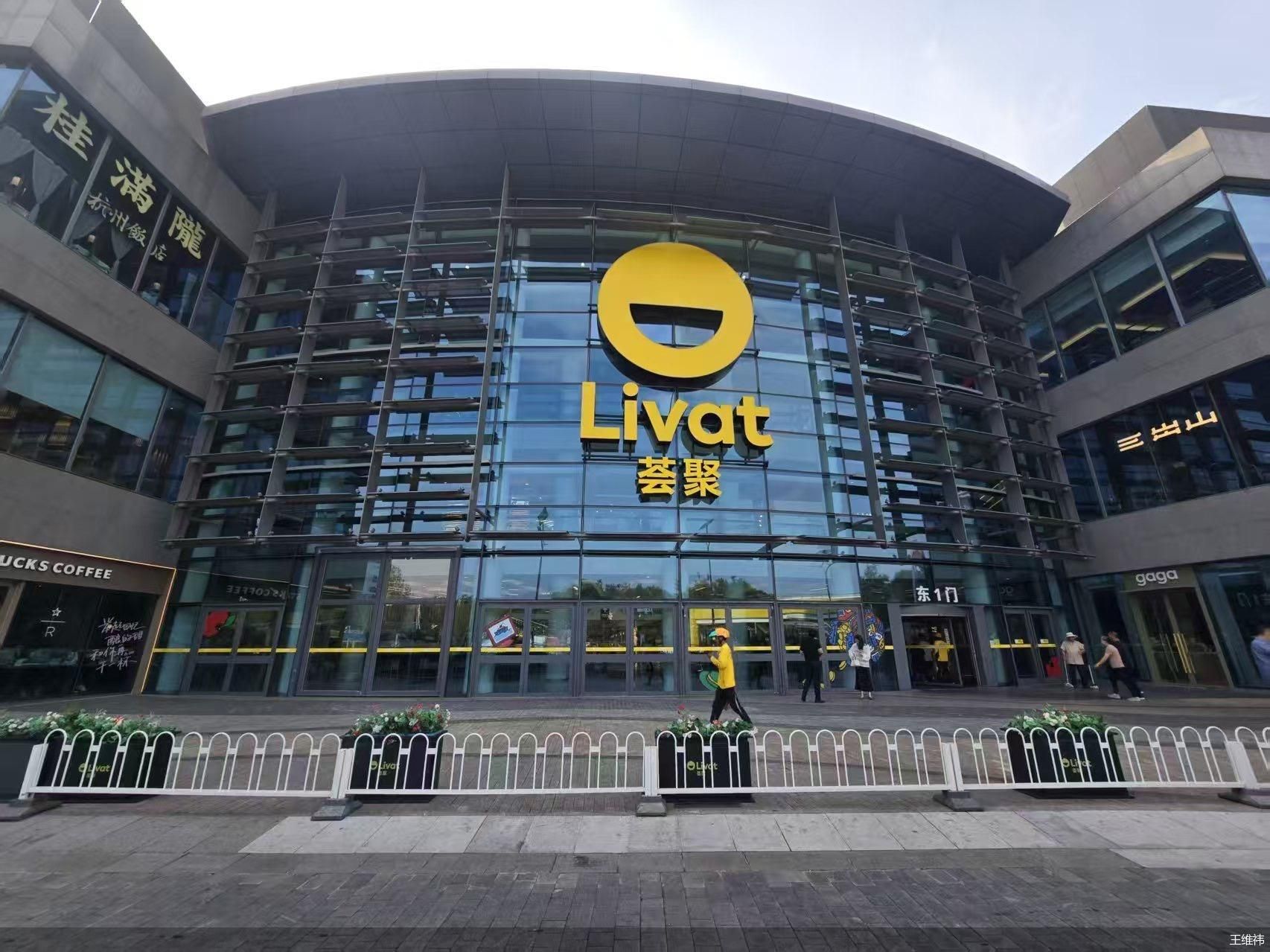
"荟聚打包被卖"传闻靴子落地,一场资产交易悄然改写中国商业地产的格局。近日,英格卡集团正式官宣与高和资本达成战略合作,双方成立专项基金持有 无锡、北京、武汉三座核心荟聚项目。荟聚的交易并非孤例,凯德投资在近期也完成了第二只境内子基金募集,旨在运用青岛凯德MALL项目。除了商业地 产方面,如汉堡王中国、星巴克中国等外资品牌也接连将中国业务出售给本土资方。可见,不论是外资商业巨头还是中国商业地产商,均已彻底告别"开发 商时代",迈入"资产管理人时代"。 英格卡联手高和资本 继汉堡王、星巴克后,又一消费领域外资品牌找到了自己的"中国合伙人"。近日,英格卡购物中心宣布与高和资本达成战略合作,双方将成立一只专项不动 产基金,共同持有无锡荟聚、北京荟聚、武汉荟聚三座体验中心。 这一合作模式下,英格卡将继续持有荟聚品牌,并继续以荟聚品牌独家管理和运营所有体验中心。据介绍,宜家中国将于无锡荟聚内开设并运营一家新的门 店。宜家无锡商场现有物业资产将作为交易的一部分,改造为无锡荟聚全新租赁空间。 英格卡购物中心全球总裁安心迪表示,英格卡集团扎根中国市场多年,不断贴近本土需求,提供更加触手可及、可持续的服务和体验。去年,该集团以全 ...
Netflix计划收购华纳兄弟;迪士尼投资OpenAI;星巴克联名哈利波特...| 刀法周报
Sou Hu Cai Jing· 2025-12-14 04:37
Group 1 - Netflix plans to acquire Warner Bros. for $72 billion, including HBO and HBO Max [3] - Paramount quickly proposed a $108.4 billion cash offer to join the bidding war [3] - Concerns about market concentration and antitrust issues have been raised, with concentration estimates between 28% and 45% [4] Group 2 - Disney announced a $1 billion investment in OpenAI, allowing users to create videos using Disney characters on the Sora platform [6] - This partnership signifies a shift towards AI-driven content creation in the entertainment industry [6] - Disney's CEO emphasized the importance of responsible AI use while collaborating with top IPs [6] Group 3 - Starbucks launched a Harry Potter-themed winter celebration series in China, featuring three limited-edition drinks [9] - The collaboration aims to create an immersive cultural experience and enhance consumer engagement [10] - This partnership reflects Starbucks' strategy of leveraging popular IPs for brand marketing [10] Group 4 - The Dream Ice Cream Company announced its listing in Amsterdam, London, and New York, with a market value of 64 billion yuan on its first day [12] - This marks the company's independence from Unilever, allowing for more agile market responses [13] - The listing is expected to lead to adjustments in product strategy and supply chain in China [14] Group 5 - ChatGPT released version 5.2, focusing on creating more economic value for users [16] - The update reflects OpenAI's ambition in the vertical application field for businesses [16] - The new version is seen as a strong model but is now more aligned with competitors like Google and Microsoft [17] Group 6 - The Chinese snack retailer "Mingming Hen Mang" received approval for its overseas listing, achieving retail sales of 41.1 billion yuan in the first half of the year [20] - The company operates in 28 provinces and 1,327 counties across China [20] - Its business model emphasizes low margins and high sales volume [22] Group 7 - "Kids King" submitted its listing application to the Hong Kong Stock Exchange, aiming for a dual capital platform [24] - The company has shown steady revenue growth, with projected revenues of 85.2 billion yuan in 2022 and 93.37 billion yuan in 2024 [25] - The expansion strategy includes entering the hair care market through acquisitions [25] Group 8 - Nova Coffee announced its global store count surpassed 10,000, with rapid expansion in China and overseas [28] - The coffee market is growing as more consumers adopt coffee-drinking habits [29] - Nova's early focus on low-sugar products aligns with rising health-conscious consumer trends [30] Group 9 - Coca-Cola announced a management change, with Henrique Braun set to become CEO in March 2026 [32] - The transition is seen as a strategic continuation rather than a crisis response [33] - The new CEO's experience in the Chinese market is expected to enhance Coca-Cola's growth in that region [33] Group 10 - Wu Yue from LVMH joined the board of Pop Mart, aiming to enhance the brand's international expansion and marketing strategies [36] - His experience in luxury brand management is expected to benefit Pop Mart's brand positioning [37] - The appointment reflects Pop Mart's ambition to diversify its IP and elevate its brand [37]



2500亿,网红薯片被卖了
3 6 Ke· 2025-12-13 08:30
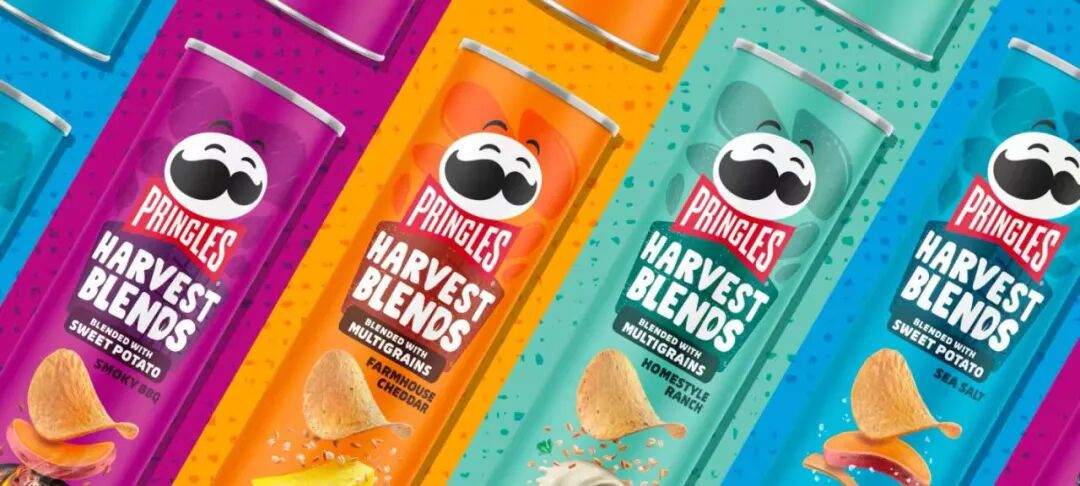
Group 1 - Mars has completed the acquisition of Kellanova, the parent company of Pringles, for approximately $35.9 billion (about 253.4 billion RMB), marking the largest food industry acquisition of the year [1][4] - The acquisition was announced in August 2022 at a price of $83.50 per share, and regulatory approval was granted in December 2023, leading to Kellanova's delisting from the NYSE [4][5] - The merger combines iconic brands from both companies, with Mars CEO Poul Weihrauch emphasizing the opportunity for innovation and reaching more consumers globally [5][6] Group 2 - Pringles, launched in 1968, was the first canned chip brand and gained popularity through unique flavors and marketing strategies [3][4] - Kellanova, which includes brands like Pringles and Cheez-It, was formed after Procter & Gamble sold Pringles for $2.695 billion (about 18.8 billion RMB) in 2012, making Kellanova the second-largest snack company at that time [5][8] - The acquisition will elevate Mars' snack food business revenue to an estimated $36 billion, positioning it as the third-largest player in the global snack industry, behind PepsiCo and Mondelez [8] Group 3 - Mars has a history of significant acquisitions, with over 10 deals completed in the past two years, including brands in the chocolate and pet food sectors [7][8] - The company remains privately held and is one of the largest family-owned businesses globally, with annual sales exceeding $55 billion and over 150,000 employees [7] - The current trend in the consumer sector shows a wave of mergers and acquisitions, with companies adjusting strategies in response to intensified market competition [10][12]
2500亿,网红薯片被卖了
投资界· 2025-12-13 07:39
Group 1 - Mars has completed the acquisition of Kellanova, the parent company of Pringles, for approximately $35.9 billion (about 253.4 billion RMB), marking the largest food industry acquisition of the year [2][5] - The acquisition signifies the merging of well-known brands, with Mars owning brands like Dove and Snickers, while Kellanova is recognized for Pringles and Kellogg's cereals [2][4] - The deal was in the works for a long time, with regulatory approval received in December, leading to Kellanova's delisting from the New York Stock Exchange [5][6] Group 2 - Pringles, launched in 1968, was the first canned potato chip brand and gained popularity through unique flavors and marketing strategies [4][6] - The brand initially struggled in sales but became a hit in the 1980s after taste adjustments and effective advertising [6] - Kellanova's history dates back to 1894, and it became the second-largest snack company globally after acquiring Pringles from Procter & Gamble for $26.95 billion (about 188 billion RMB) in 2012 [6][7] Group 3 - Mars CEO Paul Wehrrauch described the acquisition as historic, emphasizing the opportunity for innovation and reaching more consumers [7] - Mars is a well-known company with a diverse portfolio, including brands like M&M's and Skittles, and has a history of significant acquisitions [8][9] - The acquisition is expected to boost Mars' snack food business revenue to approximately $36 billion, positioning it as the third-largest player in the global snack industry [9] Group 4 - The article highlights a broader trend of mergers and acquisitions in the consumer sector, with companies like Starbucks and Burger King also engaging in strategic partnerships and sales [10][12] - The competitive landscape in the consumer market is prompting brands to adjust strategies, with many familiar brands choosing to sell parts of their businesses [13] - The food and beverage sector is viewed as resilient and attractive for investment, especially during economic fluctuations, leading to increased merger activity [13]

星巴克工人罢工行动已扩大到美国180多家门店
Ge Long Hui A P P· 2025-12-11 13:52
Core Viewpoint - The Starbucks workers' union has reported that hundreds of newly unionized baristas are striking across 34 cities, escalating a strike that began on November 13, coinciding with the company's "Red Cup Day" [1] Group 1: Strike Details - The strike has expanded from 65 stores in over 40 cities to more than 180 stores in over 130 cities, marking the largest strike in Starbucks' history [1]
官宣后1个月,博裕已经搞定了收购星巴克的资金,收购主体落地在宁波
Xin Lang Cai Jing· 2025-12-05 14:54
Core Insights - The core point of the article is the acquisition of 60% stake in Starbucks China by Boyu Capital for approximately $2.4 billion, marking a significant investment in the coffee chain's 8,000 stores in China [1][21]. Group 1: Acquisition Details - Boyu Capital is set to spend around $2.4 billion (approximately 165 billion RMB) to acquire the stake in Starbucks China [21][22]. - The acquisition is believed to be facilitated by a newly established equity fund in Ningbo, named Boyu New Intelligence New Industry (Ningbo) Equity Investment Partnership [23][24]. - The partnership was officially announced by the Ningbo government fund on December 1, 2025, indicating a strong governmental backing for the acquisition [23]. Group 2: Fundraising Strategy - Boyu Capital likely employed a "find project first, then raise funds" strategy for this acquisition [22]. - The initial fundraising for the equity fund amounts to 4 billion RMB, with contributions from companies like Ningde Times, Luoyang Molybdenum, and Yitai B, each investing 500 million RMB [31][32]. - The total committed capital for the fund is expected to reach 4 billion RMB, with potential for expansion to 8-10 billion RMB [31]. Group 3: Financing Structure - The total funding required for the acquisition is estimated at 16 billion RMB, with the shortfall potentially covered by additional investments from limited partners [19][38]. - A syndicate loan of 10 billion RMB (approximately $1.4 billion) is being arranged by three Chinese banks to support the acquisition, with a loan term of 7 years [19][38]. - Boyu Capital's ability to secure the necessary funding within a month highlights its strong influence and negotiation capabilities in the market [19][38].
食品饮料行业周度市场观察-20251205
Ai Rui Zi Xun· 2025-12-05 05:39
Investment Rating - The report does not explicitly provide an investment rating for the food and beverage industry Core Insights - The sports nutrition sector is experiencing rapid growth, with the global market expected to increase from 188.13 billion yuan in 2025 to 306.47 billion yuan by 2032, reflecting a compound annual growth rate (CAGR) of 7.22%. In China, the market is projected to reach 20.93 billion yuan by 2030, with a CAGR of 11.56% [2] - The beverage market in China is witnessing a trend of "market position certification," where non-first-tier brands obtain certifications like "sales leader" and "category pioneer" to differentiate themselves in a saturated market [2] - The Japanese ready-to-drink coffee market is shifting from canned to PET bottle packaging, with PET bottles increasing from 30% in 2017 to over 40% in 2023, reflecting changing consumer preferences towards convenience and emotional connection [5] Industry Trends - The sports nutrition industry is a rapidly growing segment of the health supplement market, with a focus on serving active individuals. The market is highly concentrated in China, with the top three companies holding a 70% market share [2] - The beverage market is seeing a rise in "market position certification," which is a strategy for non-first-tier brands to establish credibility and differentiate themselves amid intense competition [2] - The dairy industry is focusing on deep processing technologies to enhance the nutritional value of milk, aiming for a transformation from quantity accumulation to quality improvement [5] - The ready-to-drink coffee market in Japan is experiencing a shift towards PET packaging, driven by consumer demand for convenience and a more leisurely drinking experience [5] - The health beverage sector is rapidly evolving, with products like birch sap showing a compound annual growth rate of over 300% in the past three years, indicating a strong consumer preference for natural and functional drinks [8] - The no-sugar tea market is transitioning from growth to maturity, with established brands gaining market share while new entrants face significant competition [8] - The sports drink market is rapidly expanding, with brands like Dongpeng's "Bushi La" gaining significant market share through competitive pricing and promotional activities [12] Top Brand News - Starbucks has launched a themed marketing campaign featuring classic millennium songs to enhance customer experience and promote seasonal products [14] - The ready-to-drink yogurt market is seeing significant growth, with brands like "Mo Yoghurt" leveraging celebrity endorsements to enhance brand visibility and consumer engagement [14] - Sanyuan Foods reported a 124.84% increase in net profit, driven by its low-temperature milk segment, showcasing the potential for growth in the dairy market [17] - JD.com has established a dedicated department for prepared food, indicating a strategic focus on the growing market for convenience foods [19] - Farmers Spring has introduced new ready-to-drink coffee products, aiming to capture market share in a competitive landscape dominated by established brands [20]