
Prada

Search documents
发发奇平台怎么样?奢侈品电商行业转型样本
Sou Hu Cai Jing· 2025-06-09 17:29
Core Insights - Farfetch has experienced a dramatic transformation over the past two years, from a peak market value of $21 billion to near bankruptcy by the end of 2023, and then achieving $30 million in EBITDA profit in 2024, serving as a case study for innovation in the luxury e-commerce sector [1][6]. Group 1: Business Model and Market Position - Farfetch's innovative "technology platform + franchise" model has reshaped the luxury e-commerce landscape, connecting over 550 boutiques across more than 40 countries, with 98% being exclusive partnerships [3]. - The platform has attracted traditional luxury brands, including Prada, which opened access to over 70 warehouses, indicating industry recognition of its model [3]. - Farfetch has built a "triangular ecosystem" of digital platforms, brand operations, and physical retail through acquisitions like Off-White's parent company New Guards Group and the streetwear trading platform Stadium Goods [3]. Group 2: Financial Challenges and Recovery - In 2023, Farfetch faced a critical financial situation, requiring a $500 million investment from South Korean e-commerce giant Coupang to avoid bankruptcy [5]. - The investment led to a remarkable turnaround, with Farfetch achieving $30 million in EBITDA profit in 2024, a milestone not reached during its independent operation [6]. - Coupang's restructuring efforts included selecting efficient logistics partners, closing unprofitable business units, and selling core assets like Off-White and Palm Angels, resulting in significant cost savings [6]. Group 3: Industry Insights - The case of Farfetch highlights that while a light-asset model can facilitate rapid expansion, it also requires refined operations to sustain profitability [6]. - The luxury e-commerce sector's evolution shows that excessive expansion can become a burden, emphasizing the importance of operational efficiency over mere scale [6].

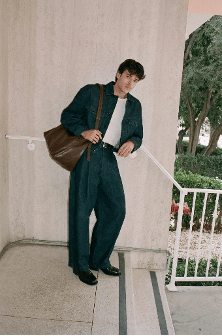
Met Gala红毯撞衫之战,DIOR输给LV了?|5月潮汐Mail
36氪· 2025-06-06 00:26
Group 1 - The article discusses the evolving trends in food and beverage, highlighting how young consumers are creatively using products like "Mixue Ice City" in cooking, transforming drinks into culinary ingredients [4][5][6] - The rise of unique food presentations, such as the "Prince Charming Soup," showcases the trend of visually appealing dishes gaining popularity on social media [8] Group 2 - The opening of LE LABO's new store in a traditional Beijing courtyard marks a significant move for the brand, integrating local architectural styles with its fragrance offerings [9][11][14] - The competitive landscape of high-end retail is shifting, with Beijing SKP undergoing a partial ownership change, raising questions about its future amidst a cooling luxury market [20][22][23] Group 3 - The collaboration between outdoor brand Outopia and China Rocket Company reflects a trend of brands merging functionality with cultural values, appealing to younger consumers [25][27] - The launch of IKEA's second-hand platform "IKEA preowned" aligns with sustainability goals, allowing users to buy and sell used IKEA products [60][62] Group 4 - GAP's marketing campaign for the 520 event emphasizes emotional connections and inclusivity, contrasting with the quieter responses from luxury brands in the same period [65][68]

16城600+首店来袭,深圳前海壹方城、西安赛格并列第一
3 6 Ke· 2025-06-03 02:09
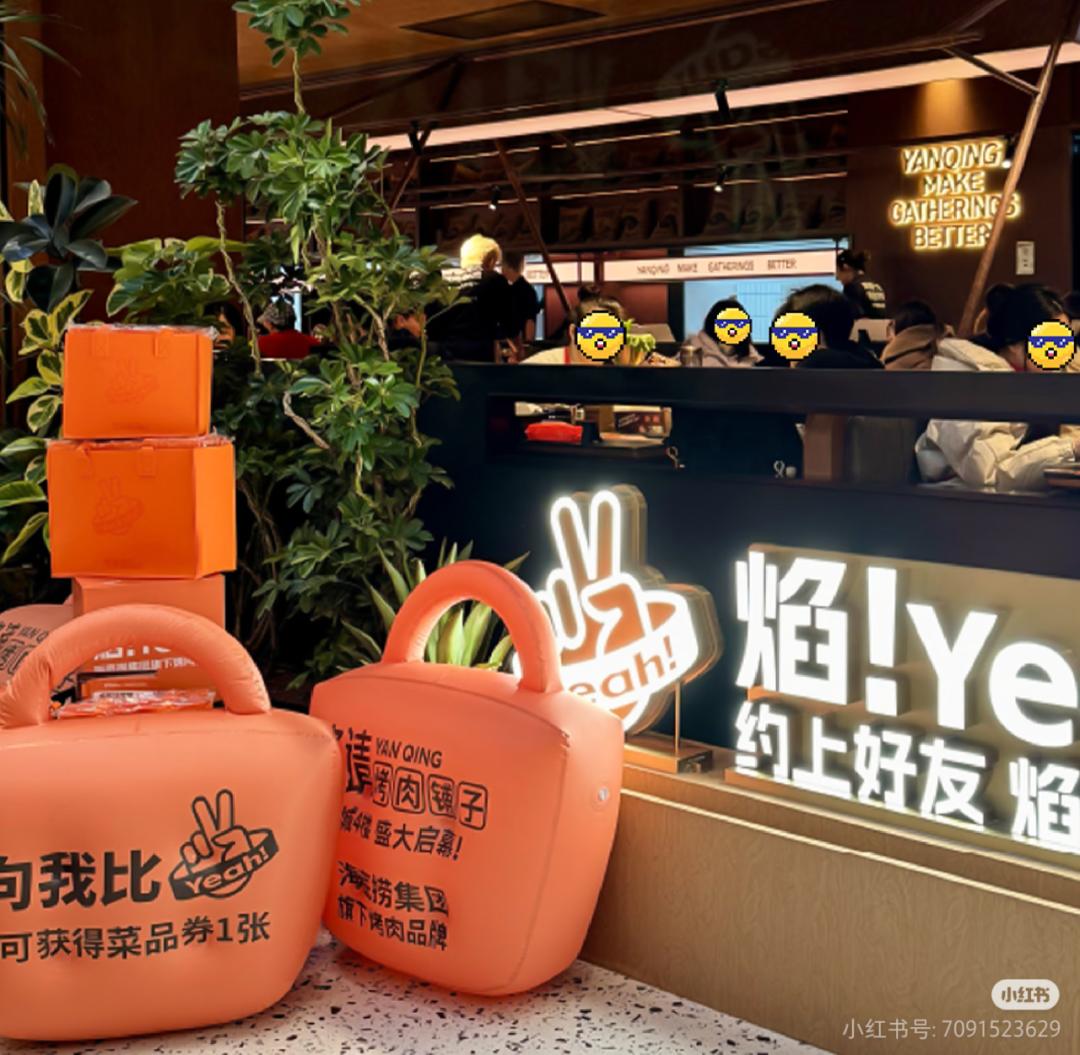
Core Insights - The emergence of "first stores" is becoming increasingly significant in urban competition, reflecting their economic importance [1] Group 1: First Store Trends - In Q1 2025, over 600 new first stores are expected to open across 16 cities in China, representing a year-on-year growth of 42.11% compared to 2023 [2] - The concentration of first store openings peaked around New Year's Day, with over 10% of the total first stores launched on January 1 [3] - The number of provincial first stores reached over 70, marking a year-on-year increase of 36.36%, while the national first store absolute number and proportion have decreased from 25.26% in 2023 to 9.93% in 2024, totaling 67 stores [4] Group 2: International Brands and Market Segmentation - The proportion of international brands among first stores has increased to 25%, with Shanghai being the preferred location for international brands entering China [4] - Beauty and personal care brands have regained their position as the main contributors to first store openings, although the share of domestic brands has significantly decreased [4] - The beverage, bakery, and women's clothing categories continue to dominate interest, while local Chinese cuisine has seen a rise in first store numbers and proportions [5][6] Group 3: Regional Dynamics - The Jiangsu-Zhejiang-Shanghai region has experienced a surge in first store openings, with Shanghai leading the way [7] - Notable contributions to first store openings in Suzhou include high-end brands, enhancing the commercial capacity of the city [7] Group 4: Japanese Cuisine Resurgence - The Japanese cuisine market is showing signs of recovery, with a projected 2.2% year-on-year growth in 2024 [8] - The proportion of first stores for Japanese cuisine has seen a dramatic increase of 185.01% compared to 2024, re-entering the top 10 categories [9] - New trends in Japanese cuisine include a focus on fresh ingredients and lower price points, appealing to younger consumers [10] Group 5: Fashion Accessories Growth - The fashion accessories sector is witnessing a resurgence, with first store openings increasing by 40.74% and 235.31% compared to 2023 and 2024, respectively [12][13] - New brands in the fashion accessories space are focusing on simplicity, affordability, and a broader customer base [13][14] Group 6: Rise of Niche Brands - The share of non-national chain brand first stores has risen from 37.47% to 48.89% over the past three years, with C-level brands contributing significantly [15] - New brands such as pet food and high-end children's sports brands are entering the market, indicating a shift towards niche offerings [16] Group 7: Innovative Concepts - Haidilao continues to innovate with new retail concepts, such as a "buying agent" restaurant model and unique dining experiences [17]
千元国产包,背上就像“打工版董洁”?
3 6 Ke· 2025-05-26 23:56
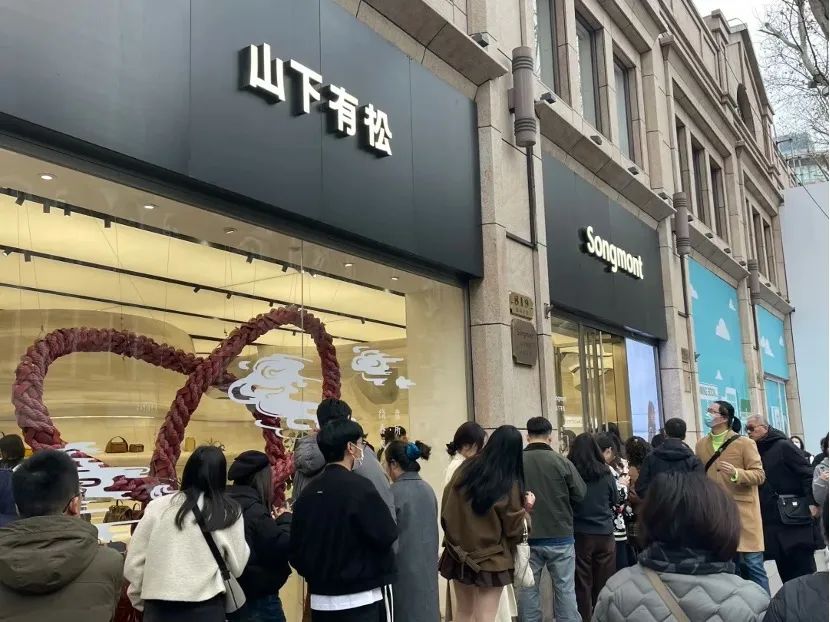
Core Insights - The rise of domestic bag brands in China, particularly those priced around 1,000 to 2,000 yuan, is attributed to their practicality and appeal to urban professionals, as well as a shift in consumer preferences towards local culture and design quality [5][16][21] - The popularity of brands like "Shanxia Yousong" and "Gele" is evident in their sales performance, with Shanxia Yousong ranking second in Tmall's sales of women's bags priced over 1,000 yuan [5][10] - The domestic bag market is experiencing a significant transformation, with brands focusing on high-quality materials, versatile designs, and effective marketing strategies to attract a broader audience, including male consumers [12][14][19] Market Trends - Domestic bag brands have captured a substantial market share, with seven out of the top fifteen women's bags on Tmall being local brands [5] - The trend of practicality and multi-scenario adaptability in bag design is driving sales, as consumers seek bags that can transition from work to leisure [7][10] - The "hobo bag" style has gained popularity, with several domestic brands offering their versions, indicating a trend towards casual yet stylish designs [12][10] Consumer Behavior - Young consumers are increasingly willing to pay for design and quality, moving away from purely price-sensitive purchasing behavior [16][21] - The influence of celebrity endorsements and social media marketing has played a crucial role in elevating brand perception and driving sales [16][19] - Despite the growth, there are concerns regarding product quality and brand loyalty, as consumers express skepticism about the value of higher-priced domestic bags compared to established international brands [21][25] Competitive Landscape - The domestic bag market faces challenges from both international luxury brands and emerging local competitors, necessitating a clear positioning strategy for domestic brands [21][27] - Brands are exploring high-end positioning or focusing on extreme cost-performance ratios to cater to different consumer segments [27] - The need for domestic brands to build a strong brand narrative and consumer trust is critical for long-term success in a competitive market [21][27]
奢侈品全球化红利消退,历峰集团如何应对地缘政治风险和本土品牌崛起
2 1 Shi Ji Jing Ji Bao Dao· 2025-05-21 07:03
Core Insights - Richemont Group reported a 4% year-on-year increase in sales for the fiscal year ending March 31, 2025, reaching €21.399 billion, while operating profit slightly declined by 1% to €3.76 billion, resulting in a profit margin of 20.9% [1] - The jewelry segment remains the core growth driver for Richemont, with brands like Cartier and Van Cleef & Arpels generating €15.33 billion in revenue, an 8% increase year-on-year, and contributing over half of the group's revenue and 70% of its profit [1] - The watch segment, including brands like Jaeger-LeCoultre and Vacheron Constantin, saw a 13% decline in revenue and a significant 69% drop in profit [1] Market Performance - Other luxury brands faced challenges in the fiscal year 2024, with LVMH reporting a 2% decline in revenue to €84.683 billion and a 17% drop in net profit to €12.25 billion, while Kering's revenue fell by 12% to €17.194 billion and net profit decreased by 62% [2] - Hermès maintained strong performance with a 15% increase in revenue to €15.17 billion and a 7% rise in net profit to €4.603 billion [2] - Prada, after acquiring Versace, reported a 17% increase in revenue to €5.432 billion and a 25% rise in net profit to €0.839 billion, with Miu Miu's revenue soaring by 93.2% [2] Leadership Changes - Significant leadership changes occurred across major luxury brands, including Pierpaolo Piccioli taking over as creative director at Balenciaga and Demna moving to Gucci, indicating strategic shifts within Kering [3] - LVMH also saw notable changes, with Damien Bertrand appointed as LV's deputy CEO and Pierre-Emmanuel Angeloglou becoming the new CEO of Dior, reflecting the group's focus on retail and global expansion [3] - Richemont appointed Laurent Perves as CEO of Vacheron Constantin, replacing Louis Ferla, who moved to Cartier, showcasing internal restructuring efforts [3] Competitive Landscape - Traditional luxury brands are facing growth challenges, while independent brands are achieving rapid growth through precise positioning and product innovation [4] - The luxury sector is increasingly impacted by geopolitical risks and the rise of local brands, necessitating a new balance between institutional resilience and market insight [5] - The U.S. tariff policies have raised concerns within the luxury sector, particularly for Swiss brands, with Richemont's chairman expressing caution regarding future pricing and trade conditions [5][6] Local Market Dynamics - In the Chinese market, local brand Lao Pu Gold has shown remarkable growth, with a stock price increase of 495.56% in 2024, outperforming established luxury brands like Cartier and Tiffany in sales per store [7] - The competitive pressure from local brands is intensifying, prompting international luxury brands like Richemont to reconsider their strategies in response to changing consumer preferences [7]

二姨看时尚丨Dick's收购Foot Locker;Burberry将裁员1700人;安德玛净亏损2亿美元
2 1 Shi Ji Jing Ji Bao Dao· 2025-05-18 23:17
Group 1: Industry Trends - The luxury goods and fashion industry is experiencing significant transformations, with cross-industry collaborations and capital movements becoming prevalent [1] - The shift from celebrity marketing to hardcore research and development is evident, alongside a transition from broad growth strategies to more precise regional strategies [1] Group 2: Prada's Film Fund - Prada Foundation has established a film fund with an annual investment of €1.5 million to support independent films and high-art value works, set to launch in Fall 2025 [2] Group 3: Richemont's Jewelry Growth - Richemont reported a 4% increase in annual sales to €21.399 billion, driven by an 8% growth in its jewelry segment, while the Asia-Pacific region experienced a decline [3] Group 4: Sephora's Expansion - Sephora is introducing Lady Gaga's Haus Labs in seven Asia-Pacific regions, launching 125 makeup products that emphasize natural and vegan formulations [4] Group 5: Dick's Sporting Goods Acquisition - Dick's Sporting Goods announced the acquisition of Foot Locker for $24 per share, a premium of 86.5%, leading to a significant stock price reaction [5] Group 6: RED CHAMBER Financing - The clean beauty brand RED CHAMBER secured nearly ¥100 million in Series A and A+ financing, focusing on research upgrades and digital testing systems [7] Group 7: Burberry's Restructuring - Burberry reported a 17% decline in retail sales to £2.461 billion and announced plans to cut 1,700 jobs as part of a restructuring effort to save £100 million by FY2027 [8] Group 8: Balenciaga Leadership Change - Balenciaga appointed Nathalie Raynaud as Vice CEO, succeeding Laura du Rusquec, indicating a strategic shift in product strategy and market positioning [9] Group 9: L'Oréal's New Leadership - L'Oréal appointed Laetitia Toupet-Delon as Global Brand President of Paris L'Oréal, aiming to integrate scientific expertise into the mass market [10] Group 10: On's Sales Surge - On reported a 43% increase in Q1 sales, with a remarkable 130.1% growth in the Asia-Pacific region, driven by localized operations and product advantages [11] Group 11: Samsonite's Mixed Results - Samsonite's Q1 net sales fell to $797 million, a 4.5% decline, but its acquired brand TUMI showed strong growth in China, highlighting a mixed performance [12][13] Group 12: CK's Leadership Change - PVH Group appointed David Savman as CK's Global Brand President, aiming to enhance brand transformation and supply chain efficiency [14] Group 13: Under Armour's Financial Struggles - Under Armour reported a 9% decline in revenue to $5.2 billion and a net loss of $201 million, despite exceeding expectations [15] Group 14: Shiseido's Growth in China - Shiseido achieved a double-digit sales growth of 11.9% in China for Q1, driven by high-end brand performance and local innovation [16]
奢侈品开餐厅, 还是玩票吗?
3 6 Ke· 2025-05-16 00:33
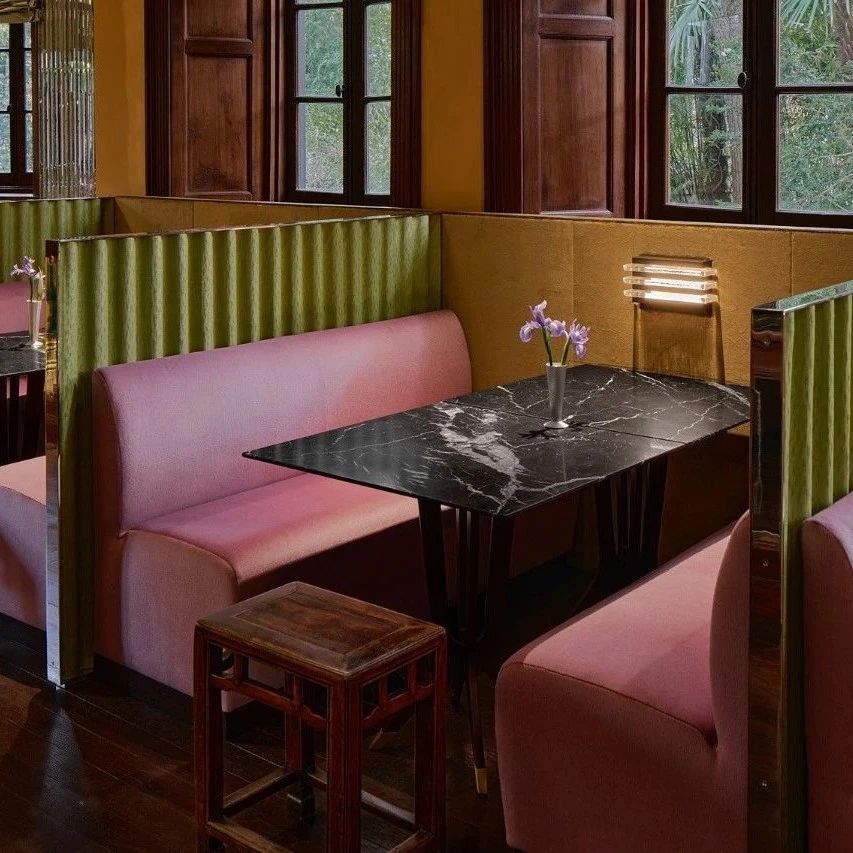
Group 1: Luxury Brands Entering the Restaurant Sector - Prada opened its first independent restaurant "迷上" in Shanghai, designed by renowned director Wong Kar-wai, blending Italian and Chinese culinary styles [1] - Other luxury brands like Gucci, Chanel, and Tiffany have previously explored the café sector in China, often as marketing strategies rather than standalone businesses [2] - The opening of "THE HALL" by Louis Vuitton in Chengdu marked a significant step for luxury brands in the full-service dining sector [2] Group 2: Operational Strategies and Market Trends - Many luxury dining projects are operated by third-party companies, indicating a reliance on specialized operators for successful execution [3] - Luxury brands aim to create experiential offerings that enhance customer engagement, with the goal of driving sales in their core product lines [3] - The shift in consumer behavior from shopping to experiential consumption is evident, necessitating adaptations in service models within the luxury sector [5] Group 3: Challenges in the Luxury Market - The luxury retail sector is facing challenges, with a reported 8% decline in retail rental income at Wynn Palace, reflecting a broader downturn in luxury consumption [6] - Despite an increase in tourist numbers and overall spending in Macau, per capita spending has significantly decreased, particularly among mainland Chinese tourists [6] - The luxury market may take several years to recover to pre-2019 levels, indicating a potential long-term shift in consumer preferences [6][7] Group 4: Changing Consumer Preferences - The luxury consumer landscape in China has evolved, with a notable decline in interest in traditional luxury brands like LVMH, as evidenced by a 2% drop in total revenue [7] - The emergence of alternative luxury offerings, such as local brands, suggests a shift in consumer loyalty and preferences away from established European luxury brands [7]


奢侈品开餐厅, 不再玩票
36氪未来消费· 2025-05-15 16:49
Core Viewpoint - The article discusses the trend of luxury brands entering the restaurant and café business in China, highlighting the blend of cultural influences and the strategic marketing behind these ventures [4][5][7]. Group 1: Luxury Brands and Restaurant Ventures - Prada opened its first independent restaurant "迷上" in Shanghai, designed by renowned director Wong Kar-wai, featuring a fusion menu that combines Italian and Chinese flavors [4]. - Other luxury brands like Gucci, Chanel, and Tiffany have previously explored café concepts in China, often as part of marketing strategies rather than standalone businesses [5]. - The success of these ventures is supported by third-party operators, such as 云觅餐饮集团 managing the kitchen for THE HALL restaurant by Louis Vuitton [6]. Group 2: Consumer Experience and Brand Strategy - Luxury brands focus on creating experiences that attract customers, with the aim of converting them into buyers of their primary products [7]. - The shift in consumer behavior from mere shopping to seeking experiences is evident, prompting brands to adapt their service models [8]. Group 3: Challenges in the Luxury Market - The luxury market in Macau is facing challenges, with a reported 8% decline in retail rental income at Wynn Palace, reflecting a downturn in luxury consumption [9]. - Despite an increase in tourist numbers, the average spending per visitor has significantly decreased, indicating a shift in consumer spending habits [10]. - The luxury sector may not return to its previous heights, with experts suggesting it could take several years to recover to 2018 and 2019 levels [10]. Group 4: Changing Consumer Preferences - Chinese consumers are not necessarily spending less; rather, they are shifting their preferences away from traditional luxury brands like LV [11].
BERNSTEIN:2025 年第一季度中国消费动态:在脆弱复苏中平衡刺激支持与关税压力
2025-04-30 02:08
Summary of China Consumer Pulse 1Q25 Industry Overview - The report focuses on the **Chinese consumer market** and highlights the **fragile recovery** in consumer sentiment across various sectors, including **premium beverages**, **apparel**, **luxury goods**, **autos**, **travel**, and **home appliances** [2][30]. Key Insights 1. **Consumer Sentiment and Spending Trends** - Chinese consumer sentiment shows signs of a **fragile recovery** with **experiential spending** leading the way, particularly in **restaurant activity** and **travel** [30][32]. - **Restaurant app usage** increased by **26% YoY**, and travel during Chinese New Year and Qing Ming saw increases of **9%** and **6%** respectively [4][32]. 2. **Channel Performance** - **Digital channels** significantly outperform traditional retail, with **e-commerce beauty sales** growing by **12.7%** and **apparel platforms** by **14%** [2][32]. - Physical retail continues to struggle, indicating a stark divergence in channel performance [30]. 3. **Premium Segment Dynamics** - The **luxury goods** sector shows mixed signals, with consumers becoming more discerning and holding back on spending amid economic uncertainty [6][32]. - **Premium beverages** maintain stable pricing, while **high-end hotels** outperform the broader market [30][32]. - **Premium auto sales** have deteriorated significantly, down **13.5% YoY** [7][32]. 4. **Home Appliances and Export Strength** - The home appliance sector showed solid performance with **air conditioner shipments** growing **16% YoY**, primarily driven by strong export demand [11][12][32]. - Recent tariff announcements raise concerns about the sustainability of this growth [12][32]. 5. **Macroeconomic Factors** - Persistent **deflation** (-0.1% CPI) and escalating **trade tensions** contribute to cautious consumer behavior, with expectations of lower prices leading to delayed purchases [3][30]. - The **Q1 PMI** improved, but anticipated contraction in April indicates fragile business confidence [3][30]. 6. **Outlook and Risks** - The recovery remains fragile and vulnerable to reversal due to economic uncertainty, deflationary pressures, and escalating US-China trade tensions [30][32]. - Any acceleration in government stimulus could potentially support consumer spending [3][30]. Additional Insights - **Travel Industry**: The travel sector showed resilience with a **7%** growth in travelers, despite challenges in outbound travel due to incidents in Southeast Asia [9][23]. - **Cosmetics Sector**: Beauty eCommerce tracked companies showed a recovery with **Gross Merchandise Value** growing **12.7%**, but concerns about sustainability remain due to weak macroeconomic indicators [10][32]. - **Automotive Sector**: In Q1 2025, **EV sales** increased by **34.7% YoY**, with penetration reaching **46.1%**, indicating a strong shift towards electric vehicles [7][28]. This comprehensive analysis highlights the complexities and challenges within the Chinese consumer market, emphasizing the need for careful monitoring of economic indicators and consumer behavior trends.
中国将“适度”减少美国电影进口数量;迅销因关税下调下半年盈利预期;马云现身阿里云谷园区丨百亿美元公司动向
晚点LatePost· 2025-04-10 14:52
中国将 "适度" 减少美国电影进口数量。 国家电影局发言人称,美国政府加征关税 "会令国内观众对美国影片好感度进一步降低",因此将 遵循市场规律,适度减少美国影片进口数量。中国是全球第二大电影市场,据猫眼娱乐数据,引入 国内的美国电影数量在 2018 年达到峰值,共 63 部,随后数量下滑,2022 年仅 25 部,去年又升至 42 部。近年来国产电影更受消费者支持,一个例子是《哪吒之魔童闹海》全球票房已破 156 亿, 进入全球影史票房第五。 优衣库大部分销往美国的优衣库产品都产自东南亚,此前特朗普宣布将对中国以外的其他国家、地 区暂停征收 90 天的关税。有分析师称,纺织供应链比其他行业供应链灵活,关税对优衣库的负面 影响将小于任天堂、丰田等日本公司。 马云现身阿里云谷园区。 社媒流传的影像显示,马云身穿阿里云 15 周年纪念 T 恤,并佩戴了阿里新版工牌,工牌上印有他 的照片和花名 "风清扬"。此行他参加了阿里云新财年启动会并上台讲话。据我们了解,阿里近期 在大力鼓励员工佩戴工牌,并推出了有戴脖、斜挎和卡夹三种戴法的新工牌,员工可自愿申请换 新,员工还可凭工牌享受园区附近商户的折扣。自去年底以来,马云已 ...




