华润啤酒

Search documents
食品饮料月月谈-如何展望春节旺季备货
2026-01-19 02:29
Summary of Key Points from Conference Call Records Industry Overview - **Industry**: Baijiu (Chinese liquor) and Soft Drinks - **Key Insights**: The Baijiu industry is nearing a bottom in terms of valuation, expectations, and holdings, with a potential turning point expected in Q3 2026. The soft drink market is showing strong performance from leading companies, with expectations for revenue growth above the industry average in 2026 [1][9]. Baijiu Industry Insights - **Market Dynamics**: The overall sentiment for Baijiu sales during the Spring Festival is cautious, with expectations of a year-on-year decline potentially reaching double digits. However, Moutai's significant price reduction may stimulate sales during low-frequency consumption scenarios [2][8]. - **Company Strategies**: - **Moutai**: Plans to stabilize overall product supply while adjusting the product mix to increase the availability of premium Moutai and 500ml Flying Moutai. This strategic shift is expected to have a profound impact on pricing and growth logic [4]. - **Luzhou Laojiao**: Focuses on maintaining stable apparent prices and ensuring stability in pricing, channels, and organizational structure to provide growth momentum during the recovery phase [5]. - **Investment Recommendations**: Companies such as Moutai, Fenjiu, and local brands like Gujing Gongjiu are recommended for their market share logic, while Wuliangye and Luzhou Laojiao are noted for their dividend security [1][8]. Soft Drink Market Insights - **Market Performance**: Leading companies in the soft drink sector are expected to maintain revenue growth above the industry average in 2026. Notable performers include Nongfu Spring and Dongpeng Special Drink, while Master Kong and Uni-President are seen as stable defensive investments [9][10]. - **Current Trends**: The market is experiencing significant competition, but leading companies are expected to leverage their channel and product advantages to maintain robust performance [9]. Tea Beverage Market - **Key Players**: Companies like Guming and Shanghai Auntie are rapidly expanding, with Guming planning to promote breakfast scenarios and Shanghai Auntie introducing coffee and health products. Both companies express confidence in same-store sales for 2026 [11]. Dairy Industry Insights - **Market Condition**: The dairy sector is currently experiencing weak demand but is expected to see a recovery in 2026. Companies like Yili, Mengniu, and New Dairy are recommended due to their stable fundamentals and growth potential [3][12][13]. Frozen Food Industry Insights - **Market Outlook**: The frozen food sector is showing positive prospects for 2026, with strong winter stocking and improved confidence among distributors. Companies like Anjijia, Qianwei Yangchun, and Sanquan Foods are optimistic about their outlook [14][15]. Seasonality and Consumer Behavior - **Consumer Trends**: The upcoming Spring Festival is expected to influence consumer behavior significantly, with increased stocking efforts noted across various sectors, including snacks and frozen foods. Companies are adjusting their strategies to meet this seasonal demand [17][18]. Recommendations for Investment - **Baijiu**: Focus on companies with strong market share logic and dividend security, such as Moutai and Luzhou Laojiao [8]. - **Soft Drinks**: Invest in leading brands like Nongfu Spring and Dongpeng, which are expected to outperform the market [9][10]. - **Dairy and Frozen Foods**: Look for opportunities in Yili, Mengniu, and Anjijia, which are positioned for growth in the recovering market [12][14]. Conclusion - The Baijiu industry is at a critical juncture, with potential for recovery in 2026, while the soft drink and dairy sectors are showing resilience and growth potential. Investors are advised to focus on companies with strong fundamentals and strategic positioning to capitalize on upcoming market opportunities [6][9][12].






新股前瞻|金星啤酒冲刺中式精酿第一股:高增长VS依赖症,“单腿狂奔”能走多久?
智通财经网· 2026-01-19 02:12
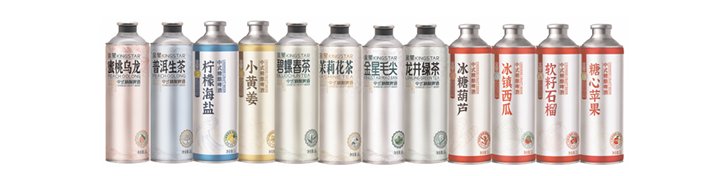
Core Insights - The Chinese craft beer market is experiencing significant growth, with retail sales expected to rise from 12.5 billion yuan in 2019 to 63.2 billion yuan by 2024, reflecting a compound annual growth rate (CAGR) of 38.4% [1] - The market is projected to continue expanding rapidly, with an estimated CAGR of 23.6% from 2024 to 2029, potentially reaching 182.1 billion yuan by 2029 [1] Industry Overview - The Chinese beer market is categorized into industrial and craft beer, with craft beer facing broader growth opportunities [1] - The overall beer consumption in China has been declining since peaking in 2013, leading to a focus on high-end, quality, and diverse products [3] - Craft beer has become one of the fastest-growing segments in the beverage alcohol category, with a market size CAGR exceeding 30% in recent years [3] Company Performance - Jinxing Beer has positioned itself as a leader in the craft beer segment by focusing on "Chinese craft beer," utilizing unique ingredients like tea, local fruits, and traditional medicinal foods [3] - The company has seen rapid growth, ranking as the fastest-growing among the top five craft beer companies in China from 2022 to 2024 [3] - Jinxing Beer reported revenues of 356 million yuan, 730 million yuan (105% YoY growth), and 1.11 billion yuan (191% YoY growth) for the years 2023 to 2025 [4] - Net profits for the same period were 12 million yuan, 125 million yuan (941% YoY growth), and 305 million yuan (144% YoY growth) [4] Financial Metrics - The gross margin for Jinxing Beer has improved significantly, with rates of 27.3%, 37.8%, and 47% for the years 2023, 2024, and the first nine months of 2025, respectively [5] - The net profit margin has also increased, reaching 3.4%, 17.2%, and 27.5% for the same periods [5] Competitive Landscape - Despite its growth, Jinxing Beer faces competition from traditional beer giants and new entrants in the craft beer market, which could pressure its market position [6][7] - The company relies heavily on its craft beer segment, with nearly 80% of its revenue coming from this category, raising concerns about its long-term growth stability [7] - The competitive landscape is characterized by a fragmented market, with established players beginning to enter the craft beer space [6]

泰山啤酒重整:鲜啤王牌,何以渡劫?
3 6 Ke· 2026-01-19 00:24
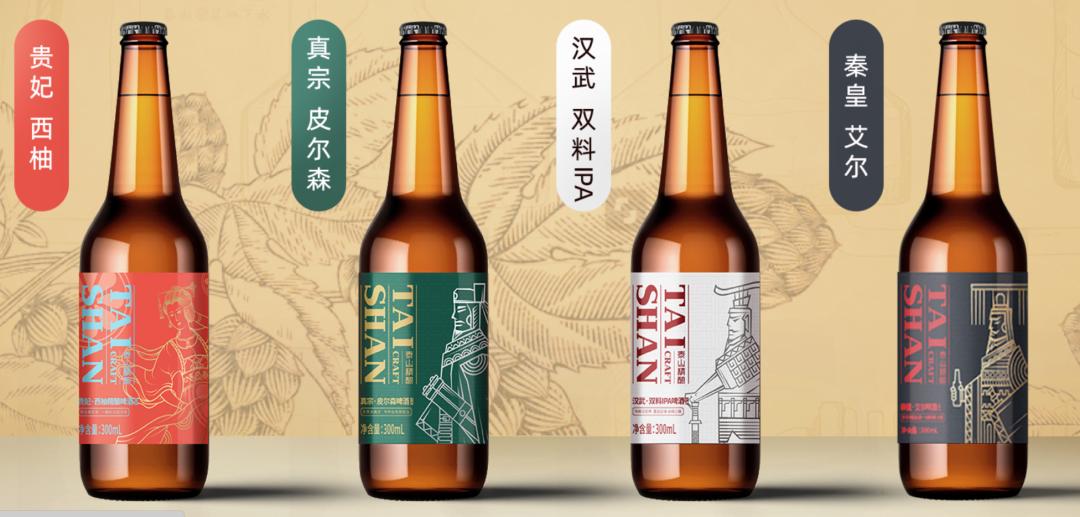
Core Viewpoint - The article discusses the financial struggles of Taishan Beer and its parent company, Tiger Color Group, highlighting the impending bankruptcy restructuring and the impact of debt crises on the company's operations and market confidence [1][15][20]. Group 1: Company Background and Financial Performance - Taishan Beer, under the control of Tiger Color Group, has faced significant challenges, with its parent company Tiger Color Printing entering bankruptcy restructuring due to ongoing losses and debt issues [1][8][15]. - At its peak, Taishan Beer achieved annual revenue exceeding 1.6 billion yuan, but recent financial performance has declined, with 2024 revenue reported at approximately 501.5 million yuan, a decrease of 22.6% from its peak in 2021 [23]. - The company has been heavily impacted by the financial troubles of its parent company, with liabilities reaching approximately 663 million yuan and an asset-liability ratio of 106.63% as of October 2025 [13][15]. Group 2: Debt Crisis and Legal Issues - Tiger Color Printing has accumulated significant overdue debts, with a total of 515.55 million yuan overdue as of November 2024, leading to its bankruptcy restructuring in June 2025 [8][10]. - The shares of Taishan Beer held by Tiger Color Group have been judicially frozen, totaling approximately 987 million yuan, which has further complicated the company's financing capabilities and market confidence [11][13]. - The company is under pressure due to a failed IPO agreement, which could trigger a buyback obligation for Tiger Color Group if it does not complete a qualified IPO by June 30, 2024 [20][21]. Group 3: Market Position and Future Prospects - Taishan Beer operates in a highly competitive market, facing pressure from larger players in the fresh beer segment, which has affected its market position and sales [13][19]. - Despite the challenges, the company continues to expand its distribution network, with plans to increase the number of specialized stores to 3,183, aiming for deeper operational support for these outlets [23]. - The company has a history of innovation, having introduced a fresh beer product with a shelf life of only seven days, which has been a key selling point in its marketing strategy [19].
【转|太平洋食饮-26年度策略】底部向阳,寻找结构性亮点
远峰电子· 2026-01-18 11:38
Overall Sector Review - The food and beverage sector significantly underperformed the market, with a year-to-date decline of -0.62%, lagging behind the Shanghai Composite Index by 15.0 percentage points [2] - The sector experienced a deep correction after an initial rebound driven by expectations of consumption recovery and supportive policies, but the actual recovery rate was lower than anticipated, leading to a consensus on weak domestic demand [2] Subsector Performance - The snack sector outperformed with a year-to-date increase of 28.88%, driven by channel expansion and a revenue growth rate of 30.97% in the first three quarters [4] - Soft drinks also showed resilience with a 10.11% stock price increase, benefiting from strong travel demand and low-cost, high-frequency consumption [4] - The restaurant chain sector saw a rebound with gains of approximately 10.34% and 10.29% for pre-processed and baked goods, respectively [4] - The liquor sector, particularly high-end liquor, faced challenges with weaker sales and declining prices, while beer performance was supported but affected by high-end market constraints [4] Investment Insights - The sector is under pressure from deflationary trends and a weak recovery, with consumer confidence remaining low, indicating a shift to a "new normal" of low growth [8] - High-end consumption has shown slight recovery due to stock market wealth effects, but sustainability remains a concern [9] - The food and beverage sector's valuation is at historical lows, with a current PE (TTM) of 21.9X, indicating potential investment opportunities in undervalued segments [12] Fund Holdings - As of Q3 2025, the food and beverage sector's fund holdings decreased to 6.38%, nearing levels seen in 2016, with the liquor segment comprising 5.52% of this [14] - Fund holdings in the liquor sector increased for certain subsectors, including white liquor and seasoning products, while others saw declines [16] Long-term Trends - The liquor industry is undergoing its longest adjustment period since 2003, with significant price corrections and a potential bottoming out of valuations [21] - The white liquor sector has underperformed the market with a year-to-date return of -4.87%, reflecting weak demand and a divergence from broader market trends [24] - The third quarter of 2025 saw a significant decline in revenue and net profit for the white liquor sector, indicating a deep adjustment phase [27] Pricing Dynamics - The white liquor market is experiencing a general decline in prices, particularly in high-end segments, while lower price segments show resilience [29] - The average price of high-end products like Moutai has dropped significantly, while mid-range and lower-range products have maintained stability or slight increases [31] Investment Recommendations - The white liquor sector is advised to focus on inventory reduction and demand recovery, with a preference for leading brands that can maintain pricing power and product stability [32]




国泰君安期货·能源化工短纤、瓶片周度报告-20260118
Guo Tai Jun An Qi Huo· 2026-01-18 08:50
国泰君安期货·能源化工 短纤、瓶片周度报告 国泰君安期货研究所 钱嘉寅 投资咨询从业资格号:Z0023476 贺晓勤 投资咨询从业资格号:Z0017709 日期:2026年1月18日 Guotai Junan Futures all rights reserved, please do not reprint Special report on Guotai Junan Futures 瓶片(PR) 瓶片:震荡偏弱 估值与利润 基本面运行情况 供需平衡表 观点小结 上游观点汇总 短纤:短期震荡市,中期偏弱 观点小结 01 01 CONTENTS 2 02 短纤(PF) 03 估值与利润 基本面运行情况 本周短纤观点:震荡市为主,利润低位运行 | 供应 | 工厂高开工97.6%,本周纺纱用直纺涤短开机率在99.1%,工厂1月底至2月左右集中检修,总量约在100-150万吨左右,即短纤降负至58%- 88%左右,总体无超预期,观察春节前后累库情况。 | | --- | --- | | 需求 | 内需终端订单偏弱,纱线、织造、坯布环节负荷小幅下降。下游目标放假时间在1月下旬至月底为主,因此1-2周内降负速度不快,保 ...
80多家央企“一把手”2024年年薪披露:最高近百万元, 能源通信行业居前
Hua Xia Shi Bao· 2026-01-17 05:17
Core Viewpoint - The recent disclosure of salary information for over 80 central enterprises by the State-owned Assets Supervision and Administration Commission (SASAC) highlights the structure, level, and distribution of executive compensation, reflecting a commitment to transparency and accountability in state-owned enterprises [2][3]. Salary Structure and Distribution - The highest annual salary for a central enterprise leader in 2024 is 978,500 yuan, held by the chairman of PetroChina, Dai Houliang, followed closely by the former chairman of China Mobile at 972,100 yuan and the former chairman of CNOOC at 966,900 yuan, all from the energy and communication sectors [3]. - Overall, the salary distribution among central enterprise leaders shows a clear stratification, closely related to the industry characteristics and operational challenges, with energy and communication sectors leading in compensation [4]. - Leaders of energy and power central enterprises, such as Huaneng Group and China Southern Power Grid, have salaries exceeding 950,000 yuan, while those in construction, manufacturing, and logistics typically earn between 600,000 and 950,000 yuan, and those in public service sectors earn between 400,000 and 600,000 yuan [3][4]. Industry Differences - There are significant salary disparities among central enterprises based on industry, with energy and communication sectors commanding higher salaries due to their monopolistic nature and substantial impact on the national economy, while sectors like forestry and pharmaceuticals, which focus on social welfare, tend to have lower compensation levels [4]. - Some central enterprises involved in overseas operations, such as China Resources Group, have additional overseas allowances that increase their overall compensation, with the highest total compensation reaching 1,351,200 yuan [4]. Salary Reform and Mechanism - The salary structure for central enterprise leaders consists of a basic salary, performance-based salary, and long-term incentive income, with performance evaluations directly influencing compensation [5][9]. - The 2024 salary determination aligns with the SASAC's performance reform direction, ensuring that compensation is closely tied to performance, with a significant portion of salaries being variable based on performance outcomes [9][10]. - The mechanism for salary determination includes comprehensive assessments of various factors, including safety, social responsibility, and innovation, with penalties for significant operational failures [10]. Transparency and Accountability - The recent salary disclosure is part of ongoing efforts to enhance transparency and accountability in central enterprises, with detailed public reporting of executive names, positions, salaries, and benefits [10]. - To improve public trust, it is suggested that the disclosure should also include the rationale behind salary structures and performance evaluations, not just the figures [10].




央企掌门人年薪披露:国家电网董事长居首
2 1 Shi Ji Jing Ji Bao Dao· 2026-01-17 03:07
1月14日,国务院国资委以提供网页链接的形式,在官方网站上系统披露了其所监管的部分中央企业负 责人2024年度薪酬情况。 此外,此次总部位于粤港澳大湾区的9家央企也披露了负责人薪酬数据。其中,中国南方电网有限责任 公司、华润(集团)有限公司、招商局集团有限公司和中国广核集团有限公司4家央企负责人年薪超过 90万元,主营业务涉及能源电力、交通物流、消费品等多个行业。 南方财经记者梳理数据发现,此次国务院国资委共披露87家中央企业负责人2024年度薪酬信息。在87家 公布了2024年度薪酬信息的央企中,国家电网有限公司、中国石油天然气集团有限公司、中国海洋石油 集团有限公司等20家央企负责人年薪超过90万元,主要集中在能源电力行业。 (文章来源:21世纪经济报道) ...
「港股IPO观察」净利率从3%飙至27%!金星啤酒IPO亮出“暴利底牌”:中式精酿高定价能否抵御巨头围剿
Hua Xia Shi Bao· 2026-01-16 11:49
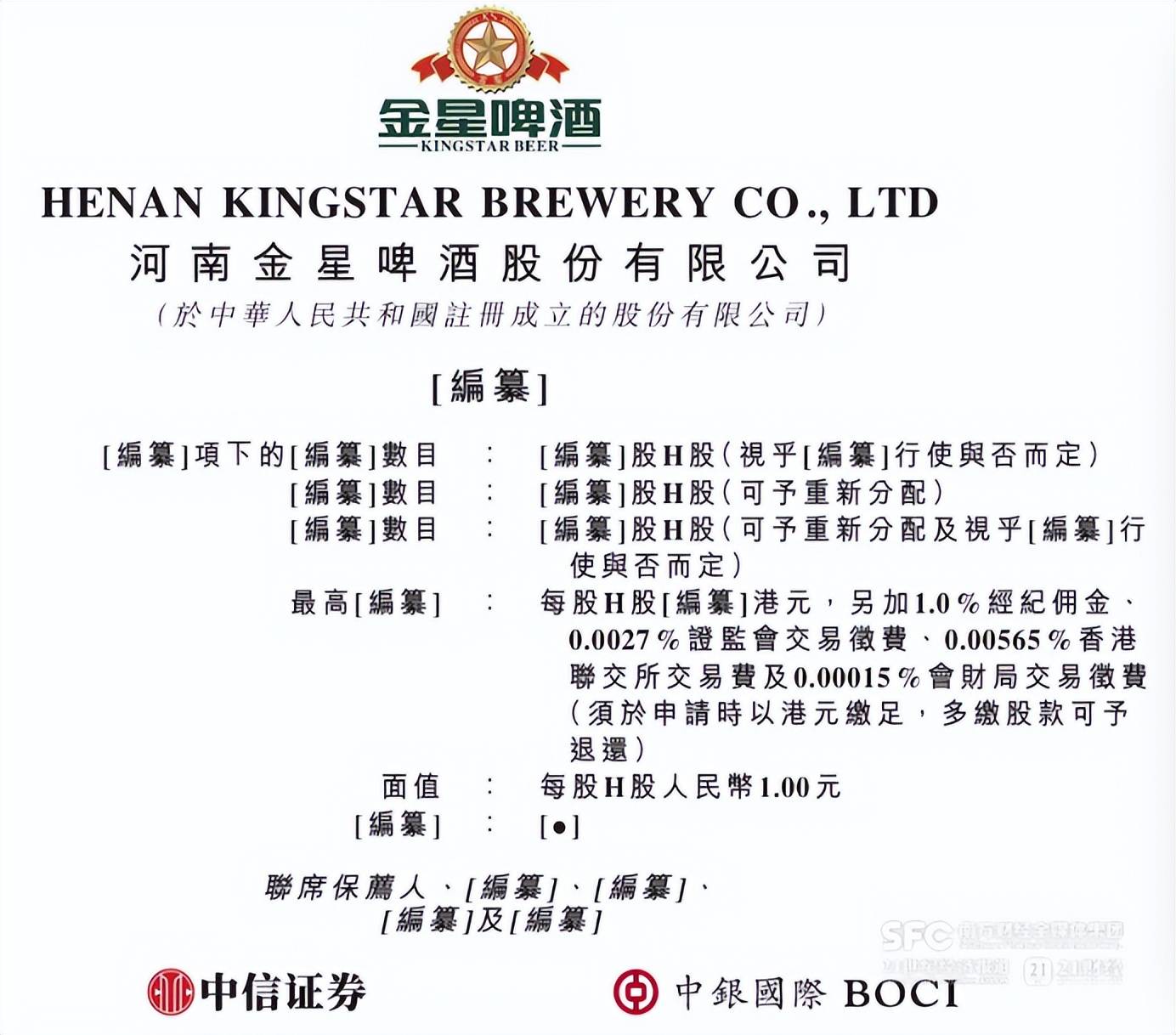
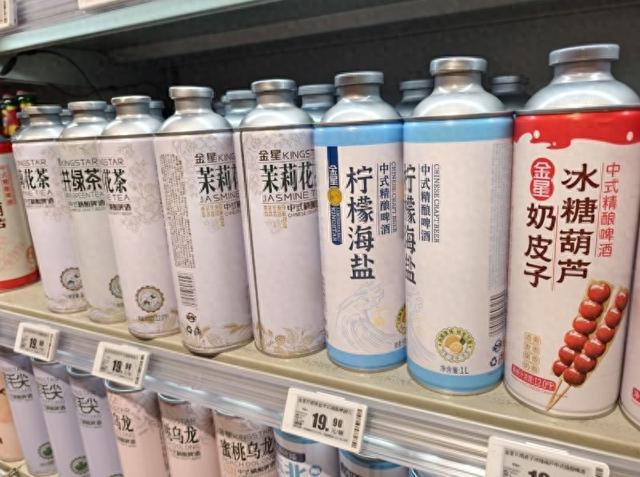
Core Viewpoint - Henan Jinxing Beer Co., Ltd. is embarking on an IPO journey in Hong Kong, aiming to enhance corporate governance, transparency, and secure capital for long-term product development and channel expansion [2][5]. Company Overview - Founded in 1982, Jinxing Beer has evolved from traditional beer to a focus on "Chinese craft beer," launching its first craft beer, Jinxing Maojian, in August 2024, which significantly boosted its performance [3][4]. - In 2023, the company reported revenues of 356 million yuan and a net profit of 12.2 million yuan, but by 2024, revenues surged to 730 million yuan, a 104.9% increase, with net profit reaching 125 million yuan, a 928% increase [3][4]. Financial Performance - For the first three quarters of 2025, Jinxing Beer achieved revenues of 1.11 billion yuan, a 191.2% increase year-on-year, and a net profit of 305 million yuan, a 1095.8% increase [3][4]. - The company has become the eighth largest in China's beer industry and the fifth largest domestic beer company, with a retail sales compound annual growth rate (CAGR) of 23.7% from 2022 to 2024 [4]. Product Pricing and Profitability - Jinxing Beer’s craft beer is priced significantly higher than traditional beers, with craft beer retail prices around 20 yuan per can (1L), compared to traditional beers priced between 2.5 yuan per can (330ml) and 6 yuan per bottle (500ml) [4]. - The gross margin has improved, with figures of 27.3%, 37.8%, and 47% for 2023, 2024, and the first three quarters of 2025, respectively, while net margins reached 3.4%, 17.2%, and 27.5% [4]. Market Position and Competition - Jinxing Beer faces increasing competition from major players like China Resources Beer and Yanjing Beer, which are expanding their craft beer offerings [6][9]. - The company relies heavily on distributors for sales, with 94.8% of its revenue coming from this channel, and has a network covering 29 provinces in China [7]. Strategic Outlook - The IPO is seen as a strategic move to strengthen Jinxing Beer’s market position amid intensifying competition, allowing for enhanced funding for innovation and brand development [5][9]. - The company aims to maintain its focus on Chinese craft beer while navigating the challenges posed by larger competitors and evolving market dynamics [8][9].
金星啤酒赴港IPO:过度依赖单一品类及分销渠道 递表前分红2.29亿元全部进了实控人父子口袋
Xin Lang Cai Jing· 2026-01-16 10:12
Core Viewpoint - Henan Jinxing Beer Co., Ltd. has submitted its main board listing application to the Hong Kong Stock Exchange, showcasing explosive growth in revenue and net profit driven by the "Chinese craft beer" concept, but faces significant risks from over-reliance on a single product category, family governance issues, and increasing industry competition [1][8] Business Structure Risks: Over-reliance on Chinese Craft Beer and Channel Imbalance - The company's revenue growth is heavily dependent on the "Chinese craft beer" single category, with the "Jinxing Maojian" tea beer series contributing 78.1% of revenue in the first three quarters of 2025, while traditional beer products dropped to 16.6% [2][9] - Over 94% of revenue relies on distributors, with only 4.1% from direct sales, and 61.5% of distributors concentrated in Central China, leading to potential issues like price chaos and inventory mismanagement [2][9] Financial and Governance Concerns: Aggressive Dividends and Social Security Arrears - The company implemented large dividends before the IPO, totaling 229 million yuan, which accounted for 182.6% of the 2024 net profit, while simultaneously facing three years of social security and provident fund arrears exceeding 21.9 million yuan [3][10] - High concentration of ownership, with family members holding 100% of shares, raises governance risks, as the management team is predominantly family members, potentially sidelining minority shareholders [3][10] Industry Competition Pressure: Encroachment by Giants and Lack of Standards - The Chinese craft beer sector is growing rapidly but has low barriers to entry, with major companies like China Resources and Tsingtao launching similar products, and competitors using aggressive pricing strategies [4][11] - The absence of national standards for craft beer allows for easy imitation of the company's "flavor craft" concept, risking the erosion of its first-mover advantage [4][11] Sustainability Challenges: Seasonal Fluctuations and Valuation Disputes - The company's sales exhibit significant seasonality, with a notable decline after October, necessitating production cuts, despite attempts to introduce winter specialty drinks [5][12] - The overall valuation of the Hong Kong beer sector is low (P/E ratio of 15-18 times), and if the company cannot be categorized as "new consumption," its financing scale may fall short of expectations [5][12] Conclusion - The IPO attempt by Jinxing Beer represents a typical case of traditional regional breweries leveraging product innovation for breakthrough, but transitioning from a "viral hit" to a "sustainable enterprise" requires overcoming challenges in product diversification, governance modernization, and building competitive barriers [6][13]
家族绝对控股、社保历史欠缴…金星啤酒赴港上市的风险清单
Sou Hu Cai Jing· 2026-01-16 08:45
Core Viewpoint - The company has shown significant revenue growth and improved profit margins, but faces serious internal control issues and dependency on a single product line, which raises concerns about sustainability and compliance risks [2][5][10]. Financial Performance - Revenue increased from 356 million RMB in 2022 to 1.11 billion RMB in the first nine months of 2025, with a net profit margin rising from 3.4% in 2023 to 27.5% in 2025 [2]. - Gross margin is projected to rise from 27.3% in 2023 to 37.8% in 2024, while net profit margin is expected to increase from 3.4% to 17.2% in the same period [5]. Internal Control Issues - The company has reported significant shortfalls in social insurance and housing fund contributions, with unpaid amounts of 7.5 million RMB, 7.9 million RMB, and 6.5 million RMB for 2023, 2024, and the first nine months of 2025, respectively [6]. - There are serious financial control vulnerabilities, with 40.5% of dealer payments in 2024 flowing through third-party accounts, raising legal risks related to money laundering [7]. - Approximately 25.7% of the company's building area lacks ownership certificates, and a construction site in Xi'an lacks necessary permits, posing regulatory and operational risks [8]. Product Dependency - The company heavily relies on its "Chinese Craft Beer" category, particularly the tea beer series launched in August 2024, which accounted for 78.1% of revenue in the first nine months of 2025 [10]. - The sustainability of growth is questioned as consumer acceptance of the "tea + beer" combination may not last, and any decline in popularity could severely impact revenue [10]. Market Competition - The company claims to be a leader in the "flavor craft beer" segment, but the Chinese beer market is dominated by the top five companies, which hold over 80% of the market share [16]. - Despite significant price increases and improved margins, the overall interest in the beer sector remains low, with current market valuations limiting growth potential [17]. Ownership Structure - The company's ownership is highly concentrated, with the Zhang family controlling 100% of the equity through direct and indirect means [17]. Conclusion - While the company presents a compelling growth narrative, the underlying compliance issues, product dependency, and competitive landscape necessitate a cautious evaluation of its long-term sustainability and market position [18].