
古茗

Search documents
当前时点消费的投资机会怎么看
2026-02-03 02:05
Summary of Key Points from Conference Call Records Industry Overview - **Consumer Sector**: Increased policy emphasis on consumption, with the "14th Five-Year Plan" and Central Economic Work Conference highlighting its importance. The later Lunar New Year in 2026 is expected to benefit consumer goods sales, particularly in travel-related and spiritual consumption sectors. Companies like Wei Long, Dongpeng, and Baiya are noted for their growth potential [1][3][4]. - **Agriculture Sector**: Expected to perform well in 2026, with most agricultural products in a bottoming phase. Key areas to watch include cattle breeding, pig farming, and edible mushrooms post-Lunar New Year [2][15][16]. Key Companies and Sub-sectors - **Consumer Goods**: - **Wei Long and Dongpeng**: Anticipated growth rates over 20%, currently priced relatively low [4]. - **Baiya**: Strong offline performance, with profits expected to reach 420 million yuan, entering a value phase [6]. - **Traditional Home Furnishing**: - Companies like Gujia Home are recommended as the sector has reached a cyclical bottom, with low valuations and strong recovery potential [7][9]. - **Raw Materials**: - Companies like Xinghao and Bailong Oriental are performing well due to rising raw material prices, with significant growth in order and delivery data [10]. - **Domestic Demand**: - Leading companies such as Bosideng, Luolai Life, and Jiangnan Buyi are expected to outperform the industry average growth in 2026, presenting good investment value [12]. Emerging Markets and New Products - **AI Glasses Market**: Expected growth in 2026-2027, with Ray-Ban Meta glasses projected to exceed 10 million units in shipments by 2026. Companies like Kanglaite Optical and Yutong Technology are recommended for tracking [5]. Investment Opportunities - **Consumer Sector**: - Current best time to invest in the consumer sector as many companies are still in a bear market. The emphasis on consumption by the government is expected to enhance the sector's value [3]. - **Traditional Home Furnishing**: - The sector is at a low valuation and is expected to recover, making it a good opportunity for investment [7][9]. - **Agriculture**: - Post-Lunar New Year, the agriculture sector is expected to enter a recovery phase, with specific focus on cattle, pig farming, and edible mushrooms [16][17]. - **Food and Beverage**: - Companies like Guizhou Moutai and Luzhou Laojiao are highlighted for their potential growth, with the overall sector expected to see a 20-30% increase due to low valuations and potential catalysts [27][28]. Additional Insights - **Consumer Behavior**: The later Lunar New Year is expected to extend the sales season, benefiting various consumer goods [3]. - **Market Dynamics**: The agriculture sector is expected to show a recovery after a period of weakness, with potential for significant returns in the coming quarters [15][16]. - **Investment Strategy**: Focus on companies with strong fundamentals and growth potential, particularly in sectors that are currently undervalued or have strong recovery prospects [12][27].
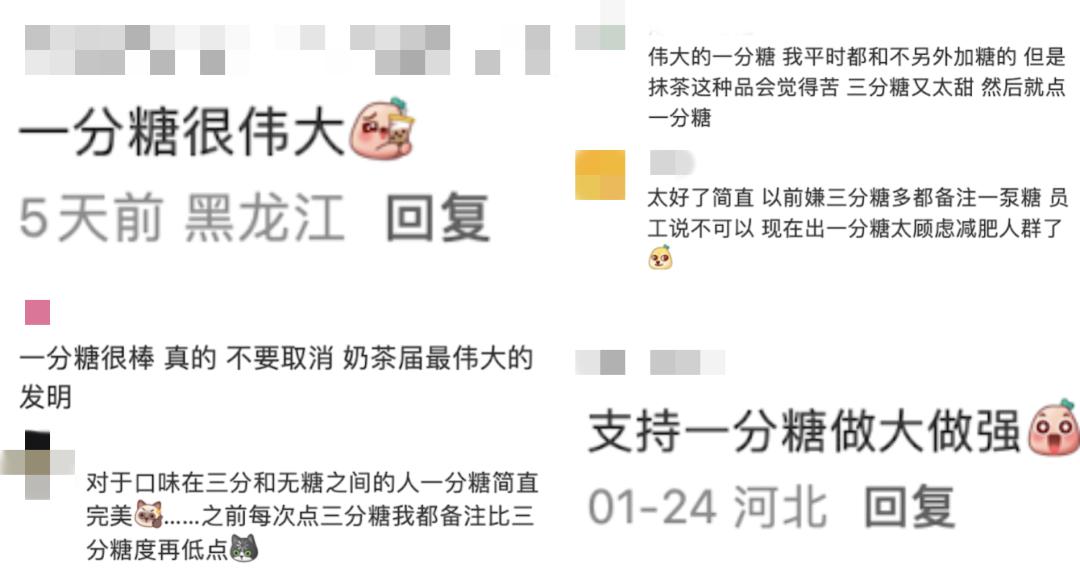
“奶茶界最伟大的发明”,多品牌上线一分糖被网友怒赞
3 6 Ke· 2026-02-03 00:41
Core Insights - The introduction of the "1 Sugar" option by Chao Pao Bu, a brand under Hu Shang A Yi, has been hailed as a significant innovation in the milk tea industry, with consumers praising it as the "greatest invention" in the sector [1][7] - A trend of "quietly reducing sugar" is emerging across various brands, with some eliminating full-sugar options and others adopting low-GI sweeteners [3][5] Brand Innovations - Chao Pao Bu has launched a "1 Sugar" option, adding only 5g of sugar per cup, which has received positive feedback from consumers [1][7] - The Nanjing brand Dongfang Molan had already implemented a "1 Sugar" option in 2024, noting that full-sugar orders are minimal among customers [2] - Li Cha, a brand known in Beijing, has removed full-sugar and partial sugar options, offering only "no added sugar" or "30% Arabic sugar" [3] - The brand Niu Cha has introduced a "low GI syrup" made from a blend of rock sugar, cane sugar, and Arabic sugar to achieve a lower glycemic index [5] Consumer Behavior - Over half of consumers are shifting towards less sugar or no sugar options, with approximately 3% of users opting for the "1 Sugar" choice within two weeks of its launch [7] - Dongfang Molan reports that 7% of its customers choose the "1 Sugar" option, while 6% opt for "no added sugar" [9] - Starbucks has successfully promoted its "no sugar" series, with over 50% of customers selecting no added sugar or less sugar versions [11] Industry Trends - The industry is exploring three main paths to reduce sugar while maintaining flavor: 1. Using real fruit juice to replace sugar, balancing sweetness with natural flavors [13] 2. Extracting natural floral essences and fruit oils to enhance flavor without added sugar [15] 3. Experimenting with healthier alternative sweeteners and low-GI sugars, such as D-allulose, which has been approved for use [19] Conclusion - The trend of sugar reduction is evolving from standard sugar to options like "1 Sugar" or "0-calorie sugar," reflecting a growing consumer demand for healthier choices [20] - The focus is on genuine health benefits rather than merely adjusting sugar levels, emphasizing the importance of nutritional awareness in consumer choices [20]

从“吃草”到“啃木头”,2025年奶茶爆品有多野?
Xin Lang Cai Jing· 2026-02-02 13:20
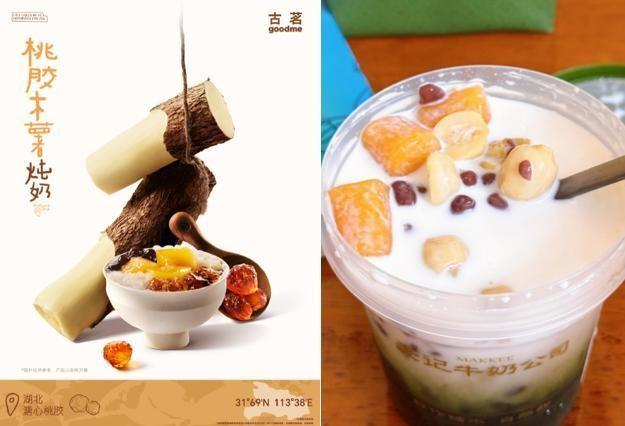
Core Insights - The beverage industry in 2025 continues to thrive on social media, with brands innovating to create surprising products that capture consumer interest [1][2] - The trends observed in 2025 provide a glimpse into the potential directions for 2026, highlighting a blend of nostalgia and modernity in product offerings [1][32] Group 1: Product Innovations - The return of traditional "sugar water" elements, particularly the rise of "tapioca," signifies a nostalgic trend in the beverage market, with brands like Gu Ming and Mai Ji Milk Company achieving significant sales through tapioca-based drinks [3][5][6] - Seasonal fruit competitions are evolving, with a shift from niche fruits to a focus on classic options like strawberries and cherries, emphasizing the importance of supply chain transparency and quality sourcing [7][9][10] - A "physical revolution" in beverage forms is occurring, blurring the lines between drinks and desserts, with products like liquid cakes and solidified versions of traditional drinks gaining popularity [11][12][13][16] Group 2: Health and Wellness Trends - The "super plant tea" category, which gained traction in 2024, continues to evolve in 2025, with an expanding range of ingredients and a focus on supply chain integrity, indicating a shift towards sustainable health-focused beverages [19][20] - The introduction of mushroom-infused drinks reflects a trend towards unique flavor profiles and regional cultural experiences, enhancing the diversity of offerings in the beverage market [20][22][24] Group 3: Market Dynamics - The emergence of "ice milk" drinks demonstrates a strategic return to familiar flavors, effectively meeting consumer demand for refreshing beverages during hot weather, while also creating a new product category [26][28] - The rise of "salty" flavors in beverages, such as cheese-infused teas, showcases a trend towards balanced flavor profiles that enhance the overall drinking experience [27][28] - The use of "dopamine colors" in product design and marketing is becoming a powerful tool for brands, enhancing visual appeal and consumer engagement through vibrant color schemes [29][31] Group 4: Future Outlook - The beverage industry is expected to continue exploring existing values and experiences to create the next generation of hit products, focusing on modern interpretations of traditional flavors and sensory experiences [32][33] - The competitive landscape in 2026 will favor brands that can not only generate short-term trends but also establish lasting connections with consumers through innovative and meaningful offerings [34]
中国茶饮行业_增长的味道_首次覆盖七家龙头企业;首选瑞幸咖啡与古茗-China Bubble & Brew Sector - The Taste of Growth_ The Taste of Growth_ Initiated coverage of seven leading players; top picks Luckin Coffee and Guming
2026-02-02 02:22
Summary of Key Points from the Conference Call Industry Overview - The report focuses on the **China Bubble & Brew Sector**, particularly coffee and tea consumption trends, and highlights the transition of these beverages from elite status symbols to accessible daily commodities [5][23]. - Current coffee consumption in China is approximately **22 cups per capita per year**, significantly lower than over **300 cups** in the US, Japan, and South Korea, indicating substantial growth potential [5][30]. Key Players and Market Dynamics - The top **8 companies** are projected to dominate **25% of total outlets by 2025**, up from **10% in 2022** [6]. - Key growth areas include low-tier cities and mid- to low-priced segments (under **Rmb 20**), with expected **CAGR of 20%** for store counts and gross merchandise value (GMV) [6]. - The report identifies **Luckin Coffee** and **Guming** as top picks, followed by **Mixue** and **Nongfu** [6]. Competitive Landscape - The competitive landscape is characterized by low entry barriers, with significant consolidation among leading brands like **Mixue**, **Luckin**, and **Guming** [36]. - The current chain penetration rate in the coffee segment is around **40%**, suggesting ample room for growth [32]. - **Mixue** has the largest scale with **53,000 stores** by mid-2025, while **Luckin Coffee** leads in the coffee space with **26,000 stores** [72]. Financial Metrics and Performance - The report includes a valuation comparison table for various companies, highlighting metrics such as market capitalization, revenue growth rates, and price-to-earnings ratios [3]. - Notable financial performance includes **Guming** with a **22%** same-store sales growth (SSSG) in 1H25 and **Luckin** with **14%** SSSG in 3Q25 [11]. Catalysts and Future Outlook - Key catalysts to watch include new product launches, expansion into new categories, and increased competition from Starbucks, which aims to grow its store count in China to **20,000** [6]. - The report expresses a bullish outlook for 2026, anticipating better-than-expected performance for leading players due to new initiatives and market dynamics [11]. Consumer Trends - The shift in consumer behavior towards affordable, freshly made drinks is driving growth, with **annual coffee consumption** increasing at a **25% CAGR** over the past four years [30]. - The emotional value associated with coffee and tea consumption is highlighted, as these beverages are seen as affordable treats that enhance social connections [30]. Conclusion - The China Bubble & Brew Sector presents significant investment opportunities, driven by low penetration rates, strong growth in low-tier markets, and the competitive dynamics among leading players. The report emphasizes the importance of scale, pricing strategies, and supply chain management as critical factors for success in this evolving market [36][65].

朝闻国盛:美联储迎来沃什,4大关键点
GOLDEN SUN SECURITIES· 2026-02-02 00:53
证券研究报告 | 朝闻国盛 gszqdatemark 2026 02 02 年 月 日 朝闻国盛 美联储迎来沃什,4 大关键点 今日概览 ◼ 重磅研报 【宏观】美联储迎来沃什,4 大关键点——20260201 【宏观】物价回升如何影响税收收入?—2025 年财政回顾与 2026 年展 望——20260131 【宏观】1 月 PMI 超季节性回落的背后——20260131 【策略】月度高胜率窗口的经验与应对——20260201 【海外】优选地产、大宗和科技——2026 年 2 月海外金股推荐—— 20260131 【金融工程】短期调整不足为惧——20260201 【金融工程】择时雷达六面图:本周拥挤度指标明显弱化——20260131 【固定收益】联储换帅、市场波动与债市逻辑——20260201 【固定收益】赎纯债、降久期、增信用——债基 2025Q4 季报分析—— 20260201 【固定收益】资金平稳跨月,存单偿还地方债放量——流动性和机构行 为跟踪——20260131 【固定收益】固收+继续扩张,增配科技化工——25Q4 基金转债持仓分 析——20260131 【电新】低轨星座竞赛与太空算力革命,引爆太空光 ...
【太平洋研究院】2月第一周线上会议(总第45期)
远峰电子· 2026-02-01 11:35
01 主题:行业配置模型回顾与更新系列(二十一) 时间:2月2日(周一)21:00 主讲:刘晓锋 金工首席分析师 参会密码: 116367 02 主 题: 杭州银行基本面背景及26年投资展望 时间: 2月5日(周四)14 : 00 主讲: 夏芈卬 金融首席分析师 参会密码: 770209 03 主 题:古茗观点更新和推荐 时间: 2月5日(周四)15 : 00 主讲: 郭梦婕 食饮首席分析师 林叙希 食饮分析师 参会密码: 750870 04 主题: 工程机械行业近况更新 时间: 2月5日(周四)15 : 00 主讲:张凤琳 机械分析师 参会密码: 638768 05 主题:朱格拉周期视角下的化工投资机会——炼化&聚酯 时间:2月6日(周五)10 : 30 主讲: 王海涛 化工分析师 参会密码:580407 首席分析 Um 识别二维码立即参会 +86-01053827720 (全球) +886-277083288 (中国台湾) +852-51089680 (中国香港) 参会密码: 116367 ii i C SECURITIES 会议号码: +86-4001888938 (中国大陆) 杭州银行基本面背景 及2 ...

价格卷不动,奶茶品牌又开始玩消费升级了
东京烘焙职业人· 2026-02-01 08:32
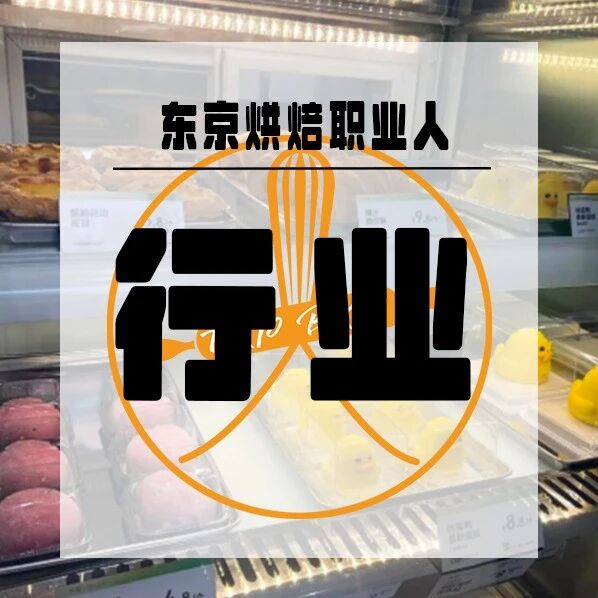
以下文章来源于红餐网 ,作者红餐编辑部 红餐网 . 做餐饮,上红餐 !一个有温度的餐饮产业服务平台。 内 卷层出不穷,茶饮品牌又盯上了烘焙 。 比如,手打柠檬茶品牌林里LINLEE在其首家3.0升级形象店中试点推出了"林里点心铺"。 本文由红餐网(ID:hongcan18)原创首发,作者:卢子言;编辑:王秀清。 产品创新乏力、价格低到不能再低后,茶饮品牌集体卖起了烘焙。 为了快速开店,过去几年茶饮品牌纷纷砍掉烘焙业务,把开店门槛一降再降。如今烘焙再次成为茶饮品 牌的座上宾,是"熹贵妃回宫",还是又一阵"短平快"的风? 01. 从店中店到主题店, 茶饮品牌又开始扎堆卖烘焙了 这轮加码烘焙业务的茶饮品牌,主要分为两种模式。 一是谨慎试水, 通过"店中店"的形式进行品类补充。 目前该店产品线较精简,仅有脆脆花边蛋挞、爆汁肠仔酥、草莓慕斯大福以及两种尺寸的林里鸭慕斯蛋 糕共5款产品,价格在4.8元-16.8元之间。据红餐网观察,门店现场不少顾客表示出愿意尝鲜的兴趣。 2025年7月,茶颜悦色同样以店中店的模式推出新中式烘焙坊"茶颜饼坊"。其产品种类较为为丰富,涵 盖西式面包、蛋挞、可颂、中式酥饼、其他面点等超20个S ...
海底捞也下场开店!翻红的糖水铺能火多久?
东京烘焙职业人· 2026-01-31 08:33
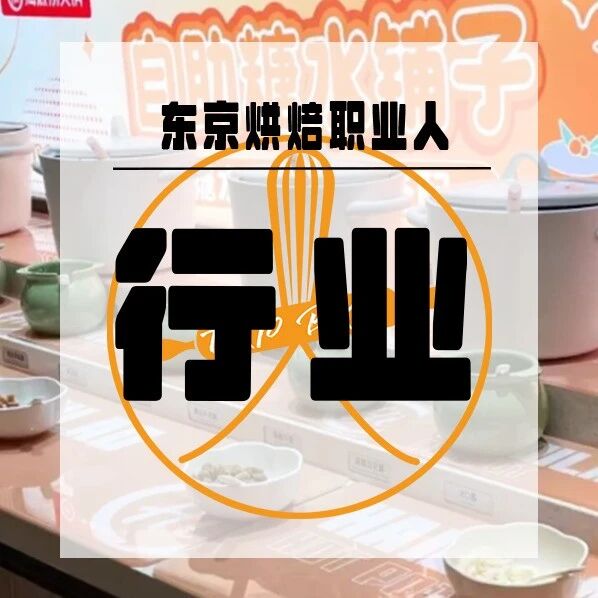
Core Viewpoint - Haidilao is entering the dessert market with its first "sugar water shop" in Shanghai, adopting a "store within a store" model to enhance customer experience and diversify its offerings [6][11][12]. Group 1: Haidilao's Sugar Water Shop - Haidilao's sugar water shop features a dedicated area for dessert, allowing customers to order sugar water independently of hot pot [11][12]. - The shop offers 13 types of fresh sugar water products, priced between 9.9 to 20 yuan, with the lowest price being for "Qing Bu Liang" at 9.9 yuan and the highest for "Tapioca Grand Slam" and "Sugar Water Xian Cao Grand Slam" at 20 yuan each [12][13]. - The shop has attracted significant consumer interest, with reports of popular items selling out quickly, indicating a strong market response [15][32]. Group 2: Competitive Landscape in the Sugar Water Market - The sugar water market is highly competitive, with established brands like Zhao Ji Chuan Cheng and Man Ji Dessert expanding aggressively, while new brands like Mai Ji Milk Company are rapidly gaining market share [20][25]. - Established brands are innovating their offerings and expanding their retail channels, while new entrants are adopting low-cost, high-efficiency models to capture market share [21][26]. - Cross-industry players, including tea brands, are also entering the sugar water market, adding to the competitive pressure [27][29]. Group 3: Challenges and Opportunities - The sugar water market faces challenges such as low consumer frequency compared to other beverages, seasonal demand fluctuations, and product homogeneity [34][36][38]. - Brands need to differentiate through recipe development, regional specialties, or unique consumer experiences to stand out in a crowded market [41]. - The increasing number of cross-industry competitors may lead to customer traffic diversion, making it essential for brands to adapt to changing consumer preferences [42].

叛逆,这届年轻人偷偷捧红了一张极小众“网红水单”
3 6 Ke· 2026-01-31 03:06
Core Insights - The article highlights the emergence of unconventional beverages among young consumers in 2025, showcasing a shift in drinking culture towards creative and personalized drink experiences [1][28] Group 1: The Rise of Jinjiao - Jinjiao has transformed from a traditional "health drink" to a trendy beverage dubbed "Auntie’s Elixir," appealing to young women through social media marketing [2][4] - The brand's popularity surged, with a 102.74% increase in search index on Douyin and 46.8 billion video views related to Jinjiao [6] - Jinjiao's marketing strategy included a dedicated content team to create relatable memes and engage younger audiences, establishing a youthful brand identity [9] Group 2: The Popularity of Ice Cups - Ice cups have become a key component in the beverage trend, with sales increasing over 300% for two consecutive years, and urban consumers averaging 48 cups per year [12][10] - The versatility of ice cups allows for creative drink combinations, making them a popular choice for young consumers seeking unique drinking experiences [14] - The low cost of ice cups (1-3 yuan) enhances their appeal, offering consumers a sense of creativity and enjoyment in their drink choices [14] Group 3: Convenience Store Mixology - Young consumers are utilizing 24-hour convenience stores as informal bars, creating personalized cocktails with affordable ingredients [15][17] - The trend of convenience store mixology has gained significant traction, with 42.9 billion views on Douyin for related content, indicating a strong market demand [17] - This trend reflects a desire for instant gratification and a fun, social drinking experience among young adults [17] Group 4: The Resurgence of Sweet Soup - Sweet soup has made a notable comeback, with brands like Haidilao entering the market, indicating a growing consumer interest in traditional desserts [18][19] - The expansion of sweet soup shops has been rapid, with significant new openings in 2025, showcasing a revival of this classic beverage category [19][21] - The emotional connection and nostalgic appeal of sweet soup resonate with consumers, fulfilling their desire for comfort and indulgence [23] Group 5: The Unexpected Popularity of Mate Tea - Mate tea has emerged as a surprising favorite among young consumers, despite its polarizing taste, with significant social media engagement [24][27] - The beverage's unique caffeine content and cultural associations contribute to its appeal, positioning it as a trendy choice for energy and social sharing [27] - The combination of its challenging flavor and health benefits aligns with the adventurous spirit of young drinkers [27]
关于加盟商筛选、补贴大战与跨国并购,柠季汪洁和我们复盘了这五年
Hua Er Jie Jian Wen· 2026-01-30 10:15
Core Insights - The new tea beverage market in China has become highly competitive, with established players dominating the landscape, yet there remains an untapped opportunity in the lemon tea segment [3][4]. Group 1: Market Overview - In 2021, the new tea beverage market appeared to be saturated, with major brands like Mixue Ice City, Heytea, and Nayuki competing fiercely [1]. - Despite the crowded market, there are over 6,000 lemon tea specialty stores in Guangdong alone, indicating a significant market potential [2][8]. - The annual sales of Vitas Lemon Tea reach several billion yuan, highlighting the lucrative nature of this category [2]. Group 2: Company Strategy - The company, founded by Wang Jie, opened its first lemon tea store in February 2021 in Changsha, focusing on product quality over prime location [4][11]. - The average number of stores per franchisee has reached 1:2.7, with over 3,000 signed stores, demonstrating successful expansion in a previously localized market [4][21]. - The company emphasizes a franchise model that requires franchisees to have their own funds and management experience, ensuring a commitment to the business [18][19]. Group 3: Competitive Landscape - The company faces challenges from intense competition and the ease of replicating lemon tea products, necessitating a focus on differentiation [5][13]. - Wang Jie views competitors as those who compete for talent rather than market share, indicating a unique perspective on competition [6][32]. Group 4: Product Development and Marketing - The company has developed specific products to participate in the ongoing delivery subsidy wars, aiming to maintain brand visibility while managing costs [29][30]. - The strategy includes a focus on health trends, with lemon tea being associated with health benefits, which is expected to sustain its market presence [12]. Group 5: Expansion Plans - The company is exploring international markets, having established a bubble tea brand in the U.S. to mitigate risks associated with entering new markets [36]. - Future plans include potential acquisitions of brands in Brazil, focusing on scalable beverage categories [41][44].