安踏

Search documents
美团闪购“双11”数据:人均消费增长近三成 400个品类、超800个品牌翻倍增长
Zheng Quan Shi Bao Wang· 2025-11-12 11:52
Core Insights - Meituan Flash Sale reported record highs in transaction volume, number of users, and per capita spending during the "Double 11" shopping festival from October 31 to November 11, with nearly 400 product categories seeing over 100% year-on-year growth [1] - High-priced products are driving a nearly 30% increase in per capita spending, with over 800 brands also experiencing more than 100% sales growth [1] - The introduction of the "Brand Official Flagship Lightning Warehouse" has led to a nearly 400% increase in overall sales for hundreds of brand flagship stores compared to pre-"Double 11" levels [1] Product Category Trends - The shopping behavior during "Double 11" reflects a clear trend towards "all categories, new categories, and high-priced items," with traditional and fresh product categories seeing explosive sales [1] - Specific high-demand items include mobile air conditioners, sports cameras, jade, gold, sports apparel, coffee machines, gaming consoles, platinum, and optical glasses, all experiencing over tenfold year-on-year sales growth [1] Flash Warehouse Performance - The Meituan Flash Warehouse has seen significant growth across all retail categories, with 3C home appliances sales increasing nearly 500%, and liquor and baby toys sales growing by 300% [2] - Notable sales increases in the liquor category include a nearly 400% rise in overall sales, with Moutai sales growing over 600% and other brands like Luzhou Laojiao and Jian Nan Chun seeing over 500% growth [2] - In the baby formula segment, sales for brands like Friso and Aptamil have increased by over 100% and nearly 300%, respectively [2] Retailer Performance - Multiple chain retailers have reported explosive sales during "Double 11," with Midea's store sales increasing over 30 times, and other retailers like Mingming Hen Mang and Zhongbai Electric seeing sales growth of over 20 times [2]

全网3.5亿播放的“大湾鸡”,背后是吸金20亿的体育盛会
3 6 Ke· 2025-11-12 10:03
Core Points - The 15th National Games, co-hosted by Guangdong, Hong Kong, and Macau, marks a significant event in China's sports history, showcasing the integration of sports with regional economic development [1][4] - The sponsorship scale for the 15th National Games is expected to exceed 2 billion RMB, setting a historical record for such events in China [2][6] - The event has attracted numerous enterprises, including many Fortune 500 companies, indicating strong market interest and economic potential [4][5] Sponsorship and Market Development - The market development plan for the 15th National Games includes three main components: sponsorship, licensing, and ticketing [2] - The sponsorship plan consists of five tiers: partners, sponsors, exclusive suppliers, suppliers, and supporting enterprises, totaling 40 companies, with a significant presence of state-owned enterprises [4][5] - As of June, the total sponsorship intentions reached over 2 billion RMB, with signed agreements covering various sectors, including insurance, aviation, and sports equipment [5][6] Brand Engagement and Visibility - Anta has emerged as a dominant brand during the event, providing over 600,000 pieces of sportswear for participants and staff, highlighting its significant investment in brand visibility [8][10] - The collaboration of the three major telecom operators (China Telecom, China Mobile, and China Unicom) as sponsors is unprecedented, reflecting the event's appeal and the unique marketing strategies of these companies [11][12] Cultural Impact and Merchandise - The mascot "Bay Chicken," inspired by the Chinese white dolphin, has gained popularity on social media, contributing to the event's visibility and merchandise sales [14][16] - The event has led to the development of over 2,800 licensed products, with more than 700 retail stores, showcasing the commercial success of the games [16][18] Economic Significance - The 15th National Games is seen as a crucial driver for the economic integration of the Guangdong-Hong Kong-Macau Greater Bay Area, providing a model for future events [18]


B站双11广告客户翻番,高客单商品GMV增63%
Zhong Guo Jing Ying Bao· 2025-11-12 09:36
Core Insights - Bilibili (B站) has shown significant growth during the "Double 11" shopping festival, with the number of advertisers for live-streaming sales doubling year-on-year and GMV for products priced over 1,000 yuan increasing by 63% [1][2] Group 1: Advertising and Sales Performance - The number of clients advertising on Bilibili for live-streaming sales increased by 109% year-on-year during "Double 11" [1] - The average new customer rate across all industries on Bilibili reached 55%, with certain sectors like watches, household goods, food and beverages, and beauty exceeding 60% [1][4] - High-value products in the 3C digital category achieved an average store conversion rate of over 20% [2] Group 2: Brand Success Stories - Brands like Leifeng saw a threefold increase in transaction volume on Bilibili during "Double 11" [1][5] - Estée Lauder achieved an average ROI of over 10 and a new customer rate exceeding 70% through targeted marketing with key opinion leaders (KOLs) [1][5] - Anta successfully promoted its down jackets and running shoes, achieving a nearly 60% store visit rate [1][5] - TCL established a strong brand impression with its high-end flagship products, generating triple-digit ROI from individual videos [1][5] Group 3: User Engagement and Platform Growth - Bilibili's average daily active users reached 109 million, with an average usage time of 105 minutes [2] - The platform's continuous improvement in commercial infrastructure and the maturation of community trading mindsets have made it a key platform for e-commerce promotions [2]


雪山上扎堆直播!羽绒服品牌抢夺双十一流量新阵地
2 1 Shi Ji Jing Ji Bao Dao· 2025-11-11 13:01
Core Insights - This year's Double Eleven sales event saw down jacket brands emphasizing "real scene" marketing strategies, showcasing their products in extreme cold environments to demonstrate warmth and functionality [1][2][3] Sales Performance - Tmall's Double Eleven event reported that over 10 million winter down jackets were sold in the first cycle, with brands like Xuezhongfei and Yaya seeing year-on-year sales increases of over 70% and 60% respectively [1] - In Douyin's first phase of Double Eleven, Yaya and Bosideng ranked first and second in women's fashion brands, each surpassing 100 million yuan in sales [1] Marketing Strategies - Brands are shifting from traditional marketing focused on technical specifications to experiential marketing, using real-life scenarios to validate product performance [2][3] - Notable marketing efforts included live broadcasts in extreme cold locations, such as Yulong Snow Mountain and Xinjiang, to visually demonstrate the warmth of the jackets [2][3] Product Focus - Female down jackets are focusing on diverse styles, while male jackets emphasize functionality and protective features [2] - Camel, a brand expanding from outdoor clothing to down jackets, is targeting high sales volumes through single product strategies, with their black diamond 3.0 down jacket achieving over 10 million yuan in sales [6] Consumer Behavior - The trend of "price for volume" is evident, with a significant increase in GMV for down jackets by 52% year-on-year, while the average transaction price decreased by about 8% [6] - Consumers are becoming more rational, seeking value for money and verified quality, which presents opportunities for domestic brands to cater to these demands [7]
消费:牛市的下一站风景
2025-11-11 01:01
Summary of Key Points from Conference Call Industry Overview - **Industry Focus**: Consumer sector, including hospitality, duty-free markets, food and beverage, agriculture, and pharmaceuticals [1][2][3][4][5][6][7][8][9][10][11][12][13][14][15][16][17][18][19][20][21][22][23][24][25][26][27][28][29][30][31][32][33][34][35][36][37][38][39][40][41][42][43][44][45] Core Insights and Arguments - **Market Style Shift**: In Q4, funds are transitioning from previous hot sectors to traditional value sectors, revealing valuation opportunities in the consumer sector [1][5] - **Improving Consumer Fundamentals**: High-end brand sales are increasing, and extended holiday periods are expected to boost travel frequency, with potential policy measures to enhance service consumption [1][13] - **Hotel Industry Recovery**: RevPAR decline is narrowing, with some weekly data turning positive; notable stock performance from companies like Atour and Jin Jiang [1][10] - **Duty-Free Market Growth**: Hainan's duty-free market revenue turned positive, with a 35% increase in early November, driven by electronics sales [1][11][12] - **Food and Beverage Opportunities**: Low base, low institutional holdings, and low valuations suggest a potential increase in allocation, with expectations to outperform the CSI 300 index [1][23][24][25] - **Agricultural Sector Turning Point**: Beef prices are rising, expected to maintain an upward trend over the next three years; raw milk market is at historical lows but is set for gradual improvement [1][31][32] - **Pharmaceutical Sector Focus**: Recommendations for innovative drug companies and CRO leaders, with attention to chain pharmacies and traditional Chinese medicine [1][40][41] Additional Important Insights - **Consumer Sector Performance**: A-shares and Hong Kong stocks in the consumer sector have performed well this year, with a notable rally in A-shares [2] - **Investment Strategy for Q4**: A balanced approach is recommended, increasing allocation to traditional consumer sectors while maintaining a long-term view on technology [3][6] - **Social Services Sector Outlook**: The social services sector is showing growth potential, with recent activity in the duty-free market attracting investor interest [7][8] - **Impact of New Listings**: The successful financing of Shaanxi Tourism indicates regulatory support for direct financing, reflecting a positive trend in the current economic environment [9] - **Consumer Spending Recovery**: The recovery in consumer spending is closely tied to economic stabilization, with high-net-worth individuals positively impacted by the ongoing bull market [13] - **Traditional vs. New Consumption**: Both traditional and new consumption sectors show positive growth prospects, with funds shifting towards traditional sectors due to underperformance in tech [14] - **Beauty and Retail Sector Dynamics**: The beauty and retail sectors typically perform well at the start of market rallies, supported by seasonal demand and improved consumer sentiment [15] - **Jewelry Sector Growth**: Companies like Chao Hong Ji are expected to see good growth prospects due to low store counts and positive sales feedback [17][18] - **Online Penetration in Personal Care**: Companies benefiting from increased online penetration include Ru Yuchen and Qingmu Keman Duo, with strong growth expected [19] - **Supermarket Sector Outlook**: The supermarket sector may rebound, with some regional players showing profit improvements [20] - **Cosmetics Industry Focus**: Companies like Proya and Shanghai Jahwa are highlighted for their growth potential, with low valuations and strong market positions [21] - **Hong Kong Jewelry Brands**: Brands like Chow Tai Fook and Luk Fook are at low valuations but show signs of upward trends [22] - **Food and Beverage Sector Performance**: The food and beverage sector has shown strong recent performance, with expectations for continued growth [23][24][25] - **Digital Transformation Impact**: Digital transformation is enhancing operational efficiency in the food and beverage sector, with companies like Nongfu Spring benefiting [28] - **Reform Opportunities**: 2026 is expected to be a pivotal year for many companies, with potential for significant value release [29] - **White Spirit Industry Outlook**: The white spirit industry is expected to stabilize, with a focus on reasonable valuations and dividend yields [30] - **Livestock Sector Trends**: The livestock sector is approaching a significant turning point, with rising beef and raw milk prices anticipated [31][32][33] - **Dairy Farming Innovations**: Dairy farms are exploring new business models to enhance profitability, particularly in the meat and milk systems [34] - **Pork Sector Challenges**: The pork sector faces challenges, with prices expected to bottom out in the first half of next year [35] - **Textile and Apparel Opportunities**: Structural opportunities exist in the textile and apparel sector, particularly in sports and outdoor categories [36][37] - **Home Appliance Sector Outlook**: The home appliance sector is expected to face pressure in Q4 but has long-term growth potential [38][39] - **Pharmaceutical Sector Developments**: The pharmaceutical sector is focusing on innovative drugs and CROs, with significant growth potential in these areas [40][41][42][43][44]
鞋服企业降碳,走到哪一步了?
虎嗅APP· 2025-11-10 13:19
Core Viewpoint - The rapid improvement in ESG ratings of leading Chinese footwear companies like Anta and Xtep indicates a significant shift in the industry towards sustainability, driven by rising consumer awareness, stricter capital market ESG sensitivities, and global supply chain green requirements [2][3]. Group 1: ESG Ratings and Progress - Anta's 2024 ESG report reveals that sustainable products account for over 30% of its offerings, with direct greenhouse gas emissions (Scope 1) decreasing by 11.1% year-on-year, and its MSCI ESG rating improving to "A" over two years [2]. - Xtep has also achieved an MSCI ESG rating upgrade to "A," becoming the first company in China's sports goods industry to reach this level, reflecting its commitment to sustainable development [2]. - The footwear industry, traditionally seen as resource-intensive, is undergoing a redefinition as companies prioritize ESG initiatives [2]. Group 2: Challenges and Disparities - Not all brands are progressing at the same pace; while leading brands show measurable advancements in goals, actions, and disclosures, smaller brands and supply chain segments still exhibit significant shortcomings [3]. - The overall quality of industry disclosures remains an area for improvement, with many companies primarily focusing on Scope 1 and 2 emissions rather than comprehensive reporting [4][5]. Group 3: Environmental Issues and Management - Environmental issues are critical for footwear companies, particularly in areas like raw material sourcing, dyeing, and logistics, which fall under Scope 3 emissions [5]. - Anta reported a total Scope 3 emission of 1,598,627 tons of CO2 equivalent for 2024, while Scope 1 and 2 emissions were 7,580 tons and 239,352 tons, respectively [5]. - Anta aims for a 42% absolute reduction in Scope 1 and 2 emissions by 2030 and a 51.6% intensity reduction in key categories of Scope 3 emissions [6]. Group 4: Innovations and Product Development - Companies like Li Ning are innovating with recycled materials, achieving a reduction of 2,283 tons of carbon emissions through the use of recycled polyester in 2024 [12]. - Xtep's new shoe lines incorporate eco-friendly materials, reducing carbon emissions by 11.6 to 13.1 grams per pair [12]. - The use of low-carbon natural fibers and sustainable materials is becoming a competitive edge for brands, with examples like Tianhong Group adopting Carbon Zero Tencel [13]. Group 5: Future Directions and Industry Outlook - The footwear industry is a major contributor to global carbon emissions, making carbon footprint management essential for survival and competitiveness [11]. - Leading companies are transitioning from compliance-driven carbon management to proactive strategic choices, enhancing transparency and setting ambitious goals [14]. - The challenge remains for the broader Chinese footwear industry to leverage the breakthroughs of leading firms to establish a comprehensive competitive advantage in sustainability [14].
纺织服装行业周报 20251110:10月纺服出口承压,中美磋商利好有望修复出口链-20251110
Shenwan Hongyuan Securities· 2025-11-10 08:50
Investment Rating - The report maintains a positive outlook on the textile and apparel industry, particularly recommending companies involved in sports manufacturing and non-woven fabric sectors [3][9]. Core Insights - The textile and apparel sector outperformed the market, with the SW textile and apparel index rising by 0.8% from November 3 to November 7, 2025, surpassing the SW All A index by 0.2 percentage points [4]. - October textile and apparel exports faced pressure, with a year-on-year decline of 12.6%, but recent US-China trade negotiations may lead to a gradual recovery in the export chain [9][11]. - The report highlights the potential for growth in the outdoor apparel segment due to the upcoming winter season and the 2026 Milan Winter Olympics, recommending brands like Bosideng [11][12]. Summary by Sections Industry Performance - The SW apparel and home textiles index increased by 2.2%, outperforming the SW All A index by 1.6 percentage points, while the SW textile manufacturing index rose by 1.0% [4]. - Retail sales in the apparel, footwear, and textile categories totaled 1,061.3 billion yuan from January to September, reflecting a 3.1% year-on-year growth [26]. Export Data - In October, China's textile and apparel exports amounted to $22.26 billion, down 12.6% year-on-year, with textile yarns and fabrics at $11.258 billion (down 9.0%) and clothing at $11.004 billion (down 16.0%) [33][34]. Cotton and Wool Prices - As of November 7, the national cotton price B index was reported at 14,792 yuan/ton, a slight increase of 0.1% for the week, while international cotton prices showed a decline [34]. - The Australian wool price index was reported at 924 cents/kg, reflecting a year-on-year increase of 23.4% [36]. Company Performance - Adidas reported a 3% year-on-year increase in revenue for Q3 2025, while Nike's revenue showed a slight recovery with a 1% increase [9][19]. - Nobon and Yanjing demonstrated strong growth in the non-woven fabric sector, with revenue increases of 23% and 17% respectively in Q3 2025 [10]. Market Opportunities - The report emphasizes the importance of domestic demand recovery in 2025, highlighting opportunities in high-quality domestic brands and the potential for a turnaround in the women's apparel sector [12][16].

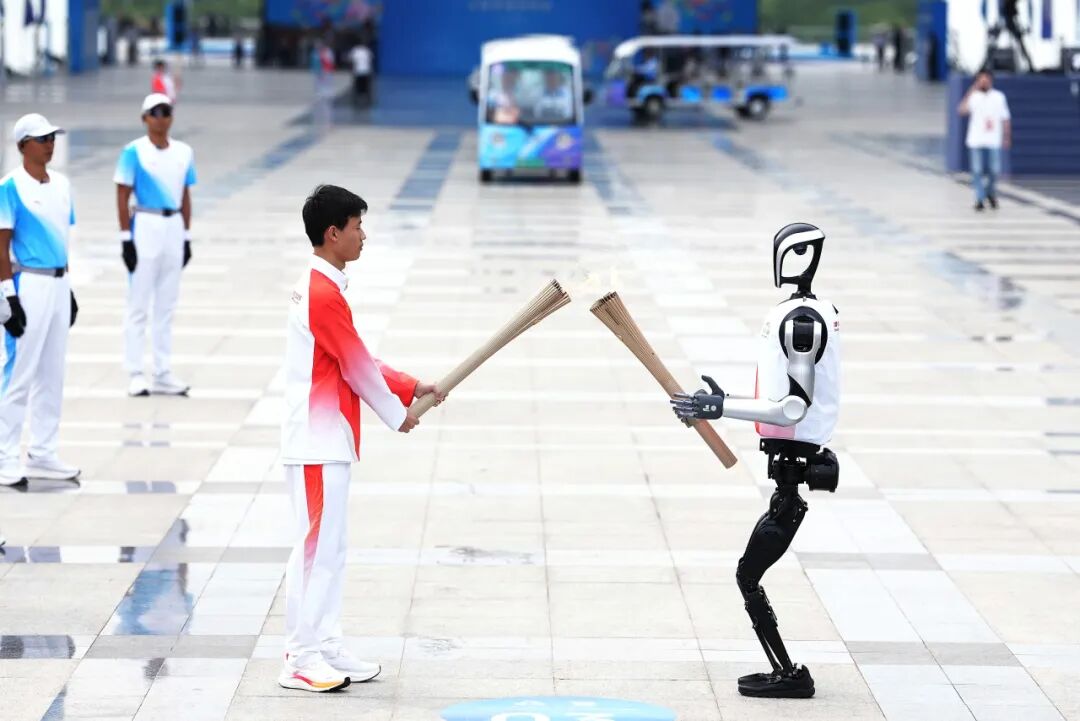
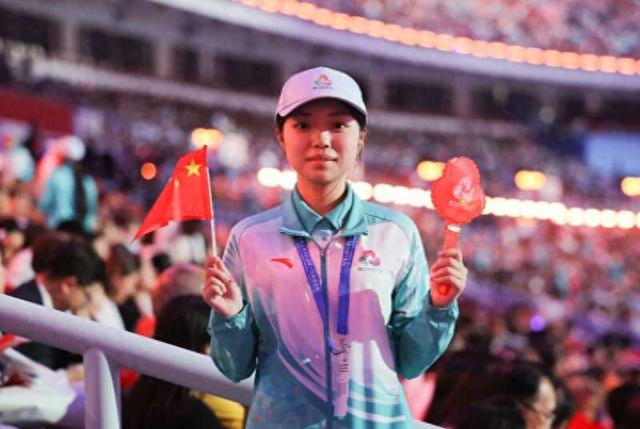
安踏为十五运会提供体育装备超60万件
Zhong Guo Qing Nian Bao· 2025-11-10 08:13
Group 1 - The 15th National Games is the first comprehensive sports event jointly hosted by Guangdong, Hong Kong, and Macau, gathering top athletes in the Greater Bay Area [1][3] - Anta serves as the official sports equipment partner, providing sports apparel and footwear for over 70,000 personnel, including staff, technical officials, volunteers, and torchbearers, with a total of over 600,000 pieces of equipment [3] - Anta has a history of supporting Chinese sports development and has provided professional competition, training, and lifestyle gear for over 30 national teams [3] Group 2 - Anta will continue to support the upcoming Winter Olympics by providing professional sports technology and equipment for 10 Chinese national teams [3]
纺织服装行业周报:10月纺服出口承压,中美磋商利好有望修复出口链-20251110
Shenwan Hongyuan Securities· 2025-11-10 06:53
Investment Rating - The report maintains a positive outlook on the textile and apparel industry, with specific recommendations for companies such as Bosideng and Anta [2][8]. Core Insights - The textile and apparel sector outperformed the market, with the SW textile and apparel index rising by 0.8% from November 3 to November 7, 2025, surpassing the SW All A index by 0.2 percentage points [3]. - October textile and apparel exports faced pressure, with a year-on-year decline of 12.6%, but recent US-China trade negotiations may help restore the export chain [8][10]. - The report highlights the potential for growth in the outdoor apparel segment due to the upcoming winter season and the Milan Winter Olympics, recommending brands like Bosideng and focusing on the recovery of women's apparel [10][12]. Summary by Sections Industry Performance - The textile and apparel sector showed strong performance compared to the market, with the SW apparel home textile index increasing by 2.2% and the SW textile manufacturing index rising by 1.0% during the same period [3][4]. Recent Industry Data - Retail sales for clothing, shoes, and textiles totaled 1,061.3 billion yuan from January to September, reflecting a 3.1% year-on-year growth [28]. - In October, China's textile and apparel export value was $22.26 billion, down 12.6% year-on-year, with textile exports at $11.258 billion (down 9.0%) and clothing exports at $11.004 billion (down 16.0%) [35][36]. Market Trends - The report notes that the recent easing of tariffs by the US may positively impact the export chain, with a recommendation to focus on the sports manufacturing and non-woven fabric sectors [8][10]. - The outdoor apparel market is expected to benefit from increased brand investments in winter sports products, with specific mentions of Anta and Li Ning's new product launches [10][12]. Company Performance - The report reviews the third-quarter performance of companies like Dezhu Fashion, which showed a recovery in profits, with a focus on online and direct sales channels [13][14]. - The report emphasizes the strong brand power and profitability of companies in the mid-to-high-end women's apparel sector, maintaining a "buy" rating for companies like Dezhu Fashion and Geli Si [12][17]. Investment Recommendations - The report recommends investing in sports and outdoor brands such as Bosideng, Anta, and Li Ning, as well as discount retailers like Hailan Home and companies in personal care and home cleaning sectors [10][12].
一条瑜伽裤不够用了,lululemon拓展新品类寻找增长
Jing Ji Guan Cha Bao· 2025-11-09 11:16
Core Insights - The Chinese market is a key growth engine for lululemon, with significant potential for expansion [2][3] - The company has achieved over 30% revenue growth in China from FY2021 to FY2024, making it the fastest-growing market globally [2] - Lululemon is focusing on expanding its product categories and channels, including social e-commerce platforms like Douyin and Xiaohongshu [3][9] Market Performance - Lululemon currently operates 165 stores in China and continues to expand its presence [2][9] - The company reported a 25% year-over-year revenue growth in the Chinese market for Q2 FY2025, while global net revenue grew by 7% [2][7] Product Innovation - Approximately 25% of lululemon's products are newly designed each quarter, with plans to increase this to one-third next year [7] - The core product categories include yoga, running, training, golf, tennis, and everyday wear, which cater to both athletic and casual needs [8] Men's Apparel Growth - Men's apparel is identified as a significant growth area, driven by high participation rates in sports and increasing acceptance of casual styles among Chinese men [5][6] - The company emphasizes the balance of functionality, comfort, and versatility in its men's products, which distinguishes them from competitors [4][5] Brand Strategy - Lululemon maintains a cautious expansion strategy, ensuring all 165 stores are company-owned to provide a consistent brand experience [9] - The brand aims to balance scale expansion with brand value enhancement, focusing on direct customer engagement and education through store staff [9]