
茶百道

Search documents
18家成都企业上榜!“中国独角兽毕业榜”首次发布
Sou Hu Cai Jing· 2026-01-18 08:13
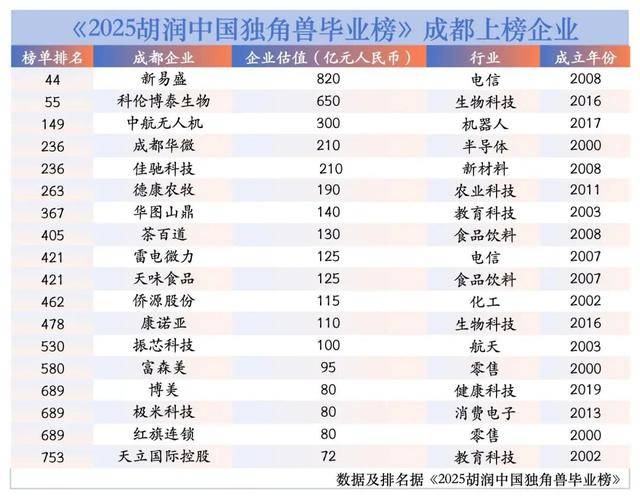
Group 1 - The 2025 Hurun China Unicorn Graduation List identifies 796 companies that have graduated as unicorns, valued at over $1 billion, established after 2000 [1][3] - Chengdu ranks seventh in the number of listed companies, with 18 enterprises making the list [1][4] - The total value of these unicorn graduates across China reaches 24 trillion RMB, with an average establishment year of 2006 and an average age of 19 years [2][3] Group 2 - The top five industries by the number of listed companies are semiconductors, industrial equipment, biotechnology, new energy, and software services, accounting for 46% of the total [3] - The highest valued industries are semiconductors, new energy, industrial equipment, consumer electronics, and biotechnology [3] - Among the 796 unicorn graduates, 33 companies are valued over 100 billion RMB, with 3 exceeding 1 trillion RMB [3][4] Group 3 - Chengdu's notable companies include: - Xinyi Technology (New Easy Win) ranked 44th with a valuation of 82 billion RMB in telecommunications [2][5] - Kelong Botai Biotechnology ranked 55th with a valuation of 11 billion RMB in biotechnology [2][5] - Zhonghang Unmanned Aerial Vehicle ranked 149th with a valuation of 30 billion RMB in robotics [2][5] - Chengdu Huami and Jiachitech both ranked 236th with valuations of 21 billion RMB in semiconductors and new materials respectively [2][5] - Other notable companies include Dekang Agriculture Technology, Huatuo Shanding, and Tea Hundred Road, with valuations ranging from 13 billion to 19 billion RMB [2][5]


喜茶“炒蛋奶茶”震惊饮品圈,2026年第一个创意爆款是它?
3 6 Ke· 2026-01-17 02:02
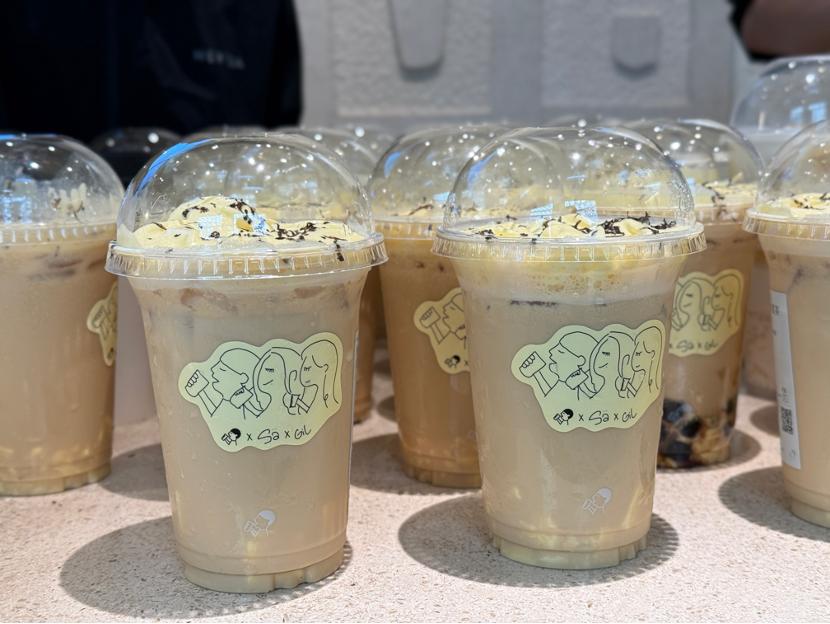
Core Insights - The recent launch of "Black Truffle Scrambled Egg English Red" by Heytea in Hong Kong has sparked significant online discussion, showcasing the innovative use of eggs in beverages [1][2][4] - The trend of incorporating eggs into drinks is gaining traction, with predictions that creative products featuring eggs may emerge in the coming years [1][10] Product Launch - Heytea's new drink is inspired by the classic Hong Kong dish "Black Truffle Scrambled Egg," featuring Guangdong Yingde black tea, a special salty cheese milk base, and fresh pudding topped with black truffle [2][4] - The drink has received positive feedback from consumers, highlighting its unexpected flavor combination and rich layers [4] Market Trends - The use of eggs in beverages is not a new concept; previous products like "Mango Egg Honey" and "Ice Cream Cake Milk Tea" have already explored this trend [8] - The popularity of egg-based drinks has surged, with social media trends like eggnog and DIY egg recipes contributing to the growing interest [8][10] Consumer Perception - Early attempts to use eggs in drinks faced consumer safety concerns, but recent developments have led to a more favorable reception [10][24] - The incorporation of eggs is often done through indirect means, such as using cake sauces or puddings to enhance flavor without directly promoting raw eggs [11][24] Innovative Applications - Various brands have successfully integrated eggs into their products, such as the "Organic Egg" series by A-Ma Handmade, which combines organic eggs with milk and tea [16] - Creative presentations, like the "Milo Lava Eruption" drink that features a torched egg white topping, are attracting younger consumers [21] Future Potential - The egg element in beverages is seen as a way to enhance freshness and create memorable experiences for consumers [24] - Industry experts suggest that while eggs can be a valuable ingredient, they should be used creatively and not as the main selling point to avoid consumer hesitance [24][26]
叮咚买菜连开两城;沃尔玛联名小红书开“玛薯店”
Sou Hu Cai Jing· 2026-01-16 18:59
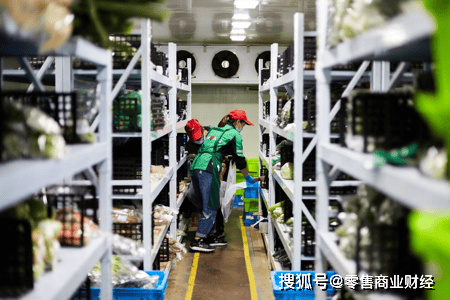
Group 1: Dingdong Maicai Expansion - Dingdong Maicai has accelerated its market penetration by opening new warehouses in Taizhou and Yancheng, Jiangsu, enhancing its fresh food delivery services [1] - The platform launched a "True Assurance Fish" series during the Spring Festival, offering free processing services and over 300 low-GI and organic products [1] - The new warehouses will leverage the existing supply chain capabilities validated in the Jiangsu-Zhejiang-Shanghai region, focusing on differentiated competition in the fresh food sector [1] Group 2: Walmart and Xiaohongshu Collaboration - Walmart has partnered with Xiaohongshu to launch a co-branded retail experience called "Mashi Store" in Shenzhen, featuring over ten new products [2] - The collaboration emphasizes simple ingredients and fresh experiences, utilizing Walmart's global supply chain and Xiaohongshu's community insights for product development [2] - This initiative represents Walmart's innovative approach in the instant retail sector, combining online and offline channels to engage younger consumers [2] Group 3: Linli Tea Brand Financing - Linli, a lemon tea chain, has secured tens of millions in Series A funding, with a valuation nearing 1 billion [4] - The funds will be allocated for brand development, supply chain upgrades, and organizational optimization, as the brand aims to strengthen its supply chain capabilities [4] - Linli plans to expand its product matrix and enhance its emotional connection with consumers through a "tea + IP" model [4] Group 4: Meituan Black Pearl Restaurant Guide Expansion - Meituan's Black Pearl Restaurant Guide will expand to four new cities in 2026, including Nantong, Qingdao, Shijiazhuang, and Shenyang [5] - The new cities will help explore local culinary landmarks and representative restaurants, with the updated list to be released on January 27 [5] - The Black Pearl Guide has been increasing its city coverage annually since 2023, aiming to grow from 19 to 32 cities by 2026 [5] Group 5: Hema Fresh Store Openings - Hema Fresh has opened its first store in Shanxi, covering over 4,000 square meters with more than 7,000 product offerings [7] - The brand's community supermarket, "Chao He Suan NB," is set to open two new locations in Dongguan on January 23, 2026 [7] Group 6: New Product Launches - San Yuan Dairy has introduced a new "Beijing Yogurt" line with four flavors, emphasizing natural ingredients and high protein content [11] - The new yogurt products are available for purchase on JD.com, priced at 29.9 yuan for a pack of four [11] Group 7: Corporate Developments - China Resources Beverage has appointed a new executive director and chairman, with Gao Li taking over leadership roles [14] - The company has established a stable governance system and operational resilience to adapt to market cycles [12]





“最热闹的地方都不一定能赚到钱了”,茶饮离规模天花板还有多远?
3 6 Ke· 2026-01-16 03:23
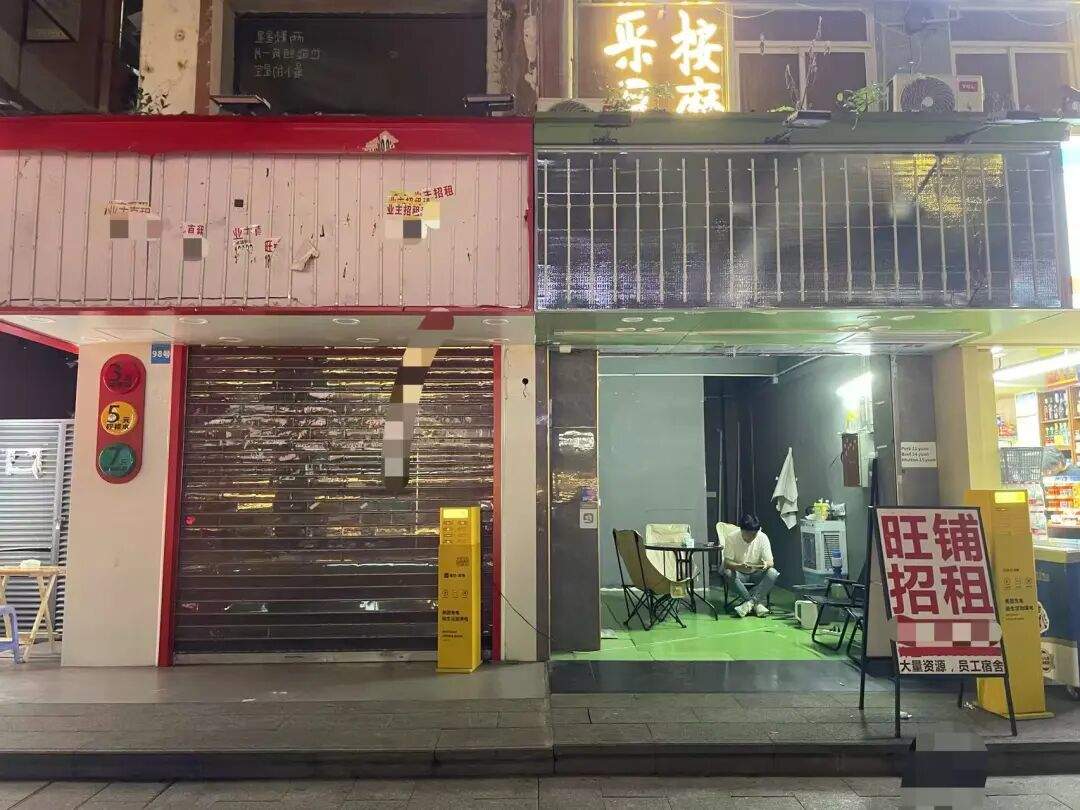
Core Insights - The tea beverage industry is experiencing a significant shift from rapid growth to intense competition, with many brands struggling to maintain profitability as the market approaches saturation [2][11][24]. Industry Overview - The tea beverage market has seen a surge in the number of listed companies, with brands like Gu Ming, Mi Xue Ice City, and Ba Wang Tea Sister joining the ranks, bringing the total to six publicly traded companies [2]. - Mi Xue Ice City has expanded to an impressive 47,000 global stores, while Gu Ming has become the second tea brand to reach 10,000 stores [2]. - The market growth rate is projected to slow down significantly, with an expected increase of only 6.4% in 2025, compared to over 20% in previous years [11]. Market Dynamics - The competition has intensified, leading to a phenomenon where many stores are closing or struggling to find tenants, with rental prices dropping by 30% in some areas without attracting new businesses [10][11]. - The average density of tea beverage stores is high, with one store for every 700 people in the target demographic of 15-35 years old [11]. Financial Performance - Major tea brands have reported substantial revenue growth, with Mi Xue Group achieving a revenue increase of 39.3% to 14.87 billion yuan and Gu Ming's revenue rising by 41.2% to 5.66 billion yuan [15][17]. - Despite overall revenue growth, many franchisees are experiencing declining profit margins due to increased competition and the impact of the delivery service wars [20][21]. Delivery Wars Impact - The fierce competition among delivery platforms has led to significant spending, with approximately 65 billion yuan burned in the third quarter alone, benefiting tea brands through increased order volumes [13][14]. - However, the profitability of individual stores is under pressure, as the shift towards delivery often results in lower profit margins compared to in-store sales [20][21]. Investment Trends - Investors are increasingly adopting a speculative approach, focusing on new brands with the potential for high returns, while established brands are seen as less profitable [24][25]. - The emergence of new brands and trends, such as Thai milk tea, is driving interest among franchisees, who are eager to capitalize on the next big opportunity [27][28]. Consumer Behavior - The delivery wars have changed consumer habits, with a growing preference for ready-to-drink beverages, which may have long-term benefits for the industry [23]. - However, there are concerns that the price sensitivity created by heavy discounting during the delivery wars could persist even after subsidies are reduced [21].
创始人张勇,“重新”掌舵870亿海底捞
Sou Hu Cai Jing· 2026-01-16 01:50
Core Insights - The changing consumer preferences are reflected in the shifts within the dining market, indicating that no single restaurant format can remain dominant indefinitely [1] - The current best solution for the restaurant industry is a focus on supply chain and standardization, which has led to higher valuations for supply chain companies compared to traditional restaurant businesses [1] - The capital market's preference has shifted towards tea beverage companies, which are currently valued higher than traditional dining establishments, a trend unlikely to reverse in the short term [1] Company Analysis - Despite achieving record performance, leading restaurant chain Haidilao has not seen a recovery in its valuation, indicating a disconnect between operational success and market perception [3] - Haidilao's rapid expansion from over 300 stores at its IPO to 1,300 stores by 2022 did not translate into proportional revenue growth, resulting in a net loss of 4.163 billion yuan in 2021 [6] - Under the leadership of Yang Lijuan, Haidilao shifted from aggressive expansion to a more conservative approach, leading to a revenue recovery to 41.453 billion yuan and a net profit of 4.499 billion yuan by 2023 [9] Market Dynamics - The restaurant industry is experiencing accelerated rotation effects, with the tea beverage sector expanding more easily and attracting more capital due to lower investment requirements compared to the hot pot industry [12] - Haidilao's attempts to diversify through the "Red Pomegranate Plan" and the introduction of multiple brands have not yielded the expected results, with revenue and net profit showing only slight increases and subsequent declines [10] - The valuation of tea beverage companies like Mixue Ice City is nearly double that of Haidilao, despite Haidilao's larger revenue scale, highlighting the market's preference for lighter asset models [12] Consumer Behavior - Changes in consumer preferences are causing significant impacts on the restaurant industry, with a noted decline in the performance of previously popular snack brands due to shifting tastes [14] - Haidilao's table turnover rate increased to 4.1 times per day in 2024 but fell to 3.8 times in the first half of 2025, indicating a decrease in customer traffic and average daily sales [14] - The higher price point of hot pot compared to tea beverages makes consumers more sensitive to pricing, contributing to the challenges faced by Haidilao [14]

乳企,电商愈加重要
2 1 Shi Ji Jing Ji Bao Dao· 2026-01-16 01:42
Group 1: E-commerce and Dairy Industry Dynamics - Dairy companies are increasingly forming strategic partnerships with e-commerce platforms, as seen with Sanyuan Foods launching its new product on JD.com and signing a strategic cooperation agreement with JD Group [1] - The rising cost of online traffic is a concern for dairy executives, who emphasize that offline channels offer higher profit margins [1][2] - Despite the challenges, e-commerce is filling gaps left by offline channels, providing easier coordination for new product launches compared to the complexities of offline distribution [2] Group 2: Market Trends and Sales Data - The dairy market is experiencing a contraction, with Nielsen IQ reporting a 16.8% year-on-year decline in total channel sales for dairy products as of September 2025, with offline channels seeing a 21.3% drop [3] - The trend indicates that while online channels are becoming more expensive, they are also generating systematic growth and addressing structural issues in offline distribution [2] Group 3: Corporate Developments - Salted Fish Company announced the resignation of its Vice President Li Hanming due to personal reasons [4] - Former CEO of Weidong, Sun Yinan, has joined Dayao as CEO [5] - China Resources Beverage appointed Gao Li as Executive Director and Chairman of the Board [6]
乳企,电商愈加重要丨消费参考
2 1 Shi Ji Jing Ji Bao Dao· 2026-01-16 01:30
Group 1: E-commerce and Dairy Industry Dynamics - Dairy companies are increasingly forming strategic partnerships with e-commerce platforms, as seen with Sanyuan Foods launching its new product on JD.com and signing a strategic cooperation agreement with JD Group [1] - The rising cost of online traffic is a concern for dairy executives, who emphasize that offline channels offer higher profit margins [1][2] - Despite the challenges, e-commerce is filling gaps left by offline channels, providing easier coordination for new product launches compared to the complexities of offline distribution [2] Group 2: Market Trends and Sales Data - The dairy market is experiencing a contraction, with Nielsen IQ reporting a 16.8% year-on-year decline in total channel sales for dairy products as of September 2025, with offline channels seeing a 21.3% drop [3] - The trend indicates that while online channels are becoming more expensive, they are also generating systematic growth and addressing structural issues in offline distribution [2]
年度复盘:2025年零售圈十大出海事件发布
3 6 Ke· 2026-01-14 08:40
Core Insights - In 2025, the globalization of China's retail industry entered a deeper development stage, with various Chinese brands successfully entering overseas markets, showcasing a shift from "Made in China" to "Chinese brands" [1] - The trend of going global is no longer exclusive to leading brands but has become a strategic choice for mid-tier companies seeking growth, expanding their reach from traditional Southeast Asian markets to core business districts in Europe and North America, as well as emerging markets in South America and high-potential regions in the Middle East [1] Group 1: Key Events in Retail Expansion - Bawang Chaji opened its first North American store in Los Angeles, achieving a monthly GMV of $800,000, with an average customer spend of $6.5, surpassing local competitors [2][3] - Mixue Ice Cream and Tea launched its first store in Hollywood, Los Angeles, marking a significant step in its global strategy, with plans for further expansion in the Americas [4][5] - Meituan's Keemart launched in Doha, Qatar, as part of its international strategy, leveraging its existing delivery network to enter the instant retail market [6][7] Group 2: Brand Strategies and Market Adaptation - Ningji adopted a new brand "BOBOBABA" for its U.S. entry, focusing on bubble tea and adjusting its product offerings to cater to local tastes, while also expanding rapidly in Southeast Asia [8][9] - Chen Xianggui opened its first overseas store in Berlin, maintaining its original flavor profile and leveraging a high-standard supply chain to ensure product consistency [10][11] - Miniso expanded its presence in the UK, surpassing 50 stores, with overseas revenue contributing significantly to its overall growth [12][13] Group 3: Innovative Approaches to Market Entry - Chayan Yuese announced an online e-commerce strategy for its overseas expansion, focusing on retail products rather than its signature tea, to mitigate risks associated with physical store operations [14][15] - Yuanji Yun Jiao opened its first overseas store in Singapore and is now expanding through a franchise model, supported by its established supply chain and operational experience [16][17] - Genki Forest successfully entered the UK mainstream retail market by launching its products in Tesco, marking a significant milestone in its global strategy [18][19] Group 4: Overall Trends and Future Outlook - The year 2025 witnessed a transformation in Chinese consumer brands' approach to globalization, moving from simple product exports to localized operations and supply chain integration [23] - The success of various brands illustrates the adaptability and flexibility of Chinese retail models in addressing diverse market needs and challenges [23][24]

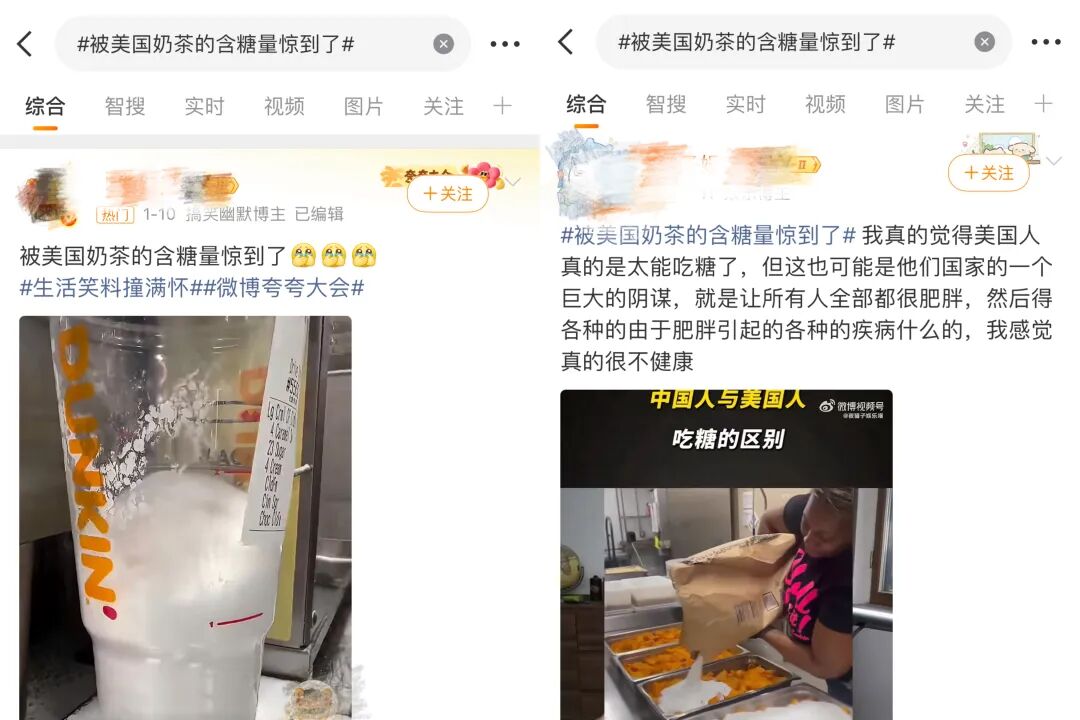
比蜜雪200%糖更猛,美国奶茶含糖量震惊网友,真有这么高?
3 6 Ke· 2026-01-14 00:57
Core Viewpoint - The discussion around the sugar content in American milk tea, particularly the "200% sugar" option from the brand Mixue, has sparked widespread interest and debate on social media, revealing differing consumer preferences and perceptions of sweetness between American and Chinese markets [1][2][4]. Group 1: Sugar Content in American Milk Tea - A viral video highlighted that some American milk tea drinks contain excessive sugar, leading to shock among viewers who compared it to lower-sugar options available in China [2][4]. - Multiple short video creators have contributed to the narrative that Americans have a strong preference for sweet beverages, with exaggerated claims about sugar levels in popular drinks [4]. Group 2: Insights from Interviews with Brands - Interviews with ten tea brands operating in the U.S. revealed that many do not offer significantly higher sugar options than their Chinese counterparts, with standard options including 100%, 70%, 50%, 30%, and 0% sugar levels [6][8]. - The majority of consumers in these brands' U.S. locations prefer lower sugar options, with 80% choosing 70% sugar or less, indicating a health-conscious trend among younger demographics [8][10]. Group 3: Consumer Preferences and Market Strategy - The presence of high-sugar options like "200% sugar" is seen as a marketing strategy to cater to a niche market rather than a reflection of general consumer demand [10][11]. - Some brands have noted that while American consumers may tolerate higher sugar levels, the actual demand for such options is limited, and many consumers prioritize health [13][15]. Group 4: Health Trends in New Tea Brands - New tea brands entering the U.S. market are focusing on health-oriented strategies rather than high-sugar offerings, reflecting a shift in consumer preferences towards healthier options [15][17]. - Brands are advised to tailor their sugar levels based on the target market, with urban areas showing a preference for lower sugar content while suburban areas may allow for sweeter options [17][19]. Group 5: Cultural Reflections - The expansion of Chinese tea brands into the U.S. market serves as a cultural reflection of differing attitudes towards sweetness, emphasizing the importance of balancing taste and health in product offerings [19].
上市申请获受理 成都“超级细菌”概念股冲刺港股IPO
Xin Lang Cai Jing· 2026-01-12 18:00
Group 1 - The core viewpoint of the article is that Olin Bio, a Chengdu-based biotechnology company, has received acceptance for its IPO application on the Hong Kong Stock Exchange, marking a significant step towards its public listing [1] - Olin Bio, established in 2009, focuses on the research, production, and sales of human vaccines, with three products already commercialized: Tetanus vaccine, Hib conjugate vaccine, and AC conjugate vaccine [1] - The company is also developing a vaccine for "super bacteria," specifically a recombinant Staphylococcus aureus vaccine, which is the only one in the world with the most target components and currently in Phase III clinical trials [1] Group 2 - Since its listing on the Shanghai Stock Exchange in June 2021, Olin Bio achieved profitability in its first year, with projected revenues of 547 million yuan, 494 million yuan, and 586 million yuan for 2022-2024, respectively [1] - The gross profit for the same period is expected to be 500 million yuan, 460 million yuan, and 551 million yuan, with net profits of 26.58 million yuan, 11.44 million yuan, and 15.72 million yuan [1] - In the first three quarters of the previous year, the company reported revenues of 507 million yuan, reflecting a year-on-year growth of 31.11%, with a net profit of 47.48 million yuan [1] Group 3 - The backdrop for Olin Bio's Hong Kong listing is the booming IPO market in Hong Kong, with Deloitte's report indicating that the total financing amount on the Hong Kong Stock Exchange is currently the highest globally [2] - The report forecasts that the Hong Kong IPO market could reach a record financing amount of 300 billion HKD by 2026, driven by the "A+H" listing trend [2] - Chengdu is enhancing its capital market connectivity with Hong Kong, leading to an increase in local companies pursuing listings in Hong Kong, with 29 Chengdu-based companies already listed [2]