宁德时代

Search documents
容百科技方共被罚950万 去年3季末东方基金进前十股东
Zhong Guo Jing Ji Wang· 2026-02-09 07:40
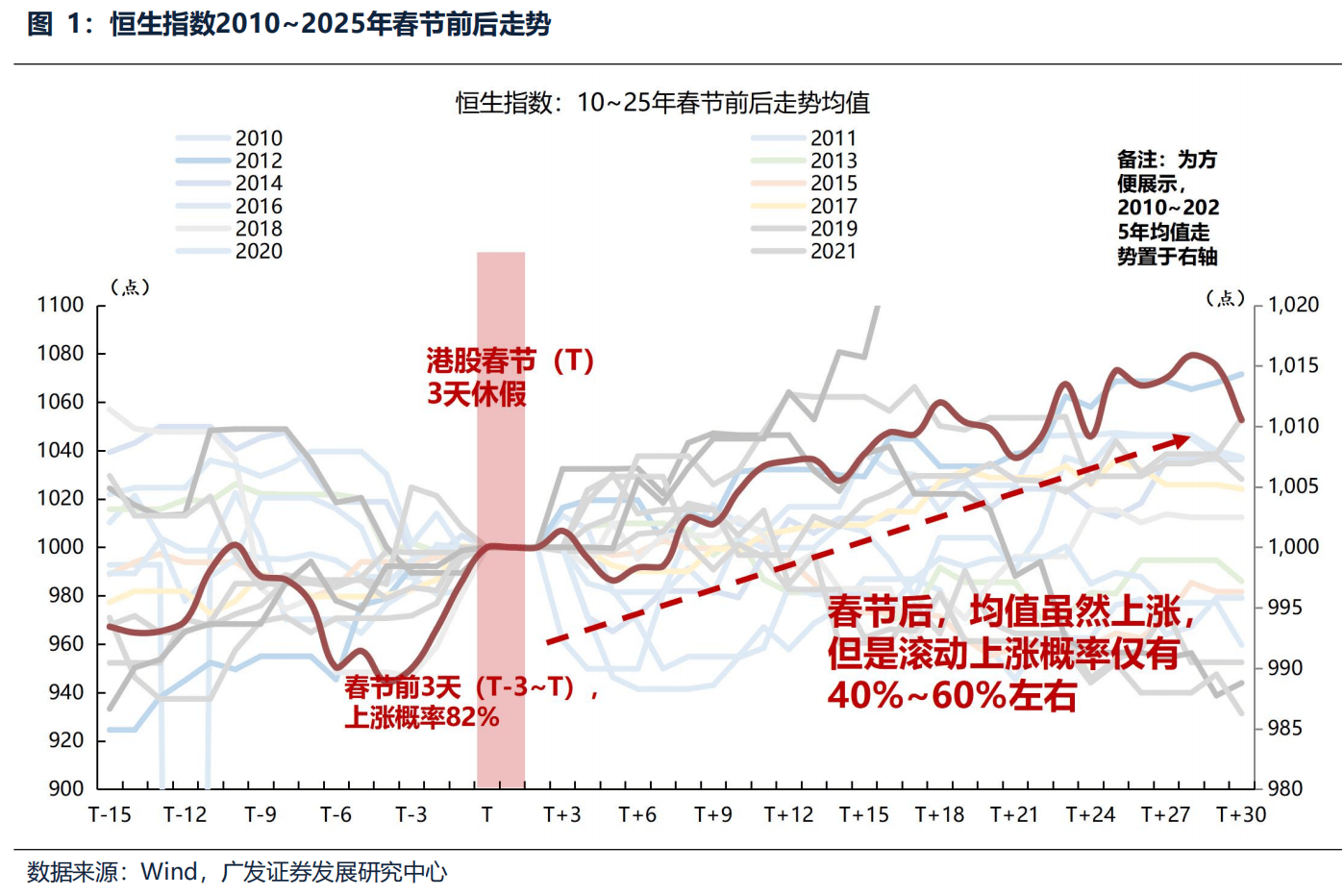
Core Viewpoint - Rongbai Technology (688005.SH) has received an administrative penalty notice from the Ningbo Regulatory Bureau of the China Securities Regulatory Commission (CSRC) regarding misleading statements in a major contract announcement [1][4]. Group 1: Administrative Penalty Details - On February 6, 2026, Rongbai Technology received the administrative penalty notice from the CSRC, which includes proposed penalties for the company and its executives [1]. - The CSRC intends to impose a fine of 4.5 million yuan on Rongbai Technology, 3 million yuan on Chairman Bai Houshan, and 2 million yuan on Secretary Yu Jiyun, totaling 9.5 million yuan in penalties [4][5]. Group 2: Misleading Statements - The investigation revealed that the announcement made on January 13, 2026, regarding a procurement cooperation agreement with CATL (Contemporary Amperex Technology Co., Ltd.) contained misleading information, including an estimated total sales amount of over 120 billion yuan, which was not stipulated in the actual agreement [2][3]. - The actual procurement volume was subject to future contracts and not guaranteed at the announced figure of 3.05 million tons [3]. Group 3: Compliance and Future Actions - Rongbai Technology stated that it believes the alleged violations do not trigger other risk warning situations or major illegal delisting circumstances as per the Shanghai Stock Exchange's rules [5]. - The company will continue to monitor the situation and fulfill its information disclosure obligations in accordance with relevant laws and regulations [5].


捷邦科技涨5.57%,成交额3.72亿元,今日主力净流入258.72万
Xin Lang Cai Jing· 2026-02-09 07:37
Core Viewpoint - The company, Jieban Technology, has shown significant growth in revenue and is heavily reliant on major clients like Foxconn and Apple, while also benefiting from the depreciation of the Chinese yuan. Group 1: Company Performance - Jieban Technology's stock increased by 5.57% on February 9, with a trading volume of 372 million yuan and a turnover rate of 10.44%, bringing the total market capitalization to 9.645 billion yuan [1] - For the period from January to September 2025, the company achieved a revenue of 962 million yuan, representing a year-on-year growth of 62.04%, while the net profit attributable to shareholders was -12.5763 million yuan, a decrease of 1762.51% [7] - The company has distributed a total of 43.2365 million yuan in dividends since its A-share listing [8] Group 2: Client and Revenue Dependency - The company's primary clients include Foxconn, Quanta Computer, Compal Electronics, and BYD, with sales to Foxconn accounting for 35.58%, 36.85%, and 39.52% of total revenue in recent years [2] - A significant portion of the company's products is used in Apple's laptops and tablets, with sales revenue from products ultimately applied in Apple devices making up 85.22%, 77.95%, and 81.27% of total revenue [2] Group 3: Market and Industry Position - The company has a strong presence in the liquid cooling server business, which is progressing as planned, although specific project details are confidential due to non-disclosure agreements [2] - The company's carbon nanotube products are primarily used in lithium batteries, with supply agreements in place with several new energy manufacturers, including CATL and BYD [2] - As of the 2024 annual report, overseas revenue accounted for 67.79% of total revenue, benefiting from the depreciation of the yuan [3] Group 4: Shareholder and Institutional Holdings - As of September 30, 2025, the company had 7,464 shareholders, an increase of 12.82%, with an average of 3,646 circulating shares per shareholder, a decrease of 10.24% [7] - New institutional shareholders include several funds from the Fortune Group, indicating growing interest in the company's stock [9]

碳酸锂周报:淡季排产减少,价格偏弱震荡-20260209
Chang Jiang Qi Huo· 2026-02-09 07:23
1. Report Industry Investment Rating - Not provided in the document 2. Core Viewpoints of the Report - The supply side shows that the production of lithium carbonate decreased by 375 tons to 23,685 tons last week, and the January production decreased by 3% month - on - month. The Ningde Jianxiawo mine has not resumed production, and mines in Yichun and Qinghai are facing permit review. Overseas imports in December 2025 showed an 8.1% month - on - month increase in lithium concentrate imports, and a 9% increase in lithium carbonate imports. Some lithium ore - purchasing manufacturers face cost inversion, while self - owned ore and salt lake enterprises have profit support, and lithium hydroxide manufacturers face high cost pressure [5]. - On the demand side, the overall production schedule in February decreased month - on - month, while that of large battery cell factories increased in December. In December, the combined production of power and energy - storage batteries was 201.7GWh, with a month - on - month increase of 14.4% and a year - on - year increase of 62.1%. Exports were 32.6GWh, with a month - on - month increase of 1.3% and a year - on - year increase of 49.2%, accounting for 16.4% of the monthly sales. The new energy vehicle market is expected to grow due to policies [6]. - In terms of inventory, lithium carbonate inventory is in a destocking state. Factory inventory increased by 1,010 tons, market inventory decreased by 6,575 tons, and futures inventory increased by 3,146 tons [6]. - It is expected that the price of lithium carbonate will continue to fluctuate and adjust. Although the demand for exports is strong and the destocking trend continues, the supply is expected to be supplemented by South American lithium salt imports. Entering the off - season of power demand with increasing supply, the price will likely remain volatile [6]. 3. Summary by Directory 3.1. Weekly Viewpoint Supply - Last week's lithium carbonate production decreased by 375 tons to 23,685 tons, and January production decreased by 3% month - on - month. The Ningde Jianxiawo mine has not resumed production, and Yichun and Qinghai production enterprises received mine permit review notices. Some mines in Jiangxi may face shutdown. In the third quarter, Australian mines achieved cost control, with limited further cost - reduction space. In December 2025, China imported 789,000 tons of lithium concentrate, an 8.1% month - on - month increase. The top three importing countries were Australia, Zimbabwe, and Nigeria. Lithium carbonate imports in December were 23,989 tons, a 9% month - on - month increase [5]. - The CIF price of imported lithium spodumene concentrate decreased week - on - week. Some manufacturers purchasing lithium ore face cost inversion, while self - owned ore and salt lake enterprises have profit support, and lithium hydroxide manufacturers face high cost pressure [5]. Demand - The overall production schedule in February decreased month - on - month, while that of large battery cell factories increased in December. In December, the combined production of power and energy - storage batteries was 201.7GWh, with a month - on - month increase of 14.4% and a year - on - year increase of 62.1%. Exports were 32.6GWh, with a month - on - month increase of 1.3% and a year - on - year increase of 49.2%, accounting for 16.4% of the monthly sales. The new energy vehicle market is expected to grow due to policies [6]. Inventory - This week, lithium carbonate inventory is in a destocking state. Factory inventory increased by 1,010 tons, market inventory decreased by 6,575 tons, and futures inventory increased by 3,146 tons [6]. Strategy Suggestion - From the supply side, the Ningde Jianxiawo mine is still shut down, and there are risks in Yichun's mine permits. January's domestic lithium carbonate production decreased by 3% month - on - month. December's lithium concentrate imports were 789,000 tons, an 8.1% month - on - month increase, and lithium carbonate imports were about 24,000 tons, an 8.7% month - on - month increase and a 14.4% year - on - year decrease. Strong downstream demand for exports and the destocking trend continue. It is expected that South American lithium salt imports will supplement the supply. - From the demand side, the production schedule in February decreased month - on - month, while it increased significantly in January due to export rush. The cathode production schedule in November increased by 2% month - on - month. There are continuous risks in Yichun's mine permits. With profit restoration, lithium production from ore continues to increase, and the cost center shifts upward. The resumption of production at Ningde Jianxiawo is postponed, and the pre - demand for battery exports drives downstream production increase. Inventory continues to decline, and South American lithium salt shipments increase. Attention should be paid to the disturbances at Yichun's mine end. Entering the off - season of power demand with increasing supply, it is expected that the price of lithium carbonate will continue to fluctuate and adjust [6]. 3.2. Key Data Tracking - The document provides multiple data charts, including the spot含税均价 of lithium carbonate, weekly and monthly production of lithium carbonate, weekly inventory of lithium carbonate, average price of industrial - grade lithium carbonate, average price of imported lithium concentrate, monthly factory inventory, production of power and other batteries, production of lithium iron phosphate, average production cost of lithium carbonate, production of ternary materials, average price of power - type lithium iron phosphate, import volume of lithium spodumene, market price of ternary materials, and import volume of lithium carbonate [8][9][11][12][16][18][20][27][29][30][33][34]. - In 2026 January, the production of lithium carbonate from different raw materials accounted for 18.06% from salt lakes, 24.55% from lithium mica, and 45.37% from lithium spodumene [21][22].
2026成本战打响:原材料暴涨与政策退坡下的“生死局”
3 6 Ke· 2026-02-09 07:21
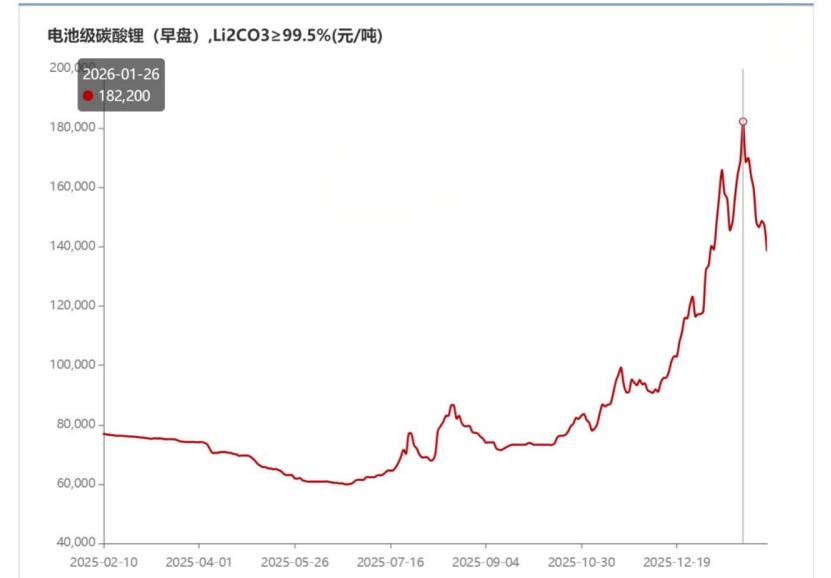
Core Viewpoint - The automotive industry is facing a dual challenge of rising costs and declining demand, with significant price increases in core raw materials and a competitive market environment impacting profitability [1][10]. Group 1: Cost Pressures - The automotive manufacturing sector is experiencing a collective price surge in key raw materials such as lithium, copper, aluminum, and tin, significantly affecting electric vehicle production [2][4]. - The price of battery-grade lithium carbonate has skyrocketed from 75,700 yuan per ton at the beginning of 2025 to 182,200 yuan per ton by January 26, 2026, marking an increase of over 150% [2]. - The cost of copper and aluminum has also risen sharply, with domestic electrolytic copper prices exceeding 100,000 yuan per ton and aluminum prices projected to reach 3,150 USD per ton in the first half of 2026 [4][5]. Group 2: Impact on Electric Vehicles - Electric vehicles, which require significantly more raw materials than traditional fuel vehicles, are particularly vulnerable to these cost increases, with the average vehicle requiring 200 kg of aluminum and 80 kg of copper [4][5]. - The cost of DRAM for automotive applications has surged by 180% in three months, with prices for DDR5 and DDR4 memory chips increasing dramatically due to competition with the AI sector [7][9]. Group 3: Market Dynamics and Policy Changes - The Chinese automotive market is currently experiencing a downturn in consumer confidence, exacerbated by the reduction of tax incentives for electric vehicles and changes to the "trade-in" subsidy policy [10][11]. - The sales profit margin for the automotive industry in China was only 4.1% in 2025, the lowest in five years, with some companies reporting margins as low as 1.8% [11][13]. Group 4: Strategic Responses - Many automotive companies are opting to absorb costs through financial schemes and temporary subsidies rather than raising prices, which could lead to a loss of market share in a highly competitive environment [11][13]. - Leading companies are seeking to strengthen ties with upstream suppliers and expand into overseas markets to mitigate domestic cost pressures [14].

阳光电源涨超6%,南方基金旗下新能源ETF(516160)一度涨近3%,我国经济社会绿色转型加速推进
Xin Lang Cai Jing· 2026-02-09 07:21
Group 1 - The core viewpoint of the news highlights the significant growth in the renewable energy sector in China, with the New Energy ETF showing a notable increase and key stocks in the sector experiencing substantial gains [1] - The National Taxation Administration's data indicates that during the "14th Five-Year Plan" period, the sales revenue of key green product manufacturing industries, such as new energy vehicles and photovoltaic equipment, is expected to grow at an annual rate of over 30% [1] - Clean energy generation, including wind, solar, hydro, and nuclear power, is projected to account for 42.6% of total power generation sales revenue by 2025, marking a 7.2 percentage point increase from the end of the "13th Five-Year Plan" [1] Group 2 - On January 30, the National Development and Reform Commission and the National Energy Administration issued a notice to improve the capacity pricing mechanism for power generation, which includes coal, natural gas, pumped storage, and new energy storage [2] - The classification and improvement of capacity pricing are seen as a transitional measure before the establishment of a capacity market, with implications for coal power and independent storage [2] - The New Energy ETF closely tracks the CSI New Energy Index, which includes listed companies involved in renewable energy production, application, storage, and related equipment, reflecting the overall performance of the sector [2]

港股汽车ETF国泰(520720)涨超2%,行业安全标准与技术升级受关注
Mei Ri Jing Ji Xin Wen· 2026-02-09 07:01
Group 1 - The first mandatory safety standard for automotive door handles, titled "Technical Requirements for Automotive Door Handle Safety," has been officially released and will take effect on January 1, 2027. This standard introduces clear requirements for the structure, mechanical redundancy, and emergency usability of door handles, marking a shift from market-driven design to a safety-centric technical logic [1] - The Ministry of Industry and Information Technology (MIIT) emphasizes the importance of "high-quality development" and "high-level safety" as core principles, aiming to accelerate the development of key standards related to driving automation, collision safety, and control components to enhance automotive safety and quality performance [1] - The industry continues to see active technological integration and innovation, exemplified by the strategic partnership between Pony.ai and a domestic GPU company to advance autonomous driving technology, as well as Changan Automobile's collaboration with CATL to introduce sodium-ion batteries, with plans to launch multiple passenger vehicles this year [1] Group 2 - The Hong Kong Stock Exchange's automotive ETF, Cathay (520720), tracks the Hong Kong Stock Connect Automotive Index (931239), which selects representative listed companies involved in vehicle manufacturing, power batteries, and intelligent cockpits from the investable range of Hong Kong Stock Connect. This index focuses on the automotive industry, particularly in the areas of new energy and intelligence, covering the entire industry chain [1] - The index reflects the overall performance of the automotive industry chain in the Hong Kong market, demonstrating strong industry concentration and growth elasticity [1]
A股1.88万亿研发投入开启AI元年 340万技术人才锻造新质生产力
Chang Jiang Shang Bao· 2026-02-09 06:54
Core Insights - The article highlights the significant breakthroughs in general artificial intelligence (AGI) technology and its integration across various industries, marking a transformative shift in productivity globally [1] - A-share listed companies in China are prioritizing technological innovation, particularly in AI, as a central aspect of their development strategy [1] Group 1: R&D Investment Overview - In 2024, the total R&D investment by A-share listed companies reached 1.88 trillion yuan, accounting for 51.96% of the national R&D expenditure [1] - The number of R&D personnel in these companies totaled 3.42 million, representing 11.08% of the total workforce [1] - The Shanghai Stock Exchange companies' R&D investment exceeded 1 trillion yuan, making up nearly 40% of the national corporate R&D spending [2] Group 2: Sector-Specific R&D Insights - The computer, machinery, defense, automotive, pharmaceutical, and communication sectors showed high R&D intensity, with respective contributions of 14%, 6%, 5%, 5%, 4%, and 4% [2] - The Science and Technology Innovation Board (STAR Market) saw its R&D investment reach 168.08 billion yuan in 2025, which is 2.5 times its net profit, reflecting a 6.4% year-on-year growth [2] - The Shenzhen Stock Exchange companies' total R&D investment surpassed 760 billion yuan, with 410 companies having an R&D intensity exceeding 10% [3] Group 3: Leading Companies in R&D - BYD led the A-share market with R&D expenses of 53.195 billion yuan, focusing on advancements in blade battery technology and smart driving algorithms [3] - China State Construction maintained a strong position with R&D investment of 45.459 billion yuan, focusing on smart construction and low-carbon materials [4] - Companies like ZTE, iFlytek, and Hikvision are increasingly investing in AI infrastructure and applications, with a significant portion of their R&D resources directed towards AI-related fields [4]




港股“春季躁动”遇上“解禁高峰”投资者将如何应对?
Feng Huang Wang· 2026-02-09 06:07
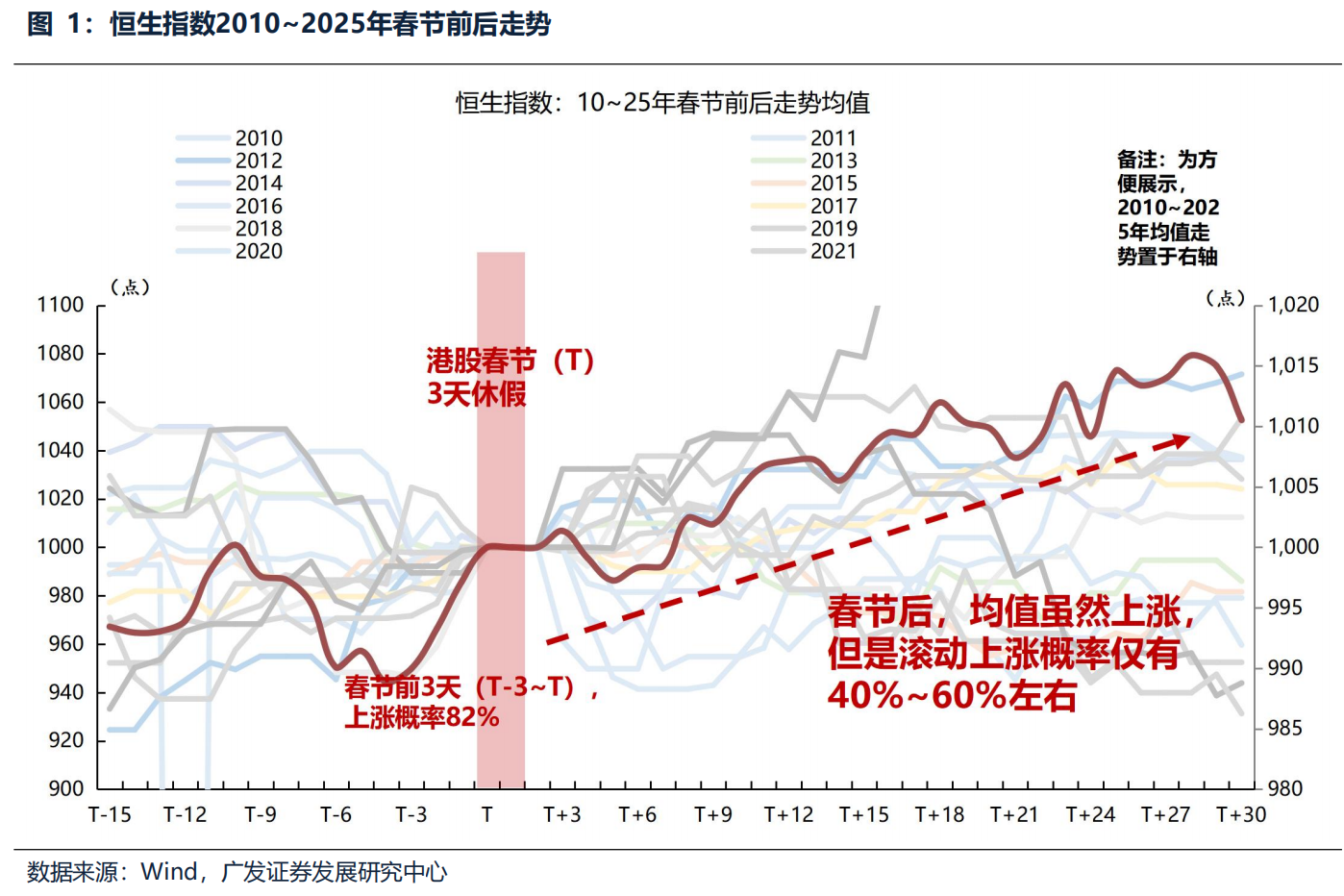
春节将至,投资者普遍关注节前节后港股市场表现规律。对此广发证券指出,历史数据显示,恒生指数在春节前3个交易日上涨概率高达82%,且上涨幅度 普遍较大。这反映出节前资金行为趋同,短期做多情绪明显。 图 2:春季~两会,A股上涨明显;港股没有明显的目历效应 St Friday ■ 上涨概率:春节->两会(2010年~2015年 100% 93.8% -93.8% 93.8% 87.5% 90% 81.39 it 80% 72.7% ter 2 5: 70% 62.5% 62.5% 56.3% 54 .! 60% 50% 40% 30% 20% 10% 0% el ck 02月 717 班 极 | 上涨概率 | 圣诞节-春节前 | 春节后-两会 | 两会期间 | 两会-3月底 | 1月 | | --- | --- | --- | --- | --- | --- | | 恒生科技 | 72.7% | 72.7% | 45.5% | 50.0% | 63.6% | | 恒生指数 | 80.0% | 46.7% | 40.0% | 42.9% | 73.3% | | 恒生中国企业指数 | 73.3% | 40.0% | ...
上证指数重返4100点、站稳5日线,多家机构建议“持股过节”
Mei Ri Jing Ji Xin Wen· 2026-02-09 06:01
Group 1 - The last week before the Spring Festival saw a rally in sectors such as non-ferrous metals, communications, and media, with the Shanghai Composite Index returning above 4100 points and stabilizing above the 5-day moving average [1] - Major stocks leading the index rebound include Zhongji Xuchuang (300308), Zijin Mining (601899), Xinyi Sheng (300502), and China Merchants Bank [1] - Multiple institutions recommend a "hold through the holiday" strategy, suggesting that the recent global narrative changes impacting market sentiment may be stabilizing, creating a favorable environment for market recovery [1] Group 2 - The current market is experiencing rapid structural rotation, making it risky to chase single industry themes; investors are advised to anchor to broad indices like the CSI 300 [2] - The CSI 300 Index consists of 300 representative securities from the Shanghai and Shenzhen markets, covering major sectors such as technology, cyclical, finance, and consumer [2] - As of now, there are over 30 ETFs related to the CSI 300 Index, with the lowest management fee for the Huaxia CSI 300 ETF at 0.15% per year [2]
港股“春季躁动”遇上“解禁高峰” 投资者将如何应对?
Sou Hu Cai Jing· 2026-02-09 05:49
Group 1 - The core viewpoint of the article highlights the historical performance of the Hang Seng Index before and after the Chinese New Year, indicating a strong tendency for the index to rise before the holiday, with an 82% probability of increase in the three trading days leading up to the festival [1] - The data shows that the Hang Seng Index has a 40%-60% probability of rising in the month following the Chinese New Year, lacking a stable pattern similar to the "spring rally" observed in A-shares [7] - The correlation between the Hong Kong stock market and A-shares has increased, suggesting that when A-shares experience a "spring rally," the Hong Kong market may also follow suit [8] Group 2 - Recent changes in tax policies have raised concerns among investors, particularly regarding the potential for increased tax rates on dividend assets in the Hong Kong market, although the adjustments are more about reclassification rather than an actual tax hike [9] - The strengthening of the RMB against the HKD affects the holding experience of mainland investors, leading to potential exchange losses on Hong Kong stocks priced in RMB, although long-term significant appreciation of the RMB is not expected [10] - Changes in the Federal Reserve's leadership, particularly the nomination of a hawkish figure, may impact industries with strong foreign capital pricing power, such as internet and hardware sectors [11][12] Group 3 - The upcoming peak in IPO lock-up expirations poses a risk, as historical data shows that significant lock-up expirations have coincided with declines in the Hang Seng Index [16] - The next lock-up expiration peak in March 2026 is expected to involve significant amounts, particularly in sectors like non-ferrous metals and tea beverages, raising concerns for southbound capital [20] - Despite the short-term pressure from the lock-up expirations, historical trends suggest that the market often adjusts in advance, potentially leading to a bottoming out after the expirations [24][27] Group 4 - The liquidity environment is showing signs of marginal improvement, with recent foreign capital outflows largely absorbed by the market, indicating a stabilization in liquidity expectations [23] - The Hang Seng Technology Index has recently surpassed its annual line, suggesting that the suppression of market sentiment has been significantly alleviated, which could lead to a recovery in market sentiment and capital inflow [23] - The ongoing positive trends in industries, particularly in AI applications, are expected to provide fundamental support for the technology sector in 2026 [23]