优衣库

Search documents
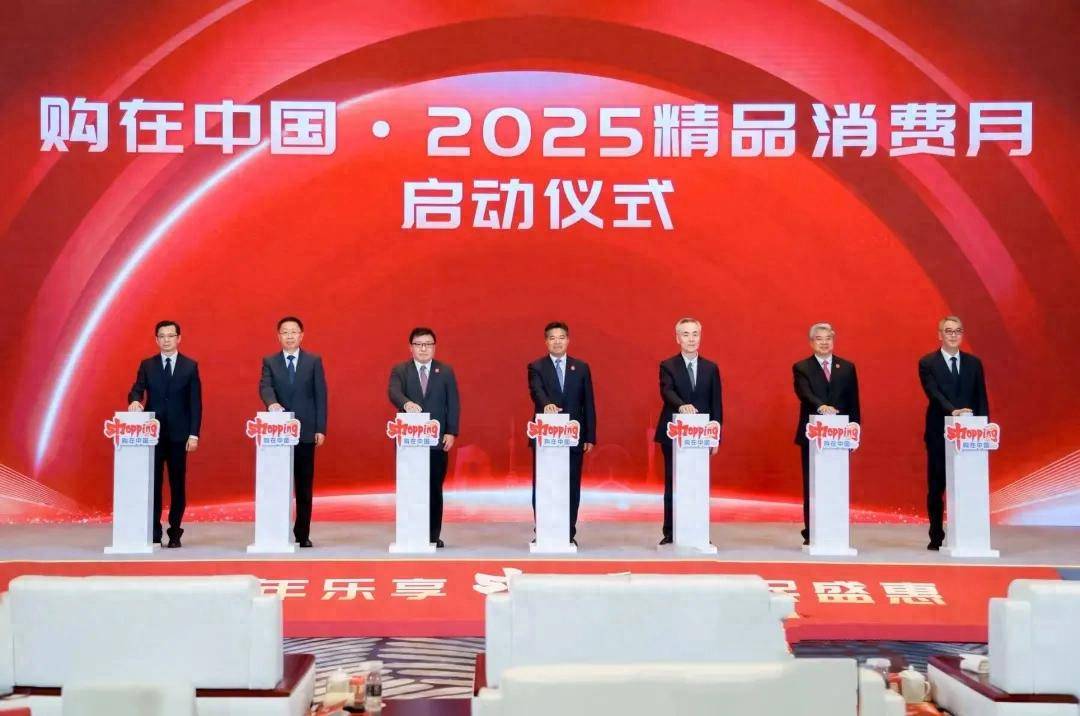
聚焦 | “购在中国·2025精品消费月暨2025上海迎进博消费嘉年华”活动今日启幕!
Sou Hu Cai Jing· 2025-11-07 03:40
Core Points - The Ministry of Commerce launched the "Buy in China · 2025 Boutique Consumption Month" from November 1 to 30, focusing on four key areas: boutique shopping, exquisite food, exciting tourism, and exquisite performances [1][3] Group 1: Event Overview - The launch ceremony took place in Shanghai, co-hosted by the Ministry of Commerce and several municipal governments, highlighting the collaborative effort to boost consumption [3] - The event aims to leverage the influence of the China International Import Expo (CIIE) and integrate it with the "Double 11" shopping festival to enhance consumer engagement [3] Group 2: Key Activities - "New Trends from CIIE" series will feature the launch of new products from brands like L'Oréal and IKEA, with a focus on creating a vibrant shopping atmosphere in key commercial districts [4] - "Boutique Shopping New Scene" includes the establishment of a tax refund point at the CIIE venue and promotional activities across over 1,600 tax refund stores [5] - "Global Cuisine New Flavors" will promote popular dishes from local restaurants, creating a seamless connection between online and offline dining experiences [6][7] Group 3: E-commerce and Supply Chain - "Cloud Products and Sea Purchases" will focus on e-commerce activities, featuring products from over 30 countries and offering exclusive online promotions [8] - The event will also include a live streaming month, engaging various e-commerce platforms to promote local brands and products [8] Group 4: Tourism and Experience - "Leisure and Travel New Experiences" will introduce special offers for tourists during the CIIE, including free rides on designated buses for attendees [9] - The initiative aims to enhance the overall experience of visitors through themed activities and partnerships with local attractions [9] Group 5: Consumer Insights - The collaboration with Gaode to launch the "Love Shopping Shanghai" consumption list aims to capture the latest consumer trends across five core dimensions: new trends, new scenes, new flavors, new supplies, and new experiences [10]

优衣库中国市场总监黄佳莹:消费者追求时髦的同时更在乎舒适性;国泰航空:预计第四季度货运旺季需求持续强劲丨消费早参
Mei Ri Jing Ji Xin Wen· 2025-11-06 23:19
Group 1: Uniqlo's Market Strategy - Uniqlo's China market director emphasizes the importance of comfort alongside fashion in consumer preferences [1] - The brand is expanding its product categories and has established a presence in over 200 cities in China [1] - Uniqlo is adapting its localized business strategies based on consumer feedback, rather than focusing on specific regions [1] Group 2: Cathay Pacific's Cargo Demand - Cathay Pacific anticipates strong demand in the fourth quarter, which is traditionally a peak season for air cargo [3] - The airline plans to adjust its network to focus on high-demand routes in Southeast Asia and China [3] - The company aims to maintain a competitive edge through nine specialized cargo solutions [3] Group 3: Michelin's Investment Focus - Michelin's future investments in China will focus on capacity upgrades, localized innovation, and diversified business expansion [4] - The company has been operating in China for 36 years and is committed to aligning with local market demands and carbon neutrality goals [4] - The expansion of the Shanghai factory and sustainable tire development reflect foreign investment confidence in China's high-quality growth [4] Group 4: LEGO's Product Launch - LEGO showcased five globally launched new products at the China International Import Expo, targeting various age groups [5] - The company has been investing in brand building, retail innovation, and sustainable development since its first participation in 2018 [5] - The expo serves as a platform for LEGO to connect with Chinese families and enhance its market presence [5] Group 5: Chow Tai Fook's Retail Strategy - Chow Tai Fook has reduced its retail network by 611 stores in six months, with a significant impact in the mainland market [6][7] - The closure primarily involves underperforming franchise stores, reflecting a strategic optimization of the channel structure [7] - This move aims to improve overall efficiency and prepare for a focus on high-quality locations and enhanced store performance [7]

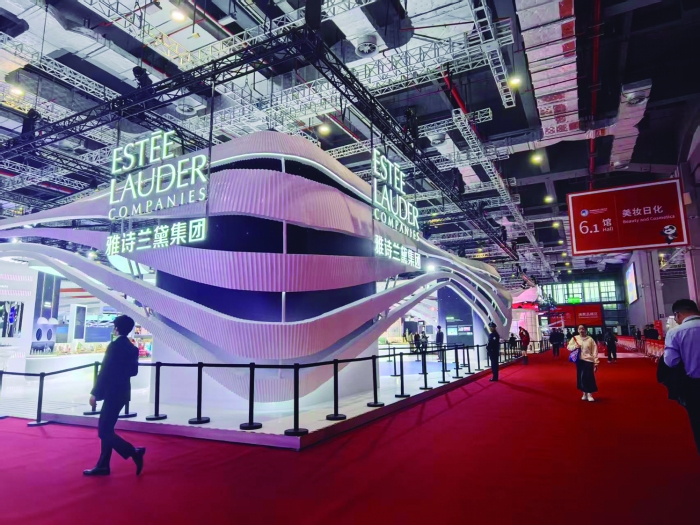
首发首秀吸睛 全球优质消费资源集结进博会
Shang Hai Zheng Quan Bao· 2025-11-06 18:46
Core Insights - The eighth China International Import Expo (CIIE) focuses on "Better Quality, Better Life," showcasing international trends and innovations in consumer goods [6][9] - Foreign companies express optimism about the Chinese market, indicating plans to increase resource investment and local innovation [6][9] Consumer Goods Sector - The consumer goods exhibition area spans 84,000 square meters, featuring over 700 companies from more than 70 countries, covering categories like home goods, luxury brands, beauty, fashion, and outdoor sports [9] - Notable first-time exhibitors include global lifestyle brands such as Calvin Klein and TOMMY HILFIGER, adding fresh energy to the event [9] Brand Innovations - Uniqlo debuted its first knitwear collection in collaboration with artist KAWS and launched several designer collaboration series [7] - IKEA showcased its new product line for the Chinese New Year, leveraging the expo's platform to transform exhibits into market-ready products [7] Beauty and Personal Care - Shiseido introduced its innovative medical beauty philosophy and a new skincare brand tailored for Asian skin at the expo [8] - The event serves as a strategic platform for Shiseido to integrate its Chinese and travel retail businesses, enhancing brand recognition among local and international consumers [8][9] Emerging Trends - The expo highlighted new trends such as the silver economy, pet economy, and sports economy, with companies like Panasonic and IKEA launching products aimed at improving the quality of life for the elderly [10] - A dedicated pet-themed area featured 26 global pet brands, while major sportswear brands like Adidas and Nike attracted significant attention in the sports section [10]
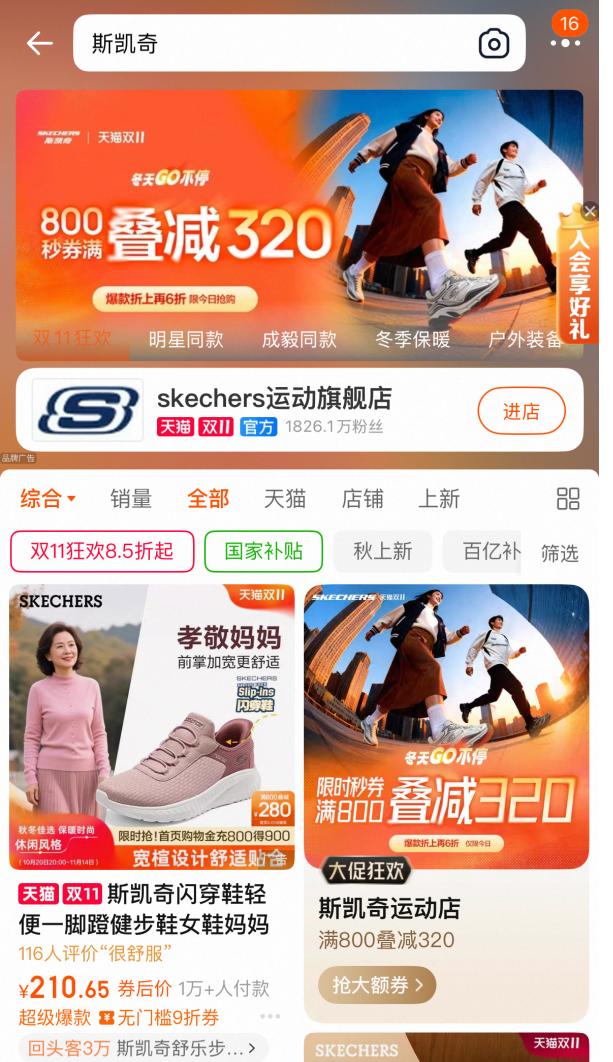
斯凯奇,年轻人不再爱它了?
3 6 Ke· 2025-11-06 11:15
Core Insights - Skechers, once popular among young consumers, has seen a decline in its appeal, shifting from a trendy brand to one associated with older demographics [1][3] - The brand's struggle to connect with younger consumers is evident as it attempts to balance its image between appealing to youth and catering to the aging population [9][10] Brand Strategy - Skechers appointed Cheng Yi as its brand ambassador in 2024, aiming to attract younger consumers, particularly women aged 25-45, aligning with the brand's image of comfort and health [4][6] - Despite the efforts to rejuvenate its image, Skechers has faced criticism for its lack of innovative products and has struggled to compete with emerging local brands in China [14][15] Financial Performance - Skechers has been privatized by 3G Capital, ceasing its trading on the NYSE, with a reported revenue of $8.97 billion in 2024 and a 7.1% year-on-year growth in Q1 2025 [11][14] - The company has experienced a decline in its Chinese market contribution, dropping from 15.4% in 2023 to 13.6% in 2024, with a significant revenue drop of approximately 15.9% year-on-year in Q1 2025 [14] Market Challenges - The introduction of tariffs on imports from China has increased costs for Skechers, impacting its competitive pricing in the North American market [13] - The brand's low investment in research and development, only 1.2% of revenue, has hindered its ability to innovate compared to competitors like Nike and Anta [14][15] Consumer Trends - The current economic climate has led to a shift towards value-driven purchasing, with consumers prioritizing comfort and affordability over brand prestige [16][19] - Skechers has the potential to leverage its "comfort technology" to appeal to cost-conscious consumers, similar to the strategies employed by Uniqlo during economic downturns [18][19]

第八届进博会开幕众多“首发首展”产品引领行业新风向(组图)
Zhong Guo Jing Ji Wang· 2025-11-05 04:53
Group 1 - The 8th China International Import Expo (CIIE) opened in Shanghai on November 5, showcasing a variety of new products, technologies, and services from global exhibitors, including many first-time launches [1] - LIFETILT (Tutti Pharmaceutical) launched the AKG Youthful Pills on the opening day of the expo, marking its debut and simultaneous sale [3] - BD Medical created an immersive "CIIE Ship" exhibition space, where they unveiled seven new products, including global and China debuts, across various medical fields such as intravenous therapy and oncology [5] Group 2 - Uniqlo debuted its holiday knitwear collection at the expo, designed by its new resident artist KAWS, which interprets the festive atmosphere through artistic expression [7] - Tesla showcased its Cyber autonomous electric vehicle for the first time at the expo, with plans for mass production expected next year [9] - Fosun Pharma exhibited the Marie vertical particle therapy system for the first time, highlighting its latest advancements in tumor radiotherapy [12] - Hansgrohe, a century-old German brand, launched its dual-tank soft water system for the first time in Asia and Europe at the expo, demonstrating ongoing innovation in water treatment technology [14]
弯刀裤,优衣库的新镰刀
3 6 Ke· 2025-11-05 03:48
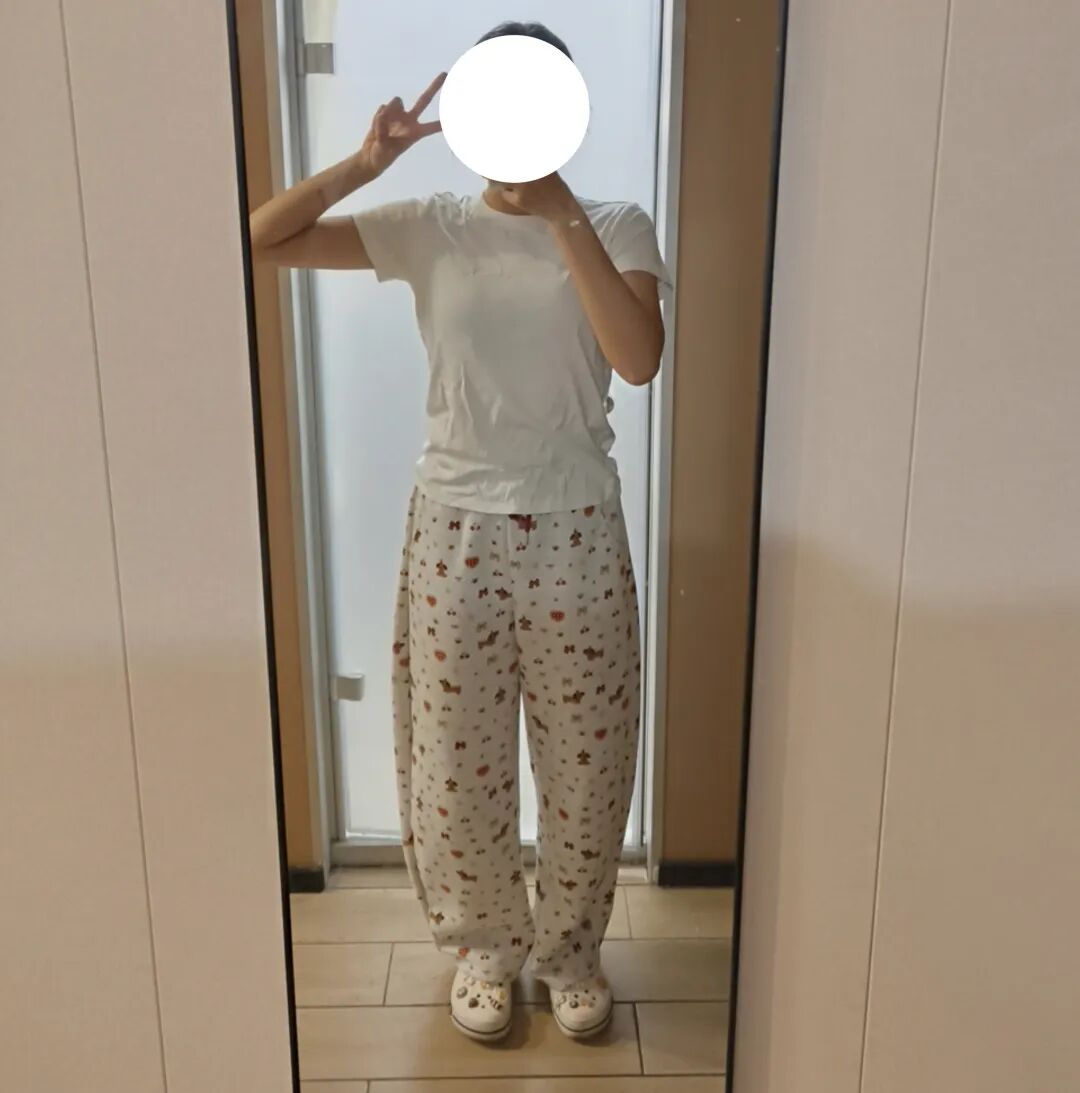
Core Viewpoint - The "bent knife pants" have become a controversial yet popular fashion item, generating nearly 300 million views on social media platform Xiaohongshu, indicating a significant trend in the fashion industry for the fall and winter season [1][6]. Group 1: Product Characteristics - The bent knife pants feature a unique design with a tight waist and a leg shape that expands at the knee before tapering at the ankle, making them challenging to wear for many body types [3][4]. - The pants are particularly selective regarding the wearer's body shape, requiring specific proportions to avoid an unflattering appearance [3][4]. Group 2: Market Performance - Despite mixed consumer opinions, the bent knife pants have gained substantial popularity, becoming a trending item across various platforms, including fashion shows and social media [6][9]. - The pants have been recognized as a "blue ocean category" in the women's autumn fashion report by the platform Dewu, highlighting their strong sales performance [6]. Group 3: Brand Strategy - Uniqlo has strategically positioned the bent knife pants as a key product, launching multiple variations and marketing them heavily, which has contributed to a significant increase in sales and brand visibility [9][16]. - The brand's shift towards more fashionable and form-fitting styles has been a response to declining sales in previous years, with the bent knife pants playing a crucial role in revitalizing consumer interest [12][13]. Group 4: Historical Context - The design of bent knife pants can be traced back to the 1990s, with a resurgence in popularity attributed to various fashion designers and brands over the years, particularly Lemaire [7][9]. - The current trend reflects a cyclical nature in fashion, where styles re-emerge after a period of dormancy, appealing to a new generation of consumers [9].
笔记_以日为鉴
2025-11-05 02:30
Summary of Key Points from the Conference Call Industry or Company Involved - The discussion primarily revolves around the economic challenges faced by Japan, particularly in the context of the "Lost Decade" and its implications for employment and societal structures. Core Insights and Arguments 1. **Economic Crisis and Employment Challenges** The analysis draws parallels between Japan's "Lost 30 Years" and current economic challenges, emphasizing the complex issues arising from the collapse of the bubble economy, including unemployment, educational devaluation, and aging population [2][3][4] 2. **Historical Context of Economic Collapse** Japan's economic collapse is attributed to speculative behaviors leading to a systemic breakdown, with significant impacts on employment and corporate structures. The unemployment rate surged from below 2% to 3% in 1993, marking the onset of the employment crisis [5][6] 3. **Government Policy Responses** The Japanese government implemented various measures to keep unemployment below 5%, but these often sacrificed long-term growth for short-term stability. The policies included maintaining employment through corporate reforms and financial support for struggling companies [3][10][11] 4. **Impact of Employment Policies** The long-term effects of Japan's employment policies led to a significant number of "zombie companies," which accounted for 20% of all firms at their peak, indicating a failure to innovate and adapt to new market conditions [12][14] 5. **Technological Development Missed Opportunities** Japan's focus on stabilizing employment resulted in a lack of investment in technological advancements, causing the country to miss out on opportunities in the internet and AI sectors [14][16] 6. **Generational Sacrifice and Social Discontent** The younger generation, particularly those graduating in the 1990s, faced severe employment challenges, leading to a rise in "NEET" (Not in Education, Employment, or Training) culture and a significant increase in the number of young people living with their parents [17][19][34] 7. **Structural Changes in Employment** The shift towards temporary employment contracts and the decline of lifetime employment systems have created a precarious job market for new graduates, with many forced into low-paying, unstable jobs [11][37] 8. **Cultural and Psychological Effects** The economic downturn has led to a cultural shift among Japanese youth, with increased acceptance of a lifestyle characterized by withdrawal from traditional career paths and societal expectations [39][40] 9. **Financial System and Banking Crisis** The government's reluctance to allow failing companies to go bankrupt contributed to a banking crisis, with significant implications for the financial system and overall economic stability [15][25][43] 10. **Long-term Economic Consequences** The prolonged economic stagnation has resulted in a generational divide, with the younger population bearing the brunt of the economic fallout, leading to a lasting impact on social structures and economic mobility [44] Other Important but Potentially Overlooked Content - The historical analysis provides a cautionary tale about the dangers of prioritizing short-term stability over long-term economic health, highlighting the need for proactive and adaptive policy measures in response to economic crises [10][32][38] - The discussion also emphasizes the interconnectedness of employment policies, corporate health, and societal well-being, suggesting that neglecting one aspect can lead to broader systemic issues [9][23][24]
孙正义,重回首富
投资界· 2025-11-05 01:50
Core Viewpoint - The article highlights the remarkable resurgence of Masayoshi Son, the founder of SoftBank, driven by significant investments in artificial intelligence (AI) and technology stocks, particularly Nvidia, which has led to a substantial increase in his personal wealth and SoftBank's market value [2][5][11]. Group 1: Financial Performance - SoftBank's market value reached approximately 38 trillion yen (about 1.7 trillion yuan), with a stock price surge from around 5,700 yen to 25,000 yen per share, marking an impressive increase [5]. - In the first quarter of the 2025-2026 fiscal year, SoftBank reported revenues of 1.82 trillion yen, a year-on-year growth of 7%, and a pre-tax profit of 689.94 billion yen, a significant increase of 205.7% [5]. - The Vision Fund's investment returns amounted to 726.84 billion yen, with a pre-tax profit of 451.39 billion yen, indicating a turnaround from previous losses [5]. Group 2: Investment Strategy - Son's aggressive investment strategy includes substantial stakes in Nvidia, Intel, and a $30 billion commitment to OpenAI, alongside a $5.375 billion acquisition of ABB's robotics business [3][10]. - SoftBank's investment in Nvidia increased in value from $1 billion to approximately $3 billion, with additional investments in TSMC and Oracle [5]. - Son's past missed opportunities with Nvidia, including selling all shares in 2019, highlight the volatility and risks associated with high-stakes investments [6]. Group 3: Future Outlook - Son aims for SoftBank to become the leading platform in the global AI sector over the next decade, predicting that AI will impact 5% to 10% of global GDP [11]. - The competition in AI is expected to be a comprehensive battle involving technology, products, and ecosystems, rather than a winner-takes-all scenario [11].

日本消费行业9月跟踪报告:刚需消费疲软,体验消费走强
Haitong Securities International· 2025-10-31 14:10
Investment Rating - The report suggests a cautious outlook on the Japanese consumer sector, highlighting a divergence between essential and discretionary spending, with a focus on companies with optimistic profit growth prospects [5]. Core Insights - Basic necessity demand remains sluggish, while experiential consumption gains momentum, indicating a shift in consumer preferences towards services like dining and entertainment [2][15]. - Inflationary pressures are impacting essential goods, with food and beverage prices rising significantly, while clothing retail is underperforming due to prolonged hot weather [2][15]. - The report notes a decrease in foot traffic in physical retail stores due to fewer holidays, affecting sales across various sectors [2][15]. - The duty-free business continues to decline, but there are signs of recovery in shopping demand as the yen depreciates [2][15]. Summary by Sections Macro Overview - The consumer confidence index in Japan rose to 35.3 in September, the highest since December 2024, indicating improving consumer sentiment [7]. - Real wages fell by 1.4% year-on-year in August, marking the eighth consecutive month of decline, while nominal wages increased by 1.5% [7][9]. - The core CPI in Japan increased by 2.9% year-on-year in September, driven primarily by rising food prices, particularly rice, which saw a nearly 100% increase [9][11]. Essential Consumption - Retail sales in the food and beverage sector decreased by 0.2% year-on-year in August, with major retailers like Aeon and 711 reporting modest same-store sales growth [16][19]. - Drugstore sales showed slight growth, but foot traffic declined, indicating a shift in consumer behavior [19][20]. - The beverage industry continues to struggle, with major brands like Suntory and Coca-Cola reporting stagnant sales [20][22]. Discretionary Consumption - The restaurant sector showed strong performance, with companies like Salia and McDonald's reporting significant same-store sales growth [4][28]. - Clothing sales were negatively impacted by warm weather, with Uniqlo experiencing a decline in foot traffic despite an increase in average transaction value [30][35]. - Department store sales increased by 1.4% year-on-year in September, supported by a recovery in domestic sales and inbound tourism [35][38]. Market Performance - The consumer sector's performance lagged behind the broader market, with essential goods showing mixed results and discretionary items performing better [5]. - The report highlights specific companies with positive profit outlooks, such as Salia and Asahi Group, which are expected to benefit from favorable market conditions [5].
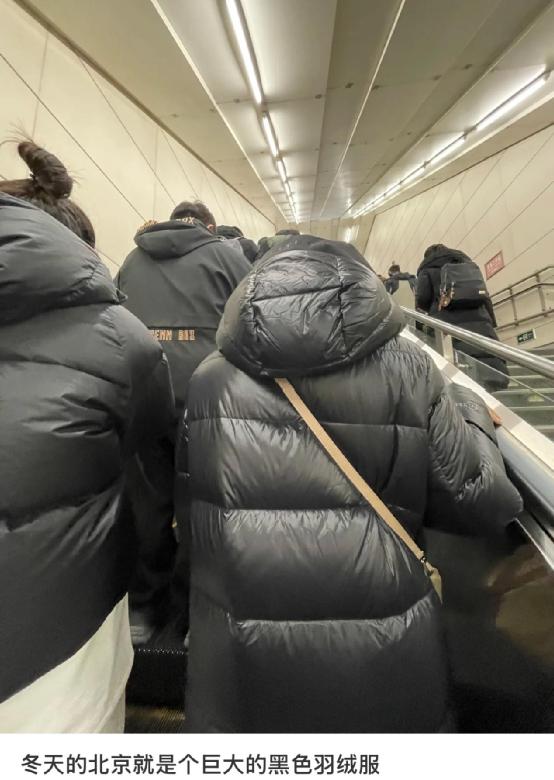
北京纯血打工人,为啥都有一件黑色羽绒服?
3 6 Ke· 2025-10-31 08:17
Core Viewpoint - The article discusses the dominance of black down jackets in Beijing during the winter season, highlighting their popularity and the cultural significance they hold among residents [1][2][4]. Group 1: Popularity and Market Trends - Black down jackets have become the go-to winter attire in Beijing, with a significant increase in their presence both online and offline during the shopping season [2][4]. - Data from the 2023 Global Apparel Color Trend Report indicates that black down jackets account for 42% of winter outerwear sales, while a report from JD.com shows they represent 49.6% of transaction value in the warm clothing category [26][29]. - The article notes a shift in consumer preference from other winter wear, such as three-in-one jackets, to black down jackets due to their practicality and comfort [8][18]. Group 2: Cultural and Social Implications - The black down jacket has evolved into a symbol of practicality and efficiency for Beijing's working population, reflecting a lifestyle that prioritizes functionality over fashion [30][39]. - Wearing a black down jacket provides a sense of belonging and safety in the crowded urban environment, creating a collective identity among wearers [29][40]. - The article suggests that the choice of black down jackets transcends fashion, serving as a unifying garment that minimizes social distinctions and promotes a sense of community among diverse individuals [41][43].