山姆会员店

Search documents
即时零售平台拆解及对比解读
2025-07-25 00:52
Summary of Instant Retail Industry Conference Call Industry Overview - Instant retail has significantly impacted traditional offline supermarkets, particularly large chains like Yonghui and RT-Mart, through store digitization, consumer mindset cultivation, and logistics system development [3][1] - The industry is characterized by two main business models: platform business and self-operated business, with platforms like Meituan, Alibaba's Ele.me, and JD Daojia focusing on information matching and traffic operation, while self-operated businesses emphasize supply chain management [2][12] Key Players and Their Strategies Meituan - Meituan holds a competitive advantage in instant retail due to its extensive coverage of small and medium-sized merchants and a high penetration rate among takeaway users [4][1] - The company enhances its supply chain capabilities through self-operated businesses like Xiaoxiang Supermarket and Happy Monkey Discount Store [4][1] Alibaba - Alibaba expands its reach in instant retail through Ele.me for takeaway services and Taobao Flash Purchase for non-food categories [5][1] - Despite rapid growth through subsidies, Alibaba faces challenges due to differences in consumer mindsets between Taobao users and takeaway users [5][1] JD Daojia - JD Daojia has partnered with regional supermarkets like RT-Mart and Sam's Club, but the decline of some traditional supermarkets has affected its profitability [6][1] - The company maintains market share through 3C electronics and fast-moving consumer goods [6][1] Differences Between Instant Retail and Traditional E-commerce - Instant retail differs from traditional e-commerce in consumer mindset, fulfillment costs, and supply logic, relying more on localized supply and rapid fulfillment rather than scale effects and unlimited SKUs [7][1] - Instant retail emphasizes quick fulfillment and quality assurance over price advantages or product variety [7][1] Future Outlook - The growth of instant retail depends on consumer habit formation, supply fulfillment efficiency improvements, and category expansion, with collaboration with upstream brand manufacturers being crucial [8][1] - The industry is expected to see a compound annual growth rate exceeding 20%, but caution is advised regarding specific data [10][1] E-commerce Platforms' Retail Strategies - E-commerce platforms are entering the retail space to expand market share, primarily targeting urban users with services similar to takeaway, focusing on fewer SKUs and popular products [11][1] - Retail is viewed as a common denominator for all local life categories, with varying penetration depths based on immediacy and emergency needs [11][1] Delivery and Fulfillment Competitiveness - Competition in delivery and fulfillment efficiency among platforms is driven by order density and the number of delivery personnel, influenced by consumer mindset [13][1] - Meituan Flash Purchase enhances its growth through lightning warehouses and franchise models to meet 24-hour convenience demands [13][1]


从“雪糕刺客”到破产:那些不把消费者当人的品牌,终被市场抛弃
Sou Hu Cai Jing· 2025-07-24 18:22
Core Viewpoint - The downfall of Zhong Xue Gao, once a leading high-end ice cream brand, is attributed to its failure to maintain product quality and integrity, leading to a loss of consumer trust and market position [2][4][7] Group 1: Company Performance - Zhong Xue Gao initially achieved significant success, selling ice cream at high prices and generating over 1 billion yuan in sales within a year [2] - The brand's image was severely damaged due to false advertising claims, such as "no added water," which were later proven to be misleading [4] - A viral video showing the ice cream not melting when heated further tarnished the brand's reputation, leading to consumer backlash [4] Group 2: Marketing and Consumer Trust - The founder's focus on marketing over product quality resulted in a disconnect with consumer expectations, particularly regarding health and ingredient transparency [4][5] - The brand's pricing strategy, which placed high-end products alongside cheaper options without clear labeling, contributed to negative consumer experiences and perceptions [4] Group 3: Industry Trends - The challenges faced by Zhong Xue Gao reflect a broader trend in the market where once-prominent brands are struggling due to a lack of respect for consumer needs and market dynamics [5][6] - Other luxury brands, such as BMW, are also experiencing significant sales declines, indicating a shift in consumer preferences towards value and quality over brand prestige [5] - The failure of brands like Zhong Xue Gao serves as a cautionary tale for companies that prioritize short-term gains over long-term consumer trust and product integrity [6][7]

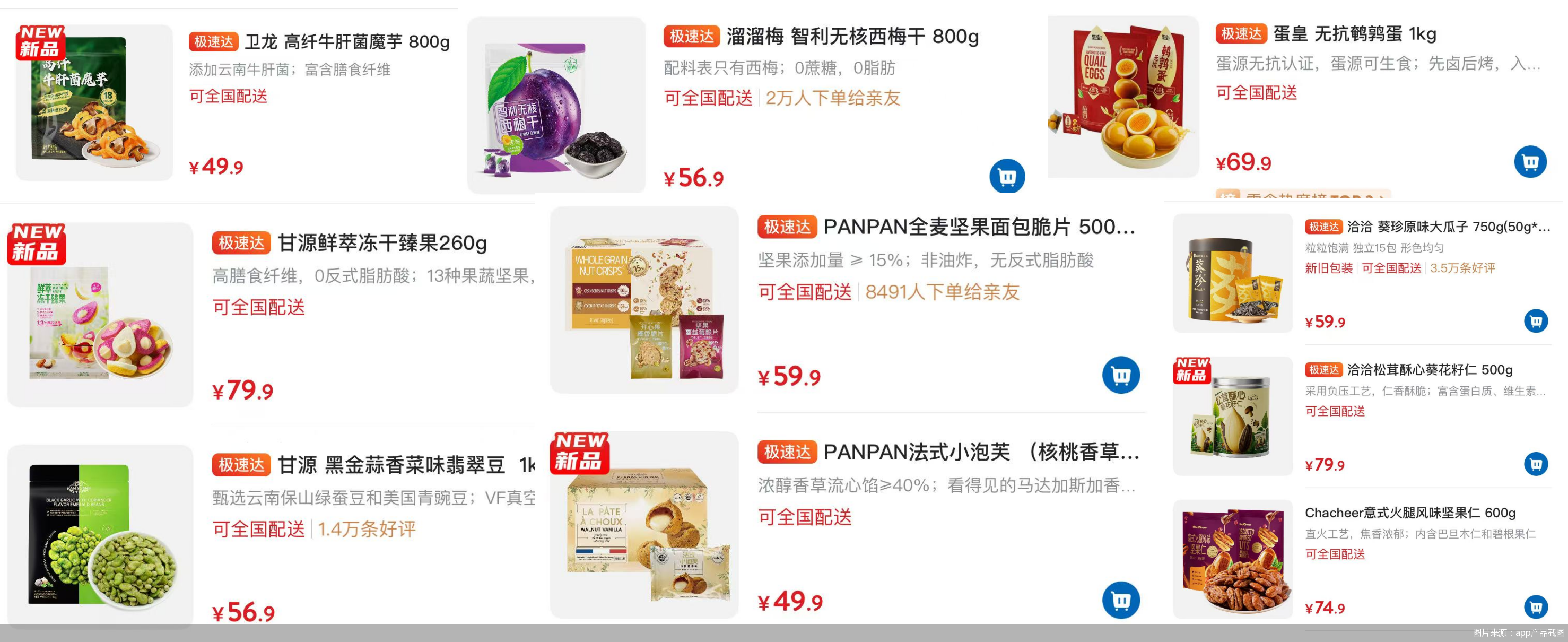
开市客开业一年半 香港消费者占15%
Nan Fang Du Shi Bao· 2025-07-23 23:08
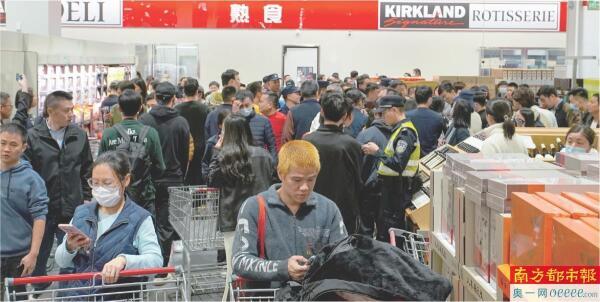
Core Insights - Costco's first flagship store in South China opened in Longhua, Shenzhen, attracting significant customer traffic and indicating strong market interest [6][7]. Company Overview - Costco's Longhua store has nearly 150,000 members with a renewal rate of 70%, showcasing strong customer loyalty [6][9]. - The store's customer base consists of 60% local Shenzhen residents, 15% from Hong Kong, and others from nearby cities like Guangzhou and Dongguan [9]. Market Dynamics - The retail landscape in Shenzhen is evolving, with Costco facing competition from established players and online shopping [6][10]. - Shenzhen's retail market saw a total retail sales of 411.59 billion yuan in the first five months of 2023, growing by 4.7% year-on-year, indicating a robust consumer market [10]. Strategic Positioning - Costco's entry into Shenzhen is supported by local government policies aimed at enhancing modern service and high-end retail sectors [7][11]. - The store's location near public transport and its focus on high-quality, differentiated products align with the increasing consumer demand for premium goods [7][9]. Future Plans - Costco plans to expand its online business in China, aiming to provide a diversified shopping experience [11]. - The company is also set to establish an eight-story headquarters in China by 2025, indicating a long-term commitment to the market [11].

山姆”上架好丽友为何“惹众怒
Mei Ri Shang Bao· 2025-07-23 10:49
Group 1 - Sam's Club recently launched a new product, a 49.9 yuan snack containing 48 pieces, which claims to have "80% less sugar" and "30% more cocoa" compared to regular versions, but has faced backlash from members due to perceived lack of ingredient optimization and inclusion of potentially harmful additives [1] - As of June 2025, Sam's Club in China has over 9 million paid members, generating membership fee revenue exceeding 2.34 billion yuan, with a year-on-year increase of over 40% in Q1 2025 [1][2] - The average annual spending of Sam's Club members is over 8,000 yuan, significantly higher than typical supermarket spending, indicating a strong appeal to the middle-class demographic [2] Group 2 - The introduction of common brands like Holley Friend and others has led to a perception shift, as these products are widely available elsewhere, challenging the exclusivity that members expect from Sam's Club [3] - The rapid expansion of Sam's Club in China may have strained its supply chain management, resulting in a decline in product quality control [3] - Consumer dissatisfaction reflects broader concerns about food safety and quality standards in China, pushing for higher food safety regulations and standards [4]
零售快报 | 2025年上半年中国快速消费品市场平稳向好,线上线下多元业态重塑消费格局
凯度消费者指数· 2025-07-23 04:17
Core Insights - The consumer market in China is showing a moderate recovery, with a year-on-year growth of 2.5% in the urban fast-moving consumer goods (FMCG) market for the first half of 2025, driven primarily by beverages, which grew by 5.6% [1] - The service consumption sector is on the rise, with a notable 8.7% increase in foot traffic in the out-of-home consumption market [2] - The retail landscape is evolving, with significant performance disparities among major retailers, as evidenced by a 1.1 percentage point decline in market share for the top ten retailers [4] Group 1: Market Performance - The FMCG market's growth is supported by positive trends in beverages, food, household cleaning, and personal care products, while dairy products lag behind [1] - The retail sales of convenience stores decreased by 3.6%, while small supermarkets saw a 7.3% increase in sales [3] - The overall retail sales of consumer goods increased by 5.0% in the first half of the year, with final consumption expenditure contributing over 50% [1] Group 2: Retail Channel Insights - Membership stores are gaining traction, with an overall penetration rate increase of 3.6 percentage points in the first half of 2025, driven by strong performances from Sam's Club [8][9] - Traditional supermarkets are transitioning to hard discount models, with companies like Zhongbai Group and Jiajiayue achieving rapid growth in their discount formats [12] - E-commerce channels experienced a 6.9% increase in sales, with platforms like Douyin and JD Group showing significant growth in penetration rates [13][15] Group 3: Consumer Behavior Trends - Consumers are increasingly sensitive to price while also valuing experiential aspects of shopping, leading to a demand for higher quality and functionality in products [17] - The 618 shopping festival saw a surge in demand for essential goods, with consumers diversifying their purchasing channels and seeking more personalized products [17] - Instant retail is redefining convenience, with platforms integrating resources to enhance consumer experiences, achieving over 35% penetration in the first half of 2025 [16]
不演了,这就是顶级商战?
虎嗅APP· 2025-07-22 13:28
Group 1 - The article highlights a significant consumer event in July 2025, marked by a "0 yuan milk tea purchase" subsidy war, which captivated young people's social circles [1] - A legal battle over a 15 billion RMB inheritance involving Wahaha has emerged, challenging the public perception of the company's heiress [1] - Sam's Club is facing a trust crisis among middle-class consumers, leading to a wave of membership cancellations and widespread skepticism about its membership model [1] Group 2 - The article suggests that 2025 is a pivotal year for business wars, with notable power shifts in companies like Vanke, Gree, and Wahaha [1] - Intense competition is observed in sectors such as liquor, dairy, e-commerce, and automotive industries [1] - The article notes the price wars among new automotive companies and the overwhelming crowds outside milk tea shops, indicating a vibrant consumer market [1]

ESG解读|山姆超市选品争议不断,食品安全问题频发,会员费价值受质疑
Sou Hu Cai Jing· 2025-07-22 09:04
Core Viewpoint - The recent controversies surrounding Sam's Club, including product selection disputes and food safety issues, highlight a significant divergence between its operational practices and Walmart's ESG commitments, particularly in product quality, supplier management, and member value assurance [10][15]. Group 1: Product Selection Controversies - Sam's Club has faced backlash for introducing common supermarket brands like Holi Friend and Wei Long, leading members to criticize the perceived decline in product quality and uniqueness [3][10]. - The controversial product "Low Sugar Holi Friend" claimed an 80% sugar reduction but was criticized for increased fat content and the use of additives, resulting in over 400 negative reviews and a quick removal from shelves [4][10]. - Members have reported that Sam's Club is increasingly resembling a regular supermarket, raising concerns about the loss of differentiated product offerings that justify the membership fee [4][14]. Group 2: Food Safety Issues - Sam's Club has been repeatedly exposed to food safety violations, including incidents of moldy cakes and infested nuts, with a reported 30% spoilage rate for cherries earlier this year [8][10]. - Complaints regarding food quality have surged, with nearly 288 complaints in the last 30 days on a consumer complaint platform, indicating ongoing issues with product safety and quality [8][9]. Group 3: Divergence from Walmart's ESG Commitments - Walmart's 2023 ESG report emphasizes a commitment to product safety and quality, aiming to promote a positive food safety culture, which contrasts sharply with Sam's Club's recent operational challenges [10][11]. - The report outlines responsible sourcing standards and supplier compliance monitoring, yet Sam's Club's recent actions suggest a failure to adhere to these standards, particularly in product selection and supplier management [12][13]. - The decline in perceived member value and service quality, including reports of unequal customer service response times, contradicts Walmart's stated goals of creating stakeholder value and providing unique offerings to members [14][15].

山姆事件背后:中国供应链正从“规模优势”向“标准输出”进阶
智通财经网· 2025-07-22 04:09
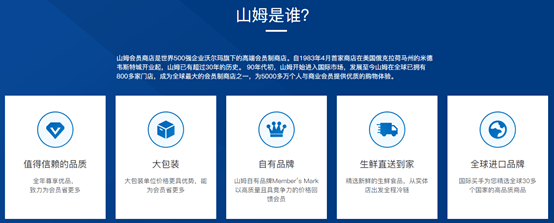
Core Viewpoint - Sam's Club is facing criticism over its product selection strategy, with concerns about the introduction of mass-market brands and the removal of high-repurchase-rate items, leading to questions about the perceived decline in quality [1] Group 1: Product Selection and Supply Chain Logic - Sam's Club's product selection is based on a differentiated value creation logic centered around member needs, rather than a simple evaluation of brand prestige [1][4] - The company has a stringent supplier admission system, requiring products to meet high-quality sourcing standards, such as specific beef cuts and traceable cold-chain logistics [2] - Sam's Club emphasizes understanding member needs and trends, often leading the demand by half a step, which translates into high standards for brands regarding product quality and innovation [4][7] Group 2: Customization and Brand Collaboration - The customization process at Sam's Club involves deep supply chain engagement, where products are developed based on member insights and data analysis, pushing suppliers to upgrade their production systems [4][10] - Brands entering Sam's Club must maintain their identity and innovation capabilities, creating a mutually beneficial relationship rather than merely acting as private label producers [7][10] - The successful collaboration with brands like Wei Long demonstrates that market acceptance is driven by the combination of "Sam's standards + brand characteristics," rather than just brand recognition [10][12] Group 3: Consumer Perception and Quality Consensus - The controversy surrounding Sam's Club reflects a shift in consumer understanding of the relationship between customization and quality, indicating that true customized supply chains enhance standards through precise demand matching and rigorous process control [12] - The ability of domestic brands like Wei Long to maintain independence and achieve value output in international retail systems showcases the evolution of Chinese supply chains from scale advantages to standard outputs [12]
山姆会员店背叛了中产?
36氪· 2025-07-21 13:20
Core Viewpoint - The article discusses the recent backlash against Sam's Club in China due to its product selection changes, highlighting a clash between consumer expectations and the brand's strategy, reflecting broader issues of national identity and consumer trust in domestic brands [4][10][12]. Group 1: Sam's Club's Product Strategy - In July, Sam's Club removed several popular domestic products, replacing them with more common brands, leading to dissatisfaction among its members who felt disrespected [6][10]. - The membership fees for Sam's Club, which amount to at least 1.3 billion RMB annually from over 5 million members, are seen as a ticket to a premium shopping experience that is now perceived as compromised [6][12]. - The backlash is not just about product quality but also about the perceived betrayal of consumer trust and the value proposition of being a member [20][23]. Group 2: Consumer Sentiment and National Identity - The article highlights a growing anxiety among Chinese middle-class consumers regarding their national identity and the quality of domestic products, as they grapple with the perception that local brands are inferior [31][38]. - Despite advancements in product quality and safety in the domestic market, historical trust issues still linger, particularly among older consumers who experienced past quality failures [38][39]. - Younger consumers, however, show increasing trust in domestic brands, indicating a shift in sentiment that could reshape the market landscape [39][40]. Group 3: Industry Dynamics and Competitive Landscape - The success of competitors like Pang Donglai, which emphasizes transparency and high-quality service, has raised consumer expectations and challenged Sam's Club's traditional value proposition [24][25]. - The article suggests that the retail landscape in China is evolving, with a push towards quality and trust that transcends membership models, potentially diminishing the exclusivity of Sam's Club [25][42]. - The need for brands to resonate with consumer values and perceptions is emphasized, suggesting that the future of retail will depend on quality and accessibility rather than exclusivity [42][43].
休闲零食品牌的“山姆定制”危机
Bei Jing Shang Bao· 2025-07-20 14:30
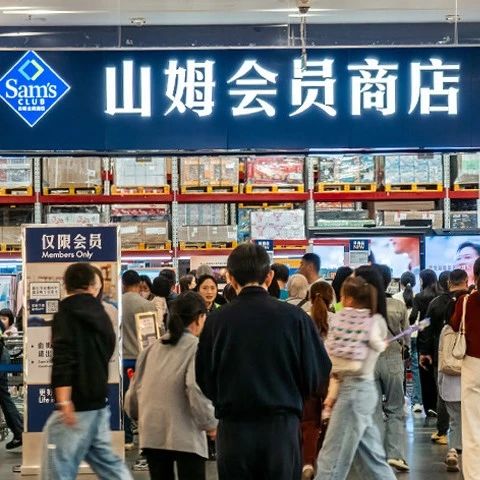
Core Viewpoint - Recent controversies involving brands like Holley, Panpan, and Liuliu Mei at Sam's Club highlight the increasing scrutiny on snack brands and their collaboration with the retailer, emphasizing the need for high-quality standards across the entire supply chain [1][8][9] Group 1: Brand Collaboration with Sam's Club - Sam's Club has established a customized cooperation model with various snack brands, leading to the introduction of "Sam's exclusive" products [8][9] - Brands such as Ganyuan Foods and Youyou Foods have successfully launched products specifically for Sam's, which have gained significant market traction [9][10] - The entry of snack brands into Sam's Club is seen as a pathway to higher market recognition and increased sales [1][9] Group 2: Product Quality and Consumer Perception - The perception of high-end quality is associated with products sold at Sam's Club, which is known for its strict selection standards [8][9] - Some consumers express skepticism about the actual quality improvements of products featuring high-end ingredients, viewing them as marketing strategies rather than genuine enhancements [12][13] - Experts suggest that brands need to focus on real quality improvements and not just on high-end concepts to maintain consumer trust [12][13] Group 3: Market Performance and Sales Data - Companies like Qiaqia Foods reported approximately 200 million yuan in sales through Sam's Club in 2024, marking a 50%-60% year-on-year increase [9] - Liuliu Mei's exclusive product quickly topped the new product popularity chart within eight days of launch at Sam's Club, indicating strong consumer interest [9] - Youyou Foods' duck feet product consistently ranks among the top three in sales within the meat snack category at Sam's Club, with monthly sales exceeding 200,000 units [9][10]