
饿了么

Search documents
“双11”即时零售变革:平台开启价值竞赛
Sou Hu Cai Jing· 2025-10-19 16:45
Core Insights - The "Double 11" shopping festival has initiated a transformation in the instant retail sector, with significant changes in management practices and the integration of instant retail with traditional e-commerce [1][6]. Group 1: Management Changes in Instant Retail - JD.com has begun a pilot program in 25 cities to eliminate penalties for delivery riders exceeding order time, replacing it with a "service score" system to encourage positive performance [3][4]. - Meituan and Ele.me are also moving towards similar management changes, with plans to eliminate penalties for late deliveries and implement new scoring systems to reward timely service [4][5]. Group 2: Integration of Instant Retail and E-commerce - The integration of instant retail with traditional e-commerce is a prominent trend during this year's "Double 11," with Taobao Flash Sale showing rapid growth since its launch [6][7]. - Taobao Flash Sale achieved an average of 80 million orders per week and a peak of 120 million daily orders in August, significantly boosting overall traffic on Taobao [7]. - The collaboration between Taobao Flash Sale and Tmall aims to meet diverse consumer needs, including urgent delivery within 30 minutes and guaranteed delivery within 4 hours [8]. Group 3: Brand Perspectives on Instant Retail - Brand representatives at the Tmall "Double 11" conference highlighted the substantial demand generated by instant retail, emphasizing the importance of expanding new scenarios beyond traditional retail [9]. - Instant retail is seen as an extension of service, enhancing customer engagement and loyalty through timely delivery and support [9]. - The integration of instant retail with traditional e-commerce is expected to create long-term value for brands by connecting distant and nearby consumer scenarios [9].


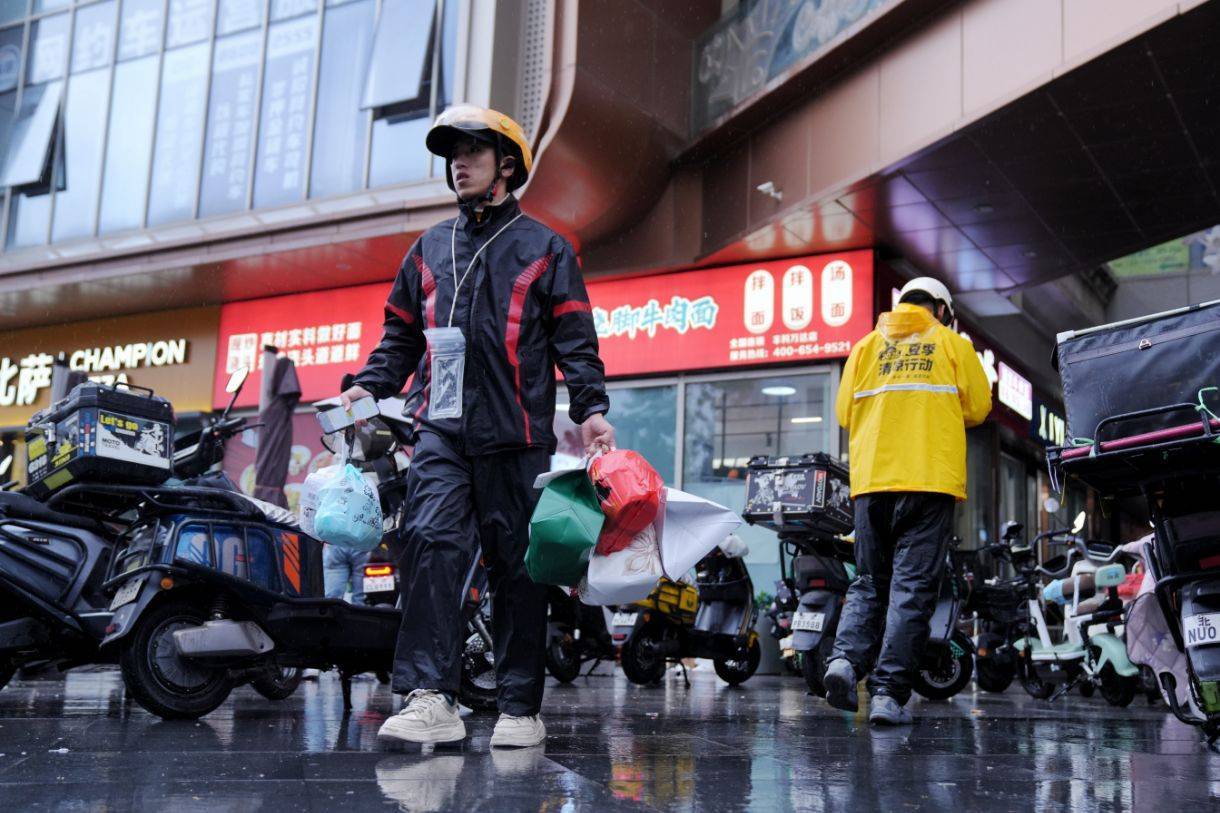
致敬,每一份奔跑
Jing Ji Ri Bao· 2025-10-18 22:16
Core Insights - The article highlights the lives and aspirations of delivery workers, emphasizing their hard work and the dreams that motivate them [2][3][4][6][10] Group 1: Dreams and Motivations - Delivery workers, such as Wu Peng, connect their earnings to their hometown's agricultural prices, showcasing their financial planning and aspirations for a better life [2] - Many delivery workers have personal dreams that drive their work, such as owning livestock or exploring new cities, which adds meaning to their daily hustle [3][4] Group 2: Personal Growth and Confidence - The profession provides a sense of confidence and dignity, as exemplified by workers like Wei Tuanjie, who transitioned from low-paying jobs to becoming a successful delivery worker [4][6] - Long-term workers, like Li Chaojun, express pride in their work and the stability it has brought to their lives, including home ownership and family support [5][6] Group 3: Community Engagement - Delivery workers are increasingly involved in community support, participating in disaster relief efforts and providing services to the elderly, which enhances their sense of belonging [8][9] - The role of delivery workers extends beyond logistics; they build relationships within communities, often assisting residents in various ways [9][10] Group 4: Industry Evolution - The delivery industry is evolving, with workers feeling a strong connection to urban development and societal progress, indicating their integral role in modern city life [7][10] - The article illustrates how delivery workers are not just service providers but also contribute to the social fabric of their communities, embodying a sense of responsibility [10]
壹快评丨取消骑手超时罚款彰显双向保护和人性关怀
第一财经· 2025-10-18 12:21
Core Viewpoint - The article discusses the challenges faced by food delivery riders, highlighting the need for a more humane and balanced approach to their working conditions and customer interactions, as major platforms are beginning to implement changes to protect riders' rights and improve their working environment [3][4][5]. Group 1: Issues Faced by Delivery Riders - Delivery riders often face harsh penalties for late deliveries, leading to unsafe behaviors such as running red lights [3]. - Customers frequently give negative reviews based on personal preferences, creating a stressful work environment for riders [3]. - The current system of penalties and customer reviews is deemed unreasonable and not reflective of the riders' efforts [3]. Group 2: Changes Implemented by Platforms - Major food delivery platforms are moving towards eliminating penalties for late deliveries by the end of 2025, replacing them with training programs [4]. - JD.com has initiated trials in 25 cities to replace late delivery penalties with a "service score" management system [4]. - Ele.me is also testing a new service score system to replace the existing penalty structure, aiming for a more equitable reward system for riders [4]. Group 3: Customer-Rider Relationship - The introduction of features allowing riders to block abusive customers aims to create a more balanced relationship between riders and customers [4]. - The current one-sided review system negatively impacts riders' job satisfaction and dignity, necessitating a dual accountability system [4]. Group 4: Policy Support - The National Market Supervision Administration has proposed guidelines to ensure fair treatment of delivery riders, emphasizing the need for reasonable income and working conditions [5]. - The growing number of delivery riders, now in the millions, highlights the importance of societal recognition and support for their rights [5].
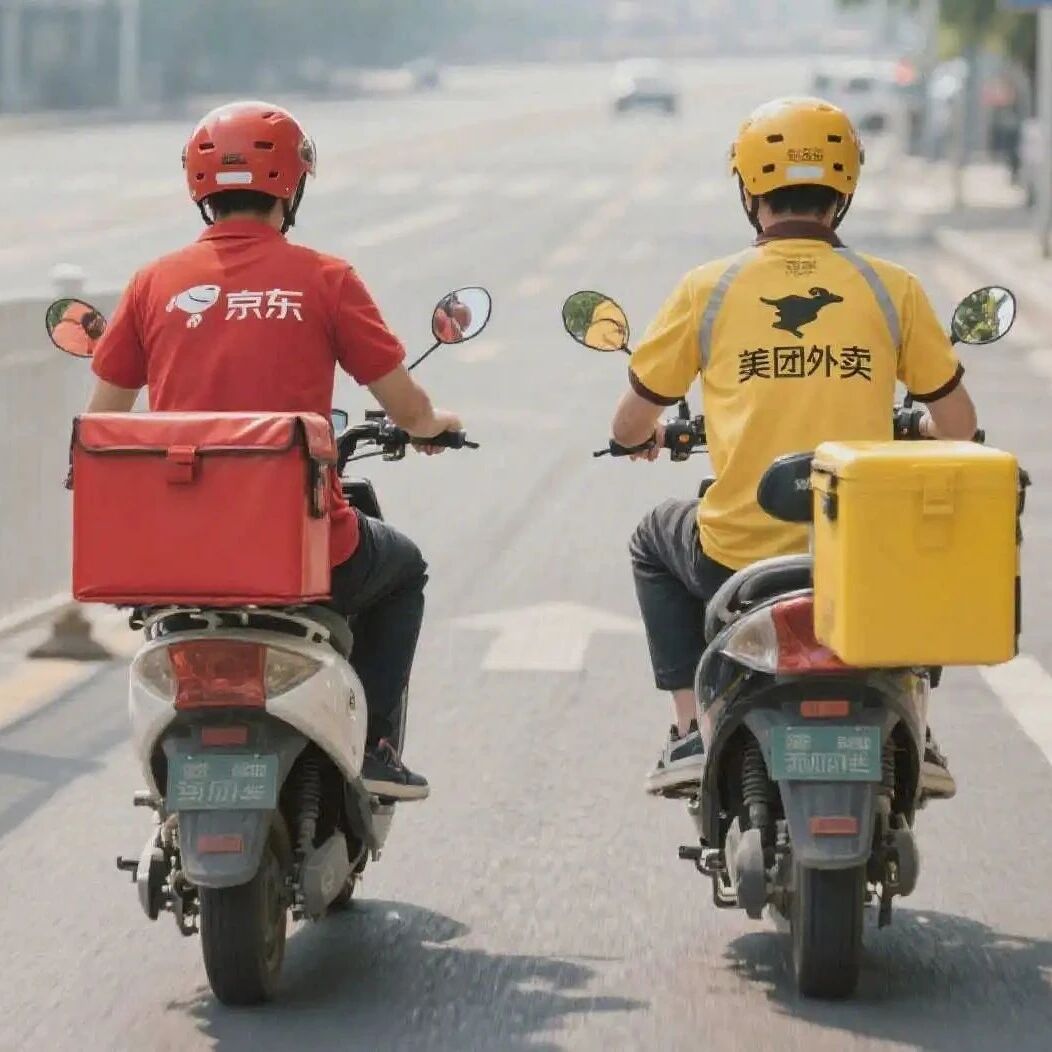
配送费为何由商家承担|数智之道
Jing Ji Guan Cha Wang· 2025-10-18 06:52
Core Insights - The rapid development of the digital economy has led to the flourishing of various instant delivery platforms, reshaping the operational logic of businesses while intensifying competition among them [2] - Many businesses are resorting to aggressive promotional tactics, such as discounts and free delivery, to attract customers and increase order volumes [2] Delivery Fee International Differences - In many countries, delivery fees are typically paid directly by consumers at the time of order settlement, with membership systems used to attract consumers to purchase delivery service exemptions [3] - In China, however, the burden of delivery fees often falls on merchants, especially small and medium-sized businesses, as platforms encourage them to absorb these costs to boost sales [3][4] Theoretical Origins of Delivery Fees - Delivery fees have evolved from being a straightforward cost to a complex variable in market competition, influenced by various factors including logistics, labor costs, and platform algorithms [6][7] - The shift in responsibility for delivery fees from consumers to merchants reflects a broader trend in the competitive landscape of the Chinese market [7][8] Merchant Responsibility for Delivery Fees - The transfer of delivery fee responsibility to merchants is often a result of competitive pressures, where businesses must absorb these costs to improve visibility and conversion rates on platforms [8][9] - This behavior can lead to a "path dependency trap," where merchants focus on short-term gains through discounts rather than long-term brand and quality development [9][10] Long-term Strategies for Merchants - To break free from the cycle of relying on delivery fee absorption, businesses must prioritize brand building and product quality, moving away from price-based competition [10][12] - Large chain brands tend to have more flexibility in managing delivery fees due to their established brand recognition and supply chain efficiencies [9][10] Recommendations for Industry Improvement - Platforms should shift towards a value-oriented algorithm governance model that prioritizes quality and long-term growth over immediate transaction metrics [11][12] - Merchants should enhance their product and service quality to create differentiation and reduce reliance on delivery fee absorption as a competitive strategy [12][13] - Consumers should be educated to recognize the value of quality and service, moving away from a solely price-sensitive mindset [13][14] - Regulatory bodies should enforce fair competition rules and transparency in cost allocation to prevent the exploitation of merchants by dominant platforms [14]
壹快评丨取消骑手超时罚款彰显双向保护和人性关怀
Di Yi Cai Jing· 2025-10-18 06:11
Core Viewpoint - The article emphasizes the need for a more humane and tolerant approach in the delivery industry, particularly regarding the treatment of delivery riders and the evaluation system by customers [1][3]. Group 1: Changes in Delivery Platforms - Major delivery platforms are implementing measures to cancel penalties for late deliveries and allow riders to block difficult customers, promoting mutual rights protection [1][2]. - Meituan plans to eliminate late delivery penalties by the end of 2025, shifting from punitive measures to positive incentives through training [1][2]. - JD.com has initiated trials in 25 cities to replace late delivery penalties with a "service score" management system [2]. Group 2: Customer and Rider Dynamics - The working conditions of delivery riders differ significantly from office workers, and riders deserve respect and fair evaluations rather than arbitrary negative reviews [2]. - The introduction of features allowing riders to block abusive customers aims to balance the power dynamics between customers and riders, enhancing the riders' dignity and work experience [2]. Group 3: Government Support and Policy - The National Market Supervision Administration has proposed guidelines to ensure fair labor relations and reasonable income for delivery riders, highlighting the importance of their rights and protections [3]. - The number of delivery riders in China has reached tens of millions, necessitating societal attention to their rights and working conditions [3].

智谱AI解散60余人产研中心?回应称调整涉及十余人;山姆因销售不合格滑板车、儿童产品被罚;小红书回应商家能看到下单人主页丨邦早报
创业邦· 2025-10-18 01:08
Group 1 - Zhipu AI confirmed that its organizational adjustments involved over ten personnel, with a focus on the MaaS strategic transformation, despite rumors of a significant department dissolution [1] - Sam's Club in Shanghai was fined for selling substandard products, including FILA scooters and children's items, totaling approximately 0.8 million and 1.1 million yuan respectively [1] Group 2 - Good Products announced the termination of a share transfer agreement with Wuhan Yangtze International Trade Group, meaning the state-owned asset management's entry into the company has failed [4] - Alibaba and Ant Group jointly invested 9.25 billion yuan to establish their Hong Kong headquarters, aiming to expand international business [4] - Nvidia's CEO stated that the company's market share in China's high-end chip market has dropped from 95% to 0% due to U.S. export controls, calling the technology blockade a mistake [4] Group 3 - WeChat clarified that it will not implement a visitor feature for Moments to avoid increasing social pressure, and there will be no second editing function for historical posts [8] - NIO responded to a lawsuit from Singapore's sovereign fund, stating it originated from previous unfounded allegations and that an independent investigation had cleared the company [8] Group 4 - Tesla updated the expected delivery date for the Model Y L to December 2025, allowing for orders to be placed before the end of the year [9] - Ele.me announced a stock buyback plan for employees, allowing them to exchange options for cash or Alibaba Group shares at a price of 36 yuan per share [9] Group 5 - Xiaoma Zhixing passed the Hong Kong Stock Exchange hearing, with projected revenue growth of 43.3% in the first half of 2025, driven by a significant increase in Robotaxi business [12] - Aishi Technology completed a 100 million yuan B+ round financing, with a user base of 100 million and an annual recurring revenue exceeding 40 million USD [13] Group 6 - The third-generation Lynk & Co 03 family was launched with prices starting at 10.38 million yuan, featuring advanced driving assistance technology [18] - Meituan announced the open-sourcing of its LongCat-Audio-Codec, providing a comprehensive toolchain for audio signal processing [20] Group 7 - The Chinese television market saw a decline in brand unit shipments, with a reported 727 million units shipped in Q3 2025, a year-on-year decrease of 10.4% [20] - Morgan Stanley predicts that the flying car industry will create a market size of 300 billion USD by 2030, with China potentially becoming the largest market for low-altitude urban transportation [20]

外卖新规“无堂食”需标识,平台竞争告别价格战
Hu Xiu· 2025-10-17 23:36
Core Viewpoint - The Chinese government is implementing stricter regulations on food safety in the online food delivery industry, focusing on eliminating "ghost kitchens" and ensuring transparency in operations [1][4][6]. Regulatory Changes - The State Administration for Market Regulation has released a draft regulation aimed at clarifying food safety responsibilities among platforms, merchants, and delivery services, with a feedback deadline of November 16 [1][4]. - The draft mandates that online store names must match those of physical locations, and "no dine-in" services must be clearly labeled [1][4][5]. - It emphasizes the need for platforms to conduct thorough vetting of merchants to prevent the operation of "ghost kitchens" [4][5]. Industry Shift - Major food delivery platforms are shifting focus from aggressive price competition to enhancing food safety, service quality, and operational efficiency [2][3][8]. - Companies like JD.com are positioning themselves as "quality delivery" services, allowing only high-rated restaurants to join their platforms [2][7]. - Meituan and Ele.me are investing in initiatives like "bright kitchens" to improve transparency and consumer trust [2][8]. Technology and Transparency - The draft regulation highlights the role of "Internet + Bright Kitchen" initiatives, requiring platforms to ensure that merchants implement these practices [5][6]. - Platforms must provide technical support for real-time monitoring of food preparation processes, enhancing consumer confidence and regulatory oversight [5][6][7]. Future Outlook - The industry consensus is moving towards value competition centered on food safety and service quality, moving away from reliance on subsidies and low prices [3][8]. - The future winners in the food delivery market will be those who can build stable and efficient supply chains [9].
官方出手!监管新规要求外卖“无堂食”需标识,正在征求意见!点餐就像开盲盒的日子将一去不复返
Mei Ri Jing Ji Xin Wen· 2025-10-17 16:36
Core Points - The article discusses the introduction of stricter national regulations aimed at addressing food safety issues in the food delivery industry, particularly targeting "ghost kitchens" and "no-dine-in" services [1][5][6] - Major players in the food delivery market are shifting focus from aggressive scale expansion to prioritizing food safety, service quality, and operational efficiency [3][4][9] Regulatory Changes - The National Market Supervision Administration has released a draft regulation that requires online food delivery platforms to ensure that the names of online stores match their physical counterparts and that "no-dine-in" services are clearly labeled [1][5] - The draft aims to clarify the responsibilities of platforms, merchants, and delivery services regarding food safety, thereby reducing ambiguity and promoting accountability [5][6] Industry Response - Companies like JD.com have welcomed the new regulations and have already implemented strict quality control measures, with a merchant approval rate of only 40% [3][9] - Other platforms, such as Meituan and Ele.me, are also enhancing their quality standards and have initiated partnerships to promote transparency in food preparation through "Internet + Bright Kitchen" initiatives [3][9] Shift in Market Dynamics - The industry is moving away from price wars towards value competition, emphasizing quality and transparency as key competitive factors [4][8] - The new regulations and industry responses indicate a collective recognition that maintaining food safety and service quality is essential for long-term success in the market [4][9] Technological Integration - The draft regulation emphasizes the role of technology in enhancing transparency, requiring platforms to implement measures like real-time monitoring of food preparation processes [7][9] - Platforms are expected to provide technical support for merchants to display their food safety practices prominently, thereby increasing consumer confidence [7][9]
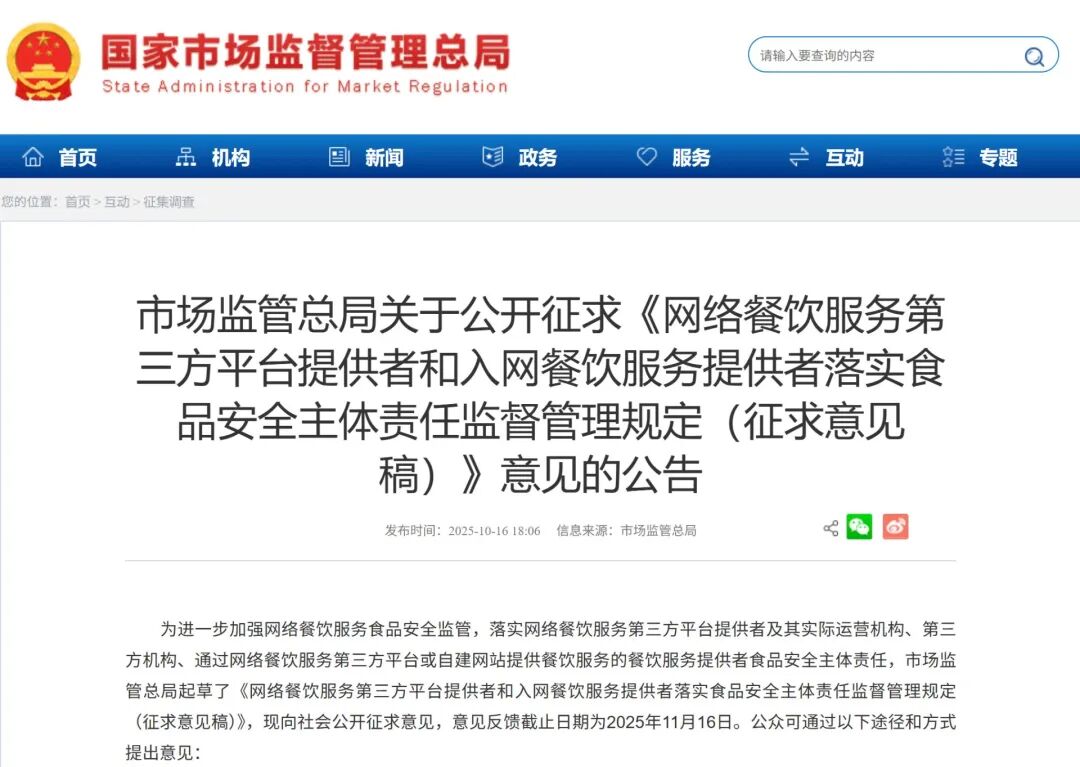
严打“幽灵外卖”!监管新规征言要求“无堂食”需标识,点餐就像开盲盒的日子将一去不复返
Mei Ri Jing Ji Xin Wen· 2025-10-17 12:58
Core Viewpoint - The new national-level regulatory framework aims to address long-standing food safety issues in the food delivery industry, particularly targeting "ghost kitchens" and ensuring that "no dine-in" services are clearly marked [1][4]. Regulatory Changes - The State Administration for Market Regulation has released a draft regulation that seeks public feedback until November 16, focusing on the responsibilities of third-party platforms and food service providers regarding food safety [1][4]. - Key measures include requiring that online store names match those of physical locations, ensuring that pick-up addresses align with business licenses, and mandating clear labeling for "no dine-in" services [1][4][7]. Industry Response - Major food delivery platforms have shifted their focus from aggressive market expansion to enhancing food safety, service quality, and operational efficiency, marking a transition from a "price war" to a "quality competition" [3][8]. - Companies like JD.com and Meituan have initiated programs to improve food safety and transparency, with JD.com emphasizing "quality delivery" and Meituan investing 500 million yuan in new infrastructure for food safety [3][9]. Implementation of Technology - The draft regulation emphasizes the role of "Internet + Bright Kitchen" initiatives, requiring platforms to audit merchants' compliance and provide technical support for real-time monitoring of food preparation processes [7][10]. - Platforms must ensure that merchants prominently display their business licenses and that the names and addresses of online stores are consistent with physical locations [7][10]. Market Trends - The shift towards quality and transparency in the food delivery market reflects a broader industry consensus that prioritizes food safety and service quality over low prices and subsidies [9][11]. - Industry leaders have acknowledged the need for a stable and efficient supply chain as a competitive advantage, moving away from reliance on traffic-driven marketing strategies [10][11].

“城市骑士日”淘宝闪购再加码骑士保障
Bei Jing Shang Bao· 2025-10-17 11:58
Core Viewpoint - Taobao Flash Sale is enhancing support for delivery riders by providing free equipment upgrades and health services across multiple cities, marking a significant step in the professionalization of the delivery industry [1] Group 1: Equipment and Uniform Upgrades - Following the initial rollout in six cities, Taobao Flash Sale has expanded its free equipment upgrade program to 11 additional cities including Beijing, Tianjin, Jinan, Qingdao, Zhengzhou, and Xi'an [1] - The new uniforms, designed in a racing style, emphasize functionality and practicality, featuring windproof, breathable, and water-resistant materials, along with an information pocket and a waist bag for emergency supplies [1] Group 2: Health and Community Support Initiatives - Taobao Flash Sale is collaborating with local government departments and charitable businesses to offer free health check-ups, recuperation services, and organize fun sports events for delivery riders [1] - The initiative aims to enhance the overall well-being and support for riders, reflecting a commitment to their health and safety [1]