
华为

Search documents
死磕机器人大脑的北大副教授,和我们聊了聊具身领域最大的“偏见”
3 6 Ke· 2026-01-24 13:35
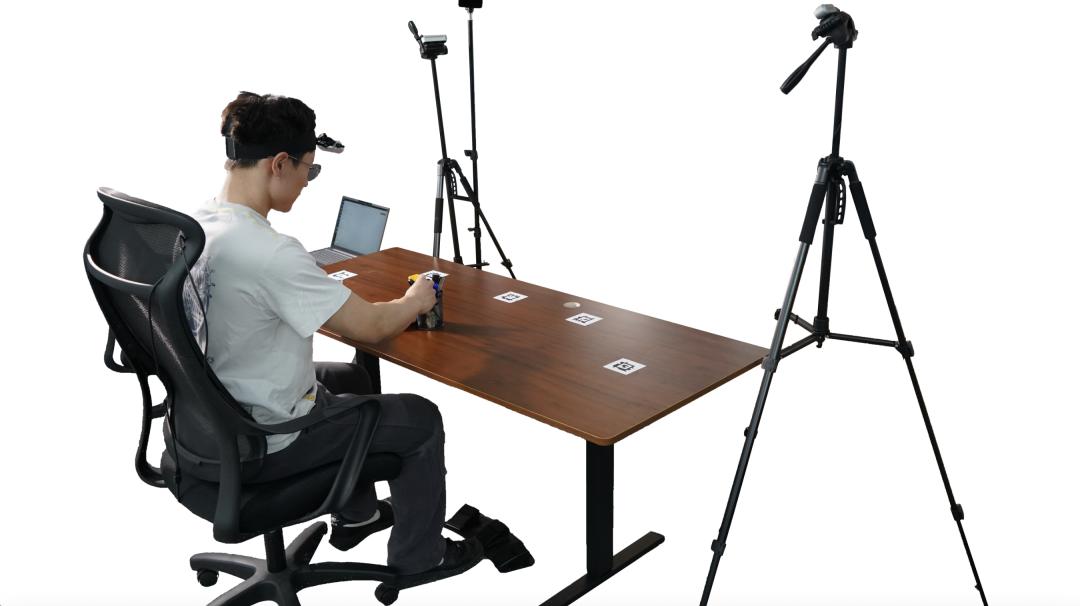
文|富充 编辑|苏建勋 2026年,具身智能会有怎样的分化?北京大学计算机学院副教授、"智在无界"创始人卢宗青向我们抛出一个判断: "软硬分化。" 软,是模型大脑,硬,是机器人本体;分化,是不同的公司各有所长,各司其职。 "智在无界"所在的北京鼎好大厦,是个被智源研究院、零一万物、银河通用等一众明星AI机构坐拥的大楼。在这里,人工智能的非共识,每天都在发生。 卢宗青的观点也和具身行业发展现状大相径庭。如今,获得高估值的具身创业公司,不论是已成为"独角兽"的智元机器人、银河通用,还是融资势头强劲 的星动纪元、星海图,都在执着地追求一件事:软硬一体,做全栈。 尽管如此,卢宗青与他于2025年创立的"智在无界",还是选择"逆势"做一家模型公司,只研发机器人大脑,并不涉足硬件制造。 智能涌现独家获悉,智在无界已于近日完成天使轮,融资金额为数千万元,由拉卡拉旗下考拉基金领投,领航新界、灵心巧手跟投,老股东联想之星和星 连资本持续加注。 "具身行业对'纯软'这件事,有比较大的偏见,国内是这样,国外也是,"卢宗青的态度单刀直入。他举了个例子,软硬都做的美国具身智能创业公司 Figure,比只做具身模型的Physical I ...


欧美联手围堵,中国外贸数据依旧创下新高!有件事他们算错了
Sou Hu Cai Jing· 2026-01-24 12:02
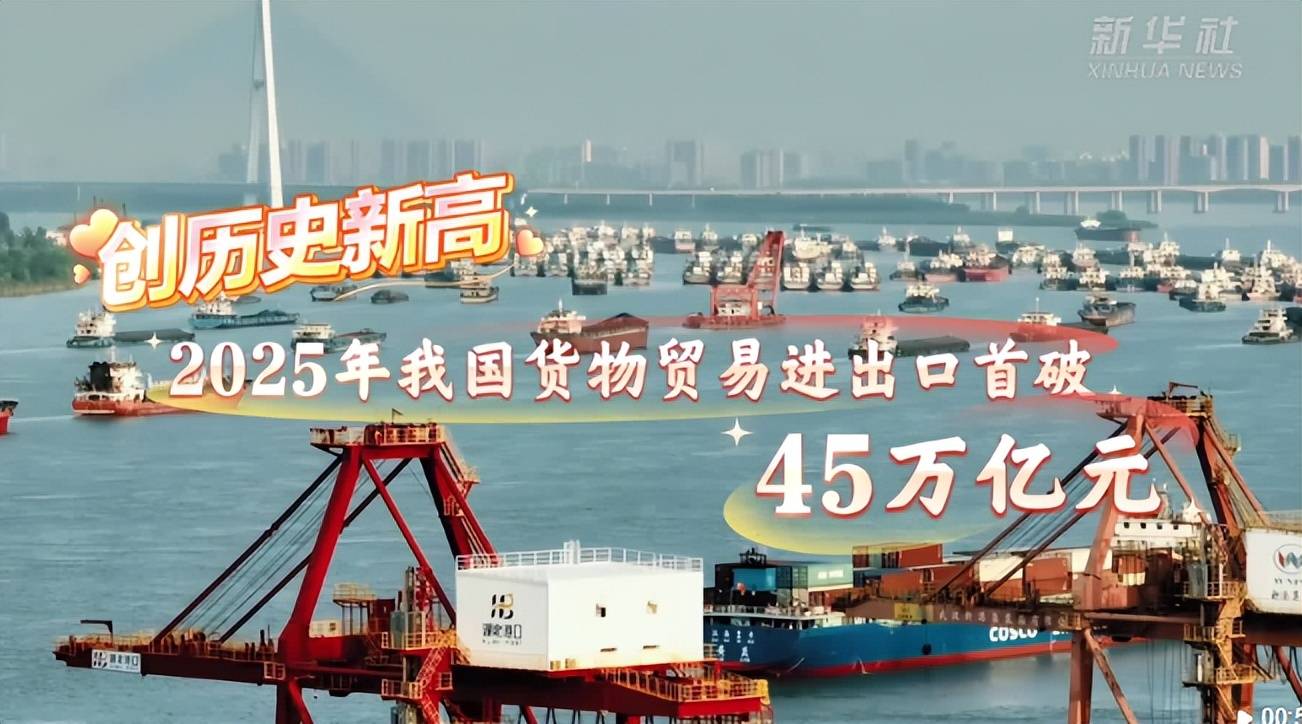
Core Viewpoint - China's foreign trade data for 2025 has reached a new high, with total import and export value of 45.47 trillion yuan, reflecting a year-on-year growth of 3.8% [3]. Group 1: Trade Performance - The 2025 foreign trade figure is equivalent to Germany's entire GDP, and it would take Russia three years to achieve this level, while South Korea would need 6.5 years [4]. - Despite the European Union imposing a maximum tariff of 45.3% on Chinese electric vehicles and the U.S. implementing various trade barriers, China's electric vehicle exports have nearly doubled [4][6]. - The export of "new three items" (electric vehicles, solar panels, and batteries) has grown by 27.1% [6]. Group 2: Market Dynamics - Historically, China's foreign trade was heavily reliant on Europe and the U.S., which accounted for nearly 40% of trade before 2008. However, ASEAN has become China's largest trading partner for three consecutive years, and trade with Belt and Road Initiative countries now constitutes a significant portion of total trade [8]. - The shift in trade dynamics is not just about finding new customers but also about changing the selling approach from low-cost manufacturing to technology and standards setting [10]. Group 3: Industry Leadership - The export of electric vehicles represents a comprehensive energy solution, integrating components from leading Chinese companies, thus allowing China to influence global standards [12]. - China's solar industry exemplifies its dominance, controlling 80% of global solar production capacity, making it indispensable for any country looking to develop solar energy [14]. Group 4: Competitive Advantages - China's full industrial chain is a key competitive advantage, allowing for rapid problem-solving and cost efficiency in electric vehicle production [18]. - The vast domestic market of 1.4 billion people enables companies like CATL to scale up, reduce costs, and enhance competitiveness before entering global markets [19]. - Long-term strategic planning by the government has led to significant advancements in industries like solar and electric vehicles, despite challenges such as overcapacity and subsidy issues [21]. Group 5: Socioeconomic Impact - The rise of the "new three items" has led to the emergence of new cities focused on renewable energy, creating high-paying jobs in research and technology [23]. - The renewable energy sector presents numerous wealth creation opportunities, from lithium mining to battery recycling, contributing to national confidence and changing perceptions of Chinese products [25]. Conclusion - The foreign trade figure of 45.47 trillion yuan signifies China's transformation from a "world factory" to a participant in global rule-making, indicating a shift in strength from mere production to defining the future of global industries [27].
大江东|开局看上海① 韧性、勇气、眼界,三个关键词回望上海“十四五”
Sou Hu Cai Jing· 2026-01-24 10:47
上海统计局最新发布:2025年,上海实现地区生产总值56708.71亿元,同比增长5.4%,高于全国平均水平0.4个百分点。 这是来之不易的成绩,也为上海"十四五"规划圆满收官划上句号。 上海,是观察中国经济发展的一扇重要窗口。 此刻,"十五五"正式开局。人民日报社上海分社大江东工作室推出"开局看上海"系列报道,以"从上海看上海""从全国看上海""从全球看上海""从未来看上 海"四个维度,立体解析上海这座国际化大都市发展再跃升的优势和潜力。 以下是该系列报道第一篇:从上海看上海。 上海黄浦江两岸风貌。王初摄 上海是一个不断见证奇迹的地方。 站在"十五五"开局,回望刚刚过去的五年,这种体会愈发深刻。 看经济总量——2020年,上海经济总量3.87万亿元,而后相继迈上4万亿、5万亿两个大台阶。经济规模升至全球城市第五名,超越伦敦,仅次于纽约、东 京、洛杉矶、巴黎。 看发展能级——五年前,上海明确人工智能、集成电路、生物医药为"三大先导产业"。五年间,"模速空间"横空出世,GPU芯片"四小龙"硬核集聚,上海获 批上市国产1类创新药逾30个,居于全国前列。 看民生温度——上海中心城区成片二级旧里以下房屋改造历史性全面 ...

AI手机的终局,“读屏”还是“对话”?
创业邦· 2026-01-24 10:43
Core Viewpoint - The article discusses two distinct technological approaches to AI integration in mobile devices: the GUI (Graphical User Interface) route, which prioritizes speed and ease of use, and the A2A (Agent-to-Agent) route, which emphasizes security and collaboration through standardized APIs [7][17][29]. Group 1: AI Integration Approaches - The GUI approach allows AI to simulate user actions on apps by utilizing system permissions, enabling rapid deployment but raising concerns about user experience and security [10][14]. - The A2A approach establishes a standardized communication protocol between AI and applications, requiring dual authorization from users and app developers, which enhances security and accountability [14][15]. - The choice between these approaches reflects companies' strategic interests and their positions within the tech ecosystem, with GUI being faster but riskier, while A2A is slower but more stable and secure [17][29]. Group 2: Industry Responses - Major tech companies like Apple and Google favor the A2A approach, focusing on API integration to maintain control over their ecosystems and ensure compliance with privacy regulations [18][21]. - Microsoft has developed frameworks like "AutoGen" to facilitate multi-agent collaboration, while OpenAI and Anthropic are pushing for API standards that align with the A2A model [19][21]. - In contrast, domestic companies like ByteDance are exploring high-permission GUI routes to disrupt existing ecosystems and capture new market opportunities [23][24]. Group 3: Future Implications - The A2A model is seen as a long-term solution that could lead to new business opportunities, including the development of specialized agents for various industries and the establishment of a new ecosystem of protocols and middleware [33][35]. - The article suggests that the evolution of AI integration will ultimately shape the relationship between humans and machines, emphasizing the need for AI to serve as an intelligent assistant rather than a replacement for human decision-making [37][38].





突发!黄仁勋悄现中国 英伟达的三大考题
Zhong Guo Jing Ying Bao· 2026-01-24 09:31
Core Insights - Huang Renxun, CEO of Nvidia, made a low-profile visit to China in January 2026, focusing on internal discussions rather than promoting the H200 chip, reflecting the complex geopolitical landscape surrounding AI technology and US-China relations [1][2][3] Group 1: Visit Context and Objectives - Huang's visit included meetings in Shanghai, Beijing, and Shenzhen, emphasizing the importance of the Chinese market for Nvidia, which holds a 90% share of the global AI chip market [1][5] - The visit aimed to reassure Chinese clients and employees amid uncertainties caused by US export controls, signaling Nvidia's continued commitment to the market [3][6] - Huang avoided discussing the H200 chip's sales and deployment in China, indicating the sensitive nature of the topic and the need for compliance with local regulations [2][3] Group 2: Market Dynamics and Challenges - Nvidia's global position in the AI chip market remains strong, with projected hardware sales growth of 78% in 2026, reaching $383 billion, but competition is intensifying from companies like AMD and Qualcomm [5][6] - The Chinese market accounts for approximately 25% of Nvidia's global data center revenue, but the company faces significant risks due to stringent US export controls and potential restrictions on the use of the H200 chip in China [6][7] - The introduction of a "China-specific" chip, the B30A, priced at $24,000 and offering six times the performance of the H20, is part of Nvidia's strategy to maintain market share and mitigate policy risks [6][7] Group 3: Future Strategies and Industry Trends - Industry observers suggest that Nvidia must explore non-hardware collaborations, such as software platforms and customized chip design services, to adapt to a potentially narrowing market for high-end AI chip sales in China [4][6] - The decline in Nvidia's market share in the domestic smart driving chip sector, from 39% in 2024 to 25% in 2025, highlights the increasing competitiveness of local companies like Huawei and the need for Nvidia to innovate [7] - Huang's visit serves as a microcosm of the broader US-China tech competition, reflecting the shifting dynamics in technology, regulations, and market influence [7][8]

欧盟拟立法限制高风险供应商,华为回应称违背WTO规则
Zhong Guo Jing Ying Bao· 2026-01-24 09:13
Core Viewpoint - The European Commission's draft revision of the EU Cybersecurity Law aims to phase out "high-risk suppliers" in 18 critical sectors, targeting Chinese high-tech companies like Huawei, despite not explicitly naming them [1][2]. Group 1: Legislative Changes - The draft expands the scope of regulation from the previous 2020 5G security toolbox to include 18 critical sectors such as 5G communication, semiconductors, power systems, autonomous driving, and medical devices [1][2][3]. - The new measures will have legal binding force, requiring the elimination of high-risk components within 36 months, and will introduce a "high-risk supplier" list [3]. Group 2: Industry Impact - The legislation is expected to significantly increase operational costs for Chinese companies, potentially forcing some to exit the EU market, especially in sectors where Chinese products account for over 90% [5]. - The market access barriers will be artificially raised by non-technical factors, pushing Chinese companies to accelerate innovation and diversify their global market presence [5]. Group 3: Responses and Reactions - Huawei has criticized the draft, stating that it violates EU legal principles and WTO rules by restricting suppliers based on nationality rather than factual evidence [2][5]. - The company emphasizes its compliance with local laws and contributions to the European economy, asserting that the proposed restrictions undermine fair competition principles [5].

AI硬件革命来了
格隆汇APP· 2026-01-24 06:36
Core Viewpoint - OpenAI plans to launch its first AI device in the second half of 2026, which is a screenless, voice-centric wearable device weighing 10-15 grams, potentially challenging the dominance of smartphones [2][3][4]. Group 1: Product Features and Technology - The device aims for an ambitious annual shipment target of 40-50 million units, indicating a significant market entry strategy [3][34]. - The device will utilize a multi-modal sensor matrix for perception, combining auditory, visual, and biological sensing to enhance user interaction [10][11]. - The auditory system will feature a high-sensitivity microphone array and xMEMS ultrasonic drivers, enabling 360-degree voice capture and AI noise reduction [12][13]. - A new end-to-end audio model will allow for real-time adjustments during conversations, creating a more natural interaction experience [14][15]. - The visual and environmental sensing will include a micro-camera for scene recognition and various sensors to assess user states, enhancing the device's contextual awareness [17][18]. - A muscle electrical sensor will enable silent voice interaction, allowing users to issue commands without vocalizing them, a technology previously limited to medical applications [19]. Group 2: Hardware and Supply Chain - The device's processing power is expected to come from a custom 2nm Exynos chip from Samsung, which is crucial for achieving the device's performance and power efficiency goals [21][22]. - The chip's advanced technology allows for high transistor density and improved performance-to-power ratios, essential for maintaining battery life [22][23]. - OpenAI has made significant investments in hardware design, including acquiring a company founded by Apple's former chief designer, indicating a focus on aesthetics and functionality [27][28]. - The production of the device is currently in the prototype testing phase, with a timeline that aligns with typical hardware development cycles [30]. Group 3: Market Impact and Future Trends - The introduction of this AI device could redefine human-computer interaction, moving away from screen-based engagement to voice-driven interfaces, potentially disrupting current internet advertising models [50][52]. - If successful, the device could lead to a significant shift in the wearable technology market, with projections indicating that the market for screenless AI wearables could exceed $50 billion by 2028 [55]. - The device's capabilities may prompt competitors like Apple and Google to accelerate their own developments in similar technologies, leading to a new wave of innovation in the sector [55]. Group 4: Societal Implications - The widespread adoption of AI devices raises concerns about job displacement, with predictions that AI could replace approximately 85 million jobs globally by 2027 [64]. - Privacy issues are a significant concern, as continuous environmental sensing could lead to surveillance-like scenarios, challenging existing privacy regulations [68][70]. - The societal acceptance of such technology will require a cultural shift, as users will need to adapt to interacting with devices that monitor their surroundings and personal data [76].

软东2大豪宅、软西2大新盘!撑起西安丝路软件城2026楼市热度
Xin Lang Cai Jing· 2026-01-24 04:36
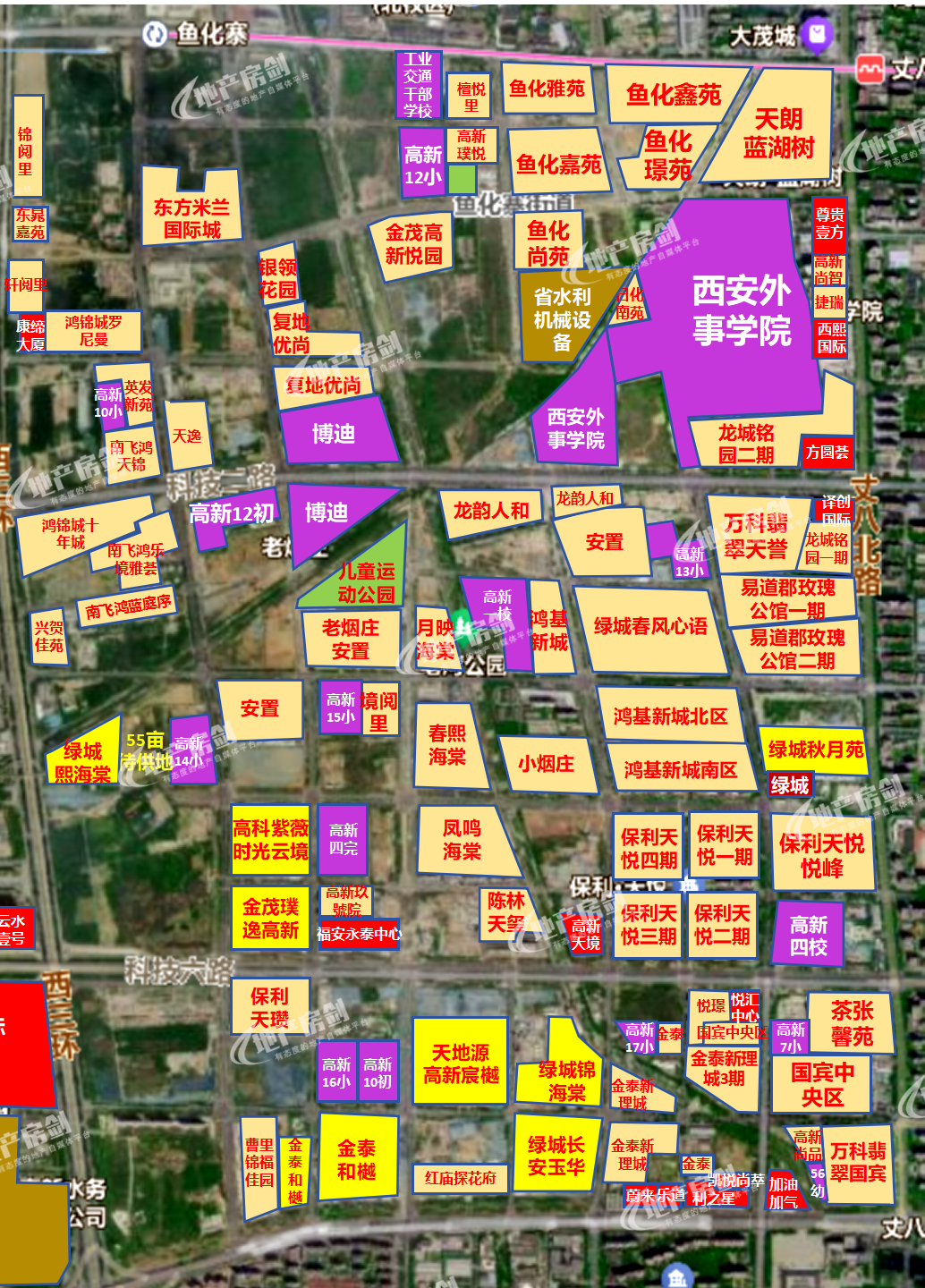
Core Insights - The Silk Road Software City has been one of the hottest real estate markets in Xi'an for the past six years, starting from early 2020, although its heat has slightly decreased in recent years [1] - In 2026, the area will see new supply from multiple new projects while facing competition from the second-hand housing market and the Fengdong High-tech Integration Zone [2][16] Group 1: Market Overview - The Silk Road Software City is divided into "Soft East" and "Soft West," catering to different buyer preferences, with "Soft East" focusing on residential living and "Soft West" on industrial and residential integration [3][4] - In 2025, five new projects were launched in the Silk Road Software City, with Green Town developing eight projects in total, indicating a strong presence in the area [4][5] Group 2: Sales Performance - The top three selling projects in 2025 were Green Town Jin Haitang, Tiandi Source Gao Xin Chen Yue, and Green Town Qiu Yue Yuan, with sales of 1.98 billion, 1.72 billion, and 1.69 billion respectively, ranking them 9th, 11th, and 12th in Xi'an [5] - The land market saw no premium transactions in 2025, with all four residential plots sold at base prices, reflecting the broader market conditions [5] Group 3: Future Supply - In 2026, the Silk Road Software City is expected to introduce two luxury projects and two new residential projects, including Green Town Chang'an Yuhua and Jinmao Puyi Gao Xin [7][8] - The luxury projects are located within 1,000 meters of each other, with Green Town Chang'an Yuhua offering large units priced around 30,000 yuan per square meter and Jinmao Puyi Gao Xin starting at over 40,000 yuan per square meter [11][14] Group 4: Competitive Landscape - The Silk Road Software City faces competition from the second-hand housing market and the Fengdong High-tech Integration Zone, particularly as price differences may influence buyer decisions [16]
华为折叠机独占七成份额 但苹果很快“杀到”
Zhong Guo Jing Ying Bao· 2026-01-24 01:00
Core Insights - The Chinese foldable smartphone market is transitioning from rapid growth to a plateau phase, with a projected shipment of approximately 10.01 million units in 2025, reflecting a year-on-year growth of 9.2%, contrasting with a decline of 0.6% in the overall smartphone market [1][2] - Huawei dominates the market with a share exceeding 70%, while other brands like Honor, vivo, OPPO, and Samsung hold less than 10% each, indicating a significant market concentration [1][2] - The anticipated entry of Apple into the foldable smartphone market in 2026 is expected to revitalize consumer interest and market dynamics [4][5] Market Dynamics - The foldable smartphone market in China is entering a "small year" in 2025, with many manufacturers adjusting their production targets downward, leading to a more pronounced market segmentation [2] - Huawei's market share increased from 50% in 2024 to 71.8% in 2025, while Honor and vivo hold 9.1% and 4.9% respectively, with OPPO and Samsung tied at 4.3% [2] - The market is characterized by a "one strong, many strong" dynamic, where Huawei's continuous investment and technological advancements have solidified its leading position [2] Product Innovations - Huawei's product lineup for 2025 includes various foldable designs, such as the Mate X6, Mate X7, and the innovative Mate XTs, which cater to different consumer preferences [3] - The expected launch of Apple's first foldable iPhone, tentatively named iPhone Fold, is set for fall 2026, featuring advanced materials and design innovations [5][6] Future Outlook - The entry of Apple is anticipated to attract more consumers to foldable smartphones, potentially driving market growth [6] - Analysts predict that the global foldable smartphone market will see a significant increase, with shipments expected to reach 20.6 million units in 2025, and a projected 30% growth in 2026 due to Apple's and Samsung's contributions [6][7] - The introduction of Apple's foldable iPhone is viewed as a pivotal moment for the foldable segment, likely catalyzing broader adoption and technological advancements in the supply chain [7]
欧盟炮制所谓“高风险供应商” 华为迅速回应
Zhong Guo Jing Ying Bao· 2026-01-23 19:54
Core Viewpoint - The European Commission has released a draft revision of the EU Cybersecurity Law, aiming to phase out components and equipment from "high-risk suppliers" across 18 critical sectors, implicitly targeting Chinese high-tech companies like Huawei [1][2]. Group 1: Legislative Changes - The draft expands the scope of the previous 2020 5G security toolbox, now covering 18 key sectors including semiconductors, medical devices, and autonomous driving, with a legally binding requirement to eliminate high-risk components within 36 months [3][4]. - The new measures introduce a "high-risk supplier" list and require joint risk assessments by the EU Commission or three member states before implementation [3]. Group 2: Industry Impact - Chinese companies, particularly in sectors where they hold over 90% market share, may face significant operational cost increases and potential market exit due to the new regulations [5]. - The draft is expected to elevate market entry barriers based on non-technical factors, pressuring Chinese firms to accelerate innovation and diversify their global market presence [5]. Group 3: Geopolitical Context - The legislative shift reflects a broader geopolitical trend, with the EU's technology policy moving from risk management to systematic exclusion of Chinese technology, influenced by external pressures from the U.S. [4]. - Internal divisions within the EU exist, as countries like Germany and Spain express concerns over the timeline for phasing out Chinese equipment, indicating a complex interplay of external pressure and internal strategic considerations [4].