红旗连锁

Search documents
蜜雪冰城店员辱骂HR并打砸门店?知情人士:假消息
Zhong Guo Xin Wen Wang· 2026-01-05 03:57
蜜雪冰城店员辱骂HR并打砸门店?知情人士:假消息 中新网1月5日电(张静 吴家驹)近日,一则关于蜜雪冰城北京一门店员工迟到后辱骂公司人力并打砸门店 的消息在网上流传并引发热议。 但记者发现,这则消息中存在诸多疑点。例如,消息中提到员工所在门店为富力金禧花园加盟店。记者 搜索地图发现,现实中并不存在蜜雪冰城富力金禧花园加盟店。距离小区较近的门店是蜜雪冰城玉带河 东街店,该门店店员工告诉记者,他们没有富力金禧花园店。消息中还提到,蜜雪冰城公司总部的HR 从成都来到北京处理此事。然而公开信息显示,蜜雪冰城的总部位于郑州而非成都。 中新经纬版权所有,未经书面授权,任何单位及个人不得转载、摘编或以其它方式使用。 关注中新经纬微信公众号(微信搜索"中新经纬"或"jwview"),看更多精彩财经资讯。 1月5日,一位知情人士向中新网表示,这是一则假消息,原发博主已经删除了消息,事件中提及的员 工、人力等角色亦属虚构。(完) 来源:中国新闻网 编辑:付健青 广告等商务合作,请点击这里 本文为转载内容,授权事宜请联系原著作权人 ...

对话周其仁:AI替代不了“你真正的喜欢”
3 6 Ke· 2026-01-05 01:28
Core Insights - The interview with Professor Zhou Qiren from Peking University highlights his unique approach to economics, emphasizing practical business experiences over abstract theories [1][2] - Zhou believes that companies must navigate their own paths in uncertain environments, advocating for a focus on customer needs rather than merely competing with rivals [4][10] Group 1: Research Methodology - Zhou emphasizes the importance of real-world research, stating that understanding comes from engaging with actual business practices rather than theoretical frameworks [2][4] - He encourages a mindset of inquiry and debate, suggesting that true insights emerge from discussions and challenges to prevailing views [1][4] Group 2: Business Strategies - Zhou's new book, "Seeking Path Collection," discusses various strategies for companies to thrive amidst uncertainty, advising them to adapt based on their specific circumstances [4][6] - He highlights the significance of understanding customer needs and positioning, arguing that many companies fail because they do not prioritize customer insights [10][15] Group 3: Market Competition - Zhou views the current competitive environment, referred to as "卷" (competition), as a double-edged sword, suggesting that while it can drive prices down, it can also lead to unhealthy market practices [4][5] - He warns against focusing solely on competitors, advocating for a customer-centric approach that prioritizes service quality over speed [11][15] Group 4: Global Market Positioning - Zhou argues that companies should not rigidly separate domestic and international markets but should instead seek opportunities based on customer demand globally [19][20] - He notes that many businesses can replicate successful strategies from their home markets in international contexts, emphasizing the need for adaptability [21][20] Group 5: Innovation and Government Role - Zhou critiques the notion that innovation can be mandated by government policies, suggesting that true innovation arises from grassroots efforts and real-world applications [22][24] - He believes that local governments should focus on their unique strengths rather than trying to replicate successful models from other regions [22][25]


蜜雪冰城在美国的赚钱法子,被贾跃亭学去了?
Sou Hu Cai Jing· 2026-01-05 00:15
Core Insights - The opening of the first North American store by Mixue Ice City in Hollywood, Los Angeles, symbolizes the entry of Chinese consumer brands into the global market with disruptive business models [1] - Mixue Ice City's pricing strategy, featuring ice cream at $1.19 and meal sets at $3.99, aims to create waves in the local tea beverage market, leveraging a highly integrated supply chain driven by China for profit maximization [1][3] - Faraday Future, led by Jia Yueting, has shifted its strategy from building an electric vehicle supply chain from scratch in the U.S. to a "China parts + U.S. assembly" model, mirroring Mixue's operational logic [1][8] Group 1: Mixue Ice City - Mixue Ice City has maintained a core strategy of "extreme cost performance" since its establishment in 1997, achieving profitability through centralized factories, standardized equipment, and comprehensive supply chain control [2] - Over 70% of Mixue's profits come from selling standardized consumables to franchisees, rather than beverage sales, allowing for low pricing in high-cost areas like Hollywood [3] - The core equipment and packaging materials are produced in China, significantly reducing costs compared to local alternatives, while the U.S. operations focus on light front-end functions [3][5] Group 2: Faraday Future - Jia Yueting's transition to a lighter asset model for Faraday Future reflects a realization of the high costs and inefficiencies of building a complete electric vehicle supply chain in the U.S. [8][10] - The new strategy involves using existing Chinese supply chains for core components, with final assembly and testing conducted in the U.S., significantly shortening development cycles [10][11] - This approach allows for competitive pricing in the mid-range electric vehicle market, with manufacturing costs projected around $35,000 per vehicle [10] Group 3: Comparative Analysis - Both Mixue Ice City and Faraday Future exhibit a similar operational model in the U.S., focusing on leveraging China's manufacturing efficiency as a competitive advantage [11] - This "reverse globalization" strategy minimizes initial investments and accelerates product launches while maintaining cost flexibility and mitigating geopolitical risks [11][12] - The success of Mixue Ice City and the strategic shift of Faraday Future highlight a broader evolution in the globalization path of Chinese enterprises, moving from mere manufacturing to becoming integral players in global supply chains [12][13]


今日快评|元旦消费“开门红”里跳动着鲜明的新字诀
Xin Lang Cai Jing· 2026-01-04 15:39
Core Viewpoint - The consumer market in Henan has shown strong performance during the New Year holiday, indicating a solid start for consumption promotion in the year ahead [1][3]. Group 1: Consumer Market Performance - During the three-day New Year holiday, Henan received 17.437 million domestic tourists, generating a tourism revenue of 8.99 billion yuan, with a year-on-year increase of 3.2% in visitor numbers and 4.1% in revenue compared to the same period in 2025 [1]. - The holiday consumption serves as an important indicator of market vitality, with Henan's market experiencing a vibrant start to the year [1]. Group 2: Policy and Innovation - The implementation of a trade-in policy for consumer goods on January 1 has stimulated large-scale consumption, with subsidies of 15% for energy-efficient home appliances and up to 500 yuan off digital products [1][4]. - The focus on policy innovation aims to expand subsidies to include home renovations and elderly-friendly modifications, ensuring that consumer incentives reach a broader range of scenarios [4]. Group 3: New Consumption Trends - New types of consumption have emerged, with various shopping districts in Zhengzhou featuring popular IP photo spots and trendy markets, attracting significant public engagement [2]. - The integration of leisure and cultural tourism has been enhanced, with various scenic spots offering unique winter activities, transforming "cold resources" into "hot economies" [2]. Group 4: Economic Impact and Future Directions - The overall tourism order volume in Henan on New Year's Day saw a 100% year-on-year increase, positioning the region as a leader in cultural tourism recovery [3]. - The strong consumer market is supported by a robust supply chain, with over 2,600 large-scale food enterprises contributing to consumption upgrades [3]. - Future strategies should focus on creating an ecosystem of consumption that integrates various sectors, including tourism, commerce, and technology, to enhance consumer experiences [4][5].
百万华人涌入中亚
投资界· 2026-01-04 08:15
Core Viewpoint - The article highlights the significant transformation occurring in Central Asia, particularly Kazakhstan, as it becomes a key market for Chinese enterprises looking to expand internationally. The influx of Chinese tourists and goods indicates a growing economic relationship and potential investment opportunities in various sectors, including e-commerce and consumer goods [3][4]. Group 1: Market Trends - In the first eleven months of this year, over 876,000 Chinese tourists visited Kazakhstan, with a 50% increase in flight bookings and an 80% increase in hotel reservations compared to the previous year [3]. - The flow of goods is also rising, with 13,089 trains operating between China and Central Asia, sending 1,031,695 TEUs, marking a 30.6% year-on-year increase [3]. - Kazakhstan is evolving from a "marginal market" to a "foreign trade growth pole" for Chinese companies, with sectors like infrastructure, new energy, and cross-border e-commerce leading the growth [3][4]. Group 2: E-commerce Development - Kazakhstan has the highest internet penetration rate (92.9%) and mobile connection rate (128%) in the region, with e-commerce accounting for 14.1% of retail by 2024, up from 0.5% in 2013 [10]. - The e-commerce market in Kazakhstan has grown sevenfold over the past five years, reaching approximately $6.5 billion in 2024, with a year-on-year growth of 33% [10]. - Local platforms like Kaspi.kz and Russian platforms like Wildberries are gaining traction, alongside Chinese platforms such as Taobao and AliExpress, facilitating a smooth shopping experience for consumers [9][10]. Group 3: Consumer Behavior and Preferences - The presence of Chinese brands like Mixue Ice City and WEDRINK in Kazakhstan reflects a shift in consumer preferences towards new beverage options, indicating a consumption upgrade in the region [22][24]. - Despite higher prices compared to China, local consumers are willing to pay for these products, as the average income in Kazakhstan is significantly lower than in China [25]. - The demand for electric vehicles is rising, with Chinese brands like BYD and Hongqi becoming increasingly visible on the streets of Almaty, as the local market seeks to replace aging vehicles [26][28]. Group 4: Challenges for Chinese Enterprises - Chinese businesses face challenges in establishing credibility and trust among local consumers, who often prefer to buy from local retailers due to past negative experiences with Chinese companies [29]. - The competitive landscape is intensifying, with local biases against Chinese merchants making it difficult for them to penetrate the market [30]. - The article emphasizes the importance of local partnerships and understanding cultural nuances to succeed in the Central Asian market, as well as the need for a localized approach to business operations [32][33].

新消费2025:十大关键词,一个新江湖
3 6 Ke· 2026-01-04 02:36
Core Insights - The article highlights significant changes in the consumer market in 2025, emphasizing the emergence of new consumption patterns and the evolution of various sectors within the industry [2]. Instant Retail - Instant retail is recognized as the "explosion year" in 2025, expanding beyond food delivery to encompass a wide range of products [3]. - Major players like JD.com and Alibaba have entered the market, leading to intense competition and a subsidy war among platforms [4]. - The industry is shifting towards a more sustainable model, focusing on long-term ecological coexistence rather than short-term gains [4]. Emotional Consumption - Emotional consumption has become a key trend, driven by the desire for psychological comfort and social recognition among consumers [5]. - The market for emotional consumption in China reached 2.3 trillion yuan in 2024, with projections to exceed 4.5 trillion yuan by 2029 [5]. - Various segments, including healing products and immersive experiences, are gaining popularity, reflecting a shift in consumer preferences [6]. Reverse Tourism - There is a notable increase in tourism orders in county-level areas, with local entrepreneurs capitalizing on unique cultural experiences [7]. - The focus has shifted from traditional sightseeing to immersive local experiences, appealing to younger demographics [7]. Consumption Downward - Lower-tier cities are experiencing a surge in consumer activity, with significant growth in orders during events like Double 11 [8]. - Brands are increasingly targeting these markets, with local players gaining traction through culturally resonant products [8]. Hard Discounts - The hard discount retail sector is expanding, challenging the perception that low prices equate to low quality [11]. - Major internet companies are driving this trend, with new store formats and streamlined supply chains enhancing efficiency [11]. Light Health - Health-conscious products are becoming popular among younger consumers, with a focus on convenience and effectiveness [13]. - The market is evolving to include innovative health products that cater to the busy lifestyles of young professionals [14]. Circular Economy - The circular economy is gaining traction, with a shift in consumer attitudes towards second-hand goods and sustainability [16]. - Platforms like Xianyu and Zhuanzhuan are adapting their strategies to enhance trust and user experience in the second-hand market [17]. Pet Economy - The pet economy is experiencing rapid growth, with a market size exceeding 811.4 billion yuan and a 25.4% annual growth rate [18]. - There is a diversification of products and services catering to pet owners, reflecting a shift towards more personalized and premium offerings [18]. Value Export - Chinese brands are increasingly focusing on global markets, leveraging cultural resonance and operational efficiency to build brand loyalty [19]. - The strategy of value export is reshaping perceptions of "Made in China" and driving foreign trade growth [19]. Prepared Dishes - The prepared dishes industry is moving towards standardization and innovation, addressing consumer trust issues through transparency [20]. - Technological advancements in preservation and quality control are enhancing product offerings in this sector [20].
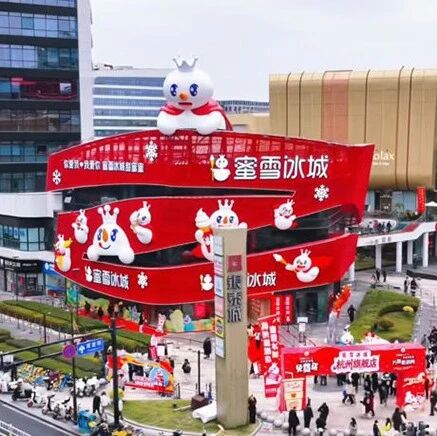
从始祖鸟到雪王,为什么都在开大店?
36氪· 2026-01-03 13:08
Core Viewpoint - The article discusses the trend of large retail stores emerging in various industries, emphasizing their role in enhancing brand experience and community engagement, while also addressing the shift from traditional retail models to more experiential and emotionally-driven shopping environments [5][10][25]. Group 1: Large Store Trends - Miniso has successfully implemented a new large store model, with Miniso Land generating 1.5 billion yuan in sales within its first year in Shanghai, primarily driven by IP products [8][7]. - The trend of opening large stores is not limited to Miniso; brands like Honey Snow Ice City and H&M are also expanding their flagship stores significantly, with sizes ranging from 600 to 2400 square meters [12][21][22]. - The shift towards larger stores is seen as a response to market saturation in smaller formats, with brands aiming to create high-value, differentiated experiences [13][18][30]. Group 2: Consumer Experience and Engagement - Large stores are designed to enhance consumer engagement by offering unique experiences, such as themed areas and exclusive products, which help build brand loyalty [25][35]. - The success of large stores is attributed to their ability to create immersive environments that cannot be easily replicated online, thus providing a compelling reason for consumers to visit [39][68]. - Brands are increasingly focusing on the emotional value of shopping experiences, moving away from purely functional offerings to those that resonate with consumers on a deeper level [7][10][37]. Group 3: Market Dynamics and Challenges - Despite the trend towards large stores, the retail environment is facing challenges, including rising vacancy rates in shopping centers, which have reached 28.7% [30]. - The article notes that while some large store initiatives have failed, successful examples demonstrate that well-executed large stores can outperform traditional formats in terms of sales per square meter [32][45]. - The current retail landscape requires brands to innovate and adapt their strategies to remain relevant, particularly in the face of economic pressures and changing consumer preferences [30][41].
瑞幸盯上蓝瓶咖啡!咖啡头部为何扎堆换东家?
东京烘焙职业人· 2026-01-03 08:33
以下文章来源于餐饮O2O ,作者专注餐饮业创新的 餐饮O2O . 餐饮O2O是中国专注餐饮产业链新媒体,每天分享餐饮产业上下游新鲜资讯+干货案例,以媒体为入 口,为餐饮业提供咨询培训、投融资、供应链、开店选址、创业加盟等行业深度服务。 近期的咖啡行业,正在经历一场静默而深刻的地壳运动。 一连串重磅 并购与出售 传闻,已不只是商业版图的简单改写,更像一场针对 咖啡价值 本身的 " 外科手 术 " 。 从瑞幸被传竞购蓝瓶和 Costa ,到 KDP 千亿收购皮爷母公司,再到星巴克中国控股权易主博裕资本 —— 巨头们正以近乎冷静的姿态, 将业务 " 拆解 " ,保留核心,剥离负担。 这背后是一个根本性质问: 一杯咖啡的价值,究竟附着于何处?是提供空间的实体门店,还是占据心智 的品牌符号? 答案的重写,正引发一场全球性的权力交接。 01 ■ 咖啡圈并购时代: 蓝瓶、皮爷、星巴克中国齐齐 " 换东家 " 近期咖啡行业风起云涌,重磅并购消息接连落地。 从瑞幸被传竞购蓝瓶咖啡和 Costa ,到美国饮料巨头 KDP 宣布收购皮爷咖啡母公司,再到历时近一年 的星巴克中国出售案终定 ...... 一场围绕品牌、渠道与市场话语权 ...



便宜到不像美国!蜜雪冰城价格暴击北美市场,星巴克慌了?
Sou Hu Cai Jing· 2026-01-02 11:52
Core Insights - The opening of the first store of Mixue Ice City in Hollywood, Los Angeles, marks a significant step in its global expansion strategy, responding to previous market entries by competitors like Luckin Coffee [3][5]. Group 1: Market Entry and Strategy - Mixue Ice City’s overseas expansion is a well-planned strategic move rather than a spontaneous decision, leveraging insights gained from intense domestic competition [5]. - The company has successfully replicated its business model in the U.S. market, utilizing competitive pricing and a robust supply chain to create a significant market impact [5][19]. - The pricing strategy in Los Angeles includes a combo package priced at $3.99, which is significantly lower than local competitors, thus reshaping consumer value perception [7][9]. Group 2: Consumer Preferences and Product Offering - Mixue Ice City has tailored its product offerings to meet local consumer preferences, introducing sugar levels of 120%, 150%, and even 200% to cater to American tastes for sweetness [12]. - The brand has transformed its image from a typical tea drink provider to a trendy lifestyle brand, attracting customers with unique product offerings and engaging marketing strategies [14]. Group 3: Supply Chain and Operational Efficiency - The company’s ability to offer low-priced products is supported by a strong global supply chain, which includes a significant agreement with Brazil for sourcing coffee beans worth no less than 4 billion RMB [21][22]. - This strategic supply chain development allows Mixue Ice City to maintain competitive pricing while ensuring product quality, positioning it favorably against competitors [19][24]. Group 4: Broader Implications for Chinese Brands - The success of Mixue Ice City signifies a structural shift in the global market position of Chinese brands, showcasing their ability to compete effectively against established international players [25][31]. - The evolution of Chinese brands in highly competitive domestic markets has led to faster product iterations and more refined marketing strategies, enabling them to outperform less organized overseas markets [31][32].
2025年中国餐饮食品连锁加盟行业白皮书
艾瑞咨询· 2026-01-02 00:03
Core Insights - The Chinese restaurant food chain franchise industry is undergoing significant transformation, driven by macroeconomic recovery and increasing consumer spending power, leading to market expansion and digital transformation [1][4][12] - The rise of home dining and heightened consumer demand for health, efficiency, and social value are reshaping industry structures, prompting chain brands to accelerate their digital transformation and omnichannel marketing strategies [1][10] - The relationship between brands and franchisees is shifting from extensive expansion to refined operations and mutual selection, with a growing group of experienced "professional franchisees" [1][47] Market Overview - The Chinese restaurant food market reached 12.6 trillion yuan, with a compound annual growth rate (CAGR) of approximately 7.2% from 2020 to 2024, driven by both service and retail sectors [9] - The restaurant service sector is recovering strongly post-pandemic, with an annual growth rate nearing 9%, while food retail is experiencing structural upgrades with high-value subcategories [9][10] - The home dining market is growing rapidly at an annual rate of 18.4%, expected to account for 13.5% of the overall food retail market by 2029, indicating a significant shift towards retailization in the industry [10][36] Consumer Spending Trends - From 2020 to 2024, urban and rural residents' per capita consumption expenditure is showing a recovery trend, with urban growth at 6.4% and rural at 8.9%, reflecting the ongoing vitality of the lower-tier market [6] - Food and beverage spending remains stable and resilient, providing a solid demand foundation for the restaurant food industry [6] Franchise Market Dynamics - The franchise market is dominated by the restaurant sector, which accounts for nearly 50% of the market, indicating its high-frequency consumption and standardization advantages [20] - The chain rate in the restaurant service sector is expected to rise from 15% to 24% between 2020 and 2025, although it still lags behind developed markets like Japan and the U.S. [12] - The competitive environment is shifting towards refined operations, with franchisees focusing on quality site selection and cost structures as market saturation increases [24][48] Investment Considerations - Franchisees are increasingly favoring low-investment, high-profit margin segments, with the home dining sector being particularly attractive due to its lower entry barriers and shorter investment return periods [34][36] - The home dining segment is characterized by a high degree of standardization and flexibility in product offerings, making it appealing for franchisees [32][34] Brand Selection Criteria - Franchisees prioritize brands with clear profit models, operational support, and a proven track record, leading to a dual selection mechanism between brands and franchisees [48] - The leading brand in the home dining sector, Guoquan Shihui, is recognized for its low investment threshold, mature replicable model, and diverse product matrix, making it a preferred choice for franchisees [39][40] Digital Transformation - The industry is witnessing a pressing need for digital transformation to support scale expansion and profitability, with brands leveraging data-driven site selection and standardized operational systems [44] - Digital management of supply chains is enhancing control, reducing waste, and improving efficiency, which is crucial for increasing single-store profitability [44] Conclusion - The Chinese restaurant food chain franchise industry is poised for growth, driven by changing consumer behaviors, digital transformation, and evolving franchisee dynamics, presenting numerous opportunities for investment and expansion [1][9][12]