
美的集团

Search documents
美国犹太人资本巨头贝莱德,已经全方位渗透了中国市场?
Sou Hu Cai Jing· 2026-02-15 05:55
Core Viewpoint - BlackRock is aggressively increasing its holdings in Chinese stocks, such as Haier Smart Home and WuXi Biologics, indicating a strategic move to capitalize on undervalued assets in China's technology and industrial digitalization sectors [1][3][5]. Group 1: Investment Strategy - BlackRock's recent actions include reducing its stakes in companies like Midea and BYD while simultaneously increasing its holdings in firms like WuXi Biologics and Bank of China, reflecting a focus on "low valuation" opportunities [3][5]. - The performance of BlackRock's funds, such as the Advanced Manufacturing Mixed A fund, which achieved a 63.34% annual increase in 2025, suggests a successful investment strategy despite some fourth-quarter pullbacks [3][5]. Group 2: Market Influence - BlackRock manages assets exceeding $14 trillion, making it one of the largest financial entities globally, comparable to the economies of major countries [5][12]. - The firm has strategically invested in key sectors, including renewable energy and biotechnology, and has stakes in major Chinese companies like CATL, BYD, Tencent, and state-owned enterprises [19][21]. Group 3: Regulatory Environment - China is adopting a balanced approach to foreign investment, welcoming capital while ensuring regulatory oversight to prevent potential disruptions to its market [23][25]. - Recent regulatory changes, such as the reduction of the foreign investment negative list and the establishment of the National Financial Supervision Administration, aim to manage foreign capital while maintaining national security [25][27]. Group 4: Long-term Perspective - BlackRock's entry into the Chinese market is viewed as a strategic move for both parties, with China benefiting from foreign capital and technology while BlackRock seeks to leverage China's growth potential [27][29]. - The relationship between BlackRock and the Chinese market is characterized as a fair exchange of interests, emphasizing the importance of maintaining regulatory frameworks to ensure mutual benefits [27][29].



2026年货消费观察 |“焕新式年货”,这些上市公司正占领市场
Xin Lang Cai Jing· 2026-02-15 00:02
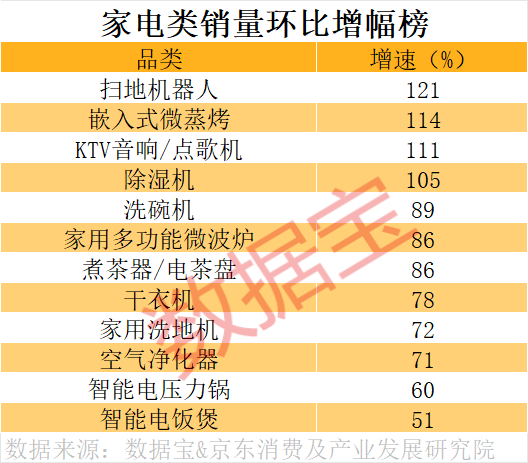
Core Insights - The definition of "New Year goods" is evolving, with traditional items being replaced by more technologically advanced and practical "smart goods" as consumer preferences shift towards enhancing the quality of life for parents [1][10] - The rise of "smart New Year goods" is particularly notable in rural markets, where products like smart home appliances are becoming popular choices among younger consumers [1][11] Consumer Trends - Young consumers are increasingly opting for gifts that improve their parents' quality of life, such as dishwashers and robotic vacuum cleaners, rather than traditional gifts like alcohol and grains [2][11] - The sales of smart appliances have seen significant growth, with robotic vacuum cleaners increasing by 121% and embedded micro-steaming ovens by 114% during the festive season [3][11] Market Dynamics - The improvement of logistics, 5G network coverage, and payment environments in rural areas has made online shopping for smart appliances more accessible [6][16] - Government subsidies ranging from 10% to 15% for green smart appliances have further lowered the consumption threshold for rural residents [6][16] Industry Response - Home appliance companies are adapting their product strategies to meet the needs of rural consumers, offering customizable and easy-to-install devices [7][17] - Brands are launching special promotional packages for the New Year, combining multiple smart appliances with discounts and installment payment options to stimulate demand [7][17] Investment Opportunities - High dividend-yielding companies in the home appliance sector are attracting attention, with companies like Gree Electric, Supor, and Hisense showing dividend yields above 3% [8][18] - Supor is noted for its nearly 100% dividend payout ratio for 2024, indicating strong financial health and investor interest [8][18]



腾讯出行服务支持20个国家和地区境外打车;比亚迪正式进入埃及市场|36氪出海·要闻回顾
36氪· 2026-02-14 13:15
Group 1 - Tencent's ride-hailing service has integrated with Uber, supporting over 20 countries and regions, including Hong Kong, Japan, and the UK, allowing users to access the service via WeChat Mini Programs and use WeChat Pay [3] - BYD has officially entered the Egyptian market in collaboration with Mansour Group, showcasing three new car models and aiming for overseas sales of 1.3 million units by 2026, a nearly 25% increase from the 2025 target of over 1.04 million units [4] - AITO Wenjie has announced its entry into the UAE market through a partnership with Abu Dhabi Motors, marking a significant step in its global expansion strategy [4] Group 2 - FAW Jiefang has signed a strategic dealer cooperation agreement with a Saudi distributor, including a memorandum for the first batch of 500 vehicles, focusing on high-quality commercial vehicle products and services in Saudi Arabia and surrounding markets [5] - Junlian Zhixing showcased its full range of intelligent automotive solutions at Volkswagen's global headquarters, emphasizing core solutions in intelligent driving assistance and vehicle safety [5] - Pop Mart announced that it expects to sell over 400 million products globally across all IP categories by 2025, with THE MONSTERS category alone projected to exceed 100 million units [5] Group 3 - WeRide and Uber have upgraded their strategic partnership to deploy at least 1,200 Robotaxis in the Middle East by 2027, aiming to become the largest commercial Robotaxi project in the region [5] - LoBo Kuaipao and Uber plan to launch fully autonomous driving services in Dubai by Q1 2026, marking the first such service in the city [6] - Midea Group has signed a strategic cooperation memorandum with CMA CGM to enhance cross-border logistics efficiency between China and the US [7] Group 4 - Qunche Intelligent has completed a multi-hundred million yuan Series A financing round, with participation from several overseas funds, to expand its global market presence [8] - HeXin Power has completed a multi-million yuan angel round financing, focusing on agricultural embodied intelligence and expanding into global markets [8] - MiFeng Technology, a subsidiary of Zhiyuan Robotics, has completed several hundred million yuan in seed and angel round financing, aiming to enhance technology development and global expansion [9] Group 5 - The global humanoid robot shipment is expected to reach 17,800 units by 2025, with a year-on-year growth of 508%, and Chinese manufacturers leading the market [11] - China is deepening trade cooperation with South Africa and Kenya, with South Africa seeking zero-tariff access for 100% of its products to China [12] - China's digital trade surplus is projected to double by 2025, driven by rapid global expansion in cloud computing and AI sectors [12]

核心资产基金池202602:低波动质量投资
Guolian Minsheng Securities· 2026-02-14 05:09
Group 1: Report's Industry Investment Rating - No relevant content provided Group 2: Report's Core View - The report defines core assets in A - shares from four perspectives: track leaders, resource endowments, excellent business models, and technological advantages, and selects core - asset funds for investors' reference. From February 2, 2015, to February 6, 2026, the fund pool had an annualized return of 9.14% and a portfolio annualized Sharpe ratio of 0.51. The core - asset portfolio achieved excess returns in most years, with excess returns mainly coming from industry and stock selection, and a style more inclined to large - cap quality investment. The current long - term industry allocation is mainly in consumption, cycles, and finance, with a significant increase in the latest cycle - sector holdings and a reduction in consumption - sector allocation [7]. Group 3: Summary According to the Directory 1 Core Asset Fund Pool Concept Introduction and Historical Performance 1.1 Core Asset Investment Concept Introduction - Core assets are companies with core competitive advantages, excellent financial indicators, and stable governance. The report looks for core - asset enterprises from four perspectives: track leaders, resource endowments, excellent business models, and technological advantages, aiming to form a regularly updated core - asset stock pool. The industry distribution of the core - asset stock pool follows macro - economic changes, shifting from the financial and cycle sectors to a relatively balanced distribution of consumption, TMT, and manufacturing [10][13]. 1.2 Core Asset Fund Pool: Low Portfolio Volatility - From February 2, 2015, to February 6, 2026, the fund pool had an annualized return of 9.14% and a portfolio annualized Sharpe ratio of 0.51. The core - asset portfolio achieved excess returns in most years, especially in volatile, bear, and structural bull markets. The excess returns mainly came from stock selection and industry allocation, but it was not dominant in dynamic returns. The configuration style is large - cap high - quality investment, with relatively low portfolio elasticity and growth, prominent value attributes, and strong profitability of holdings. The current industry allocation is mainly in cycles and consumption, with a significant increase in the latest cycle - sector holdings and a reduction in consumption - sector allocation [16][18][24]. 2 Core Asset Fund Pool Definition and Screening 2.1 Definition of Core - Asset Type Funds - The definition is based on the relatively low - valuation characteristics of holdings. The research objects are active equity funds, with a sample of fund products and fund managers. The requirements include a tenure of over 1 year, a current scale of over 100 million yuan, exclusion of fixed - open and holding - period products, an average equity position of over 60% since the current fund manager took office, an average proportion of the top ten heavy - holding stocks in stock investment of over 35%, an average proportion of core - asset stocks in heavy - holding stocks of over 50% since the current fund manager took office, an average proportion of core - asset stocks in heavy - holding stocks of over 60% in the past year, and a minimum heavy - holding proportion of over 40% [27]. 2.2 Core Asset Fund Pool Screening - Select funds with low exposure to the heavy - holding beta factor in the past 12 months and a high ratio of operating cash flow TTM to total market value. Construct relevant factor combinations and select the top 10 funds by factor score with equal weight. The current portfolio holding list includes 10 funds such as Southern Component Selection A, with scale data as of December 31, 2025, and performance data as of February 6, 2026 [28]. 3 Multidimensional Analysis of Portfolio Funds - Southern Component Selection A focuses on the growth style, invests in multiple growth tracks such as electronics and machinery, and has outstanding stock - picking ability, suitable for investors who can tolerate short - term market fluctuations [30]. - Dacheng Selective Value - Added A adheres to a value - growth balanced strategy, focuses on consumer leaders, high - dividend technology, and consumer - technology hardware, has stable long - term stock - picking ability and good drawdown control, but is limited in elasticity during extreme style switches [32]. - Penghua Strategy Preferred focuses on the mid - cap growth style, focuses on "cycle + growth" tracks such as non - ferrous metals and power equipment, and is suitable for investors seeking long - term stable returns [35]. - Taiping Flexible Allocation uses a top - down multi - factor analysis method to dynamically adjust the investment ratio of assets such as stocks, bonds, and stock index futures to reduce risks and maximize returns [36][37]. - Nord New Prosperity A advocates a long - term investment concept, focuses on excavating high - quality enterprises with continuous growth potential, and obtains returns through medium - and long - term holding [39]. - ICBC New Blue - Chip A looks for undervalued assets in industries with low market attention, focuses on industry supply - side changes and improvement opportunities in supply - demand relationships, and lays out at the market's expected low point [41]. - Penghua Extended Growth has a bottom - up investment style, dilutes timing, diversifies industries but concentrates on individual stocks, and uses a self - built model to lock in the "certainty" of performance growth [43]. - HSBC Jintrust Consumption Dividend uses a combination of top - down and bottom - up methods, analyzes the macro - economic environment, policy orientation, and industry development trends to judge the prosperity of different consumer sub - industries, and preferentially allocates industries in the upward cycle or with long - term growth potential [46][47]. - Southern Quality Preferred A believes that the essence of investment is to judge the difference between the intrinsic value and market price of assets, and emphasizes finding "undervalued" opportunities through in - depth research [49]. - Dacheng Core Value Selection A adheres to the value - investment concept, looks for high - quality enterprises with intrinsic value through in - depth analysis of enterprise financial conditions, free cash flow, competitive barriers, and long - term profitability, and aims for long - term holding [52].
河南首富拿到一笔“过冬钱”
Xin Lang Cai Jing· 2026-02-14 03:10
Core Viewpoint - The article discusses the recent listing of Muyuan Foods on the Hong Kong Stock Exchange, highlighting its ambitions for international expansion and the challenges it faces in the current pork market cycle. Group 1: Company Overview - Muyuan Foods, led by Qin Yinglin, has become the largest pig farming enterprise in China and globally, with a net worth of 187 billion yuan, ranking 16th on the Hurun Rich List [4][6][19]. - The company completed its "A+H" listing on February 6, raising 10.47 billion HKD, with plans to use 60% of the funds for international market expansion [6][25]. Group 2: Market Performance - On its first trading day, Muyuan's stock rose only 3.90%, attributed to a decline in pork prices, with an average selling price of 12.57 yuan/kg in January, down 16.92% year-on-year [8][26]. - The company expects a net profit of 15.1 to 16.1 billion yuan for 2025, a decrease of 14.12% to 19.45% compared to the previous year [30]. Group 3: Investment and Partnerships - Major cornerstone investors include Charoen Pokphand Foods, which invested approximately 1.56 billion HKD, and Wilmar International, which invested about 546 million HKD [27][28]. - Muyuan is exploring overseas opportunities, particularly in Southeast Asia, and has partnered with BAF Vietnam Agricultural Co., providing services like pig house design and smart farming [9][29]. Group 4: Industry Challenges - The pork industry is currently experiencing a downturn, with many producers facing losses due to the cyclical nature of pig prices, often referred to as the "pig cycle" [12][36]. - The company has faced significant challenges, including a reported loss of 4.263 billion yuan in 2023, marking its first annual loss since its listing [15][35]. Group 5: Future Outlook - Muyuan aims to leverage its international listing to enhance its core business and expand its global footprint, with a focus on technological innovation and cost control [7][18]. - The company plans to maintain a competitive edge through continuous improvement in breeding, smart farming, and biosecurity measures [6][30].


中国公司全球化周报|腾讯出行服务支持20个国家和地区境外打车/比亚迪正式进入埃及市场
3 6 Ke· 2026-02-14 02:16
Group 1: Events and Forums - The "Dubai Business Forum - China" will take place in Shenzhen on May 14, 2026, focusing on economic collaboration and investment opportunities between China and Dubai [2] - A closed-door sharing session on Japanese robot market entry will be held in Shenzhen on March 12, organized by JETRO and 36Kr [3] Group 2: Company Developments - Tencent's ride-hailing service has integrated with Uber, supporting services in 20 countries and regions, including Hong Kong and Japan [4] - Temu has partnered with DEKRA to enhance product safety compliance for electronic goods on its platform [4] - BYD has officially entered the Egyptian market in collaboration with Mansour Group, showcasing three new car models [4] - AITO announced its entry into the UAE market through a partnership with Abu Dhabi Motors [5] - FAW Jiefang signed a strategic agreement with a Saudi dealer for the first batch of 500 vehicles [5] - Junlian Zhixing showcased its intelligent automotive solutions at Volkswagen's global headquarters [5] Group 3: Financing and Investments - Qunche Intelligent has completed a multi-hundred million yuan Series A financing round, with participation from several overseas funds [8] - Hexin Power has secured several million yuan in angel round financing, focusing on agricultural intelligent solutions [8] - Bee Technology, a subsidiary of Zhiyuan Robotics, has completed several hundred million yuan in seed and angel round financing [8] - MossCode, an AI smart sports wear brand, has completed several million yuan in angel round financing, planning to launch in the European and American markets in 2026 [9] - Starry Dream House has completed a total of 80 million yuan in financing, with significant orders secured in Australia [9] Group 4: Market Trends and Policies - The surgical robot market is expected to grow significantly, with AI enabling autonomous operations and enhancing remote surgery capabilities [10] - By 2025, global humanoid robot shipments are projected to reach 17,800 units, with Chinese manufacturers leading the market [11] - China is deepening trade cooperation with South Africa and Kenya, aiming for zero-tariff access for products [12] - China's digital trade surplus is expected to double by 2025, driven by rapid growth in cloud computing and AI sectors [12]



傅友兴卸任广发基金副总经理,现管规模超百亿,代表作广发稳健增长近两年、近三年、近五年跑输基准
Xin Lang Cai Jing· 2026-02-13 16:05
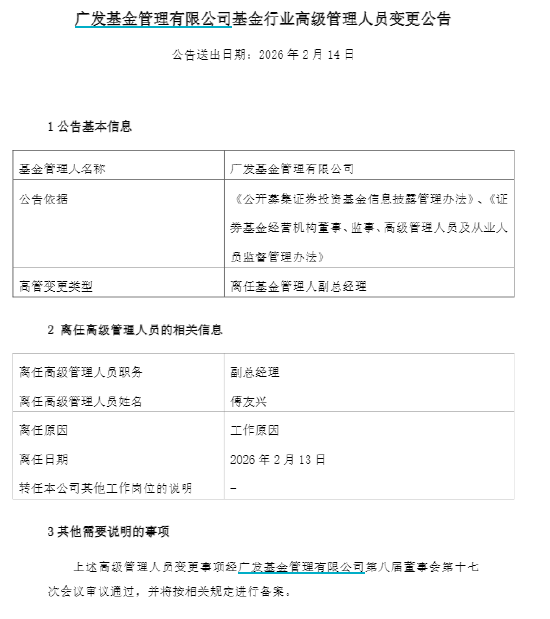
炒股就看金麒麟分析师研报,权威,专业,及时,全面,助您挖掘潜力主题机会! 2月13日,广发基金公告,因为工作原因,傅友兴不再担任副总经理职务。 | 离任高级管理人员职务 | 副总经理 | | --- | --- | | 离任高级管理人员姓名 | 博友兴 | | 离任原因 | 工作原因 | | 离任日期 | 2026年2月13日 | | 转任本公司其他工作岗位的说明 | 1 | | 基金管理人名称 | 发基金管理有限公司 | | --- | --- | | 公告依据 | 《公开募集证券投资基金信息披露管理办法》、《证 | | | 养基金经营机构董事、监事、高级管理人员及从业人 | | | 员监督管理办法》 | | 民将思令如何 | 图任基金管理人副总经理 | 资料显示,傅友兴先生,中国籍,经济学硕士,曾任天同基金研究员、基金经理助理、投委会秘书,广 发基金研究发展部研究员、基金经理助理、研究发展部副总经理、研究发展部总经理、权益投资一部副 总经理、多只产品基金经理等。此次变更前,担任广发基金副总经理、高级董事总经理、联席投资总 监、价值投资部总经理等职位。 傅友兴证券从业经历24年。担任基金经理13年。现任基金 ...
曾叫板董明珠,扬言做世界第一,老牌空调企业倒在了春节前!
Sou Hu Cai Jing· 2026-02-13 15:34
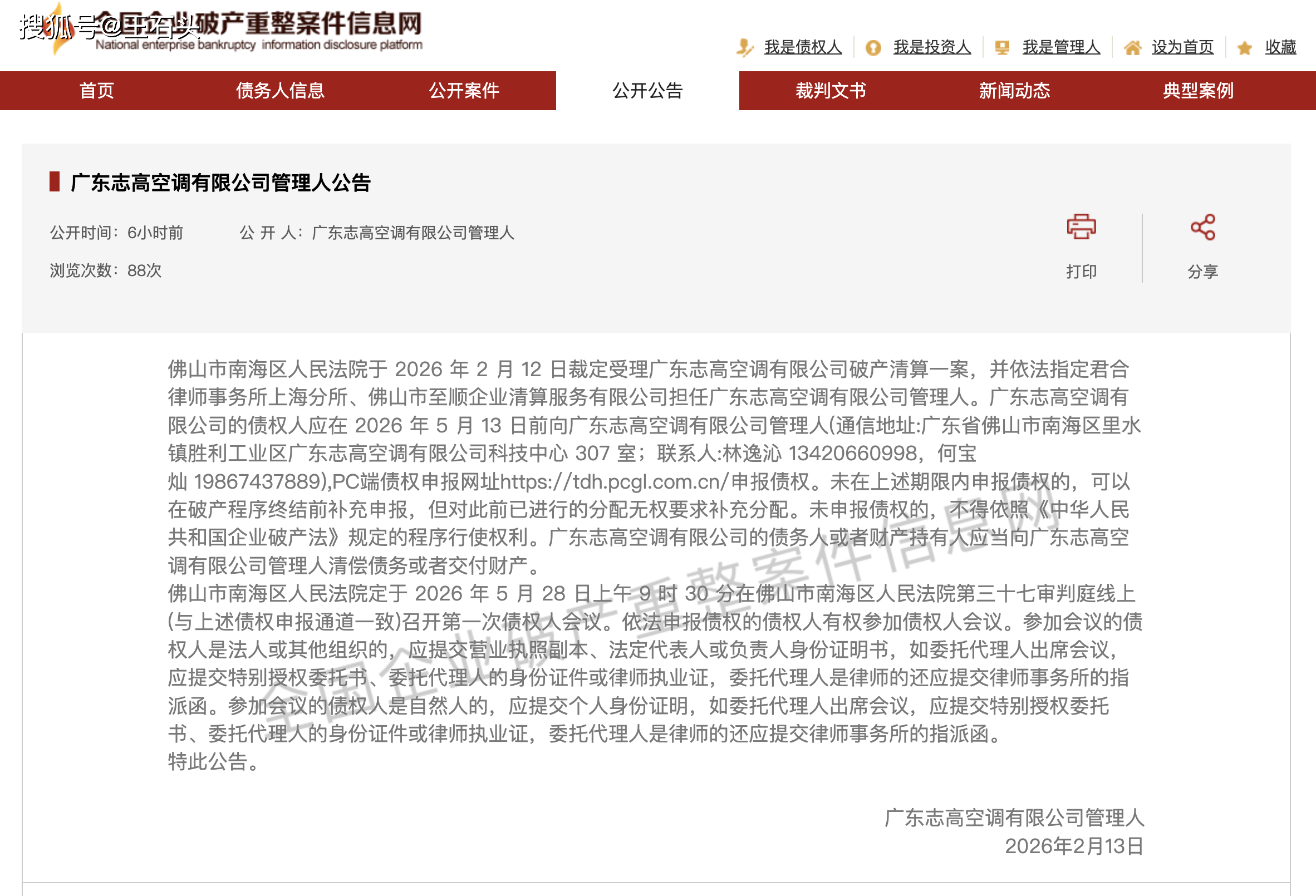
Core Viewpoint - Zhigao Air Conditioning, once a prominent player in the Chinese air conditioning market, has officially declared bankruptcy, marking the end of an era for the brand that once aimed to compete with industry giants like Gree and Midea [1][10]. Company History - Zhigao Air Conditioning was founded in 1994 and quickly rose to prominence, becoming one of the "Four Little Dragons" in the air conditioning industry, alongside Gree, Midea, and Haier [3][6]. - By 2008, Zhigao held the fourth largest market share in China, and in 2010, it even reached the third position, showcasing its rapid growth and success [3][6]. Founder and Business Journey - Founder Li Xinghao transformed Zhigao from a small business into a publicly listed company, leading it to its peak in 2009 when it capitalized on government policies promoting energy-efficient appliances [6][8]. - Li was known for his bold statements, openly challenging competitors like Dong Mingzhu and expressing ambitions to create the best air conditioner in the world [6][8]. Decline and Bankruptcy - The company's fortunes began to decline sharply in 2018, with a reported loss of 480 million yuan, which escalated to 1.4 billion yuan in 2019, leading to its delisting from the Hong Kong Stock Exchange [8][10]. - Despite attempts to revive the brand and achieve a compound annual growth rate of over 80% from 2022, the recent bankruptcy announcement has dashed hopes for a comeback [10]. Market Context - The competitive landscape has intensified, with established players like Gree and Midea dominating the market, leaving little room for Zhigao to recover [10]. - The story of Zhigao serves as a reflection of the challenges faced by companies in a rapidly evolving market, highlighting the risks of aggressive expansion and competition [10].
中国厂商掌握6成日本电视市场
36氪· 2026-02-13 13:34
Core Viewpoint - The article discusses the significant shift in the Japanese television market, highlighting the increasing dominance of Chinese companies and the necessity for Japanese firms to adapt their business models as they retreat from the consumer electronics sector [4][5]. Group 1: Market Dynamics - Sony Group plans to divest its television business, transitioning it to a joint venture led by Chinese giant TCL, which will result in Chinese companies controlling 60% of the Japanese domestic television market by 2025 [5][6]. - REGZA, a brand associated with Toshiba, is primarily manufactured and sold by TVS REGZA, which is 95% owned by China's Hisense Group, indicating a significant shift in capital ownership within the market [5][6]. Group 2: Competitive Landscape - Chinese companies, such as TCL, are outperforming Japanese firms in pricing, with a 43-inch 4K LCD TV priced around 50,000 yen (approximately 2,257.55 RMB) compared to Sony's price of around 100,000 yen (approximately 4,515.1 RMB) [5]. - By 2025, if Sony's brand is fully integrated into the TCL-led joint venture, the Chinese market share in Japan's television sector is projected to reach 60% [6]. Group 3: Broader Implications - The global television market is increasingly dominated by companies like Samsung and LG, with Japanese firms losing their competitive edge [8]. - Panasonic is the only major Japanese company pursuing an independent strategy in the television sector, while others are considering divestment or restructuring [8][9]. - Japanese companies are shifting focus from hardware to digital services and infrastructure, as exemplified by Sony and Hitachi's transition to revenue models based on continuous service offerings [9].



家用电器行业双周研究观点:把握龙头α:治理提效和海外扩张-20260213
GF SECURITIES· 2026-02-13 12:01
Core Insights - The report emphasizes the importance of governance improvement and overseas expansion for leading companies in the home appliance industry, particularly in the white goods sector [2][11]. Group 1: White Goods - The governance improvements in leading white goods companies are expected to enhance market confidence in sustainable growth, which can lead to a higher valuation [16]. - Midea Group has experienced a significant valuation increase from a PE of 8x to over 20x due to governance reforms and market conditions, despite recent performance challenges [17]. - Haier Smart Home's privatization has led to a notable stock price increase, with a 59% rise following the announcement of its restructuring plan [22][23]. Group 2: Black Goods - Japanese brands like Sony and Samsung are facing significant challenges, with Sony's ET&S department reporting an 8.2% decline in revenue and a 22.6% drop in operating profit [47][49]. - Chinese brands are expected to continue gaining market share globally, with TCL Electronics forming a joint venture with Sony to enhance their market presence [48]. - The Mini LED segment is seeing increased penetration, with a 32.25% online market share, indicating a positive trend for domestic competition [50][56]. Group 3: Small Appliances - The robotic vacuum cleaner market has shown a 10% year-on-year increase in online sales, driven by a low base effect from the previous year and seasonal factors [7]. - The competitive landscape in the small appliance sector is improving, with leading brands like Ecovacs and Roborock increasing their market shares [7]. Group 4: Investment Recommendations - The report recommends investing in white goods companies like Midea Group, Haier Smart Home, Gree Electric, and Hisense Home Appliances due to their stable growth and high dividend yields [7]. - For black goods, TCL Electronics and Hisense Visual are highlighted as beneficiaries of product iteration and improved domestic competition [7]. - In the cleaning appliance sector, Ecovacs and Roborock are expected to see profit margin recovery in 2026, making them attractive investment options [7].

