
长安汽车

Search documents
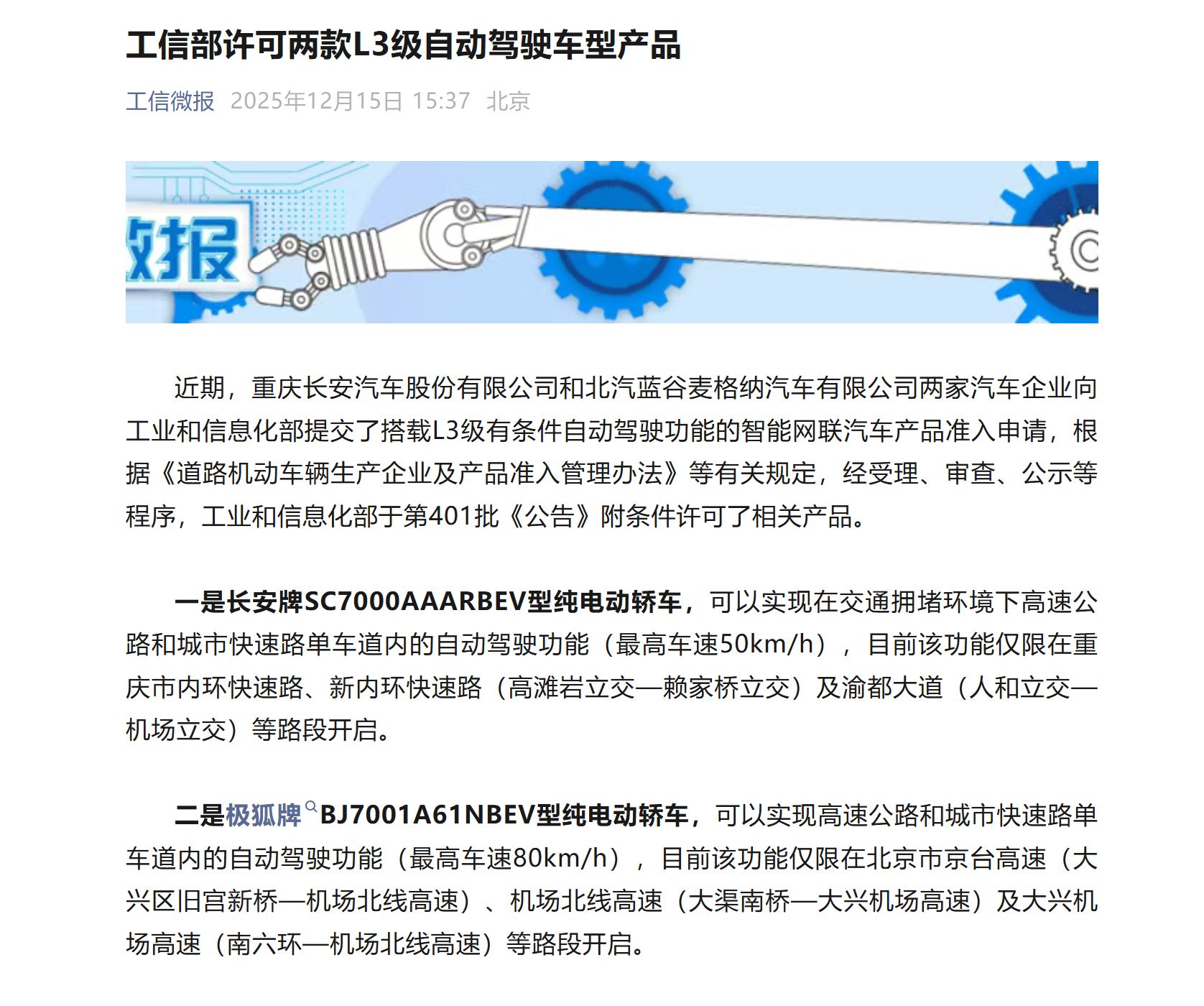
首批L3级自动驾驶车型获批 车企明确:L2车辆暂无法直接升级
Mei Ri Jing Ji Xin Wen· 2025-12-19 00:50
Core Viewpoint - The approval of the first L3-level conditional autonomous driving models in China marks a significant milestone in the transition from "assisted driving" to "autonomous driving," fundamentally altering the responsibility chain in driving and paving the way for commercial applications in specific scenarios [2][5][9]. Group 1: Market Response - Following the announcement of L3-level model approvals, the capital market reacted swiftly, with several stocks in the intelligent driving sector experiencing significant gains, indicating strong investor interest [4]. - The approval is seen as a leap towards mass production and application of intelligent connected vehicles, reflecting a balance between regulatory oversight and technological advancement [4][17]. Group 2: Technical and Regulatory Developments - The L3-level models approved include Changan's "Deep Blue SL03" and BAIC's "Arcfox Alpha S6 (L3 version)," which will operate in designated areas in Chongqing and Beijing, respectively, under specific speed limits [6][8]. - The transition to L3-level driving involves a shift in responsibility from the driver to the system under certain conditions, a significant change from L2-level systems where the driver retains full responsibility [5][10]. Group 3: Future Projections - Industry experts predict that by 2026, the penetration rate of L3 and above autonomous vehicles could reach 10%, with L3-level vehicles expected to be commercially viable in specific applications such as airport shuttles and campus commuting [5][25]. - The market for Robotaxi services is projected to grow significantly, with estimates suggesting a market size exceeding 2.93 trillion yuan by 2030, driven by advancements in autonomous driving technology [12][24]. Group 4: Technological Innovations - The cost of key components for autonomous driving, such as lidar and AI chips, is decreasing, which is expected to stimulate the entire supply chain and create new business models in the automotive industry [21][24]. - The integration of advanced sensor technologies and AI models is crucial for the development of reliable L3-level autonomous driving systems, with a focus on multi-sensor fusion to handle complex driving environments [26][30]. Group 5: Regulatory Framework - The approval process for L3-level vehicles has been gradual, involving multiple stages of regulatory development and safety assessments, indicating a structured approach to integrating autonomous vehicles into the market [13][15]. - Local regulations, such as those in Beijing and Wuhan, are being established to support the commercialization of L3-level autonomous vehicles, providing a framework for future developments [16][30].



从“辅助”到“自动”的关键一跃!首批L3级自动驾驶车型获批,车企明确:L2车辆暂无法直接升级
Mei Ri Jing Ji Xin Wen· 2025-12-19 00:36
Core Viewpoint - The approval of L3-level conditional autonomous driving vehicles in China marks a significant milestone in the transition from L2-level assistance to true automation, fundamentally altering the responsibility chain in driving and opening new market opportunities for the automotive industry [4][10][19]. Group 1: Market Response and Impact - Following the announcement of L3-level vehicle approvals, the stock market reacted positively, with several companies in the intelligent driving sector experiencing significant stock price increases, indicating strong investor interest [6][19]. - The approval of L3 vehicles is expected to lead to a competitive landscape where companies that can leverage L3 technology will gain a strategic advantage in the automotive market [10][19]. Group 2: Technical Specifications and Regulations - The first two approved L3 vehicles, the Changan Deep Blue SL03 and the BAIC Arcfox Alpha S6, will operate in designated areas with maximum speeds of 50 km/h and 80 km/h respectively, highlighting the initial application of L3 technology in specific scenarios [8][10]. - The L3 technology represents a shift in responsibility from the driver to the system under certain conditions, which is a fundamental change from L2 systems where the driver retains full responsibility [7][10]. Group 3: Future Projections and Industry Trends - Industry experts predict that by 2026, the penetration rate of L3 and above autonomous vehicles could reach 10%, with L2-level vehicles expected to achieve a 70% market penetration [10][27]. - The development of L3 technology is anticipated to create a new market worth trillions, as the industry shifts from selling vehicles to selling mileage, particularly in specific applications like airport shuttles and logistics [26][27]. Group 4: Challenges and Considerations - Despite the advancements, the rollout of L3 vehicles will face challenges, including the need for high-precision infrastructure and regulatory frameworks to ensure safety and operational efficiency [31][32]. - The approval process for L3 vehicles has been gradual, involving extensive testing and regulatory compliance, which underscores the importance of a robust safety and operational framework for the future of autonomous driving [19][28].
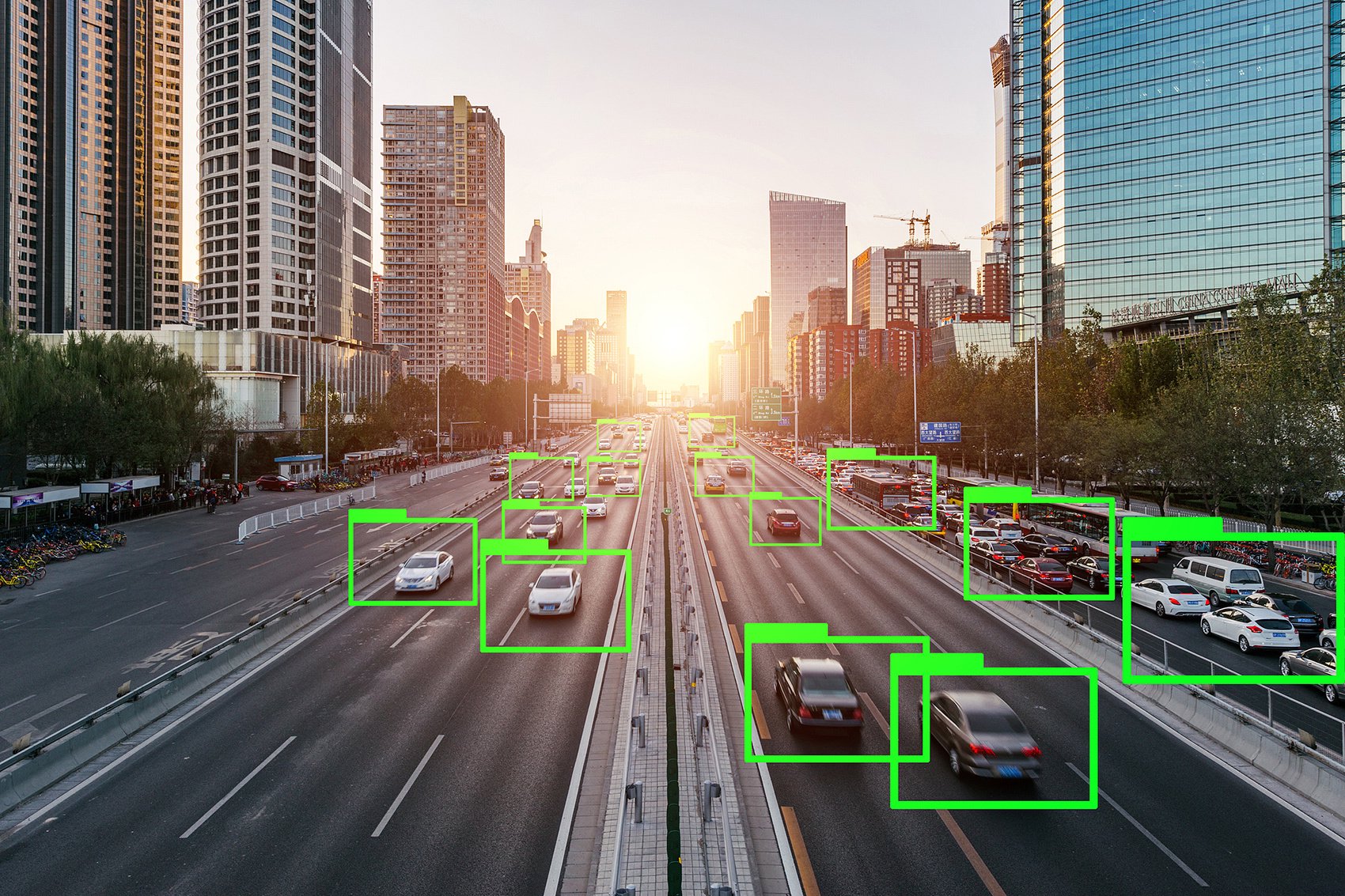
出行观|L3级自动驾驶将进入生活,但行业仍需“谨慎乐观”
Guan Cha Zhe Wang· 2025-12-18 23:49
Core Viewpoint - The approval of L3-level conditional autonomous driving vehicles marks a significant milestone in China's autonomous driving technology, transitioning from testing to mass production [2][3] Group 1: Product Approval - The Ministry of Industry and Information Technology approved two models with L3-level conditional autonomous driving capabilities: Changan Automobile's Deep Blue SL03 and BAIC Group's Arcfox Alpha S6 [2] - The Deep Blue SL03 features Changan's self-developed "Tianshu Intelligent" system, while the Arcfox Alpha S6 is equipped with Huawei's QianKun Intelligent Driving ADS system [2] - This approval indicates that L3-level autonomous driving technology is moving from "test tracks" to "mass production" [2] Group 2: Conditional Nature of L3 - L3 is classified as "conditional autonomous driving," meaning the vehicle can perform all driving tasks under specific conditions, but the driver must be ready to take control when requested [4] - The operational limits for these L3 vehicles include specific urban areas, road types, speed limits, and scenarios, as outlined in the Ministry's announcement [4][5] - For instance, the Deep Blue SL03 can operate in congested traffic on highways and urban expressways at a maximum speed of 50 km/h, while the Arcfox Alpha S6 can do so at up to 80 km/h [4] Group 3: Regulatory and Management Framework - The approval of L3 products necessitates the establishment of a management and regulatory framework to address issues such as traffic responsibility, insurance, and policy integration [6] - The process of validating and refining standards, regulations, and policies will be crucial as L3 vehicles are introduced on the roads [6] - This approval is seen as a "constrained advancement," acknowledging technological progress while setting clear operational boundaries for future advancements in autonomous driving [6] Group 4: Future Outlook - A cautious optimism is suggested regarding the impact of L3 product approval on transportation and industry dynamics, emphasizing the importance of not overestimating its current capabilities [7] - The future of autonomous driving in China will depend on both technological capabilities and the patience to progress step by step [7]
汽车圈,快没甲方了
汽车商业评论· 2025-12-18 23:05
Core Viewpoint - The article emphasizes the importance of a healthy payment cycle (60 days) in the automotive supply chain, highlighting its role in fostering trust and collaboration between manufacturers and suppliers, ultimately leading to sustainable development and innovation in the industry [4][5][13]. Payment Cycle Importance - A healthy payment cycle is crucial for the sustainable development of the entire value chain, as it impacts investment in new technologies and production capacity [4][23]. - The 60-day payment policy has been adopted by several major automotive companies, reflecting a shift towards a more supportive relationship between manufacturers and suppliers [5][7]. - Suppliers view the 60-day payment cycle as essential for maintaining cash flow, which is necessary for innovation and operational stability [7][19]. Shift in Manufacturer-Supplier Relationships - The relationship between manufacturers and suppliers is evolving from a traditional supply-demand dynamic to a more collaborative, long-term partnership model [7][30]. - Manufacturers recognize that the success of their operations is intertwined with the financial health of their suppliers, leading to a more symbiotic relationship [7][21]. - The emergence of the Tier 0.5 model signifies a qualitative leap in collaboration, where suppliers are involved early in product development, enhancing innovation and responsiveness to market changes [9][30]. Tier 0.5 Model - The Tier 0.5 model emphasizes co-creation and innovation, allowing suppliers to participate in defining products and responding to consumer feedback more effectively [9][30]. - This model fosters deep mutual trust and collaboration, enabling both manufacturers and suppliers to innovate and adapt to rapidly changing market conditions [9][33]. - Suppliers are increasingly seen as partners in the innovation process, contributing ideas and capabilities from the early stages of product development [9][35]. Global Market Expansion - The collaborative efforts between manufacturers and suppliers are essential for successfully entering global markets, particularly in the context of increasing competition [10][56]. - Companies are focusing on building strong supply chains that can support international expansion, leveraging the capabilities of both domestic and international partners [10][59]. - The automotive industry is witnessing a shift towards a more integrated approach to global market strategies, where collaboration across the supply chain is key to success [10][60].

从汽车产业“三个3000万”看中国经济潜能
Ren Min Ri Bao· 2025-12-18 21:52
Group 1 - China's economy is characterized by its large scale, resilience, and potential, with a focus on fully tapping into economic potential as emphasized by President Xi Jinping [1][3] - The automotive industry has seen significant milestones, with FAW-Volkswagen producing its 30 millionth vehicle and Changan Automobile achieving the same for Chinese brands, highlighting the rapid growth and innovation in the sector [2] - In the first 11 months of the year, China's automobile production and sales exceeded 31 million units, with a notable increase in new energy vehicle sales, showcasing the advantages of a large-scale market and a complete industrial system [2] Group 2 - The transition from traditional fuel vehicles to new energy vehicles, along with advancements in automation and intelligence, is driving the automotive industry's leap forward, with companies like Changan and BYD leading in innovation [4] - High-tech industries in China reported a 14.7% increase in sales revenue year-on-year in the first 11 months, indicating a broad shift towards new technologies across various sectors [4] - The integration of urban and rural economies is evident, with significant sales of new energy vehicles in rural areas and a substantial increase in logistics services, reflecting the potential in underdeveloped markets [5] Group 3 - The government plays a crucial role in guiding and facilitating the release of economic potential, particularly in the automotive sector, where measures have been taken to address competition and improve profitability [8][9] - China's strategic planning in the electric vehicle sector has positioned it as a global leader, supported by long-term policies and investments aimed at technological innovation and industry upgrades [10] - The focus on reform and policy support is essential for transforming economic potential into development momentum, with ongoing efforts to address challenges and optimize resource allocation [11][12][13] Group 4 - The importance of localized strategies is emphasized, with different regions encouraged to leverage their unique advantages for economic development, avoiding uniform approaches that lead to redundancy [15][17] - The integration of domestic and international markets is vital for growth, as seen in the development of trade routes and foreign investment in regions like Hainan, which enhances economic opportunities [18] - The potential identified today is expected to drive future growth, with a call for concentrated efforts to convert economic potential into dynamic development momentum [19]
破译高科技产业发展的资本密码——证券行业服务科技创新调研之中信建投证券样本
Shang Hai Zheng Quan Bao· 2025-12-18 18:24
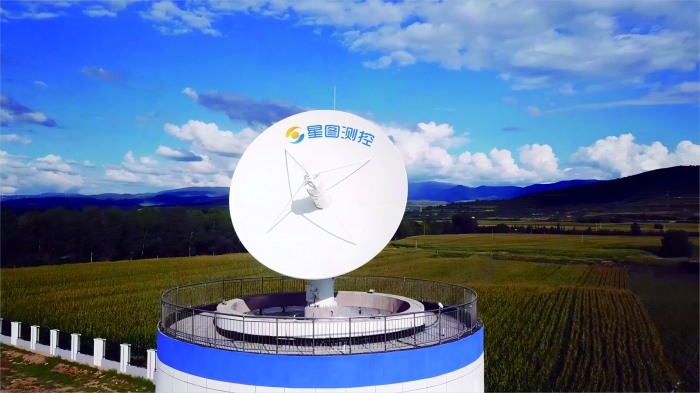
Core Viewpoint - The article highlights the successful IPO journeys of two technology companies, Tian You Wei and Xing Tu Ce Kong, showcasing the evolving role of CITIC Construction Investment Securities in facilitating their growth and capital market entry [9][10][20]. Group 1: Company Overview - Tian You Wei specializes in intelligent cockpit systems and automotive instruments, serving major automotive manufacturers like Hyundai and domestic brands such as Changan and FAW [10]. - Xing Tu Ce Kong focuses on aerospace measurement and control management, with a high technical barrier and products primarily serving specialized users and large research institutions [14]. - Both companies are set to go public by 2025, with Tian You Wei targeting the Shanghai Stock Exchange and Xing Tu Ce Kong aiming for the Beijing Stock Exchange [9]. Group 2: Capital Market Dynamics - The capital market has seen reforms that enhance its adaptability and inclusivity, allowing securities firms to evolve from traditional financing channels to value discoverers and resource integrators for technology companies [9][16]. - CITIC Construction Investment Securities has played a crucial role in optimizing the capital structure of Tian You Wei by introducing strategic investors from the automotive industry and state-owned enterprises [13][18]. - The firm has also assisted Xing Tu Ce Kong in navigating the complexities of the capital market, leveraging its expertise to facilitate the company's listing process [14][15]. Group 3: Financial Performance - Tian You Wei raised 3.74 billion yuan during its IPO and plans to increase R&D investment and expand into international markets post-listing [13][20]. - Xing Tu Ce Kong achieved a revenue growth of 21.9% and a net profit increase of 24.26% in the first half of the year [15]. Group 4: Future Outlook - Both companies are looking to leverage their capital market positions for further growth, with Tian You Wei planning to acquire a German automotive electronics supplier to enter the European market [20]. - Xing Tu Ce Kong aims to expand its capabilities beyond ground station networks to include comprehensive space management solutions [20]. - The article emphasizes the need for continued support from the capital market to facilitate technological self-reliance and innovation in the industry [22].

工信部公布首批L3车型准入许可:吹响L3的号角,迎来L4的曙光
GUOTAI HAITONG SECURITIES· 2025-12-18 14:57
Investment Rating - The report indicates a positive outlook for the L3 autonomous driving industry, suggesting a transition towards commercialization and increased market penetration [3][16]. Core Insights - The issuance of conditional permits for the first L3 autonomous vehicles by the Ministry of Industry and Information Technology marks a significant step towards commercial application, with expectations for rapid growth in the smart vehicle penetration rate [3][16]. - The year 2026 is projected to be a pivotal year for autonomous driving, with L4 scenarios beginning to commercialize, indicating a shift in consumer vehicle usage towards robotaxi applications [20][21]. Summary by Sections 1. Approval of L3 Autonomous Vehicle Models - On December 15, the Ministry of Industry and Information Technology granted conditional approval for the first two L3 autonomous vehicle models, specifically Changan and Arcfox brands, with restrictions on driving routes, speeds, and user entities [2][10][15]. 2. L3 Implementation and Industry Benefits - The approval signifies a transition from testing to commercial application, with expectations for increased demand in smart vehicle technologies, including sensors and high-performance driving chips [3][16][19]. - The penetration rate of advanced driver-assistance systems (ADAS) is expected to rise significantly, with projections indicating an increase from approximately 10% to 28.21% by August 2025 [17][19]. 3. Outlook for L4 and Market Expansion - The report anticipates that L4 autonomous driving will begin to see commercial applications in various scenarios by 2026, with significant market opportunities in urban logistics and mining sectors [20][21][26]. - The logistics sector is expected to see a market size of 65.75 billion yuan by 2030, driven by the adoption of logistics unmanned vehicles [21][22]. - The mining sector is projected to exceed 30 billion yuan by 2030, with a compound annual growth rate of 57.4% from 2024 to 2030, highlighting the commercial viability of autonomous solutions in structured environments [26][27].

【西街观察】自动驾驶:该批判的批判,该批准的批准
Bei Jing Shang Bao· 2025-12-18 14:29
Core Insights - The automotive industry is progressing towards true autonomous driving, with the Ministry of Industry and Information Technology granting the first conditional L3 autonomous driving vehicle licenses to two companies and their models [1] - Artificial intelligence is significantly impacting various industries, with autonomous driving being one of the fastest-growing sectors, integrating with electric vehicles, smart cities, and smart transportation [1] - Companies like Baidu and Pony.ai are already operating Robotaxi services in designated autonomous driving zones, with some services evolving to L4 level, indicating a shift towards normalization and revenue generation [1] Group 1 - The approval of L3 conditional autonomous driving vehicle licenses marks a significant step towards consumer ownership of autonomous vehicles, with expectations for pilot applications on public roads by Q1 2026 [2] - The experience of autonomous driving is diverse and progressive, with the ultimate goal of fully relinquishing control to machines being pursued through incremental advancements [2] - The automotive industry faces challenges with marketing claims that may exaggerate capabilities, leading to potential safety concerns and a disconnect between consumer expectations and actual product capabilities [2] Group 2 - Safety is a fundamental requirement for the development of intelligent vehicles, emphasizing that efficiency cannot be solely entrusted to algorithms [3] - New regulations proposed by the Ministry of Public Security address emerging issues related to intelligent driving, including requirements for driver monitoring and activation conditions for assistance systems, establishing a "safety red line" for assisted driving [3] - The industry must balance the approval of new technologies with critical assessments, ensuring that safety and regulatory compliance are prioritized [3]
中汽测评:车企应重视充电安全
Di Yi Cai Jing· 2025-12-18 14:24
近日,中汽中心汽车测评管理中心(下称"中汽测评")发布了中国新能源汽车电安全专项测评的专项研 究报告。 该研究报告涉及第一批测评的五款车型,共包含6个评价板块,其中充电安全、电磁安全、功能安全和 电池安全为客观测试项,高压安全和消防安全为报告审核项。这五款车型为极狐阿尔法T5 520 MAX、 比亚迪汉L EV 701KM激光雷达尊享型、小鹏G7 702超长续航MAX、埃安UT 420智豪版和深蓝S09 后驱 Ultra+。 五款车型的综合得分率均在80%以上,其中在电磁安全方面均获得满分,在功能安全、电池安全和消防 安全方面整体也表现较好。不过,在充电安全方面,整体表现欠佳,仅一款车型为满分。 具体来看,充电接口热安全维度上(充电过程中车辆插座直流功率端子达温限后,车辆的保护措施落实 情况),大部分车型无法在端子温度达90℃时停止充电,个别车型未设置停止充电截止温度;在动力失 效上(车辆电子电气系统发生动力失效时的安全保护措施及可控状态),个别车型动力失效时无车内仪 表报警,且故障处理时间间隔较长;在急加速场景上(急加速场景下,器件的高速通断产生的直流侧谐 波分量导致的纹波电压对电容元件等的影响),部分车型 ...
MEMS惯性芯片走向国产化,谁在领跑高精度定位赛道?
Xin Lang Cai Jing· 2025-12-18 14:24
Core Insights - The rapid growth of the NOA market is driving an increase in the installation of high-precision positioning systems in vehicles, with a projected delivery volume of 4.22 million passenger cars in China from January to October 2025, representing a year-on-year growth of 181% and a penetration rate of 22% [1][6]. Group 1: Market Dynamics - Domestic automakers are adopting a multi-source fusion positioning strategy that combines high-precision positioning, auxiliary driving maps, and vehicle-end sensors, primarily utilizing IMU+GNSS+RTK solutions [1][6]. - The core technology foundation for high-precision positioning is the complementary collaboration between GNSS+RTK and IMU, with the localization and controllability of IMU chips determining the supply chain security of high-precision positioning solutions [7]. Group 2: Competitive Landscape - The domestic market for automotive-grade MEMS IMU chips has historically been dominated by companies like ST, Bosch, TDK, and Murata, but recent years have seen significant breakthroughs by local manufacturers [7]. - Duyuan Technology's self-developed 6-axis automotive-grade GST80 MEMS IMU sensor chip has filled the market gap for domestically controllable MEMS inertial measurement chips and has passed the AEC-Q100 reliability test, confirming its compliance with international automotive standards [2][7]. Group 3: Market Share and Positioning - As of January to October 2025, Duyuan Technology holds a dominant position in the domestic automotive high-precision positioning market with a market share of 59.75%, followed by Huawei and Huace Navigation with 14.51% and 8.01% respectively [2][8]. - Duyuan Technology has established a comprehensive R&D and manufacturing system across the entire industry chain, from chips to modules and solutions, and has successfully integrated its high-precision positioning products into numerous vehicle models from brands like BYD, Li Auto, and Geely [3][8]. Group 4: Future Prospects - With the recent issuance of access permits for L3-level autonomous driving vehicles in China, Duyuan Technology is positioned to be the first company to enable both domestic and international L3-level autonomous driving applications with its high-precision positioning systems [3][8].
