
中国移动

Search documents
2025飞梭链FISCO BCOS产业应用发展报告-FISCO金链盟
Sou Hu Cai Jing· 2025-12-21 17:02
Core Insights - FISCO BCOS has established itself as one of the largest and most active domestic open-source alliance blockchain ecosystems in China, gathering over 5,000 institutions and 100,000 individual developers, with 600 industry digitalization benchmark applications [1][24][20] - The value reassessment of FISCO BCOS revolves around three main logics: deep integration with the real economy, driving data infrastructure upgrades, and stimulating global financial innovation [1][27][32] Group 1: Industry Applications - The blockchain applications cover 19 major fields, with significant benchmark case results in infrastructure, cross-border services, smart governance, green low-carbon initiatives, healthcare, social welfare, rural revitalization, financial services, and more [2][43] - In the infrastructure sector, the Blockchain Service Network (BSN) has established a national digital credential system, while cross-border data verification platforms have addressed credit isolation issues, facilitating cross-border financing and talent mobility [2][8] - In the financial services sector, blockchain solutions have alleviated financing difficulties for small and micro enterprises through supply chain finance systems and regional equity platforms [2][10] Group 2: Technological Advancements - FISCO BCOS boasts a high performance of over 200,000 TPS (transactions per second) and is compatible with mainstream software and hardware, integrating privacy computing and artificial intelligence technologies [2][24] - The open-source nature of FISCO BCOS promotes multi-party collaboration, forming a trusted collaborative network across industries and regions [2][24] Group 3: Future Directions - FISCO BCOS aims to continue deepening technological development and expanding application scenarios, pushing blockchain further into production and daily life, becoming a cornerstone of the digital civilization era [2][20] - The establishment of cross-border data verification platforms, such as the Shenzhen-Singapore platform, exemplifies the practical value and demonstration effect of blockchain in enhancing economic cooperation and talent flow [28][30]


11月微信入境支付交易金额同比翻番,外籍人士使用中国移动支付比例不断提高
Sou Hu Cai Jing· 2025-12-21 14:46
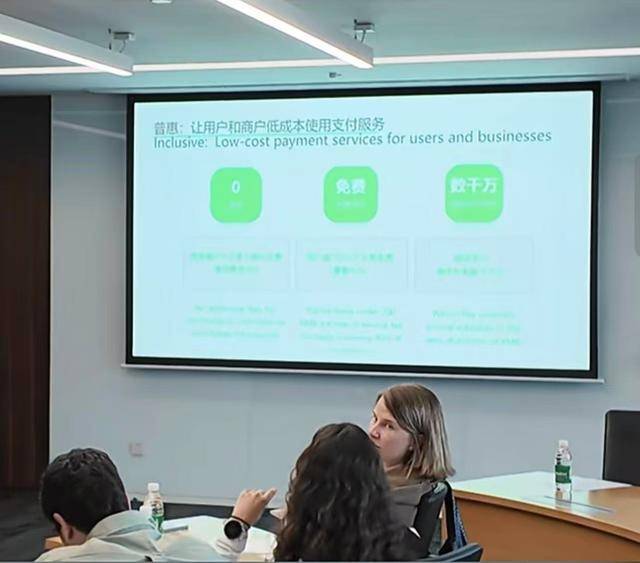
Core Insights - Tencent is showcasing its cross-border business expansion and technological innovation through a visit from MBA students of IESE Business School, highlighting the growing global presence of Chinese tech companies [1] Group 1: Cross-Border Business Expansion - In November, the transaction amount for WeChat's inbound payment doubled compared to the same period last year, indicating a growing willingness among foreign nationals to use Chinese mobile payment systems [3] - Tencent aims to facilitate international high-end talent's understanding of its global strategy and practices through this event, which includes participants from diverse cultural backgrounds [1] Group 2: Technological Innovation - The WeChat foreign card business team and Tencent's mixed Yuan model team presented their strategies for promoting cross-border ecosystem development and the global application of artificial intelligence [3] - WeChat Pay now allows foreign nationals to link their home country bank cards directly, enhancing convenience for commercial payments [3] Group 3: Promotions and User Experience - To further facilitate travel between Shenzhen and Hong Kong, WeChat Pay has introduced an exclusive 20% discount coupon for taxi fares, valid until February 8, 2026 [4] - This initiative aims to improve the commuting experience for daily travelers, family visits, and tourists, thereby optimizing cross-border transportation [4]


通信行业:太空新基建竞赛推动产业加速,空心光纤产业迭代演进关键窗口期
HUAXI Securities· 2025-12-21 13:22
Investment Rating - Industry rating: Recommended [4] Core Insights - The space new infrastructure competition is accelerating the industry, with the U.S. government taking measures to ensure its "space advantage" through increased R&D and private sector investment [1][10] - The hollow fiber industry is at a critical window for iteration and evolution, with potential demand driven by AI applications [3][11] - The current geopolitical climate and technology competition between the U.S. and China are expected to keep the market volatile, suggesting a cautious and neutral allocation strategy [6][13] Summary by Sections Space New Infrastructure - The U.S. aims to attract at least $50 billion in private investment in the space sector by 2028, with plans for lunar exploration and nuclear energy applications in space [1][10] - The rapid launch of domestic satellite constellations and the commercialization of satellite IoT applications are expected to expand market size significantly [1][10] - Beneficiaries in the satellite communication and IoT sectors include companies like Chengchang Technology, Guobo Electronics, and Zhenlei Technology [1][10] Hollow Fiber Demand - Hollow fiber technology offers advantages such as low latency, wide spectrum, low loss, and low nonlinearity, making it a disruptive solution for traditional fiber optics [3][11] - The technology is still in the early stages of commercialization, but its characteristics are expected to meet the growing demand for AI model connectivity [3][11] - Key beneficiaries in the hollow fiber sector include Changfei Fiber, Hengtong Optic-Electric, and Fenghuo Communication [3][12] Current Market Perspective - The market is anticipated to remain volatile due to global geopolitical conflicts and skepticism regarding AI investments, with a recommendation for a cautious and neutral approach [6][13] - Long-term prospects remain positive for domestic AI computing power, optical modules, and the 6G industry trend, which are expected to catalyze market opportunities [6][13] - Recommended sectors include computing and communication infrastructure, optical network upgrades, and edge computing [13][14]
银河通用完成超3亿美元融资,人形机器人一级市场年底“收官冲刺”
Hua Xia Shi Bao· 2025-12-21 10:30
Core Insights - The humanoid robot sector is experiencing a surge in investment as companies approach year-end, with significant funding rounds being announced, including a recent $300 million round by Galaxy General, setting a record for single-round financing in embodied intelligence [3][4][6] - Galaxy General has transitioned from a laboratory phase to commercial operations, with thousands of orders in the smart city service sector, indicating a shift in market valuation towards commercial viability [3][6] Financing and Valuation - The recent financing round raised over 4.5 billion yuan, led by China Mobile's Chain Long Fund, with participation from major investment platforms and international investors [4] - Following this round, Galaxy General's valuation has reached 19.5 billion yuan, reflecting a significant increase in market confidence [6] Corporate Structure and IPO Plans - Galaxy General has completed a corporate restructuring, changing its name and type, which is often seen as a precursor to an IPO, although the company has denied immediate plans for going public [5][7] - The company has raised a total of over 4.5 billion yuan since its establishment in May 2023, indicating strong investor interest and support [7] Market Trends and Future Outlook - The humanoid robot industry has seen a rapid increase in investment activity, with 160 investment events reported in 2023 alone, compared to only 14 in 2022, suggesting a growing interest in this sector [8] - Experts predict a potential capital winter in the humanoid robot sector in the coming years, prompting companies to secure funding while advancing commercialization efforts [9] Commercialization Efforts - Galaxy General is focusing on industrial-grade humanoid robots, achieving significant partnerships with major companies across various sectors, including manufacturing and smart city services [9][10] - The company has developed solutions for multiple fields, including industrial manufacturing, smart city services, and healthcare, with ongoing projects demonstrating practical applications of humanoid robots [9][10] Future Development and Challenges - While Galaxy General is exploring opportunities in the consumer market, the complexity of home environments poses challenges for robot integration, necessitating gradual advancements in technology [10] - The emphasis is shifting towards practical applications and real-world integration of humanoid robots in various sectors, moving beyond theoretical advancements to tangible value creation [10]


缩量蓄势延续,逢低布局春季行情
Haitong Securities International· 2025-12-21 09:35
周林泓 Amber Zhou 黄雨昕 Yuxin Huang amber.lh.zhou@htisec.com yx.huang@htisec.com [Table_yemei1] 观点聚焦 Investment Focus [Table_summary] (Please see APPENDIX 1 for English summary) [Table_Title] 研究报告 Research Report 20 Dec 2025 中国策略 China Strategy 缩量蓄势延续,逢低布局春季行情 Volume Contraction Signals Consolidation; Buy the Dips Ahead of the Spring Rally 上周我们认为,中国市场将由反弹后期转入震荡蓄势阶段,但整体回调空间有限,仍属于逢低布局的窗口。行业 层面,我们认为内需消费获得利好支撑,在震荡环境下有望跑出相对收益。本周港股和 A 股探底回升,恒生指数跌 1.1%,恒生科技跌 2.8%,上证综指基本持平,创业板指跌 2.3%,科创 50 跌 3%;其中必需消费和非银领涨。 海外市场方面,美 CPI ...
通信行业研究:豆包日均使用量超50万亿Tokens,智谱通过聆讯并公布招股书
SINOLINK SECURITIES· 2025-12-21 09:22
Investment Rating - The report suggests focusing on sectors driven by domestic AI development such as servers and IDC, as well as sectors like servers and optical modules driven by overseas AI development [5]. Core Insights - Google has launched the Gemini 3 Flash model, which maintains close inference capabilities to Gemini 3 Pro while achieving three times the speed of Gemini 2.5 Pro at a quarter of the cost [1]. - OpenAI plans to raise up to $100 billion in a new funding round, potentially valuing the company at $830 billion, with Amazon negotiating to invest at least $10 billion [1][60]. - Supermicro is collaborating with xAI to build the world's first 1GW data center in Memphis, utilizing NVIDIA's GB300 GPU [1]. - ByteDance is actively advancing in the AI sector, with significant model releases and partnerships with hardware manufacturers to pre-install AI plugins on devices [1]. - The optical fiber sector has seen significant price increases, with major manufacturers reporting a 15% rise in prices for certain products [1][3]. Summary by Sections Communication Sector Insights - The communication sector index decreased by 0.89% this week, ranking 27th among all industries [44]. - The telecom business revenue reached CNY 14,670 billion from January to October 2025, showing a year-on-year growth of 0.9% [4][27]. Subsector Performance - Server index decreased by 2.99% this week and 6.17% this month, with OpenAI's valuation expected to exceed $500 billion due to Amazon's investment [2][7]. - Optical module index decreased by 4.38% this week but increased by 14.35% this month, with Google optimizing AI chip performance for PyTorch [2][7]. - IDC index decreased by 2.77% this week but increased by 0.73% this month, with significant growth in AI model usage reported [2][8]. Key Data Updates - Telecom business volume growth is gradually improving, with a 9% year-on-year increase in telecom business volume calculated at constant prices [4]. - The export value of optical modules decreased by 27.6% year-on-year in October, primarily due to domestic companies establishing overseas factories [4][32]. Market Trends - The optical fiber index increased by 4.20% this week and 17.99% this month, indicating positive signals in price and volume metrics [3][12]. - The report highlights the robust growth of the domestic AI sector, particularly in server and IDC segments, driven by increasing demand and technological advancements [5].



鸿蒙星光盛典:一个数字生态的 “成年礼”
晚点LatePost· 2025-12-21 08:30
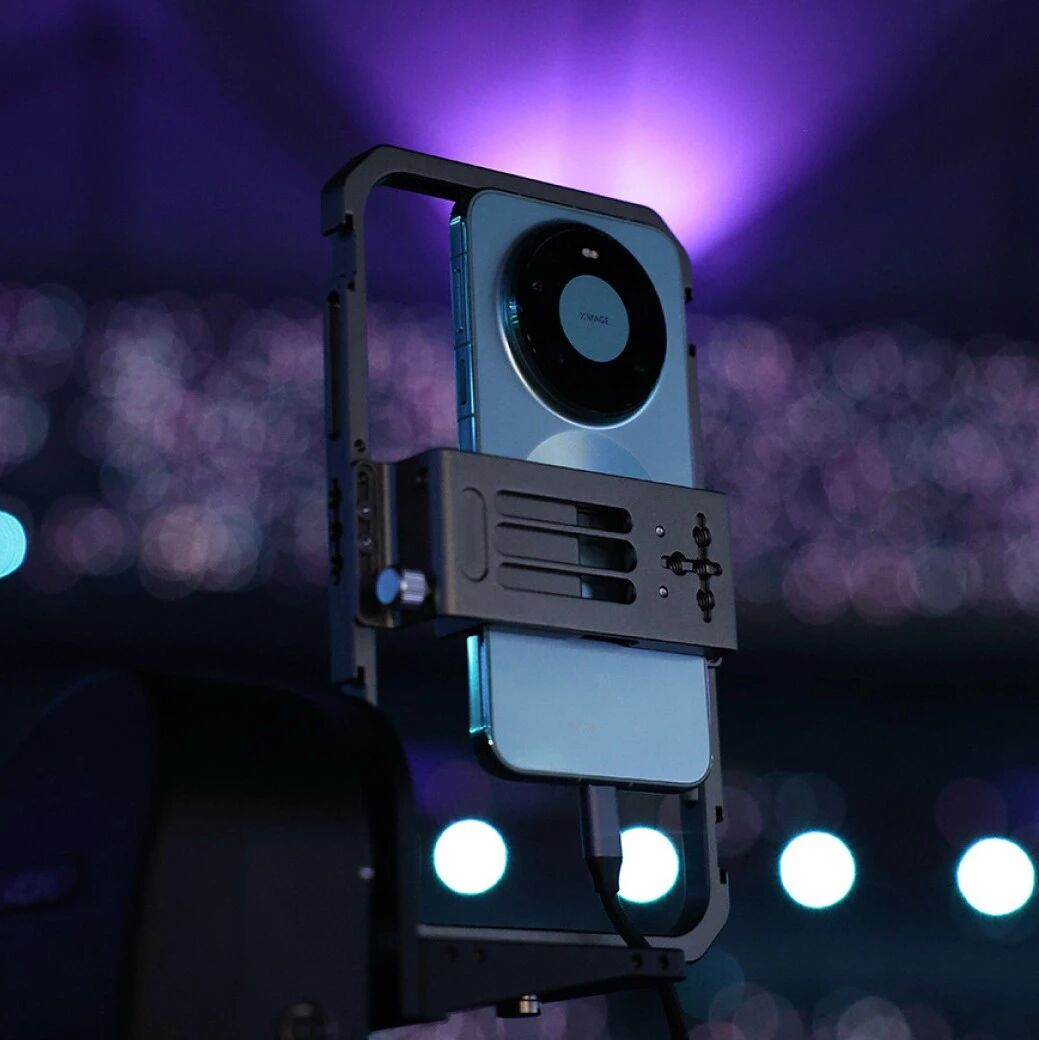
Core Viewpoint - The article emphasizes the rapid adoption of the HarmonyOS ecosystem across various industries, marking a significant transition from a survival phase to a collaborative growth phase, symbolized by the "Harmony Starry Night" event [3]. Group 1: HarmonyOS Development - HarmonyOS has surpassed 1 billion connected devices, indicating a robust physical connection network [5]. - The application ecosystem has exceeded 300,000 applications, covering 18 major sectors, ensuring high usability and performance [5]. - The latest iteration, HarmonyOS 6, showcases unique features that enhance user experience, moving from mere usability to a more personalized and functional interaction [5][6]. Group 2: Technological Innovations - Features like "Smart Grip" and "Tap to Connect" demonstrate the system's ability to adapt to user needs and facilitate seamless interactions between devices [6][7]. - The integration of AI as a core service within the ecosystem allows for contextual understanding and collaboration with various partners, enhancing the overall intelligence of the system [7][8]. Group 3: Market Position and Competition - HarmonyOS has achieved an 18% market share in the Chinese smartphone operating system market, surpassing iOS at 14%, marking a pivotal shift in the competitive landscape [9][10]. - Major tech giants like Tencent, Alibaba, and ByteDance have integrated their services into the HarmonyOS ecosystem, indicating its growing influence and the establishment of a developer community [10]. Group 4: Industry Impact and Future Outlook - The article highlights the transformation of HarmonyOS into a critical digital infrastructure across various industries, with over 70 industry-specific versions developed [11]. - The "Harmony Starry Night" event is positioned as a potential annual showcase for technological advancements, reflecting the ongoing evolution of the ecosystem [11].
老用户想换手机套餐有点难
Xin Lang Cai Jing· 2025-12-21 07:20
Core Viewpoint - Despite years of promoting "speed increase and fee reduction" in mobile communication, consumers still face obstacles in obtaining satisfactory plans, including rising prices, unilateral cancellation of low-cost plans, and confusing binding sales terms [1] Group 1: Consumer Experience - Consumers find it easy to sign up for new plans but face significant challenges when trying to switch to more affordable options, often encountering penalties for early termination [2][3] - Many consumers are unaware of the binding contracts they sign, which often include hidden fees and long-term commitments that complicate their ability to change plans [4][5] Group 2: Sales Tactics - Telecom operators employ tactics such as "contract bundling" to retain high-paying customers, often misleading consumers about the true nature of promotional offers [5][6] - There are reports of deceptive practices targeting vulnerable groups, such as the elderly, where sales representatives emphasize free devices while downplaying the associated high-cost plans and long-term contracts [5][6] Group 3: Regulatory Environment - The Consumer Rights Protection Law and telecommunications regulations affirm consumers' rights to choose services freely, yet operators often prioritize high-value plans for existing customers over new user incentives [6][7] - Experts suggest that regulatory bodies should enhance oversight and create more detailed guidelines to curb misleading sales practices and ensure consumer rights are upheld [7]
基金研究周报:白银再创新高,债基企稳(12.15-12.19)
Wind万得· 2025-12-20 22:19
Market Overview - The A-share market exhibited a structurally differentiated pattern last week, with the Shanghai Composite Index slightly up by 0.03%. However, growth sectors faced significant pullbacks, with the ChiNext Index, STAR Market 50, and ChiNext 50 down by 2.26%, 2.99%, and 2.66% respectively, indicating pressure on high-growth tracks [2][10] - The market style continued to shift towards value, as evidenced by the CSI Dividend Index rising by 1.04%, while broad indices like CSI 300 and CSI 1000 also experienced slight declines [2] - The Wande Micro-Pan Index surged by 2.99%, reflecting a temporary preference for small-cap stocks [2] Industry Performance - The A-share market's primary sectors showed a split performance, with Consumer and Financial sectors leading gains, while Technology and Industrial sectors faced declines. Daily Consumer stocks rose by 2.26% and Financials by 2.06%, benefiting from policy expectations and high dividend attractiveness. Conversely, Information Technology fell by 2.08% and Industrial by 1.22%, impacted by valuation adjustments and overseas tech stock correlations [2][10] Fund Issuance - A total of 34 funds were issued last week, including 14 equity funds, 11 mixed funds, 6 bond funds, and 3 FOFs, with a total issuance volume of 18.321 billion units [15] Fund Performance - The Wande All-Fund Index decreased by 0.25% last week. The Wande Ordinary Equity Fund Index and the Wande Equity Mixed Fund Index both fell by 0.61%, while the Wande Bond Fund Index saw a slight increase of 0.09% [2]

估值周报:最新A股、港股、美股估值怎么看?-20251220
HUAXI Securities· 2025-12-20 14:52
Group 1: A-share Market Valuation - The current PE (TTM) of the A-share market is 16.26, with a median of 13.54 and a maximum of 30.60 since January 2010[11][15]. - The PE (TTM) for the Shanghai Composite Index is 14.06, while the CSI 300 is at 13.29, indicating a relatively low valuation compared to historical averages[11][15]. - The A-share market's risk premium rate is currently at 0.70%, reflecting a stable investment environment[18]. Group 2: Hong Kong Stock Market Valuation - The Hang Seng Index has a current PE (TTM) of 11.78, with a median of 10.30 and a maximum of 22.67 since January 2010[57][56]. - The Hang Seng Technology Index shows a current PE (TTM) of 23.10, indicating a higher valuation compared to the broader market[63]. - The current valuation of key Hong Kong stocks like Tencent and Alibaba shows a median PE of 35.56 and 22.14, respectively[77]. Group 3: U.S. Stock Market Valuation - The S&P 500 Index has a current PE (TTM) of 28.80, with a median of 21.14 and a maximum of 41.99 since January 2010[82][81]. - The NASDAQ Index shows a current PE (TTM) of 40.84, indicating a high valuation compared to historical data[87]. - The Dow Jones Industrial Average has a current PE (TTM) of 30.16, reflecting a strong market performance[93]. Group 4: Sector Valuation Insights - Non-bank financials, food and beverage, and non-ferrous metals sectors have lower PE ratios, indicating potential undervaluation[25]. - The technology sector, including computing and electronics, shows higher PE ratios, suggesting overvaluation compared to historical norms[25]. - The current PB (LF) for the banking sector is at 0.54, indicating a low valuation relative to book value[28].