
小米

Search documents
新势力8月战报出炉,多家车企交付量创下历史新高
第一财经· 2025-09-01 16:08
Core Viewpoint - In August, several new energy vehicle companies reported record delivery numbers, while some others experienced a decline in deliveries, highlighting the varying progress towards annual targets among these companies [3][4]. Group 1: Delivery Performance - Leap Motor achieved a record delivery of 57,066 vehicles in August, marking a 13.84% increase from July, and has completed 56.7% of its annual target of 58,000 to 65,000 vehicles [4][8]. - Xiaopeng Motors delivered 37,709 vehicles in August, with a completion rate of 71.48% towards its annual target of 38,000 vehicles [4][8]. - NIO surpassed Li Auto for the first time in 34 months, delivering 31,305 vehicles in August, but has only completed 37.83% of its annual target of 44,000 vehicles [4][6]. - Li Auto's deliveries fell to 28,529 vehicles in August, marking a decline for three consecutive months, with a completion rate of 37.60% towards its annual target of 70,000 vehicles [4][6]. - Zeekr's two brands delivered 44,843 vehicles in August, maintaining a completion rate of 47.03% towards its annual target [8]. Group 2: Competitive Landscape - The competition between NIO and Li Auto intensified with the launch of new electric SUVs, impacting their sales performance [5]. - NIO's new model, the L90, contributed significantly to its sales growth, delivering 10,575 units in its first month [5]. - Li Auto's CEO expressed a goal to maintain a competitive position in the high-end electric SUV market by the end of the year [5][6]. Group 3: Other Companies' Performance - Lantu Motors delivered 13,505 vehicles in August, achieving a year-on-year growth of 119% and a completion rate of 39.85% towards its annual target of 20,000 vehicles [9]. - Avita delivered 10,565 vehicles in August, with a completion rate of 36.23% towards its annual target [9]. - Xiaomi's delivery volume remained above 30,000 vehicles in August, but it is estimated to have completed only about half of its annual target of over 350,000 vehicles [8].


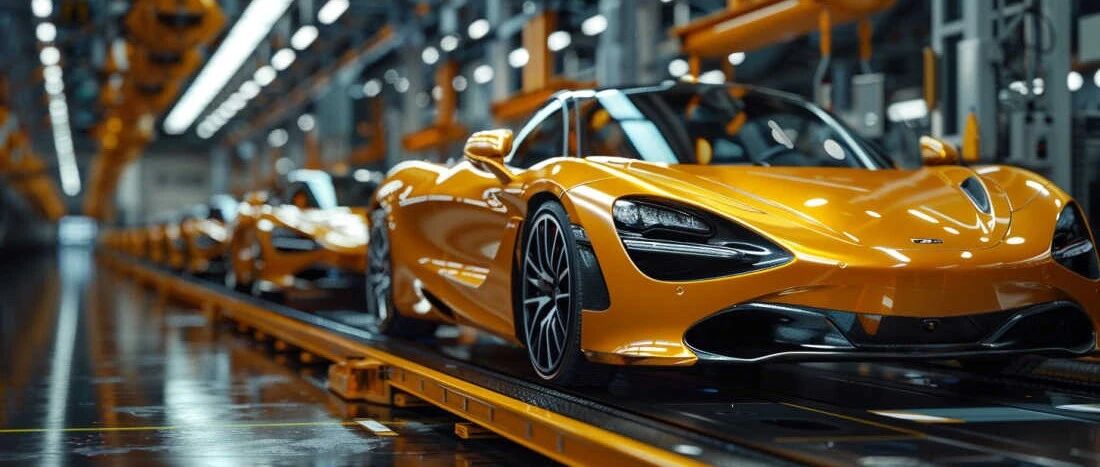
想造“世界上最快的车”,追觅是“无畏”还是“无知”
21世纪经济报道· 2025-09-01 15:57
Core Viewpoint - The article discusses the ambitious plans of Chase Technology to enter the automotive industry, aiming to produce a luxury electric vehicle by 2027, while highlighting the challenges and complexities of this endeavor in a highly competitive market [1][2]. Group 1: Company Strategy and Plans - Chase Technology has announced the incubation of a new automotive project, planning to launch its first ultra-luxury electric vehicle by 2027, directly competing with renowned brands like Bugatti [1]. - The company has outlined five product lines, targeting various segments of the automotive market, including high-end brands like McLaren and Lamborghini, as well as competing with domestic players like Tesla and NIO [1][3]. - The "Starry Sky Plan" has been established as the core of its automotive business, with a team of over 1,000 employees, many of whom come from leading companies in the industry [4]. Group 2: Technological and Operational Challenges - Despite its ambitions, Chase Technology faces significant challenges in technology and industry qualifications, particularly in matching the performance of established brands like Bugatti [9][12]. - The company has a history of technological development, with 6,379 patent applications related to automotive technology, but it still lacks the necessary experience in automotive R&D and production processes [4][10]. - The "left-hand" business model focuses on modifying existing domestic models for export, while the "right-hand" model aims for self-developed vehicles, which is currently stalled at the design review stage [5][6][7]. Group 3: Market Context and Competitive Landscape - The Chinese automotive market is highly competitive, with existing players struggling to maintain profitability, making it difficult for new entrants like Chase Technology to establish a foothold [1][13]. - The domestic robot vacuum market, where Chase Technology primarily operates, has seen declining sales, prompting the company to diversify into automotive manufacturing [13]. - Other companies in the home appliance sector have attempted similar transitions into automotive but have faced challenges due to their smaller scale and resources compared to giants like Xiaomi and Huawei [13].

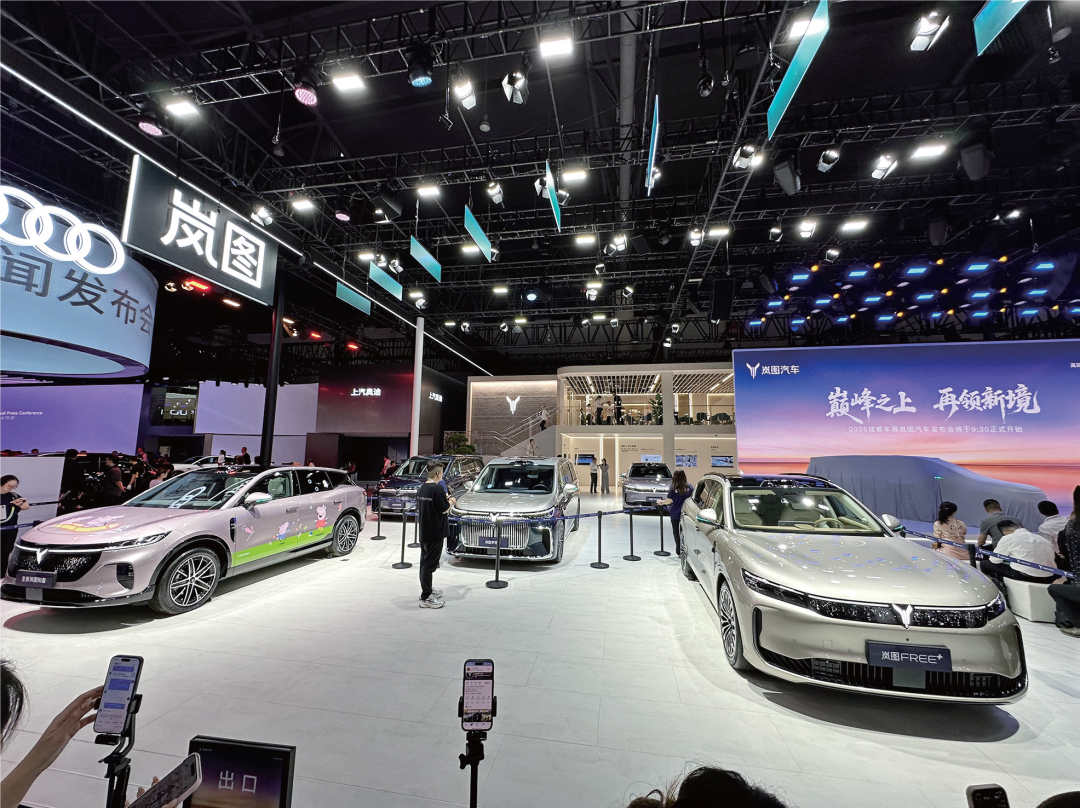
新能源汽车上演“极限对决”
Zhong Guo Qi Che Bao Wang· 2025-09-01 14:47
Core Insights - The Chengdu International Auto Show, which opened on August 29, 2025, features nearly 120 domestic and international automotive brands showcasing over 1,600 vehicles, with a strong emphasis on new energy vehicles (NEVs) [1] - The event highlights the current consumer trends in the automotive market, particularly the growing popularity of electric vehicles (EVs) and the advancements in technology and design [1] Electric Vehicles - Numerous brands, including traditional automakers and new entrants, presented their latest pure electric models, indicating a robust market interest in EVs [5][8] - The new models showcased impressive specifications, such as the new Zhijie R7 with a range of 802 km and fast charging capabilities [5] - The Xiaopeng P7 features a 3.7-second acceleration to 100 km/h and a top speed exceeding 230 km/h, demonstrating the performance potential of modern EVs [6] Hybrid and Extended-Range Vehicles - The auto show also highlighted the advancements in hybrid and extended-range vehicles, with models like the Roewe M7 DMH achieving a combined range of 2,050 km [10] - The Wanjie M8 extended-range version offers a range of 1,600 km, showcasing the growing appeal of this technology among consumers [14] - The integration of advanced technologies, such as Huawei's collaboration with GAC for the Xiangwang S9, reflects the trend towards enhanced performance and efficiency in hybrid models [10] Market Trends - The auto show serves as a barometer for consumer preferences, with a clear inclination towards electric and hybrid vehicles due to their environmental benefits and lower operating costs [8][19] - The industry is moving towards "scene segmentation" and "technology downscaling," focusing on personalized consumer needs and making advanced technologies accessible in more affordable models [19] - The development of new battery technologies, such as solid-state batteries, is expected to further enhance the range and performance of electric vehicles, potentially solidifying their dominance in the market [18]



跨境电商运营:2023年跨境电商行业深度研究报告
Sou Hu Cai Jing· 2025-09-01 13:38
Core Insights - The report provides a comprehensive analysis of the cross-border e-commerce industry, covering its definition, development history, industry chain, current status, and future trends [1][5][10]. Industry Definition - Cross-border e-commerce refers to international commercial activities where different customs entities transact through e-commerce platforms, utilizing electronic payment and cross-border logistics [11][34]. Development History - The industry has experienced three main phases: - **Nurturing Phase (2010-2013)**: Focused on personal purchasing [14]. - **Initiation Phase (2014-2017)**: Rapid growth supported by government policies and increased consumer purchasing power [15]. - **High-Speed Development Phase (2018-2023)**: Business models and service systems were refined, leading to market consolidation [16]. Industry Policies - The Chinese government has consistently supported the cross-border e-commerce sector, with policies such as tax incentives for export return goods and the establishment of comprehensive pilot zones [17][19]. Industry Chain - The industry chain consists of: - **Upstream**: Manufacturers, distributors, and brand owners, with Guangdong, Zhejiang, and Jiangsu as key supply regions [22][26]. - **Midstream**: E-commerce platforms (e.g., Tmall Global, JD Worldwide) and logistics providers (e.g., SF Express, Cainiao Network) [29]. - **Downstream**: Consumers, primarily young adults aged 18-35 and middle-class individuals [22][30]. Current Industry Status - The market is steadily growing, with the export cross-border e-commerce scale exceeding 75% in 2021. The B2C model is rapidly expanding, with a transaction scale of 3.3 trillion yuan in 2021 [1][9]. - The competitive landscape shows a significant Matthew effect, where leading companies dominate due to brand and supply chain advantages [9][10]. Representative Companies - Key players include: - **Temu**: Leverages Pinduoduo's supply chain for cost-effective offerings. - **SHEIN**: Focuses on fast fashion with a flexible supply chain. - **Shopee**: Targets the Southeast Asian market with localized operations [1][9]. Future Trends - The industry is expected to gradually recover, with trends towards branding, diversification, and refinement. The market will likely concentrate around leading players, and service providers in cross-border payments and SaaS will see significant growth potential [1][10][19]. - Overseas warehouses will become a core competitive advantage due to their ability to enhance logistics efficiency and reduce costs [1][10].

想造“世界上最快的车”,追觅是“无畏”还是“无知”?
2 1 Shi Ji Jing Ji Bao Dao· 2025-09-01 11:08
Core Viewpoint - The automotive market in China is highly competitive, with companies needing to focus on operational efficiency, supply chain control, technological reserves, and brand strength to survive [1][2]. Group 1: Company Strategy and Development - Chasing Technology has announced plans to launch its first ultra-luxury electric vehicle by 2027, aiming to compete with renowned supercar brands like Bugatti [1][2]. - The company has established five product lines, targeting various segments from high-end brands like McLaren and Lamborghini to domestic competitors like Tesla and NIO [1][2]. - Chasing Technology has built a team of over 1,000 professionals from leading automotive companies, indicating a strong commitment to its automotive ambitions [3][4]. Group 2: Technological and Operational Challenges - The company has applied for 6,379 patents related to automotive technology, with 3,155 granted, focusing on key areas such as sensor fusion and motor control [4]. - Despite its technological aspirations, Chasing Technology faces significant challenges in adapting its existing technology to meet automotive standards, particularly in terms of torque output and environmental durability [9][10]. - The company is pursuing a dual strategy: leveraging original design manufacturing (ODM) for immediate revenue while developing its own vehicles [5][7]. Group 3: Market Position and Competition - The domestic market for robotic vacuum cleaners, Chasing Technology's core business, has been declining, leading to concerns about the company's growth prospects [13]. - The company is aware of the difficulties in obtaining automotive manufacturing qualifications, which have become increasingly stringent in China [12]. - Chasing Technology's ambition to produce the "world's fastest car" remains largely aspirational, with significant hurdles to overcome before achieving this goal [14].
阿里大涨“助推”港股火箭发射 最强赛道卷土重来 这一板块被机构持续看好
Mei Ri Jing Ji Xin Wen· 2025-09-01 10:47
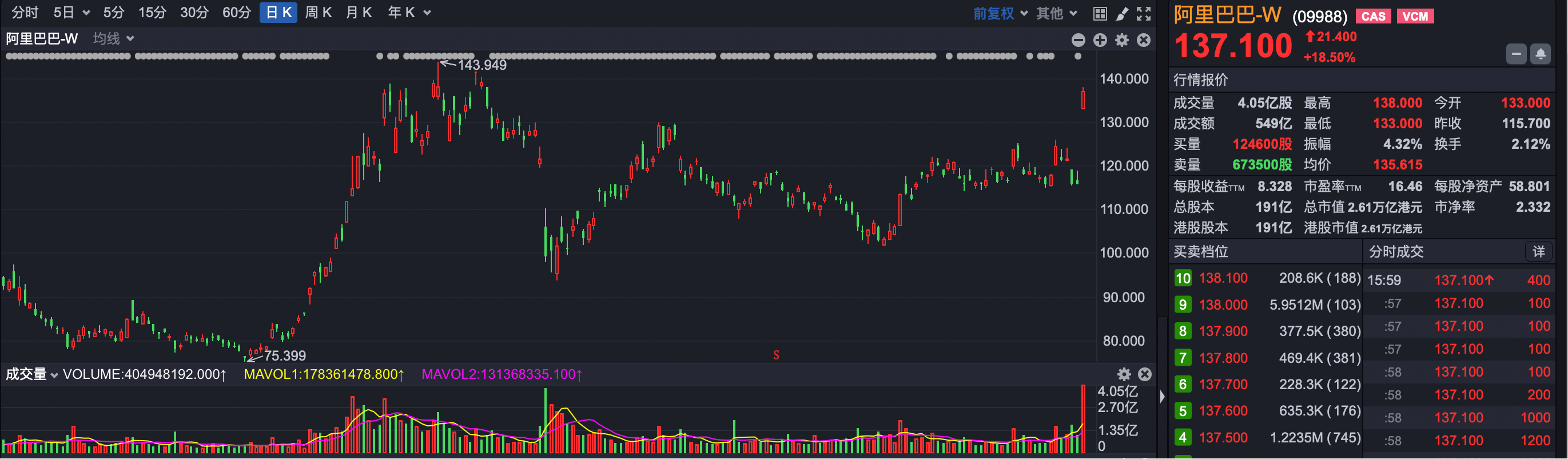
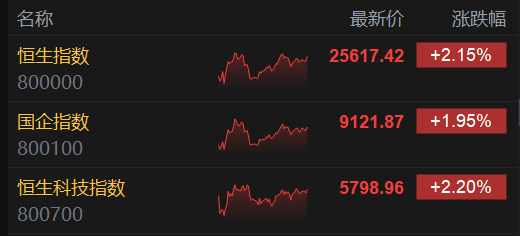
Group 1 - The Hong Kong stock market experienced a strong start in September, with the Hang Seng Index rising by 2.15% and the Hang Seng Tech Index increasing by 2.20% [1] - Alibaba's stock surged by 18.5%, significantly contributing to the rise of both the Hang Seng Index and the Hang Seng Tech Index, driven by its first fiscal quarter performance and strong AI-related product revenue growth [1] - AI-related product revenue for Alibaba has shown triple-digit growth for eight consecutive quarters, with AI contributing over 20% to external commercialization revenue [1] Group 2 - The Hong Kong innovative drug sector has emerged as the strongest segment in the market this year, with seven innovative drug-related ETFs showing over 100% year-to-date growth, and the cumulative growth of the innovative drug ETF reaching 114% [2] - Precious metals stocks also performed well, with significant increases in companies like Tongguan Gold and China Silver Group, driven by rising gold and silver prices [2] - The outlook for the Hong Kong market remains positive, with expectations of a continued upward trend, particularly in AI technology, as global and Chinese tech narratives strengthen [2]
港股1630 | 阿里大涨“助推”港股火箭发射 最强赛道卷土重来 这一板块被机构持续看好
Mei Ri Jing Ji Xin Wen· 2025-09-01 10:04
Market Overview - The Hong Kong stock market experienced a strong start in September, with the Hang Seng Index closing at 25,617.42 points, up 539.8 points, a rise of 2.15% [1] - The Hang Seng Tech Index also saw an increase, closing at 5,798.96 points, up 124.65 points, a rise of 2.20% [1] Alibaba's Performance - Alibaba was a standout performer in the market, contributing significantly to the rise of both the Hang Seng Index and the Hang Seng Tech Index, with an 18.5% increase in its stock price [1] - The surge in Alibaba's stock was driven by its first fiscal quarter earnings report, which highlighted a three-digit growth in AI-related product revenue, with AI contributing over 20% to external commercialization revenue [1] - This marks the eighth consecutive quarter of three-digit growth in Alibaba's AI-related product revenue [1] Other Technology Stocks - Alibaba's strong performance positively impacted other tech stocks, with notable increases: SMIC rose nearly 5%, Baidu over 3%, Xiaomi over 2%, and JD.com over 3% [1] - Tencent Holdings also saw a rise, closing up 1.42% [1] Innovative Drug Sector - The innovative drug sector in Hong Kong showed strong performance, with stocks like Kintor Pharmaceutical rising over 23%, Clover Biopharmaceuticals over 34%, and Sanofi over 10% [3] - WuXi Biologics and WuXi AppTec also saw significant gains, with increases of over 8% and 7%, respectively [3] - The innovative drug sector has been the strongest segment in the Hong Kong market this year, with seven related ETFs having year-to-date gains exceeding 100%, and one ETF achieving a cumulative gain of 114% [3] Precious Metals Sector - The precious metals sector also performed well, with stocks like Tongguan Gold rising 16%, China Silver Group over 12%, and China Gold International over 11% [4] - The rise in precious metals is attributed to fundamental factors, with gold prices hovering around $3,480, nearing historical highs, and silver prices breaking $40 per ounce for the first time since 2011 [4] Future Outlook - Dongwu Securities believes that the Hong Kong market is in a trend of oscillating upward, with both potential drivers and obstacles present [5] - The firm continues to favor AI technology investments, noting that the global AI narrative is strengthening and that there is still room for valuation recovery among leading tech companies in Hong Kong [5]
氪星晚报 |《时代》周刊发布年度AI 100人名单:任正非等中国企业家入选小米汽车:2025年8月,小米汽车交付量持续超过30000台
3 6 Ke· 2025-09-01 09:40
Company Updates - Li Auto's CEO Li Xiang aims to maintain a monthly sales target of 18,000 to 20,000 units for its electric vehicles by the end of the year, with specific targets of 6,000 units for the Li i8 and 9,000 to 10,000 units for the Li i6 [1] - TOP TOY's first store in Japan opened with first-day sales exceeding 11 million yen (approximately 530,000 RMB) and a post-investment valuation of 10 billion HKD [1] - FAW Toyota reported a new car sales increase of 11% year-on-year for the first eight months, with August sales reaching 70,125 units and cumulative sales of 515,980 units [2] - Alibaba's international platform saw a 30% year-on-year increase in order volume from April to June, with a 16.4% growth in GMV [3] - MINISO LAND's flagship store in Shanghai achieved a monthly sales record of 16 million RMB, with IP products accounting for 83% of sales [4] - Xiaomi Auto reported a consistent delivery volume exceeding 30,000 units as of August 2025 [5] Investment and Financing - "Obita," a cross-border payment and digital finance network, completed an angel round financing of over 10 million USD led by Yuanjing Capital and Mirana Ventures [6] - AI² Robotics completed a new round of Series A financing led by Shenzhen Capital Group, with over 100 million RMB from a single investor [8] - Douxiang Technology secured 200 million RMB in bridge strategic financing, aimed at enhancing R&D in AI security technology [9] New Products and Innovations - The "Lunar Science Multimodal Professional Model V2.0" was released, designed to enhance the "Digital Moon" cloud platform, which is set to be completed by 2027 [10] - Alibaba's Tmall Supermarket will transition from a B2C distant model to a near-field flash purchase model to improve delivery efficiency while maintaining competitive pricing [10]
港股收评:9月开门红!恒指大涨超2%,科技股、黄金股强势,阿里巴巴飙涨18.5%,招金矿业、紫金矿业等创历史新高,中芯国际涨5%
Ge Long Hui· 2025-09-01 09:01
另一方面,汽车股多数表现低迷,Q2毛利率大幅下降,比亚迪(002594)股份跌超5%,广汽集团 (601238)、吉利汽车、小鹏汽车皆有跌幅,中资券商股、纸业股、高铁基建股、乳制品股、体育用品股 齐跌,其中,中国交通建设跌6%,中信建投(601066)跌超3%。(格隆汇) | 名称 | 最新价 | 涨跌幅 | | --- | --- | --- | | 恒生指数 | 25617.42 | +2.15% | | 800000 | | | | 国企指数 | 9121.87 | +1.95% | | 800100 | | | | 恒生科技指数 | 5798.96 | +2.20% | | 800700 | | | 格隆汇9月1日|港股三大指数全天高位震荡,迎来9月开门红行情!黄金股与科技股联袂上攻,带领市 场做多情绪高涨。截止收盘,恒生指数涨2.15%上扬近550点,国企指数、恒生科技指数分别上涨1.95% 及2.2%。 | 代码 | 名称 | 最新价 | 涨跌幅 √ | | --- | --- | --- | --- | | 09988 | ◎ NTEBBE | 137.100 | 18.50% | | 0193 ...

瑞德智能(301135.SZ):目前公司炒菜机器人和泳池机器人产品实现出货量级突破
Ge Long Hui· 2025-09-01 07:23
Core Viewpoint - The company is actively focusing on the synergy between humanoid robots and home ecosystems, emphasizing the development of high-precision control modules, low-latency communication modules, and scenario-based algorithms to enhance compatibility in complex command analysis and multi-device coordination [1] Group 1: Technology Development - The company is investing in AI hardware computing power and researching AI-enabled home appliances to empower the electronic information industry [1] - A strategic partnership has been established with Shunde Vocational and Technical University to tackle technical challenges through industry-academia collaboration [1] Group 2: Product and Market Strategy - The company has achieved significant breakthroughs in the shipment volume of its cooking robots and pool cleaning robots, with products developed in collaboration with partners like Tianke and Xiaomi's ecological chain enterprises [1] - Future plans include upgrading from "single product intelligence" to "full-service" through resource and technology sharing via investments and acquisitions, thereby strengthening the company's comprehensive competitiveness in the intelligent control field [1]
