
伊利股份

Search documents
中国婴配粉,老大换了?丨消费参考+
2 1 Shi Ji Jing Ji Bao Dao· 2025-09-06 09:34
Core Viewpoint - The competition in China's infant formula market is intensifying, with both Yili and Feihe claiming the top position based on different metrics [2][3][4]. Company Performance - Yili has achieved the highest market share in the overall infant formula market, including both cow and goat milk formulas, with a market share of 18.1%, an increase of 1.3 percentage points year-on-year [3]. - Yili's revenue from milk powder and dairy products grew by 14.26% year-on-year to 16.578 billion yuan, with infant formula sales experiencing double-digit growth [3]. - Feihe, on the other hand, reported a revenue decline of 9.36% to 9.151 billion yuan in the same period, despite maintaining its position as the leading single brand in the market [4][7]. Market Dynamics - The difference in rankings arises from the fact that Yili's figures include sales from Aoyou Dairy, which it acquired in 2022, while Feihe's data reflects its standalone brand performance [4][6]. - Aoyou Dairy's performance has not significantly bolstered Yili's sales, as its core goat milk brand, Jiabei Aite, saw a sales decline of 8.9% to 1.38 billion yuan [5][6]. - The market share gap between Yili and Feihe is narrow, with Euromonitor data indicating Feihe's market share at 17.5% and Yili at 16.3% for 2024 [7]. Future Outlook - The infant formula market in China may face contraction due to a significant decline in marriage registrations, which is likely to lead to a decrease in newborn numbers [8]. - However, the market is not deemed unprofitable, as government childcare subsidies may lead to a potential increase in birth rates, and parents are increasingly willing to spend on high-quality products [9]. - The domestic infant formula market is characterized as a key battleground for consumer upgrades, indicating substantial profit potential [10].

永辉唐山首家调改店焕新,特别增加日化旅行装商品
Cai Jing Wang· 2025-09-06 01:18
Core Insights - Yonghui Supermarket has opened its first upgraded store in Tangshan, marking the fifth store in Hebei province to adopt the "Fat Donglai model" [1][2] - The store features a significant product optimization, with nearly 60% new items added, aligning its product structure closely with that of Fat Donglai [1] - The store has expanded its fresh food offerings, with fresh food products now making up 23% of the overall product mix [1] Product and Service Enhancements - The Tangshan store has introduced popular items such as boneless pig trotters and Korean fried chicken, while also maintaining local delicacies [1] - Strategic partnerships with suppliers like COFCO and Anchor have been established for fresh-baked products [1] - The store offers travel-sized personal care products and free luggage storage for tourists, along with promotional shipping services [2] Performance Metrics - The first upgraded store in Shijiazhuang saw a sales increase of over 400% and a nearly 200% rise in customer traffic within two months of opening [2] - The Tianjin store has experienced nearly 200% sales growth and over 80% increase in customer traffic since its opening in January [2] - Yonghui plans to have six upgraded stores in Hebei by the end of September, enhancing its quality retail network in major cities [2]

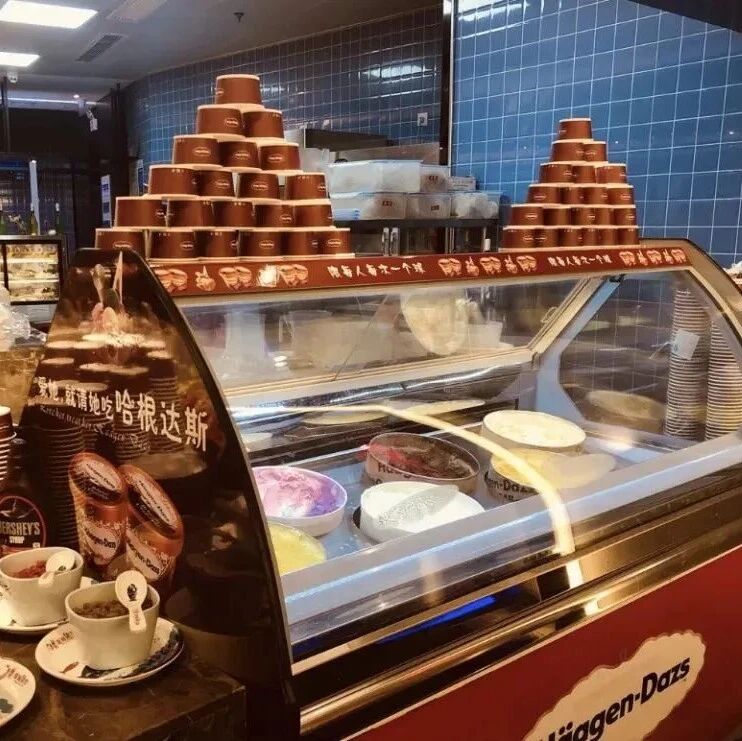
哈根达斯客流量缩水,30元的Gelato走红
第一财经· 2025-09-05 15:21
Core Viewpoint - The article discusses the rising popularity of Gelato in the ice cream market, particularly in urban areas, and questions whether brands like Gelato can sustain their growth amidst increasing competition and changing consumer preferences [2][4][12]. Market Trends - Gelato, an Italian-style ice cream, is gaining traction in major cities like Beijing, Shanghai, Guangzhou, and Shenzhen, with a notable increase in the number of artisanal Gelato shops [4][6]. - The consumer trend is shifting towards premium products, with Gelato brands like "野人先生" (Mr. Wild) rapidly expanding their store count, reportedly reaching around 850 locations, with over 1000 signed contracts [6][12]. Consumer Behavior - Consumers are increasingly price-sensitive, often waiting for discounts before purchasing Gelato, indicating that high prices may limit frequency of purchase [6][10]. - The perception of Gelato as a luxury item is challenged by the availability of cheaper alternatives through community group buying platforms, where well-known brands like Haagen-Dazs are also offering significant discounts [10][12]. Competitive Landscape - The ice cream market is seeing a return to normalcy, with consumers less inclined to impulsively purchase high-priced items, leading to a decline in foot traffic for premium brands [12][13]. - Brands that offer a balance of quality and price are becoming more favored, with the 5 to 8 yuan price range emerging as the mainstream segment [12][13]. Ingredient Transparency - There is a growing consumer focus on ingredient safety, with many scrutinizing the components of ice cream products, leading to a demand for clearer ingredient labeling [15][17]. - The upcoming national standard GB/T 31114-2024 will enforce stricter regulations on ice cream ingredients, potentially reshaping the market by promoting transparency and quality [18][20]. Future Outlook - The seasonal nature of ice cream sales poses challenges, as the industry may experience a slowdown post-summer, raising questions about the sustainability of premium Gelato brands during off-peak seasons [20][21]. - The ability of brands like "野人先生" to maintain consumer interest and foot traffic in the fall and winter months will be critical for their long-term success [20].

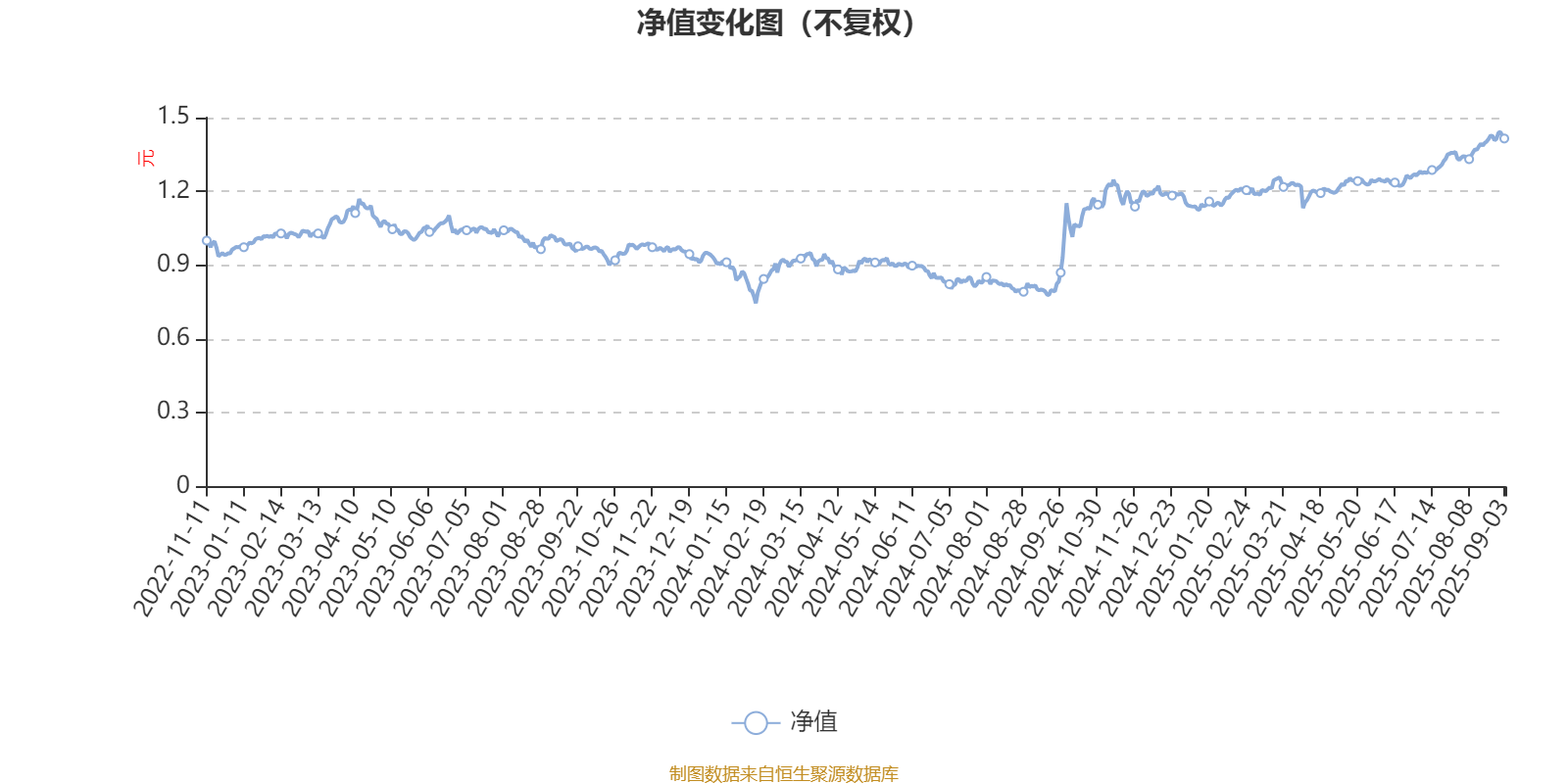
大成红利优选一年持有混合发起式A:2025年上半年利润142.03万元 净值增长率7.28%
Sou Hu Cai Jing· 2025-09-05 14:58
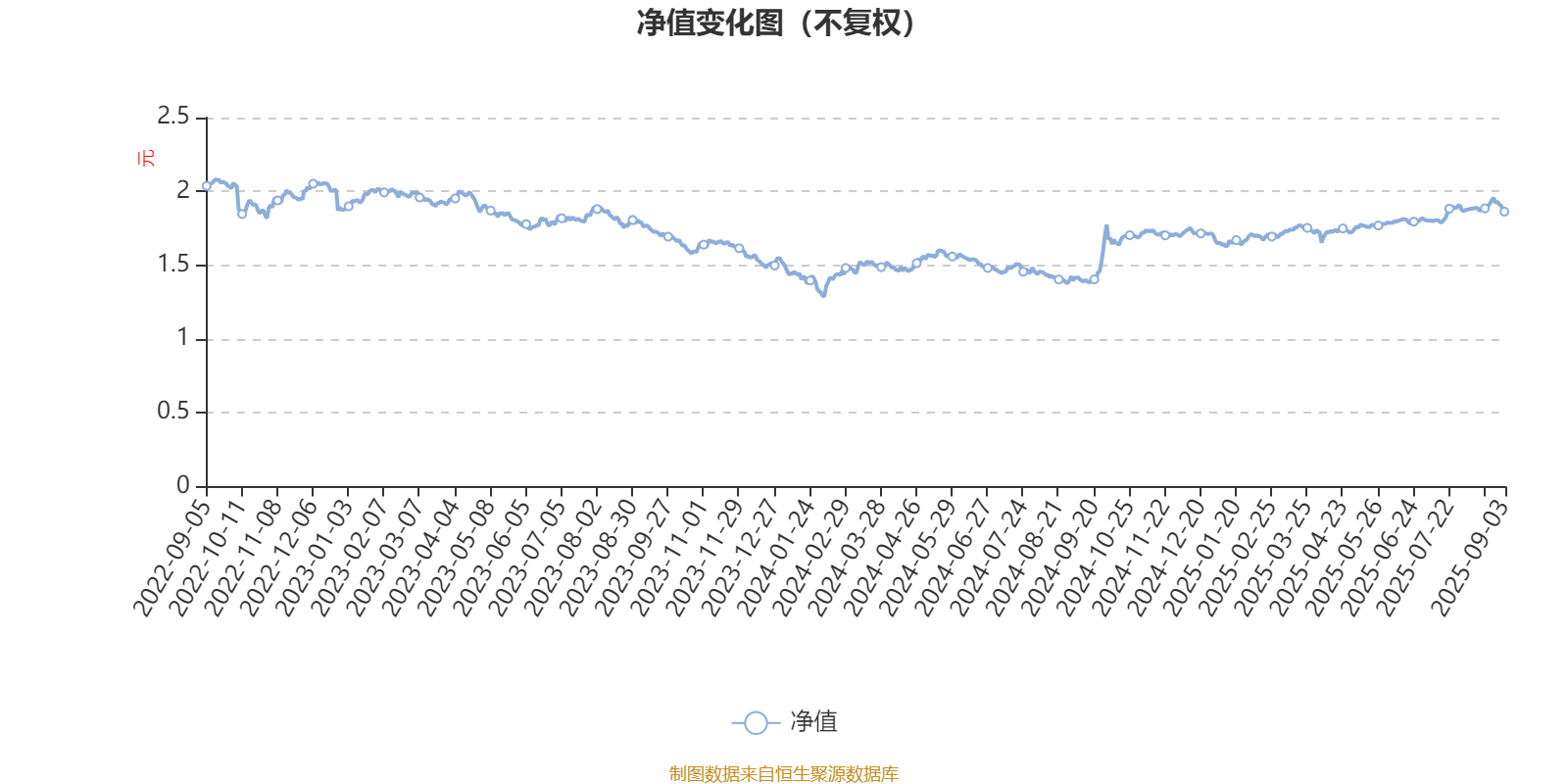
Group 1 - The core viewpoint of the news is that the Dachen Hongli Preferred One-Year Holding Mixed Fund A (013914) reported a profit of 1.4203 million yuan in the first half of 2025, with a net value growth rate of 7.28% [2][6] - As of September 3, the fund's unit net value was 1.415 yuan, and the fund manager, Li Yu, has managed four funds with positive returns over the past year [2][6] - The fund's performance in the past year shows a significant growth rate, with the highest being 96.14% for Dachen Jinglu Flexible Allocation Mixed A and the lowest at 33.12% for Dachen Hengxiang Mixed A [2][6] Group 2 - The fund's weighted average price-to-earnings ratio (TTM) is approximately 18.54 times, which is lower than the industry average of 25.34 times [11] - The weighted average price-to-book ratio (LF) is about 2.88 times, compared to the industry average of 2.34 times [11] - The weighted average price-to-sales ratio (TTM) stands at 2.5 times, while the industry average is 2.09 times [11] Group 3 - The fund's weighted revenue growth rate (TTM) for the first half of 2025 is 0.11%, and the weighted net profit growth rate (TTM) is 0.13% [18] - The fund's weighted annualized return on equity is 0.16% [18] - The fund's Sharpe ratio since inception is 0.6223, indicating a reasonable risk-adjusted return [26] Group 4 - As of June 30, 2025, the fund had a total of 1,066 holders, with a total of 17.2498 million shares held [36] - The fund's maximum drawdown since inception is 36.26%, with the largest quarterly drawdown occurring in Q1 2024 at 21.58% [29] - The fund's turnover rate in the last six months is approximately 75.29%, which is consistently lower than the industry average [39] Group 5 - The fund has a high concentration of holdings, with the top ten stocks including Kweichow Moutai, CATL, New China Life Insurance, Mindray Medical, and others [41]
第四届东吴国际人道论坛在苏州开幕
Huan Qiu Wang Zi Xun· 2025-09-05 12:29
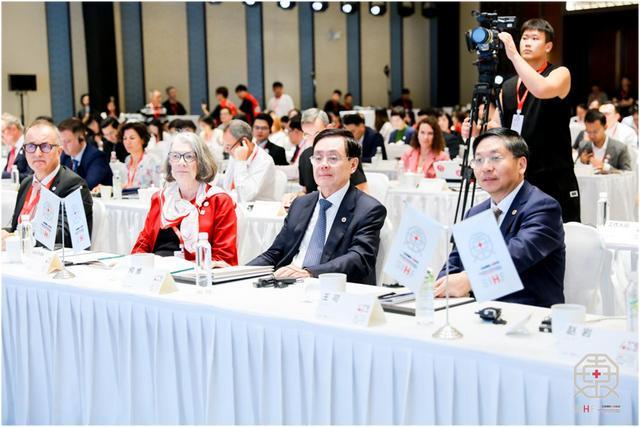
9月5日,为期两天的以"AI时代的人道行动:连接与韧性"为主题的第四届东吴国际人道论坛在苏州开 幕。全国人大常委会副委员长、中国红十字会会长何维,红十字会与红新月会国际联合会(以下简 称"国际联合会")主席凯特·福布斯共同出席论坛开幕式并作主旨演讲。中国红十字会党组书记、常务 副会长王可主持开幕式。 来源:环球网 江苏省人民政府副省长、江苏省红十字会会长赵岩、苏州大学校长张桥等在开幕式上致辞。中国红十字 会党组成员、副会长兼秘书长李立东主持论坛研讨。与会嘉宾、学者从AI时代国际人道行动协同机 制、武装冲突场景下人道行动及AI技术的应用、中国在人道救援行动中应用AI科技的探索、AI技术对 人道行动组织的赋能、AI时代的人道教育发展构想及AI时代人道伦理新挑战等角度展开讨论。 何维指出,当今世界正经历百年未有之大变局。人工智能(AI)作为引领未来的战略性技术,为国际 人道主义事业带来了历史性机遇与时代性挑战。中国红十字会作为国际红十字与红新月运动的重要成 员,积极响应国际联合会《2030战略》提出的数字化转型倡议,探索AI技术在人道行动中的应用,在 应急救援、人道援助等领域初步积累了AI技术实践经验。他强调,中国 ...
美银解读消费 H1 财报:36% 企业超预期,核心标的一文看
Zhi Tong Cai Jing· 2025-09-05 11:06
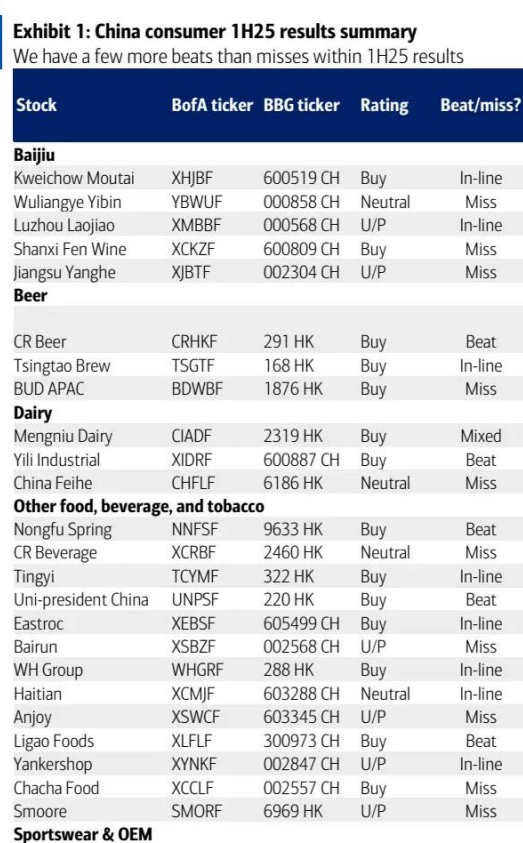
Core Insights - The overall performance of China's consumer market in the first half of 2025 was subdued, while new consumption trends showed strong growth, a pattern observed over the past 18 months [1] - Among the companies covered by Bank of America, 36% exceeded earnings expectations, 31% fell short, and the remainder met or showed mixed results [1] Domestic Consumption Trends - Restaurant businesses primarily relying on takeout benefited from subsidy policies, with companies like Mixue Group reporting a 13% year-on-year increase in sales per store, largely driven by these subsidies [2] - The average selling price (ASP) in the restaurant and beverage sectors, particularly bottled water, has shown a downward trend, with CR Beverage experiencing an 18.5% decline in sales, nearly half attributed to falling prices [3] Channel Transformation - Companies are reporting strong sales for products customized for emerging channels like Sam's Club and discount snack stores, with some leading firms even providing OEM services for these channels [4] - The trend towards private labels is becoming more pronounced due to channel fragmentation and diminishing brand prestige [4] Consumption Highlights - Areas such as ready-to-drink beverages (sugar-free tea, energy drinks), freshly brewed tea and coffee, snacks (konjac products), outdoor activities, emotional consumption, and discount channels are performing well [5] - This aligns with Bank of America's recent report on new consumption, which emphasizes five core consumer areas: emotional value, health and wellness, diverse experiences, convenient services, and emerging channels [5] New Consumption Differentiation - Despite strong performance from some new consumption companies, market sentiment appears cautious, with Bubble Mart seen as a consensus buy, while the milk tea sector faces negative sentiment [6] Overseas Business and Shareholder Returns - The anticipated rush in orders for the second half of 2025 may lead to sequential growth slowdowns due to high base effects, with tariff-sharing mechanisms potentially limiting OEM profit margins in the short term [7] - A stable shareholder return is noted, with 4%-5% dividend yields common among covered consumer stocks, and several companies increasing dividend frequencies [8] Future Cyclical Trends - The white liquor and dairy sectors are highlighted for potential upward cycles in 2026, with investors showing interest in companies that have faced significant sales declines but are expected to clean up their profit and loss statements [9] - Conversely, the white goods and milk tea sectors are anticipated to face downward cycles, with concerns over high base effects and uncertain performance in 2026 [10]

交银国企改革灵活配置混合A:2025年上半年利润1.15亿元 净值增长率6.38%
Sou Hu Cai Jing· 2025-09-05 11:04
Core Viewpoint - The AI Fund, specifically the Jiaoyin State-Owned Enterprise Reform Flexible Allocation Mixed A Fund (519756), reported a profit of 115 million yuan for the first half of 2025, with a weighted average profit per fund share of 0.1026 yuan. The fund's net value growth rate was 6.38%, and its total size reached 2.133 billion yuan by the end of the first half of the year [2]. Fund Performance - As of September 3, the fund's unit net value was 1.863 yuan. The fund manager, Shen Nan, has managed three funds that have all yielded positive returns over the past year. The highest return among these is from the Jiaoyin Ruisi Mixed (LOF) at 50.08%, while the Jiaoyin State-Owned Enterprise Reform Flexible Allocation Mixed A Fund recorded a return of 31.55% [2][5]. - The fund's performance over different time frames includes a 4.12% growth rate over the last three months, 9.79% over the last six months, and 31.55% over the last year, ranking it 832/880, 695/880, and 557/880 respectively among comparable funds [5]. Valuation Metrics - As of June 30, 2025, the fund's weighted average price-to-earnings (P/E) ratio was approximately 33.98 times, compared to the industry average of 15.75 times. The weighted average price-to-book (P/B) ratio was about 1.65 times, while the industry average was 2.52 times. The weighted average price-to-sales (P/S) ratio was around 0.76 times, against an industry average of 2.16 times [10]. Growth Metrics - For the first half of 2025, the fund's weighted average revenue growth rate was 0%, and the weighted average net profit growth rate was -0.26%. The weighted annualized return on equity was 0.05% [17]. Fund Composition and Holdings - As of June 30, 2025, the fund had a total of 81,900 holders, collectively holding 1.177 billion shares. Institutional investors held 46.49% of the shares, while individual investors accounted for 53.51%. The fund's top ten holdings included companies such as SF Holding, Aero Engine Corporation of China, and China Chemical Engineering [36][40]. - The fund's turnover rate for the last six months was approximately 102.82%, remaining below the industry average for three consecutive years [38]. Investment Strategy - The fund management anticipates a favorable investment window as liquidity improves and the domestic economy stabilizes. The focus will be on sectors benefiting from manufacturing upgrades, domestic demand stabilization, and technological breakthroughs. The strategy includes aligning with the latest reforms in state-owned enterprises and exploring investment opportunities in private enterprises that can benefit from these reforms [2].
中国企业在AI爆发浪潮下的品牌破局之策,Interbrand带来前沿思考
Tai Mei Ti A P P· 2025-09-05 10:12
Core Insights - The core viewpoint of the article emphasizes the increasing importance of AI in brand strategy and its integration into business operations, marking a shift from merely possessing AI to strategically leveraging its value [1][2][8] Group 1: AI's Role in Brand Strategy - AI has become a critical topic for Chinese companies, influencing brand strategy and business operations [1] - Companies are transitioning from a binary approach of "having AI" to a focus on the value AI brings to their brand and operations [1][2] - The Chinese government has initiated policies to promote AI, indicating a new era for businesses to adopt AI strategies [1] Group 2: Challenges in AI Brand Expression - Companies face the challenge of differentiating themselves in a crowded AI landscape, with many brands already identifying unique points of AI brand expression [2] - There is a need for brands to articulate their AI strategies in a way that resonates with consumers, moving beyond conceptual understanding to tangible value [3][4] Group 3: Examples of AI Integration - Tencent exemplifies successful AI integration by creating a digital companion for users, showcasing AI as a new productivity tool [2] - Huawei is transitioning its brand image from a "connector" to a "full-stack enabler" in the AI space, emphasizing its role in driving industry intelligence [2] - JD.com and Alibaba are also making strides in AI, with JD focusing on enterprise applications and Alibaba positioning itself as an AI assistant for consumers [3] Group 4: AI's Impact on Marketing and Content Creation - AI is enhancing content creation capabilities, allowing for more efficient user engagement and interaction [6] - Brands like Kuaishou are leveraging AI tools to empower creators, thus fostering a more interactive brand environment [6] - AI is becoming a quantifiable tool for marketing decisions, enabling brands to better understand consumer needs and streamline product innovation [7] Group 5: Future Directions for AI in Branding - The future of AI in branding involves a comprehensive approach that aligns brand strategy with business strategy while exploring key optimization points [8] - Companies must balance the technical aspects of AI with its humanistic implications, ensuring that AI serves as an empowering tool rather than a mere operational necessity [8]

从茶叶到瓶装茶,小罐茶高香无糖茶加速传统茶企转型
Zhong Guo Shi Pin Wang· 2025-09-05 09:55
Core Insights - The market for sugar-free tea is expanding due to the ongoing upgrade in health consumption, with numerous brands increasing their presence in this sector [1] - Traditional tea companies are accelerating their entry into the bottled tea market, with brands like Xiaoguan Tea launching new products [3] - Xiaoguan Tea's sugar-free tea has exceeded expectations in the Guangdong market, achieving over 600,000 boxes in sales within three months [6] - The competition in the sugar-free tea market is shifting from a focus on health to a comprehensive competition based on quality, flavor, and consumer experience [10] Company Developments - Xiaoguan Tea launched its "High Fragrance Sugar-Free Tea" series, which includes three initial flavors and plans to introduce two more [3][8] - The brand has successfully established a distribution network in Guangdong, covering over 50,000 retail points, including major convenience store chains [6] - As of August, Xiaoguan Tea has expanded its reach to 26 provinces and has received inquiries from over 2,000 potential distributors [8] Industry Trends - The sugar-free tea market is entering a "deep water zone," where competition is increasingly focused on taste and consumer experience rather than just health benefits [10] - The market is expected to undergo a significant reshaping, with a shift towards a flavor-centric approach in product development [10] - Xiaoguan Tea's innovative extraction techniques are helping to preserve the natural flavors of tea, providing a competitive edge in the market [12]
乳业概念下跌0.51%,6股主力资金净流出超千万元
Zheng Quan Shi Bao Wang· 2025-09-05 09:37
Group 1 - The dairy sector experienced a decline of 0.51% as of the market close on September 5, ranking among the top losers in concept sectors, with companies like Junyao Health, Miaokelando, and Huanlejia seeing significant drops [1] - Among the dairy stocks, 11 companies saw price increases, with Ketaobiotech, Yiyaton, and Wancheng Group leading the gains at 1.72%, 1.47%, and 0.96% respectively [1] - The dairy sector faced a net outflow of 120 million yuan from major funds today, with 21 stocks experiencing net outflows, and 6 stocks seeing outflows exceeding 10 million yuan [2] Group 2 - The top net outflow stock in the dairy sector was Beiyinmei, with a net outflow of 55.85 million yuan, followed by Huanlejia and Qiaqia Foods with outflows of 49.63 million yuan and 34.69 million yuan respectively [2] - Conversely, the stocks with the highest net inflows included Yili Group, Dabeinong, and Miaokelando, with net inflows of 41.39 million yuan, 28.16 million yuan, and 20.83 million yuan respectively [2] - The dairy sector's outflow leaderboard highlighted Beiyinmei, Huanlejia, and Junyao Health as the most affected stocks, with respective declines of 1.45%, 3.85%, and 4.54% [3]


