
小米汽车

Search documents
“人机共驾”再次进阶智驾险仍徘徊“兜底服务”阶段
Zhong Guo Zheng Quan Bao· 2025-12-25 21:11
以算法为罗盘、传感器为慧眼,智能驾驶技术的演进正带来一场出行革命。近日,工信部正式公布我国 首批L3级车型准入许可,作为试点的重庆、北京两地也陆续发放专用号牌,迈出L3级自动驾驶商业化 关键一步。 在L3级"有条件自动驾驶"模式下,"人机共驾"再次进阶。相比目前盛行的L2级"辅助驾驶",L3级驾驶责 任首次出现"人机转移",随之而来的风险核心也更加侧重于系统可靠性、算法决策、传感器性能等变 量。围绕智能驾驶衍生的新风险,"出了事故谁来赔"成为市场关切。 中国证券报记者近日从车企、险企等市场主体调研了解到,市面上近两年出现的所谓"智驾险"产品,实 则为车企或智驾方案供应商提供的兜底方案,并非真正的保险险种。业内人士表示,未来,随着智驾场 景不断丰富,与之适配的真正的智驾险应跟上创新节奏,打破数据壁垒,穿越错综复杂的人机定责迷 宫,为智能驾驶本身系紧安全带。 ● 本报记者 薛瑾 根据我国《汽车驾驶自动化分级标准》,汽车智能驾驶分为L0至L5六个级别,每个级别对应不同的自 动化程度和功能。随着自动驾驶等级提升(尤其是L3级落地),驾驶主体正从"人"向"机"转换,具备智 驾功能的汽车也催生出新的保险需求。然而,距离这 ...

银行车企年末冲业绩 “0”字组合超常规车贷揽客
Zhong Guo Zheng Quan Bao· 2025-12-23 20:19
Core Insights - The automotive finance market in China is experiencing intensified competition due to various favorable policies, leading to unconventional financial offerings such as "0 down payment" and "0 interest" loans [1][3] Group 1: Market Dynamics - Financial institutions are collaborating with both traditional fuel and new energy vehicle manufacturers to lower car purchase costs and simplify loan processes, especially during the peak sales season in December [1][2] - There is a notable increase in promotional financing options, including significant discounts on vehicle prices and attractive loan terms, such as "loan for 5 years, pay back in 2 years" [1][2] - The market is seeing a rise in "0 down payment + 0 interest" financing schemes, which were previously not available simultaneously, indicating a shift in strategy to boost year-end sales [3][4] Group 2: Financial Institution Strategies - Banks are increasing auto loan incentives to expand credit scale and compensate for declines in other lending areas, while also aiming to drive inventory sales for car manufacturers [5] - Financial institutions are transitioning from being mere credit providers to "ecosystem service providers," focusing on compliance, risk control, and long-term customer value rather than short-term high returns [6] - The automotive finance sector is undergoing significant transformation, with a shift towards customized financial solutions that cater to specific purchasing scenarios, such as new energy vehicles and used car transactions [6]




首批3个号牌落户北汽极狐 北京L3级自动驾驶获准合法上路
Bei Jing Shang Bao· 2025-12-23 15:37
Core Insights - The development of L3 conditional autonomous driving in China is reaching a critical breakthrough, with the issuance of special license plates for L3 vehicles in Beijing, marking a transition from testing to commercial use [2][3] Group 1: Policy and Implementation - Beijing has issued the first special license plates for L3 level autonomous vehicles, allowing models like the BAIC Arcfox Alpha S (L3 version) to operate legally on the roads [2] - The Ministry of Industry and Information Technology has granted approval for the first batch of L3 conditional autonomous driving models, including vehicles from Changan Automobile and BAIC Arcfox, to conduct road trials in designated areas [2][3] - The first L3 special license plate "渝AD0001Z" was issued in Chongqing, indicating a shift to compliant commercial use of autonomous vehicles [2] Group 2: Technical Advancements - The BAIC Arcfox Alpha S (L3 version) is the only model in the first batch equipped with LiDAR technology, which is crucial for its autonomous capabilities [3] - The vehicle can perform dynamic driving tasks under specific conditions, achieving speeds of up to 80 km/h on designated highways and urban expressways, although a driver must remain in the seat to take control in emergencies [3] Group 3: Industry Impact - The rollout of L3 autonomous driving is expected to accelerate the iteration of core technologies such as sensors, chips, and algorithms, fostering an integrated infrastructure of "vehicle-road-cloud" [5] - New business models, including subscription services and data services, are anticipated to emerge, shifting the profit focus from hardware to software and services [5] - The competitive landscape is likely to change, with companies possessing full-stack self-research capabilities expected to dominate the market as L3 functionalities become more mainstream [5]



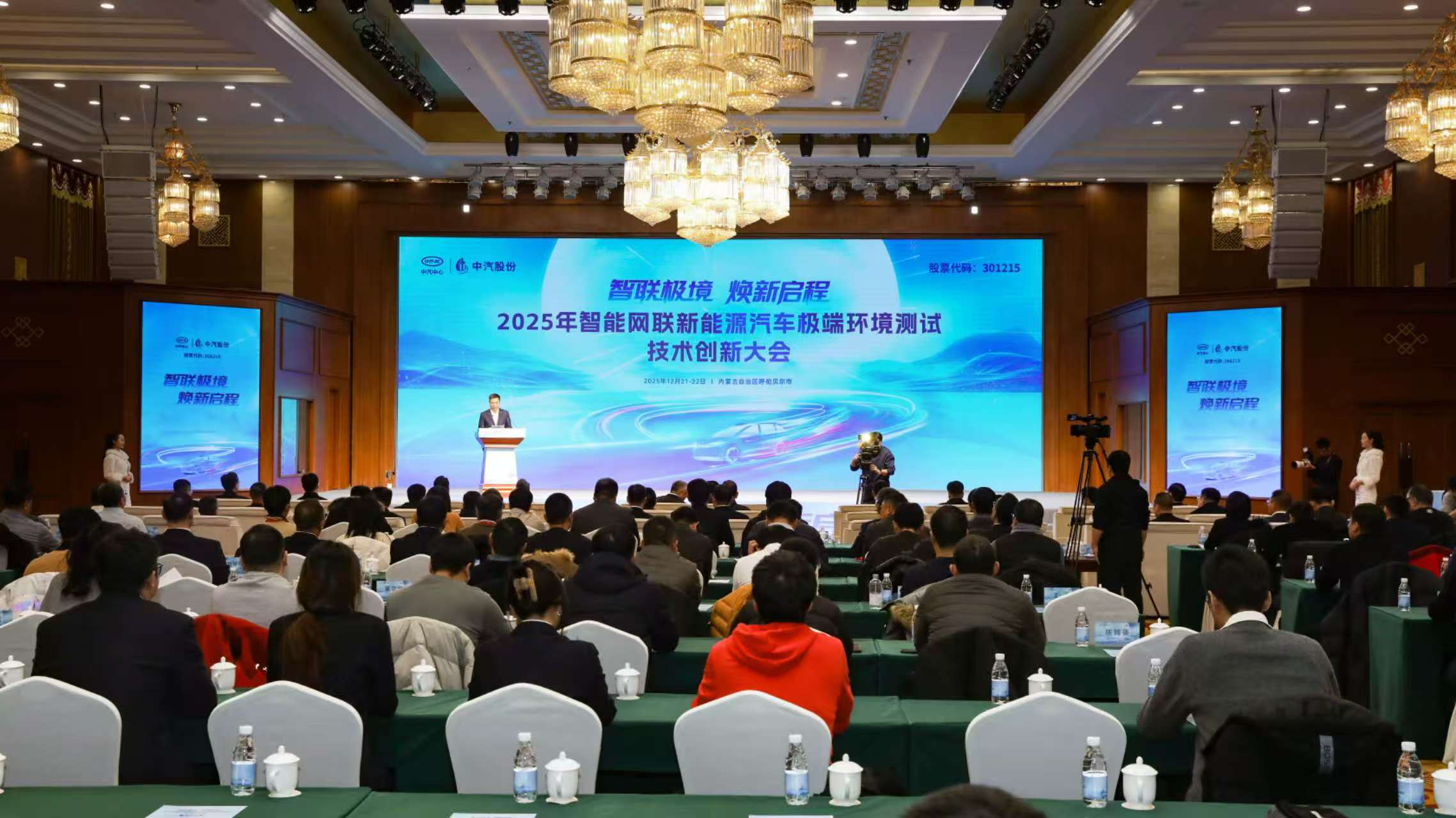
2025年智能网联新能源汽车极端环境测试技术创新大会在呼伦贝尔成功举办
Zheng Quan Shi Bao Wang· 2025-12-23 02:55
12月21日—22日,2025年智能网联新能源汽车极端环境测试技术创新大会在内蒙古呼伦贝尔成功举办。呼伦贝尔市委书记王旺盛,市委副书记、市长及永 乾,中国汽车技术研究中心有限公司(以下简称"中汽中心")副总经理张嘉禾出席大会。 本次大会由中汽研汽车试验场股份有限公司(以下简称"中汽股份(301215)")主办,围绕极端环境下智能网联汽车适应性提升与技术创新主题,汇聚了来自 高校科研院所、汽车企业、研发测试机构等的行业专家200余人,共同探讨智能网联新能源汽车行业快速发展背景下低温冰雪等极端环境测试的核心议题, 共享行业最新发展动态,为推动汽车行业新质生产力发展提供有力支撑。 张嘉禾在大会上发表讲话。他指出,智能网联新能源汽车产业发展正从规模扩张迈向质量提升的关键阶段,推进智能网联新能源汽车全季冰雪试验基地建 设,既是响应国家战略的重要实践,也是破解产业痛点、引领行业升级的重要举措。中汽中心将紧跟国家"十五五"规划建议,夯实智能网联发展基础,以科 技创新和新质生产力发展推动汽车产业科技高水平自立自强,构建产业发展新篇章。 及永乾在致辞中强调,呼伦贝尔坚持践行"冰天雪地也是金山银山"的发展理念,凭借独特的区位优势 ...
车圈俩月换了6个CEO,29家企业327名高管变动,掀起年终人事巨变
3 6 Ke· 2025-12-22 23:18
Core Insights - The automotive industry is experiencing a significant wave of executive changes, with over 327 high-level personnel adjustments reported in the last two months, including six CEOs [2][3][4] - The restructuring reflects a strategic shift among companies as they prepare for intensified competition in 2026, focusing on leadership renewal, efficiency, and core business enhancement [4][5][6] Group 1: Executive Changes in State-Owned Enterprises - Major state-owned automotive groups such as Dongfeng, Changan, GAC, and BAIC have undergone frequent personnel changes, aiming for younger and more professional decision-making teams [5][6][7] - GAC has appointed its first "post-70s" general manager, indicating a move towards clearer internal responsibilities and optimized decision-making [7] - Dongfeng has brought in external talent to drive its smart transformation, while Changan has filled its long-vacant president position, reflecting a commitment to leadership stability [11][13][15] Group 2: Executive Departures in Private Enterprises - Private automakers like BYD, Geely, and Great Wall have seen significant executive turnover, with key figures leaving amid fierce market competition [17][19] - Chery has emerged as an active talent poacher, recruiting from competitors to enhance its marketing and technology capabilities [19][21] Group 3: New Forces in the Automotive Sector - New energy vehicle companies are making urgent personnel adjustments to tackle pressing challenges, with Li Xiang of Li Auto taking direct control of human resources to streamline operations [22][24] - Xiaomi's automotive division is focusing on sales growth, with top executives taking on additional responsibilities to drive performance [26][28] - XPeng Motors is enhancing its technical capabilities by hiring AI experts, indicating a strategic focus on core technology development [29] Group 4: Changes in Foreign and Joint Venture Brands - Major foreign automotive companies, including GM and Tesla, are undergoing significant executive changes, with GM's software and AI teams experiencing notable turnover [32][34][36] - German luxury brands are also reshuffling their leadership, with key executives transitioning to new roles to align with future strategic goals [38][40][42] Group 5: Supply Chain and Component Manufacturers - The supply chain sector is also witnessing high-frequency personnel changes, with Huawei's Yu Chengdong taking on additional leadership roles to strengthen its market position [46][49] - Traditional component manufacturers like Continental and ZF are focusing on efficiency and business concentration through their leadership adjustments [51][52] Conclusion - The recent wave of personnel changes in the automotive industry signifies a critical reassessment of survival strategies amid the ongoing transition towards electrification and intelligence [53]




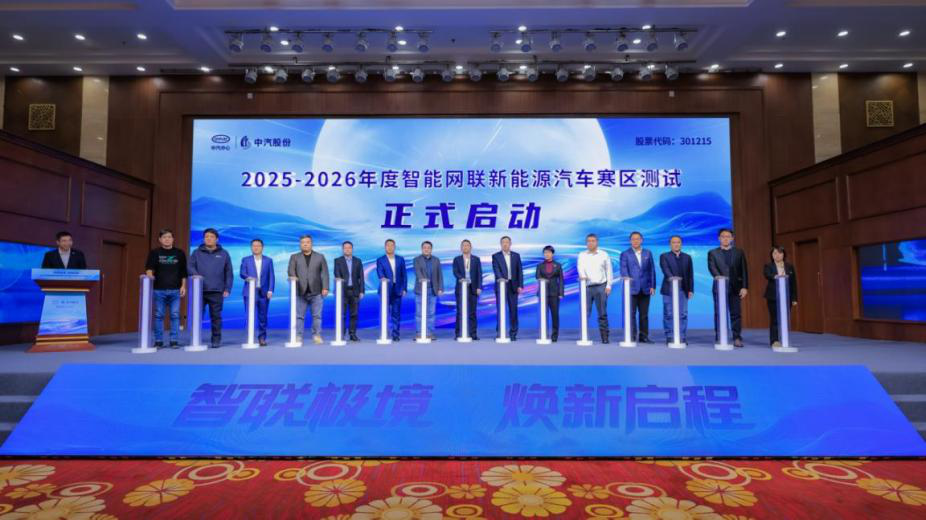
2025年智能网联新能源汽车极端环境测试技术创新大会在呼伦贝尔举办
Xin Lang Cai Jing· 2025-12-22 12:08
呼伦贝尔市委副书记、市长及永乾表示,呼伦贝尔坚持践行"冰天雪地也是金山银山"的发展理念,凭借独特的区位优势和气候条 件,积极打造新能源汽车高寒测试中心。智能网联新能源汽车全季冰雪试验基地的建设将带动从测试研发到产业应用的全链条产业 集聚,助力呼伦贝尔以冰雪为媒、以产业为桥,共同为建设汽车强国注入"冰雪力量"。 2025年智能网联新能源汽车极端环境测试技术创新大会21日至22日在内蒙古呼伦贝尔举办。本次大会由中汽研汽车试验场股份有限 公司(以下简称"中汽股份")主办,围绕极端环境下智能网联汽车适应性提升与技术创新主题,汇聚了来自高校科研院所、汽车企 业、研发测试机构等的行业专家200余人,共同探讨智能网联新能源汽车行业快速发展背景下低温冰雪等极端环境测试的核心议 题,共享行业最新发展动态,为推动汽车行业新质生产力发展提供有力支撑。 中国汽车技术研究中心有限公司副总经理张嘉禾指出,智能网联新能源汽车产业发展正从规模扩张迈向质量提升的关键阶段,推进 智能网联新能源汽车全季冰雪试验基地建设,既是响应国家战略的重要实践,也是破解产业痛点、引领行业升级的重要举措。中汽 中心将紧跟国家"十五五"规划建议,夯实智能网联发展基 ...
美股AI股大幅反弹!下周行情稳了?
Mei Ri Jing Ji Xin Wen· 2025-12-21 11:07
Core Viewpoint - The A-share market experienced a rebound after a period of decline, driven by mysterious funds that alleviated market concerns, particularly in the AI hardware sector, which is seen as a key driver of the current bull market [1][2]. Market Performance - The market showed a "strong at both ends, weak in the middle" trend, with the micro-cap index and the Shanghai 50 index performing the best, while the ChiNext and Sci-Tech 50 indices saw declines exceeding 2% [1]. - The mysterious funds' intervention on Wednesday reversed market sentiment, leading to a three-day rebound [1][4]. Influencing Factors - The market's recent weakness is attributed to several factors, including a policy and earnings vacuum at year-end, the realization of major macroeconomic events, and negative sentiment from certain U.S. tech stocks [2]. - The Bank of Japan's recent interest rate hike of 25 basis points and the rebound of U.S. AI stocks, particularly Oracle and Broadcom, contributed positively to the A-share market's recovery [2]. Future Market Outlook - Two key points to watch for the upcoming week: potential support at the half-point level since the December 16 low of 3815, and resistance at the December 8 high of 3936 [4]. - The market is expected to remain volatile, with a focus on the AI hardware and commercial aerospace sectors for potential investment opportunities [5][9]. Sector Focus - The AI hardware sector remains a primary focus, with strong performances from leading companies like "Yizhongtian," which are seen as indicators for the sector's direction [6]. - The commercial aerospace sector is also highlighted as a consistent theme, with ongoing developments and potential for growth despite recent fluctuations [6]. - The autonomous driving sector has shown strength, particularly with recent regulatory approvals for companies like Changan Automobile and Xiaomi [6][7]. Investment Strategy - The recommendation is to focus on mid-term potential directions, employing a strategy of buying on dips while continuously lowering costs [5][9].

汽车行业周报(20251215-20251221):板块触底有望提前,建议提前布局明年机会-20251221
Huachuang Securities· 2025-12-21 09:32
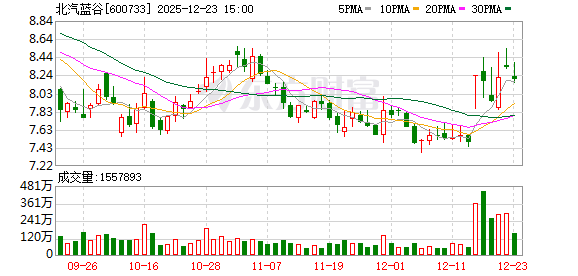
Investment Rating - The report maintains a "Buy" recommendation for the automotive sector, suggesting that the sector is expected to bottom out and presents a good opportunity for early investment in the upcoming year [3]. Core Insights - Traditional vehicle stocks continue to show weak performance, which is anticipated as the market awaits clarity on 1Q policies and retail trends. The report suggests that the current moment is a favorable time for positioning [3]. - The report highlights significant interest in the intelligent driving sector, particularly with L3 level autonomous driving vehicles, which are expected to gain traction in 2026 due to potential policy and standard implementations [3]. - The report emphasizes the importance of monitoring the automotive sector's recovery, particularly focusing on companies like Geely and JAC, which are expected to benefit from high-end product strategies and international expansion [5]. Data Tracking - In early December, the discount rate for vehicles decreased slightly, with an average discount amount of 22,156 yuan, down 1,238 yuan from the previous month. The discount rate was reported at 9.7%, a decrease of 0.4 percentage points month-on-month [5]. - In October, wholesale vehicle sales reached 2.96 million units, a year-on-year increase of 7.5% and a month-on-month increase of 3.6%. However, retail sales fell to 2.09 million units, down 9.2% year-on-year and 6.4% month-on-month [5]. - In November, BYD's delivery volume was 480,186 units, showing a significant month-on-month increase of 8.7%, while traditional automaker Geely's sales reached 310,000 units, up 24.0% year-on-year [6][26]. Industry News - On December 15, the Ministry of Industry and Information Technology approved two L3 level autonomous driving vehicle models from Changan Automobile and BAIC Blue Valley [9][32]. - The report notes that the automotive sector's performance index increased by 0.09% this week, ranking 9th out of 29 sectors [10]. - The report mentions that the retail market for narrow passenger vehicles is expected to reach approximately 2.3 million units in December, reflecting a month-on-month growth of 3.4% but a year-on-year decline of 12.7% [34].




购置税退坡在即!车企奋力“兜底”,难挽年末市场降温……
Guo Ji Jin Rong Bao· 2025-12-19 17:28
Core Viewpoint - The exemption policy for new energy vehicle purchase tax, in place for ten years, will end on December 31, 2025, transitioning to a 50% tax reduction starting January 1, 2026, with the maximum exemption amount decreasing from 30,000 yuan to 15,000 yuan [1] Group 1: Policy Changes - The new purchase tax rate for new energy vehicles will be 5% after the adjustment, down from full exemption [1] - For vehicles priced at 300,000 yuan, the tax payable will be 15,000 yuan, while for those priced at 500,000 yuan, the tax will be 35,000 yuan after applying the maximum exemption [1] Group 2: Industry Response - Over twenty car manufacturers, including Li Auto, NIO, Chery, and others, have introduced "purchase tax guarantee" subsidy plans to mitigate consumer hesitation due to the policy change [4] - Xiaomi Auto has launched a year-end purchase tax subsidy plan, promising up to 15,000 yuan for users who lock in orders by November 30, 2023, if delivery is delayed to 2026 [4] - GAC Group and XPeng have also announced similar subsidy plans, with varying deadlines and subsidy amounts [4] Group 3: Market Trends - Despite the introduction of subsidy plans, the expected surge in market activity has not materialized, with a reported 8.1% year-on-year decline in retail sales of passenger vehicles in November [8] - The retail sales of fuel vehicles dropped by 22%, while pure electric vehicle sales increased by 9.2% [8] - Sales personnel have noted a general slowdown in consumer activity, attributing it to the cessation of national subsidies and a wait-and-see attitude regarding future policies [8] Group 4: Sales Performance - Some manufacturers are facing challenges in meeting their sales targets, with companies like NIO and Li Auto showing low completion rates of 62.6% and 56.6%, respectively [10] - In contrast, XPeng has met its annual sales target, while other companies like Leap Motor and BYD have exceeded 90% of their targets [10]


购置税退坡在即!车企奋力“兜底” 难挽年末市场降温……
Guo Ji Jin Rong Bao· 2025-12-19 15:41
Core Viewpoint - The exemption policy for new energy vehicle (NEV) purchase tax, in place for ten years, will end on December 31, 2025, transitioning to a 50% tax reduction starting January 1, 2026, with the maximum exemption amount decreasing from 30,000 yuan to 15,000 yuan [1] Group 1: Policy Changes - The new purchase tax rate for NEVs will be 5% after the reduction, with specific calculations indicating that a 300,000 yuan vehicle will incur a tax of 15,000 yuan, while a 500,000 yuan vehicle will incur a tax of 35,000 yuan after the maximum deduction [1] - Major NEV manufacturers are introducing "purchase tax guarantee" solutions to mitigate consumer hesitation due to the policy change, with over twenty companies, including Li Auto, NIO, and Chery, launching such subsidy programs [1] Group 2: Company Responses - Xiaomi Auto has announced a year-end purchase tax subsidy plan, offering up to 15,000 yuan for users who lock in orders by November 30, 2025, with similar commitments from GAC Group and XPeng [2] - The core framework of these subsidy plans is consistent across manufacturers, focusing on compensating consumers for tax differences if vehicle delivery is delayed into 2026 due to manufacturer issues [2] Group 3: Market Trends - Despite the introduction of tax guarantee policies, the expected market boost has not materialized, with November retail sales of passenger vehicles dropping by 8.1% year-on-year, and fuel vehicle sales declining by 22% [4] - Sales personnel report a general market slowdown, attributing it to consumer hesitation stemming from the cessation of national subsidies and uncertainty regarding future policies [4] Group 4: Sales Performance - A review of sales targets for the first eleven months of the year shows varying completion rates among manufacturers, with XPeng achieving its annual target, while NIO and Li Auto are significantly behind at 62.6% and 56.6% completion rates, respectively [5] - The overall sales target completion rate for Changan Auto stands at 88.6%, indicating pressure on several manufacturers to meet their goals as the year-end approaches [5]