
中国稀土

Search documents
有色金属周报:美联储主席更替,贵金属波动放大-20260201
SINOLINK SECURITIES· 2026-02-01 14:57
Investment Rating - The report indicates a positive outlook for copper and aluminum sectors, with expectations of stable production and demand recovery in the near term [2][3][13]. Core Insights - Copper prices increased by 3.98% to $13,650.5 per ton on LME, while domestic prices rose by 2.31% to 103,700 CNY per ton. The overall production stability in the copper industry is noted, with a slight decrease in operating rates expected due to seasonal demand fluctuations [2][14]. - Aluminum prices saw a 1.75% increase to $3,229.0 per ton on LME, with domestic prices at 24,600 CNY per ton. The report highlights a seasonal decline in aluminum processing rates, indicating a shift towards the off-peak season [3][15]. - Gold prices surged by 8.58% to $5,410.8 per ounce, driven by geopolitical risks and market volatility. The report emphasizes the impact of U.S. monetary policy on gold prices [4][16]. - The rare earth sector shows a positive trend, with prices for praseodymium and neodymium oxide rising by 11.30%. The report anticipates a favorable demand outlook due to easing export restrictions [5][32][34]. Summary by Sections Copper - LME copper price increased by 3.98% to $13,650.5 per ton, with domestic prices at 103,700 CNY per ton. Copper inventory decreased by 2.24% week-on-week, while total inventory increased by 4.97% year-on-year [2][14]. - The operating rate for copper cable enterprises rose to 59.46%, indicating stable production driven by prior orders [2][14]. Aluminum - LME aluminum price rose by 1.75% to $3,229.0 per ton, with domestic prices at 24,600 CNY per ton. The overall aluminum processing rate recorded a decline to 59.4% [3][15]. - Domestic aluminum oxide production capacity remains high, but the operating rate decreased by 1.66% to 77.31% [3][15]. Precious Metals - Gold prices increased significantly due to geopolitical tensions, with a notable rise in SPDR gold holdings remaining stable at 1,086.53 tons [4][16]. - The report discusses the implications of U.S. monetary policy on gold price fluctuations, particularly in light of recent geopolitical developments [4][16]. Rare Earths - The price of praseodymium and neodymium oxide rose to 748,700 CNY per ton, reflecting a strong demand outlook. The report notes a 7% year-on-year increase in rare earth permanent magnet exports [5][32][34]. - The report suggests that the rare earth sector is poised for growth, driven by easing export restrictions and increased global demand [5][32][34]. Tungsten - Tungsten prices increased by 12.99%, with strategic reserves being a focus in the U.S. market, indicating a potential for continued price support [5][36]. Tin - Tin prices showed a slight decrease of 0.03%, but the report maintains a positive long-term outlook due to supply constraints from Indonesia and Myanmar [5][37]. Lithium - Lithium carbonate prices increased by 7.15% to 171,000 CNY per ton, with production slightly declining. The report highlights a robust demand outlook despite recent price fluctuations [5][57]. Cobalt - Cobalt prices increased by 1.8% to 445,000 CNY per ton, with supply constraints expected to support price stability in the near term [5][58].
受市场恐慌情绪影响本周多数金属价格下跌,后续仍看好关键金属全面行情
HUAXI Securities· 2026-02-01 11:10
Investment Rating - The industry rating is "Recommended" [3] Core Views - The report expresses optimism for key metals in the future despite recent price declines due to market panic [1] - Supply tightening expectations remain for nickel, cobalt, antimony, lithium, rare earths, tin, tungsten, and uranium, which may support prices in the coming months [1][2][8][11][13][14][22] Nickel and Cobalt Industry Summary - As of January 30, LME nickel settled at $17,540 per ton, down 5.85% from January 23, with total LME nickel inventory increasing by 0.90% to 286,284 tons [1] - Supply constraints are expected due to increased rainfall in Indonesia affecting mining and shipping operations, alongside regulatory pressures leading to conservative sales strategies [1] - The Indonesian government plans to reduce nickel mining quotas to 250-260 million tons, which is anticipated to support nickel prices [1][16] - Cobalt prices are expected to rise due to supply tightness, with electrolytic cobalt priced at 446,000 yuan per ton as of January 30, up 1.83% [2][17] Antimony Industry Summary - Antimony prices have increased, with antimony ingot averaging 162,500 yuan per ton as of January 29, up 1.25% [6] - Supply constraints are expected to persist due to production halts at Hunan Zhenqiang Antimony Industry, which may reduce output by over 2,000 tons [6][19] Lithium Industry Summary - Lithium carbonate prices fell to 160,400 yuan per ton as of January 30, down 6.22% [8] - Supply disruptions are anticipated due to environmental assessments delaying mining operations in Jiangxi, impacting future supply [8] - Demand is expected to remain strong, potentially stabilizing prices despite recent declines [8][19] Rare Earth Industry Summary - The report highlights tightening supply expectations for rare earths, particularly due to new regulations in Vietnam and ongoing geopolitical tensions [20] - The global rare earth supply chain remains heavily reliant on China, which continues to dominate production capabilities [20] Tin Industry Summary - Tin prices are supported by uncertainties in overseas supply, with LME tin settling at $54,000 per ton as of January 30, down 0.37% [11] - Supply concerns persist due to slow recovery in Myanmar and ongoing regulatory actions in Indonesia [11][12] Tungsten Industry Summary - Tungsten prices have seen significant increases, with white tungsten concentrate priced at 597,500 yuan per ton as of January 30, up 11.58% [13] - Supply constraints are expected to continue due to strict mining quotas and environmental regulations [13][21] Uranium Industry Summary - Uranium prices remain high, with global market prices at $63.51 per pound, supported by ongoing supply tightness and geopolitical factors [14][22] - The report indicates a persistent supply-demand gap in the uranium market, with expectations for continued price support [14][22]

有色金属行业周报:小金属双周报:稀土板块进入击球区,继续看多锡钨锑钼-20260201
SINOLINK SECURITIES· 2026-02-01 10:02
Investment Rating - The report indicates a positive outlook for the small metals sector, with expectations of price increases and performance improvements in the coming months [58]. Core Insights - The small metals index rose by 7.49% during the reporting period, outperforming the Shanghai Composite Index by 8.03% [12]. - The report highlights significant price movements in various metals, with rare earth elements showing strong price increases, particularly praseodymium and neodymium oxide, which rose by 11.03% to 748,700 CNY/ton [2][13]. - The report emphasizes the ongoing supply-side reforms and the increasing demand for rare earths, particularly in the context of global inventory replenishment needs [15][17]. Summary by Sections Stock Market and Commodity Price Performance - The small metals index closed at 38,048.84 points, reflecting a 7.49% increase, which is 2.11 percentage points lower than the non-ferrous metals index [12]. - Key commodity prices showed varied trends, with praseodymium oxide increasing by 11.03%, dysprosium oxide decreasing by 10.74%, and tungsten concentrate rising by 19.24% [13]. Main Product Fundamentals and Views Rare Earths - The price of praseodymium and neodymium oxide reached 748,700 CNY/ton, driven by supply-side reforms and increased processing fees [2][15]. - The report suggests that the rare earth sector will continue to see valuation and performance improvements, with 2026 being a critical year for resolving competitive issues within the industry [17]. Tin - Tin ingot prices increased by 2.17% to 423,600 CNY/ton, with expectations of continued upward trends due to supply constraints from Indonesia and Myanmar [3][24]. - The demand for tin is anticipated to benefit from the recovery in semiconductors and automotive electronics [24]. Tungsten - Tungsten concentrate prices rose by 19.24% to 600,700 CNY/ton, supported by increased strategic reserves in the U.S. and domestic demand [3][33]. - The report highlights the potential for sustained price increases due to military and civilian demand [33]. Antimony - Antimony ingot prices increased by 1.26% to 164,100 CNY/ton, with expectations of price recovery driven by export improvements [4][40]. - The report notes a significant drop in antimony exports, indicating potential for future price increases as demand stabilizes [40]. Molybdenum - Molybdenum concentrate prices remained stable at 4,010 CNY/ton, with molybdenum iron prices rising by 0.79% to 256,000 CNY/ton [5][43]. - The report suggests that low inventory levels and increased defense spending may support future price increases [43].



别再只盯着大金镯子了!这种“工业黄金”才是真厉害,中国储量世界第一!
Sou Hu Cai Jing· 2026-01-30 11:14
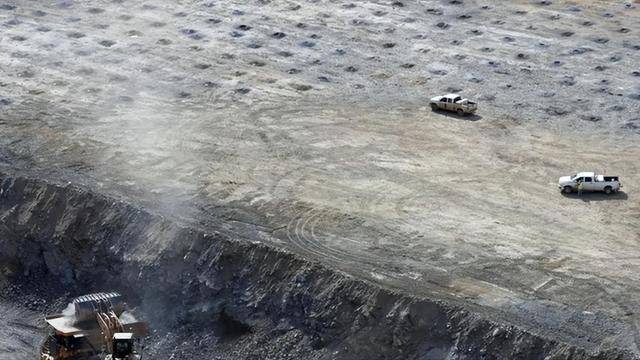
Group 1 - The core material discussed is rare earth elements, which are essential for high-tech products like smartphones, electric vehicles, and medical devices, highlighting their strategic importance in modern technology [2][5] - China holds a significant position in the global rare earth market, with approximately 36.7% of the world's reserves and 60% of total production, indicating its dominance in this sector [3] - The Chinese rare earth industry has undergone a transformation from chaotic competition to a more organized and efficient structure, recognizing the true value of its resources [3][4] Group 2 - Recent breakthroughs in extraction, refining, and application technologies for rare earths are enhancing China's competitive edge in the global high-tech landscape [4] - The demand for rare earths is expected to grow significantly due to advancements in emerging industries such as renewable energy, artificial intelligence, and industrial robotics, further solidifying their value [5] - Rare earths are increasingly recognized as the "industrial gold" of modern society, driving technological progress and economic development [6]


2026年有色金属及新材料行业投资策略报告:供给约束叠加需求变化,多种金属价值面临重塑
Guoyuan Securities· 2026-01-30 10:24
Investment Rating - The report maintains a positive investment rating for the non-ferrous metals and new materials industry, indicating a high cost-performance investment stage with potential for sustained growth [1][5]. Core Insights - The non-ferrous metals sector has shown a significant increase, with the Shenwan Non-Ferrous Metals Index rising by 94.73% in 2025, outperforming the CSI 300 Index by 77.07 percentage points [1][13]. - Geopolitical tensions, particularly between major powers like the US and China, are expected to continue impacting the stability of the metal supply chain, leading to increased raw material costs and upward price pressures on strategic metals [2][30]. - The demand outlook for non-ferrous metals remains strong, driven by emerging industries such as electric vehicles, renewable energy, and artificial intelligence, which require high-performance materials [4][34]. Summary by Sections Industry Overview - The non-ferrous metals industry is experiencing a transformation due to supply constraints and changing demand dynamics, with certain metals reaching new price highs [1][2]. - The industry is positioned for growth, supported by favorable policies and a robust demand from new technologies [24][25]. Investment Opportunities - Investment opportunities are particularly favorable in precious metals, copper, and strategic metals, with recommendations to focus on leading companies in high-growth sectors [3][5]. - Key companies to watch include Zijin Mining, Luoyang Molybdenum, Jiangxi Copper, and Northern Rare Earth [5]. Emerging Trends - The rapid expansion of new industries is creating a strategic demand for upstream materials, which are now subject to stricter performance and purity standards [4][34]. - The shift towards electric vehicles and renewable energy is expected to sustain high demand for metals like lithium, copper, and rare earth elements [36][42]. Market Dynamics - The report highlights the tightening supply of strategic metals due to increased global regulatory controls, which is expected to lead to a supply-demand imbalance [31][32]. - The copper market is particularly noted for its supply constraints and increasing demand, with a significant reliance on imports to meet domestic needs [46][47]. Future Outlook - The profitability outlook for the non-ferrous metals sector is expected to improve, with potential for continued price increases in copper, aluminum, and gold, driven by strong industrial demand and macroeconomic conditions [15][30].


2026年有色金属及新材料行业投资策略报告:供给约束叠加需求变化,多种金属价值面临重塑-20260130
Guoyuan Securities· 2026-01-30 08:43
Core Insights - The report indicates that the non-ferrous metals and new materials industry is currently in a high cost-performance investment phase, with expectations for continued growth [1] - As of December 31, 2025, the Shenwan Non-Ferrous Metals Index has seen a cumulative increase of 94.73% for the year, ranking first among 31 Shenwan primary industries, significantly outperforming the CSI 300 Index by 77.07 percentage points [1][13] - The industry is influenced by international dynamics and changes in supply patterns, with some metal prices reaching new highs [1] Supply and Demand Dynamics - The ongoing strategic competition between major powers like the US and China has made upstream metal resources a critical area of contention, leading to significant impacts on the stability of the metal supply chain [2] - Supply disruptions are expected to increase raw material costs, while tighter controls on strategic metals by various countries will further exacerbate price pressures [2] - The demand outlook for non-ferrous metals is clear, supported by long-term fundamentals [2] Investment Opportunities - The report highlights investment opportunities in precious metals, copper, and strategic metals, noting that gold has evolved into a strategic asset for managing systemic risks, with central banks likely to increase gold reserves [3] - The mining of copper is becoming increasingly challenging, with supply constraints supporting a long-term upward price trend [3] - The geopolitical competition is expected to lead to enhanced resource controls, creating structural investment opportunities in related sectors [3] Emerging Industries and Material Demand - Rapidly expanding sectors such as artificial intelligence, electric vehicles, renewable energy, and high-end semiconductors are driving unprecedented demand for upstream materials, which are now classified as "key strategic materials" or "high-tech value-added new materials" [4] - The performance, purity, form, and functionality of materials are subject to increasingly stringent standards, indicating a fundamental shift in investment logic [4] Recommendations - The report recommends focusing on sectors such as copper, gold, and strategic metals, particularly in 2026, with an emphasis on leading companies that operate in high-growth areas with strong technological monopolies [5] - Specific companies to watch include Zijin Mining, Luoyang Molybdenum, Jiangxi Copper, Tongling Nonferrous Metals, China Rare Earth, Northern Rare Earth, Shenghe Resources, Xiamen Tungsten, Zhongtung High-tech, and Zhangyuan Tungsten [5]
全球稀土资源战略地位持续提升,稀土ETF嘉实(516150)一键布局国内稀土产业链
Xin Lang Cai Jing· 2026-01-30 05:19
Group 1 - The core viewpoint of the articles highlights the recent decline in the rare earth permanent magnet sector, with the China Securities Rare Earth Industry Index dropping by 6.48% as of January 30, 2026, driven by a correction in the market [1] - Despite the recent downturn, the demand for rare earths is expected to remain strong due to policy support and pre-holiday inventory needs, with firms like Guotai Junan Securities maintaining a positive outlook on the investment value of rare earths [1] - The supply-demand balance for rare earths is projected to remain tight, with stricter export quota management and increasing penetration of downstream permanent magnet materials in high-growth sectors such as new energy vehicles and wind power [1] Group 2 - According to CITIC Securities, the strategic importance of global rare earth resources is on the rise, marking the entry of the rare earth industry into a new era of high-quality development [1] - The report anticipates that from 2026 onwards, the global supply-demand gap for rare earths may continue to widen, leading to stable or increasing prices and improved profitability across the industry chain [1] - As of December 31, 2025, the top ten weighted stocks in the China Securities Rare Earth Industry Index accounted for 60.4% of the index, with companies like Northern Rare Earth and Goldwind Technology among the leaders [1] Group 3 - The rare earth ETF by Harvest (516150) closely tracks the China Securities Rare Earth Industry Index, providing a convenient tool for investors to access the domestic rare earth industry chain [2] - Investors can also leverage the Harvest Rare Earth ETF linked fund (011036) to capitalize on investment opportunities in the rare earth sector [2]
刚刚,A股突变
Zhong Guo Ji Jin Bao· 2026-01-30 04:54
Market Overview - A-shares experienced significant volatility on January 30, with major indices showing mixed performance. The market initially opened lower, with the ChiNext index dropping over 2.5% and the Shanghai and Shenzhen indices falling more than 2% at one point. However, the ChiNext index later turned positive [1][2]. Sector Performance - Resource stocks faced heavy selling pressure, with the industrial metals index dropping 9% and the precious metals index falling 8.7%. The A-share resource index and rare earth industry index both saw declines of 6%, while the bulk commodity index fell over 4% [2][6]. - The CPO (光模块) concept sector led the market gains, with significant increases in agriculture, animal husbandry, fishery, tourism, and hotel sectors [3][12]. Individual Stock Movements - A total of 3,872 stocks declined, while only 1,494 stocks rose, with 27 stocks hitting the daily limit up. The total trading volume for the Shanghai and Shenzhen markets reached 1.93 trillion yuan, a decrease of 836 billion yuan compared to the previous trading day [5]. - Notable declines included companies in the precious metals sector, with stocks like Xiaocheng Technology (300139) and Chifeng Gold (600988) hitting the daily limit down of 20% and 10% respectively. Other companies such as Zhongjin Gold (600489) and Shandong Gold (600547) also saw significant declines [6][7]. Precious Metals and Industrial Metals - The precious metals sector was particularly weak, with multiple stocks hitting the daily limit down. For instance, Xiaocheng Technology recorded a 20% drop, while several others, including Shandong Gold and Zhongjin Gold, saw declines of 10% [6][8]. - In the industrial metals sector, companies like Nanshan Aluminum (600219) and Tongling Nonferrous Metals (000630) also faced significant losses, with many stocks recording a 10% drop [9][10]. CPO Sector Insights - The CPO sector showed resilience, with stocks like Tianfu Communication (300394) rising by 11.92%. Other companies in the sector, including Lian Technology (301205) and Zhongji Xuchuang (300308), also experienced gains [12][13]. - A recent report from CignalAI indicated that the optical module market is expected to exceed $18 billion in revenue by 2025, driven by AI-driven data center and transmission network construction [12].




针对中国稀土,美国憋出坏招
Sou Hu Cai Jing· 2026-01-30 03:30
美国提出的"价格下限"方案,正是在这种背景下浮出水面。其逻辑并不复杂:通过政府兜底,为本土稀 土企业提供稳定预期,抵消中国在成本和规模上的优势。然而,这一设想从一开始就带有明显的制度张 力。价格下限意味着财政承诺,而财政承诺必须得到国会授权;价格下限意味着长期干预,而长期干预 又与美国一贯标榜的市场原则相冲突。 路透社披露的细节,恰恰揭示了这一矛盾如何在现实中爆发。在闭门会议上,美国官员直言要求企业证 明"在没有政府价格支持的情况下也能存活",能源部官员更是明确表示"不要指望政府支持"。这种表 态,与此前释放的政策信号几乎背道而驰,也难怪市场会迅速作出负面反应。 更耐人寻味的是,美国能源部随后对报道作出否认,却未指出具体失实之处。这种模糊回应本身,就说 明问题的核心并不在某一笔交易是否被撤回,而在于美国是否具备长期、系统性托底稀土产业的能力和 意愿。MP Materials的个案之所以引发争议,正因为它暴露了政策边界:一旦类似支持被普遍化,美国 政府将面临难以承受的财政和法律风险。 从更宏观的角度看,这一政策转向反映出美国稀土战略的内在困境。一方面,美国将稀土问题高度政治 化,视其为对华博弈的重要筹码;另一方 ...
小金属回调整理,稀有金属ETF(562800)聚焦板块投资机遇,资金关注度不减
Xin Lang Cai Jing· 2026-01-30 03:18
Core Viewpoint - The rare metals sector is experiencing a correction, with the China Rare Metals Theme Index dropping by 8.85% as of January 30, 2026, driven by global inflation expectations and geopolitical tensions that enhance the monetary and security attributes of rare metals [1]. Group 1: Market Performance - The three major A-share indices opened lower, with significant declines in rare metals, particularly led by Zhongke Magnetic and other companies like Zhuhai Group and Xiyang Co. [1]. - The top ten weighted stocks in the China Rare Metals Theme Index account for 59.54%, including companies like Luoyang Molybdenum, Northern Rare Earth, and Ganfeng Lithium [1]. Group 2: Supply and Demand Dynamics - The supply side is constrained by resource limitations and tightening policy regulations, while the demand side benefits from the synergy of new energy, high-end manufacturing, and strategic security needs [1]. - Structural demand driven by AI computing infrastructure, grid upgrades, and solid-state battery industrialization is expected to elevate the price center of various rare metals, transitioning them from cyclical commodities to strategic assets [1]. Group 3: Investment Tools - The rare metals ETF (562800) tracks the China Rare Metals Theme Index, providing a convenient tool for investors looking to gain exposure to the rare metals sector [1]. - Investors can also consider the rare metals ETF linked fund (014111) to explore investment opportunities in the rare metals sector [2].