海底捞

Search documents
SpaceX收购xAI引爆“太空光伏”想象!港A光伏股集体躁动
Ge Long Hui· 2026-02-03 05:58
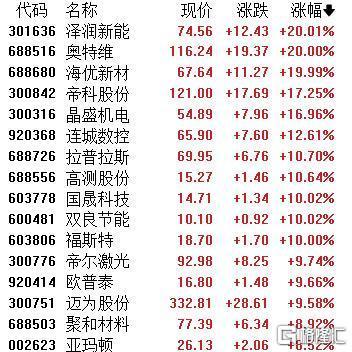
2月3日,"太空光伏"概念热度持续推高市场情绪,带动港A两市光伏板块全线走强。 A股市场,光伏设备板块爆发涨停潮。截至发稿,泽润新能、奥特维、海优新材斩获20CM涨停,双良 节能、福斯特、国晟科技等多股同步封板;隆基绿能、通威股份、晶科能源、迈为股份等行业龙头也集 体大幅拉升。 | 代码 | 名称 | 现价 | 涨跌 | 涨幅� | | --- | --- | --- | --- | --- | | 301636 | 泽润新能 | 74.56 | +12.43 | +20.01% | | 688216 | 奥特维 | 116.24 | +19.37 +20.00% | | | 688680 | 海优新材 | 67.64 | +11.27 +19.99% | | | 300842 | 帝科版价 | 121.00 | +17.69 +17.25% | | | 300316 | 晶盛机电 | 54.89 | +7.96 +16.96% | | | 850368 | 连城数控 | 65.90 | +7.60 +12.61% | | | 688726 | 拉普拉斯 | 66'69 | +6.76 +10.70% | | ...

先学海底捞再学胖东来,为何没一家学得会?
Sou Hu Cai Jing· 2026-02-03 03:56
Core Insights - The retail industry is facing significant challenges as companies attempt to learn from successful models like Fat Donglai, but many are failing to replicate its success [2][15][20] Group 1: Performance of Retail Companies - Yonghui Supermarket, once a leader in the retail sector, has reported continuous losses, with a projected net loss of 2.14 billion yuan for 2025, marking its fifth consecutive year of losses [2][8] - The company has closed 381 stores in 2025, averaging over one store closure per day, leading to direct losses of 1.174 billion yuan due to store renovations and closures [9][10] - Other retailers, such as Meitoh and Bubu Gao, have also struggled after attempting to adopt the Fat Donglai model, with significant declines in net profits [12][14] Group 2: Learning from Fat Donglai - Many retailers, including Yonghui, have attempted to learn from Fat Donglai's operational model, but most have failed to achieve satisfactory results, often resulting in increased losses [15][20] - The core issue lies in the inability of these companies to fundamentally restructure their business models and supply chains, leading to superficial imitation rather than genuine transformation [15][20] - Fat Donglai's success is attributed to its unique supply chain, employee welfare, and customer trust, which are difficult for larger, publicly traded companies to replicate due to their existing profit structures and shareholder pressures [16][19] Group 3: Financial Metrics - Yonghui's total revenue for 2024 was 67.57 billion yuan, down from 78.64 billion yuan in 2023, with a gross profit of 13.82 billion yuan [6] - In the first three quarters of 2025, Yonghui reported a net loss of 709.8 million yuan, significantly higher than the previous year's loss of 77.87 million yuan [9] - Bubu Gao's revenue for the first three quarters of 2025 was 3.201 billion yuan, showing a year-on-year growth of 26.45%, but its net profit dropped to 225.5 million yuan, down nearly 90% from the previous year [12][13]



省两会聚焦贵州酸汤走向全国,贵州:首站——四川成都!
Nan Fang Nong Cun Bao· 2026-02-03 02:34
Group 1 - The core focus of the article is on the development of Guizhou's sour soup industry, which is being promoted as a significant ecological food industry in the province, with a goal of transforming it into a billion-dollar industry [4][5][7]. - The sour soup industry is transitioning from a "workshop-style" production to a standardized and industrialized model, with fermentation cycles reduced from several months to just 7 days, achieving over 90% flavor restoration [8][9][10]. - Guizhou's unique karst mountain climate provides natural fermentation conditions, and local ingredients like tomatoes and wood ginger contribute to the creation of seven distinct sour soup varieties, forming a "one place, one soup" flavor map [11][12]. Group 2 - As of October 2025, there will be over 8,700 restaurants nationwide featuring "sour soup," with more than 1,600 Guizhou sour soup-themed restaurants across 62 cities [17][18]. - The article highlights successful cases of Guizhou sour soup brands expanding outside the province, such as "Qian Duoduo" opening over 100 stores in 8 provinces and "Da Guo Chan" achieving sales of 81 million yuan in the Guangdong-Hong Kong-Macao Greater Bay Area [19][20]. - The article outlines four recommendations for enhancing the sour soup brand, including product innovation tailored to different regional tastes and the introduction of low-salt, low-fat, or organic certified products for international markets [24][25]. Group 3 - A promotional event titled "Guizhou Brand Agricultural Products (Chengdu) Special Promotion" will take place on February 6, where Guizhou's sour soup products will be showcased to consumers in Sichuan [26][28]. - The event aims to facilitate direct interaction between consumers and Guizhou's sour soup products, including seasoning sauces and hot pot bases, while also releasing a Sichuan Guizhou hot pot map [27][29].

当前时点消费的投资机会怎么看
2026-02-03 02:05
Summary of Key Points from Conference Call Records Industry Overview - **Consumer Sector**: Increased policy emphasis on consumption, with the "14th Five-Year Plan" and Central Economic Work Conference highlighting its importance. The later Lunar New Year in 2026 is expected to benefit consumer goods sales, particularly in travel-related and spiritual consumption sectors. Companies like Wei Long, Dongpeng, and Baiya are noted for their growth potential [1][3][4]. - **Agriculture Sector**: Expected to perform well in 2026, with most agricultural products in a bottoming phase. Key areas to watch include cattle breeding, pig farming, and edible mushrooms post-Lunar New Year [2][15][16]. Key Companies and Sub-sectors - **Consumer Goods**: - **Wei Long and Dongpeng**: Anticipated growth rates over 20%, currently priced relatively low [4]. - **Baiya**: Strong offline performance, with profits expected to reach 420 million yuan, entering a value phase [6]. - **Traditional Home Furnishing**: - Companies like Gujia Home are recommended as the sector has reached a cyclical bottom, with low valuations and strong recovery potential [7][9]. - **Raw Materials**: - Companies like Xinghao and Bailong Oriental are performing well due to rising raw material prices, with significant growth in order and delivery data [10]. - **Domestic Demand**: - Leading companies such as Bosideng, Luolai Life, and Jiangnan Buyi are expected to outperform the industry average growth in 2026, presenting good investment value [12]. Emerging Markets and New Products - **AI Glasses Market**: Expected growth in 2026-2027, with Ray-Ban Meta glasses projected to exceed 10 million units in shipments by 2026. Companies like Kanglaite Optical and Yutong Technology are recommended for tracking [5]. Investment Opportunities - **Consumer Sector**: - Current best time to invest in the consumer sector as many companies are still in a bear market. The emphasis on consumption by the government is expected to enhance the sector's value [3]. - **Traditional Home Furnishing**: - The sector is at a low valuation and is expected to recover, making it a good opportunity for investment [7][9]. - **Agriculture**: - Post-Lunar New Year, the agriculture sector is expected to enter a recovery phase, with specific focus on cattle, pig farming, and edible mushrooms [16][17]. - **Food and Beverage**: - Companies like Guizhou Moutai and Luzhou Laojiao are highlighted for their potential growth, with the overall sector expected to see a 20-30% increase due to low valuations and potential catalysts [27][28]. Additional Insights - **Consumer Behavior**: The later Lunar New Year is expected to extend the sales season, benefiting various consumer goods [3]. - **Market Dynamics**: The agriculture sector is expected to show a recovery after a period of weakness, with potential for significant returns in the coming quarters [15][16]. - **Investment Strategy**: Focus on companies with strong fundamentals and growth potential, particularly in sectors that are currently undervalued or have strong recovery prospects [12][27].
一个商场40家地方菜馆,中餐黄金时代已到来?
虎嗅APP· 2026-02-03 00:41
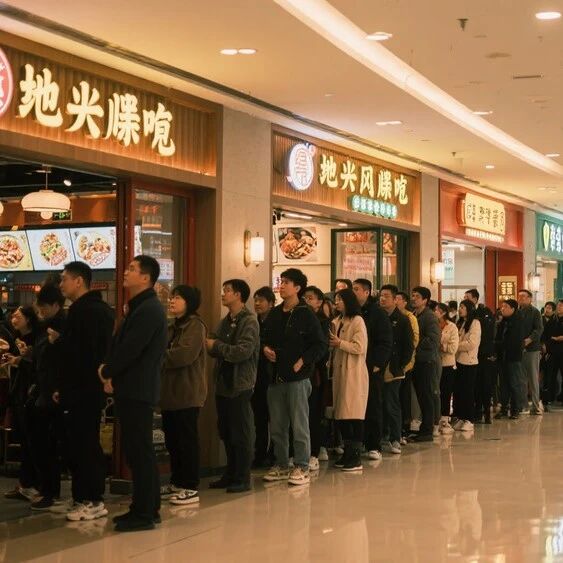
Core Viewpoint - The article discusses the emergence of local cuisine as a significant trend in the Chinese dining industry, indicating a shift from traditional popular dishes like hot pot and barbecue to a diverse array of regional flavors, suggesting that the golden age of complex Chinese cuisine is approaching [4][5]. Market Trends - In recent years, local dishes have gained popularity, with traditional cuisines such as Sichuan, Cantonese, and Hunan exceeding a market size of 100 billion yuan, while previously niche cuisines like Yunnan and Jiangxi are rapidly expanding nationwide [7]. - For instance, at Nanjing Deji Plaza, local cuisine accounts for nearly 25% of the 60+ dining establishments, showcasing a significant presence of various regional flavors [7]. - In Shanghai's Longemont City Life Center, local cuisine brands make up over 40 of the nearly 200 dining options, indicating a strong market trend [8]. Growth of Local Cuisine - The rise of local cuisine is characterized by a surge in brand expansion, with Jiangxi small stir-fry restaurants projected to exceed 20,000 locations by December 2025, and a 287.5% year-on-year increase in related business registrations [11]. - The popularity of Guizhou sour soup has recently driven the growth of Yunnan and Guizhou cuisines, leading to the emergence of numerous chain brands [12]. Competitive Landscape - The local cuisine sector is experiencing a "battle" for market share, with various regional cuisines like Fujian, Hunan, and Guangxi also beginning to show explosive growth [12]. - The competitive environment is shifting, with local cuisines offering unique flavors and dining experiences that differentiate them from more easily replicable dining options like hot pot and fast food [19]. Consumer Demand - The demand for local cuisine is driven by consumers seeking fresh, differentiated dining experiences, as traditional chain restaurants face saturation and declining growth rates [17][19]. - Local dishes cater to specific dining occasions such as business gatherings and family celebrations, which require a higher quality of environment and food variety [23]. Operational Challenges - The complexity of local cuisine operations presents higher entry barriers, requiring significant investment in quality control and skilled labor, making it difficult for new entrants to replicate successful models [21]. - Successful local cuisine brands often adopt a direct management model, ensuring quality and consistency across locations, which necessitates a higher initial investment and longer return periods [21]. Strategic Recommendations - Companies should focus on strengthening individual store performance rather than rapid expansion, emphasizing the importance of maintaining flavor and customer loyalty [25][28]. - Establishing a robust supply chain is crucial for ensuring the quality of ingredients, which is vital for the success of local cuisine [26][27]. - Brands should leverage membership programs and localized marketing strategies to enhance customer retention and engagement [28].
张勇复出,海底捞也不会了?
3 6 Ke· 2026-02-03 00:18
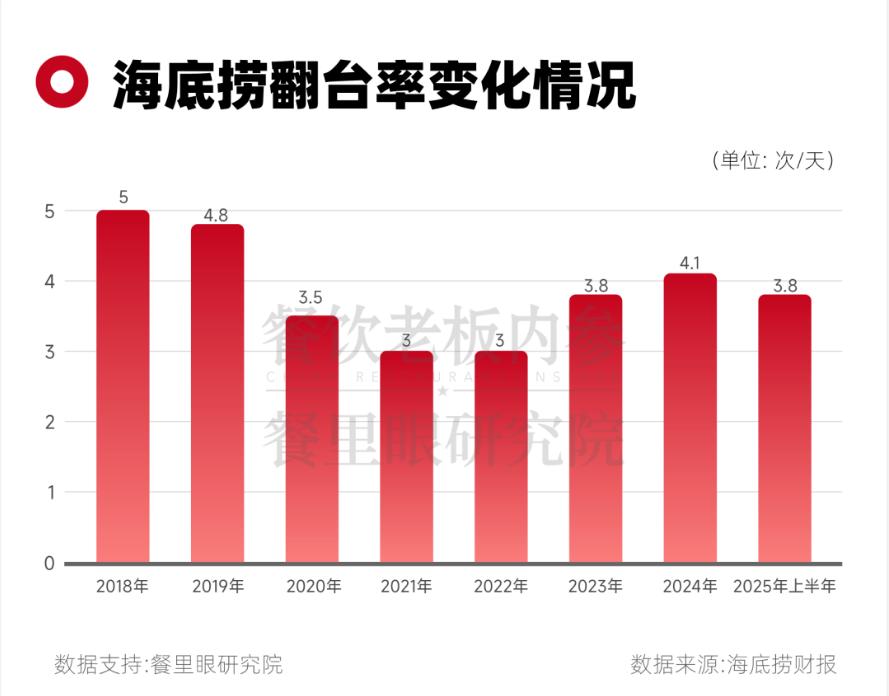
2026年1月13日,海底捞一纸公告,瞬间成为餐饮业、资本市场乃至商业财经的热闻:公司创始人、董事会主席张勇,重新出任CEO。 第二天,海底捞股价应声大涨,单日狂飙超9%。 2020年4月,张勇就曾通过公司内部邮件宣布,自己将在10至15年内退休。因此,此举也被外界视为是他提前培养接班团队,为彻底退休做准备。 但事情的发展显然超出他的预计。 此后四年时间里,海底捞非但没有让他更容易彻底退休,反倒陷入罕见的换帅动荡之中,变得更加需要他。 曾被誉为"最牛服务员"的杨利娟,仅在帅位上坚持了两年零三个月,于 2024年6月转而负责海底捞海外业务;杨利娟的继任者苟轶群,更是仅仅干了一年 半便匆匆卸任。 四年三换CEO背后,是海底捞的业绩持续承压。 2025年上半年,海底捞营收同比下降3.7%至207亿元,净利润同比下滑高达13.7%。 许多人都认为,这标志着,海底捞将打响一场大力度的反击战了。 重回一线 55岁的张勇重回一线,距离"退居二线"才不到四年。 2022年3月,张勇在承认"对趋势判断错误",并为激进扩张导致的巨额亏损负责后,将CEO一职交到了自己最得力的干将杨利娟手上。 更令市场揪心的是核心指标的失守,其直营 ...
年夜饭+年货礼盒 北京餐饮老字号花式创新迎热潮
Bei Jing Shang Bao· 2026-02-02 15:43
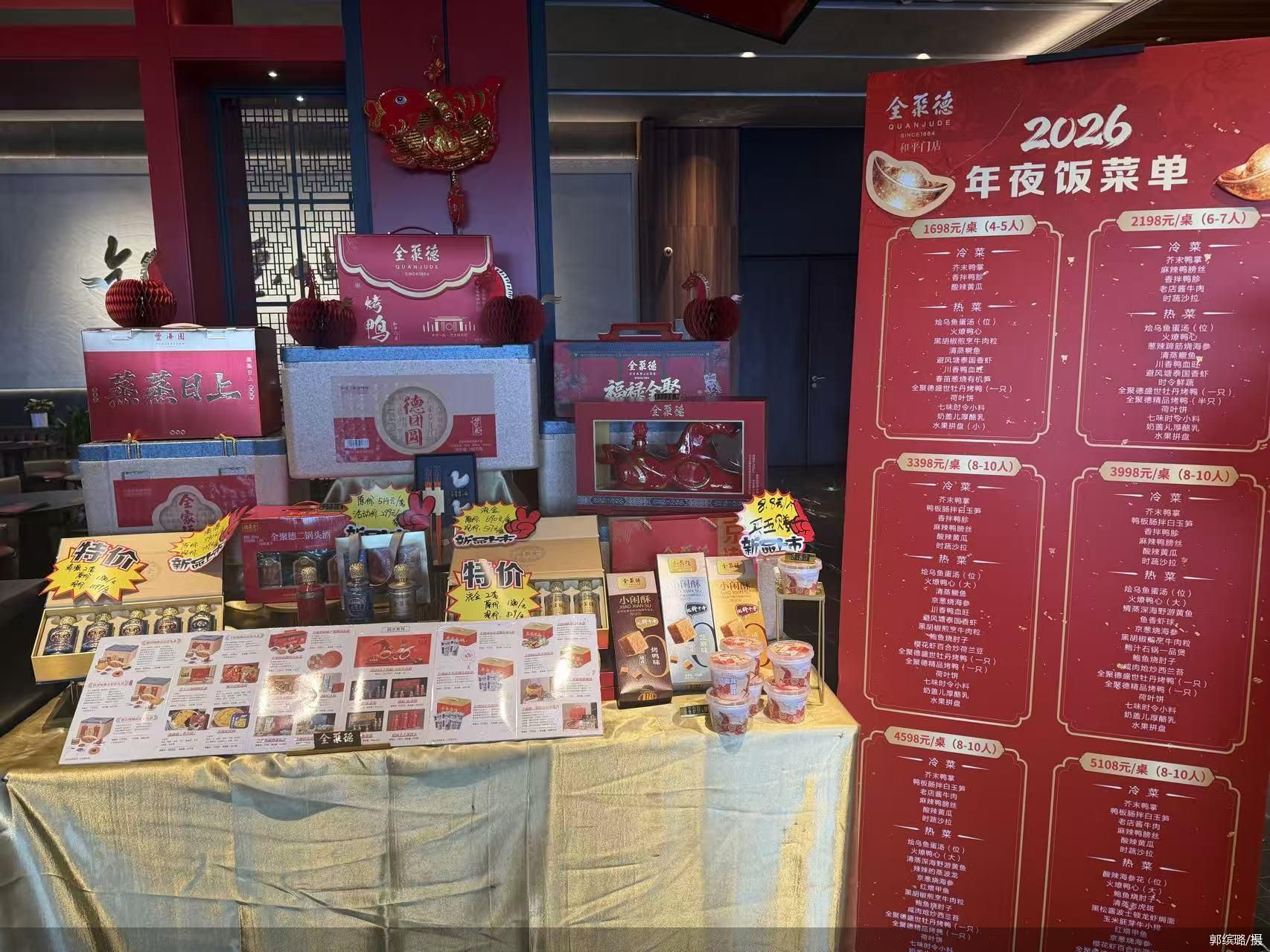
北京作为春节期间热门目的地城市,餐饮消费同样也将迎来新一轮消费热潮。美团数据显示,截至1月 29日,Top5年夜饭预订及用户搜索城市为上海、北京、杭州、广州、南京。北京一些老字号品牌年夜 饭已"一厢难求"。同春园、同和居两家名店除夕午、晚两餐共四个时段的所有包间均已订满,大厅也近 乎满座;马凯餐厅两堂包间更是早早告罄,一桌难求;西四惠丰饺子楼春节年夜饭预订也已全满。 2月2日,商务部等九部门印发《2026"乐购新春"春节特别活动方案》提出,结合开展中华美食荟、老字 号嘉年华活动,组织餐饮名店、老字号餐饮企业、地方特色小吃等,推出年夜饭套餐、新春团圆宴,推 出美食增值服务,如现场表演、免费小吃、幸运抽奖等。 海底捞相关负责人也表示,近期团年聚餐的预订正在快速增加,为了更好承接春节期间的聚餐需求,海 底捞将有超过1000家门店在除夕正常营业,超过1200家门店在大年初一开门迎客;从大年初二起,全国 超过1300家门店将恢复正常营业。与去年相比,海底捞今年除夕和大年初一正常营业的门店数量有所增 加。 苏商银行特约研究员武泽伟表示,节日假期消费不仅直接带动了门店营收的显著增长,更反映出节日背 景下聚集性消费与体验性需 ...
2026“乐购新春” 北京餐饮老字号花式创新激活美食消费
Bei Jing Shang Bao· 2026-02-02 14:09
多家老字号还同步推出"到家版"年夜饭礼盒。同春园前厅经理杨飞介绍,"江南年味礼盒"包含清炖蟹粉狮子头、松鼠鳜鱼预制装、豆沙包等经典菜品,上线 两周预订即超200份;马凯餐厅"湘味团圆礼盒"含东安鸡、剁椒鱼头、腊味合蒸等,支持冷链配送;同和居"鲁韵家宴礼盒"则精选葱烧海参、九转大肠、㸆 2月2日,商务部等9部门印发《2026"乐购新春"春节特别活动方案》(以下简称"方案")。其中,"好吃·马上尝鲜品年味"活动要求,结合开展中华美食荟、 老字号嘉年华活动,组织餐饮名店、老字号餐饮企业、地方特色小吃等,推出年夜饭套餐、新春团圆宴,推出美食增值服务,如现场表演、免费小吃、幸运 抽奖等。鼓励各地发布美食地图,结合本地实际在步行街、公园、社区等设置年味美食市集,举办美食大赛、厨艺比拼、晒晒我家的团圆饭等活动,结合各 类美食活动推广节日热销商品,吸引更多群众一起"寻味中国年"。 北京作为春节期间热门目的地城市,餐饮消费同样也将迎来新一轮消费热潮。美团数据显示,截至1月29日,Top5年夜饭预订及用户搜索城市为上海、北 京、杭州、广州、南京。北京一些老字号品牌年夜饭已"一厢难求"。同春园、同和居两家名店除夕午、晚两餐共四个时 ...

一个商场40家地方菜馆,中餐黄金时代已到来?
3 6 Ke· 2026-02-02 13:08
Core Insights - The rise of local cuisine has emerged as a significant growth force during a period of consumer sluggishness, indicating a potential golden era for complex Chinese cuisine [1][10] - Traditional popular dishes like hot pot and barbecue are being overshadowed by a surge in local dishes, leading to intense competition among various regional flavors [1][9] Market Trends - Local cuisines such as Sichuan, Cantonese, and Hunan have surpassed a market scale of over 100 billion yuan, with previously niche cuisines like Yunnan and Jiangxi rapidly expanding nationwide [2][6] - In major shopping centers, local cuisine outlets now represent a substantial portion of the dining options, with examples showing local dishes occupying nearly 25% of restaurant spaces in Nanjing and around 20% in Shanghai [2][6] Consumer Preferences - The demand for local cuisine is driven by consumers seeking fresh and differentiated dining experiences, as traditional chain restaurants face homogenization [12][14] - Local dishes offer unique flavors and cooking techniques, enhancing their appeal and creating memorable dining experiences [12][14] Business Model and Challenges - The complexity of local cuisine presents higher entry barriers, which helps maintain rational market supply and reduces the influx of speculative entrants [16][17] - Successful local cuisine brands often adopt a direct management model, requiring significant upfront investment and longer return periods, which can deter less experienced operators [17][18] Growth Strategies - Brands should focus on maintaining flavor integrity and building a loyal customer base rather than rapid expansion, as the local cuisine market is characterized by regional taste preferences [19][20] - Effective supply chain management is crucial for maintaining food quality, with strategies like centralized kitchens being recommended for larger chains [23][24] Competitive Landscape - The competition in the restaurant industry is shifting from intra-category rivalry to cross-category competition, making it essential for local cuisine brands to differentiate themselves [25] - Established players with deep resources and experience are better positioned to navigate the complexities of the local cuisine market, while newcomers should avoid hasty expansions [25]
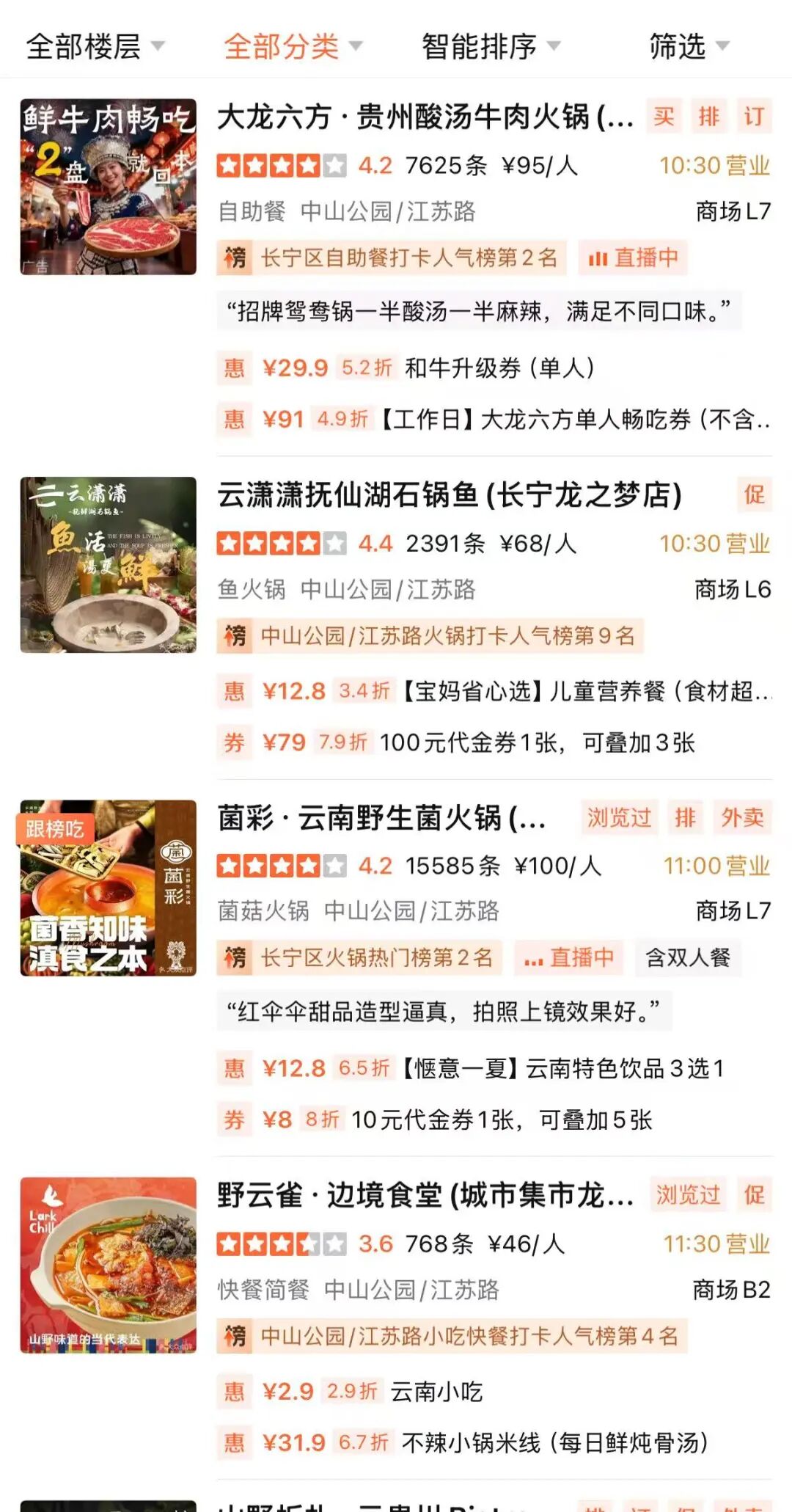
透过比格比萨闯关IPO,看自助餐行业资本入局与存量博弈的新局
Sou Hu Cai Jing· 2026-02-02 10:00
Core Viewpoint - The self-service restaurant industry in China is transitioning from intense price competition to value-driven segmentation, with companies like Big Restaurant International Holdings Ltd. seeking to capitalize on this shift by going public [1] Market Size and Growth - The self-service restaurant market in China is projected to reach 129 billion yuan in 2024, with a year-on-year growth of 7.5%, and is expected to surpass 130 billion yuan in 2025 [3] - The number of self-service restaurant enterprises registered annually has consistently exceeded 6,000 from 2023 to 2024, with over 2,300 registrations in the first five months of 2025 [3] - By May 2025, the total number of self-service restaurant outlets in China is expected to reach 66,000, reflecting a net increase of over 10,000 outlets compared to the previous year [3] Industry Structure and Trends - The industry is experiencing significant structural differentiation, with traditional comprehensive self-service models declining and a focus on niche markets and price reduction becoming the core trend [3][4] - As of May 2025, 80% of self-service restaurants have an average consumer price below 100 yuan, a 17.2 percentage point increase from 2022 [3] Popular Categories - The concentration of specific categories is increasing, with hot pot, barbecue, and pizza leading the market, collectively accounting for nearly 60% of the market share [4] Competitive Landscape - The trend towards lower prices has intensified competition, with major brands reducing prices to capture market share, leading to a price war in the 50-80 yuan range [6] - Major players like Haidilao are entering the low-cost self-service market, further driving down industry price points [6] Challenges for Brands - The influx of new entrants and the high closure rate of restaurants pose significant challenges for smaller brands, with many forced to close due to price wars [7] - Brands are exploring differentiation through product innovation and quality upgrades to build competitive barriers [7] Capital and Expansion - The self-service restaurant sector is entering a phase of accelerated chain expansion, particularly in lower-tier cities, where self-service restaurant outlets account for 51.6% of the total [8] - Capital investment is crucial for supporting expansion plans, with some brands planning to raise funds through IPOs to open hundreds of new outlets by 2028 [8][9] Regional Disparities - There is a notable imbalance in regional development, with northern brands dominating the market while southern regions lag behind in store numbers and market penetration [11] - Southern markets present unique challenges, including local taste preferences and intense competition from both national and local brands [12] Operational Efficiency - The low-margin model of budget self-service restaurants necessitates meticulous operational efficiency, with brands needing to optimize every aspect of their operations to sustain profitability [14][15] - Digital tools and centralized kitchen operations are essential for maintaining quality and controlling costs [15] Investment Logic - The investment logic in the pizza segment reflects a broader trend in the self-service industry, emphasizing the importance of clear category positioning and scalable business models [16] - Capital is increasingly focused on brands with strong supply chain capabilities and operational efficiency, which are critical for sustainable growth [16] Future Outlook - The self-service restaurant industry is expected to continue consolidating, with brands lacking differentiation and operational capabilities likely to exit the market [17][18]