奔驰

Search documents
2025全球汽车行业十大年度事件 | 精进2025——汽车行业10个十大年度盘点(十)
Jing Ji Guan Cha Wang· 2026-01-21 08:25
Core Insights - The automotive industry in 2025 has experienced significant changes driven by a combination of policies and market dynamics, leading to a complex environment characterized by both opportunities and challenges [2][4]. Group 1: Policy Changes - The global automotive industry faced a "tariff storm" initiated by the U.S. imposing a 25% tariff on imported cars and parts, which triggered retaliatory measures from Canada and Mexico, significantly impacting operational costs for companies like Audi and Ford [5][6]. - The EU's proposal to adjust its 2035 ban on new combustion engine vehicles reflects a shift in climate policy, allowing for a 90% reduction in CO2 emissions instead of a complete ban, driven by market realities and competitive pressures [8][9]. - The U.S. energy strategy underwent a major reversal with the signing of the "Big and Beautiful" act, which eliminated several green energy incentives and relaxed fuel economy standards, leading to a slowdown in electric vehicle investments by companies like GM and Ford [12][13]. Group 2: Industry Dynamics - The European automotive sector faced a wave of factory closures, including Audi and Volkswagen, as companies struggled with high costs and declining demand, prompting significant restructuring efforts [10][11]. - The introduction of a new electric vehicle subsidy program in Germany aims to stimulate domestic demand and protect local manufacturers amid declining sales and increased competition from foreign brands [17][18]. - The failure of the Honda-Nissan merger led Nissan to initiate a global restructuring plan, highlighting the financial pressures faced by Japanese automakers in the evolving market landscape [19]. Group 3: Strategic Collaborations - Ford and Renault announced a strategic partnership to develop affordable electric vehicles in Europe, reflecting a collaborative approach to address the challenges posed by the electric vehicle market and competition from Chinese brands [20][21]. Group 4: Resource and Technology Trends - China's export controls on rare earth materials have intensified the global competition for resources essential for electric vehicle production, prompting the U.S. and EU to accelerate their own supply chain strategies [15][16]. - The hydrogen fuel technology sector is experiencing a slowdown, with major manufacturers like Stellantis and GM halting their hydrogen projects due to high costs and inadequate infrastructure, indicating a shift in focus towards electric vehicles [22][23][24].


奔驰史上最先进轿车登场!新款S级官宣29号发布:超2700个零件升级
Xin Lang Cai Jing· 2026-01-21 07:26
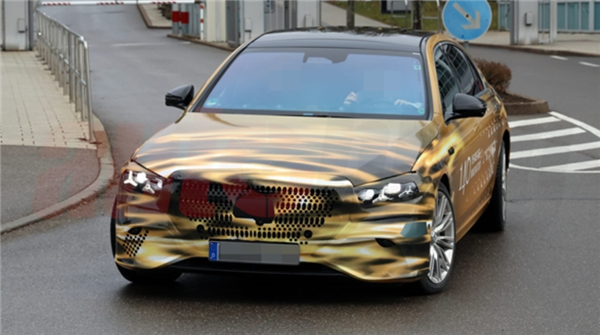
Core Insights - Mercedes-Benz announced that the new generation S-Class sedan will be officially launched on January 29, marking the largest scale innovation in the model's history [1] - CEO Ola Källenius stated that this upgrade involves approximately 2,700 new or redesigned components, accounting for over half of the vehicle [1] Exterior Design - The new S-Class features a 20% larger front grille compared to the current model, with the three-pointed star logo returning to the hood and integrated with LED lighting elements [1] - The side profile remains largely unchanged, but a new camera has been added to the front fender to support the vehicle's intelligent driving assistance features [1] Interior and Technology - The core upgrade includes the first mass production deployment of Mercedes' self-developed MB.OS operating system, which integrates 27 sensors and supports continuous voice dialogue, gesture control, and AI-based personalized services [3] - The software update speed has improved by 10 times compared to the previous generation [3] - A road condition memory feature is included, which records bumpy road GPS information and uploads it to the server to assist with suspension adjustments for other models on the same platform [3] Powertrain - Mercedes-Benz will not abandon internal combustion engines despite the push towards electrification, continuing to offer V8 and V12 engines [3] - The new V8 engine features a flat-plane crankshaft design and is paired with a 48V mild hybrid system, meeting Euro 7 emission standards and improving fuel efficiency by 18% [3] - The redline RPM can reach 7,500, exceeding the power limits of the current M178 engine [3]
优必选、众擎、越疆科技等接连斩获海内外大单 深圳机器人站C位走俏全球
Xin Lang Cai Jing· 2026-01-21 04:31
Core Viewpoint - Since 2025, Shenzhen's robotics industry has accelerated its application in various scenarios, achieving significant breakthroughs and commercial success, with companies like UBTECH, ZHONGQING, and YUEJIANG leading the way in securing orders both domestically and internationally [1] Group 1: Industry Developments - The "Guo Huo Xing Tian Xia" spring campaign is actively promoting the robotics sector, resulting in rapid commercialization and a new phase of industry acceleration [1] - Companies in the robotics field are deepening their layout, with YUEJIANG Technology leveraging intelligent technology innovation to expand into global markets [1] Group 2: Company Achievements - YUEJIANG Technology has successfully applied its robotic products in over 80 Fortune 500 companies, including Foxconn, BYD, Toyota, Mercedes-Benz, and Nestle, with a global deployment exceeding 100,000 units [1] - UBTECH recently rolled out its 1,000th industrial humanoid robot, Walker S2, which will be deployed in key sectors such as automotive manufacturing, smart manufacturing, smart logistics, and embodied intelligent data centers [1] - In the past year, UBTECH secured 1.4 billion yuan in orders and plans to increase its annual production capacity to 10,000 units by 2026 [1]

一代“神车”本田飞度跌破7万元上市,但这个市场早已不属于它
Xin Lang Cai Jing· 2026-01-21 04:07
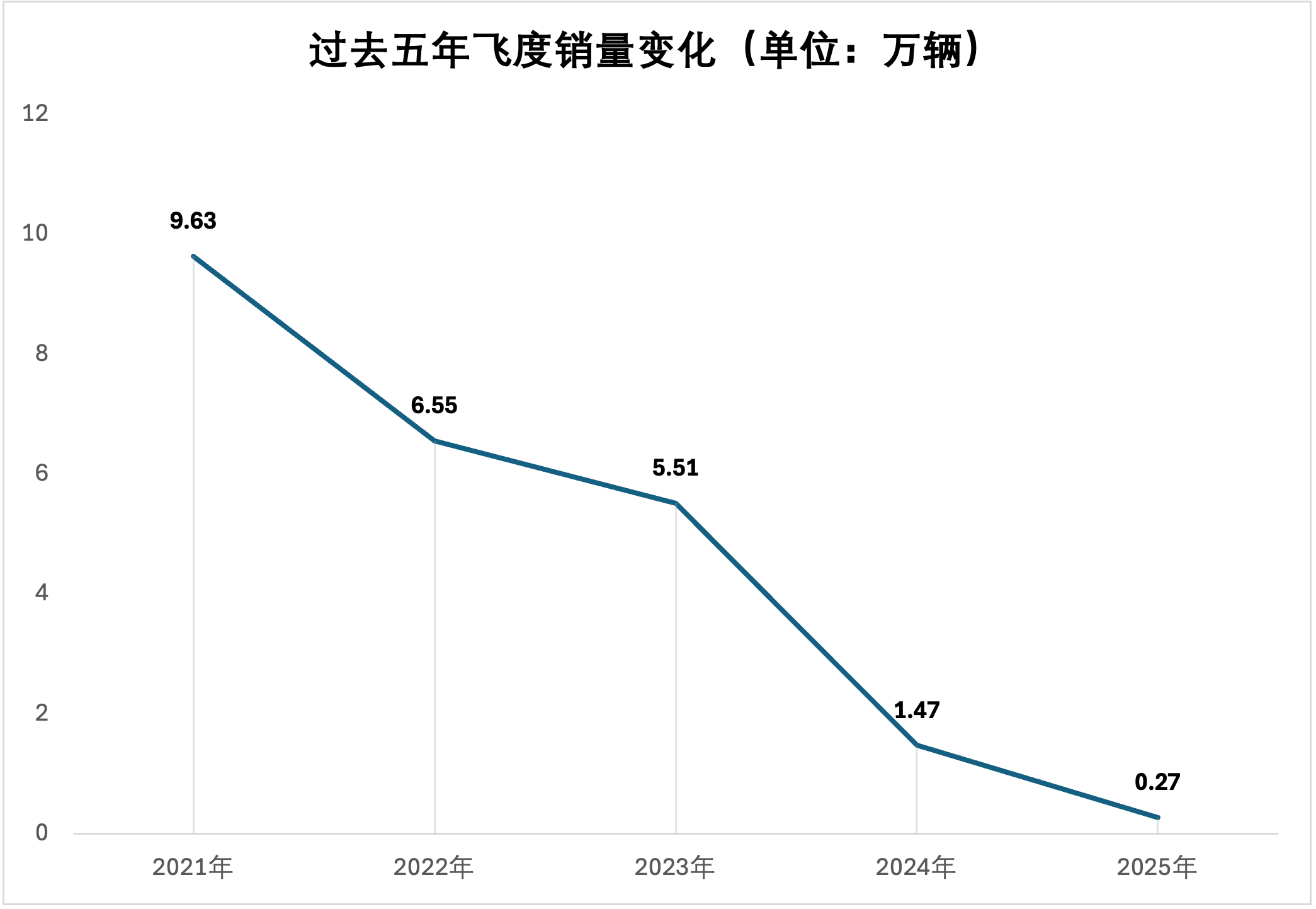
Core Viewpoint - Honda Fit is attempting to regain market attention through price reductions and limited marketing strategies, launching a new model priced at 66,800 yuan with a limited release of 3,000 units, despite only selling 2,695 units in 2025, which is less than the new model's release quantity [1][2] Group 1: Honda Fit's Market Position - The new Honda Fit has not changed in body size or power parameters compared to the 2024 model, with updates primarily in interior features, including a new 10.1-inch central control screen and standard Bluetooth and CarPlay functions [1] - The previous market dominance of the Fit was due to its competitive advantages in the fuel vehicle era, offering better interior space and fuel economy in the 100,000 yuan price range, making it a preferred choice for young consumers [1] - In 2018, the Fit achieved peak annual sales of 129,200 units in China, but by 2024, its sales plummeted over 70% to 14,700 units, dropping to eighth place in its segment [2] Group 2: Competitive Landscape - BYD has quickly filled the market gap left by the declining Fit, with its Dolphin and Seagull models dominating the small car market, achieving sales of 453,600 units for the Seagull in 2024, nearly double that of the second-place Wuling Bingo [4] - In 2025, Geely's Star Wish surpassed BYD's Seagull with sales of 465,800 units, becoming the new leader in the small car market and the overall sales champion in the Chinese passenger car market [4][5] - The small car market is highly concentrated, with only two to three models actively competing, making it crucial for brands to maintain a presence in consumer purchase intentions [5] Group 3: Challenges for Other Brands - Great Wall's Ora brand has seen a decline in market share, with sales dropping from 73,600 units in 2023 to 29,300 units in 2025, due to a strategic focus on profitability and reduced investment in the Ora brand [6] - The new Ora 5 model, launched after a three-year hiatus, is positioned as a compact SUV with a higher price range of 99,800 to 133,800 yuan, moving away from the small car segment [7] - The shift in branding strategy for Ora, moving from a female-focused identity to a broader market appeal, raises questions about the effectiveness of this change in a competitive environment [7] Group 4: Emerging Trends in the Small Car Market - The market for premium small cars, represented by brands like BMW MINI and NIO's Firefly, focuses on design and brand positioning rather than scale, achieving higher price points and brand premiums [10] - NIO's Firefly has captured 61% of the high-end small car market share, with plans for international expansion, including a launch in Singapore [11] - In contrast, Smart's sales have declined from 42,300 units in 2023 to 30,800 units in 2025, as its product strategy lacks focus, failing to maintain its classic small car appeal in the electric era [12] Group 5: Policy and Market Dynamics - The new subsidy policies for electric vehicles will limit the financial incentives for low-priced models, making it essential for companies to compete based on real value and product strength [13] - The small car market is expected to face overall declines in 2026 due to the dual pressures of subsidy reductions and tax changes, necessitating a balance between sales volume and profitability for all participants [13]



外资车企,史诗级加仓中国
3 6 Ke· 2026-01-21 03:34
Core Viewpoint - The narrative of "decoupling from China" in the automotive industry is countered by significant investments and strategic shifts by foreign automakers, indicating a deeper integration into the Chinese market driven by market and technological needs rather than solely political pressures [2][12][25]. Group 1: Foreign Automakers' Strategies in China - Toyota has transferred decision-making authority for its models in China from Japan to local teams [2]. - Volkswagen has established a €2.5 billion smart connected vehicle R&D center in Hefei, known as "Oriental Wolfsburg" [2]. - Mercedes-Benz and BMW have announced plans to invest over 100 billion RMB in R&D in China over the coming years [2]. Group 2: Historical Context and Market Dynamics - In the 1980s, foreign automakers entered China through joint ventures with local companies, dominating the market for decades [3][4]. - The "smile curve" illustrates that while foreign companies controlled R&D and profits, local partners were confined to low-end manufacturing [5][6]. - The U.S.-China trade war initiated a wave of domestic substitution, leading to significant changes in the automotive landscape, including the rise of new players like Tesla and local startups [6][7]. Group 3: Shifts in Consumer Preferences - Chinese consumers are increasingly prioritizing advanced technologies over traditional brand prestige, leading to a shift in competitive dynamics [7][8]. - The rapid evolution of electric and smart vehicles has created a new competitive landscape where innovation speed is crucial [8][11]. Group 4: Localized Innovation and R&D - Foreign automakers are now decentralizing decision-making, with many appointing local executives to lead their China operations [13][15]. - Companies like Volkswagen and BMW are establishing R&D centers in China to focus on local market needs and global trends [15][16]. - The integration of local engineers into core development processes is transforming foreign R&D centers from mere adaptation units to hubs of original innovation [15][16]. Group 5: Supply Chain and Manufacturing Evolution - Foreign automakers are increasingly relying on Chinese manufacturing capabilities, viewing local factories as benchmarks for global production standards [17][19]. - The shift from "made in China" to "designed in China" is evident, with Chinese innovations being exported globally [20][24]. Group 6: Standardization and Global Influence - China is actively working to establish global standards in the automotive industry, aiming for a significant increase in the international standard conversion rate [26][27]. - The push for standardization is supported by government initiatives, enhancing China's role in shaping future industry norms [26][27]. Group 7: Future Outlook and Strategic Opportunities - The trend of "reverse localization" presents a strategic opportunity for the Chinese automotive industry to lead in the next era of automotive innovation [25][29]. - The focus is shifting from merely being a part of the global supply chain to becoming a rule-maker in the smart electric vehicle era [29].



降9成关税,又给电车补贴,加德对华贸易转机利好谁?
3 6 Ke· 2026-01-21 03:10
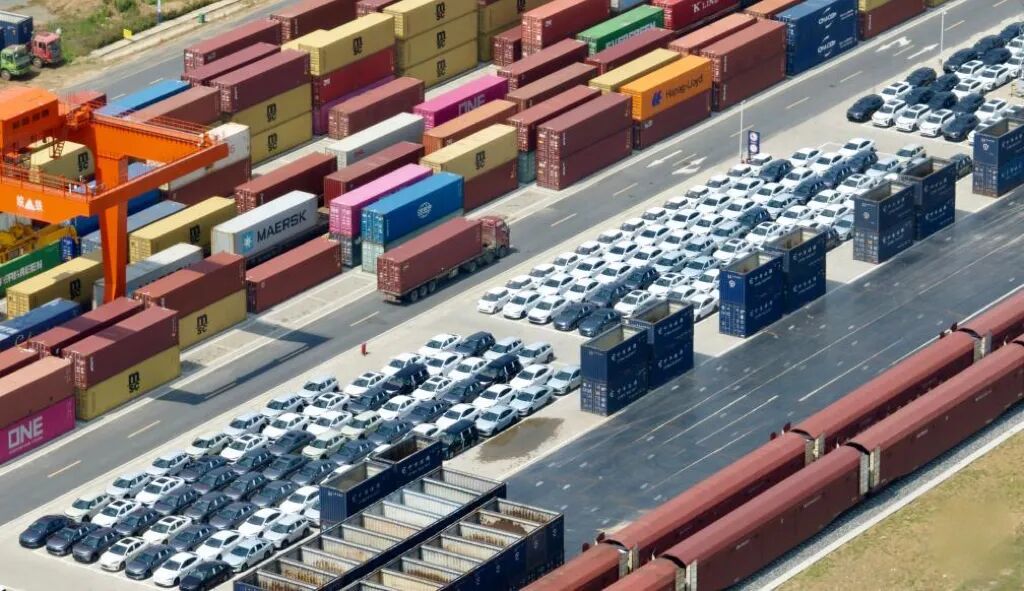
虽有博弈,或存变数,但汽车产业的全球化不能停止,真正的竞争力也不是壁垒,而是看谁能够在开放中持续创新。 近期,中国汽车出口频频传来捷报。 来自中汽协的数据显示,2025年全年汽车出口709.8万辆,同比增长21.1%。而海关总署数据更高,算上整车和成套散件等,全年出口832万台,同比增长 30%,出口额1424亿美元。 一边是增长迅速的数字,另一边则传来海外市场一系列利好政策。 1月20日,消息称德国政府为了推动电动汽车销量增长,计划推出30亿欧元补贴,补贴计划向中国品牌在内的所有制造商开放。 新补贴计划将持续至2029年,预计支持约80万辆电动汽车的购买。补贴金额根据车型及购买者收入水平分为1500至6000欧元不等,重点面向中低收入群 体。行业分析认为,德国此举将对中国汽车出口德国迎来重大利好。 2025年全年,中国车企在德国乘用车市场的销量为6.87万辆,同比增长120.4%。虽然面临种种不利的情况,但中国车企在德国市场还是创造新的销售纪 录。而据机构预测,2026年中国车企在德国市场有望达到10万辆的规模。 前些天,加拿大方面也宣布,将中国电动汽车关税从106.1%(6.1%最惠国关税+100%附加关 ...
千里科技20260120
2026-01-21 02:57
Summary of Qianli Technology Conference Call Company Overview - Qianli Technology is positioned advantageously in the wave of intelligence, boasting top-tier AI and autonomous driving talent reserves, making it one of the few companies in the A-share market capable of providing a full suite of algorithm solutions [2][3] - The company underwent bankruptcy restructuring, bringing in strategic investors such as Geely and Liangjiang Capital, and established Ruiblu Automobile in partnership with Geely [2][4] - In 2024, the founder of Megvii, Yin Qi, will become the chairman, marking a transition to a technology-driven enterprise [2][4] Core Business Lines - Qianli Technology's core business includes three main segments: motorcycles, passenger vehicles (Ruiblu Automobile), and intelligent driving technology [6] - The motorcycle business is stable and profitable, while the passenger vehicle segment focuses on ride-hailing and exports, and intelligent driving technology is a key development area [2][6] Financial Status - The company's financial situation before 2025 relies heavily on motorcycle and Ruiblu Automobile sales, with motorcycle sales being stable and profitable, while Ruiblu's performance is more volatile [7] - Overall profit margins have remained stable since the restructuring, and cash flow is expected to improve in 2026 through H-share listing [7] Robot Taxi Development - Qianli Technology is optimistic about the Robot Taxi market, which is projected to grow significantly from 80 billion to 700 billion between 2030 and 2035 [8][9] - The company collaborates with Cao Cao Mobility and Geely to build a robust Robot Taxi ecosystem, providing algorithms, platforms, and vehicle models [9] - Plans include launching a low-cost Robot Taxi solution and participating directly in operations through local government partnerships [9] Future Plans - The company aims to deepen its AI and automotive strategy, enhancing technical capabilities and expanding market share [10] - As a core supplier for Geely in L2 support algorithms, Qianli Technology anticipates revenue potential of 10 billion to 20-30 billion [10] - Plans to achieve a scale of 10,000 Robot Taxis correspond to a market value potential of 30-50 billion [10] - The company will also explore expansion into cockpit and robotics sectors, driven by AI [10] Shareholding Structure - Liangjiang Venture Capital and other local government entities hold 30% of the shares, while Chongqing Lifan Holdings owns 13% [5] - Mercedes-Benz announced an investment in December 2025, acquiring a 3% stake in the company [5]

马斯克大度开放FSD授权,为何其他车企不买账?
Feng Huang Wang· 2026-01-21 02:51
Core Viewpoint - Traditional automakers are hesitant to adopt Tesla's Full Self-Driving (FSD) system, which Elon Musk describes as "unreasonable," but this hesitation is rooted in strategic considerations [1][2]. Group 1: Industry Trends - More automakers are opting to develop key modules for autonomous driving systems in-house rather than outsourcing, as automotive technology is seen as a crucial part of brand identity [1]. - Rivian is deepening vertical integration by designing proprietary chips for its autonomous driving computer, indicating a shift towards self-reliance in technology development [1]. - Ford announced plans to develop a "hands-free driving" system by 2028, stating that in-house development could reduce costs by 30% and provide better control over software integration [2]. Group 2: Reasons for In-House Development - Experts indicate that traditional automakers' choice to develop technology internally is driven by the need to meet specific customer demands and the competitive nature of the industry [3]. - The differentiation in consumer needs between brands like Ford and Mercedes necessitates a tailored approach to advanced driver-assistance systems (ADAS) [3]. - The integration of software, sensors, and braking systems is complex and costly when relying on multiple suppliers, making in-house development more cost-effective [3]. Group 3: Technological Advancements - NVIDIA has introduced Alpamayo, a suite of AI inference models and simulation tools that make it easier for automakers to develop autonomous driving technologies, reducing the commercial appeal of Tesla's FSD licensing [5][6]. - Mercedes has become the first major customer of NVIDIA's Alpamayo, planning to launch an advanced driver-assistance system by the end of the year that meets Tesla's FSD standards [6]. - The Alpamayo platform aims to democratize the development of autonomous driving systems by lowering training costs and time, although automakers still need proprietary data and talent for implementation [6].

盼提振德国汽车业,德国启动电动车补贴并对中企开放
Huan Qiu Wang· 2026-01-20 22:56
Group 1 - The German government announced a new subsidy policy for electric vehicles (EVs) amounting to €3 billion, aimed at improving the climate and boosting the struggling automotive industry [1] - The subsidies will be available to all manufacturers, including Chinese brands, with amounts ranging from €1,500 to €6,000 depending on vehicle type, income level, and family size [1][2] - The funding is expected to benefit approximately 800,000 electric vehicles over the next 3 to 4 years, helping to reduce reliance on gasoline and diesel [1] Group 2 - The inclusive nature of the subsidy plan distinguishes Germany from other European countries like France and the UK, which have excluded many Chinese vehicles from their subsidy programs [2] - The new policy is anticipated to significantly benefit affordable electric vehicle brands like BYD, which are expanding their market share in Europe [2] - Data indicates that the top 11 newly registered pure electric vehicles in 2025 will predominantly come from Volkswagen or BMW, while Chinese manufacturers are gaining traction in the small car segment [2] Group 3 - A recent consensus between China and Europe regarding electric vehicle tariffs signals a welcoming stance towards Chinese manufacturers, despite existing tariffs [3] - Chinese brands like BYD are reportedly selling at higher prices in Europe compared to their domestic market, indicating a lack of dumping practices [3] - The new EU minimum price guidelines are viewed positively by the German automotive industry, as they are expected to stabilize the market amidst previous tariff-induced price confusion [3]
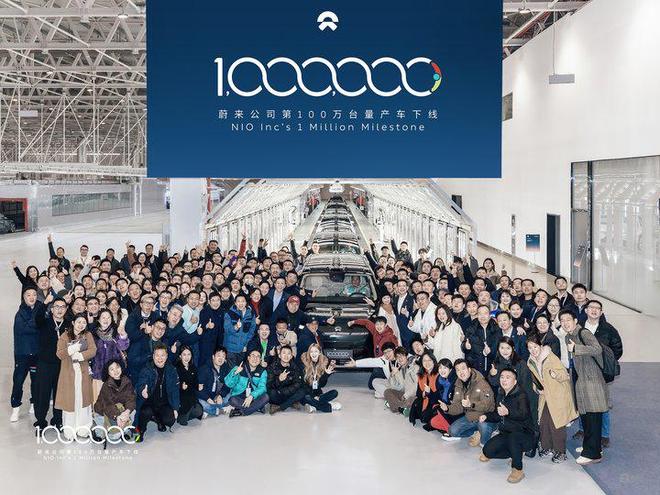
从第一台到第100万台,ES8为蔚来兜住了底
Tai Mei Ti A P P· 2026-01-20 12:25
Core Insights - NIO has achieved a significant milestone by producing its one millionth vehicle, specifically the ES8, which symbolizes a turning point for the company and the electric vehicle market [2][3] - The ES8 has set new sales records in the high-end SUV segment, demonstrating a shift in consumer preferences from traditional luxury brands to electric vehicles [4][6] Group 1: Sales Performance - The new ES8 delivered 50,000 units within 120 days, achieving a monthly retail sales record of 22,258 units, surpassing previous records for vehicles priced over 400,000 yuan [3][4] - NIO's one million vehicles sold have an average price exceeding 300,000 yuan, indicating a strong brand premium compared to competitors who often rely on lower-priced models to reach similar sales figures [3][4] Group 2: Market Dynamics - A notable 62.4% of new ES8 orders come from customers replacing traditional luxury fuel vehicles, indicating a shift in consumer behavior towards electric vehicles [6] - The transition from fuel vehicles to electric vehicles is gaining momentum, with the market for large electric SUVs expected to grow significantly [7][8] Group 3: Competitive Landscape - NIO's success with the ES8 is causing traditional luxury brands, such as BMW and Mercedes-Benz, to reassess their market positions as they face increased competition from electric vehicles [6][12] - The company maintains a premium pricing strategy, which allows it to avoid engaging in price wars while still achieving high sales volumes [6][12] Group 4: Future Outlook - NIO aims to achieve a growth rate of 40% to 50% annually in the coming years, despite the challenges of maintaining brand loyalty and addressing consumer price sensitivity [14] - The company is under pressure to achieve profitability by 2026, as it navigates a complex multi-brand strategy and seeks to solidify its position in the high-end market [12][14][15]