联发科

Search documents
这颗芯片,让OpenAI不安
半导体芯闻· 2025-12-09 10:36
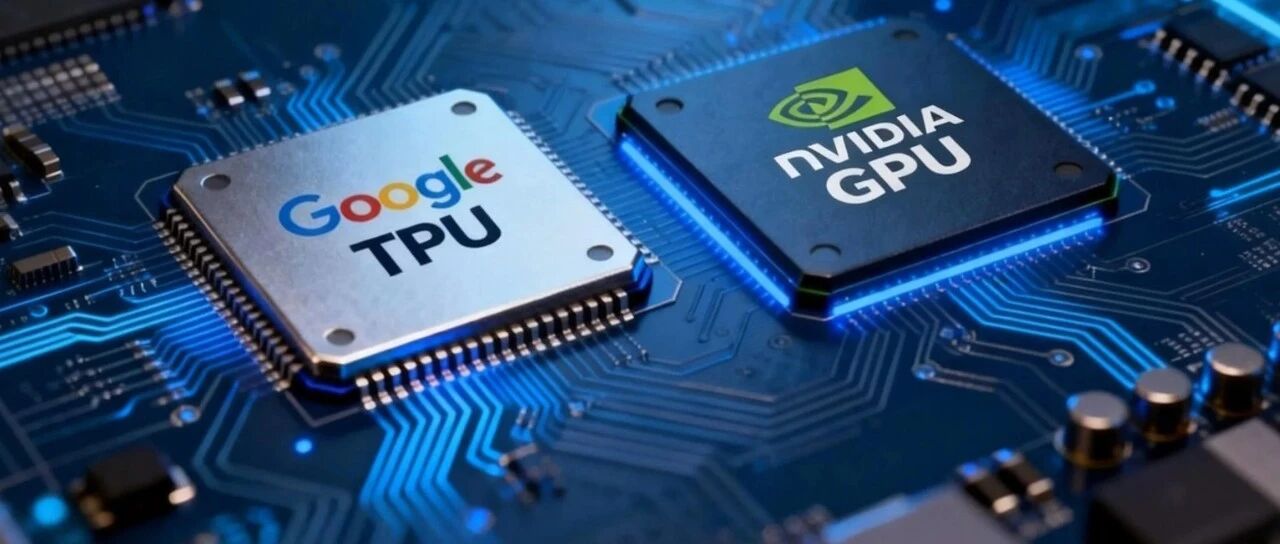
Core Insights - Google's secret weapon in the AI race is its Tensor Processing Unit (TPU), which has enhanced the performance of its Gemini 3 AI model, surpassing OpenAI's GPT-5 in independent benchmark tests [2] - Analysts predict that Google plans to double its TPU production by 2028, indicating a significant investment in these processors [2] - The integration of AI hardware, software, and chips is expected to provide Google with a technological edge and substantial profits [3] Group 1: Google's AI Strategy - Google aims for vertical integration by developing AI hardware, software, and chips internally, which is believed to yield technological advantages [3] - The Gemini 3 model is primarily trained on TPUs, contrasting with OpenAI's reliance on NVIDIA GPUs for its language models [3] - Morgan Stanley estimates that Google could generate up to $13 billion in revenue for every 500,000 TPUs sold to external customers [3] Group 2: Market Dynamics - Concerns have arisen among NVIDIA investors regarding Google's potential to offer TPUs to clients beyond its cloud platform, including a recent agreement with AI startup Anthropic for 1 million TPUs valued at several billion dollars [2] - Analysts suggest that Google may also engage in similar agreements with other startups, potentially generating over $100 billion in new revenue in the coming years [4] - NVIDIA maintains that it remains a leader in the industry, emphasizing its performance and versatility compared to TPUs [4] Group 3: Historical Context and Development - The TPU project began in 2013, initially as a side project, and has since evolved to support many of Google's core services, including search and YouTube [5] - Google typically releases a new generation of TPUs every two years, but this has shifted to an annual update since 2023 due to increasing demand [6]




谷歌TPU杀疯了,产能暴涨120%、性能4倍吊打,英伟达还坐得稳吗?
机器之心· 2025-12-09 08:41
Core Viewpoint - Google's TPU is set to disrupt Nvidia's dominance in the AI chip market, with significant production increases and cost advantages for inference tasks [2][4][79]. Group 1: TPU Production and Market Strategy - Morgan Stanley predicts that Google's TPU production will surge to 5 million units by 2027 and 7 million by 2028, a substantial increase from previous estimates of 3 million and 3.2 million units, representing a 67% and 120% upward adjustment respectively [2]. - Google aims to sell TPUs to third-party data centers, complementing its Google Cloud Platform (GCP) business, while still utilizing most TPUs for its own AI training and cloud services [2][3]. Group 2: Comparison with Nvidia's GPU - Nvidia has historically dominated the AI chip market, controlling over 80% of it by 2023, but faces challenges as the market shifts from training to inference, where Google's TPU offers superior efficiency and cost advantages [8][12]. - By 2030, inference is expected to consume 75% of AI computing resources, creating a market worth $255 billion, growing at a CAGR of 19.2% [8][52]. Group 3: Cost and Efficiency Advantages of TPU - Google's TPU is designed for inference, providing a cost per hour of $1.38 compared to Nvidia's H100 at over $2.50, making TPU 45% cheaper [20]. - TPU's performance in inference tasks is four times better per dollar spent compared to Nvidia's offerings, and it consumes 60-65% less power [20][22]. Group 4: Industry Trends and Client Migration - Major AI companies are transitioning from Nvidia GPUs to Google's TPUs to reduce costs significantly; for instance, Midjourney reported a 65% reduction in costs after switching to TPU [34]. - Anthropic has committed to a deal for up to 1 million TPUs, highlighting the growing trend of companies seeking cost-effective solutions for AI workloads [35]. Group 5: Future Implications for Nvidia - Nvidia's profit margins, currently between 70-80%, may face pressure as Google captures even a small portion of the inference workload, potentially leading to over $6 billion in annual profit loss for Nvidia [22][59]. - The shift towards TPUs indicates a broader trend where companies are diversifying their AI infrastructure, reducing reliance on Nvidia's products [67].
视频编解码领域标准必要专利及标准提案研究报告
中国信通院· 2025-12-09 08:32
Investment Rating - The report does not explicitly provide an investment rating for the industry Core Insights - The video codec technology is crucial for processing massive video data, driving the development of the digital visual industry [6] - The evolution of video codec standards is closely tied to patent management, influencing both the efficiency of technology dissemination and the healthy development of the industry ecosystem [6][7] - The report analyzes the global landscape of standard-essential patents (SEPs) and standard proposals in the video codec field, focusing on H.264/AVC, H.265/HEVC, and H.266/VVC standards [8] Summary by Sections Video Codec Standardization and Industry Development - The market has formed a diversified video codec standard ecosystem influenced by technological evolution, commercial competition, and geopolitical factors [16] - The three main standard camps are H.26x/MPEG-x, AVS, and AVx, each playing a significant role in the global video codec market [27] Video Codec Industry Application - Video codec technology impacts various sectors, including streaming services, video conferencing, digital TV broadcasting, and video surveillance [28] - H.26x/MPEG-x standards are widely used across all application scenarios, while AVS standards are primarily applied in China, and AVx standards are gaining traction in the streaming domain [35] Standard-Essential Patent Utilization - The video codec field has two main patent pool management organizations: Via Licensing Alliance and Access Advance, managing SEPs for H.264/AVC and H.265/HEVC standards [37] - The report highlights the increasing frequency of SEP licensing disputes, which are expanding beyond traditional device manufacturers to include content providers [49]
黄仁勋称CPU将死,英伟达想靠GPU制霸,科技巨头们不答应
3 6 Ke· 2025-12-09 07:53
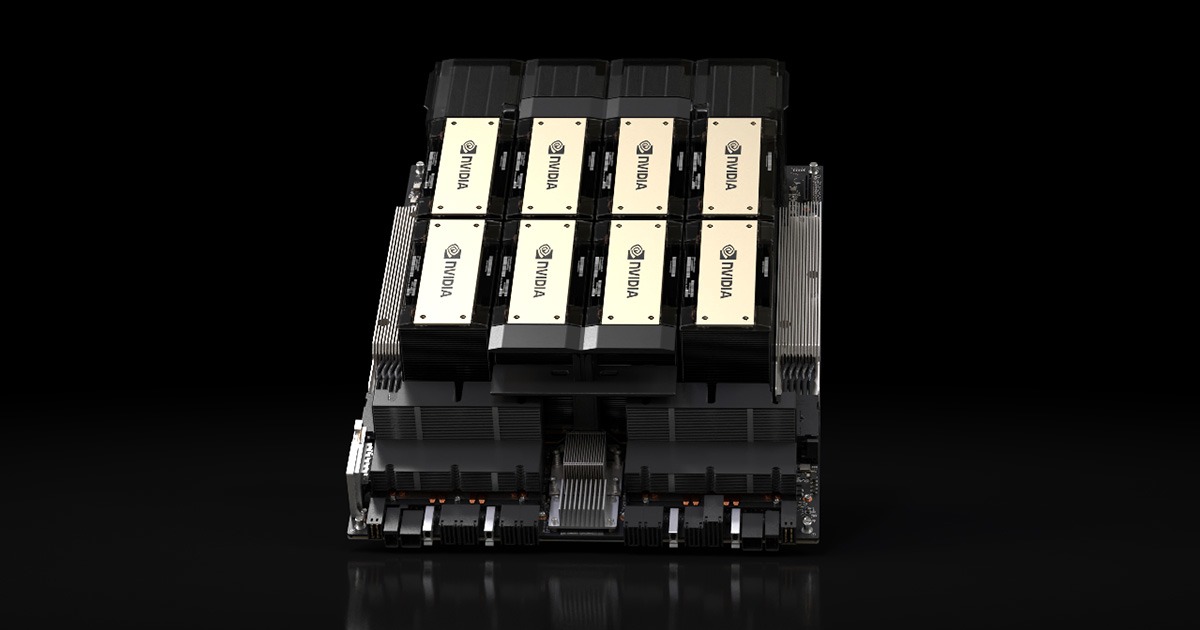
Core Insights - The U.S. government has allowed NVIDIA to sell its H200 AI chips to "approved customers" in China and other regions, with a condition of a 25% revenue share to the U.S. government [1] - Jensen Huang, NVIDIA's CEO, expressed uncertainty about the future necessity of CPUs in an AI-driven era, suggesting that GPUs may eventually replace CPUs [1] - NVIDIA's revenue from data center GPUs is projected to surge from $15 billion in 2023 to $115.2 billion in the fiscal year 2025 [1] Industry Trends - The GPU market is experiencing a surge in interest, highlighted by the significant stock price increase of Chinese GPU company Moore Threads on its debut [3] - The demand for GPUs is rising due to the explosion of large model training, but the complete replacement of CPUs by GPUs is debated [4][6] - CPUs remain essential for complex task management, while GPUs excel in parallel computing tasks [4][6] Competitive Landscape - Major tech companies are accelerating the deployment of new GPU clusters, with Alibaba Cloud and Baidu developing their own chips to enhance AI capabilities [7][9] - Amazon and Google are also investing in self-developed chips to reduce dependency on NVIDIA, focusing on efficiency and cost control [9][10] - The shift towards GPU dominance in cloud computing is evident, but companies are also developing their own solutions to avoid being solely reliant on NVIDIA [9][10] Future Directions - The transition of AI tasks from cloud to local devices is reshaping the computing architecture, with GPUs becoming increasingly important in smartphones and PCs [10][11] - The rise of AI PCs emphasizes the importance of GPU performance over traditional CPU metrics [11] - The automotive industry is also leveraging GPUs for real-time data processing in autonomous driving applications [11] Ecosystem Development - CPU manufacturers like Intel and AMD are not retreating; they are adapting by enhancing their AI processing capabilities and developing competitive ecosystems [14][15] - NVIDIA's strength lies in its established ecosystem, particularly with CUDA, which poses challenges for competitors [15] - The competition in the computing sector is shifting towards who can build a comprehensive AI ecosystem, with companies like Huawei making significant strides [15][16]
支付宝碰一碰设备是 REDMI 手机吗?博主拆机辟谣:处理器内存都不一样
程序员的那些事· 2025-12-09 03:56
Core Viewpoint - Alipay's new feature "Alipay Tap" allows users to make payments without displaying a payment code, simply by tapping their phone on the merchant's device, which has sparked rumors about the device's origin being a modified REDMI Note 11T Pro. However, these claims have been debunked through a teardown analysis of the device [1][17]. Group 1 - The "Alipay Tap" feature was launched in July 2024, enabling quick payments without the need for a payment code [1]. - Rumors circulated online suggesting that the payment device was modified from a REDMI Note 11T Pro [1]. - A blogger conducted a teardown of the device and confirmed that it is not based on the REDMI Note 11T Pro [3]. Group 2 - The teardown revealed that the payment device features a fully customized design, with a screen supplied by Dijing Optoelectronics, unrelated to REDMI models [6]. - The device is powered by a MediaTek MT8788V processor and has a storage configuration of 2GB RAM and 16GB storage, which differs significantly from the REDMI Note 11T Pro [10]. - The device's structure includes a metal base, counterweight, dedicated wireless receiving module, and a large built-in speaker, indicating a design tailored for its specific function [12][14]. Group 3 - The blogger noted that the structural and functional differences between the payment device and a smartphone are substantial, and modifying a smartphone for this purpose would significantly increase costs [16]. - The claim that the "Alipay Tap" device is a modified REDMI Note 11T Pro is entirely false and should be regarded as a rumor [17].

CoWoS,缺货潮来了
半导体芯闻· 2025-12-08 10:44
Core Viewpoint - Google's TPU has gained significant attention in the AI sector, but supply chain limitations may hinder its ability to meet market expectations for production capacity [3][4]. Group 1: Google's TPU and Supply Chain Challenges - The interest in Application-Specific Integrated Circuits (ASICs) is rising, with companies like Meta and Anthropic showing interest in integrating Google's TPU into their workloads [3]. - Google's TPU production may fall short of market expectations due to difficulties in obtaining advanced packaging materials from suppliers like TSMC, which are crucial for successful mass production [3][4]. - TSMC's existing supply chain is heavily focused on clients like Apple and Nvidia, making it challenging for Google to secure priority for its orders [4]. Group 2: TSMC's Advanced Packaging Demand - TSMC is experiencing a surge in orders for its CoWoS advanced packaging technology, driven by demand from major clients such as Nvidia, Google, and Amazon [6][9]. - TSMC plans to expand its CoWoS capacity significantly, with expectations to reach a monthly capacity of 100,000 wafers by the end of 2026, primarily due to the influx of AI and HPC orders [6][9]. - The demand for advanced packaging is expected to remain high, with TSMC's CoWoS capacity projected to increase by 20%-30% by 2026 [9][10]. Group 3: Market Dynamics and Competitors - Despite rumors of major companies considering Intel's advanced packaging as an alternative, TSMC's deep partnerships with clients are likely to limit the flow of orders to Intel [7]. - Nvidia's demand for CoWoS capacity is substantial, with projections for its needs increasing from 590,000 to 700,000 units by 2026, reflecting the strong growth potential in the AI semiconductor market [10]. - Other companies, such as MediaTek and AMD, are also expected to benefit from the growing demand for AI-related products, with their orders for CoWoS technology increasing as well [11]. Group 4: Winners in the Semiconductor Supply Chain - Companies like ASE Technology and Siliconware Precision Industries are positioned to benefit from TSMC's overflow orders, as they ramp up production capabilities to meet demand [13]. - ASE Technology anticipates strong performance in its advanced packaging and testing business, projecting revenues of $1.6 billion for the year and an increase of over $1 billion by 2026 [14]. - The ongoing demand for advanced packaging driven by AI applications is prompting significant investments from these companies to enhance their production capabilities [14].

台积电先进封装大爆单 加速扩产及委外带旺弘塑、万润等设备链
Jing Ji Ri Bao· 2025-12-07 23:12
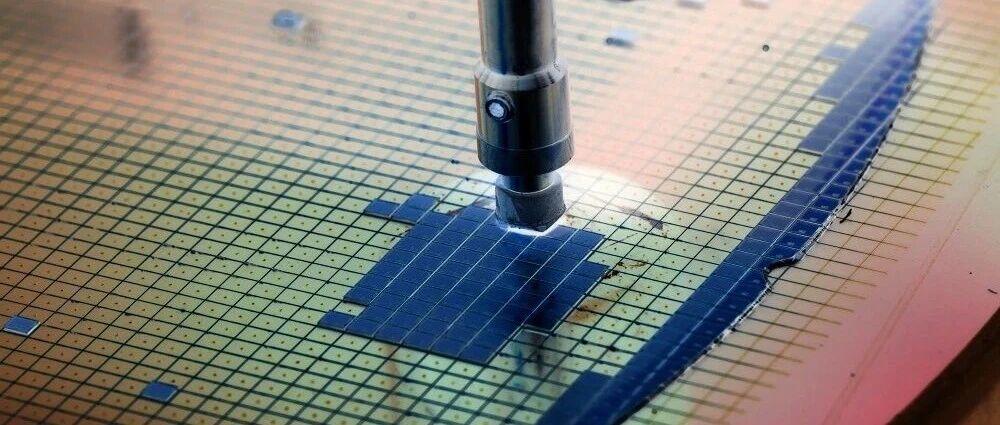
Core Viewpoint - TSMC is experiencing a surge in orders for advanced packaging, particularly from major clients like Nvidia, Google, Amazon, and MediaTek, leading to full capacity utilization of its CoWoS series [1][2] Group 1: Advanced Packaging Demand - TSMC's CoWoS advanced packaging orders are reportedly overflowing, with both CoWoS-L and CoWoS-S processes fully loaded [1] - The demand for advanced packaging is expected to remain high, with TSMC aiming to expand CoWoS-L capacity to 100,000 wafers per month by the end of 2026, driven by orders from Nvidia's GPUs and custom ASICs [1][2] Group 2: Capacity Expansion and Partnerships - TSMC is actively expanding its CoWoS capacity and collaborating with partners to meet customer demands, with plans to achieve supply-demand balance by 2025-2026 [2] - The company is outsourcing some of its advanced packaging processes to partners to ensure seamless integration of technologies and timely fulfillment of customer needs [1] Group 3: Competitive Landscape - Despite rumors of major clients like Apple and Qualcomm considering Intel's advanced packaging as a backup option, industry insights suggest that TSMC's deep partnerships and comprehensive service offerings will limit the flow of orders to Intel [2]
中国大陆IC设计市占率,超越中国台湾
半导体行业观察· 2025-12-06 03:06
Group 1 - The core viewpoint of the article highlights the significant growth of the global semiconductor market, projected to reach $889 billion by 2026, driven by AI advancements and major players like NVIDIA and AMD [1] - IDC forecasts that by 2026, China's IC design market share will expand to approximately 45%, surpassing Taiwan's expected 40%, marking a shift in the competitive landscape [1] - The rapid expansion of China's IC design sector is attributed to domestic semiconductor policies and a strong internal market, with companies like Cambricon seeing increased AI chip shipments [1] Group 2 - Despite competitive pressures, Taiwan's critical position in the global semiconductor supply chain remains unchanged, with TSMC expected to achieve a revenue growth rate of 22% to 26% by 2026 [2] - The global wafer foundry market is projected to grow by about 20% by 2026, with TSMC maintaining a dominant market share of approximately 73% [2] - Taiwan's packaging and testing industry is anticipated to experience a compound annual growth rate of about 9.1% from this year to 2029, driven by strong AI orders [2]
IDC:大陆IC设计市占2026年上看45%,超越台湾地区
Jing Ji Ri Bao· 2025-12-05 23:37
Group 1 - The global semiconductor market is projected to reach $889 billion by 2026, driven by AI advancements and companies like NVIDIA and AMD [1] - Chinese mainland IC design companies are expected to surpass Taiwan's market share by 2025, with projections indicating a market share of approximately 45% for mainland China and about 40% for Taiwan by 2026 [1] - The lack of self-developed AI chips is a key factor in Taiwan's declining market share, as most Taiwanese firms, except for MediaTek, have minimal AI chip revenue [1] Group 2 - The rapid expansion of China's IC design landscape is supported by semiconductor self-sufficiency policies and domestic market demand, with companies like Huawei's HiSilicon and Cambricon making significant technological advancements [2] - Despite competitive pressures, Taiwan's critical position in the global semiconductor supply chain remains unchanged, with TSMC's revenue growth rate projected to be between 22% and 26% by 2026, maintaining a market share of approximately 73% [2] - The advanced packaging sector is expected to see a significant increase in TSMC's CoWoS capacity by about 72% by 2026, but demand from AI giants will keep the market in a supply-demand imbalance [2]

英伟达CEO的“担心”:丢掉中国市场,等于培养下一个全球AI巨头
Sou Hu Cai Jing· 2025-12-05 23:04
Core Viewpoint - Huang Renxun warns that if American companies allow Chinese competitors like Huawei to seize market share, China will soon seek to export its AI technology globally, creating an AI version of the "Belt and Road" initiative [1][10] Group 1: Market Concerns - Huang Renxun expresses deep concern over the Chinese AI chip market, currently estimated at $50 billion, which could grow to $200 billion by the end of 2030 [4] - NVIDIA's revenue from the Chinese market for 2024 is projected to be $17.1 billion, a 66% year-on-year increase, accounting for 13% of total revenue [4] - The share of NVIDIA in the Chinese market has dropped from 95% at the beginning of Biden's administration to 50% due to U.S. export controls on AI chips [5] Group 2: Legislative Challenges - Huang Renxun's primary goal during his Washington visit is to lobby against new AI chip export restrictions, particularly a proposal to include the GAIN AI Act in the annual defense authorization bill [3] - The GAIN AI Act would require U.S. chip companies to prioritize domestic market needs, imposing stricter limits on overseas orders, especially to China [3] - Although the GAIN AI Act was temporarily shelved, the underlying issue remains that trust in the Chinese market is difficult to restore [3] Group 3: Competitive Landscape - Huawei is rapidly filling the market gap left by NVIDIA, with plans to launch advanced computing nodes and clusters by September 2025 [8] - Huawei's Ascend AI computing platform has achieved significant training efficiency improvements, with the ability to train models with 718 billion parameters [9] - Huang Renxun acknowledges that the issue is not technical but rather a matter of trust, predicting that NVIDIA's chip sales in China could drop to zero in the next two quarters [7] Group 4: Global Supply Chain Dynamics - The global high-tech supply chain is undergoing a structural transformation, shifting from an "efficiency-first" approach to prioritizing "security" and "political reliability" [13] - The EU has announced a $3.5 billion investment to establish a critical raw materials reserve plan to reduce dependence on Chinese rare earths [14] - The U.S. is also promoting an "AI critical materials supply chain alliance" with eight allies to create a de-China network for raw materials [15] Group 5: Technological Evolution - NVIDIA faces challenges not only from the Chinese market and policy restrictions but also from technological shifts, as it begins to enter the ASIC chip market [17] - The development of AI large models has led to algorithmic changes, increasing the value of specialized ASIC chips for specific scenarios [18] - Competitors like Broadcom, Marvell, and MediaTek are achieving explosive growth in the AI sector through collaborations with major tech companies [18]