中宠股份

Search documents
2026年农业投资策略:生猪养殖行业再次去化,中国宠物粮黄金时代已来
2025-12-24 12:57
Summary of Key Points from Conference Call Records Industry Overview - The swine breeding industry is currently facing low prices and losses, but policy adjustments are accelerating capacity reduction, with expectations for a price rebound in the second half of 2026 [1][2] - The white feather chicken market is experiencing oversupply, with a cautious outlook for 2026 prices due to a significant decline in breeding stock updates [1][7] - The yellow feather chicken industry is expected to have flat profitability in 2026, with high breeding stock levels [1][8] - The global pet food market is steadily growing, with significant contributions from Chinese brands through premiumization and branding strategies [1][9] Core Insights and Arguments - The number of breeding sows has decreased to 39.9 million, indicating relatively low production capacity but improved efficiency [2] - The Ministry of Agriculture and the National Development and Reform Commission have initiated multiple discussions to implement production capacity control policies, with an expected elimination of 1 million breeding sows by January 2026 [2] - Despite a potential increase in the overall output of listed pig companies in 2026, this will not hinder the emergence of a new cycle due to limited growth in output [6] - Major companies like Muyuan and Dekang have successfully controlled costs, with Muyuan achieving a cost of 11.3 yuan/kg and Dekang at 11.9 yuan/kg [4] Company-Specific Developments - TianKang Bio's acquisition of 51% of Jiangdu Livestock is expected to significantly enhance its output and competitiveness, with production costs potentially dropping to 11.5 yuan or lower [5] - The average ROE for Muyuan is 37.5% since 2018, while Dekang's is 12.3%, indicating strong long-term profitability and capital return [4] Market Dynamics - The overall output of pigs is expected to increase in 2026, but the growth will be limited due to ongoing policy adjustments [6] - The white feather chicken market is projected to see a cautious price outlook for 2026, with a significant drop in breeding stock updates [7] - The yellow feather chicken industry is likely to experience similar profitability challenges as in the current year, with potential losses in several quarters [8] Pet Food Market Trends - The global pet food market is projected to reach $207.4 billion in retail sales by 2024, with significant growth rates across various segments [9] - Chinese brands are gaining market share, with companies like MaiFuDi and GuaiBao showing substantial growth in e-commerce sales [10][11] - GuaiBao's market share is approaching 10%, and it is expected to become one of the top two domestic brands [12] Challenges in the Beef Industry - The beef industry faces challenges such as long breeding cycles and difficulties in replenishment, with a notable decline in the number of breeding cows and calves [14] - The price of beef has seen a significant drop since 2023, but a potential increase in prices is anticipated due to reduced production capacity and government investigations into beef imports [14] This summary encapsulates the critical insights and developments within the swine breeding, poultry, and pet food industries, as well as the challenges faced by the beef sector, providing a comprehensive overview for potential investment considerations.
获高盛入股,背负近18亿商誉,瑞派宠物闯关港股
Sou Hu Cai Jing· 2025-12-24 10:47
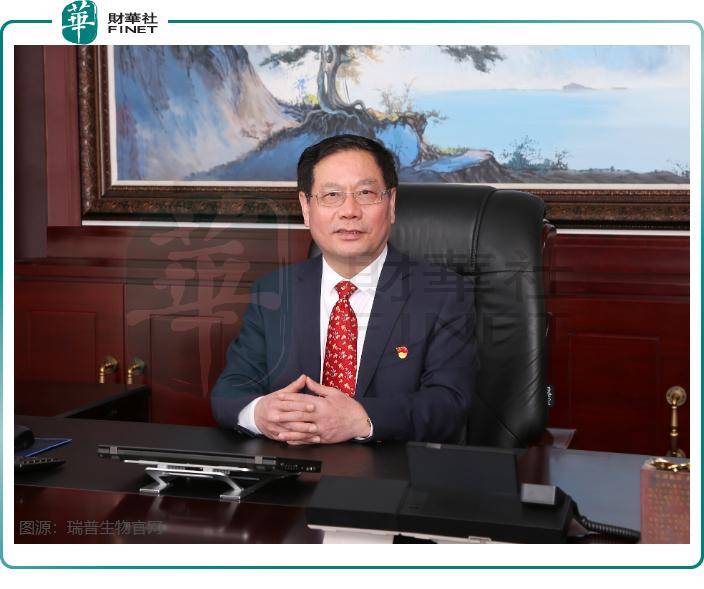
当宠物经济成为消费市场的"常青树",赛道龙头终于向资本市场发起冲击。 近日,中国第二大宠物医疗服务提供商瑞派宠物医院管理股份有限公司(下称"瑞派宠物")正式向港交所递交招股书,拟冲刺"中国宠物医疗第一股"。 文|财华社 他在中国农业大学获得预防兽医学博士学位,享受国务院政府特殊津贴,亦是俄罗斯工程院外籍院士。同时,他担任科技部兽药产业技术创新战略联盟理事 长、中国畜牧兽医学会理事、中国兽药协会副会长等多项社会职务,曾获"国家科学技术进步二等奖""农业技术推广贡献奖"等重量级奖项。 学术与产业的双重深耕,让李守军敏锐捕捉到宠物经济的崛起机遇。早在1998年,他便创立瑞普生物,深耕动物保健领域,并于2010年带领公司登陆创业 板,成为行业标杆。 随着养宠需求从"基础饲养"转向"健康管理",李守军于2012年跨界创立瑞派宠物,形成"动物保健+宠物医疗"双赛道布局,凭借对行业痛点的深刻洞察,构 建出差异化的连锁医疗体系。 在李守军的带领下,瑞派宠物迅速崛起为宠物医疗领域的实力玩家。 根据公司官网及招股书,公司已成为中国首家实现全国连锁化运营的宠物医疗服务提供商,截至2025年6月30日,旗下有医院548家(其中22家 ...

直播预告 || 2025中国鸡蛋产业年终回顾
Xin Lang Cai Jing· 2025-12-24 09:40
Core Insights - In 2025, China's egg industry is at a dual juncture of cyclical adjustment and high-quality transformation, facing market pressure from supply-demand imbalance while also experiencing structural changes driven by policy guidance, technological innovation, and consumption upgrades [2][4] Supply Side - The average annual stock of laying hens in the national commodity layer reached 1.22 billion, a year-on-year increase of 1.3%, with a peak of over 1.27 billion in September, marking a recent high [2][4] - The profitability trend in 2024 encouraged farmers to actively replenish stocks at the beginning of 2025, alongside large enterprises expanding capacity, with plans for projects of over one million hens aiming for a total production capacity of 200 million [2][4] - However, continuous industry losses led to a significant decline in replenishment willingness in the second half of the year, with the number of young hens replenished decreasing for five consecutive months year-on-year, and the utilization rate of breeding eggs dropping to a near five-year low [2][4] Demand Side - Overall consumption exhibited characteristics of "stable total volume, differentiated structure," with the fresh egg market scale surpassing 420 billion yuan [2][4] - Demand for ordinary fresh eggs was weak due to declining prices of substitutes like pork, while sales of high-end egg products (such as raw-eating eggs, organic eggs, and selenium-enriched eggs) increased by 23% year-on-year, accounting for 18% of the total retail sales of fresh eggs, indicating a significant rise in consumer willingness to pay for quality and functional attributes [2][4] Price Trends - Egg prices showed a downward trend throughout the year, hitting a low of 5.06 yuan per kilogram mid-year, mostly operating below the industry breakeven point of 4.8-5.0 yuan per jin, with an average loss of approximately 0.93 yuan per kilogram, a substantial year-on-year decline of 289% [3][5] Technological Advancements - Breakthroughs in functional egg product technology have led to a 3-5 times increase in the content of nutrients like DHA and selenium, meeting national standards for "high-selenium foods," with the market size for functional egg products reaching 18.6 billion yuan and a compound annual growth rate of 12.7% [3][5] Industry Trends - The promotion of non-cage farming models is accelerating, with the industry awarding the "Non-Cage Farming Model Enterprise Award" for the first time, and companies like Sichuan Sandile and Dalian Lvxue Egg Products establishing standardized non-cage farming systems, achieving a product qualification rate of 99.8% [3][5] - The acceleration of brand building is evident as companies enhance recognition through "ecological farming positioning + storytelling marketing + customized packaging," with the repurchase rate of high-end egg products reaching 76%, significantly enhancing brand premium capabilities and driving the industry transition from "bulk commodities" to "value-added products" [3][5] Conclusion - In 2025, the Chinese egg industry faced deep adjustments and severe tests under the dual pressure of high supply and weak demand, entering a "micro-profit era" with significantly compressed breeding profit margins [5]
东兴证券2026年农林牧渔策略:静待生猪周期拐点 饲料动保后周期属性弱化
智通财经网· 2025-12-24 07:15
Group 1: Pig Farming Industry - The supply-demand structure of the pig farming industry is improving, but short-term oversupply will continue to pressure pig prices in the first half of 2026, leading to ongoing industry losses [2][3] - Cost is a core factor for pig companies to achieve excess returns and long-term growth, especially significant during the down cycle [2] - The industry is experiencing a shift towards larger-scale farming, which is reshaping the market dynamics and reducing the volatility of pig prices [2][3] Group 2: Feed and Animal Health - The animal health sector is seeing a weakening of its cyclical attributes, with research and innovation becoming the core competitive advantage for long-term growth [4] - The feed industry is expected to benefit from high livestock inventory supporting demand, while the aquatic feed sector is expected to operate steadily under rational farming behavior [5] - Domestic market competition is fierce, with leading feed companies expected to enhance their competitiveness through cost control and refined management [5] Group 3: Pet Food Market - The pet food market is experiencing a reshaping of global supply-demand dynamics due to tariff disturbances, but domestic consumption remains robust [6] - There is a clear trend of domestic brands rising in the pet food sector, with companies adapting to health and refinement trends in consumer preferences [6] - Recommended stocks in the pet food industry include Zhongchong Co., Ltd. (002891.SZ) and Petty Co., Ltd. (300673.SZ) [6]

中宠股份:截至2025年12月20日公司股东户数为31044户
Zheng Quan Ri Bao Wang· 2025-12-23 11:12
Group 1 - The core point of the article is that Zhongchong Co., Ltd. (002891) reported a total of 31,044 shareholders as of December 20, 2025 [1]
渤海证券研究所晨会纪要(2025.12.23)-20251223
BOHAI SECURITIES· 2025-12-23 03:29
Group 1: Fund Research - The market review for the week of December 15 to December 19, 2025, indicates that most major equity indices declined, with the largest drop being 2.99% for the Sci-Tech 50 index. Among 31 first-level industries, 19 saw an increase, with the top five performing sectors being commercial trade, non-bank financials, beauty care, leisure services, and chemicals [2] - The public fund market saw a private fund management scale reaching 22.09 trillion yuan, and the China Securities Index Co., Ltd. released the China ASEAN Digital Economy Theme Index [2] - Bond funds performed well, with fixed income plus funds showing the largest average increase of 0.10%, and 76.57% of them achieving positive returns. In contrast, equity funds averaged a decline of 0.57%, with only 39.09% showing positive returns [3] - The ETF market experienced a net inflow of 871.36 billion yuan, with stock ETFs accounting for the largest inflow of 552.23 billion yuan. The average daily trading volume reached 4,596.24 billion yuan [3][4] Group 2: Industry Research - The report highlights the emergence of the "reward economy," which refers to consumers purchasing non-essential goods or services to gain immediate pleasure and psychological relief in response to work and life pressures. This new consumption model is rapidly developing among younger demographics and is expected to drive domestic demand and consumption [5][7] - The light industry manufacturing sector outperformed the CSI 300 index by 2.08 percentage points, while the textile and apparel sector outperformed by 2.46 percentage points during the same period [7] - The report suggests continued attention to sectors benefiting from the "reward economy," such as trendy toys, pet consumption, and domestic fashion brands, as they are expected to thrive in the evolving consumer landscape [5][7]
——农林牧渔行业周报:猪价承压,关注去化进程-20251222
Guohai Securities· 2025-12-22 11:03
Investment Rating - The report maintains a "Recommended" rating for the agriculture, forestry, animal husbandry, and fishery industry [1] Core Insights - The swine industry is entering an accelerated phase of capacity reduction, with a focus on positioning at the bottom of the market. Regulatory measures are being reinforced to stabilize pig prices, which are expected to face downward pressure in the short term due to increased market supply [3][15] - The poultry sector shows signs of fundamental improvement, with a focus on the white feather chicken breeding segment and potential price recovery in the future [4][28] - The animal health sector is closely monitoring the clinical trial progress of African swine fever vaccines, which could enhance market conditions for leading companies in the sector [5][38] - The pet industry continues to experience rapid growth, with domestic brands gaining strength and improving profitability [8][60] Summary by Sections Swine Industry - The average price of live pigs is reported at 11.53 CNY/kg, with a slight weekly increase. The number of breeding sows has decreased by 1.1% month-on-month [14][15] - Key investment recommendations include leading companies such as Muyuan Foods and Wens Foodstuffs, with additional attention on Dekang Agriculture and Shennong Group [3][15] Poultry Industry - The white feather chicken breeding segment has seen a total of 107.21 thousand sets updated from January to October 2025, with a balanced import and self-breeding ratio [4][28] - Recommended companies in this sector include San Nong Development and Lihua Shares [4][28] Animal Health - The animal health industry has faced losses for over three months, with expectations of continued low pig prices. The clinical trials for the African swine fever vaccine are a critical step towards commercialization [5][38] - Companies to watch include BioStock, Kexin Biological, and Ruipu Biological [5][38] Planting Industry - Grain prices are fluctuating, with corn prices at 2244 CNY/ton and wheat prices at 2515 CNY/ton. The pig-to-grain ratio is reported at 5.03 [44][48] - Investment suggestions focus on companies with strong positions in genetically modified seeds, such as Suqian Agricultural Development and Longping High-Tech [6][48] Feed Industry - Feed prices are experiencing fluctuations, with pig feed priced at 3.33 CNY/kg and chicken feed at 3.45 CNY/kg. The industry is expected to see increased concentration [49][50] - Recommended companies include Haida Group and He Feng Shares [49][50] Pet Industry - The pet market is projected to reach 300.2 billion CNY in 2024, with a year-on-year growth of 7.5%. The number of pet dogs and cats is also on the rise [59][60] - Recommended companies in the pet food sector include Guibao Pet, Zhongchong Shares, and Petty Shares [59][60]


农林牧渔行业2026年策略:产业转型升级,静候周期拐点
Dongxing Securities· 2025-12-22 08:20
Investment Summary - The report suggests focusing on three main investment themes for the agricultural sector in 2026: pig farming, feed and animal health, and pet food [4][5][6]. Group 1: Pig Farming - The supply-demand dynamics in the pig farming industry are improving, with a continued oversupply expected to pressure prices in the first half of 2026, leading to ongoing industry losses [4][16][19]. - The structural changes in pig farming post-African swine fever have led to increased scale and a rise in short-term farmers, resulting in narrower price fluctuations and reduced supply-demand conflicts [4][16][49]. - Cost management is crucial for pig farming companies to achieve excess returns and long-term growth, with significant differentiation expected among companies based on cost advantages [4][50][61]. - The report highlights that the valuation of the sector is at a low point, with expectations for recovery in the valuations of leading companies, particularly those with cost advantages like Muyuan Foods [5][61]. Group 2: Feed and Animal Health - The animal health sector is experiencing a weakening of its cyclical attributes, with research and innovation becoming the core focus for long-term growth [6][62][66]. - The feed market is characterized by competition in the domestic market, with an emphasis on cost control and precision management, while international markets present new growth opportunities for leading companies [6][62][66]. - The report recommends companies with strong research capabilities and cost control, such as Pulaike and KQ Bio, for long-term investment [6][62]. Group 3: Pet Food - The pet food market is expected to continue its growth despite short-term disruptions from tariffs, with domestic brands gaining market share [6][7]. - The report emphasizes the importance of adapting to consumer trends towards health and refinement in product offerings, which is likely to enhance market share and profitability for domestic brands [6][7].


农林牧渔行业周报:年前猪价存在供需双重支撑,蛋鸡存栏高位淘鸡延续-20251221
KAIYUAN SECURITIES· 2025-12-21 12:44
Investment Rating - The industry investment rating is "Positive" (maintained) [1] Core Views - The report indicates that the pig price is supported by both supply and demand factors as the year-end approaches, with expectations for an upward trend in prices before the Spring Festival [3][4] - The report highlights that the pig farming sector is experiencing losses, which may accelerate the reduction of stock, while the pet sector is seeing a rise in domestic brands due to consumption upgrades and tariff barriers [5][29] Summary by Sections Weekly Observation - As of December 21, 2025, the national average price of live pigs is 11.41 yuan/kg, with a week-on-week decrease of 0.15 yuan/kg and a year-on-year decrease of 3.71 yuan/kg [3][13] - The average weight of pigs sold is 130.18 kg per head, with a week-on-week increase of 0.55 kg [3][13] - The supply of pork may be tight leading up to the Spring Festival, with expectations for prices to rise [3][13] Weekly Insights - The pig farming sector is facing increasing losses, and the reduction of stock may accelerate due to various factors including policy and disease [5][24] - Recommendations include companies such as Muyuan Foods, Wens Foodstuff Group, and others in the pig farming sector [5][24] Market Performance (December 15-19) - The agricultural index increased by 0.87%, outperforming the market by 0.84 percentage points [6][30] - Leading stocks include Zhongxing Junye (+18.42%), Xibu Muye (+14.64%), and Xiwang Food (+13.84%) [6][30] Price Tracking (December 15-19) - The average price of live pigs is 11.58 yuan/kg, with a week-on-week increase of 0.10 yuan/kg [7][37] - The average price of piglets is 19.02 yuan/kg, with a slight decrease of 0.02 yuan/kg [7][37] - The average price of white feathered chickens is 7.35 yuan/kg, with a week-on-week increase of 0.27 yuan/kg [7][37] Key News (December 15-19) - The Ministry of Commerce announced anti-dumping duties on imported pork and related products from the EU starting December 17, 2025 [35]


看懂这些关键领域,在2026年捡回「上行」信心
36氪· 2025-12-20 10:27
Core Insights - The article discusses the impact of AI on the workplace by 2025, highlighting both opportunities and challenges for job seekers and employers [5][6]. Group 1: AI and Job Market Dynamics - AI is expected to revolutionize job roles, but it also poses risks of job displacement, particularly for those in roles that can be automated [5]. - The emergence of "super individuals" in the workforce may lead to reduced job opportunities for others, as increased productivity from these individuals can displace multiple workers [5]. Group 2: Employer Branding and Recruitment Trends - There is a lack of investment in employer branding among companies, as many prioritize product performance over employee satisfaction [6]. - Companies are increasingly seeking "versatile talents" by expanding job descriptions, which may undermine the value of teamwork and specialized roles [6]. Group 3: Industry-Specific Insights - The advanced manufacturing sector is experiencing a surge in investment, particularly in robotics and 3D printing, with significant growth in talent demand [9]. - The chip manufacturing industry is accelerating its domestic production capabilities, with a reported 90% yield rate for new processes, indicating a strong push towards self-sufficiency [9]. Group 4: Employment Trends and Challenges - The article notes a structural talent shortage in various sectors, including robotics and chip manufacturing, with a reported talent gap exceeding 300,000 in the semiconductor industry [9]. - The article emphasizes the need for companies to adapt to changing market demands and invest in employee development to remain competitive [6][9].