大疆创新

Search documents
大疆也要 “入地”?跨界扫地机器人,新品呼之欲出
Guo Ji Jin Rong Bao· 2025-07-25 05:35
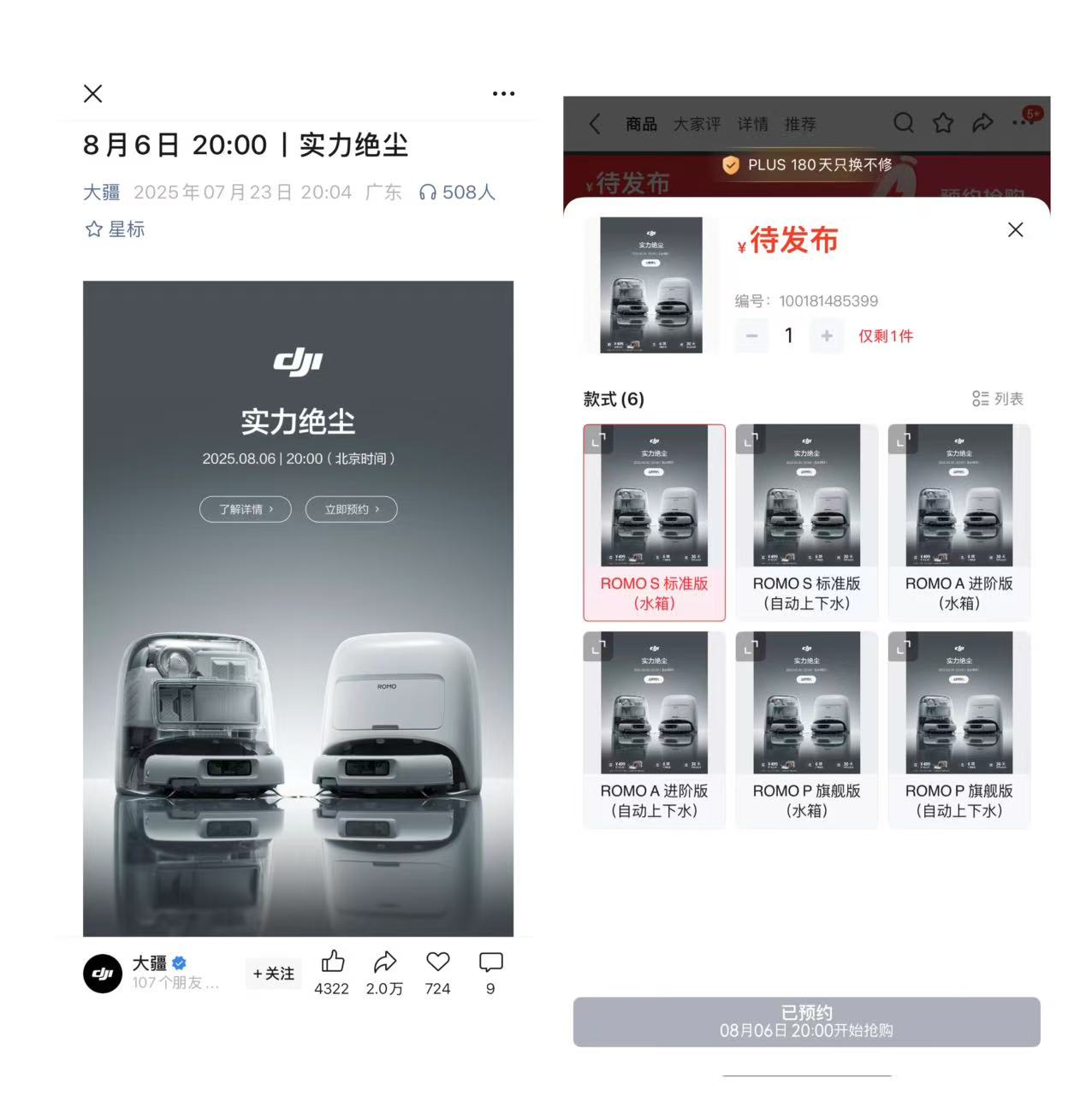
Group 1 - Insta360 has officially launched its drone business strategy, planning to introduce two major product brands: its own brand and a third-party collaboration [1] - DJI, a major player in the drone market with over 70% market share, is entering the robotic vacuum cleaner market, indicating a diversification of its product offerings [1][3] - DJI has been developing its robotic vacuum cleaner since 2020, with reports suggesting it has been in research for four years, aiming to price it competitively with high-end models [3] Group 2 - The global robotic vacuum cleaner market is projected to reach 20.6 million units in sales by 2024, reflecting an 11.2% compound annual growth rate from 2022 [4] - The market size is expected to expand from $7.8 billion to $9.31 billion, marking a significant growth of 19.4% [4] - In China, the robotic vacuum cleaner market is anticipated to ship 5.389 million units in 2024, with a year-on-year growth of 6.7%, driven by government subsidy policies [4]


在美建厂太难?台积电出动无人机自救
半导体芯闻· 2025-07-21 10:44
Core Viewpoint - TSMC is considering the use of drones in its Arizona chip manufacturing facility to enhance operational efficiency and safety, amidst challenges faced during construction and local labor relations [1][2]. Group 1: Drone Utilization - TSMC is forming a drone team for its Arizona factory, currently in the bidding phase for drone suppliers, with a final list expected by the end of the year [1][2]. - Drones are intended for facility inspections, traffic monitoring, and disaster response, potentially reducing labor needs and risks for workers in hazardous environments [2]. Group 2: Expansion Plans - TSMC is accelerating the expansion of its Arizona facility, planning for one-third of its advanced chip production to occur there, driven by demand for AI and high-performance computing chips [4]. - The company has committed to a $100 billion investment plan in the U.S., with a reaffirmation of an additional $100 billion investment over the next five years to enhance manufacturing capabilities [4][5]. Group 3: Challenges in Japan - TSMC is slowing down the construction of its second wafer fab in Kumamoto, Japan, due to worsening traffic conditions and a lack of demand for mature process chips from automotive manufacturers [3][5]. - The start date for the Kumamoto fab has been postponed from early this year to later in the year, with further delays possible [6][7]. Group 4: Market Dynamics - The demand for AI chips from U.S. tech giants like NVIDIA and AMD is driving TSMC's investments in the U.S., while its facilities in Taiwan remain the core manufacturing sites [5]. - TSMC's cautious approach to capital expenditure is influenced by concerns over market capacity and the potential for high tariffs on imported chips, making U.S. production capacity a priority [7].

香港人工智能产业发展“好风正起”
Ren Min Ri Bao Hai Wai Ban· 2025-07-20 22:21
Core Viewpoint - The recent launch of "QueWi," Hong Kong's first publicly available free multi-model automatic collaborative general Q&A system, reflects the rapid development of the AI industry in Hong Kong, supported by local innovation and government policies [2][3]. Group 1: Industry Development - The "2025 Hong Kong International Talent Career Expo" focused on innovation technology, industrial manufacturing, and smart cities, attracting over 50 companies and nearly 5,000 job seekers [3]. - The Hong Kong government plans to allocate HKD 1 billion to establish an AI research institute and has approved five projects led by local universities and research institutions to accelerate the development of large model-related research [3][4]. - The Hong Kong Supercomputing Center is expected to become a crucial pillar for AI development, gathering talent in computing power, data, and algorithms [4]. Group 2: Economic Impact - AI technology is seen as a new engine for economic development, with various sectors in Hong Kong, including fashion design, medical diagnosis, and financial technology, actively integrating AI [5]. - The HKGAI V1 model, released in February, is supported by Hong Kong's largest local knowledge base and is set to launch its first application, "港话通," to the public later this year [5]. Group 3: Talent and Collaboration - The demand for professional talent in the innovation and technology sector, particularly in AI, is expected to exceed 100,000 by 2030, highlighting the urgent need for skilled professionals [3]. - Collaboration among universities, experts, and industries is deemed essential for maximizing Hong Kong's AI development potential [7]. Group 4: Regional Integration - Hong Kong is positioned as a core hub connecting national and global AI developments, with the HKGAI model focusing on applications in law, education, and healthcare [7][8]. - The Greater Bay Area is identified as an active region for AI technology and product development, leveraging Hong Kong's research capabilities and the complete industrial chain of mainland cities [8].
机电产品出口占全国1/4!广东智造这样卖全球
Nan Fang Du Shi Bao· 2025-07-18 16:04
Group 1 - Guangdong's total import and export value reached 4.55 trillion RMB in the first half of the year, marking a 4% year-on-year increase, with exports at 2.89 trillion RMB (up 1.1%) and imports at 1.66 trillion RMB (up 9.5%) [1][2] - Guangdong's foreign trade accounted for 20.9% of the national total, contributing 28% to the growth of China's foreign trade [1] - The province has maintained positive growth for eight consecutive quarters since Q3 2023, demonstrating strong resilience [1] Group 2 - High-tech products are driving Guangdong's export growth, with machinery and electronics exports reaching 1.96 trillion RMB (up 7.2%), comprising 67.8% of total exports [2] - Exports of high-tech products increased by 13.3% to 505.43 billion RMB, with significant growth in machine tools (up 18.7%) and drones (up 29.2%) [2] - The import of machinery and electronics surged by 19.3% to 1.16 trillion RMB, with key components like central processing units and integrated circuits seeing substantial increases [2] Group 3 - Guangdong's manufacturing sector is robust, producing 25% of the nation's new energy vehicles and 44% of industrial robots, with a strong presence in nine trillion-yuan industrial clusters [3] - The production of high-tech products such as electric vehicles and drones has seen significant growth, with drone production increasing by 58.2% [3] - Major companies like TCL and BYD are expanding internationally by establishing overseas factories, contributing to a new model of "chain export" [4] Group 4 - Guangdong's manufacturing is gaining global recognition, with products like drones and electric vehicles becoming key export items [4] - The province is not only exporting products but also technology standards and industry norms, enhancing its global influence [4] - Innovation is strengthening the foundation of Guangdong's foreign trade, making it more robust and dynamic [4]
政策留白孕育出人工智能等新兴赛道
Nan Fang Du Shi Bao· 2025-07-17 23:11
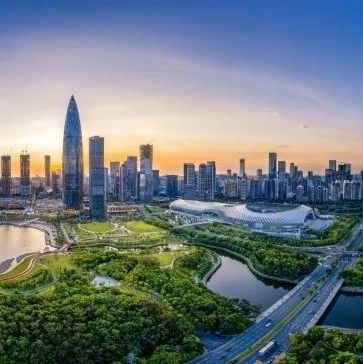
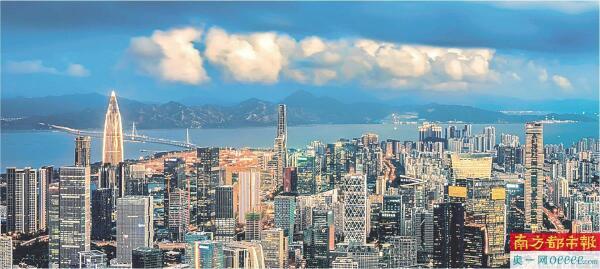
从1985年深圳科技工业园在滩涂奠基,到如今具有全球前沿科技和未来产业"风向标"意义的西丽湖国际 科教城,广东经济"第一区"——深圳南山完成了从"三来一补"加工区到全球创新生态范本的跨越。而 今,这条强势崛起的"独角兽走廊"背后,是硬科技突围与生态进化交织的双重奏,更蕴藏着中国创新从 政策驱动到生态自循环的深层逻辑。当我们将"独角兽走廊"的观察视角落到走廊内的每一个独角兽企业 上,不难发现这些成立于2000年之后、价值10亿美元以上的非上市企业的特点:年轻、成长快、市场潜 力巨大,他们的迅速成长与突围,离不开这片区域的改革创新力度,政策服务保障与产业创新生态。 创新沃土 "独角兽走廊"企业迅速成长与突围,离不开改革创新力度、政策服务保障与产业创新生态。 南宣供图 从制度破冰到服务颗粒度的极致 2014年,随着"大众创业、万众创新"的热潮席卷华夏大地,作为全国首批双创示范基地的南山区开始高 姿态向世界展示其创新实力,这也为"独角兽走廊"的诞生提供了良好的土壤,事实上,南山的创新密 码,早就写在"敢为天下先"的改革基因里。 1979年,蛇口工业区的开山炮声不仅炸响了中国改革开放的第一声,更埋下"时间就是金钱,效率 ...
BrandOS出海榜单发布:为企业加速走出去提供趋势参考
Sou Hu Cai Jing· 2025-07-17 09:16
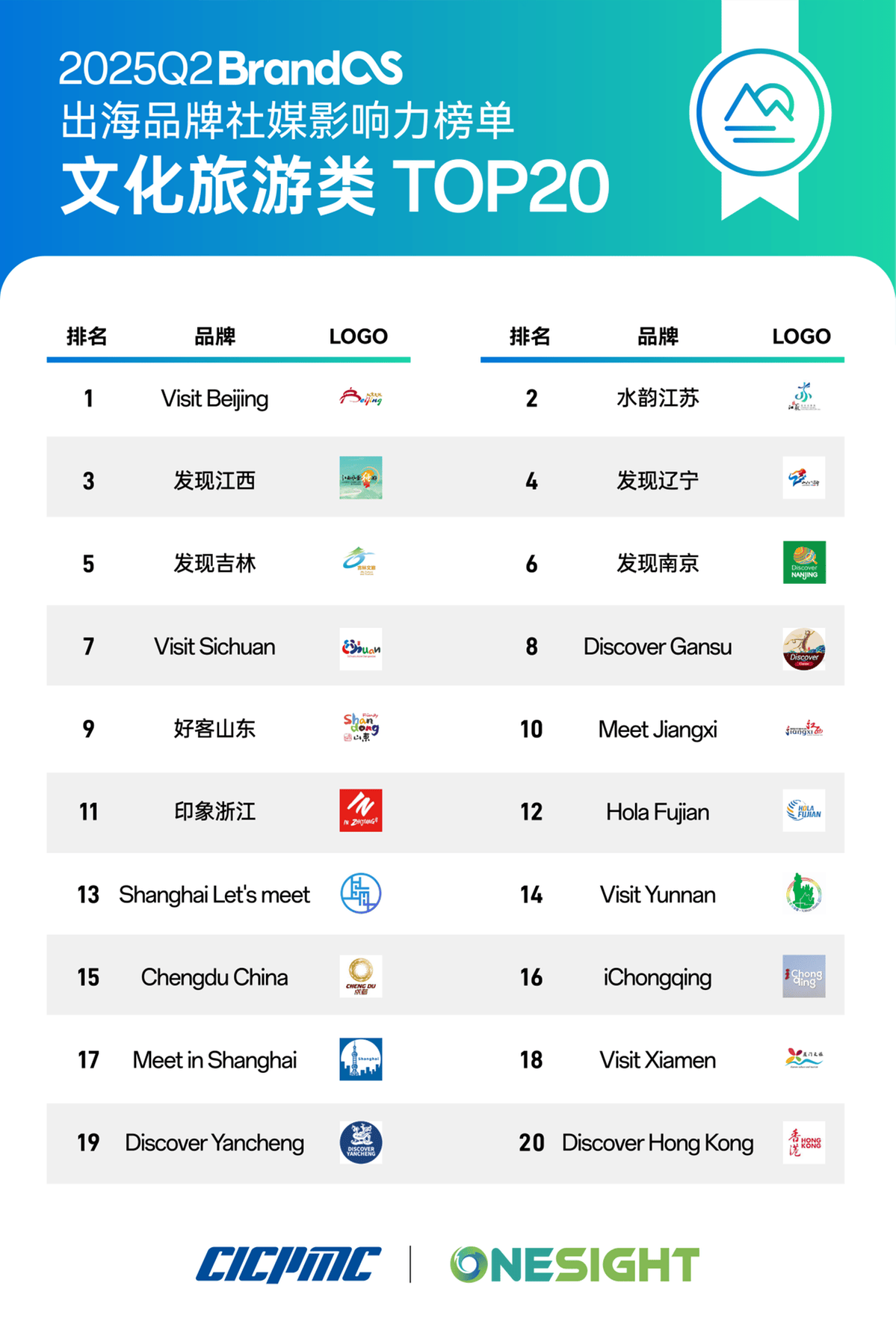
Core Insights - The BrandOS list, launched by the China International Multinational Corporation Promotion Association and OneSight, aims to evaluate the performance of Chinese brands on overseas social media platforms, providing a reference for global expansion strategies [1][3] - The list is the first non-commercial data ranking focused on Chinese brands' social media performance abroad, covering eight key industries and utilizing data from major social media platforms [1][3] - The latest report indicates that leading brands maintain steady social media presence while emerging brands show strong growth, reflecting the increasing activity and adaptability of Chinese brands in international markets [1][3] Industry Trends - **Trend 1: Virtual Space for Brand Communication** Global social media platforms are accelerating the commercialization of AR/VR technologies, creating immersive interaction ecosystems. This shift allows brands to engage with younger audiences more effectively [1][2] - **Trend 2: Modular AI Tools Enhancing Content Creation** AI technology is becoming a direct tool for brands, with platforms like Meta and YouTube offering new AI-driven content creation tools, which lower barriers for content production and enhance cross-market communication efficiency [2][3] - **Trend 3: Deepening Community Interaction** Social platforms are focusing on community engagement, enhancing user participation through feature upgrades, which fosters two-way communication between brands and users, thus building emotional connections [2][3] - **Trend 4: Intelligent Search Restructuring Content Exposure** Search functionalities are evolving from keyword matching to semantic understanding, requiring brands to optimize content presentation to align with new intelligent search algorithms [3] Brand Rankings - The BrandOS list includes top brands across various categories, such as: - **Consumer Electronics**: Xiaomi, DJI, Honor, Realme [4][6] - **Retail**: Pop Mart, SHEIN, Temu [9][10] - **Automotive**: BYD, Great Wall Motors, Xpeng [18][19] - **Home Appliances**: Haier, TCL, Hisense [15][16] - **Smart Manufacturing**: Chuangxiang 3D, xTooL, Hikvision [13][14] - **Entertainment**: Tencent Video, Youku, iQIYI [20][21]
粤链粤强:广东开启第三届链博会主宾省首秀
2 1 Shi Ji Jing Ji Bao Dao· 2025-07-16 12:46
Core Insights - The Guangdong International Supply Chain Cooperation Conference aims to enhance global industrial and supply chain collaboration, showcasing Guangdong's commitment to becoming a global industrial hub [1][2]. Group 1: Event Overview - The conference attracted nearly 300 participants, including government and business representatives from China and abroad [1]. - 64 Guangdong enterprises, including notable companies like Xpeng Motors and DJI, showcased innovative products at the event [1]. - The event featured policy discussions and business environment promotions to highlight Guangdong's industrial capabilities [1][2]. Group 2: Government and Business Perspectives - Guangdong is positioned as a crucial node in the global supply chain, with a robust industrial ecosystem and a commitment to innovation [2]. - The Thai Investment Promotion Committee expressed interest in further collaboration with Guangdong, highlighting existing investments from Guangdong companies in key sectors like electronics and biotechnology [2]. Group 3: Industry Highlights - Guangdong's policies, such as "Yue Chain Yue Strong," focus on fostering modern and future industries, including AI and biotechnology [3]. - The Huangpu District in Guangzhou is promoted as a prime investment opportunity, particularly in the biopharmaceutical sector, supported by strong research institutions [3]. Group 4: Company Achievements - Xpeng Motors reported significant growth, with over 190,000 vehicles delivered in the first half of the year, surpassing the total for the previous year [4][5]. - The company has invested over 23.9 billion yuan in R&D, holding 5,675 core patents, and is focusing on AI and autonomous driving technologies [5]. Group 5: Supply Chain Innovations - The conference highlighted the shift towards service trade in response to changing international trade dynamics, with companies like Zhenzhong Supply Chain emphasizing AI applications in supply chain management [6]. - Several cooperation agreements were signed to enhance trade and investment between Guangdong and Thailand, showcasing a commitment to deepening international collaboration [6]. Group 6: Future Directions - The Guangdong Trade Promotion Council aims to integrate industrial, innovation, financial, and talent chains to enhance market access for local enterprises [7]. - The conference is positioned as a key platform for global supply chain cooperation, with over 650 participating companies from 75 countries, including a significant presence from Fortune 500 companies [7].

新质驱动·未来领航——2025中国(深圳)独角兽企业大会即将开幕
Feng Huang Wang Cai Jing· 2025-07-16 09:51
Core Insights - The 2025 China (Shenzhen) Unicorn Enterprise Conference will be held on July 17-18, focusing on "New Quality Driven, Future Navigation" to inject dynamic energy into Shenzhen's development as a global benchmark city [1] Group 1: Event Overview - The conference is guided by Shenzhen's government departments and co-hosted by various financial and research institutions, aiming to discuss innovation and development [2] - Key highlights include the debut of the "GEI China Unicorn Enterprise Research Report 2025" and the "Shenzhen Unicorn and Gazelle Enterprises Research Report 2025," which will provide quantitative analysis and insights into unicorn growth and industry trends [2] - The establishment of the "Unicorn Enterprise Service Alliance" will create a comprehensive service network for innovative enterprises, covering policy alignment, financing support, and market expansion [2] Group 2: Value Creation - The conference will feature a "1+5" series of activities to create a full-chain connection platform, including a unicorn enterprise report release, cooperation negotiation meetings, and financing roadshows to address core needs of enterprises at various development stages [3] - Discussions will include topics such as "Intelligent Economy New Blue Ocean" and "Patient Capital and Enterprise Resilience Growth," fostering valuable exchanges of ideas [3] Group 3: Shenzhen's Unicorn Landscape - Shenzhen's unicorns are characterized by "hard technology" and innovation, with notable companies like Honor and Laplace leading in sectors such as integrated circuits and robotics [4] - The concentration of unicorns in cutting-edge technology fields, particularly in hard tech sectors, positions Shenzhen as one of the most active regions for unicorn enterprises in China [4] Group 4: Industry Participation - The conference will attract over a hundred unicorn enterprises from across the country, covering more than 20 cutting-edge sectors including AI, robotics, and biomedicine [5] - Local unicorns will serve as a vibrant "city business card," showcasing Shenzhen's industrial foundation and service networks, as well as successful case studies of companies transitioning from local to broader markets [5] Group 5: Growth and Policy Support - Shenzhen's unicorn growth trajectory reflects a shift from following to leading in innovation, with several companies successfully going public in recent years [6] - The introduction of the "Shenzhen Action Plan for Supporting the Development of Gazelle and Unicorn Enterprises (2025-2027)" will inject policy benefits into the innovation ecosystem, facilitating collective breakthroughs among unicorns [7]

智能影像设备行业深度:全景、运动相机,顺应科技的影像工具、社交玩具
Haitong Securities International· 2025-07-15 15:13
Investment Rating - The report indicates a positive outlook for the intelligent video device industry, particularly for panoramic and action cameras, highlighting significant growth potential in the market [3][32][54]. Core Insights - The intelligent video device market, especially panoramic and action cameras, is experiencing continuous expansion, with a projected retail scale exceeding 40 billion yuan in 2024 and expected to reach nearly 60 billion yuan by 2027 [13][54]. - The report emphasizes the leading market share of Insta360 in the panoramic camera segment, with a 67.2% share, while the action camera segment is poised for growth [70][54]. - Domestic brands like GoPro and Insta360 are noted for their strong operational performance and potential for global market expansion [32][81]. Market Trends - The outdoor sports sector is driving the demand for action cameras, with the GDP contribution from outdoor activities in the U.S. showing a consistent upward trend, reaching 2.3% [33][34]. - The report highlights the increasing popularity of short video content, with over 1.04 billion short video users in China by 2024, fostering a consumer base for panoramic and action cameras [40][42]. - The accessibility of user-friendly video editing tools is lowering the barriers for content creation, enhancing user engagement with intelligent video devices [48][49]. Regional Analysis - North America and Europe dominate the action camera market, with respective market sizes of 13.42 billion yuan and 10.2 billion yuan in 2023, while the Chinese market is rapidly growing with a compound annual growth rate (CAGR) of 41% from 2017 to 2023 [65][66]. - The report projects that the Chinese market for action cameras will maintain a CAGR of over 26% from 2023 to 2027, indicating substantial growth potential [65][66]. Company Performance - GoPro is focusing on subscription services to enhance revenue, with a notable increase in subscribers for its premium services [74][78]. - Insta360's product lines, particularly the Ace series, are expected to capture significant market share, with a gross margin of 52.2% in 2024 [81][82]. - The report notes that Insta360's revenue from consumer-grade cameras is projected to reach 47.89 billion yuan in 2024, accounting for 86% of its total revenue [83].
最近,投低空的VC去了深圳
投资界· 2025-07-14 07:41
Core Viewpoint - Shenzhen is emerging as a leading hub for the low-altitude economy in China, with a significant concentration of companies and investment in the sector, particularly in areas such as drone logistics, flying cars, and advanced flight control technologies [4][10][14]. Group 1: Event Overview - The "X-Day" low-altitude economy event took place in early July at Shenzhen University Town, featuring eight companies showcasing innovations in flying cars, eVTOL manufacturing, drone logistics, and more [2][6]. - The event attracted numerous venture capital firms and investment institutions, highlighting the growing interest in low-altitude startups in Shenzhen [4][8]. Group 2: Company Highlights - Notable companies presented at the event include ZeXin Future, focusing on low-altitude safety applications, and Micro Air, a cargo drone developer with a strong team background [6][7]. - Other companies like Starry Sea and Qianfan Intelligent are also making strides in the low-altitude sector, with significant funding and innovative projects [7][8]. Group 3: Industry Development - Shenzhen's low-altitude economy has seen over 500 companies established, with a total output value exceeding 55 billion yuan in the previous year [10][11]. - The region has a robust industrial foundation, rich research resources, and diverse application scenarios, including logistics, medical rescue, and aerial photography [15]. Group 4: Government Support - The Shenzhen government has prioritized the low-altitude economy in its work reports and has introduced supportive legislation to foster industry growth [14][15]. - Specific policies and plans have been implemented to enhance the development of the low-altitude economy in Nanshan District, aiming for significant industry scale and technological innovation by 2026 [14][15].