
易方达基金

Search documents
石油石化ETF上涨;1月14只ETF扩容逾百亿丨ETF晚报
2 1 Shi Ji Jing Ji Bao Dao· 2026-02-04 12:00
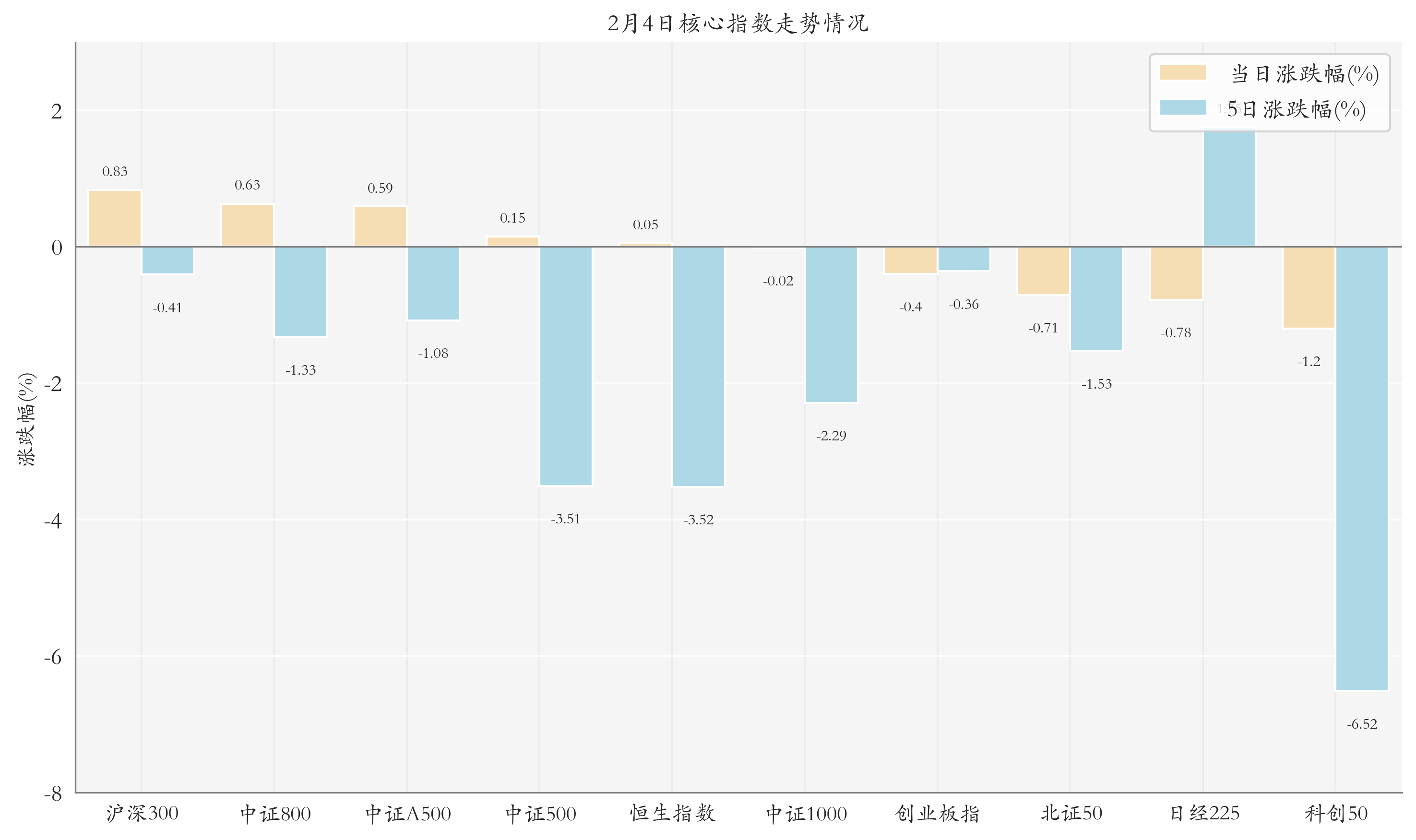
ETF Industry News - The Shanghai Composite Index has returned to 4100 points, with multiple ETFs in the oil and petrochemical sector experiencing significant gains, including the Energy ETF Guangfa (159945.SZ) up by 5.99% and the Energy ETF (159930.SZ) up by 5.33% [1] - On February 3, the A-share market saw a reversal with a net inflow of nearly 10 billion yuan into stock ETFs, marking one of the few days of net inflow since January. Major ETFs tracking the CSI 500, CSI 300, and STAR 50 indices saw significant inflows, while thematic ETFs in sectors like non-ferrous metals and photovoltaics experienced net outflows [2] - As of January 31, 2026, 14 ETFs have expanded by over 10 billion yuan, with a notable shift towards industry-themed ETFs and commodity ETFs, indicating a consensus among investors on sectors supported by industrial policies and positive fundamentals [3] Market Overview - On February 4, the A-share market showed mixed performance, with the Shanghai Composite Index rising by 0.85% to close at 4102.2 points, while the ChiNext Index fell by 0.4%. The top performers among major indices included the CSI 300 and CSI 800 [4] - In terms of sector performance, coal, building materials, and real estate sectors led the gains with daily increases of 7.58%, 3.48%, and 2.97% respectively, while media, communication, and computer sectors lagged behind [7] ETF Market Performance - The average daily return for commodity ETFs was the highest at 3.70%, while stock-themed index ETFs had the lowest average return at -0.08% [10] - The top-performing ETFs included the Coal ETF (515220.SH) with a return of 9.07%, followed by the Energy ETF Guangfa (159945.SZ) and the Energy ETF (159930.SZ) with returns of 5.99% and 5.33% respectively [13] - The top three ETFs by trading volume were the A500 ETF Southern (159352.SZ) with a trading volume of 7.732 billion yuan, the CSI 500 ETF (159338.SZ) with 6.968 billion yuan, and the A500 ETF Fund (512050.SH) with 14.236 billion yuan [16]

国内债券ETF发展现状与产品结构解析:从规模高增到结构分化
Hua Yuan Zheng Quan· 2026-02-04 10:58
Report Industry Investment Rating No industry investment rating was provided in the report. Core Viewpoints of the Report - In 2025, the domestic bond ETF market experienced rapid growth, with the scale increasing from 174 billion yuan at the end of 2024 to 829 billion yuan at the end of 2025. The product structure showed differentiation, with credit - bond ETFs becoming the main growth driver. [1] - The participation of bond ETFs continued to expand, but the scale barriers of leading fund companies were relatively stable. The market was mainly dominated by institutional investors. [1][2] - The performance of interest - rate bond ETFs was related to duration, and there was significant differentiation. Credit - bond ETFs such as science - innovation bond ETFs and benchmark market - making credit - bond ETFs showed stable performance. Convertible bond ETFs also achieved high - speed growth. [2] - The domestic bond ETF market may further concentrate on leading institutions in single categories. Future product innovation may focus on diversified expansion to meet the differentiated needs of investors. [2] Summary by Relevant Catalogs 1. Domestic Bond ETF Market Overview 1.1 Bond ETF Development Process - The development of domestic bond ETFs has gone through three stages: the start - up stage from 2013 - 2018, the slow - growth stage from 2019 - 2021, and the rapid - growth stage from 2021 to the present. As of December 31, 2025, the scale reached 829 billion yuan. [6] 1.2 Bond ETF Scale Growth in 2025 - In 2025, the bond ETF market grew rapidly. By the end of 2025, there were 53 listed bond ETFs, with a total scale of 829 billion yuan, a 377% increase compared to the end of 2024. The scale expansion showed an accelerating trend. [9] - Among the 53 bond ETF products, 37 had a scale of over 10 billion yuan, accounting for about 70%, indicating rapid market development in 2025. [14] 1.3 Bond ETF Benchmark Index - As of the end of 2025, the domestic bond ETF benchmark index had formed a system covering all categories such as interest - rate bonds, credit bonds, and convertible bonds, with a total of 25 indices compiled by index institutions such as China Securities Index and China Bond Index. [17] - Different types of ETFs correspond to different target indices, which can meet the diversified needs of investors from stable allocation to thematic investment. [18] 1.4 Bond ETF Product Classification System - Domestic bond ETFs can be divided into interest - rate bond ETFs, credit - bond ETFs, and convertible bond ETFs. Interest - rate bond ETFs are the basic products, credit - bond ETFs were the main growth driver in 2025, and there are currently 2 convertible bond ETFs. [21][22] 1.5 Bond ETF Managers - As of the end of 2025, 28 fund companies managed a total of 53 bond ETFs. The scale of leading fund managers showed a long - term stagnation followed by rapid growth. [23] - The market pattern showed significant leading effects and high concentration. Haitong Fund ranked first, followed by Boshi Fund and Fuguo Fund. Both leading institutions and new entrants promoted the expansion of the industry. [28][31] 2. Bond ETF Product Line and Recent Trends 2.1 Structural Differentiation of Bond ETF Scale Growth in 2025 - In terms of scale and quantity, interest - rate bond, credit - bond, and convertible bond ETFs showed significant differentiation in 2025, reflecting the different demand for products with different risk - return characteristics. [33] - Products with a duration of 0 - 3 years and 3 - 7 years accounted for a relatively large proportion, with the proportion increasing by 12.33 percentage points compared to the end of 2024. [38] - The launch of science - innovation bond ETFs and benchmark market - making credit - bond ETFs was the highlight of the market in 2025. The total scale of science - innovation bond ETFs exceeded 35.53 billion yuan, contributing nearly 54% of the annual market scale increment. [41] 2.2 Interest - Rate Bond ETFs - The scale of interest - rate bond ETFs expanded steadily. As of the end of December 2025, the asset - net - value scale was 152.8 billion yuan, accounting for 18.4% of the overall bond ETF market. Policy support promoted the inflow of funds. [45][51] - The product system was improving and achieved full - duration coverage, but there was still room for innovation in some niche categories. [52] - The competition pattern was relatively stable, with leading institutions taking the lead. Competition focused on duration coverage, tracking - error control, and liquidity maintenance. [54] 2.3 Credit - Bond ETFs - Before 2025, there were only 3 credit - bond ETFs. In 2025, it was a big year for credit - bond ETF issuance, with the launch of benchmark market - making credit - bond ETFs and science - innovation bond ETFs. [57] - **Benchmark Market - Making Credit - Bond ETFs**: In January 2025, 8 benchmark market - making credit - bond ETFs were listed. Their scale showed a trend of rapid expansion in the first half of the year and high - level oscillation in the second half. The underlying assets were concentrated in medium - and short - duration, high - rating bonds, mainly including general public - offering corporate bonds and science - innovation bonds. [58][59][62] - **Science - Innovation Bond ETFs**: In 2025, science - innovation bond ETFs grew rapidly, with a total scale of 35.53 billion yuan at the end of the year, accounting for over 40% of the overall bond ETF scale. They were driven by policies and had a three - pillar tracking - index system, with products concentrated in leading fund companies. [70][73][76] - **Other Credit - Bond ETFs**: There were only 3 other credit - bond ETFs, focusing on short - term financing, urban investment bonds, and high - grade corporate bonds. [79] 2.4 Convertible Bond ETFs - In a low - interest - rate environment, convertible bond ETFs became an important allocation target. As of the end of 2025, there were only 2 convertible bond ETFs. The market had achieved leap - forward growth in recent years, and although the scale decreased in 2025, it remained at a high level. [81][82] 3. Bond ETF Product Holder Structure - Bond ETFs were mainly held by institutional investors, and the investor structure of treasury - bond ETFs was relatively balanced. As of June 2025, institutional investors held 92% of the asset - net - value scale, and individual investors held 8%. [84] - In terms of concentration, the concentration of policy - financial bond ETFs was the highest, and that of convertible bond ETFs was the lowest. The top three institutional investors in terms of holding scale were other institutions, securities firms, and securities investment funds. [88][89] 4. Bond ETF Performance - As of the end of 2025, the performance of interest - rate bond ETFs showed significant differentiation, with long - duration products having larger declines and short - duration products achieving positive returns. Most products had a tracking - deviation mean of less than 0.1. [92] - The performance of credit - bond ETFs also showed differentiation. Some science - innovation bond ETFs and benchmark market - making credit - bond ETFs performed well, and the annualized returns of some early - established credit - bond ETFs were higher. [95][97] - The recovery - unit - net - value trends of Haitong Shanghai - Stock - Exchange Investment - Grade Convertible Bond ETF and Boshi Convertible Bond ETF were highly synchronized, with 2025 returns of 13.1% and 18.0% respectively, and annualized returns since establishment of 4.5% and 5.5% respectively. [98] 5. Future Development of Bond ETFs - The domestic bond ETF market showed a trend of concentration among leading institutions, and there were problems such as product homogenization and lack of richness, which were difficult to meet the differentiated needs of investors. [102] - Referring to the US bond ETF market, the domestic bond ETF market could enrich the product matrix from multiple dimensions, including expanding product - gradient coverage, developing Smart Beta and actively managed bond ETFs, adding cross - border and cross - market bond ETFs if QDII quotas were sufficient, and adding over - the - counter connection funds. [103][104][107]
红利板块集体走强,红利低波ETF易方达(563020)规模突破60亿元,创历史新高
Sou Hu Cai Jing· 2026-02-04 10:36
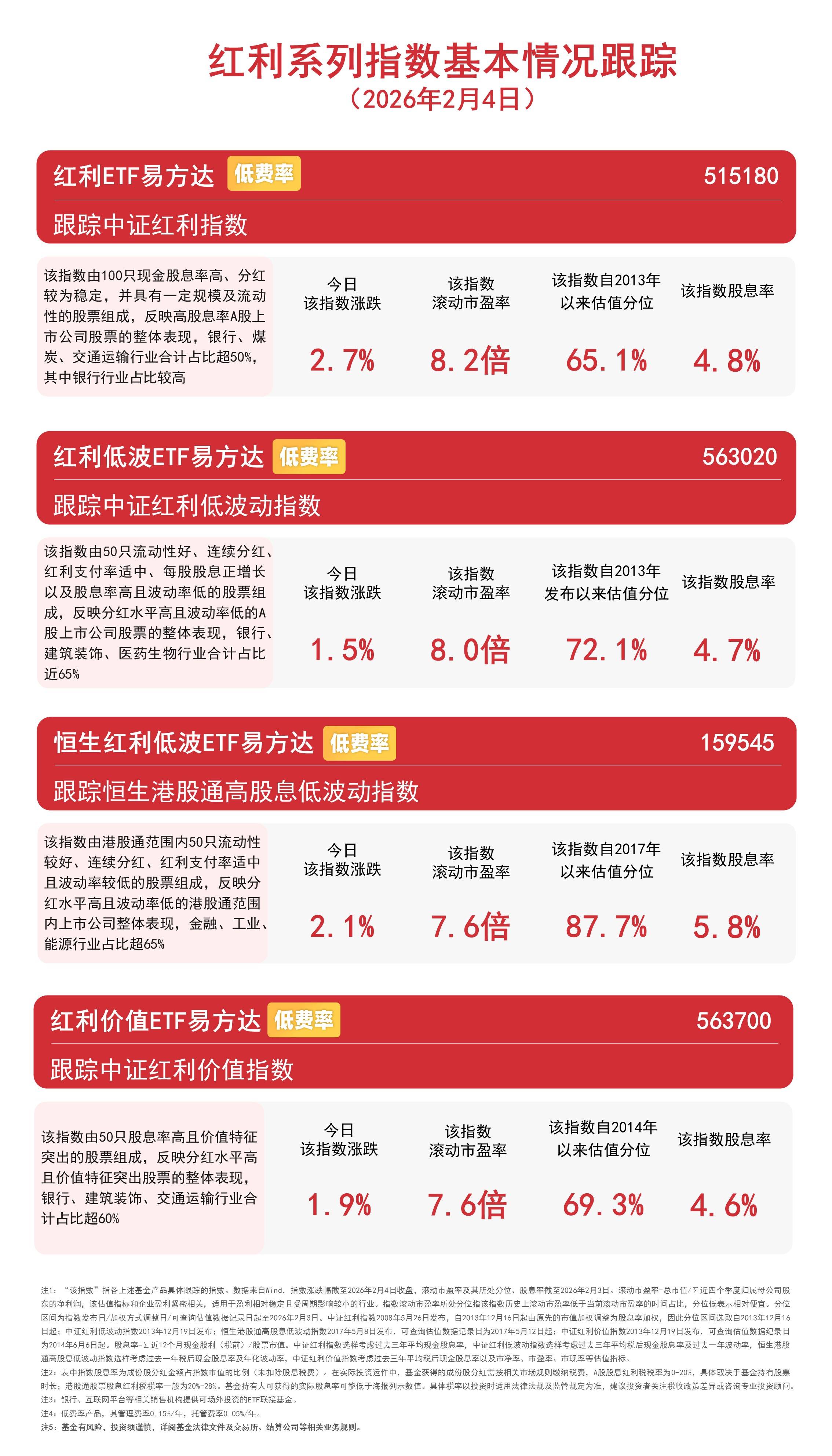
Group 1 - The core viewpoint of the news is that the dividend sector has shown strong performance, with various indices reflecting significant increases in value, indicating a positive trend in high-dividend stocks [1][4][5] - The CSI Dividend Index rose by 2.7%, the Hang Seng High Dividend Low Volatility Index increased by 2.1%, the CSI Dividend Value Index went up by 1.9%, and the CSI Dividend Low Volatility Index gained 1.5% [1][4][5] - The E Fund Dividend Low Volatility ETF (563020) has seen a net inflow of 230 million yuan over the past three days, bringing its total assets to over 6 billion yuan, a record high [1] Group 2 - E Fund is currently the only fund company that implements low fee rates for all its dividend ETFs, with a management fee rate of 0.15% per year for its various products [1] - The E Fund's products include the Hang Seng Dividend Low Volatility ETF (159545), Dividend ETF (515180), Dividend Low Volatility ETF (563020), Dividend Value ETF (563700), and A500 Dividend Low Volatility ETF (563510) [1] - The indices mentioned are composed of stocks with good liquidity, continuous dividends, moderate dividend payout ratios, positive growth in earnings per share, and low volatility, reflecting the overall performance of high-dividend and low-volatility stocks [3][7]
富国基金利润破千亿背后:指数产品成 “压舱石”,主动权益规模 “滑铁卢”,明星基金经理出走
Xin Lang Cai Jing· 2026-02-04 08:52
值得一提的是,近些年来富国基金多位核心基金经理相继离职,包括二级债"准一哥"刘兴旺、QDII明星 宁君均于2025年11月双双挂靴,范妍等外来人才临危受命,不过目前来看表现平平,投研换血成效仍有 待观察;富国天惠成长混合(LOF)C近一年跑输同类18个百分点、近两年跑输同类近30个百分点,朱 少醒"常青树"光环稍显褪色。 6只基金清盘 Wind数据显示,2025年全年富国基金旗下基金产品为投资者实现的总利润超1050亿元,其中主动权益 类产品合计为基民赚得566.10亿元。 《东西财经》梳理发现,赚钱能力排名靠前的分别为富国天惠精选成长混合(LOF)A/B、富国新兴产 业股票A、富国创新科技混合A、富国稳健增长混合A、富国中小盘精选混合A、富国沪港深业绩驱动混 合A、富国均衡优选混合、富国互联科技股票型A、富国天瑞强势精选混合A、富国创新趋势股票A,利 润分别为43.49亿元、41.73亿元、31.82亿元、20.25亿元、19.5亿元、19.48亿元、17.82亿元、17.73亿 元、17.37亿元、17.02亿元。 尽管2025年富国基金业绩表现亮眼,但在高光背后则是2022年至2024年旗下混合型基金给 ...
基民猛亏自己稳赚?基金经理只挨骂不惩罚的日子到头了...
3 6 Ke· 2026-02-04 08:27
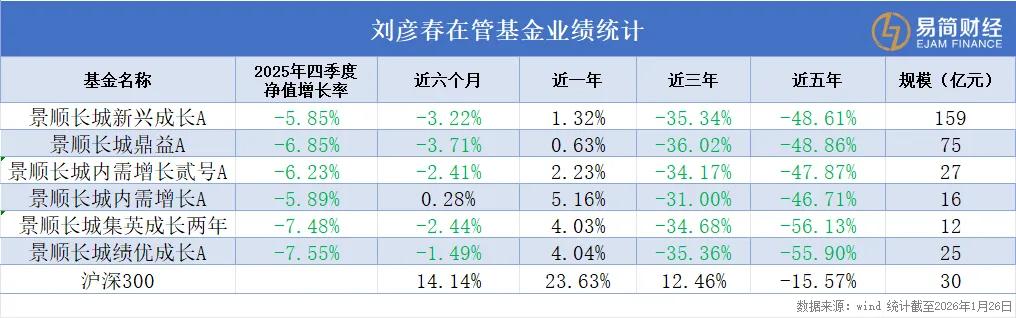
基金行业正在经历一轮大洗牌。本来嘛,基民的钱亏了,基金经理却还拿着高薪和奖金,管理费一分不少,这事被吐槽很久了。 就在上个月,新规出 来,一切都要改变。 资本市场,现在是冰火两重天。 买科技股的公募,最高年盈利233%,另一方面,持有老登股的基金经理们,逐渐被基民抛弃。 四季度,医药女神们纷纷扑街。还有基金持仓紧握老登股的基金经理,被爆出来自己偷偷买了很多科技股赚了大钱,成了众矢之的。 业绩轮流翻车,去年的基金经理离职人数创下新高,已经达到453人。而基金经理总人数却在持续扩大,很多年轻的基金经理,83%连上一轮牛市都没经 历过。 整个基金行业,正在经历一轮大洗牌。 医药女神翻车,有人差别操作自己赚翻,基民气炸了 除了医药女神,其他明星基金经理也有翻车的。 知名基金经理刘彦春的四季报,普遍亏损在5.8%-7.5%之间,最近五年基本上是腰斩。 尤其是基金的四季报一披露,不少医药女神都扑街了。张韡、赵蓓等管理的医药基都在四季度陷入了亏损,把上半年的利润吐回去不少。 新晋的医药一姐张韡,去年曾凭借管理的香港优势精选,以85.64%的收益斩获公募业绩上半年冠军,结果下半年就把上半年挣的钱亏了一半回去。 去年的医药板块 ...
午后沪指重返4100点!关于A股 今天有一个好消息和一个坏消息
Mei Ri Jing Ji Xin Wen· 2026-02-04 07:35
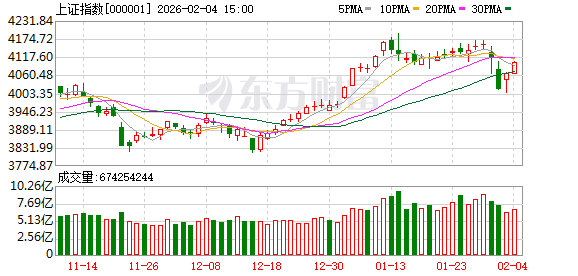
Market Performance - The Shanghai Composite Index rose 0.85% to reclaim the 4100-point mark, while the Shenzhen Component Index increased by 0.21%, and the ChiNext Index fell by 0.4% [2] - Over 3200 stocks in the market saw gains, with total trading volume in the Shanghai and Shenzhen markets reaching 2.48 trillion yuan, a decrease of 63.3 billion yuan from the previous trading day [2] - The market theme for the day was "consolidation," following a significant drop on Monday and a strong recovery on Tuesday [2] Sector Performance - The coal sector experienced a surge, with a wave of stocks hitting the daily limit, while the space photovoltaic sector also saw explosive growth [2] - Active sectors included airport shipping, real estate, and hydrogen energy, while sectors such as AI applications, precious metals, and computing hardware faced the largest declines [2] Fund Flows - Major indices like the SSE 50, CSI 300, and dividend index showed stronger performance, indicating that large capital outflows may have ended [4] - Data showed that previously declining ETFs, such as the CSI 300 and CSI 500, experienced slight net inflows on February 3 [4] ETF Inflows - The top 10 ETFs by net inflow on February 3 included the Southern CSI 500 ETF with a net inflow of 35.665 billion yuan and the Guotai CSI All-Share Securities Company ETF with 11.167 billion yuan [5] - The Southern CSI A500 ETF and the Huaxia Hang Seng Internet Technology ETF also saw significant inflows, indicating renewed interest in these funds [5] Market Sentiment - The market sentiment appears to be stabilizing, with the Shanghai Composite Index rebounding from a low of 4002 points, suggesting a potential short-term bottom if large capital does not exert downward pressure [11] - However, the market is experiencing increased volatility, with rapid sector rotation making it challenging for short-term investors [13][20] Sector Rotation - Only the photovoltaic equipment sector has consistently performed well in the past week, while other sectors like precious metals and communication equipment have shown inconsistent performance [16][18] - The rapid rotation in sectors indicates that chasing high-performing stocks may lead to losses, and investors are advised to be cautious [20] Key Sectors to Watch - The photovoltaic sector, particularly space photovoltaic, is gaining attention due to developments from SpaceX and its plans for solar capacity in the U.S. [24][25] - The coal sector is expected to see a recovery in 2026, driven by production cuts in Indonesia and seasonal production declines [26][27] - The hydrogen energy sector is poised for growth due to increased policy urgency and infrastructure readiness, presenting significant opportunities [28] - The liquor sector is also showing signs of stability, with expectations of a bottoming out in 2026, making it a potential investment opportunity [29]
AI投资告别“讲故事”:公募四季报告诉你,2026年该投什么?
券商中国· 2026-02-04 06:29
Core Viewpoint - The 2025 fund quarterly report indicates a shift in investment strategy from emotion-driven to performance-based, emphasizing stability and safety in the market [1] Group 1: Market Activity and Fund Performance - The average daily trading volume in A-shares reached 3.11 trillion yuan, a month-on-month increase of over 10%, indicating active trading despite the approaching Spring Festival [1] - As of December 2025, the net asset value of domestic public funds in China reached 37.71 trillion yuan, nearing the 38 trillion yuan mark, and has set a historical high for nine consecutive months [1] Group 2: Passive vs. Active Funds - By the end of 2025, the market value of stock index funds reached 4.7 trillion yuan, a quarter-on-quarter increase of 3.4%, while active equity funds fell to 3.39 trillion yuan, down 5.2% [4] - The gap between passive and active funds widened from 970 billion yuan in Q3 2025 to 1.31 trillion yuan by the end of 2025, reflecting a growing preference for transparent and cost-effective investment tools [4][5] Group 3: Sector Focus and Investment Trends - In 2025, active equity funds showed a reduction in allocation to TMT sectors, with a notable increase in the communication sector by approximately 1.9 percentage points [7] - Companies in the storage chip sector, such as Baiwei Storage, are expected to see significant profit growth, with projected net profits increasing by 427.19% to 520.22% year-on-year [8] Group 4: Safety and Stability in Investments - Commodity funds saw a surge of over 40% in scale, with gold-related ETFs increasing by over 100 billion yuan, highlighting a shift towards safe-haven assets amid global economic uncertainties [10] - The "fixed income plus" products reached a scale of 2.74 trillion yuan by the end of 2025, growing approximately 60% year-on-year, catering to cautious investors seeking stable returns [11]





大逆转!近百亿,加仓!
Zhong Guo Ji Jin Bao· 2026-02-04 05:53
Group 1 - The A-share market experienced a reversal with net inflows after several days of capital outflows, with total trading volume exceeding 2.5 trillion yuan on February 3 [1] - On February 3, nearly 10 billion yuan flowed into the stock ETF market, marking one of the few days of net inflow since January [1][5] - The top-performing ETFs included those tracking the CSI 500, CSI 300, and STAR Market 50 indices, while sectors like non-ferrous metals and photovoltaics saw significant outflows [1][5] Group 2 - As of February 3, the total scale of stock ETFs reached 4.15 trillion yuan, with trading volume for stock ETFs at 298.75 billion yuan, a decrease of nearly 20 billion yuan from the previous trading day [2] - The leading sectors on that day were new energy and non-ferrous metals, with four of the top ten ETFs by increase in price belonging to the new energy sector [2][3] - The worst-performing ETFs included those related to new economy, Hong Kong Stock Connect technology, brokerage, and banking, with declines around 1% to nearly 7% [3] Group 3 - On February 3, the net inflow for stock ETFs was approximately 97.52 billion yuan, with 56 ETFs seeing inflows exceeding 100 million yuan [5][7] - The CSI 500 index led with a net inflow of 3.80 billion yuan, while the SGE Gold 9999 index saw a net outflow of 6.84 billion yuan [6] - Recent inflows into sector-specific indices included over 6.1 billion yuan into the semiconductor index and over 4.6 billion yuan into the STAR Market chip index [6] Group 4 - The top three ETFs by net inflow on February 3 were the CSI 500 ETF with 3.57 billion yuan, the Securities ETF with 1.12 billion yuan, and the A500 ETF with 973 million yuan [7] - Conversely, the ETFs with the highest net outflows included the Non-Ferrous Metals ETF and the Gold Stock ETF, with outflows of 4.18 billion yuan and 714 million yuan respectively [8] Group 5 - Major fund companies like E Fund and Huaxia Fund saw significant inflows into their ETFs, with E Fund's total ETF scale reaching 652.35 billion yuan, an increase of 9.64 billion yuan [9] - Notable inflows for E Fund included 711 million yuan into the CSI 300 ETF and 528 million yuan into the China Concept Internet ETF [9] - Fund manager Huang Yue from Guotai Fund expressed optimism for a spring market rally in Q1 2026, focusing on sectors like securities, new energy, semiconductors, and consumer services [9]
大逆转!本周二股票ETF资金净流入接近百亿元
Zhong Guo Ji Jin Bao· 2026-02-04 05:48
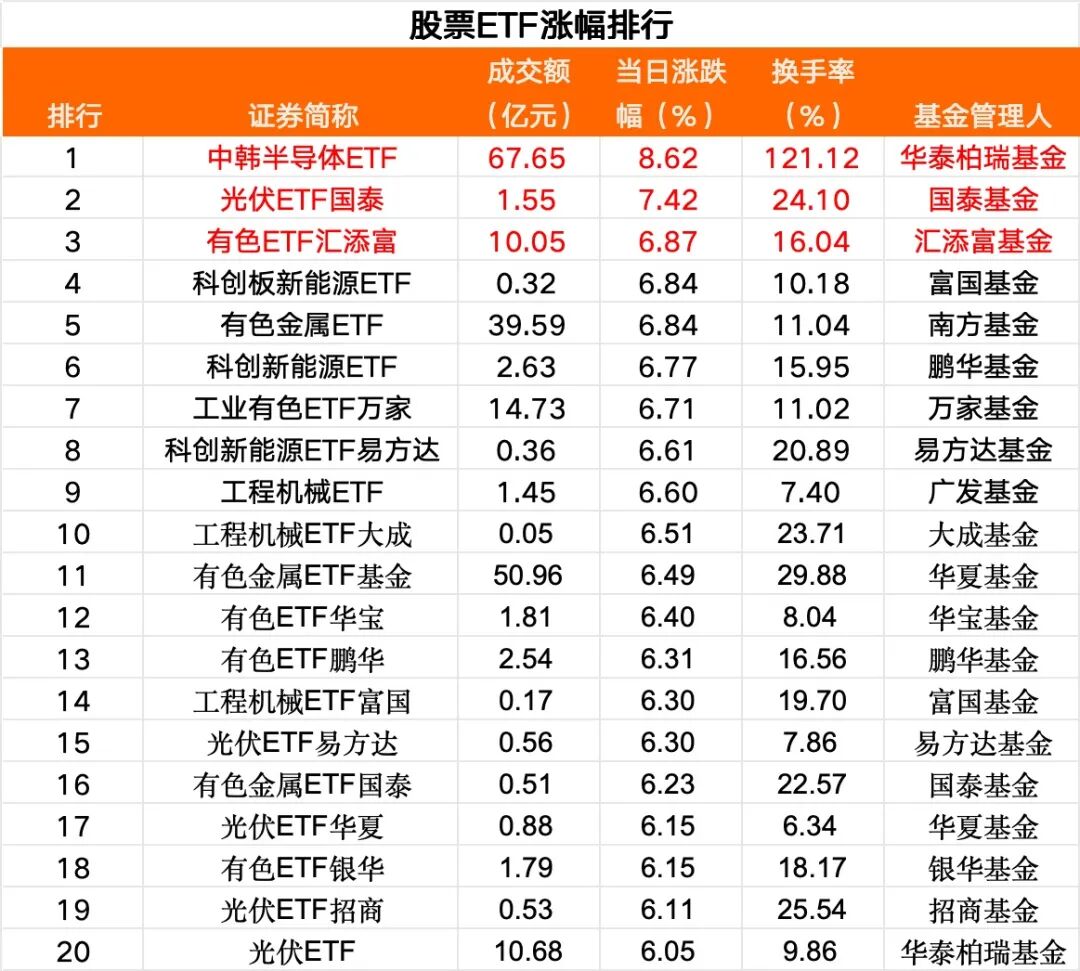
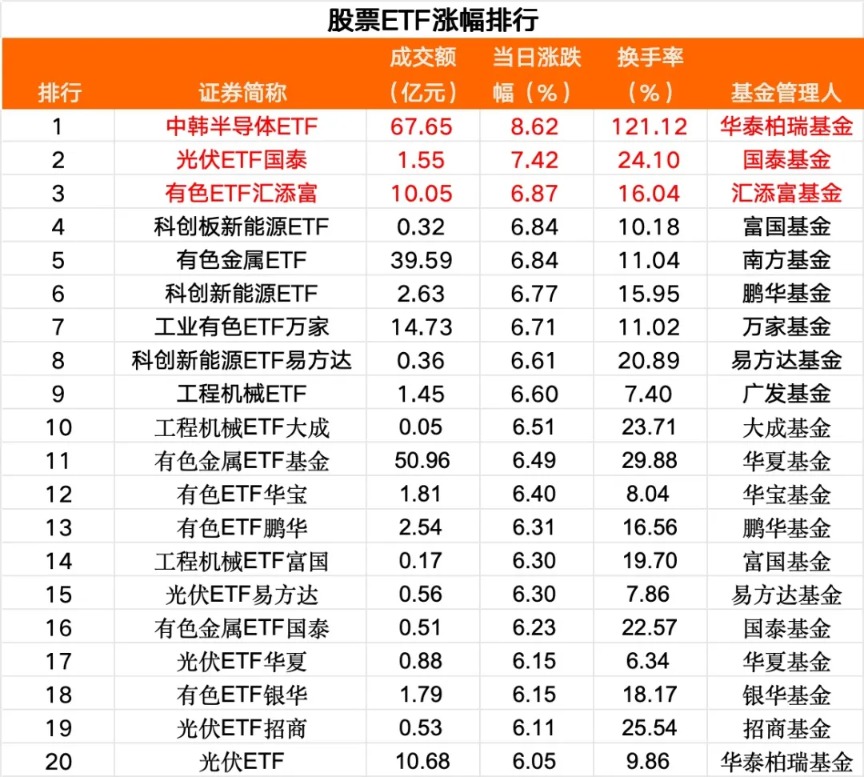
Core Viewpoint - After several days of net capital outflow, the A-share market saw a reversal with significant capital inflow on February 3, 2026, as all three major indices closed higher, with a trading volume exceeding 2.5 trillion yuan [1]. Group 1: Market Performance - On February 3, the total scale of all stock ETFs reached 4.15 trillion yuan, with a trading volume of 298.75 billion yuan, a decrease of nearly 20 billion yuan from the previous trading day [2]. - The top-performing sectors included new energy and non-ferrous metals, with four of the top ten ETFs by increase belonging to the new energy sector [2]. - The worst-performing ETFs included those related to brokerage and banking, with declines around 1% to nearly 7% [2]. Group 2: Capital Inflow and Outflow - On February 3, the net inflow of capital into stock ETFs was approximately 97.52 billion yuan, with 56 ETFs seeing inflows exceeding 100 million yuan [4]. - The net inflow for the entire market was 14.9 billion yuan, with broad-based ETFs and Hong Kong market ETFs leading the inflows at 112.49 billion yuan and 23.6 billion yuan, respectively [4]. - The net inflow for the CSI 500 index was 38.01 billion yuan, while the SGE Gold 9999 index saw a net outflow of 68.46 billion yuan [4]. Group 3: ETF Performance Rankings - The top three ETFs by net inflow were the CSI 500 ETF (35.66 billion yuan), the Securities ETF (11.17 billion yuan), and the A500 ETF (9.73 billion yuan) [5]. - The leading ETFs by trading volume included the CSI 500 ETF with 142.18 billion yuan, followed by the A500 ETF with over 100 billion yuan [2]. - A total of 26 ETFs experienced net outflows exceeding 1 billion yuan, with non-ferrous metals and photovoltaic industry ETFs being the most affected [5]. Group 4: Fund Management Insights - Major fund companies like E Fund and Huaxia Fund reported significant net inflows into their ETFs, with E Fund's total ETF scale reaching 652.35 billion yuan, an increase of 96.4 billion yuan [7]. - Fund managers expressed optimism about the A-share market, anticipating a potential spring rally in Q1 2026, particularly in sectors like securities, new energy, semiconductors, and consumer services [7].
晶澳科技股价涨5%,易方达基金旗下1只基金位居十大流通股东,持有2443.83万股浮盈赚取1490.74万元
Xin Lang Ji Jin· 2026-02-04 05:36
2月4日,晶澳科技涨5%,截至发稿,报12.80元/股,成交16.20亿元,换手率3.94%,总市值423.64亿 元。 资料显示,晶澳太阳能科技股份有限公司位于北京市丰台区汽车博物馆东路1号院诺德中心8号楼,香港 湾仔皇后大道东248号大新金融中心40楼,成立日期2000年10月20日,上市日期2010年8月10日,公司主 营业务涉及硅片、太阳能电池片及太阳能电池组件的研发、生产和销售,以及太阳能光伏电站的开发、 建设、运营等。主营业务收入构成为:光伏组件91.10%,其他5.85%,光伏电站运营3.05%。 从晶澳科技十大流通股东角度 数据显示,易方达基金旗下1只基金位居晶澳科技十大流通股东。易方达沪深300ETF(510310)三季度 减持79.64万股,持有股数2443.83万股,占流通股的比例为0.74%。根据测算,今日浮盈赚取约1490.74 万元。 易方达沪深300ETF(510310)成立日期2013年3月6日,最新规模3002.2亿。今年以来收益0.76%,同类 排名4392/5562;近一年收益25.3%,同类排名2801/4285;成立以来收益140.14%。 截至发稿,余海燕累计任职时 ...
